
Reviewed · NAIROBI NATIONAL PARK TOURS
6hrs of Birdwatching in Nairobi National park
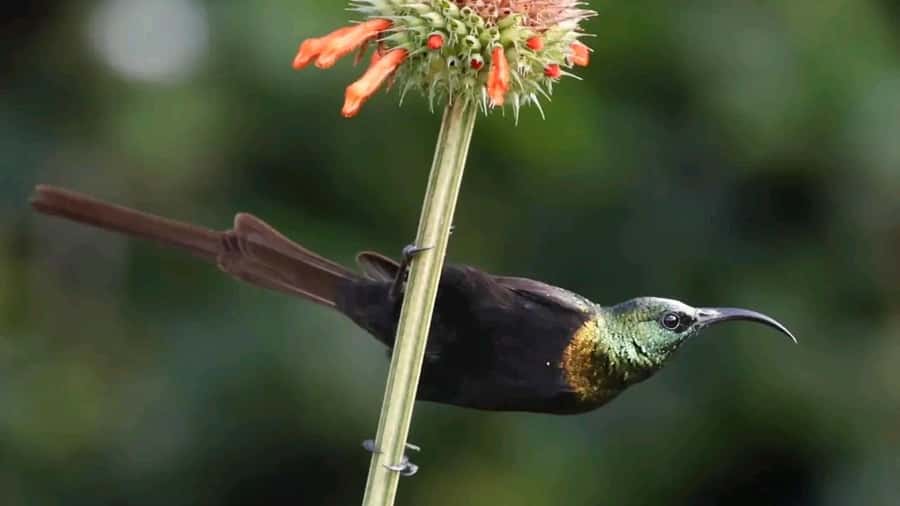
Nairobi National Park is an unusually easy place to add serious birdwatching to a city stay. Within a short drive of central Nairobi, you can move from dry forest to wetlands and open grassland, with more than 520 bird species recorded in the park. I like the six-hour focus on birds and the way the route covers several habitats rather than stopping at one scenic viewpoint. I also like the personal bird list sent after the outing, a small touch that helps you remember what you saw.
The main consideration is cost. At $450 for a private group of up to seven, this makes best sense for a small party that wants dedicated guiding. Park entry is extra, and non-residents pay $48 in low season or $60 in high season, so the final bill is higher than the advertised tour price.
Key points to know before you book
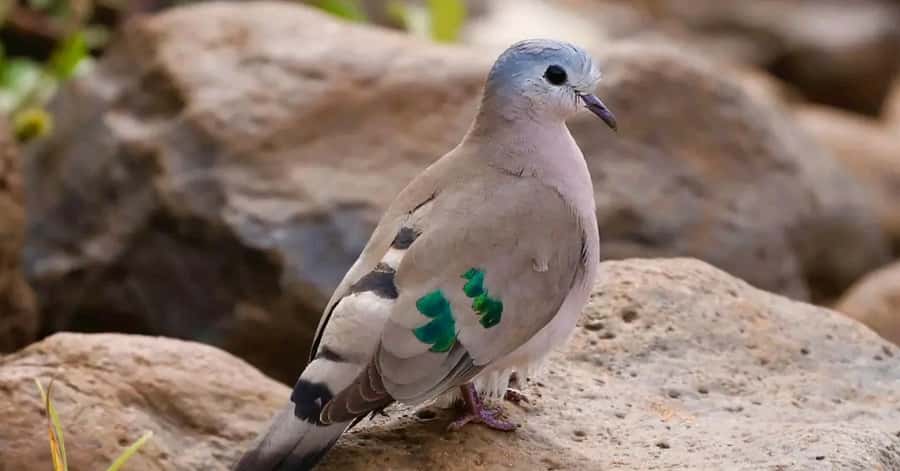
- Several habitats in one morning: Look for forest birds, waterbirds, and open-country species across the dry forest, dams, wetlands, and grassland.
- Private group of up to seven: You get a private guide and vehicle rather than joining a large shared safari.
- Strong bird-spotting help: Guides such as Diana, Saidi, and Benson have been praised for finding tiny birds, hearing faint calls, and handling identification.
- A useful record of the day: Your bird list is sent by email after the session.
- Wildlife beyond birds: Lions, rhinos, giraffes, zebras, antelopes, buffalo, and even a cheetah have appeared during bird-focused outings.
- Open-roof van included: A safari van is provided, while a Landcruiser costs an additional $80.
Why Nairobi National Park works for a birding day
For many people, Nairobi National Park is their first taste of Kenyan wildlife. Its great advantage is location. You do not need to spend a full day driving to a remote reserve before the birdwatching begins. Pickup starts in Nairobi, followed by about an hour in the van before the park portion of the day.
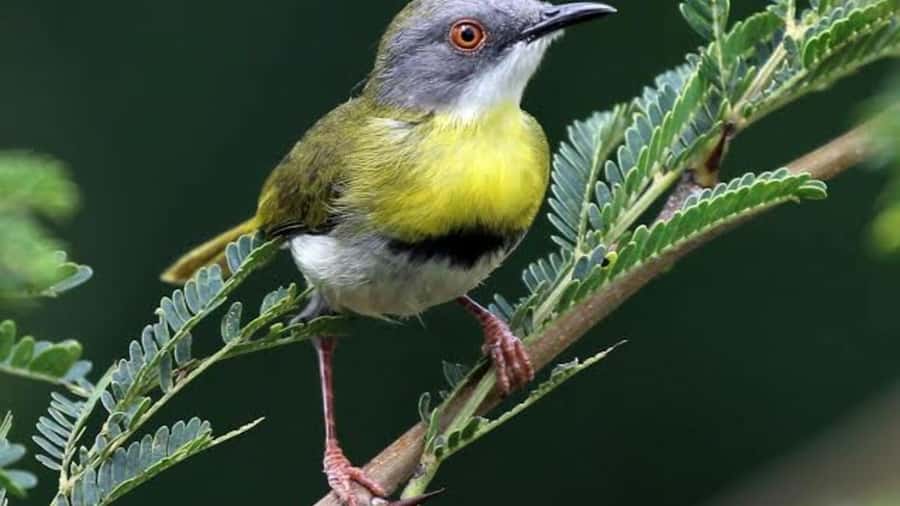
The park’s variety matters more than a single headline species. Dry forest attracts one set of birds, while dams and wet ground bring another. Grassland adds a third group. That gives you a better chance of building a varied list in six hours, especially if you are interested in families rather than only large, colorful birds.
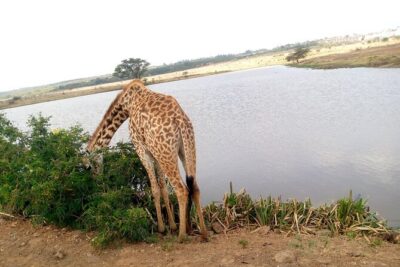
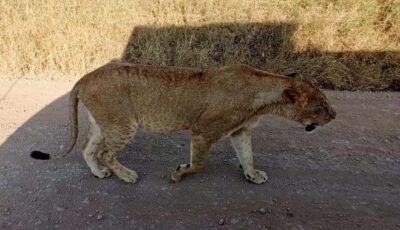
This is also a good setting for mixed interests. You may arrive wanting birds but still hope to see larger animals. The focus remains birdwatching, yet past outings have included lions, giraffes, rhinos, zebras, antelopes, buffalo, and a cheetah. You should not book it as a guaranteed Big Five drive, but you should expect that mammals may add plenty of excitement between bird sightings.
More morning game drives in Nairobi National Park:
- Nairobi National Park Half-Day Tour; Free Wi-Fi connection
★ 5.0 · 878 reviews - Nairobi National Park Half-Day Game Drive
★ 4.5 · 738 reviews - Safari Tour; Nairobi National Park
★ 4.5 · 594 reviews
Starting early from Nairobi
The day begins with pickup at your residence or hotel in Nairobi. An early start is sensible for birdwatching, since the cooler part of the morning often provides better conditions for listening and spotting. The exact starting time depends on availability, so check it before booking.
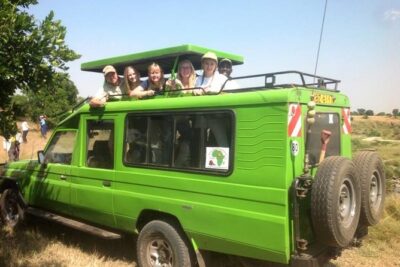
Your transport is a private safari van with an open roof. That setup is useful for viewing birds above the vehicle and for getting a wider angle when a guide points out something small. It also gives the outing a classic safari feel without requiring you to pay for a more expensive vehicle from the start.
If you prefer a safari Landcruiser, you can request one for an extra $80. The supplied information does not say that the Landcruiser changes the route or guarantees better sightings, so I would treat it as a comfort and vehicle preference rather than a birding upgrade.
The drive from Nairobi is listed as about one hour. Pickup and drop-off are included, and the final drop-off can be arranged at the guests’ chosen location in Nairobi. Drinking water is also included. Lunch and snacks are not, so bring food if you know you will want something during a six-hour outing.
Dry forest birds and the value of a good spotter
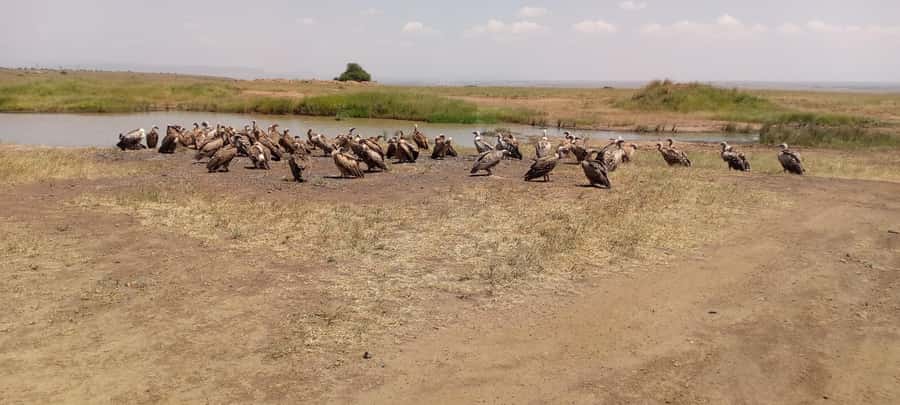
Once inside the park, the birdwatching begins. The first major habitat is dry forest, where the guide will look for birds from families including Pycnonotidae, Turdidae, and Columbidae.
Family names may sound technical if you are new to birding, but the practical point is simple: forest edges and wooded areas bring smaller, less obvious birds. They can sit high in branches, move quickly through cover, or reveal themselves first by sound. This is where a strong spotter makes a real difference.
Diana has been praised for hearing faint calls and finding small birds far away while driving. Benson has also been praised for combining sharp spotting with quick identification. Those skills matter more here than a fancy vehicle. A guide who notices a brief movement or recognizes a call can turn a quiet stretch of road into several useful sightings.
Saidi has used an identification sheet, bird calls, and explanations to help connect the sighting with the correct species. That is especially helpful if you are still learning. You are not left with a distant shape and a vague guess. You can ask questions, compare what you saw, and learn what to watch and listen for next time.
The exact number of species will depend on weather, timing, and luck. One outing produced 67 bird species, including 31 first-time sightings for the pair in the vehicle. Another reached 108 total species. Those numbers show the possible range, not a promise, but they give serious birders a useful sense of the park’s potential.
Dams and wetlands for waterbirds
The route then moves to dams and wet areas. This is a clear change from the dry forest, and it brings different bird families, including Scolopacidae, Anatidae, and Ciconiidae.
Wetlands reward patience. Birds may be spread across the water’s edge rather than packed into one easy viewing spot. A guide can help you scan the right zones and separate a worthwhile sighting from ordinary movement in the distance.
This section may be especially appealing if your interests include shorebirds, ducks, and storks. It also gives the day a helpful rhythm. After working through woodland, you move into a more open habitat where waterbirds may be easier to watch for longer periods.
Do not expect every stop to produce a rare bird. Birdwatching has quiet patches, and six hours gives you time to work through them rather than rushing from one highlight to the next. That is one reason the private format has value. You can spend more time on a bird you care about, ask for another look, or move on when the area is not producing.
The guide’s use of calls and visual references can be useful here too. A distant bird may be easier to identify when you hear its call or compare it with a reference image. The experience is built around learning as well as collecting sightings.
A few more Nairobi days to weigh up
- Nairobi: National Park & Optional Elephants & Giraffe Center
★ 4.8 · 874 reviews - NAI NAMI: Nairobi Storytelling Tour with Street Children
★ 5.0 · 792 reviews - Nairobi: Historic and Modern Highlights Walking Tour
★ 4.8 · 703 reviews - 3 Days Masai Mara Group Joining
★ 5.0 · 486 reviews
Grassland birds and open views
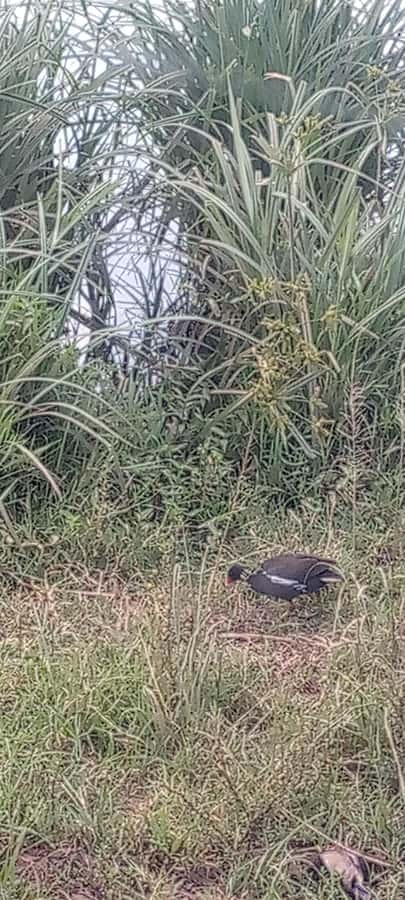
The final major habitat is grassland. Here the guide will look for families such as Otididae, Struthionidae, Ardeidae, Motacillidae, Laniidae, and Fringillidae.
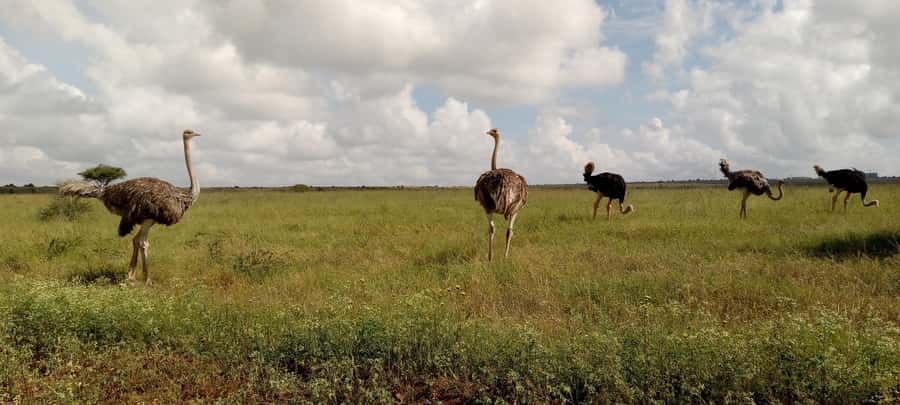
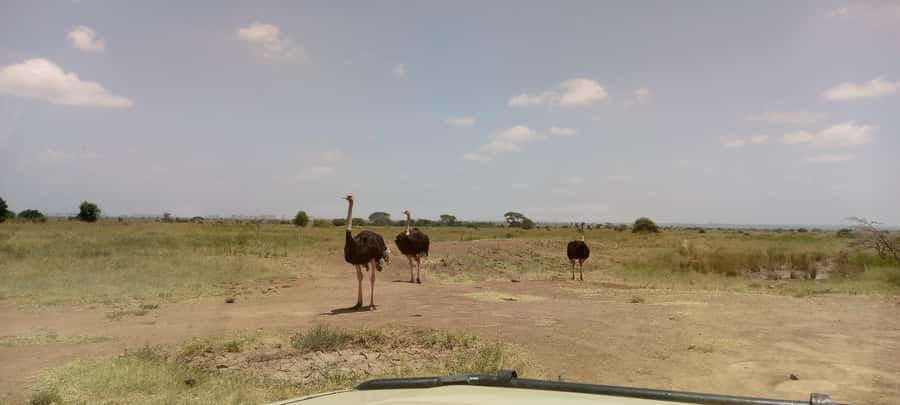
Open ground changes the way you watch. You can scan farther, but birds may be more exposed and harder to approach closely. The reward is a different group of species from those found in the forest, along with a better chance of seeing large birds such as ostriches. Ostrich sightings are not guaranteed, but Struthionidae is specifically part of the search.
Grassland also increases the chance of seeing mammals while your eyes are already scanning at a distance. Reports from this experience include giraffes, rhinos, lions, buffalo, zebras, and antelopes. Those animals are a welcome bonus, though the guide’s main job is to keep the bird list moving.
This part of the route can suit beginners because the open setting may make it easier to follow the guide’s directions. It can also suit experienced birders who want to add open-country species to a list built in forest and wetland habitats.
Time on foot at picnic points
The van is not your only viewing platform. At designated picnic points, you can get out to stretch your legs, use the toilet, and look for birds on foot.
That break matters on a six-hour outing. Sitting in a vehicle for a long period can become tiring, especially when you are trying to hold binoculars steady or keep scanning branches. Short walks also change your angle and may help you notice birds that were hidden from the road.
You should stay within the designated areas and follow the guide’s instructions. The provided details do not promise long hikes, so think of these stops as practical breaks with added birdwatching, not a walking safari.
A picnic point is also the natural place to use the toilet and have any food you brought. Since snacks and lunch are not included, pack something suitable for your needs. Water is provided, but you may want extra food for the full morning and drive back.
The private format and what $450 really buys
The price is $450 per group of up to seven people. That is not a low-cost park visit for one person, but the calculation changes if you fill the vehicle. Split seven ways, the base price is about $64 per person before park entry. A smaller group pays more per person, but gets more space and a more personal session.
Included in that price are pickup and drop-off, a private guide and driver, a private van, and drinking water. The guide is not simply taking you to the park gate. The main value is the time spent locating, identifying, and explaining birds across several habitats.
Park entry is separate. For non-residents, the stated fee is $48 in low season and $60 in high season. Lunch and snacks are also extra. If you choose the Landcruiser, add another $80 to the group cost.
I see this as good value for a family or small group with a real interest in birds, especially if you would otherwise hire private transport and guiding separately. It is less compelling for a solo visitor focused only on seeing a few famous mammals. The private structure and bird expertise are the reason to choose it, not simply access to the park.
The guides and the learning side
The most praised part of this experience is the human side. Benson has been noted for spotting birds and identifying them accurately. Diana has been singled out for her enthusiasm, hearing ability, and skill at finding distant birds from a moving vehicle. Saidi has been described as well equipped, able to use bird sheets and recordings, and ready to explain what you have seen.
Those details give you a better idea of the guiding style to expect. This is not just a scenic drive where the guide points at whatever appears beside the road. The emphasis is on finding birds that are easy to miss and helping you understand them.
You can also ask questions as the day develops. If you are new to birding, the guide can help you learn how calls, habitat, movement, and shape fit together. If you already keep lists, the guide can help confirm identifications and search for families you still need.
The experience is offered in English. The guide’s name may vary, so if you have a strong preference for a particular guide, ask when arranging the outing rather than assuming one will be assigned.
Your bird list after the park
After the six-hour session, you return to Nairobi and receive the bird list by email. This is one of the most useful features for anyone who wants more than a pleasant morning outdoors.
A written list helps you check names, remember habitat changes, and continue learning after the drive. It can also be useful if you are keeping a personal life list or planning more birdwatching in Kenya.
The list will reflect what you actually encountered, not a standard park checklist. That makes it more meaningful, particularly when the guide has helped you identify a bird by sound or catch a brief view through the open roof.
The exact duration inside the park is listed as six hours. One outing lasted more than seven hours, but you should treat that as an example rather than a guarantee. Plan around the stated six-hour duration and be pleased if the day runs longer.
Who should book this experience
I would recommend this to:
- Birders who want a focused session close to Nairobi
- Beginners who want help with calls and identification
- Small families or groups who can share the private price
- Visitors who have only one free morning or day in Nairobi
- Wildlife fans who want birds to receive more attention than they usually do on safari
- People who value a written list after the outing
You may want to choose another option if your only goal is a broad mammal safari, if you dislike early starts, or if you are traveling alone and want the lowest possible price. The tour is built around patient searching, not a quick loop aimed only at lions and rhinos.
The activity is wheelchair accessible, which is useful information for anyone planning around mobility needs. The available details do not describe the exact vehicle loading arrangement, so ask for confirmation about your specific equipment before departure.
Practical details for a smoother morning
Bring your passport or ID card. The park entry requirement is listed as passport, so keep the necessary document with you rather than leaving it at your hotel.
Wear comfortable clothes for a long vehicle outing and short periods on foot. The supplied information does not specify a dress code, but you should be prepared for changing conditions during a morning that moves between open grassland, forest, and wet areas.
Bring snacks and lunch if you want them. Neither is included. Water is provided, and toilet breaks are available at designated picnic points.
The activity allows free cancellation up to 24 hours in advance for a full refund. You can also reserve and pay later, which helps if your Nairobi schedule is still taking shape.
Should you book this Nairobi birdwatching day?
Book it if you want to see Nairobi National Park through a different lens. The park’s birds are the main event, and the guides’ ability to hear calls, spot small birds, and explain identifications gives the outing real purpose.
The strongest case is for a small group that can share the $450 private rate. Add the non-resident park fee, food, and any vehicle upgrade when working out your budget. If that total fits, the combination of dry forest, wetlands, grassland, walking breaks, possible mammals, and a final bird list offers a well-shaped day close to the city.
I would not book it expecting a fixed species count. Nature does not work that way. I would book it expecting a serious six-hour search with a good chance of varied sightings, helpful guiding, and a record of what you found.
FAQ
How long does the birdwatching experience last?
The park birdwatching session lasts six hours. The full day also includes pickup and drop-off in Nairobi, with the transport portion listed as about one hour.
Where does pickup take place?
Pickup is available from your residence or hotel in Nairobi. Drop-off is made at a location of your choice in Nairobi.
How many people can join the private group?
The price covers a private group of up to seven people.
What vehicle is included?
A private safari van with an open roof is included. A safari Landcruiser is available for an additional $80.
Is park entry included in the price?
No. For non-residents, the stated Nairobi National Park entry fee is $48 in low season and $60 in high season.
Are lunch and snacks included?
No. Lunch and snacks are not included. Drinking water is provided.
Will I receive a list of the birds seen?
Yes. A bird list from the session is sent to you after the outing.
What language is the tour offered in?
The live guide speaks English.
Can I cancel and receive a refund?
You can cancel up to 24 hours in advance for a full refund. You can also reserve now and pay later.
More National Parks in Nairobi
- Nairobi National Park 5-hour Guided Game Drive Free Pick up
★ 4.5 · 367 reviews - Nairobi National Park, Elephant Orphanage and Giraffe Centre
★ 4.6 · 365 reviews - Nairobi: Day Tour to Amboseli National Park & Maasai Village
★ 4.5 · 310 reviews - Tour: Giraffe Center and Nairobi National Park
★ 5.0 · 299 reviews
Just added around Nairobi
- Visit kibera Slum the chocolate city★ 4.8 · 3 reviews
- 4 Days Safari to Lake Nakuru N/P and Maasai Mara N/R★ 5.0 · 18 reviews
- Maasai Mara Day Trip★ 5.0 · 15 reviews
- 4 Days Tour Landcruiser in Masai Mara and Lake Nakuru★ 5.0 · 10 reviews
- 3 days maasai mara migration safari★ 4.5 · 7 reviews
- Kibera Slum Tour with a Local★ 5.0 · 15 reviews
- Wildebeest Migration in Masai Mara and Sightseeing 4 Days Tour★ 4.5 · 6 reviews
- Day Tour to Nairobi national park, Elephants, and Giraffe Center★ 3.5 · 8 reviews
Nairobi National Park Tours, compared.
Nairobi National Park Half-Day Tour; Free Wi-Fi connection
Read our review →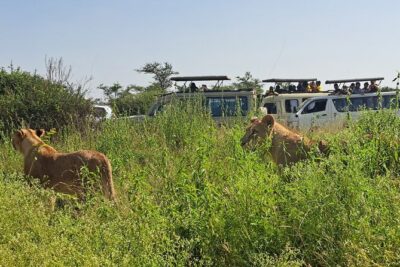
Nairobi National Park 5-hour Guided Game Drive Free Pick up
Read our review →
Nairobi National Park, Elephant Orphanage and Giraffe Centre
Read our review →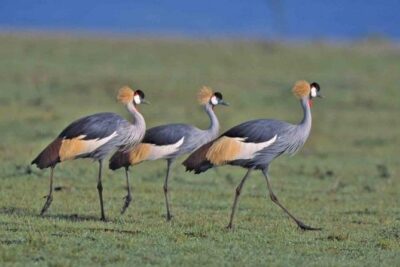
Tour: Giraffe Center and Nairobi National Park
Read our review →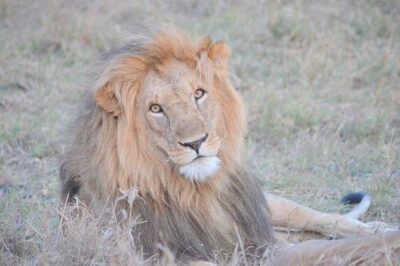
Half-Day Nairobi National Park Safari from Nairobi with Free Pickup
Read our review →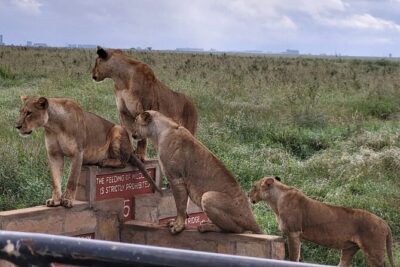
Browse the lists this tour appears in