
Reviewed · MAASAI MARA SAFARIS
11-Day Serengeti, Maasai Mara, Tarangire, Amboseli Park
The real appeal here is the sheer range of East African wildlife country packed into 11 days. You move from the Maasai Mara and its migration plains to Mount Kilimanjaro views, baobab country in Tarangire, the broad Serengeti, and the wildlife-filled Ngorongoro Crater.
I like the private format, which gives your group more control over game-drive timing and daily pace. I also like the route’s variety: you get big wildlife parks, soda lakes, birdlife, hot springs, Rift Valley views, and a Kenya-to-Tanzania crossing rather than seeing one park from one lodge.
The main caution is the amount of driving. This is an ambitious schedule, and the published details need clarification on the final drop-off, as the day-by-day plan ends in Arusha or at Kilimanjaro Airport while the meeting information says the activity ends back at the Nairobi starting point.
Key points to know before booking
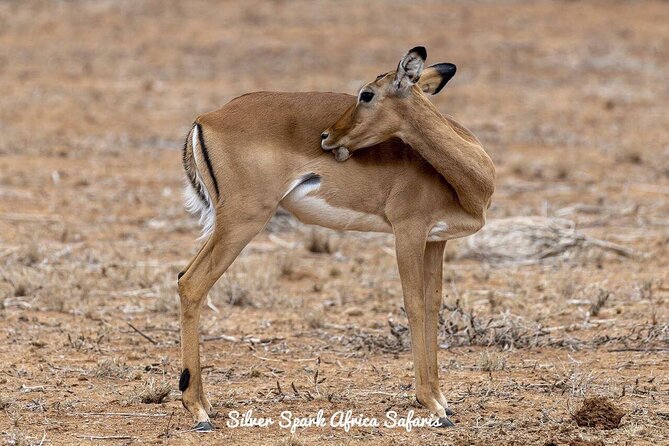
- Five major safari areas: Maasai Mara, Amboseli, Tarangire, Serengeti, and Ngorongoro all bring a different setting and wildlife focus.
- Two full days in the Maasai Mara: You have a better chance of unhurried sightings than on a single-night visit.
- A Kenya-Tanzania border crossing: The transfer through Namanga adds an international border procedure to the trip.
- A strong elephant-and-scenery pairing: Amboseli is chosen for large elephant herds and views of Mount Kilimanjaro.
- Full-day Serengeti time: Days 8 and 9 are devoted to Tanzania’s best-known park, with morning and afternoon drives described.
- Private travel at $4,400 per person: The price makes the most sense for people who value a dedicated vehicle, included lodging and meals, and a wide route over a slower, simpler safari.
Why this route packs in so much
This is not a gentle introduction built around one or two reserves. It is a grand circuit through southern Kenya and northern Tanzania, with several long road transfers connecting the parks.
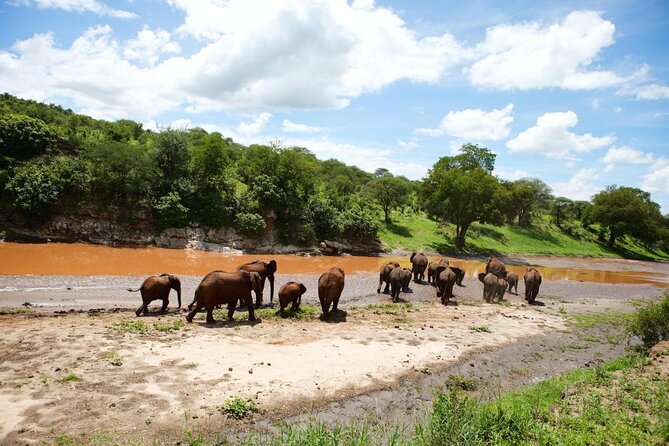
That variety is the point. The Maasai Mara is famous for open grasslands and the Great Migration. Amboseli brings huge elephants and Kilimanjaro views. Tarangire offers baobabs, birds, and strong dry-season wildlife. The Serengeti supplies enormous plains and classic predator country, while Ngorongoro gives you a compact crater floor where animals gather around permanent water.
You also get two less obvious stops. Lake Nakuru adds a birding angle and the chance to see flamingos, while Lake Elementaita brings a guided lakeside walk, hot-spring time, and a campfire evening. These pauses help break up the big game-park rhythm, though they also add more packing and unpacking.
The company places quality and punctuality at the center of its service. That is useful on a route with several border, park, and airport connections. The company team names that appear in the service material include Abongo, Kevin, David, and Minister. If one of them will handle your trip, ask for that person’s role before departure rather than assuming all four will be with you.
More Amboseli trips under Kilimanjaro:
- Nairobi: Day Tour to Amboseli National Park & Maasai Village
★ 4.5 · 310 reviews - Day Tour to Amboseli National Park
★ 5.0 · 222 reviews - Amboseli Day Tour from Nairobi
★ 5.0 · 84 reviews
Days 1 and 2, the Maasai Mara earns its place
Your safari begins with airport or hotel pickup in Nairobi, followed by a drive toward the Maasai Mara. The route includes a stop at the Great Rift Valley escarpment viewpoint, then continues through Narok County, associated with the Maa people.
That first viewpoint is a welcome change from sitting in the vehicle. It gives you a visual introduction to the Rift Valley before the grasslands take over. You arrive for lunch, settle into your lodge or camp, and head out on an afternoon game drive.
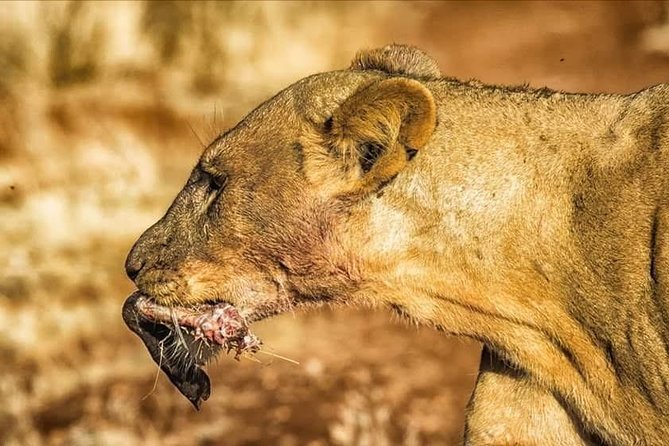
The Maasai Mara is one of the strongest openings possible for a wildlife trip. It is part of the same broad ecosystem as Tanzania’s Serengeti, with open savannah, acacia woodland, and the Mara River. The reserve is known for the Big Five: lion, elephant, leopard, buffalo, and rhino.
Day 2 is a full-day drive with a picnic lunch. That matters because you spend more time out in the reserve instead of returning to the lodge for a long midday break. The Mara Triangle and river areas are specifically noted for good game viewing.
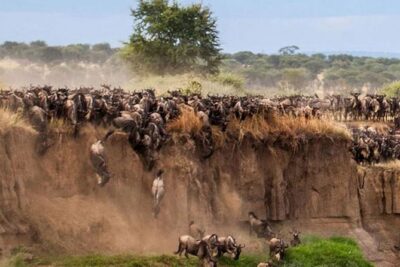
The Great Migration usually reaches the Mara from July through September, when more than 1.5 million wildebeest, zebra, and antelope move in search of food and water. Timing matters here. Outside that period, the Mara remains a major wildlife destination, but you should not book this trip expecting migration crossings unless your dates line up.
Days 3 and 4, birds and hot springs in the Rift Valley
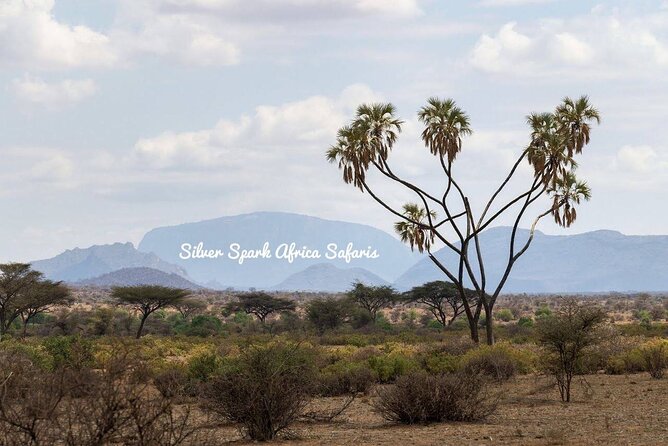
After breakfast on Day 3, you travel to Lake Nakuru National Park. This park centers on a Rift Valley soda lake and is especially appealing if you want more than large mammals.
More than 400 bird species are listed for the park, including flamingos, African fish eagles, slender-billed greenbuls, and long-tailed widowbirds. After lunch, you take a game drive through the park’s lake and savannah areas.
Lake Nakuru gives the route a useful change of pace. The birdlife can be the main event, and the soda-lake setting feels different from the broad plains of the Mara. The practical drawback is that the schedule allows only one afternoon here, so this is an introduction rather than a full birding program.
Day 4 moves to Lake Elementaita, another soda lake in the Rift Valley. After lunch, the plan calls for a late-afternoon guided leisure walk beside the bird-filled lake, followed by time at a hot spring, dinner, and a campfire.
This is one of the trip’s more restful days. A walk and a warm dip can feel good after several hours in a safari vehicle. Still, the wording around the destination is inconsistent: Lake Elementaita is described as a national park in one place, though the better-known attraction here is the lake and its surrounding area. Confirm exactly where you stay, how long the walk lasts, and whether the hot spring visit is included in the operating plan.
Days 5 and 6, elephants beneath Mount Kilimanjaro
On Day 5, you head south toward Amboseli, passing through Nairobi and Maasai country. The park sits on the plains below Mount Kilimanjaro, across the border in Tanzania.
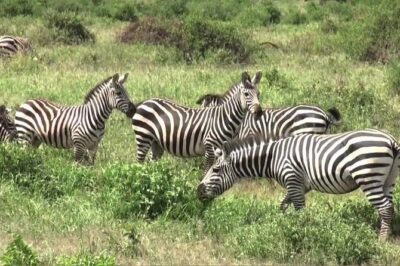
Amboseli is especially well suited to photographers. The signature scene is a large elephant herd with Kilimanjaro behind it, though clear mountain views depend on weather and cloud cover. The park also supports lion, leopard, rhino, cheetah, buffalo, zebra, wildebeest, giraffe, and other plains animals.
A picnic lunch is planned along the way, with game viewing before you return to your hotel. Day 6 then provides a full-day game drive with a packed lunch. Observation Hill is identified as the best viewpoint for broad vistas, and the marshy areas are known for elephant sightings.
The two-night stay is a sensible choice. A one-night stop in Amboseli can feel rushed, while a second day gives you another chance at both wildlife and a clear Kilimanjaro view. The listed accommodation is Sentrim Lodge Amboseli.
Do not expect the mountain to be visible every minute. Even when Kilimanjaro is hidden by cloud, Amboseli has its own appeal, especially around the marshes and elephant herds. The strength of this stop is the combination of animals and scenery, not simply a checklist of species.
More ways into the Maasai Mara:
- 3 Days Masai Mara Group Joining
★ 5.0 · 486 reviews - 5 Days Masai Mara, Lake Nakuru & Naivasha Budget Joining Safari
★ 5.0 · 229 reviews - 3 Days Gamedrive Safari In Masai Mara From Nairobi
★ 5.0 · 207 reviews - From Nairobi: 3 – Days Maasai Mara Group Safari by 4WD
★ 4.6 · 205 reviews
Day 7, crossing from Kenya into Tarangire
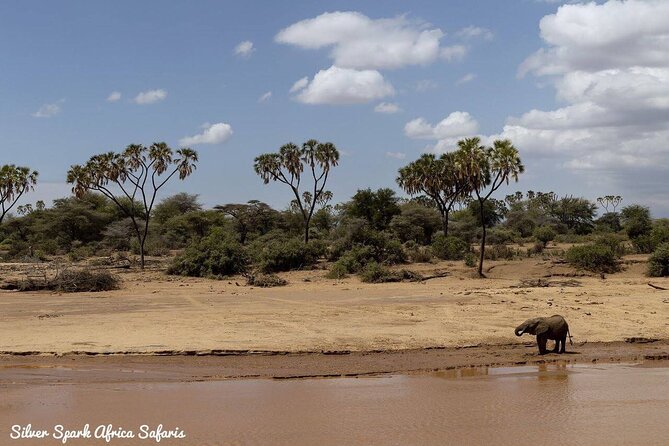
After breakfast, you leave Amboseli with more Kilimanjaro views and travel to the Namanga border between Kenya and Tanzania. After immigration clearance, you continue toward Tarangire National Park.
This is an important logistics day. International border crossings can take time, and you should keep your passport accessible and avoid scheduling a tight onward connection. The plan says you will be transferred after clearance, but it does not explain the exact vehicle arrangement on each side of the border. Ask how the handover works before you go.
Tarangire is a strong choice for people who want a quieter park feel. It is known for large numbers of animals during the dry season, when the Tarangire River becomes a key water source. The park also has many baobab trees and a wide range of bird species.
The park can rival the Serengeti for wildlife variety in the right season, but it offers a different visual experience. You get more distinctive trees and river-country scenery rather than the nearly treeless plains that define parts of the Serengeti. The downside is that this schedule gives Tarangire only one day, and much of that day is tied to the border transfer.
Days 8 and 9, two chances to see the Serengeti
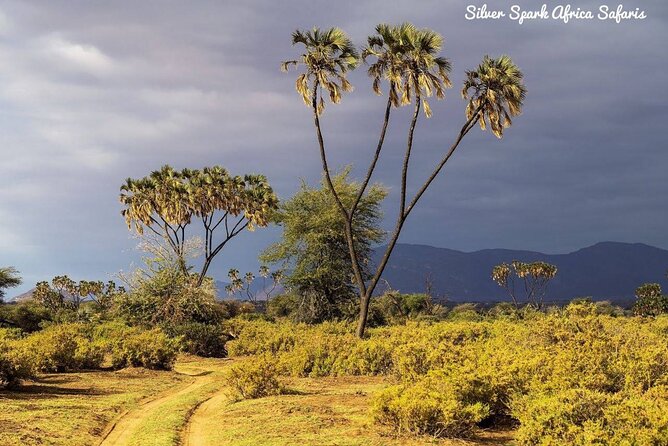
From Tarangire, you continue to the Serengeti, Tanzania’s huge flagship park. Its area is listed as 14,763 square kilometers, a useful reminder that this is not a small reserve where every sighting is close together.
The plan describes a picnic lunch en route and afternoon game viewing on arrival. It then describes an early breakfast, morning game drive, lunch, rest, and afternoon game drive. The wording repeats this sequence on both Serengeti days, so confirm the exact timing with the operator.
Two days here are important. The Serengeti’s size means animal sightings can be widely spread, and one short drive cannot represent the park. The open plains make it easier to scan for animals, while the distance between sightings can also mean long stretches without a major encounter.
The Serengeti is the natural counterpart to the Maasai Mara. The two areas share the wider migration system, but seeing both gives you a better sense of how large that ecosystem is. If your dates fall during the migration period, ask where the herds are expected to be rather than assuming they will be near your lodge.
For the best value from these days, be ready for early starts and long hours outside. The schedule includes packed or picnic lunches, which keeps you in the park. That improves your wildlife time, but it is less comfortable than returning to a lodge for every meal.
Day 10, the Ngorongoro Crater and Olduvai Gorge
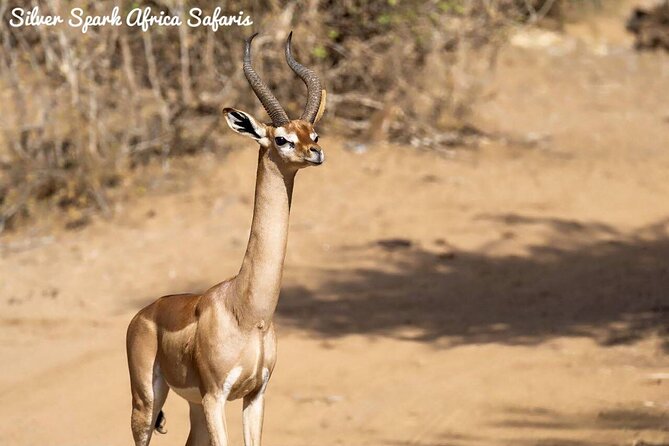
The next major stop is Ngorongoro, reached via Olduvai Gorge. The crater measures about 20 kilometers across and has walls roughly 600 meters high. From the rim, you get one of the most dramatic views in northern Tanzania.
The crater floor has a permanent water supply, which helps explain the regular concentration of wildlife. The setting feels enclosed compared with the Serengeti, so the experience shifts from searching across open plains to looking into a vast natural bowl.
Olduvai Gorge adds a human-origins connection. It is associated with fossil fragments dating back 3.5 million years. The plan includes lunch overlooking the crater, followed by an afternoon at leisure.
There is one point to clarify here. The description does not clearly promise a crater-floor game drive on Day 10. It describes the transfer, Olduvai Gorge, lunch with a view, and free time. If seeing the crater from inside is essential to you, ask directly if a descent and game drive are included, or if this day is mainly a rim and gorge visit.
Day 11, Arusha, Kilimanjaro Airport, or Nairobi?
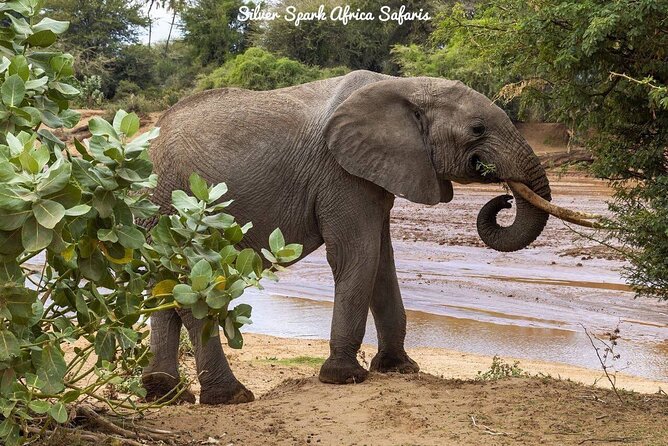
The final morning depends on your air ticket. After breakfast, you are driven to Arusha or Kilimanjaro Airport for a flight to Zanzibar or for the trip home.
This ending works well if you are continuing to Zanzibar. It avoids sending you back across the Kenya border and places you near northern Tanzania’s main departure points. The published meeting information, however, says the activity ends back at the starting point at Jomo Kenyatta International Airport in Nairobi.
That is a major detail, not a small wording issue. Confirm in writing whether your booking ends in Arusha, Kilimanjaro Airport, or Nairobi, and ask if any return transfer is included. The final day is listed as lasting up to 12 hours, so build plenty of time around your flight.
What $4,400 per person buys you
At $4,400 per person, this is a substantial safari purchase. The value depends on the quality of the private transport, guide service, lodges, park fees, and border arrangements, not just on the number of parks.
Accommodation is included, along with 11 breakfasts, 10 dinners, and 10 lunches. That removes much of the day-to-day meal budgeting, though the information does not specify lodge categories, room types, drinks, or individual park-fee details.
The private format is the biggest value factor. Only your group participates, so you are not sharing the entire schedule with strangers. That can make a real difference when you want to linger at a wildlife sighting, adjust a departure time, or keep the pace comfortable for your own group.
The route itself also adds value. Five major wildlife areas plus two Rift Valley lakes would be difficult to organize alone, especially with a Kenya-Tanzania crossing. On the other hand, the price is harder to justify if you prefer luxury lodges, slow travel, or long stays in one park. Ask for the exact accommodation list and vehicle details before paying, since those items strongly affect the value.
One unusual exclusion is bicycle use. It is listed as not included, though cycling is not a central part of the program. You should also confirm any costs not specifically listed, such as drinks, tips, visas, personal purchases, and optional activities.
Who should choose this safari?
I would point this trip toward someone visiting East Africa for the first time who wants a broad wildlife overview and does not mind moving often. It suits couples, families, and private groups that value a dedicated arrangement. The service feedback highlights smooth planning, strong communication, good food, and staff members including Abongo, Kevin, David, and Minister.
It is also a good fit for someone who wants to combine Kenya and Tanzania without arranging separate operators. The route includes both famous parks and less predictable stops, so you get a fuller picture than a simple Maasai Mara and Serengeti pairing.
I would hesitate if you dislike long drives, need a slow schedule, or want a trip built around one specific goal such as bird photography or the Great Migration. The itinerary covers a lot, but it does so at a brisk pace.
Pickup is offered from Jomo Kenyatta International Airport or a Nairobi hotel. Confirmation is provided at booking, service animals are allowed, and the activity says most people can participate. The cancellation rule is simple: cancel at least 24 hours before the start for a full refund. Cancellations or changes inside 24 hours are not accepted for a refund, and bad-weather cancellations can be moved to another date or refunded.
Should you book it?
Book this safari if you want maximum geographic variety in 11 days, prefer private travel, and can handle long road transfers. The combination of Maasai Mara, Amboseli, Serengeti, and Ngorongoro gives you the classic East African highlights, while Nakuru, Elementaita, and Tarangire add birds, hot springs, baobabs, and a quieter park setting.
Before booking, get three things confirmed: the exact accommodation in every location, the vehicle and guide arrangements at Namanga, and the final drop-off point. If those details match your flight plans and you are comfortable with the pace, $4,400 can represent a practical all-in safari for a private group. If not, ask for a slower version with fewer parks.
FAQ
Where does the safari start?
The stated starting point is Jomo Kenyatta International Airport in Nairobi, Kenya. Pickup is also offered from a Nairobi hotel.
How long does the experience last?
The safari lasts approximately 11 days. The final day is listed as lasting up to 12 hours, depending on flight arrangements.
Is this a private activity?
Yes. Only your group participates in the activity.
What is included in the price?
Accommodation, 11 breakfasts, 10 dinners, and 10 lunches are included. The listed price is $4,400 per person.
Which parks are included?
The route includes Maasai Mara National Reserve, Lake Nakuru National Park, Amboseli National Park, Tarangire National Park, Serengeti National Park, and the Ngorongoro Crater. It also includes Lake Elementaita and Olduvai Gorge.
Does the safari cross from Kenya into Tanzania?
Yes. On Day 7, you cross at the Namanga border after immigration clearance before continuing to Tarangire National Park.
Where does the safari end?
The final day says you will be driven to Arusha or Kilimanjaro Airport. The meeting information also says the activity ends back at the Nairobi meeting point, so you should confirm the final destination before booking flights.
Can I cancel for a full refund?
Yes, if you cancel at least 24 hours before the experience start time. Cancellations or changes made less than 24 hours in advance are not refunded or accepted. If poor weather causes cancellation, you can receive a different date or a full refund.
More Kenya and Tanzania Safaris
- Ultimate 12 Days Private Safari Tour in Kenya and Tanzania
★ 5.0 · 60 reviews - 12 Days Best Of Kenya and Tanzania Safari – Luxury
★ 5.0 · 36 reviews - 12 Days Kenya and Tanzania Budget Private Safari from Nairobi
★ 5.0 · 28 reviews - 12 Days Kenya Tanzania Safari
★ 5.0 · 17 reviews
Just added around Nairobi
- Visit kibera Slum the chocolate city★ 4.8 · 3 reviews
- 4 Days Safari to Lake Nakuru N/P and Maasai Mara N/R★ 5.0 · 18 reviews
- Maasai Mara Day Trip★ 5.0 · 15 reviews
- 4 Days Tour Landcruiser in Masai Mara and Lake Nakuru★ 5.0 · 10 reviews
- 3 days maasai mara migration safari★ 4.5 · 7 reviews
- Kibera Slum Tour with a Local★ 5.0 · 15 reviews
- Wildebeest Migration in Masai Mara and Sightseeing 4 Days Tour★ 4.5 · 6 reviews
- Day Tour to Nairobi national park, Elephants, and Giraffe Center★ 3.5 · 8 reviews
Maasai Mara Safaris, compared.
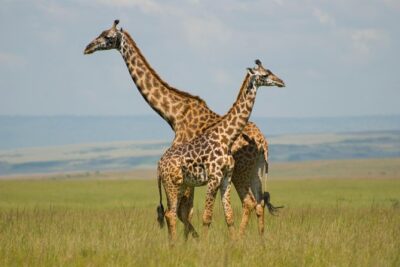
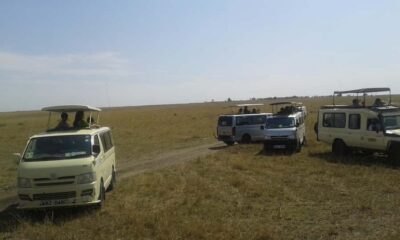
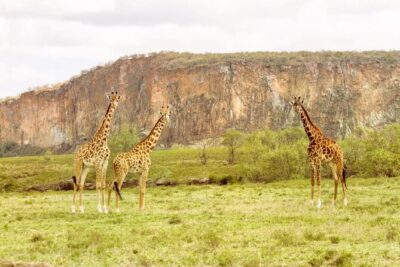
5 Days Masai Mara, Lake Nakuru & Naivasha Budget Joining Safari
Read our review →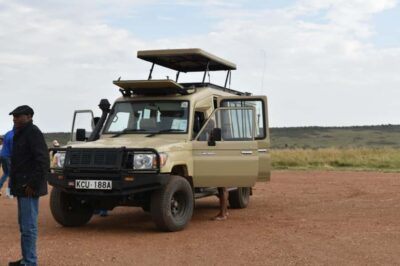
3 days group joining safari to Maasai Mara with a Land Cruiser Jeep
Read our review →
4 Days Safari Lake Nakuru NP Naivasha and Masai Mara
Read our review →Browse the lists this tour appears in