
Reviewed · MAASAI MARA SAFARIS
8 Days / 7 Nights 2021 / 2022 Wildebeest Migration Safari – Maasai Mara Reserve
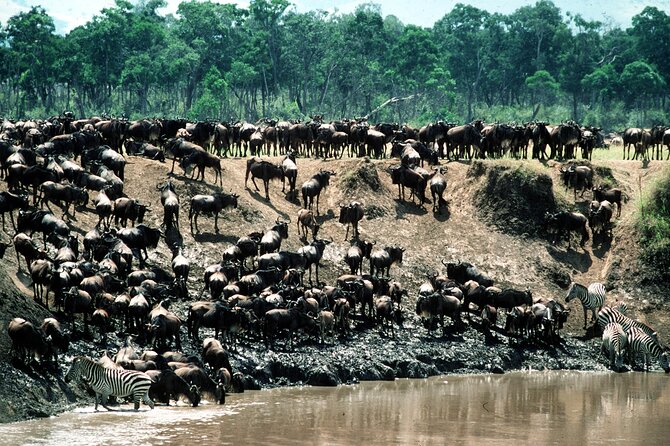
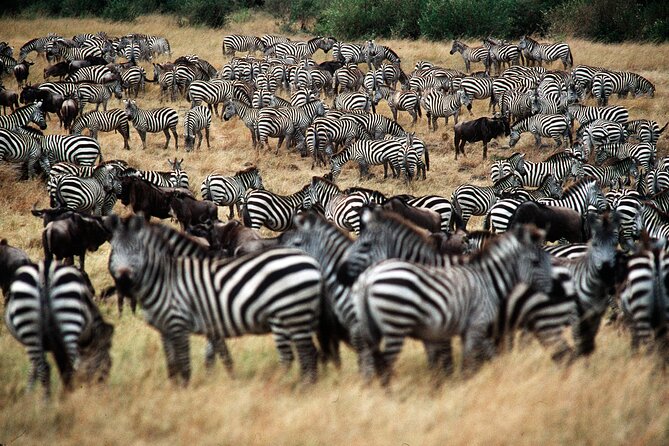
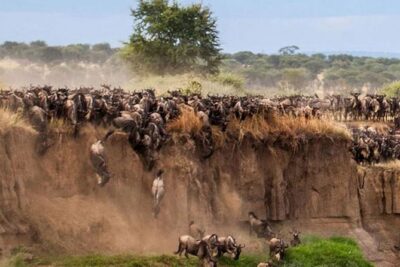
The great draw here is the Maasai Mara migration season, when more than a million wildebeest and zebras move across the Mara River and open plains. The crossing itself is never guaranteed, but this route gives you two full days in the reserve, plus a second afternoon and morning of game viewing around the Mara.
I like the variety. You begin with Samburu’s dry northern country and unusual wildlife, then see Lake Nakuru’s birds before reaching the Mara. I also like that transport, park fees, meals, airport pickup, and an English-speaking guide are arranged in one package. The main caution is the pace: you spend long hours on the road, and the trip’s focus on migration means the July to September dates usually come with strong demand.
Key points to know before booking
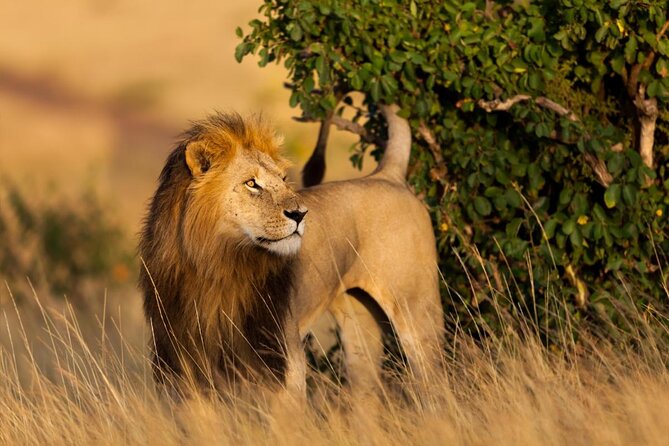
- Two full days in Maasai Mara: Morning and afternoon game drives give you more than a quick pass through the reserve.
- Rare northern wildlife: Samburu offers chances to see Grevy’s zebra, reticulated giraffe, gerenuk, and Somali ostrich.
- Migration timing matters: The main season is described as early July through late September, but river crossings depend on animal movement and weather.
- Private group format: Only your own group takes part, rather than joining a large shared party.
- A useful Kenya sampler: The route combines Nairobi, Samburu, Lake Nakuru, and Maasai Mara in eight days.
- Good operational support: The strongest praise goes to the company’s planning, transport, accommodation arrangements, staff, and game drives.
Why this eight-day route works
This safari covers several very different parts of Kenya rather than keeping you in one reserve. That variety is the trip’s biggest strength. You get dry northern scenery around Samburu, the Great Rift Valley near Lake Nakuru, and the open grass plains of Maasai Mara.
The route also builds toward its main event. Samburu comes first, Nakuru breaks up the journey south, and the final three nights are focused on the Mara. That is sensible planning for a migration safari, since the Mara needs time. One afternoon is not enough if you hope to see a river crossing or find particular animals.
The trade-off is road time. This is not a fly-in safari with leisurely mornings at a single lodge. You travel by customized tour van and spend part of several days moving between parks. If you enjoy seeing how Kenya changes from one region to another, that is part of the appeal. If you want a slow, quiet stay at one property, this program may feel busy.
The tour begins at Jomo Kenyatta International Airport in Nairobi at 8:00 a.m. Pickup is offered, and the activity is private for your group. That gives you a simpler start than arranging your own airport transfer after a long international flight.
More ways into the Maasai Mara:
- 3 Days Masai Mara Group Joining
★ 5.0 · 486 reviews - 5 Days Masai Mara, Lake Nakuru & Naivasha Budget Joining Safari
★ 5.0 · 229 reviews - 3 Days Gamedrive Safari In Masai Mara From Nairobi
★ 5.0 · 207 reviews
Day 1: Nairobi and a practical safari briefing
Your first day begins with arrival in Nairobi, a high-elevation city at about 1,870 meters. The climate is described as mild, but you should still be ready for a noticeable change from hot lowland conditions if you have come directly from elsewhere.
An African Authentic Safaris representative meets you, provides a traditional welcome, and helps with your hotel check-in. The first night is at The Tamarind Tree Hotel. A safari briefing takes place in the evening, which is useful because the following day begins the move north.
This is a gentle opening, but do not expect a full Nairobi sightseeing day. The supplied plan gives you arrival, hotel check-in, and the evening briefing. If Nairobi attractions matter to you, arrange extra time before or after the safari rather than assuming they are part of this trip.
Day 2: Crossing toward Samburu
The road north takes you past Mount Kenya, Africa’s second-highest mountain at 5,199 meters. On a clear day, the mountain’s multiple snow-covered and eroded peaks make a strong backdrop to the journey. Weather matters here, so do not count on a perfect view.
You also cross the Equator into the Northern Hemisphere and enter the drier country around Samburu. The change in scenery is one of the reasons this route is worthwhile. Kenya is not one uniform safari setting, and Samburu feels quite different from the Mara.
The itinerary describes this area as semi-desert and notes its connection with the Kikuyu people, whose traditional beliefs center on Mount Kenya. The cultural context adds meaning to what could otherwise become a long transfer day.
The listed stop lasts about two hours as an activity entry, but the day itself involves travel toward Samburu. Exact driving times are not provided, so ask the operator for the current road schedule before departure. Road conditions and stops can affect the timing.
Day 3: Samburu’s unusual animals
Samburu National Reserve covers about 104 square kilometers. It is smaller than some of Kenya’s major wildlife areas, but its animal list is especially appealing because several species are associated with northern Kenya.
You have an early morning game drive and another in the afternoon. That split is valuable. Animals are often easier to find during the cooler parts of the day, and the pause between drives gives you time to rest rather than spending every hour in the vehicle.
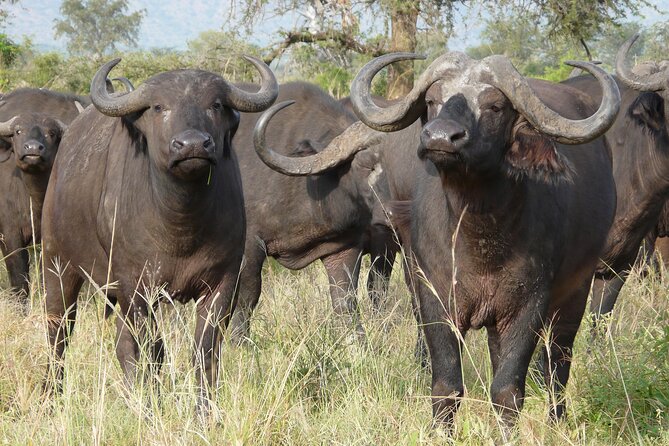
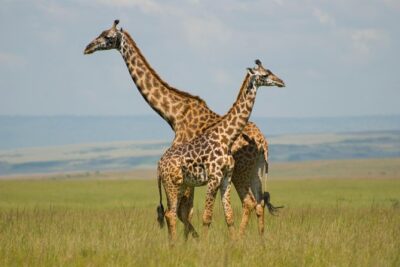
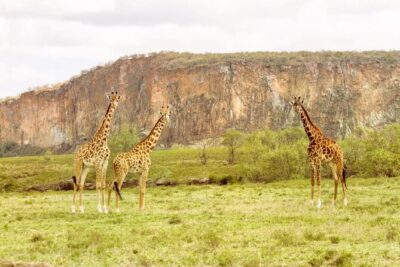
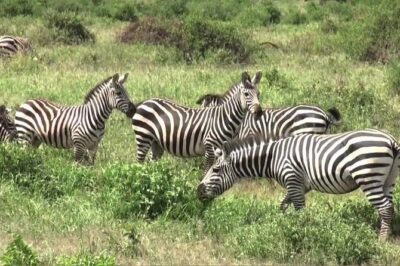
Samburu is home to elephants, buffalo, and warthogs, but the less common species are the real reason to come. Look for Grevy’s zebra, which has narrower, more numerous stripes than the familiar Burchell’s zebra. You may also see reticulated giraffe, a giraffe species not found in every Kenyan park.
Other possibilities include the blue-legged Somali ostrich and the gerenuk, an unusually long-necked antelope that can stand upright to browse. The itinerary also points to Ololokwe Table Mountain, which forms a dramatic backdrop during game viewing.
There is no promise of a particular sighting. That is normal for a safari, and it is especially important to remember that the migration is not the only measure of a successful trip. Samburu gives you a strong wildlife experience even before you reach the Mara.
A few more Nairobi days to weigh up
- Nairobi National Park Half-Day Tour; Free Wi-Fi connection
★ 5.0 · 878 reviews - Nairobi: National Park & Optional Elephants & Giraffe Center
★ 4.8 · 874 reviews - NAI NAMI: Nairobi Storytelling Tour with Street Children
★ 5.0 · 792 reviews - Nairobi National Park Half-Day Game Drive
★ 4.5 · 738 reviews
Day 4: Lake Nakuru and the Great Rift Valley
The route then turns toward Lake Nakuru National Park. You travel through the uplands, with possible panoramic views into the Great Rift Valley, described here as lying about 600 meters below the road. Weather again controls how much you see.
Lake Nakuru is known as a seasonal home for millions of flamingos. The plan includes afternoon game and bird viewing around the lake shores. This adds a different kind of safari interest after Samburu’s dry-country mammals.
You spend the night at Winston Hotel. The day is shorter on paper than the Samburu and Mara game-drive days, but it works as a transition between the northern reserve and the Mara. It also gives you a chance to watch birds rather than focusing only on large mammals.
The word seasonal matters. Flamingo numbers can change, so do not book this stop expecting the same scene in every month. Lake conditions and food supply affect bird concentrations.
Day 5: First afternoon in Maasai Mara
After breakfast, you continue south into the Great Rift Valley and toward Maasai Mara National Reserve. After lunch, the safari begins in earnest with an afternoon game drive.
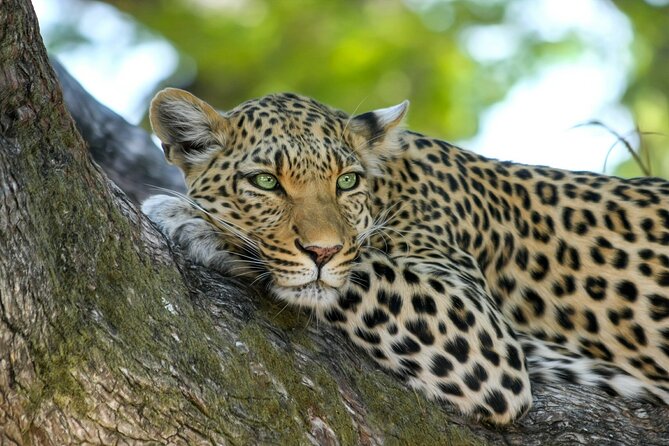
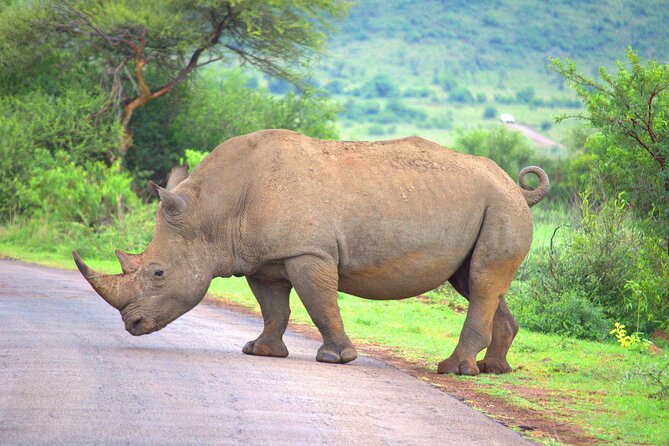
The Mara is the northern section of the Serengeti plain and is known for its large concentration of game. The open grassland can support wildebeest, zebra, gazelle, buffalo, elephants, lions, and other animals listed in the itinerary. You may also look for rhino, leopard, cheetah, hyena, and scavenger birds connected with the migration.
This first afternoon matters because it gives your guide a chance to begin reading the reserve. You can learn where animals have been seen, how the roads are laid out, and where the river areas may be worth visiting. It is also your first chance to adjust to the scale of the Mara, which can feel far more open than Samburu.
The key point is not to treat this afternoon as a guaranteed river-crossing session. Wildebeest do not follow a visitor schedule. The migration changes with rain, grass, river conditions, and the movement of the herds. A strong game drive can still include predators, resident animals, and large herds even if no crossing occurs.
Days 6 and 7: Two days for the Mara
The final two full days include morning and afternoon game drives. This is the heart of the safari, and the extra time is a real advantage. You have four drives across two days, not just a short visit between hotel transfers.
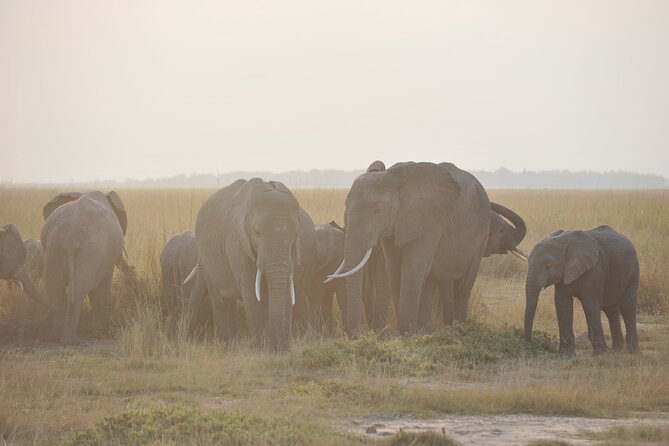
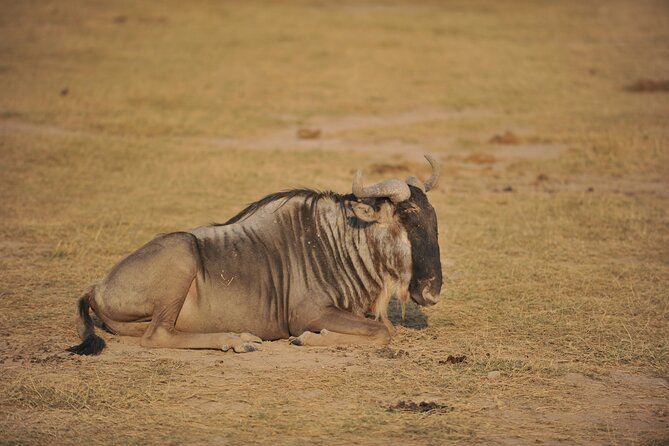
The Mara is home to the animals most people picture when they think of Kenya: lions on the plains, elephants moving across open ground, buffalo herds, zebra, wildebeest, and gazelle. Predators may follow the migrating herds, including lion, leopard, cheetah, and hyena. Scavenger birds also gather around kills and weakened animals.
You should expect some quiet stretches. Safari drives are not a parade of constant sightings. The open country can look empty for a while, then change quickly when your guide spots movement. The value of a private group is that your vehicle is limited to your own party, so communication with the guide should be more direct than on a large shared departure.
The schedule also includes an encounter with the Maasai and a visit to a section of the Mara River at sunset, where you hope to see hippos. This cultural element is important, but the information provided does not specify the exact village, length of visit, or whether a separate fee is charged. Ask for those details before you go.
The river visit is not the same as a guaranteed wildebeest crossing. You might see hippos, river scenery, or herds nearby, but animal movement is unpredictable. The best approach is to value the whole Mara experience rather than judge the safari by one dramatic photograph.
Accommodation in the Mara is listed as AA Mara Lodge. The program describes the final two days as including breakfast, lunch, and dinner. The published meal inclusions state five breakfasts, five lunches, and five dinners overall, so confirm the exact meal count and which nights are covered before paying the balance.
What the transport and guide setup mean
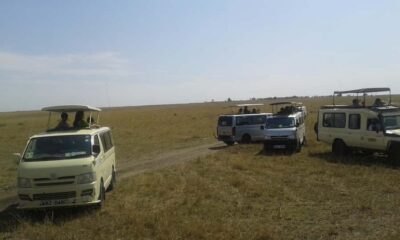
Transport is by customized tour van. That is a practical choice for a road-based Kenya itinerary, since you need one vehicle for airport transfers, long connections, and game drives.
An English-speaking guide is included, but no guide’s name is provided in the information available. The company’s staff receive especially strong praise for professionalism, planning, efficiency, wildlife knowledge, and handling details such as transportation and required COVID-19 tests during the period when those were needed.
That does not mean every departure will feel identical. Ask who will lead your group, how many people will share the van, and whether the vehicle has a pop-up roof or other viewing features. The tour is private, but the maximum group size is not stated.
The private format should suit you if you want one organized booking without joining strangers. It may also help if you want to discuss where to spend time during a game drive. Still, private does not automatically mean luxurious, and the van format is different from a high-end fly-in safari.
Is the $2,128 price good value?
At $2,128 per person, the package sits in a range where the included services matter more than the headline number. You receive customized van transport, taxes and fees, an English-speaking guide, airport pickup, accommodation arrangements, and listed meals. You also get four full Mara game drives across two days, plus Samburu drives and Lake Nakuru viewing.
That is useful value for someone who wants a complete route rather than arranging separate transfers, park entries, hotels, and guides. The planning is also a practical safeguard on a complicated trip. One direct contact handles the route from Nairobi to Samburu, Nakuru, and the Mara.
The price does not include tips, visas, drinks, laundry, telephone costs, or other personal expenses. Bring a separate budget for those items. The accommodation list names The Tamarind Tree Hotel, Winston Hotel, and AA Mara Lodge, but it does not give the full lodging list or room category. Ask whether the price is based on single or shared occupancy and what happens if you want an upgraded room.
I would also confirm the number of nights in each property, the exact departure and return times, and whether park fees are fully covered for every listed reserve. The description says all fees and taxes are included, but a written breakdown is still sensible for a safari costing this much.
Who will enjoy this safari most?
I would recommend this trip to you if you want the classic Kenya route in one organized package and care more about wildlife variety than a slow stay at one lodge. It suits first-time safari visitors who want Samburu’s unusual species, Lake Nakuru’s birds, and the Mara’s big cats and migration setting.
It also works well for a private family or friend group that prefers not to share a vehicle with other parties. The private format can make a long road itinerary feel easier, especially when the schedule needs small adjustments.
You may want a different plan if your sole goal is to photograph a wildebeest river crossing. No itinerary can guarantee that sighting, and this one spends meaningful time in Samburu and Nakuru before reaching the Mara. A longer Mara-only stay would give you more time in one reserve, though it would not provide the same regional variety.
Booking details worth checking
Confirmation is provided at booking, and most people can participate. The meeting point is Jomo Kenyatta International Airport, with an 8:00 a.m. start. Since the return to Nairobi occurs on Day 8 with lunch en route and an airport transfer later that day, do not schedule an early departure flight without confirming the transfer time.
Free cancellation is available if you cancel at least 24 hours before the local start time. Cancellations inside 24 hours are not refunded, and late changes are not accepted. The experience requires good weather. If poor weather causes cancellation, you are offered another date or a full refund.
Should you book this Maasai Mara migration safari?
Book it if you want a well-organized, private road safari that gives you four major Kenyan stops and two full days in the Mara. The strongest reasons are the unusual Samburu wildlife, the mix of mammals and birds at Nakuru, the operator’s careful handling of arrangements, and the time reserved for the migration region.
Before committing, get the missing practical details in writing: your guide’s name, group size, vehicle setup, full hotel list, room basis, exact meal coverage, and the road timetable. If you understand that a river crossing is a possibility rather than a promise, the $2,128 package offers a sensible first safari route with plenty of variety.
FAQ
Where does the safari start?
The safari starts at Jomo Kenyatta International Airport in Nairobi, Kenya, at 8:00 a.m.
How long does the safari last?
The experience lasts approximately eight days and seven nights.
Is airport pickup included?
Yes. Pickup is offered, and the itinerary begins with a meeting at Jomo Kenyatta International Airport.
Is this a private tour?
Yes. Only your group takes part in the private tour or activity.
What transport is used?
Transport is provided in customized tour vans.
What meals are included?
The inclusions list states five breakfasts, five lunches, and five dinners. The itinerary also names dinner, bed, and breakfast on the first night and breakfast, lunch, and dinner during the Mara portion. Confirm the exact meal schedule before departure.
When is the wildebeest migration season?
The migration period described for this safari runs from early July through late September. A specific river crossing is not guaranteed.
What costs are not included?
Tips and gratuities, visa fees, drinks, laundry, telephone use, and other personal costs are not included.
What is the cancellation policy?
You can receive a full refund if you cancel at least 24 hours before the experience start time. Cancellations or changes made within 24 hours are not accepted or refunded. If poor weather cancels the experience, you are offered another date or a full refund.
More Safari in Nairobi
- Safari Tour; Nairobi National Park
★ 4.5 · 594 reviews - Half-Day Nairobi National Park Safari from Nairobi with Free Pickup
★ 4.5 · 264 reviews - From Nairobi: 3 – Days Maasai Mara Group Safari by 4WD
★ 4.6 · 205 reviews - 3 Days Maasai Mara Guided Safari from Nairobi
★ 4.5 · 195 reviews
Just added around Nairobi
- Visit kibera Slum the chocolate city★ 4.8 · 3 reviews
- 4 Days Safari to Lake Nakuru N/P and Maasai Mara N/R★ 5.0 · 18 reviews
- Maasai Mara Day Trip★ 5.0 · 15 reviews
- 4 Days Tour Landcruiser in Masai Mara and Lake Nakuru★ 5.0 · 10 reviews
- 3 days maasai mara migration safari★ 4.5 · 7 reviews
- Kibera Slum Tour with a Local★ 5.0 · 15 reviews
- Wildebeest Migration in Masai Mara and Sightseeing 4 Days Tour★ 4.5 · 6 reviews
- Day Tour to Nairobi national park, Elephants, and Giraffe Center★ 3.5 · 8 reviews
Maasai Mara Safaris, compared.
5 Days Masai Mara, Lake Nakuru & Naivasha Budget Joining Safari
Read our review →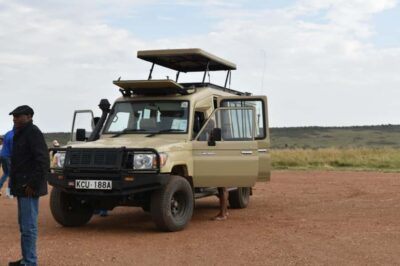
3 days group joining safari to Maasai Mara with a Land Cruiser Jeep
Read our review →
4 Days Safari Lake Nakuru NP Naivasha and Masai Mara
Read our review →Browse the lists this tour appears in