
Reviewed · GIRAFFE CENTRE & ELEPHANT ORPHANAGE TOURS
Giraffe Center and Karen Blixen Museum Tour from Nairobi
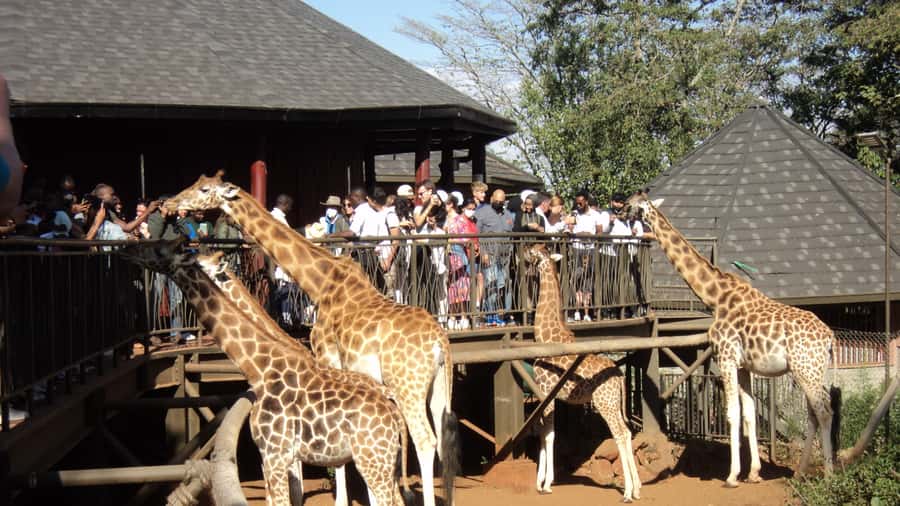
The best moment here is wonderfully simple: you hold a food pellet between your fingers and let a giraffe’s long, curious tongue take it. At the Giraffe Centre, you see endangered Rothschild’s giraffes close up, then follow the visit with Karen Blixen’s former home and its Ngong Hills views.
I like the mix of wildlife and literary history, and I like that the tour gives you hotel or airport pickup in Nairobi. Guides including Edwin and Julius have been especially helpful with the giraffe education talk and Blixen’s story. The main catch is time: a craft stop can shorten your visit at the Giraffe Centre, and traffic can stretch this four to five-hour outing.
Key points at a glance
- Hand-feed Rothschild’s giraffes: Use food pellets at the raised platform for an unusually close look at these endangered animals.
- Karen Blixen’s actual home: Tour the house where Blixen lived from 1917 to 1931, made famous by Out of Africa.
- A useful Nairobi half-day: Combine two of the city’s best-known attractions without arranging separate taxis or admissions.
- Ngong Hills views: The museum garden gives you a memorable setting connected to Blixen’s years in Kenya.
- Local crafts near the museum: Stop at Kazuri Ltd. to browse handmade beads, necklaces, paintings, and other work.
- Plan for a compact visit: The giraffe facility is smaller than some people expect, so this suits a focused introduction rather than a full wildlife day.
Why this Nairobi half-day works
Nairobi can feel like a city you pass through on the way to safari. This excursion gives you two very different sides of Kenya without asking you to spend a full day in a vehicle.
At the Giraffe Centre, you get close to animals that are usually viewed from a safari vehicle. At the Karen Blixen Museum, you move from wildlife to the story of a European writer and farmer whose Kenyan years became famous around the world. The contrast makes the half-day feel varied rather than repetitive.
I also like the practical format. Transportation, entry fees, guided visits, and giraffe feeding are included in the $99 price. If you arranged the same stops independently, you would still need to manage transport across Nairobi, admissions, and timing. The value is strongest for a first visit, a short stay, or a day when you want a guided outing rather than more city traffic.
The advertised duration is four to five hours. That includes roughly 45 minutes to the first stop, a 20-minute transfer between the museum and giraffe centre, and about 45 minutes back. Nairobi traffic matters here. Your actual time at each attraction may feel shorter if the roads are slow or if you add the craft stop.
More Karen Blixen house visits:
- Day tour to Giraffe Center and Karen Blixen Museum
★ 4.5 · 168 reviews - Nairobi National Park,Giraffe Centre, Karen Blixen Museum.
★ 5.0 · 127 reviews - 1 Day Tour Nairobi National Park,Giraffe Center&Karen Blixen
★ 5.0 · 48 reviews
Starting with Karen Blixen’s farmhouse
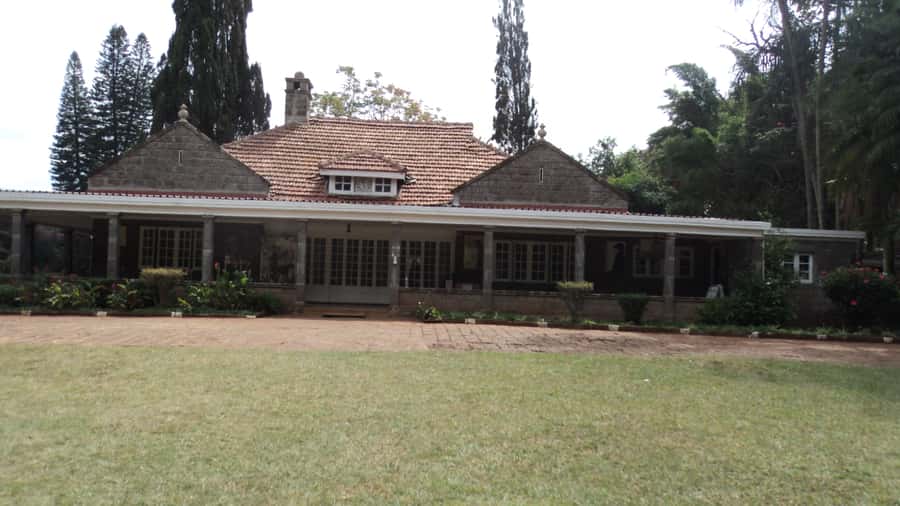
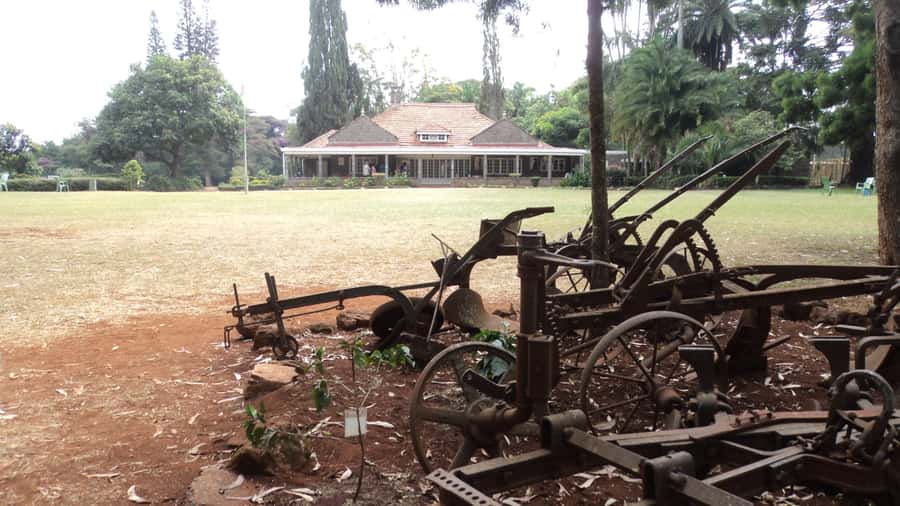
The scheduled route begins with a drive to the Karen Blixen Museum, after about 45 minutes in the van. The house is the former home of Karen Blixen, where she lived from 1917 until 1931. The property later became closely associated with Out of Africa, both the book and the film that brought her Kenyan story to a large audience.
You receive a guided tour lasting about 1.5 hours. That is enough time to see the rooms, hear about Blixen’s years on the farm, and connect the building with the events described in her writing. I would not treat this as only a film-location stop. The house gives the visit a more personal scale, showing the domestic setting behind the public image.
The museum’s appeal depends partly on your interest in biography and colonial-era history. If you have read Blixen or seen Out of Africa, the rooms carry more meaning. If not, the guide’s storytelling becomes especially important. The visit still works, but you may find the giraffe centre more immediately engaging.
From the garden, you get views toward the Ngong Hills, a setting strongly linked with Blixen’s time in Kenya. Bring a camera, but also pause here for the view. It is one of those places where the surroundings help explain why the area became part of her story.
The property is also used for weddings, and the gardens are kept in good order. That can add charm, though it may make the museum feel more polished than untouched. You are seeing a preserved historic home, not a working farm frozen in time.
Handmade beads and crafts near the museum
The outing includes a stop at a nearby beads and crafts centre, identified as Kazuri Ltd. You can browse handmade necklaces, paintings, and other local art, with African women offering pieces for sale.
This stop gives the tour a useful connection to present-day Kenyan craft work. The museum looks backward, while the workshop and sales area give you something current and tangible to take home. I would set a spending limit before you arrive, since a well-presented craft centre can make an unplanned purchase feel very easy.
The time here is important. One account of the tour found the shop worthwhile but felt it reduced time at the Giraffe Centre. If giraffe feeding is your main reason for booking, tell your guide early that you want the full planned visit at the centre. The craft stop is part of the experience, but it should not quietly take over the afternoon.
Feeding the giraffes at the Giraffe Centre
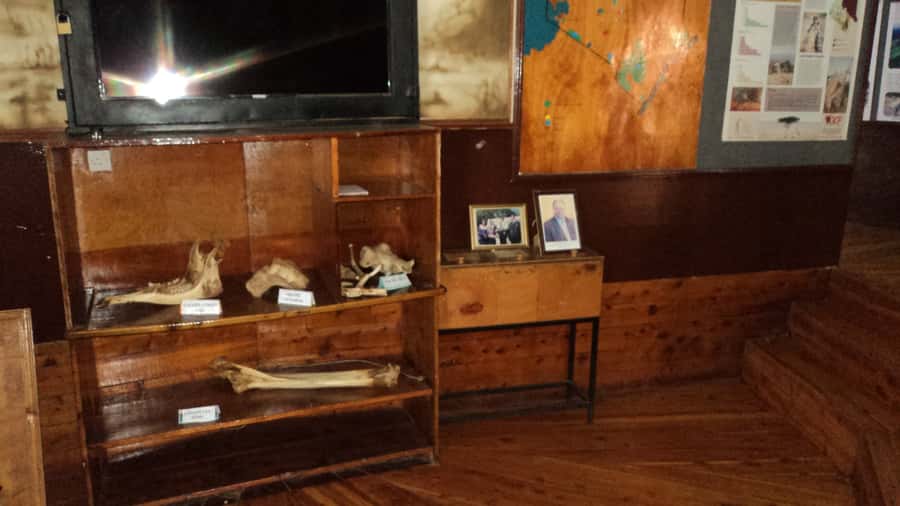
After about 20 minutes in the van, you reach the Giraffe Centre for approximately 1.5 hours of wildlife viewing and education.
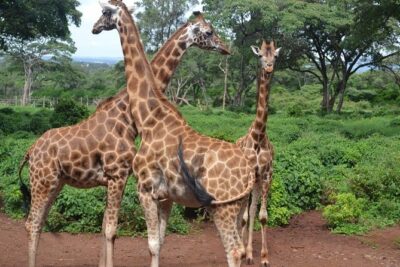
The centre is connected with conservation work for the endangered Rothschild’s giraffe. The story of Daisy Rothschild, a giraffe calf rescued near the Western Kenya border, is part of the centre’s background. Daisy and her family helped draw attention to the need to protect this distinctive giraffe population.
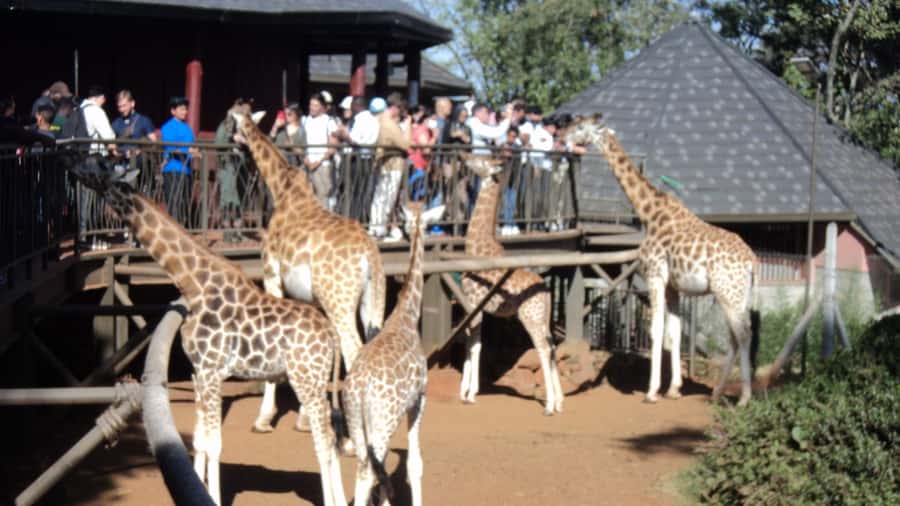
The close encounter happens at the feeding platform. You receive food pellets and hold them out by hand. A giraffe’s head comes down to your level, and its tongue does the rest. It is a quick interaction, but one you are likely to remember long after a standard animal viewing.
Staff and interns are available around the feeding area to explain the animals and help with photographs. Your guide can also take pictures if you want a hands-free moment. Edwin, in particular, is noted for explaining the centre’s education work clearly, while Julius has been praised for linking the giraffes with Nairobi’s wider story.
Keep your expectations realistic. The Giraffe Centre is smaller than some people imagine. This is not a substitute for a safari, and you are not setting out for hours of open-country wildlife viewing. The strength is the close contact and conservation education, not the size of the grounds.
There is also a nature trail toward the Gogo River, where you can look for giraffes in a more open setting. The available timing may not allow a long walk, especially if traffic or the craft stop has eaten into the schedule. Ask your guide how much time remains before choosing between the trail, the feeding platform, and photographs.
I recommend paying attention to the short education portion rather than rushing straight to the pellets. Feeding is the obvious draw, but the conservation purpose gives the visit more weight. You leave with a better sense of why the Rothschild’s giraffe needs protection, not just a close-up picture.
More giraffe and elephant orphanage mornings:
- Nairobi: National Park & Optional Elephants & Giraffe Center
★ 4.8 · 874 reviews - Elephant Orphanage and Giraffe Center Tour with Options
★ 4.5 · 457 reviews - Nairobi National Park, Elephant Orphanage and Giraffe Centre
★ 4.6 · 365 reviews - Tour: Giraffe Center and Nairobi National Park
★ 5.0 · 299 reviews
What the guide adds
This is a guided experience in English, and the guide can make a real difference at both stops. At the museum, a good guide connects rooms and objects with Blixen’s years in Kenya instead of simply pointing out furniture. At the Giraffe Centre, the guide can help you understand the conservation work and manage the visit around feeding times and available space.
Edwin is the guide name most often associated with particularly strong tours in the information provided. He is described as helpful, kind, and clear when explaining the giraffe education programme. Julius is another named guide who has been praised for his understanding of both Blixen and the giraffes. You are not guaranteed either guide, but their example shows what to value: clear explanations, safe driving, punctuality, and help with photos.
The tour may be shared, or it may turn into a private outing depending on bookings. One person unexpectedly received a private tour, which can make the pace more flexible. You should not book on the assumption that this will happen, but a small group would be a pleasant bonus.
Pickup is offered from a long list of Nairobi hotels, selected accommodation, the Nairobi SGR Terminus, and airports. The range includes central Nairobi, Westlands, Upper Hill, Karen, and airport-area hotels. Confirm your exact pickup point and starting time, since the citywide pickup area is broad and the van may need to collect several people.
Transport, timing, and the real cost
At $99 per person, this is not the cheapest way to see either attraction. It is a reasonable price if you value door-to-door transport, entry fees, a live English-speaking guide, and a single half-day plan. It is less compelling if you are already staying in Karen and can easily arrange your own short transfers.
The four to five-hour estimate is also worth reading carefully. The two main visits add up to about three hours, while the rest is driving and transitions. That is normal for Nairobi, but it means this is a compact introduction rather than a relaxed full-day exploration.
Pickup can be arranged from the airport, which is useful if you have a long layover and enough time to clear formalities and return comfortably. I would not choose a tight airport connection for this. Traffic is unpredictable, and the tour is built as a half-day outing, not a guaranteed short transfer.
You can also add dinner at Carnivore Restaurant afterward. That option is useful if you want to turn the outing into an afternoon and evening plan, though dinner is not part of the stated inclusions. Confirm the additional cost and drop-off details before committing.
Free cancellation up to 24 hours in advance and a reserve-now, pay-later option make the booking less rigid. These details help if your Nairobi schedule is still moving, but they do not change the need to allow plenty of road time.
What to bring and what to leave behind
Wear comfortable shoes. They will help at the museum grounds, the giraffe facility, and the nature trail toward the Gogo River.
A sun hat is a good idea, and warm cotton clothing is recommended. Add sunscreen if the weather calls for it. A camera is worth carrying, since the feeding platform creates close, unusual photographs.
Large bags and luggage are not allowed, and pets are not suitable for this outing. If you are coming directly from an airport, check the luggage arrangement before booking. The fact that airport pickup is available does not mean the attraction accepts large suitcases.
The tour is not suitable for wheelchair users. Anyone who needs step-free access or extra physical support should confirm arrangements before paying.
Who should book this experience

I would recommend it to first-time visitors who want a manageable introduction to Nairobi. Families often appreciate the immediate appeal of feeding giraffes, while adults who prefer history or film locations get a substantial second stop at Blixen’s home.
It also suits you if you have only half a day between flights, meetings, or a longer safari. The included transport removes much of the hassle of crossing the city, and the two stops give you both a wildlife encounter and a cultural visit.
I would choose another plan if your top priority is extended time with animals. The centre is compact, and the schedule may be shortened by traffic or shopping. You should also think twice if you dislike guided pacing or prefer to spend an entire morning at one place.
For a balanced visit, make your priorities clear. If the giraffes matter most, protect that 1.5-hour block. If Blixen’s story interests you, give the museum garden and guide your full attention. The tour works best when you treat the craft centre as an optional chance to browse, not the main event.
Should you book the Giraffe Centre and Karen Blixen Museum Tour?
Book it if you want two signature Nairobi sights in one organized half-day and value a guide who can supply context at both. The hand-feeding is the emotional high point, while the farmhouse, Ngong Hills views, and Kenyan crafts keep the outing from feeling like a single photo stop.
At $99, you are paying for ease, admissions, and transport as much as for the attractions themselves. That is fair for a short Nairobi stay, especially with airport pickup, but less essential if you are already based in Karen.
My practical advice is simple: bring a hat, wear comfortable shoes, keep your bag small, and tell the guide how you want to divide your time. If you can accept a compact giraffe visit and possible traffic delays, this is a strong, efficient introduction to Nairobi.
FAQ
How long does the tour take?
The tour lasts approximately four to five hours, depending on the selected starting time and road conditions.
What attractions are included?
The experience includes the Karen Blixen Museum, the Giraffe Centre, and a stop at a nearby beads and crafts centre.
Can I feed the giraffes?
Yes. Food pellets and hand-feeding at the Giraffe Centre are included.
Is transportation included?
Yes. Transportation by van and pickup from listed Nairobi hotels, accommodation, airports, and the Nairobi SGR Terminus are included.
Is a guide included?
Yes. The tour includes a live English-speaking guide who leads the visits to the museum and Giraffe Centre.
What should I bring?
Bring comfortable shoes, a sun hat, suitable warm cotton clothing, sunscreen if needed, and a camera.
Can I bring luggage or a pet?
No. Pets and luggage or large bags are not allowed on the experience.
More Museums in Nairobi
- Nairobi National Park, Giraffe Center & Karen Blixen Museum
★ 4.5 · 42 reviews - Nairobi 3 Museums and Bomas of Kenya day tour.
★ 5.0 · 10 reviews - Karen Blixen Museum & Giraffe Centre Half day tour
★ 5.0 · 10 reviews - Karen Blixen Museum, Beads craft and Giraffe Day tour
★ 5.0 · 9 reviews
Just added around Nairobi
- Visit kibera Slum the chocolate city★ 4.8 · 3 reviews
- 4 Days Safari to Lake Nakuru N/P and Maasai Mara N/R★ 5.0 · 18 reviews
- Maasai Mara Day Trip★ 5.0 · 15 reviews
- 4 Days Tour Landcruiser in Masai Mara and Lake Nakuru★ 5.0 · 10 reviews
- 3 days maasai mara migration safari★ 4.5 · 7 reviews
- Kibera Slum Tour with a Local★ 5.0 · 15 reviews
- Wildebeest Migration in Masai Mara and Sightseeing 4 Days Tour★ 4.5 · 6 reviews
- Day Tour to Nairobi national park, Elephants, and Giraffe Center★ 3.5 · 8 reviews
Giraffe Centre & Elephant Orphanage Tours, compared.
National Park & Optional Elephants & Giraffe Center
Read our review →
Elephant Orphanage and Giraffe Center Tour with Options
Read our review →
Nairobi National Park, Elephant Orphanage and Giraffe Centre
Read our review →
Tour: Giraffe Center and Nairobi National Park
Read our review →

Day tour to Giraffe Center and Karen Blixen Museum
Read our review →Browse the lists this tour appears in