
Reviewed · WILDLIFE
Mombasa Cultural & Wildlife Experience
Mijikenda drums, village storytelling, and free-roaming giraffes give this Mombasa outing a welcome change of pace from the beach. In four hours, you move from schoolrooms and ancestral tales to open country at Nguuni Wildlife Sanctuary.
I like the direct contact with local communities, especially the chance to meet village elders and children rather than only watch a staged cultural show. I also like the wildlife setting without enclosing fences, where giraffes can come surprisingly close and the pace becomes quiet and unhurried.
The main catch is the price calculation. The advertised $100 does not include the $20 village fee or $10 sanctuary fee, both paid in cash, and transport costs extra if you stay outside Mombasa.
Key points to know before booking
- Mijikenda culture is the heart of the outing: You visit homesteads, hear ancestral stories, and take part in a traditional dance.
- The school visit runs on weekdays only: It adds a warm human element, but it is not available every day.
- Nguuni offers close wildlife viewing: Giraffes, ostriches, and antelopes roam in an open natural setting.
- The real cost is $130 per person in standard entry fees: Add the $20 village charge and $10 sanctuary charge to the $100 tour price.
- Rico may be your guide: He is specifically praised for flexibility, conversation, and arranging a tuk-tuk pickup.
- You can add romance or professional photos: Picnic setups and photoshoots cost extra and need to be arranged separately.
From Mombasa hotels to Mtwapa
The day begins with pickup in Nyali, Bamburi, or Mombasa. Hotel and residence pickup within Mombasa is included in a comfortable vehicle, and drop-off returns you to one of those same areas.
The itinerary lists Mtwapa as the base for the cultural visits. That matters because this is not a long safari day with hours spent on the road. The four-hour schedule keeps the focus on people, music, and a short wildlife stop.
A tuk-tuk can be arranged on request. I would consider this if you want a more local way to move through the area, though the standard vehicle should be the easier choice if you prefer shelter from the sun or a little more room.
Transport outside Mombasa is not included. Ask for the exact extra charge before booking if you are staying farther away. One person was caught off guard by this cost, so it is worth settling the detail early rather than treating it as a small surprise at the end.
A few more Mombasa days to weigh up
- Walking Tour Through Old Town Mombasa and Fort Jesus
★ 5.0 · 393 reviews - Mombasa: Kisite Park Private Cruise with Breakfast and Lunch
★ 4.7 · 181 reviews - Mombasa City Tour
★ 5.0 · 170 reviews
A weekday visit to a local school
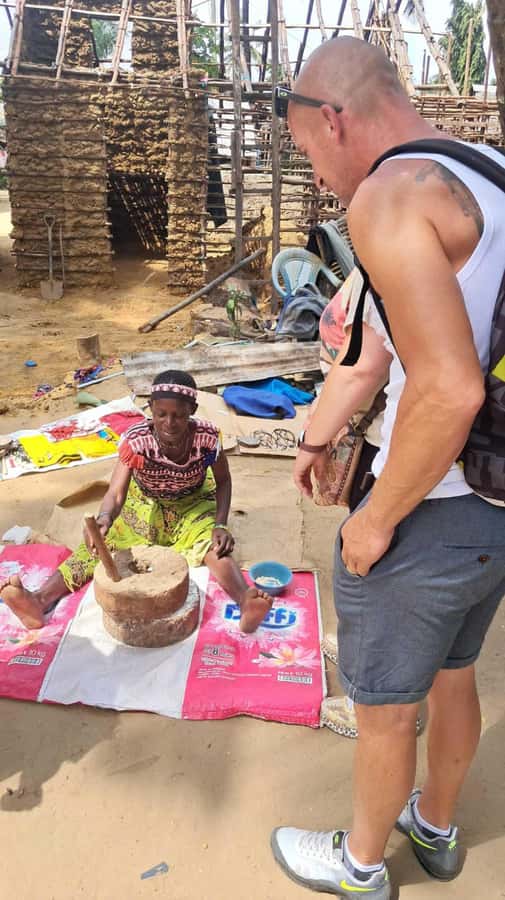
On weekdays, the first stop is a local school. You walk through classrooms, meet children and teachers, and hear about the hopes and daily life of the pupils.
This part works best if you want a people-first experience. It is not a museum display. You are entering a working school, so your manner matters. Listen, follow the guide’s lead, and treat the children with respect. A school visit can feel personal very quickly, and the simple exchange of smiles may stay with you longer than a formal presentation.
The weekday restriction is important. If your only available day is a weekend, do not assume the school stop will happen. The rest of the cultural program remains the main focus, but the school portion will not be available.
I would also keep your expectations in check. The supplied details promise a guided visit and friendly contact, not a structured lesson or a chance to hand out gifts. Let the visit be an exchange rather than a performance.
Walking through a Mijikenda village
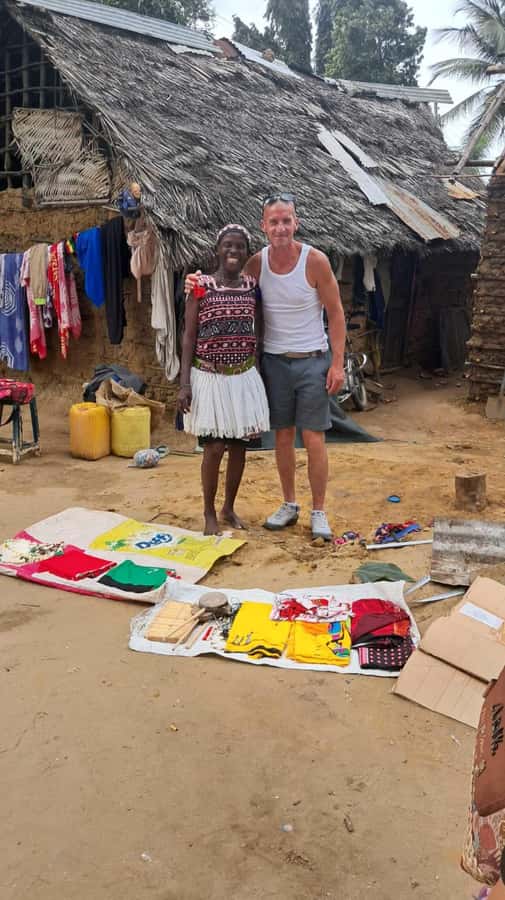
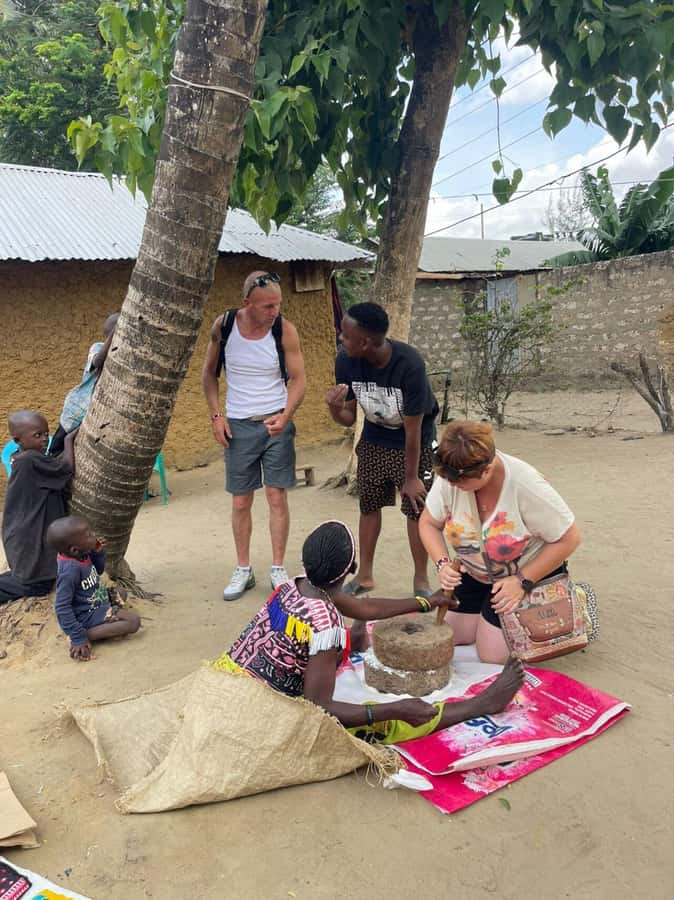
The village visit is the strongest cultural part of the tour. Village elders guide you through homesteads and explain Mijikenda customs, survival stories, family traditions, and ancestral beliefs.
You are given time to walk and listen, rather than being rushed from one photo stop to the next. The listed walking portion lasts about 30 minutes, followed by shorter visits and a cultural program. Wear shoes that can handle uneven ground and clothing that feels comfortable in heat.
The Mijikenda are a coastal Kenyan people with traditions tied closely to family, community, and the natural world. The value here is not in collecting a few colorful facts. It is in hearing stories from people connected to the place and seeing how culture is expressed in ordinary homes and village spaces.
A $20 village entry fee is paid in cash on the day. This is separate from the tour price, and it is not optional if you want to take part in the village visit. Carry Kenyan shillings if possible, or confirm the best payment method ahead of time.
The village stop also asks you to be thoughtful with photography. The tour includes a photo stop, but always ask before taking close portraits, especially during family or school interactions. A friendly conversation should come before a camera.
Drums, dancing, coconuts, and palm wine
After the village walk, the mood changes when the drums begin. The Mijikenda dance is presented as an invitation to join in, not something you simply watch from a chair.
You can expect about 25 minutes for the traditional dance. The point is participation. Follow the movements, laugh at your own awkward steps, and let the music carry the moment. You do not need dance skills. You only need a willingness to take part without turning the community into a backdrop.
Fresh coconut water offers a welcome pause in the coastal heat. It comes straight from the tree, according to the description, and gives you a taste of something simple and local rather than another packaged drink.
Palm wine is available for adventurous adults, with a choice of sweet or dry style. It is an optional taste, not a reason to book the tour. If you do try it, ask what is being served and take it slowly. Bottled water is included, which is the safer main drink for the day.
A further 20-minute break is built into the schedule. Use it to cool down, take photographs, or talk with the guide. The short timetable means the stops are compact, so this pause helps prevent the outing from feeling like a race.
More wildlife days around Mombasa:
- African Wildlife & Nature – 5 Kenya national parks – 6 day Jeep Safari
★ 5.0 · 60 reviews - Nairobi Park Wildlife Safari
★ 5.0 · 31 reviews - Half day wildlife tour to Nairobi National Park Game Drive with Pickup/Drop off
★ 5.0 · 26 reviews - 6 Days Kenya Adventure Wildlife Safari
★ 5.0 · 26 reviews
Giraffes at Nguuni Wildlife Sanctuary
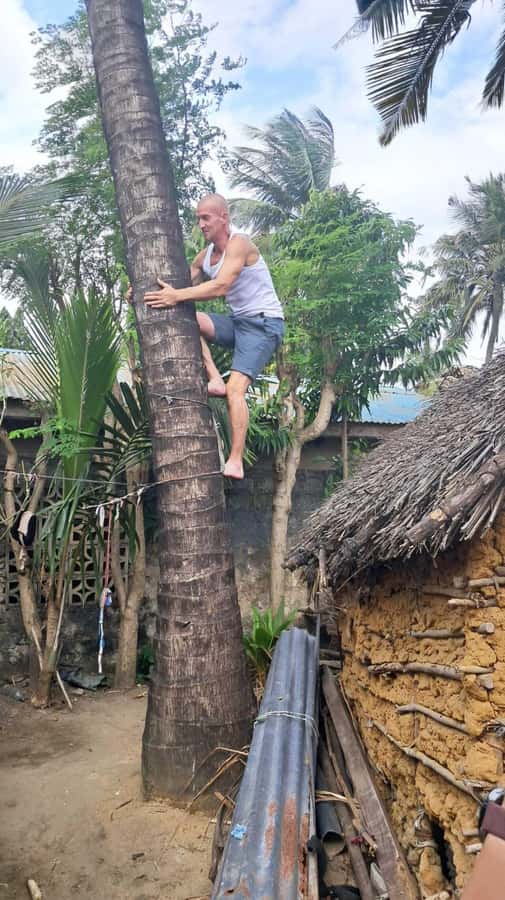
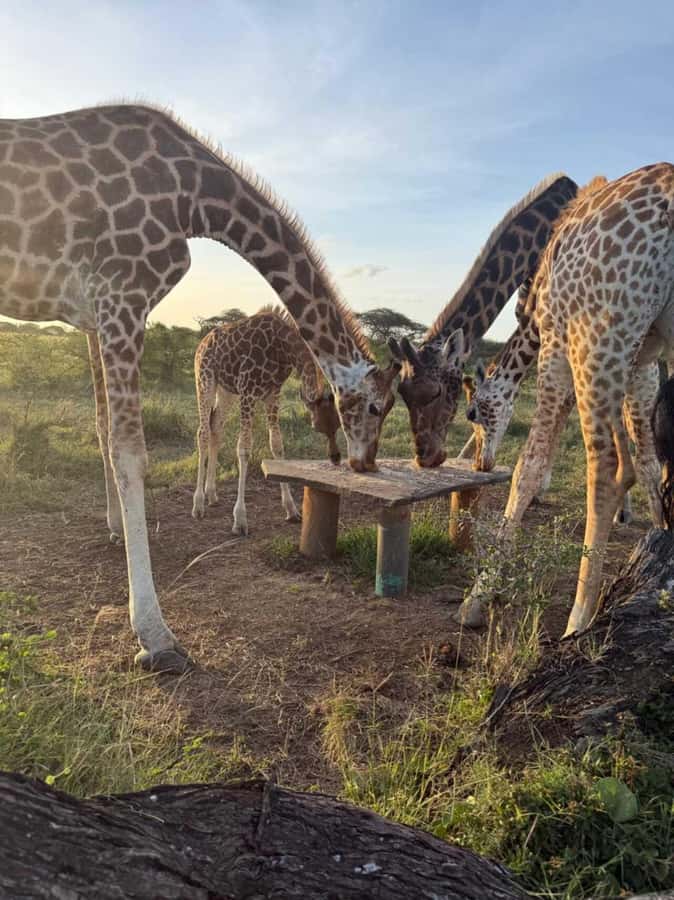
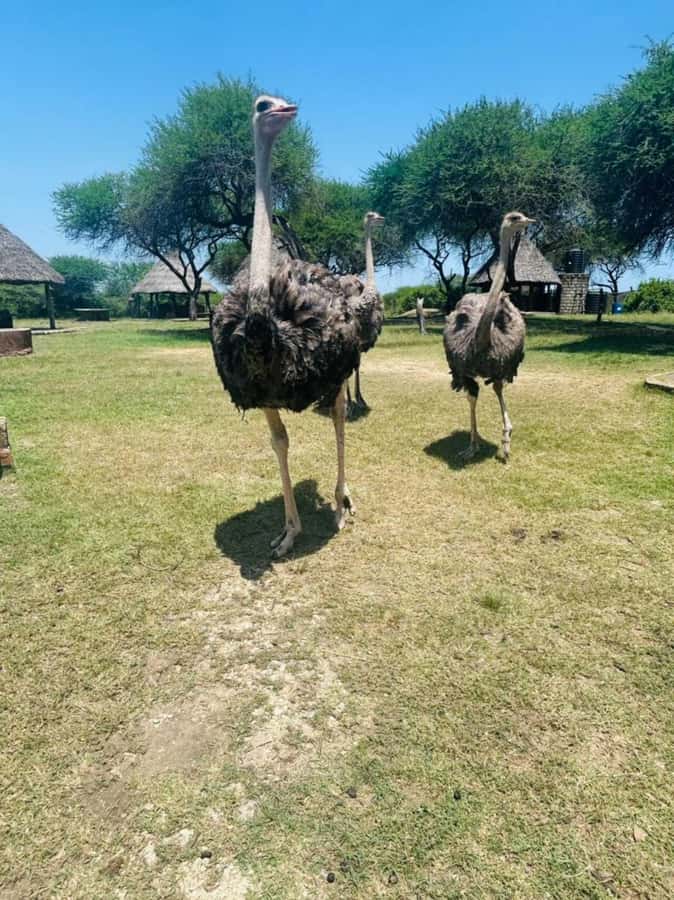
The final major stop is Nguuni Wildlife Sanctuary, where the cultural visit gives way to open country and animals. Giraffes move through the area, while ostriches and antelopes can be seen grazing or roaming nearby.
This is not presented as a full-day safari. You are not promised every animal found in Kenya, and the sanctuary is not a substitute for a national park. Its appeal is convenience and closeness. From Mombasa, you can reach a peaceful wildlife area without giving up an entire day to driving.
The experience includes a walking section of about 25 minutes. That lets you see the setting at a slower pace than you would from a vehicle. Wear proper shoes, use sunscreen, and bring a hat. Sunglasses and a camera belong in your day bag as well.
One particularly useful detail is that the giraffes may be seen without enclosing fences. That can make the encounter feel immediate and impressive, but it also means you must follow the guide’s instructions and keep a respectful distance. Wildlife is never a prop, even when it comes close.
The sanctuary entry fee is $10 per person in cash. The setting is good for photographs, especially if you enjoy animal portraits and broad views rather than tightly scheduled sightseeing.
There is one environmental concern to keep in mind. Plastic litter has been noticed in the park area. If you see rubbish and can safely help remove it, carrying a small bag and leaving no waste behind is a useful contribution. Bring your own care for the place, not just your camera.
What the $100 price really buys
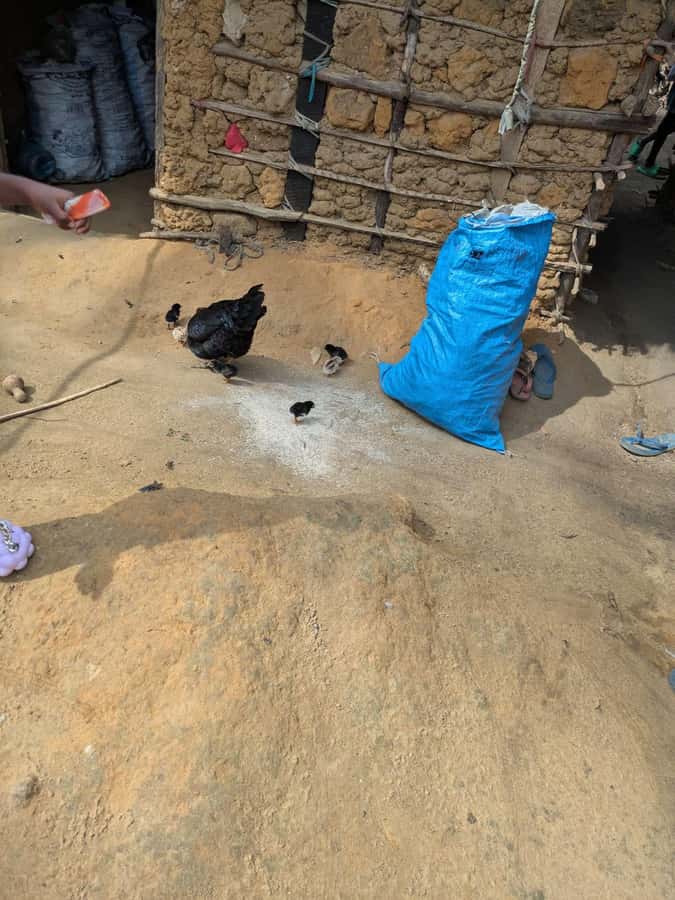
At first glance, $100 per person for four hours may seem high for a short outing. The value depends on what you want from your time in Mombasa.
This is not simply a transfer to a wildlife park. The price covers a local guide, school visit, village storytelling, a live dance, bottled water, wildlife viewing, and pickup and drop-off within Mombasa. You are paying for several connected experiences and for local participation, not just transport and an entrance ticket.
Still, calculate the full amount honestly. Add:
- $20 village entry fee
- $10 Nguuni Sanctuary entry fee
- Personal purchases and extra drinks
- Additional transport if your pickup is outside Mombasa
That makes the known standard total $130 per person before extras. For a couple or family, the amount adds up quickly. I would book it if the cultural contact is central to your holiday, but I would compare it with a simple sanctuary visit if you mainly want to see animals.
The local-community angle also gives the cost a useful purpose. The village fee supports access to the community experience, while the guide links the school, village, and sanctuary into one short route. Ask questions about where the fees go if that matters to you.
Guide style, languages, and flexibility
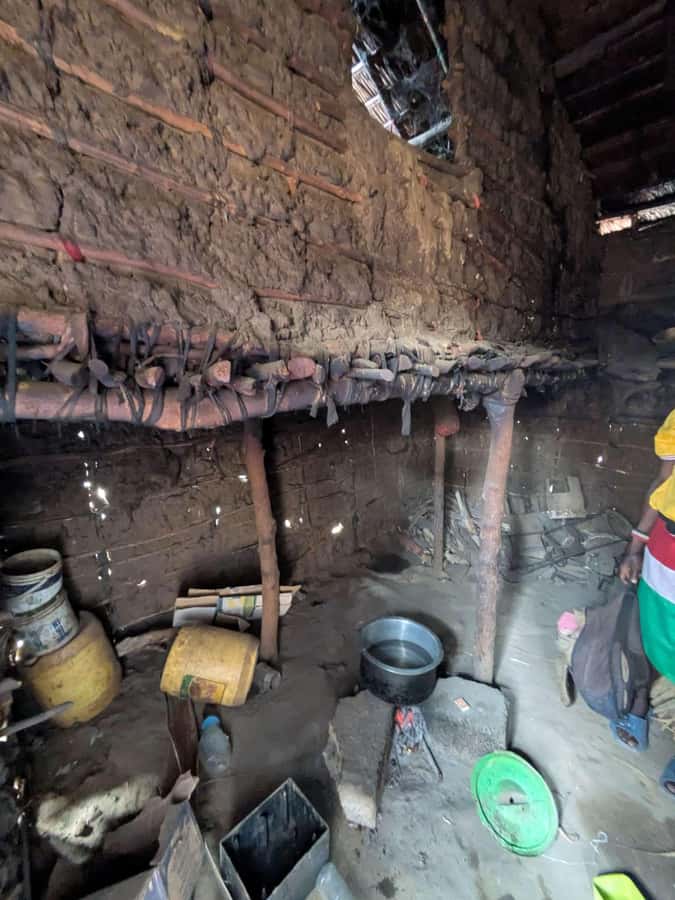
The activity offers live guiding in English, German, French, and Italian. The supplied details do not assign a guide by language in advance, so confirm your preferred language when booking.
Rico is one named guide connected with the experience. He is described as flexible, willing to adjust the plan, and easy to talk with. That flexibility matters if you have a strong preference, such as spending more time with the animals and less time on the cultural sections.
One German-speaking customer arranged an animal-focused version and was picked up on time by tuk-tuk. That suggests the schedule can sometimes be adjusted, but you should request changes before the day begins. Do not assume every alteration is guaranteed.
The group size is not specified. If you want a private outing, ask directly. The same applies to the optional picnic and professional photoshoot. These upgrades can be arranged for romance, engagements, honeymoons, or family pictures, but they cost extra.
Who will enjoy this four-hour outing
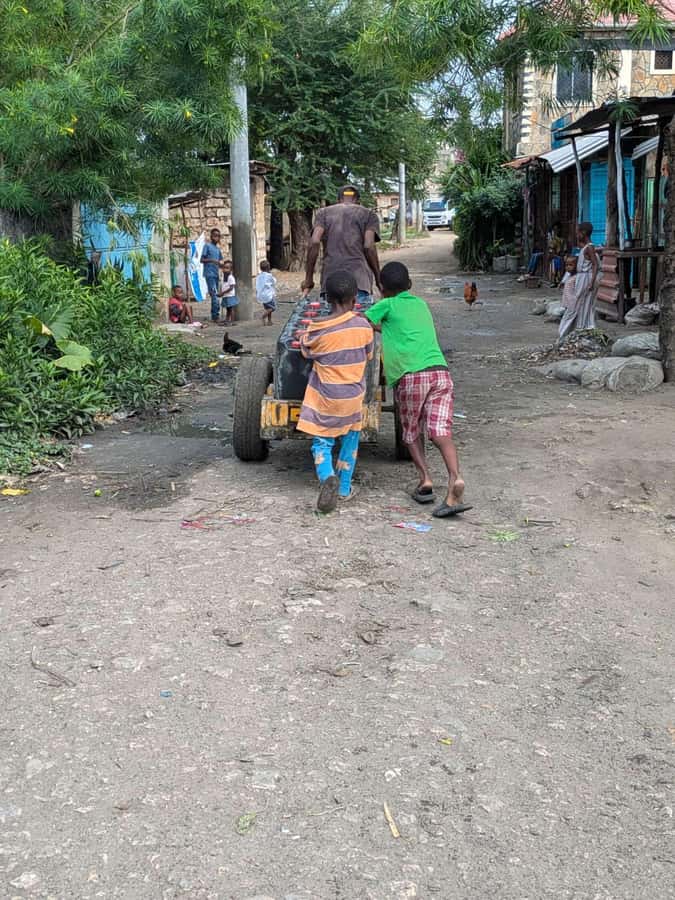
I would recommend this experience to you if you want to meet people and see animals in the same half-day. It suits couples who want a relaxed cultural date, families who can handle a flexible schedule, and first-time visitors looking for an introduction to life beyond Mombasa’s hotels.
It is also a good choice if you value a local guide and do not want to organize several short visits yourself. The guide connects the school, village, dance, refreshments, and sanctuary so you can focus on the day rather than arranging every transfer.
You may want something else if your main goal is a serious safari. Nguuni offers a shorter wildlife encounter, not a broad Kenyan game drive. You may also prefer a different activity if school visits or cultural performances make you uncomfortable.
The outing involves walking, sun, and outdoor conditions. Comfortable clothes, shoes, sunscreen, a hat, sunglasses, and cash are the sensible basics. Bring a camera, but keep people and animals ahead of photographs.
Simple planning tips for a better day
Check the school schedule before you book. The school visit takes place on weekdays only, and this can change the balance of the day.
Carry enough cash for the $30 in required entry fees. Keep some extra money for personal expenses, souvenirs, or drinks, but do not count on meals being included. The tour includes bottled water, not a full meal.
Ask about pickup if you are outside Mombasa city. The included service covers Mombasa and nearby areas, while longer transfers are charged according to distance.
If you want a romantic picnic or professional photography, request it at the time of booking. A last-minute request may not be possible, and the added price is not provided in the tour details.
Finally, leave room for conversation. The school, elder storytelling, dance, and guide interaction are the parts that give the outing its character. Rushing through them to reach the giraffes would miss half the point.
Should you book the Mombasa Cultural and Wildlife Experience?
Book it if you want a compact day that brings together Mijikenda culture and close wildlife viewing. The school and village visits give the outing a human center, while Nguuni adds the thrill of giraffes, ostriches, and antelopes in an open setting.
I would be more cautious if you expect a full safari, a low all-in price, or a tightly fixed schedule. The known cost rises to $130 before extras, the school is weekday-only, and transport outside Mombasa costs more.
For the right visitor, this is a thoughtful use of four hours. Choose it for the drums, the stories, the coconut water, and the chance to see Kenya through local voices before ending among giraffes.
FAQ
How long does the Mombasa Cultural and Wildlife Experience last?
The activity lasts four hours. The schedule includes walking, village visits, a traditional dance, a break, and wildlife viewing at Nguuni Wildlife Sanctuary.
What is included in the $100 price?
The price includes an English-speaking local guide, a guided school visit, Mijikenda dance, storytelling with village elders, bottled water, wildlife viewing, and pickup and drop-off within Mombasa or nearby areas.
What extra fees must I pay?
You must pay a $20 village entry fee and a $10 Nguuni Sanctuary entry fee in cash on the day. Personal expenses, extra food and drinks, and transport outside Mombasa are also separate.
Is the school visit available every day?
No. The local school visit is available on weekdays only.
Where can pickup and drop-off take place?
Included pickup and drop-off are available in Mombasa city, with listed locations including Nyali, Bamburi, and Mombasa. Pickup outside Mombasa can be arranged for an additional transport charge.
Can I book a tuk-tuk, picnic, or photoshoot?
A tuk-tuk ride can be arranged upon request. Romantic picnic setups and private professional photoshoots are also available as optional upgrades at an extra cost.
Just added around Mombasa
- Tsavo East National Park: 2-Day Tour from Mombasa★ 3.9 · 5 reviews
- 1-Day Tsavo East Safari From Mombasa★ 5.0 · 3 reviews
- 4-Day Tsavo East West and Amboseli National Park from Mombasa★ 4.0 · 5 reviews
- Fort Jesus Sound and Light show Mombasa★ 4.0 · 17 reviews
- 4 Days Mount Kenya Trekking★ 5.0 · 6 reviews
- 4×4 Safari in Tsavo East National Park★ 5.0 · 4 reviews
- 2 Days Salt Lick Safari Tour★ 4.5 · 3 reviews
- Swahili Street Food Tour★ 5.0 · 7 reviews
Wildlife, compared.
African Wildlife & Nature – 5 Kenya national parks – 6 day Jeep Safari
Read our review →
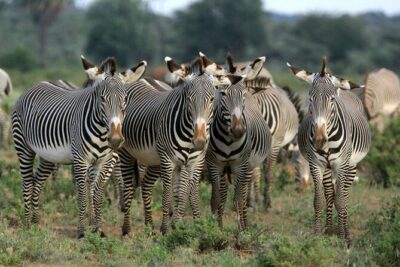
Half day wildlife tour to Nairobi National Park Game Drive with Pickup/Drop off
Read our review →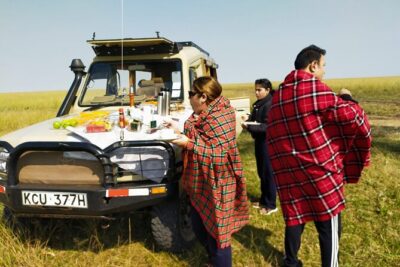
3 Days Best of MasaiMara Wildlife Private Safari, Mid-Range offer
Read our review →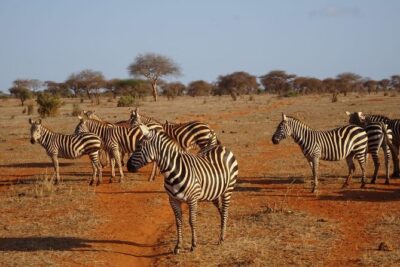
6 Days Kenya Masai Mara,Lake Nakuru & Amboseli Wildlife Safari
Read our review →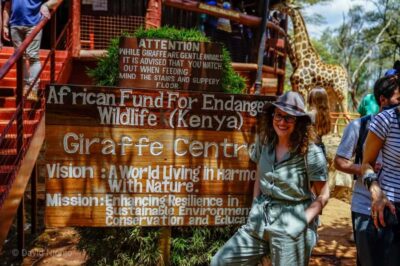
David Sheldrick Wildlife Trust & Giraffe Center with Lunch
Read our review →
ATV/Quad Bike Wildlife Safari with Transfers & meal
Read our review →Browse the lists this tour appears in