
Reviewed · GIRAFFE CENTRE & ELEPHANT ORPHANAGE TOURS
Nairobi Giraffe Center Tour with Karen Blixen & Kobe Beads”
The most unusual thing about this Nairobi tour is how neatly it links literature, wildlife, and handcraft in four hours. You move from Karen Blixen’s former farmhouse to a giraffe conservation center, then watch artisans turn simple materials into colorful Kenyan beadwork.
I like the personal feel of the transport and guiding. James has handled solo bookings, waited while visitors explored each stop, and made time for conversation about Kenyan life. I also like the mix of activities: feeding giraffes is playful, while the bead workshop gives you something useful to understand and possibly buy.
The main drawback is the price math. The tour costs $50 per person, but the Giraffe Center and Karen Blixen Museum charge another $27 in admission, before meals, drinks, souvenirs, or a tip. Four hours also leaves little room for lingering.
Key points to know before booking
- Feed Rothschild giraffes by hand: The Giraffe Center gives you a close look at conservation work and a memorable photo opportunity.
- See Karen Blixen’s actual home: The museum connects the author of Out of Africa with her years as a coffee farmer in Kenya.
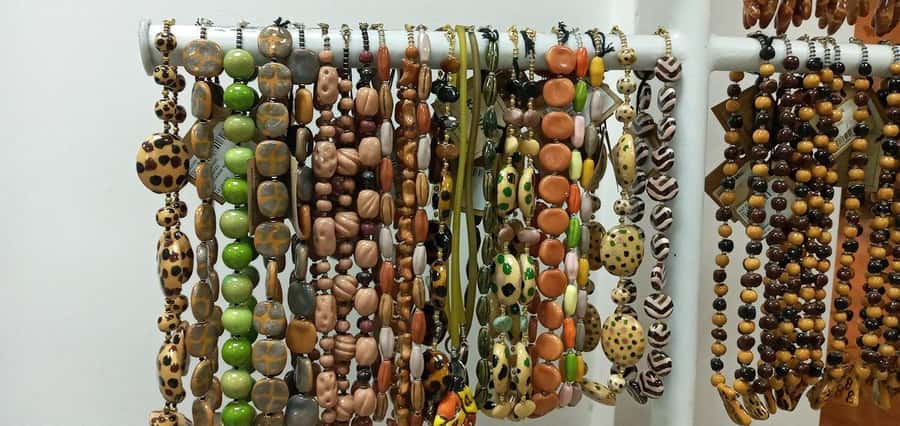
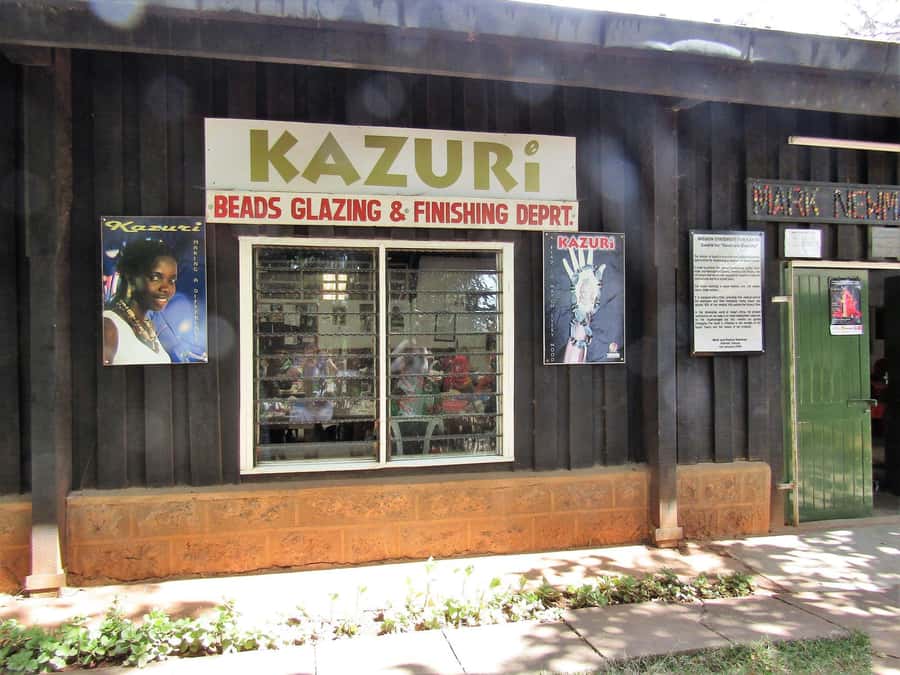
- Watch beadwork being made: The Kobe Beads Center, also identified in the itinerary as Kazuri Beads Factory, offers a look at local craft and provides shopping directly from the artisans.
- Hotel pickup keeps the morning simple: Transport from Nairobi County and return drop-off are included.
- Allow $27 extra for admissions: The Giraffe Center costs $15 and the Karen Blixen Museum costs $12.
- English-language guiding is provided: James and Faith are named guides associated with the experience, though the assigned guide can vary.
Three Nairobi stories in four hours
This is a compact tour built around the Karen district, southwest of central Nairobi. Its appeal is not simply seeing three attractions. It is the way each stop presents a different side of Kenya.
At Karen Blixen Museum, you get a literary and colonial-era setting. At the Giraffe Center, you meet one of Kenya’s best-known animals while learning about protection efforts. At the bead factory, you see skilled work and the economic value of handmade goods.
The schedule gives about 90 minutes at the museum, an hour at the bead center, and an hour at the Giraffe Center. Those times are enough for a guided visit and some free time, but this is not a slow, open-ended day. You should be ready to move along when the driver says it is time.
Hotel pickup and drop-off are included, which matters in Nairobi. You do not need to arrange separate taxis between the three stops, and you can carry purchases or a small bag in the vehicle. Unlimited water is also included. Bring a passport or other ID, since that is specifically requested for the activity.
More Karen Blixen house visits:
- Day tour to Giraffe Center and Karen Blixen Museum
★ 4.5 · 168 reviews - Nairobi National Park,Giraffe Centre, Karen Blixen Museum.
★ 5.0 · 127 reviews - 1 Day Tour Nairobi National Park,Giraffe Center&Karen Blixen
★ 5.0 · 48 reviews
Karen Blixen Museum and the Ngong Hills setting
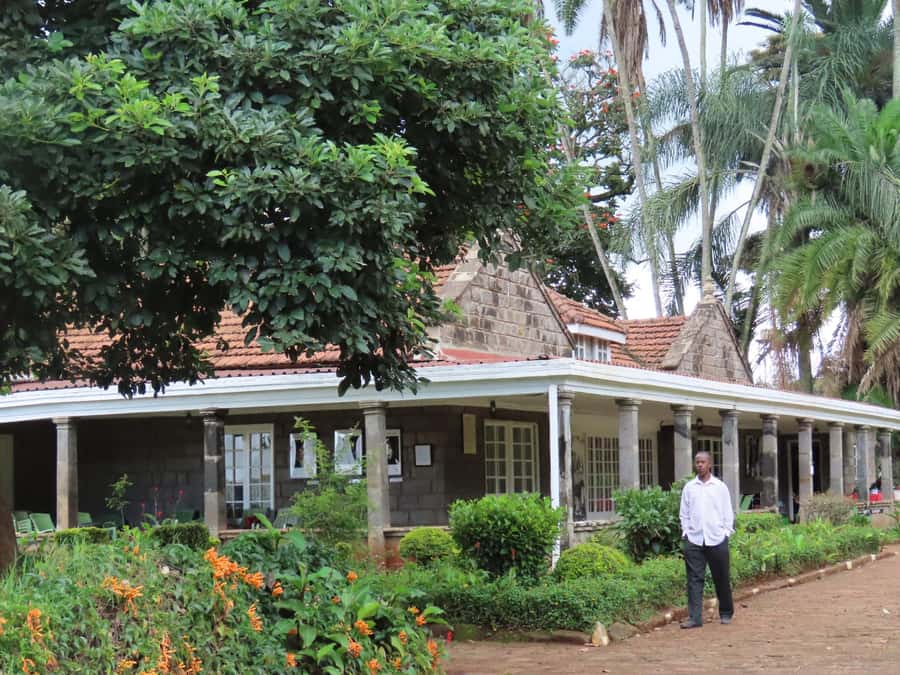
The first major stop is Karen Blixen Museum, set in the former home of the Danish author associated with Out of Africa. The building and grounds offer more than a quick literary photo. You see the rooms connected with her life in Kenya and learn about her work as a coffee farmer and writer.
The museum also gives useful context for understanding the period. Blixen’s story involved farming, writing, personal struggle, and the wider colonial setting of East Africa. A guide can help connect the rooms and objects to those larger themes instead of leaving you with a string of disconnected facts.
The setting is a strong part of the visit. The museum has gardens and views toward the Ngong Hills, so you get a scenic pause before the tour becomes more animal-focused. Bring your camera, but also leave time to listen. The value here is in the relationship between the house, the author, and the place described in her writing.
You should keep the museum’s limits in mind. This is not a full study of Kenyan colonial history, and the visit lasts about an hour and a half. If you have read Out of Africa, you will likely find the rooms more meaningful. If you have not, the guide’s explanation becomes especially important.
Admission is not included. Budget $12 per person for the museum. The tour description lists guided touring, photo stops, walking, sightseeing, and free time, so expect a flexible visit rather than a rigid march through every room.
Kobe Beads Factory and the work behind the souvenirs
The bead-making stop is called Kobe Beads Center in the tour description and Kazuri Beads Factory in the itinerary. That naming difference is worth noting when you book, but the purpose of the stop is clear: you visit a Kenyan craft center, watch artisans work, and have time to shop.
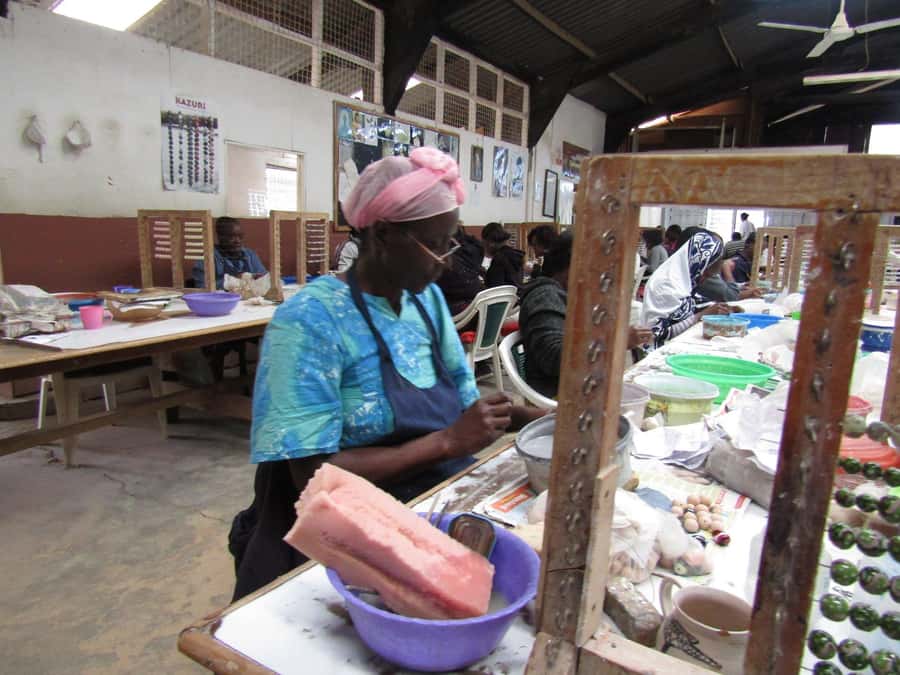
This is the stop I would give extra attention to. A finished necklace or bowl can look simple in a shop. Seeing the hands and repeated steps behind it changes how you judge the price and the labor. The visit helps you understand beads as part of Kenyan dress, ceremonies, adornment, and social meaning, not just as colorful holiday purchases.
The center is described as a place where traditional bead skills pass between generations. You can watch designs take shape and learn how beadwork reflects local culture. The exact demonstration can vary, but the central experience is direct observation of the artisans at work.
Shopping is part of the visit, and purchases support the local craft operation. That makes this a better place to buy a Kenyan-made item than grabbing an anonymous souvenir at an airport shop. Still, shopping is optional. If you are not looking for jewelry or decorative pieces, you can focus on the workshop and cultural explanation.
About an hour is planned here. That is a sensible amount of time for a demonstration and browsing, though serious shoppers may want more. The stop is listed as complimentary, meaning there is no separate admission charge for the factory visit. Your purchases are extra.
One practical detail: the supplied information uses both Kobe and Kazuri for this stop. Confirm the exact venue name when arranging your pickup so there is no confusion with your driver.
Feeding giraffes at the Giraffe Center
The Giraffe Center is the most hands-on stop. You can feed the giraffes and take photographs while learning about the Rothschild giraffe, an endangered type that the center works to protect.
This is not simply an animal photo stop. The conservation message gives the visit more weight. You see how a public sanctuary can introduce visitors to giraffes while supporting programs intended to protect them and their habitat. The close encounter makes the lesson easy to remember, especially for children.
Feeding a giraffe is also a wonderfully odd Nairobi experience. You hold food at the provided feeding area, wait for the long neck to reach down, and get a close look at the animal’s face. The moment is brief, so keep your camera ready and listen to the instructions.
The planned visit lasts about an hour. That should allow time for feeding, pictures, and an explanation of the conservation work. It is not a full safari, and you should not expect open grassland viewing or a long wildlife drive. You are visiting a dedicated center in Nairobi.
Admission costs $15 per person and is not included in the $50 tour price. This extra charge is important when comparing the activity with other Nairobi outings. The center is likely to be the tour’s most popular stop, so the pace may feel quicker than at the museum or bead factory.
More giraffe and elephant orphanage mornings:
- Nairobi: National Park & Optional Elephants & Giraffe Center
★ 4.8 · 874 reviews - Elephant Orphanage and Giraffe Center Tour with Options
★ 4.5 · 457 reviews - Nairobi National Park, Elephant Orphanage and Giraffe Centre
★ 4.6 · 365 reviews - Tour: Giraffe Center and Nairobi National Park
★ 5.0 · 299 reviews
How the guiding and transport shape the day
The tour includes a professional English-speaking guide, hotel pickup, and hotel drop-off in Nairobi County. For a four-hour outing, that arrangement is useful. You spend your time on the three stops instead of sorting out separate rides and entrances.
James is specifically associated with a solo booking and provided punctual pickup, introductions to guides at each venue, and a patient wait while the visitor explored. That suggests the driver-guide arrangement can be practical for independent visitors who want some freedom at each stop.
Faith is also named as a guide connected with the experience. She is described as friendly, responsive, and willing to answer questions. Your guide may be James, Faith, or another member of the team, so do not book solely on the promise of a particular person unless the provider confirms it.
One useful feature is the handoff to guides at the individual sites. A museum or conservation center often has staff who know that venue best, while your tour guide keeps the whole day moving. Ask questions as you go. This experience is strongest when you use the time to discuss Kenyan life, conservation, literature, and craft rather than simply collecting photographs.
The listed duration is four hours, but pickup and traffic can affect how much time you actually have inside each site. The schedule gives three stops and a return to Nairobi County. If you need to be at the airport or another appointment, allow a generous buffer.
Is the $50 price good value?
The advertised cost is $50 per person. At first glance, that is a reasonable price for hotel transport, an English-speaking guide, a three-stop program, and water. The value improves if you want a simple half-day plan without arranging separate taxis.
But the real cost is higher. Add $12 for Karen Blixen Museum admission and $15 for the Giraffe Center, and the known total reaches $77 per person. Meals, drinks, souvenirs, photographs, and gratuity are also separate.
I would judge the price this way:
- Good value if you want convenience and a guide to connect the three sites.
- Fair value if you are especially interested in the Giraffe Center and Karen Blixen Museum.
- Less attractive if you only want to feed giraffes, since the museum and craft stop make up much of the program.
- Better for a first Nairobi visit than for someone who has already seen all three places.
The bead center visit has no listed admission fee, but shopping can quickly add to the cost. Set a souvenir budget before you go. You will have a clearer idea of what your day will cost and less pressure to buy something simply because it was made in front of you.
Who will enjoy this combination most?
I would recommend the tour to first-time Nairobi visitors who want several kinds of experiences in one short outing. It works particularly well for couples, families, solo visitors, and anyone with only part of a day available.
Literature fans will appreciate the museum. Animal lovers will get the most excitement from the giraffe feeding. Shoppers and craft-minded visitors may find the bead factory the most interesting stop because it shows how handmade goods are produced.
The tour also suits visitors who prefer a guide and arranged transport. Nairobi is a large city, and moving between attractions can take planning. Here, pickup, drop-off, water, and site connections are handled for you.
You may want a different plan if your main goal is a long wildlife outing. The Giraffe Center is a conservation facility, not a national park safari. You may also find the schedule too tight if you like spending several hours at museums or negotiating carefully for handmade goods.
Wheelchair access is listed, which is useful for visitors who need an accessible activity. Since the tour includes walking and site visits, confirm the practical access details for your preferred pickup and each venue before booking.
Practical tips for a smoother visit
Bring your passport or ID card, as requested by the operator. Keep it secure, along with your phone and any admission money.
Wear comfortable clothes for walking and bring a camera with enough battery power. The giraffe encounter is one of those moments that can be over almost as soon as it begins, and the museum grounds and beadwork also offer photo opportunities.
Carry extra cash or a payment method for the $27 in admission fees. You will also need money if you want a souvenir, a purchased photo, food, or a tip for the guide.
Ask at pickup how the timing will work. The advertised schedule gives roughly 90 minutes at Karen Blixen Museum and one hour at each of the other two stops, but traffic and your own interests can affect the day.
If you are traveling alone, tell the provider that in advance. The experience has been handled for a solo visitor, including punctual pickup and waiting time at the venues. That is a useful sign for independent visitors, though group arrangements can vary.
Free cancellation is available up to 24 hours in advance for a full refund, and you can reserve now and pay later. Those terms help if your Nairobi schedule is still changing. Check the available start times before committing, since the tour lasts four hours and timing is not fixed in the supplied details.
Should you book this Nairobi tour?
Book it if you want a well-packed introduction to Nairobi’s Karen district and like the idea of combining a famous author’s home, giraffe conservation, and Kenyan craft in one outing. The mix is unusual, the transport is convenient, and the guide can add local context that you would miss by visiting each place alone.
I would especially choose it for a short Nairobi stay, a first visit, or a solo traveler who wants a dependable plan. The strongest moments are likely to be the giraffe feeding and the bead-making demonstration, while the museum adds a thoughtful historical and literary layer.
Skip it if you want a slow museum day, a full safari, or complete control over how long you stay at each stop. Also remember that the $50 price is not the final cost. With $27 in entrance fees and possible shopping or meals, plan on spending more.
FAQ
How long does the tour last?
The tour lasts four hours, including pickup, visits to the three sites, and return to Nairobi County.
What places are included?
The tour visits Karen Blixen Museum, the Giraffe Center, and the Kobe Beads Center. The bead stop is also identified as Kazuri Beads Factory in the itinerary.
Is hotel pickup included?
Yes. Hotel pickup and drop-off in Nairobi County are included.
What is the tour price?
The listed price is $50 per person.
Are the entrance fees included?
No. The Giraffe Center admission fee is $15 per person, and Karen Blixen Museum admission is $12 per person.
Is the bead factory visit included?
Yes. The visit to the Kobe Beads Factory is listed as complimentary. Purchases made there are not included.
What language is the tour offered in?
The live tour guide speaks English.
Are meals and drinks included?
No. Meals and drinks are not included, but unlimited water is provided.
What should I bring?
Bring a passport or ID card. You should also plan for the separate admission fees and any purchases.
Can I cancel the booking?
Yes. You can cancel up to 24 hours in advance for a full refund. Reserve now and pay later is also available.
Just added around Nairobi
- Visit kibera Slum the chocolate city★ 4.8 · 3 reviews
- 4 Days Safari to Lake Nakuru N/P and Maasai Mara N/R★ 5.0 · 18 reviews
- Maasai Mara Day Trip★ 5.0 · 15 reviews
- 4 Days Tour Landcruiser in Masai Mara and Lake Nakuru★ 5.0 · 10 reviews
- 3 days maasai mara migration safari★ 4.5 · 7 reviews
- Kibera Slum Tour with a Local★ 5.0 · 15 reviews
- Wildebeest Migration in Masai Mara and Sightseeing 4 Days Tour★ 4.5 · 6 reviews
- Day Tour to Nairobi national park, Elephants, and Giraffe Center★ 3.5 · 8 reviews
Giraffe Centre & Elephant Orphanage Tours, compared.

National Park & Optional Elephants & Giraffe Center
Read our review →
Elephant Orphanage and Giraffe Center Tour with Options
Read our review →
Nairobi National Park, Elephant Orphanage and Giraffe Centre
Read our review →
Tour: Giraffe Center and Nairobi National Park
Read our review →


Day tour to Giraffe Center and Karen Blixen Museum
Read our review →Browse the lists this tour appears in