Reviewed · GUIDED
Nairobi: visit Masai cultural Village guided Tour
The most memorable part of this day is the direct meeting with Maasai families, not simply the drive out of Nairobi. You may enter a traditional home, watch warriors welcome you with song and dance, learn about daily customs, and ask questions through an English-speaking guide. I especially like the personal contact and the chance to see how indigenous knowledge connects people with the countryside.
I also like the scenic drive and the practical pickup service from many Nairobi districts. The main caution is cost and consistency: the $49 price excludes a $30 village fee, and one booking reported only 30 minutes in the village plus pressure to buy crafts. Confirm the timing and shopping expectations before you set off.
Key points at a glance
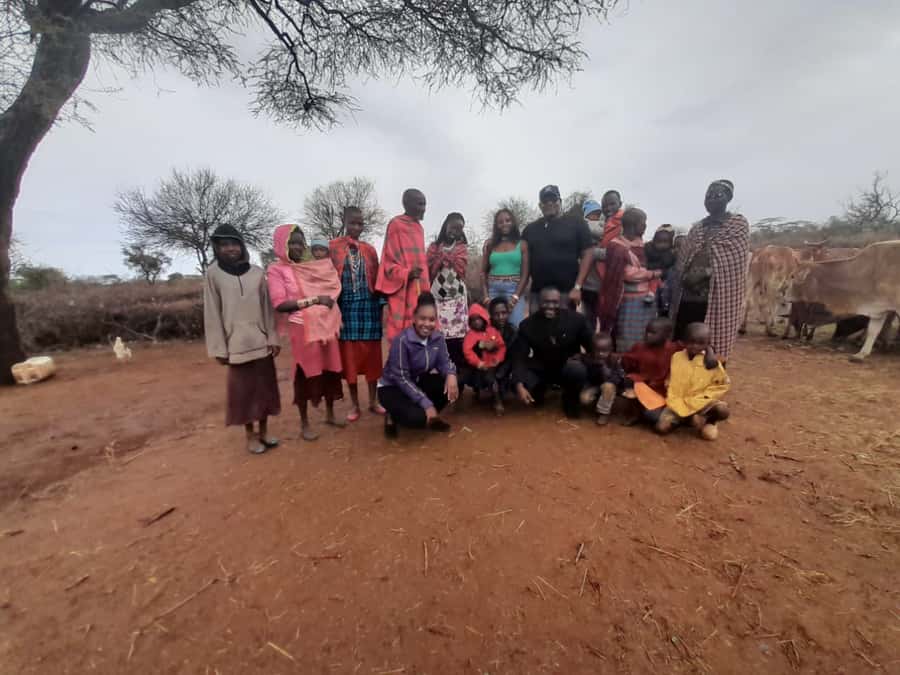
- Three hours planned in the Maasai village: The visit can include a home visit, guided walk, free time, dancing, a welcome ceremony, views, and a craft market.
- $79 before food and drinks: Add the $30 entry fee to the $49 tour price, and carry Kenyan shillings for payment.
- Pickup across Nairobi: Collection is offered from Nairobi, Westlands, Gigiri, Parklands, Lavington, Embakasi, Nairobi West, Syokimau, and Nairobi National Park.
- A friendly guide can shape the day: Surfci is one named guide praised for a good pickup and clear explanations.
- Group transport takes patience: This is a shared tour, so several pickups and drop-offs can make the seven-hour day longer or less predictable.
- Craft shopping is part of the visit: You can browse community handicrafts, but set your spending limit before arrival.
This tour gives you a quick way to move from Nairobi’s urban streets into a very different setting. The destination is a Maasai village in central Kenya, reached by scenic drive in an air-conditioned vehicle. Once there, the focus shifts from sightseeing through a window to conversation, ceremony, music, and a look inside everyday life.
I like this format for a first Kenya visit because it gives cultural context without requiring a multi-day safari. You are not only looking at countryside or wildlife from a vehicle. You are meeting people, seeing a traditional home, and hearing explanations about customs and life connected to the land.
At the same time, you should keep your expectations sensible. This is a prepared cultural visit, with a welcome ceremony, dance show, market, and guided activities. That can make the experience accessible and lively, but it also means the day is organized for visitors rather than being an unplanned encounter with village life.
The advertised duration is seven hours, including pickup, the drive, the village visit, and the return to Nairobi. That makes this a substantial day outing rather than a short afternoon stop. Your exact schedule depends on where you are staying and how many people the driver collects.
Pickup is available from central Nairobi and several surrounding areas, including Nairobi West, Westlands, Gigiri, Parklands, Lavington, Embakasi, Syokimau, and Nairobi National Park. You wait in your hotel lobby about 10 minutes before the scheduled time, and the driver is expected to hold a sign with your last name.
That system is useful when you are in an unfamiliar city, though it is not a private transfer. Several pickups and drop-offs may be made along the way. I would avoid booking a tight afternoon appointment after this tour, since traffic and the shared route can affect your return time.
The vehicle is air-conditioned, and bottled water is included. Breakfast, lunch, soft drinks, and alcohol are not included, so plan accordingly. The information provided does not specify a restaurant stop or a meal arrangement, so bring suitable food if you know you will need lunch.
The drive is part of the experience rather than dead time. You get changing views of the Kenyan countryside on the way to the village, with scenic stops and photo opportunities listed as part of the day. The open views help explain why the Maasai way of life is so closely tied to land, livestock, weather, and movement.
I would treat the drive as a chance to ask questions. The driver also serves as your guide, and the best experience will depend partly on how clearly he explains what you are seeing. One guide named Surfci received particular praise for a smooth pickup and for explaining the process carefully.
The information does not give a precise driving time from each pickup point. That matters in Nairobi, where your location and the number of hotel stops can change the rhythm of the morning. If you want a fast, tightly timed excursion, a private vehicle may suit you better. If you value convenience and a lower starting price, the shared arrangement is reasonable.
The village visit is planned to last about three hours. That is enough time for more than a quick photograph, at least on the stated schedule. The activities can include a welcome by Maasai warriors, traditional singing and dancing, a guided walk, a home visit, free time, and a stop at the handicraft market.
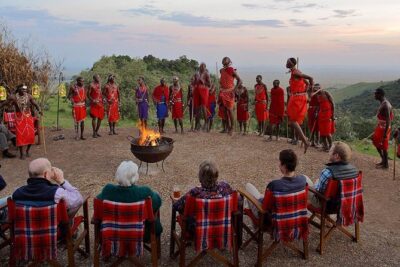
The welcome ceremony is likely to be the most theatrical part of the visit. Warriors greet the group through song and dance, giving you an immediate introduction to Maasai performance traditions. You may also be invited to watch or take part in dance activities, depending on how the visit is organized that day.
I like this opening because it breaks the ice. You are not dropped into a village with no context. Someone receives you, gives the visit a clear beginning, and then helps you understand what follows.
Still, keep your camera manners in check. Ask before taking close-up portraits, especially during quieter moments. A good cultural visit is not just about collecting photos. Pay attention to who is explaining the ceremony, what the songs mean, and how the community presents its traditions.
The home visit is one of the most useful parts of the day because it moves the experience beyond costume and ceremony. You can see how a typical traditional home is arranged and ask about domestic life, family routines, and practical traditions.
The supplied details do not promise a specific house design or a set list of demonstrations, so I would not arrive expecting a fully staged museum display. Instead, use the opportunity to ask direct questions through the guide. The value comes from seeing a lived space and hearing explanations from people who know the setting firsthand.
The tour also presents Maasai knowledge of the land and coexistence with wildlife. That does not mean you are visiting a wildlife park, and no animal sightings are promised. The point is cultural understanding: how people relate to their surroundings and maintain traditions in a region also associated with wildlife.
An English-speaking live guide accompanies the tour. That is important because the visit includes more than watching a performance. You will want help understanding ceremonies, household details, social customs, and the meaning behind what you see.
Several strong ratings point to guides who were friendly and willing to answer questions. One booking specifically praised the driver for explaining the whole process and making sure the participant understood what was happening. That is exactly the role you want from a cultural guide: not just a driver who delivers you to a stop, but someone who gives the visit shape.
The quality of your questions will affect what you take away. Ask about the home, the dances, the community market, and the relationship between tradition and modern life. A polite, curious approach usually leads to a better exchange than firing off quick questions for photographs.
The community market is included as part of the village visit. You can browse arts and crafts, and purchases may support the people presenting their work. This is a chance to look closely at beadwork and other handmade items rather than treating the market as an afterthought.
I recommend deciding your budget before you arrive. The additional village fee already brings the basic cost to about $79 per person, before meals and drinks. Crafts are extra, and the market may be an important part of the community’s income.
There is one serious point to clarify. A Japanese-speaking participant reported being allowed only about 30 minutes in the village and feeling unable to leave without buying jewelry. That account conflicts with the stated three-hour village schedule and the generally positive reports of a warm welcome. It may reflect a poor day, a misunderstanding, or a different arrangement, but it is still worth taking seriously.
Ask your operator or driver how long the village visit will last and whether buying is optional. You should be able to browse without feeling forced. If you want to purchase something, ask about the item, its materials, and a fair price, then buy because you like it, not because you feel trapped.
The advertised price is $49 per person. That includes hotel pickup and drop-off, the driver and guide, bottled water, and transport in an air-conditioned vehicle.
The village entry fee is not included. It is listed as $30 per person, payable in Kenyan shillings and in cash. That makes the known cost $79 per person before breakfast, lunch, other drinks, alcohol, and crafts.
At that total, I see fair value if you want a structured cultural outing from Nairobi and appreciate having transport arranged. Pickup is especially useful if you are staying outside the city center, since the tour covers many districts.
The value is weaker if you want a private, flexible visit or if you are mainly looking for wildlife. This is not a safari game drive, and no wildlife viewing is promised. You are paying for cultural access, transport, a guide, and an organized village program.
Carry enough Kenyan cash for the entry fee. The information says the fee is payable in Kenyan shillings, so do not assume a card or US dollars will be accepted at the village.
I would recommend the tour to you if you want a straightforward introduction to Maasai culture and have one free day in Nairobi. It suits first-time visitors who prefer a guide, families who want a clear schedule, and solo visitors who would rather not arrange transport alone.
It also works well for people who enjoy asking questions and taking part in music or dance. The strongest experiences are likely to come from treating the visit as a cultural exchange rather than a quick photo stop.
You may want another option if you dislike group transport, shopping stops, or planned performances. The shared vehicle can involve several pickups, and the village program has a market component. If you need a strict return time, leave a generous buffer.
The tour is listed as wheelchair accessible, which is useful information for planning. Since no further details are given about paths or home access, contact the provider ahead of time with specific mobility questions.
Arrive in the lobby early. The pickup system uses a sign with your last name, but a little patience helps when several hotels are involved.
Bring water beyond the included bottle if you prefer to drink often, plus food if you do not want to go seven hours without a proper meal. Lunch is not included, and no fixed restaurant stop is confirmed.
Wear comfortable clothing and shoes suitable for walking around the village. The program includes sightseeing, a walk, free time, and market browsing, but the exact ground conditions are not specified.
Keep your phone or camera ready for the countryside, home visit, ceremony, and crafts, but ask permission before photographing people. A respectful question can open a better conversation than a silent snapshot.
Finally, confirm three things before departure: the $30 entry payment in Kenyan shillings, the expected three-hour village stay, and the role of the craft market. Those details remove the biggest sources of surprise.
I would book this tour if I wanted a convenient, guided cultural day from Nairobi and understood that the real cost is about $79 before food and shopping. The warm welcome, clear explanations, traditional home visit, dancing, and open countryside views give the day plenty of substance.
I would be more cautious if I wanted an entirely unplanned village encounter or a private schedule. The shared format can mean multiple stops, and one account raises a concern about a much shorter visit and pressure to buy crafts.
For most visitors, the best approach is simple: confirm the timing and payment details, carry Kenyan shillings, and arrive ready to listen as well as take pictures. If those conditions suit you, this offers a practical first look at Maasai culture without committing to a longer safari itinerary.
FAQ
A few more Nairobi days to weigh up
- Nairobi National Park Half-Day Tour; Free Wi-Fi connection
★ 5.0 · 878 reviews - Nairobi: National Park & Optional Elephants & Giraffe Center
★ 4.8 · 874 reviews - NAI NAMI: Nairobi Storytelling Tour with Street Children
★ 5.0 · 792 reviews
How long does the Maasai village tour last?
The full activity lasts seven hours, including pickup, transport, the village visit, and return drop-off. The planned village program lasts about three hours.
How much does the tour cost?
The tour price is $49 per person. A separate village entry fee of $30 per person is required, bringing the known total to $79 before meals, drinks, and crafts.
How is the village entry fee paid?
The $30 village entry fee is payable in cash in Kenyan shillings.
Same departure point, a completely different day out:
- Nairobi National Park Half-Day Game Drive
★ 4.5 · 738 reviews - Nairobi: Historic and Modern Highlights Walking Tour
★ 4.8 · 703 reviews - Safari Tour; Nairobi National Park
★ 4.5 · 594 reviews - 3 Days Masai Mara Group Joining
★ 5.0 · 486 reviews
What does the tour price include?
It includes hotel pickup and drop-off, an English-speaking driver and guide, bottled water, and transport in an air-conditioned vehicle.
Are meals included?
No. Breakfast, lunch, drinks, and alcohol are not included.
Where can pickup take place?
Pickup is available from Nairobi, Nairobi West, Gigiri, Embakasi, Parklands, Westlands, Nairobi National Park, Lavington, and Syokimau.
What happens during the village visit?
The visit can include a traditional home visit, guided sightseeing, free time, a welcome ceremony, traditional singing and dancing, a scenic stop, and a community arts and crafts market.
Is the tour conducted in English?
Yes. The tour includes a live English-speaking guide.
Can I cancel the tour?
You can cancel up to 24 hours in advance for a full refund. The activity also offers reserve now and pay later booking.
Just added around Nairobi
- Visit kibera Slum the chocolate city★ 4.8 · 3 reviews
- 4 Days Safari to Lake Nakuru N/P and Maasai Mara N/R★ 5.0 · 18 reviews
- Maasai Mara Day Trip★ 5.0 · 15 reviews
- 4 Days Tour Landcruiser in Masai Mara and Lake Nakuru★ 5.0 · 10 reviews
- 3 days maasai mara migration safari★ 4.5 · 7 reviews
- Kibera Slum Tour with a Local★ 5.0 · 15 reviews
- Wildebeest Migration in Masai Mara and Sightseeing 4 Days Tour★ 4.5 · 6 reviews
- Day Tour to Nairobi national park, Elephants, and Giraffe Center★ 3.5 · 8 reviews
Guided, compared.
Nairobi National Park 5-hour Guided Game Drive Free Pick up
Read our review →

Half Day Guided Tour in Nairobi National Park With 4*4 Vehicle
Read our review →