
Reviewed · GIRAFFE CENTRE & ELEPHANT ORPHANAGE TOURS
Elephant Orphanage Trust, Giraffes & Bomas of Kenya Day Tour
A baby elephant taking a bottle, a Rothschild’s giraffe leaning down for food, and Maasai and Samburu performers sharing the stage: this tour packs three very different sides of Nairobi into one day. You move from wildlife conservation to community enterprise, then finish with Kenya’s many ethnic traditions at Bomas of Kenya.
I like the close animal encounters and the way the tour explains the work behind them. I also like the optional Kobe Beads visit, where your spending can support single mothers from a nearby low-income community. The main drawback is cost: the advertised $123 does not include the elephant orphanage conservation fee or lunch, so an adult should budget at least $166 before food.
Key points to know before booking
- The elephant orphanage session runs from 11 am to noon, so punctual pickup matters.
- Rothschild’s giraffes can be hand-fed from a raised wooden platform at the Giraffe Centre.
- The $43 adult conservation fee is extra and must be paid by card through the E-citizen system.
- Kobe Beads offers more than shopping, with a look at pottery and bead making from start to finish.
- Bomas of Kenya presents 53 ethnic communities through homesteads, music, folklore, and traditional dance.
- Jacinta and Kevin are guides to hope for, praised for careful timing, kindness, professionalism, and humor.
Why this Nairobi day works so well
Nairobi is one of the few capitals where you can spend the morning with endangered giraffes, watch orphaned elephants being fed, and attend a traditional dance program without leaving the city. That makes this a useful choice if you have limited time in Kenya or do not plan to visit a national park.
The day is not just a parade of photo stops. Each place has a different purpose. The Giraffe Centre focuses on breeding and conservation. The elephant orphanage shows the care required to rescue and raise young elephants. Kobe Beads connects tourism with women’s employment. Bomas of Kenya presents cultural traditions through buildings, music, dance, and demonstrations.
I especially like that the tour gives you context at each stop. You are not simply handed food for a giraffe or shown a baby elephant. You also learn why the animals need protection and how Kenyan communities preserve cultural practices.
There is a practical catch. The itinerary is full, and the orphanage has a fixed one-hour viewing session. Traffic in Nairobi can affect the pace, so a guide who manages time well is important. Jacinta and Kevin have both been praised for making sure their groups arrived on time and for staying attentive through the day.
More Bomas of Kenya dance afternoons:
- Giraffe Centre, Elephant Orphanage, and Bomas of Kenya Day Tour from Nairobi
★ 4.5 · 96 reviews - Half-Day Cultural Tour to Bomas of Kenya in Nairobi
★ 4.5 · 23 reviews - Nairobi city sights, Giraffe Encounters and Bomas Kenya Tour
★ 5.0 · 19 reviews
Feeding Rothschild’s giraffes at the Giraffe Centre
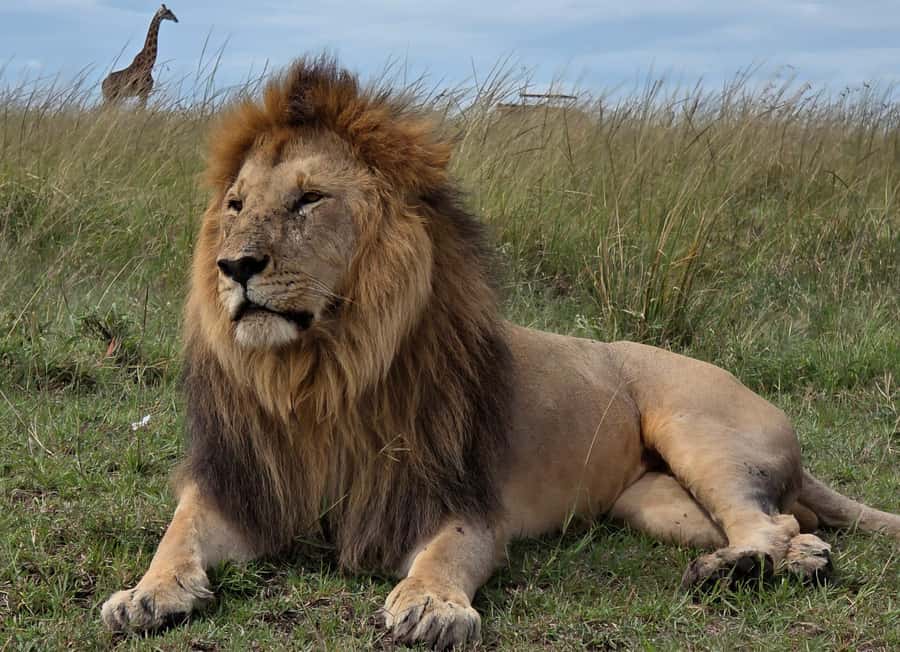
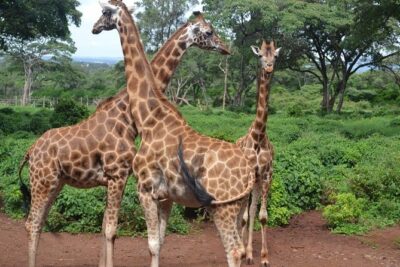
The first wildlife stop is the Giraffe Centre, home to the endangered Rothschild’s giraffe. The most memorable part is the raised wooden structure, which puts you close to the giraffes’ heads and lets you hand-feed them.
This is more active than viewing giraffes from a distant vehicle. You can watch their long tongues reach for food, observe their height at close range, and take photographs from the platform. The setting makes it easier to notice details that disappear on a standard game drive, such as the shape of the mouth and the way the giraffe moves its head toward the feeding point.
The conservation story matters here. The African Fund for Endangered Wildlife has worked with Rothschild’s giraffes since 1979, when no more than 120 were thought to remain in the wild. That background gives the visit a clear purpose. You see animals that are engaging and photogenic, but you also learn why controlled breeding and protection are needed.
You may also spot warthogs around the center, including animals snuffling in the mud. The nearby Gogo River Bird Sanctuary adds a quieter option. Its forest path is self-guided, so you can walk at your own pace if you want a break from the feeding platform.
I would give yourself time to enjoy both parts. The giraffe interaction is the headline attraction, but the bird sanctuary offers a change of mood. If you are traveling with children, the feeding platform is likely to be the easiest part of the day to appreciate. If you prefer nature walks, the forest route gives the stop a little more depth.
The 11 am to noon elephant orphanage visit
The elephant orphanage session is tightly timed, taking place daily between 11 am and noon. This is the point where your pickup schedule matters most. Arriving late could mean missing a large part of the presentation.
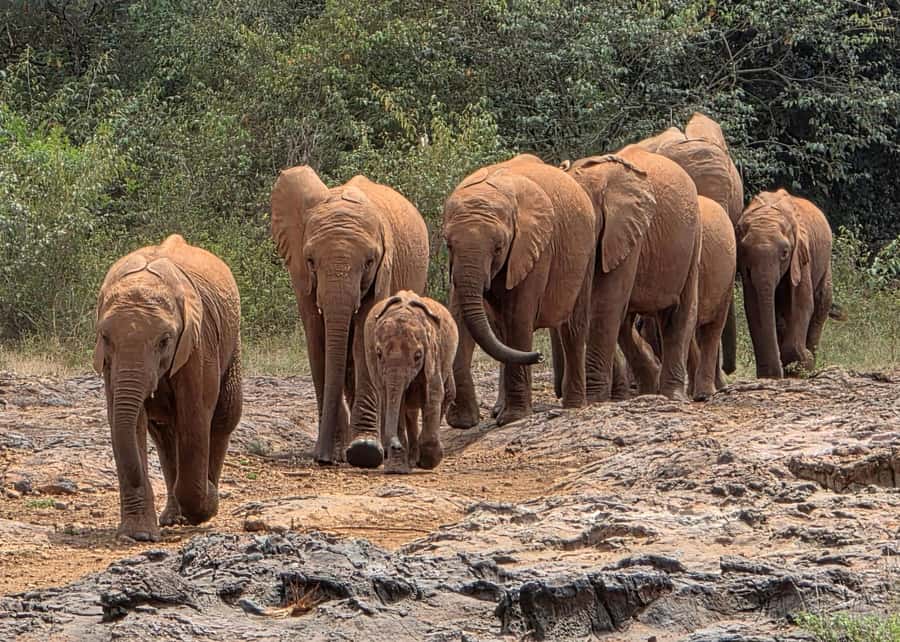
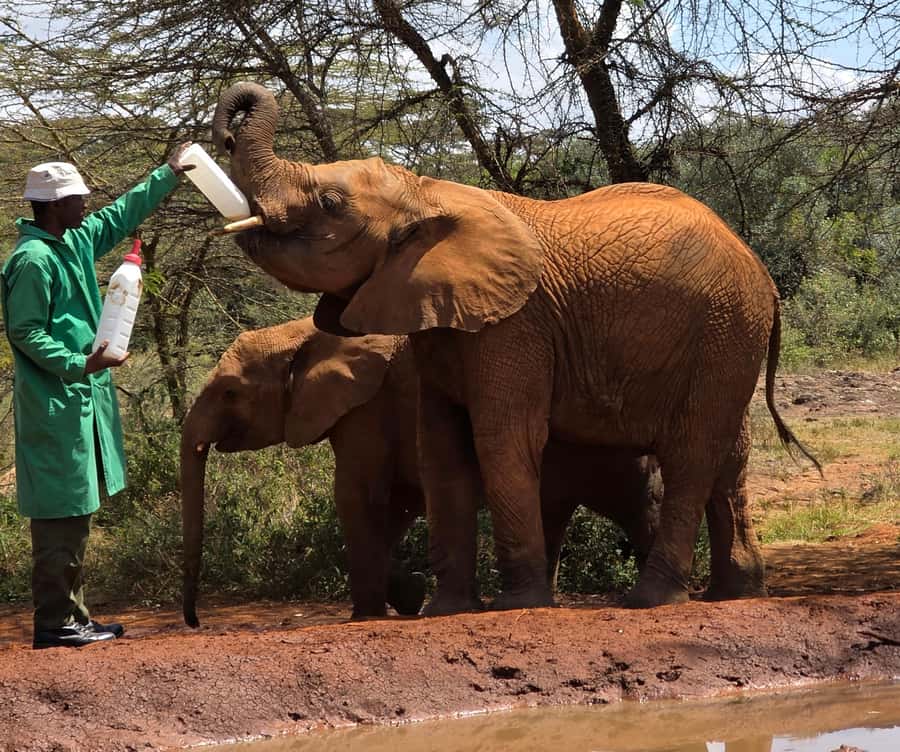
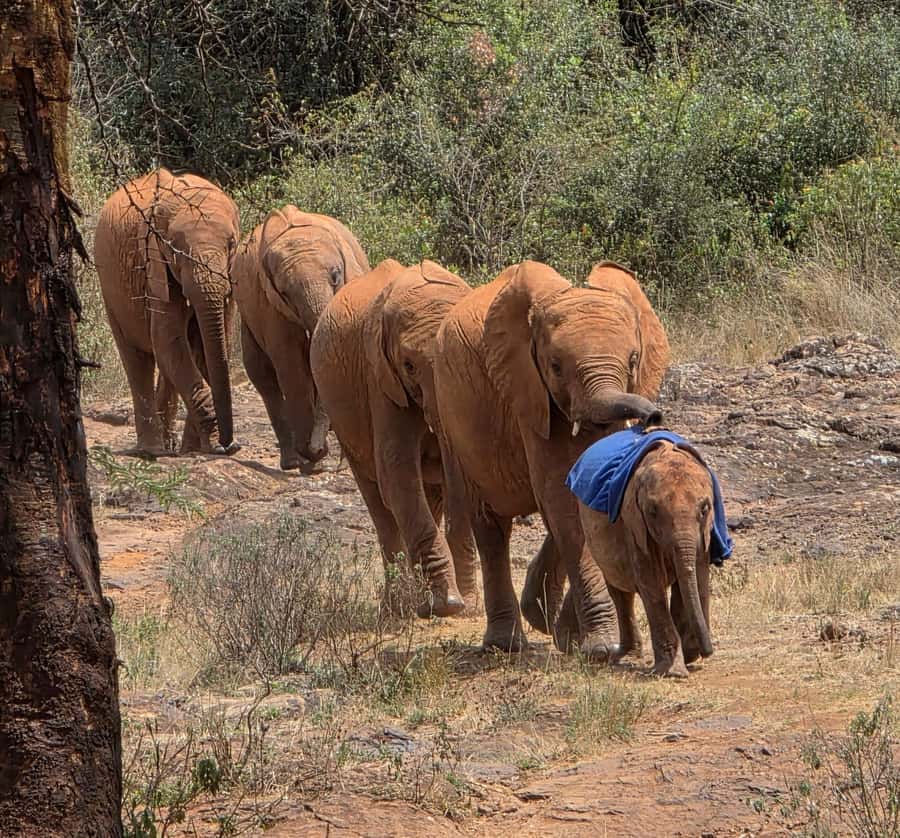
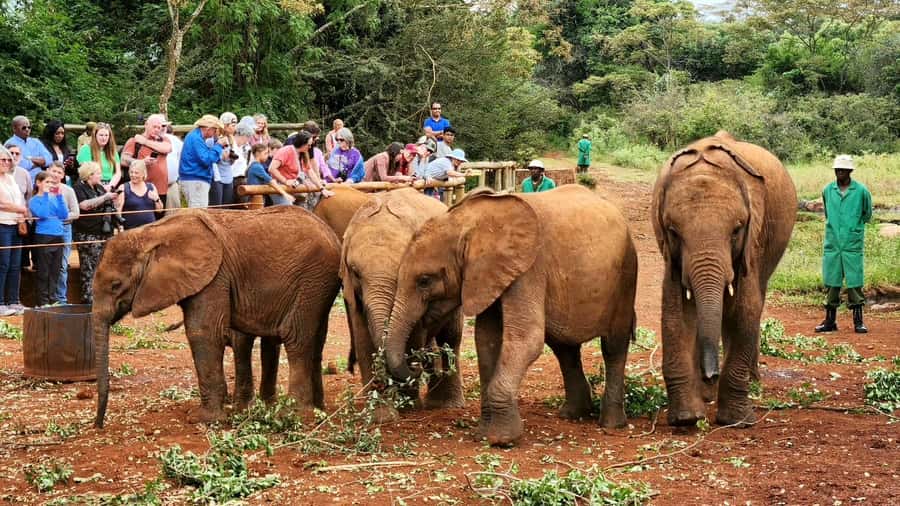
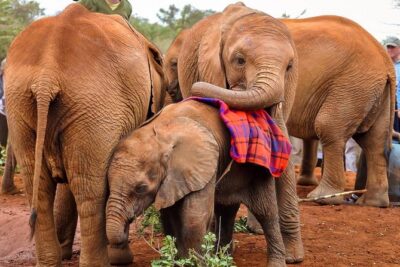
At the sanctuary, experienced keepers and guides explain elephant conservation in Kenya and the work involved in caring for orphaned calves. The young elephants are brought into view for feeding, play, sandbaths, and mud baths. Their milk bottles are a major part of the visit, and the combination of feeding and play gives you a clear sense of their daily care.
The setting can be emotional, but it is also practical. Raising a young elephant is not a simple matter of putting food in front of it. The orphanage’s work focuses on helping vulnerable elephants survive and supporting wider conservation efforts. The guide’s explanation helps turn a short viewing session into a lesson about the pressures facing elephants in the wild.
Photography is allowed, and you will have a strong chance to capture the calves as they drink, relax, or roll in sand and mud. The tour information also says you can adopt or sponsor an orphaned elephant. That option is worth considering if you want your visit to continue beyond the day, but it is not required for participation.
One point needs careful wording. The close setting may make it feel as if you can reach out and touch the animals, and a booking account describes petting an elephant as an unforgettable moment. Still, follow the keepers’ instructions rather than assuming physical contact is always permitted. Animal welfare should come before the perfect photograph.
Kobe Beads and the value of a community stop
After the wildlife visits, you may be taken to Kobe Beads, a pottery and bead-making company. This stop is optional, but it adds a human side to the day that many animal-focused tours lack.
You see the process from beginning to end, including the work that turns raw materials into finished beads and pottery. The visit is also connected to women’s employment. The company supports single mothers from a poor neighborhood, giving them a way to earn money for their families.
That detail changes how I view the stop. It is not only a chance to buy a souvenir. It shows how a local enterprise can link crafts, income, and tourism. If you purchase something, you are taking home an object with a clear connection to the people who made it.
The drawback is that any workshop visit can feel less appealing if you only want wildlife and culture. You should see it as an optional community and craft stop, not as another animal attraction. It also adds another segment to an already busy day.
More giraffe and elephant orphanage mornings:
- Nairobi: National Park & Optional Elephants & Giraffe Center
★ 4.8 · 874 reviews - Elephant Orphanage and Giraffe Center Tour with Options
★ 4.5 · 457 reviews - Nairobi National Park, Elephant Orphanage and Giraffe Centre
★ 4.6 · 365 reviews - Tour: Giraffe Center and Nairobi National Park
★ 5.0 · 299 reviews
Lunch and a taste of Kenyan food
Lunch is not included in the $123 price, but the guide can take you to a local restaurant where you can buy a Kenyan meal. This arrangement keeps the price flexible, since you choose what to order, but it means you need extra money beyond the advertised tour cost.
A local restaurant is a sensible choice in the middle of this itinerary. By this point, you have completed two wildlife visits, and you will want time to sit down before the afternoon cultural program. Ask your guide about the available dishes and costs if you need to keep spending under control.
Do not treat lunch as a minor detail when planning the day. The tour has several stops and performances, and skipping food can make the final portion feel long. Carrying bottled water is also useful, though a bottle is included.
Bomas of Kenya and the country’s 53 communities
The final major stop is Bomas of Kenya, a cultural center created to preserve, maintain, and promote the traditions of Kenya’s ethnic communities. The visit includes traditional homesteads and an informative look at how different groups live and organize their homes.
The word Bomas refers to homesteads, and the reconstructed compounds help make the cultural presentation more concrete. Instead of hearing only a list of customs, you can see the physical layout of homes and compare the forms used by different communities.
The daily performance program includes about 15 traditional dances from different ethnic groups. The Samburu and Maasai warrior performances are among the most striking parts of the show, with movement, music, and costumes creating a strong finish to the day.
I like this section because it provides a national view rather than focusing on only one community. Kenya has 53 ethnic communities, and no short performance can explain all of them in detail. Still, the program gives you a useful introduction to the country’s variety and offers a lively way to end the tour.
Keep your expectations realistic. This is a staged cultural presentation, not a private visit to a rural village or an unscripted encounter with a community. Its value comes from preservation, education, and performance. The traditional homesteads add context, while the dances make the material easier to remember.
What the $123 price really covers
At $123 per person, the tour includes private transport, hotel pickup and drop-off, a professional guide, bottled water, and admission to the Giraffe Centre, elephant orphanage, and Bomas of Kenya. The Kobe Beads visit is complimentary but optional.
The price is strongest if you want a private, arranged day with several admissions and transport handled for you. Nairobi’s sights are spread across different parts of the city, and organizing them independently would require separate transport, timing, and payment arrangements.
The phrase all-inclusive needs a footnote. The statutory conservation charge for the elephant orphanage is not included. Adults pay $43 and children pay $22, and the fee must be paid at the gate through the E-citizen platform using a Visa or Mastercard. Cash is not accepted.
That makes the likely adult total at least $166 before lunch. It is better to know this in advance than to arrive at the gate without a card or mistake the advertised price for the final cost.
Lunch is also extra. The guide can take you to a local restaurant, but you pay for your own meal. If you are comparing this tour with a cheaper outing, include both the conservation fee and food before deciding.
Guides, transport, and the pace of the day
Hotel pickup and drop-off are included, and the tour uses private transport. That is useful in Nairobi, where the time between attractions can affect how much you actually see.
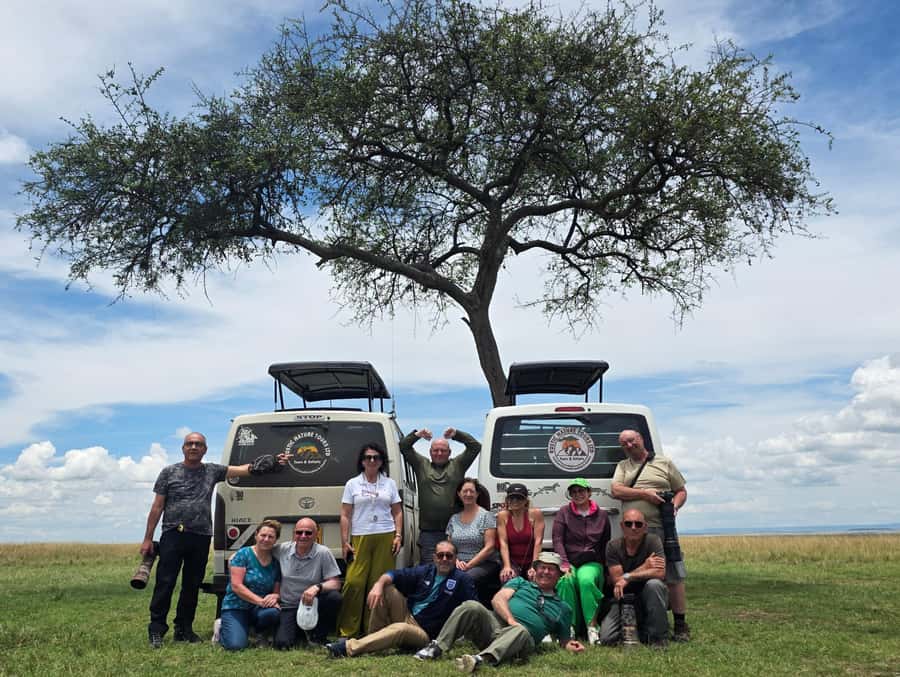
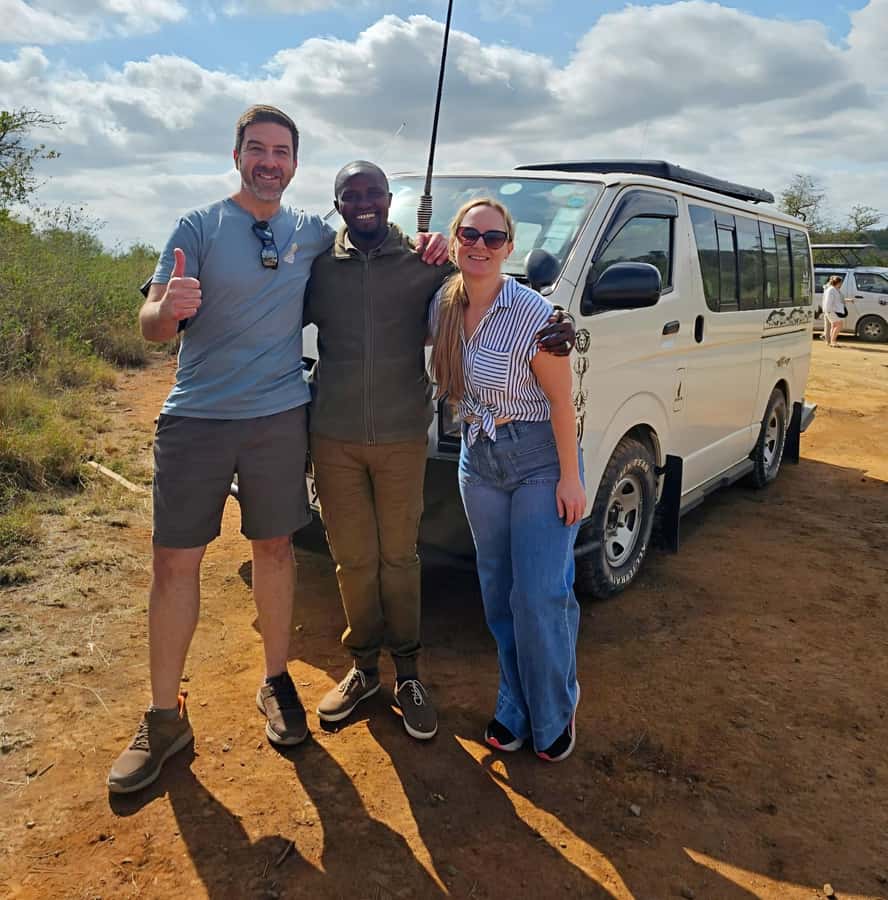
The guide’s role is especially important because of the fixed elephant session and the number of stops. Jacinta has been praised for kindness, attention to detail, and getting the group to presentations on time. Kevin has been praised for professionalism, humor, and considerate service. These names may not be assigned to every departure, but they show the level of guide support this operator can provide.
The day is best for someone who wants a ready-made route. You do not have to arrange admission to three major attractions or work out how to connect them. You also receive explanations at the animal centers and cultural sites rather than simply being dropped at the gates.
The pace may be tiring. There is no stated total duration, but the itinerary covers the Giraffe Centre, the 11 am orphanage program, an optional bead workshop, lunch, and Bomas of Kenya. Comfortable shoes and a sun hat are sensible. The tour is not suitable for people with mobility impairments, so consider that before booking.
The listed languages are English, Spanish, French, and German. Confirm your preferred language when booking, since the guide assigned to your date may vary.
Who should book this Nairobi tour?
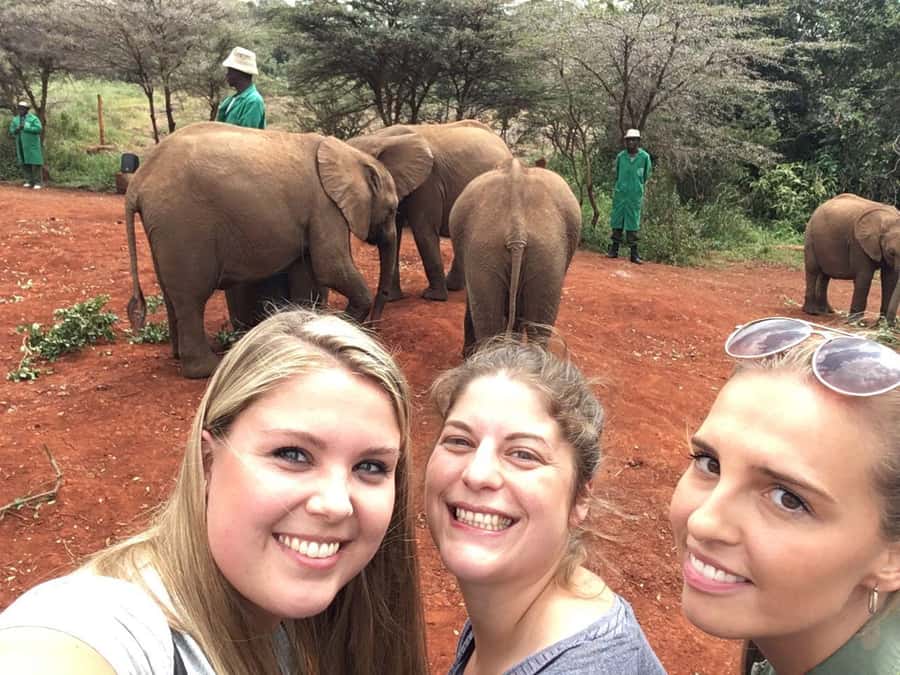
I would recommend it to first-time visitors with one free day in Nairobi, families who want close animal encounters, and anyone who wants wildlife plus cultural sights in one organized outing.
It also suits you if you value explanation and logistics as much as sightseeing. The conservation talks, women’s workshop, homesteads, and dance program give the day more substance than a simple animal photo trip.
You may want a different plan if you prefer a slow schedule, independent exploration, or a full wildlife safari outside the city. The itinerary is active and tightly arranged, and the elephant visit cannot be treated as a flexible drop-in stop.
FAQ
What is included in the tour price?
The price includes hotel pickup and drop-off, private transport, a professional guide, bottled water, and admission to the elephant orphanage, Giraffe Centre, and Bomas of Kenya. The Kobe Beads factory visit is complimentary but optional.
How much is the elephant orphanage conservation fee?
The statutory fee is $43 for adults and $22 for children. It is separate from the tour price.
How do I pay the conservation fee?
The fee is paid through the E-citizen platform at the gate. Visa and Mastercard are accepted, but cash is not accepted.
What time is the elephant orphanage session?
The guided orphanage session takes place daily from 11 am to noon. Arrive on time because this is a fixed viewing period.
Is lunch included?
No. Lunch is available for purchase at a local restaurant during the tour.
Can I feed the giraffes?
Yes. At the Giraffe Centre, you can hand-feed giraffes from a raised wooden structure.
Can I adopt or sponsor an elephant?
Yes. You have the opportunity to adopt or sponsor an orphaned baby elephant during the visit.
Which languages are available?
The tour is offered in English, Spanish, French, and German.
Is the tour suitable for people with mobility impairments?
No. The tour is listed as unsuitable for people with mobility impairments. Comfortable shoes are recommended, and a sun hat is useful.
Should you book it?
Book this tour if you want Nairobi’s best-known animal encounters, a cultural performance, and private transport arranged in one day. The strongest reasons are the close giraffe feeding, the carefully timed elephant session, and the chance to connect a souvenir purchase with women’s employment at Kobe Beads.
Before paying, add the $43 adult conservation fee and lunch to the advertised $123. If that total fits your budget, this is a convenient and varied introduction to Nairobi, especially when a reliable guide such as Jacinta or Kevin is assigned. If you want a slower day or a true open-country safari, choose a different outing.
Just added around Nairobi
- Visit kibera Slum the chocolate city★ 4.8 · 3 reviews
- 4 Days Safari to Lake Nakuru N/P and Maasai Mara N/R★ 5.0 · 18 reviews
- Maasai Mara Day Trip★ 5.0 · 15 reviews
- 4 Days Tour Landcruiser in Masai Mara and Lake Nakuru★ 5.0 · 10 reviews
- 3 days maasai mara migration safari★ 4.5 · 7 reviews
- Day Tour to Nairobi national park, Elephants, and Giraffe Center★ 3.5 · 8 reviews
- Kibera Slum Tour with a Local★ 5.0 · 15 reviews
- Wildebeest Migration in Masai Mara and Sightseeing 4 Days Tour★ 4.5 · 6 reviews
Giraffe Centre & Elephant Orphanage Tours, compared.
National Park & Optional Elephants & Giraffe Center
Read our review →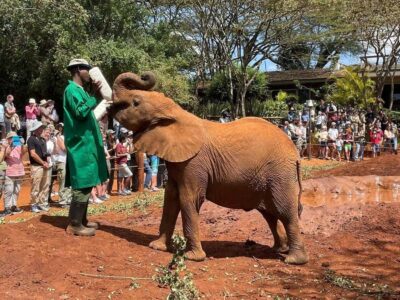
Elephant Orphanage and Giraffe Center Tour with Options
Read our review →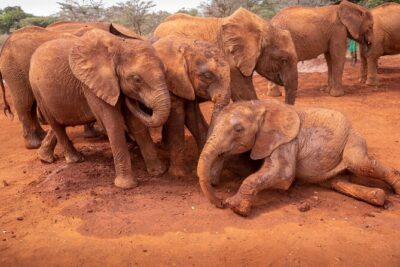
Nairobi National Park, Elephant Orphanage and Giraffe Centre
Read our review →
Tour: Giraffe Center and Nairobi National Park
Read our review →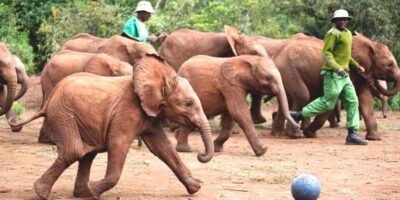
Day tour to Giraffe Center and Karen Blixen Museum
Read our review →Browse the lists this tour appears in