
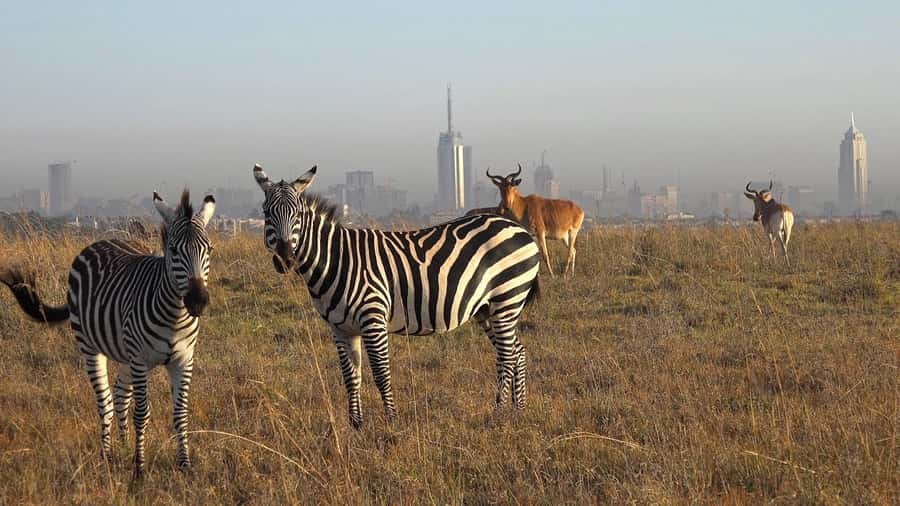
Reviewed · GIRAFFE CENTRE & ELEPHANT ORPHANAGE TOURS
Elephant Orphanage,Giraffe Center&Karen Blixxen Day TripTour
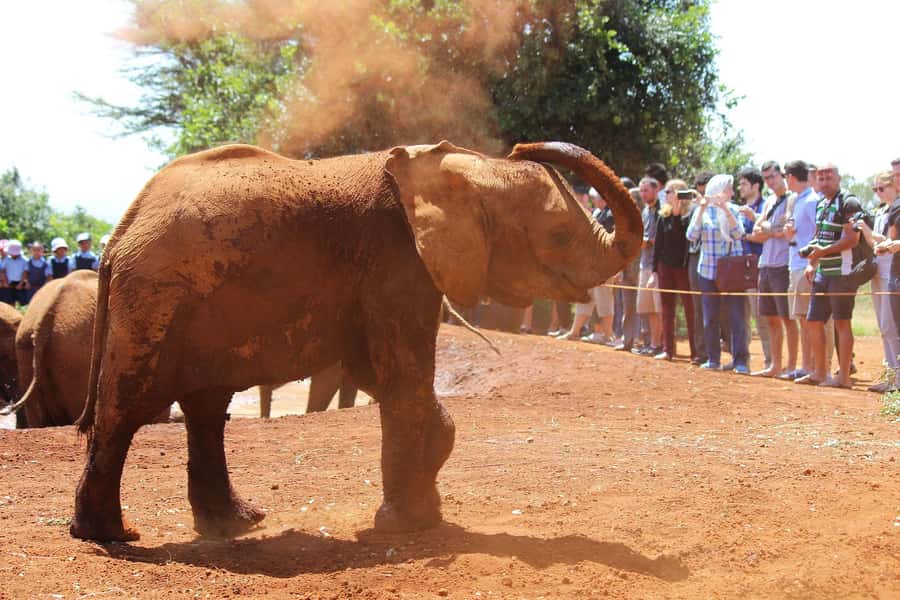
The most memorable part of this Nairobi outing is the close look at young elephants being raised at the David Sheldrick Wildlife Trust. Keepers feed the babies milk, explain their individual stories, and let you watch the older calves grip huge bottles with their trunks. It is a short visit, but an unusually direct lesson in wildlife care.
I like the chance to feed giraffes at the Giraffe Centre, then shift from animals to local history at Karen Blixen’s former home. I also like the practical hotel pickup, bottled water, English-speaking guide, and small-group option. The main caution is cost: the $35 tour price does not include the listed entry and conservation charges, which can add up quickly.
Key points to know before booking
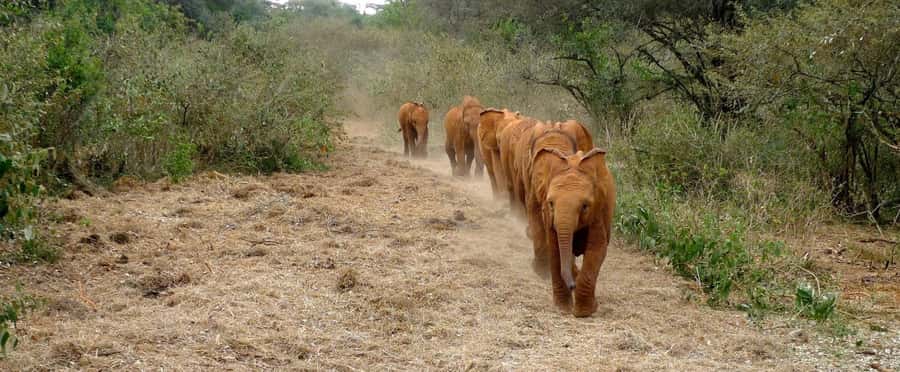
- Young elephants are fed by hand: Watch baby elephants drink milk, play in water, and learn to feed themselves as they grow.
- Giraffes come close: You can feed the giraffes and hear about their behavior, traits, and conservation work.
- Four different experiences fit into one day: Wildlife, literary history, Kenyan craftwork, and city transport all come together.
- The advertised price is only the starting point: Listed admissions and conservation fees can add $92 per person.
- Hotel transport is included: Pickup and return are offered from Nairobi areas including Westlands, Kilimani, Lavington, Kileleshwa, Haile Selassie Avenue, and Nairobi County.
- The schedule can be compact: Individual stops range from about 30 minutes to one hour, while the full activity is listed as lasting three to eight hours.
Why this Nairobi combination works
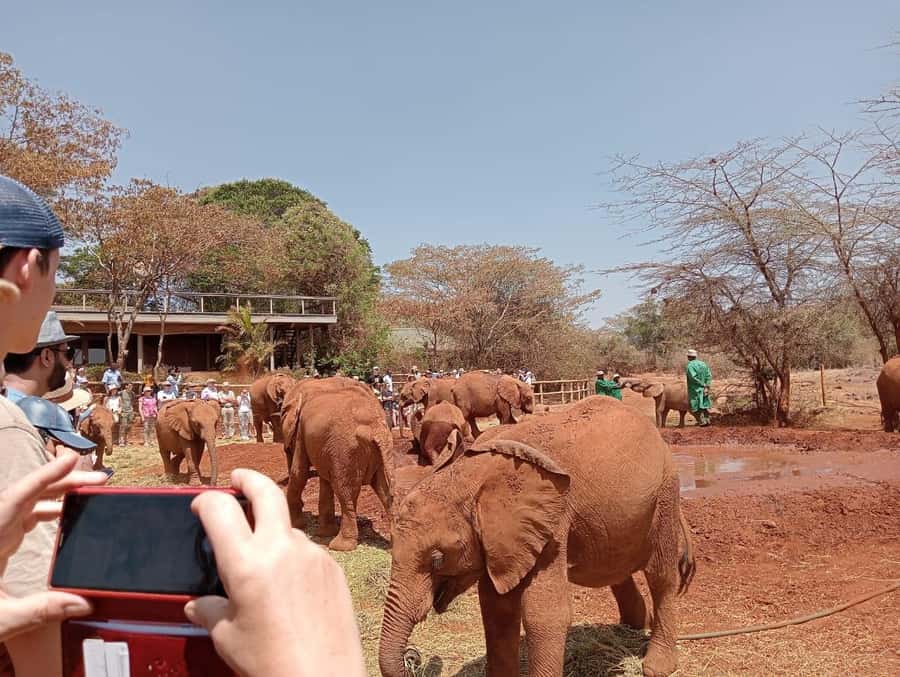
Nairobi can be awkward to explore in scattered pieces. The Giraffe Centre, elephant trust, Karen Blixen Museum, and bead workshops are separate stops, and arranging transport between them takes time. This tour puts them into one route with a driver and guide, giving you a broad first look at the city’s wildlife and Karen district.
I find the mix more useful than a tour focused on only one attraction. The elephant visit shows conservation in action. The giraffe stop is more hands-on. Karen Blixen’s house adds a colonial-era story tied to Out of Africa, and the bead factory gives you a chance to see a working craft business rather than only buying a souvenir in a hotel shop.
The experience has a rating of 3.2 from 12 reviews, so I would book it with sensible expectations rather than assuming every detail will be polished. One verified booking from the United States described the day as worth the time and strongly recommended it. Another short verified review from Madagascar simply called it good. The most consistent practical takeaway is that the route offers a lot in one day, but you should check the final timing and all extra fees before paying.
More giraffe and elephant orphanage mornings:
- Giraffe Center, Elephant Orphanage, Beads Center & Bomas of Kenya Tour Nairobi
★ 5.0 · 95 reviews - Giraffe center, Elephant Orphanage and Beads Center
★ 5.0 · 34 reviews - Group Joining Nairobi National Park and Giraffe Center
★ 5.0 · 3 reviews
Feeding giraffes at the Giraffe Centre
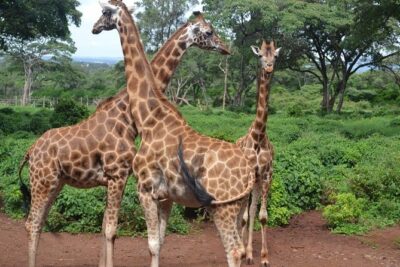
The Giraffe Centre is usually the most playful stop. You see giraffes living in a semi-wild setting, learn about their behavior and physical traits, and get the chance to feed them. That close contact makes the conservation talk easier to remember than a standard lecture.
I like this part because it gives you time to notice how the animals behave rather than rushing past them in a vehicle. The tour description allows about 30 minutes for the guided portion, so you should not expect a long wildlife session. It is enough for an introduction and feeding opportunity, but not enough for a slow morning of observation.
The setting also gives you a useful contrast with the elephant trust. At the Giraffe Centre, the animal interaction feels light and accessible. At Sheldrick, the focus shifts to orphaned elephants and the work needed to care for them. If you are traveling with children, the giraffe feeding may be the easiest moment for them to understand and enjoy.
Keep your expectations clear about the admission cost. The tour price does not include the $15 Giraffe Centre entry fee. That charge is separate from the advertised $35, so the real cost begins at $50 per person before the other stops and conservation charge.
Seeing milk bottles and orphaned elephants at Sheldrick
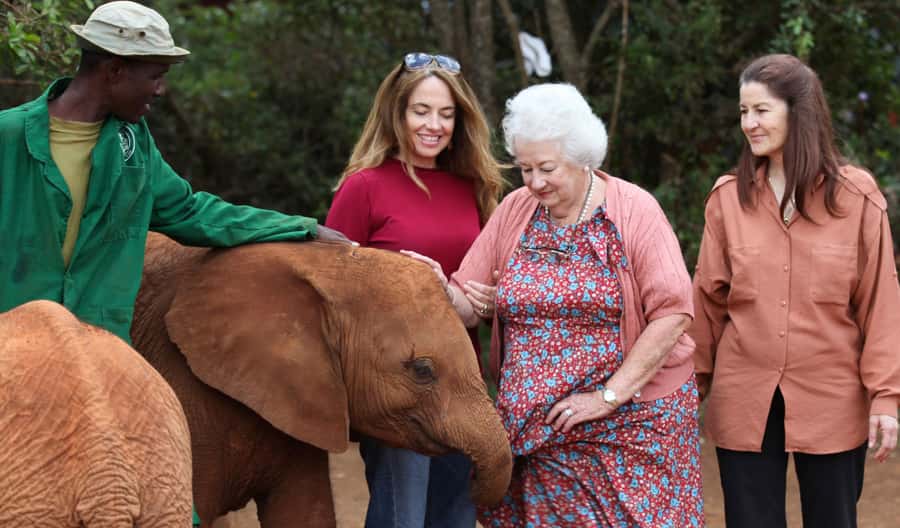
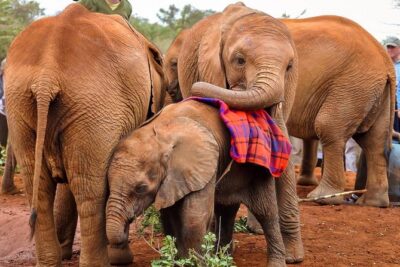
The David Sheldrick Wildlife Trust is the emotional center of the tour. You walk through the center while keepers feed orphaned elephants milk and explain each animal’s personal story. The youngest elephants are fed first, then the two to three-year-olds have their turn.
The scene is memorable because you see different stages of development in one visit. Some of the older calves can feed themselves. Others hold large milk bottles in their trunks and finish several gallons quickly. You also watch them play in water and gargle their milk, small details that make the visit feel more personal than a simple animal viewing.
The listed guided visit lasts about one hour. That gives you more time here than at the Giraffe Centre, which makes sense. The trust visit requires explanation, and the stories of individual elephants help you understand why the animals are being raised and protected.
The tour includes guaranteed entry to the baby elephant visit, but the $20 baby elephant admission is not included in the $35 price. There is also a $45 conservation fee payable by card. Since the supplied pricing does not explain exactly how that conservation fee is allocated across the attractions, ask your operator to confirm the full amount before departure.
That point matters. If you pay the $35 tour cost, the $20 elephant admission, the $15 giraffe entry, the $12 Karen Blixen Museum admission, and the $45 conservation fee, your listed total can reach $127 per person. The exact collection method may depend on the operator, but you should budget for the full figure rather than treating this as a $35 experience.
Karen Blixen’s house and the story behind Out of Africa
Karen Blixen Museum gives the tour a change of pace. The house was once part of a farm at the foot of the Ngong Hills, owned by Danish author Karen Blixen and her Swedish husband, Baron Bror von Blixen Fincke. It later gained international fame through the Oscar-winning film Out of Africa, based on Blixen’s autobiography.
I like this stop because it provides context for a famous name that many visitors know only from the film. The house belongs to a different period in Kenya’s history, and the guided visit connects the building, the farm, the author, and the movie.
The scheduled museum portion is about 30 minutes, including a guided tour and time for photos. That is a brisk introduction. You can see the main setting and hear the basic story, but you should not expect a long museum afternoon.
The $12 museum admission is separate. Add it to the elephant and giraffe charges, and the tour becomes less of a budget outing than the headline price suggests. Still, for a first Nairobi visit, combining the museum with wildlife stops can offer better value than paying for separate transport on three different occasions.
A few more Maasai Mara days to weigh up
- From Nairobi: 3 Days, 2 Nights Maasai Mara Group Safari
★ 4.5 · 394 reviews - Masai Mara 3 Day Safari | Private 4WD Jeep Tour
★ 5.0 · 103 reviews - Lake Nakuru, Naivasha & Masai Mara 4 Days Private Jeep Safari
★ 5.0 · 72 reviews - African Wildlife & Nature – 5 Kenya national parks – 6 day Jeep Safari
★ 5.0 · 60 reviews
Handmade beads and pottery at Kazuri or Kobe
The final major stop is the Kazuri Beads Factory, also identified in the tour highlights as Kobe or Kazuri beads. You can admire beads and pottery made by African women and see a workshop or craft market setting. The visit may also include local snacks, drinks, shopping, and a traditional dance or arts-and-crafts presentation according to the scheduled activities.
This is the most commercial stop, so I would approach it as both a cultural visit and a shopping opportunity. You can look closely at the workmanship, learn how the products are made, and decide for yourself if a purchase fits your budget. It is a better use of time if you want a locally made keepsake rather than another mass-produced souvenir.
The listed time is about one hour. That gives you room to browse, but the exact balance between demonstration, shopping, refreshments, and cultural presentation may vary. The supplied details do not specify whether a purchase is expected, so you should feel free to treat it as an optional stop.
I also appreciate that the tour places the craft visit after the animal centers and museum. By then, you have seen several sides of the Karen area. The beads and pottery offer a tangible reminder of the day, though shoppers should compare prices and remember that buying goods is not part of the tour cost.
Transport, timing, and the open-roof van
Pickup and drop-off are included from several Nairobi neighborhoods: Westlands, Haile Selassie Avenue, Kileleshwa, Nairobi County, Kilimani, and Lavington. You can also arrange an airport drop-off at the end, which may be useful if your flight departs after the tour and the timing works for you.
The vehicle is described as an open-roof safari van. That suits the wildlife stops and gives you a better view during the drive, though you should prepare for exposure to sun and the ordinary movement of city roads. A bottle of water is included, and the driver-guide and professional guide are listed as part of the package.
The duration is given as three to eight hours, a wide range. That tells me the day depends heavily on traffic, pickup location, entry procedures, and how the stops are arranged. Nairobi traffic can affect a short route more than the map suggests, so do not schedule a tight flight unless the operator confirms your airport timing.
The itinerary lists several brief segments, including 30-minute guided or sightseeing periods and one-hour visits. This is a highlights tour, not a slow, single-site experience. You will see a lot, but you may sometimes need to move on just as you are getting comfortable.
A small group is available. That can make boarding, listening, and asking questions easier than on a large coach. The information does not state a fixed maximum group size, so ask how many people are expected on your date if that affects your decision.
What the $35 price really buys
At first glance, $35 per person looks like a strong deal for hotel transport, a driver-guide, an open-roof van, bottled water, and four well-known Nairobi attractions. The problem is that the main admission fees are not folded into that price.
Here is the clearest way to budget:
- Tour price: $35
- Baby elephant admission: $20
- Giraffe Centre admission: $15
- Karen Blixen Museum admission: $12
- Conservation fee: $45, payable by card
- Possible total based on all listed charges: $127 per person
The tour may still offer fair value if you want convenience. Private taxis or separate ride bookings between four stops can take effort, and an English-speaking guide adds structure. The value is strongest for first-time visitors with limited time who want a prepared route.
The value is weaker if you are mainly interested in one attraction. Someone focused only on elephants may prefer to spend more time at Sheldrick instead of fitting in the museum and craft stop. Someone who already has Nairobi transport arranged may also find the package less compelling once the extra fees are added.
Ask for a written breakdown of the final charges. In particular, confirm the $45 conservation fee, which is listed separately from the three attraction admissions. Also confirm which card payments are accepted, since the fee is specifically described as payable by card.
Who will get the most from this day
I would recommend this experience to a first-time Nairobi visitor who wants a broad introduction without arranging several separate outings. It suits people who enjoy a mix of wildlife, local craft, and literary or colonial-era history.
Families may like the clear animal encounters, especially the giraffe feeding and bottle-fed elephants. The day also works for solo visitors who prefer a guide and organized transport rather than negotiating city travel alone.
It may be less suitable if you want a relaxed pace, extensive time at each attraction, or a low final price. The three to eight-hour duration is not precise, and the short visit lengths mean you should think of this as a sampler.
The tour is conducted in English. The provider is KT Safari LTD. No individual guide name is supplied, so you cannot choose a particular guide in advance based on the information available.
Free cancellation is available up to 24 hours before the activity for a full refund, and you can reserve now and pay later. Those terms are useful if your Nairobi plans are still shifting, but they do not remove the need to check the separate attraction and conservation charges.
Should you book this Nairobi tour?
Book it if you want four recognizable Nairobi stops, included hotel transport, and a guide who can keep the day moving. The baby elephants and giraffe feeding are the strongest reasons to go, while Karen Blixen’s house and the bead workshop add variety.
I would not book it based on the $35 headline price alone. Plan for the listed extra fees, and confirm the final total before departure. If you accept the added cost and a brisk schedule, this can be a useful first-day introduction to Nairobi. If you want depth, choose fewer attractions and spend longer at each one.
FAQ
What attractions are included in the tour route?
The route includes the Giraffe Centre, the David Sheldrick Wildlife Trust, Karen Blixen Museum, and a Kazuri or Kobe beads factory or workshop.
Is hotel pickup included?
Yes. Hotel pickup and drop-off in Nairobi are included, with listed pickup areas including Westlands, Haile Selassie Avenue, Kileleshwa, Nairobi County, Kilimani, and Lavington.
Is airport drop-off available?
Yes. The tour can finish with a drop-off at the airport to catch a flight home, but you should confirm the timing before booking a flight connection.
Are attraction admission fees included in the $35 price?
No. The listed additional fees are $20 for the baby elephant visit, $15 for the Giraffe Centre, and $12 for Karen Blixen Museum admission.
What is the conservation fee?
A $45 conservation fee is listed separately and is payable by card.
What language is the tour conducted in?
The live tour guide and professional guide service are listed in English.
How long does the activity last?
The advertised duration is three to eight hours. The exact length depends on the starting time, route, traffic, and time spent at each stop.
Can I cancel for a refund?
Yes. You can cancel up to 24 hours in advance for a full refund. The activity also offers a reserve-now, pay-later option.
Just added around Maasai Mara
- 3 days Maasai Mara safari from Nairobi★ 5.0 · 3 reviews
- 3-Days Masai Mara Rhythms Safari★ 5.0 · 4 reviews
- Lake Nakuru National Park daytrip★ 5.0 · 7 reviews
- Hell’s Gate National Park Private Bike Tour from Nairobi★ 5.0 · 3 reviews
- 3-Day Private Tour in Tsavo West National Parks★ 5.0 · 7 reviews
- Lake Naivasha Private Day Tour with Boat Ride from Nairobi★ 4.5 · 3 reviews
- Day Tour Nairobi National Park★ 5.0 · 4 reviews
- Group Joining Nairobi National Park and Giraffe Center★ 5.0 · 3 reviews
Giraffe Centre & Elephant Orphanage Tours, compared.
National Park & Optional Elephants & Giraffe Center
Read our review →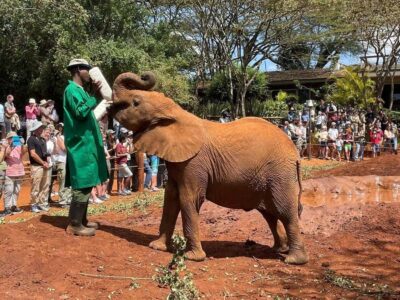
Elephant Orphanage and Giraffe Center Tour with Options
Read our review →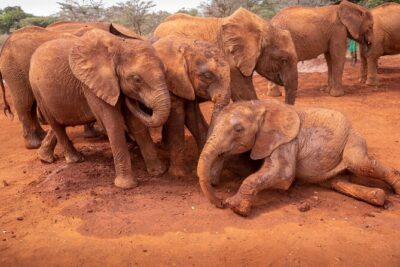
Nairobi National Park, Elephant Orphanage and Giraffe Centre
Read our review →
Tour: Giraffe Center and Nairobi National Park
Read our review →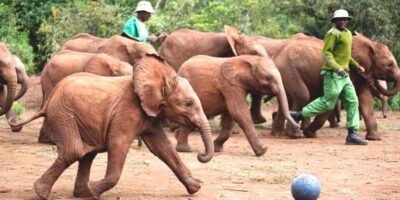
Day tour to Giraffe Center and Karen Blixen Museum
Read our review →Browse the lists this tour appears in