Reviewed · NAIROBI TOURS
From Nairobi: Masai Tribe Village Visit
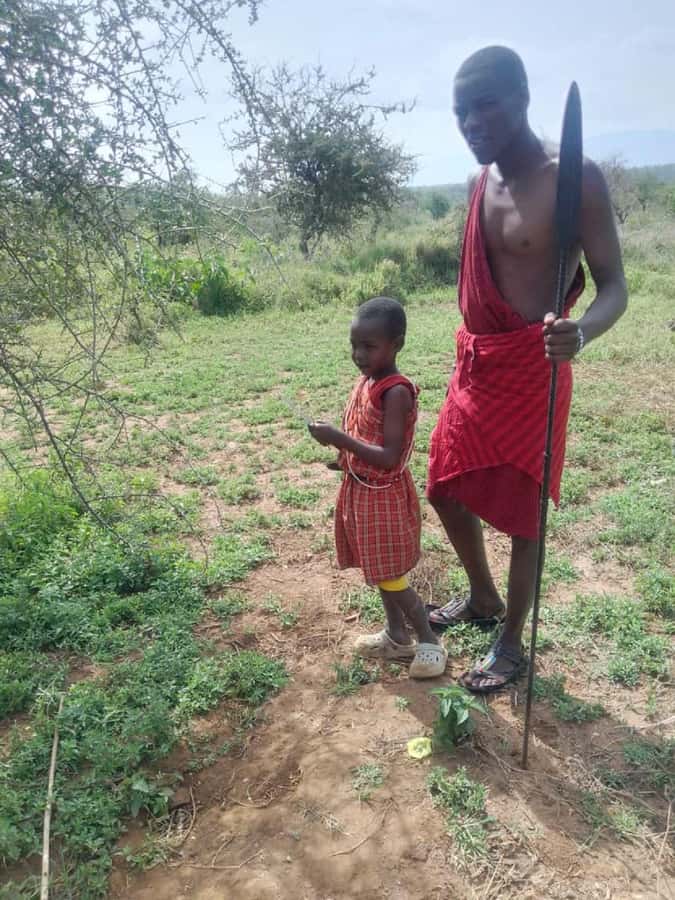
The heart of this trip is direct contact with a Maasai community. You can enter local homes, hear stories about customs preserved over many decades, and watch everyday skills such as cooking, beadwork, and animal care. The young men and women may also sing and perform the famous high-jumping display.
I like the chance to learn by doing, especially when you milk a goat, watch food being prepared, or try to follow the work of weaving necklaces and wristbands. I also like that hotel pickup, an air-conditioned vehicle, and a driver-guide are included, which makes a village visit outside Nairobi much easier to arrange.
The main caution is that the village visit itself may be fairly short, sometimes only an hour or two within a longer day. You should also confirm the admission cost before setting out: the current information lists $30 per person, while one booking page apparently showed $20.
Key points to know before you book
- Hands-on village activities: Learn about cooking, beadwork, milking goats, and household life rather than simply looking around.
- A long day from Nairobi: Hotel pickup and drop-off are included, but the actual community visit may take only part of the outing.
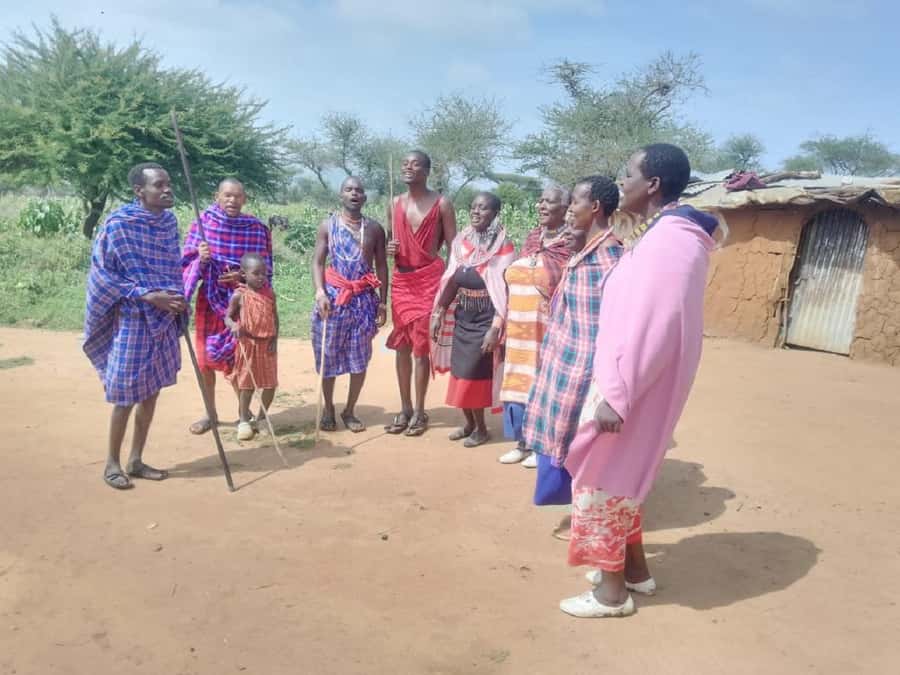
- Maasai singing and jumping: Young men and women may perform a traditional jumping display while singing.
- Bring identification: You need a passport or ID card for the trip.
- Plan extra cash: The $52 tour price does not include the $30 village entry fee, lunch, drinks, or crafts.
- Guide quality matters: Some guides have been friendly and informative, while one account describes a quiet, poorly explained drive.
Meeting a Maasai community outside Nairobi
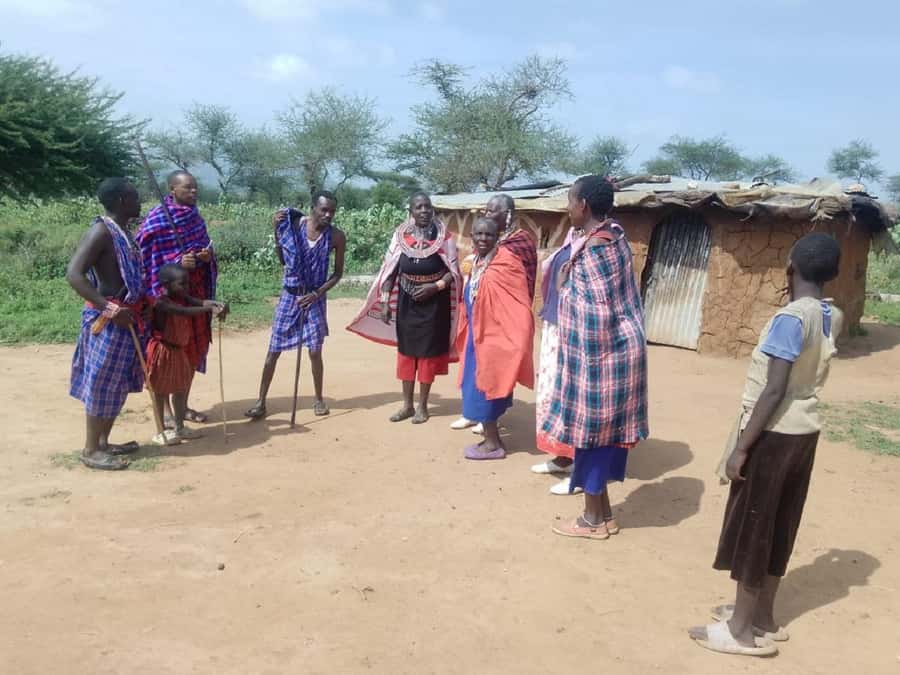
This is a cultural visit, not a wildlife drive. Your focus is the Maasai community itself: homes, food, livestock, handmade accessories, music, and stories about a way of life shaped by herding.
The Maasai are an East African people who mainly live in southern Kenya and northern Tanzania. They speak Maa, along with other languages used in the region, and are well known for their cattle-keeping traditions. Their older way of life depended on moving animals to find pasture and water, and their need for broad grazing areas often brought them into conflict with nearby communities.
That background helps explain why cattle, goats, family work, and warrior traditions remain important subjects during a village visit. You are not simply seeing colorful clothing and jewelry. You are learning how daily work connects to the community’s past and present.
The Maasai migrated south into this part of East Africa in the 16th and 17th centuries. Their skills in animal husbandry helped them thrive across the Rift Valley grasslands. The Maasai Mara takes its name from the people who still live in the wider region.
A good attitude is simple: come with questions, listen carefully, and remember that this is a living community, not a museum display. You may see familiar images from Kenyan tourism, but the useful part of the visit comes from the explanations and personal contact behind those images.
A few more Nairobi days to weigh up
- Nairobi National Park Half-Day Tour; Free Wi-Fi connection
★ 5.0 · 878 reviews - Nairobi: National Park & Optional Elephants & Giraffe Center
★ 4.8 · 874 reviews - NAI NAMI: Nairobi Storytelling Tour with Street Children
★ 5.0 · 792 reviews
The journey from Nairobi
The experience includes pickup from your Nairobi hotel, transport in an air-conditioned vehicle, and return drop-off. That matters in central Kenya, where a private arranged transfer can save you from dealing with several separate transport connections.
The full outing is advertised as lasting about eight hours, though the amount of time spent inside the village can be much shorter. One account describes only one to two hours at the community. I would treat the day as a road trip with a focused cultural stop, rather than eight full hours of activities at the village.
The drive also includes a coffee stop and time for lunch. Food and drinks are not included, so you should budget for them. The lunch break gives you a chance to rest, but it also means the day has more than one pause outside the main village visit.
Communication from the driver-guide can shape the whole experience. Some accounts describe a friendly guide who explained the area and stayed attentive throughout the outing. Another describes a driver who gave no formal introduction, did not explain the drive time or the name of the community, and made the ride feel like a basic taxi transfer.
For that reason, I would ask practical questions early: What is the name of the village? How long will the drive take? How much time will you spend with the community? Who collects the entry fee? Clear answers at the start can prevent confusion later.
The listed guide languages are English, Swahili, and French. No individual guide names are provided, so you cannot select a named guide in advance from the information available.
Entering the village and meeting local residents
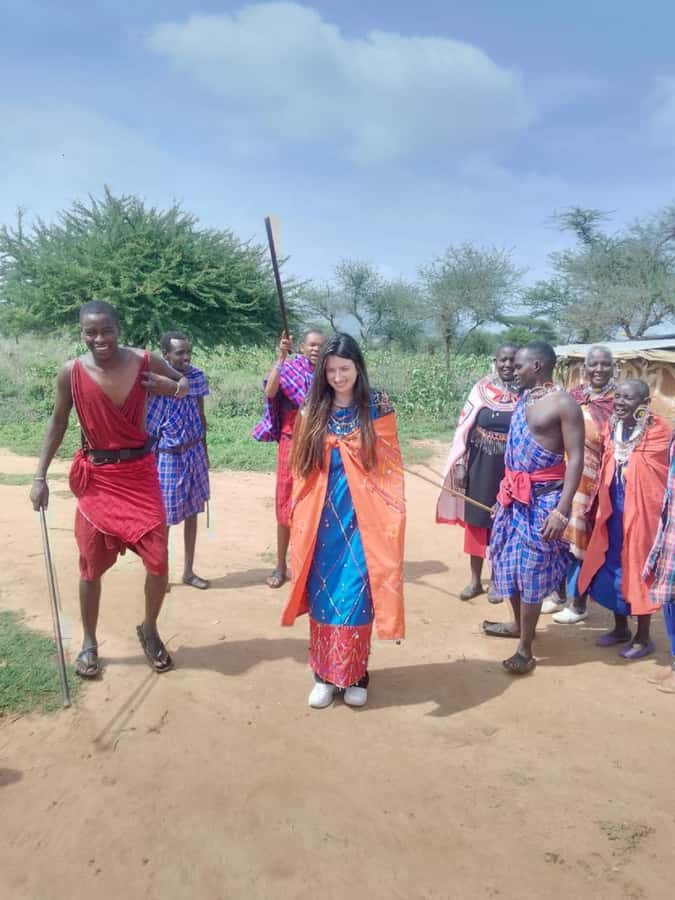
At the community, you can visit local homes and hear explanations about Maasai customs. The exact order of activities may vary, but the visit is built around personal interaction rather than a long formal lecture.
You may see how homes are used and learn how family tasks are shared. The supplied details do not specify the construction methods or layout of every home, so it is best not to arrive expecting a fixed architectural tour. Instead, pay attention to what your hosts choose to explain about daily routines.
This is where your own questions help. Ask about the role of cattle and goats, how food is prepared, how beadwork is learned, and which traditions remain part of ordinary life. You might also ask how young people balance community customs with modern Kenyan life, though the depth of those answers will depend on the guide and the people you meet.
The experience is strongest when you take part respectfully. Let people show you the work at their own pace. Ask before handling tools, entering a home, or taking photographs. The information confirms that souvenir photos may be available to purchase, but it does not specify a photographer or a package of photos.
Cooking, beadwork, and milking goats

The women’s work is a major part of the visit. You can watch how meals are prepared and cooked, which gives you a more useful picture of domestic life than a short performance alone.
Cooking demonstrations can be easy to overlook, yet they are often the most revealing part of a cultural visit. Food preparation shows how time, labor, ingredients, and family responsibilities fit together. You may not spend long enough to follow an entire meal from start to finish, but you can see the methods being used and ask questions about who does each task.
Beadwork is another practical lesson. Women may show you how they weave necklaces and wristbands. These pieces are available as souvenirs, so carrying Kenyan shillings is a good idea if you want to buy directly from the makers.
I would treat the jewelry as more than a colorful keepsake. Buying a necklace or wristband gives you a way to support the women’s work, but you should still ask the price clearly before purchasing. The tour information does not state which payment methods are accepted, so local cash is the safer choice.
You can also learn how to milk goats. This is a small activity, but it connects the visit to the pastoral life for which the Maasai are known. The tour description also refers to learning about milking cows in its highlights, while the detailed itinerary specifically mentions goats. Expect livestock-related instruction, but ask your guide which animals will be present that day.
These activities are a good fit if you prefer practical contact to a staged presentation. They are less satisfying if you expect a long workshop with detailed instruction in every skill.
Same departure point, a completely different day out:
- Nairobi National Park Half-Day Game Drive
★ 4.5 · 738 reviews - Nairobi: Historic and Modern Highlights Walking Tour
★ 4.8 · 703 reviews - Safari Tour; Nairobi National Park
★ 4.5 · 594 reviews - 3 Days Masai Mara Group Joining
★ 5.0 · 486 reviews
Singing, jumping, and Maasai performance
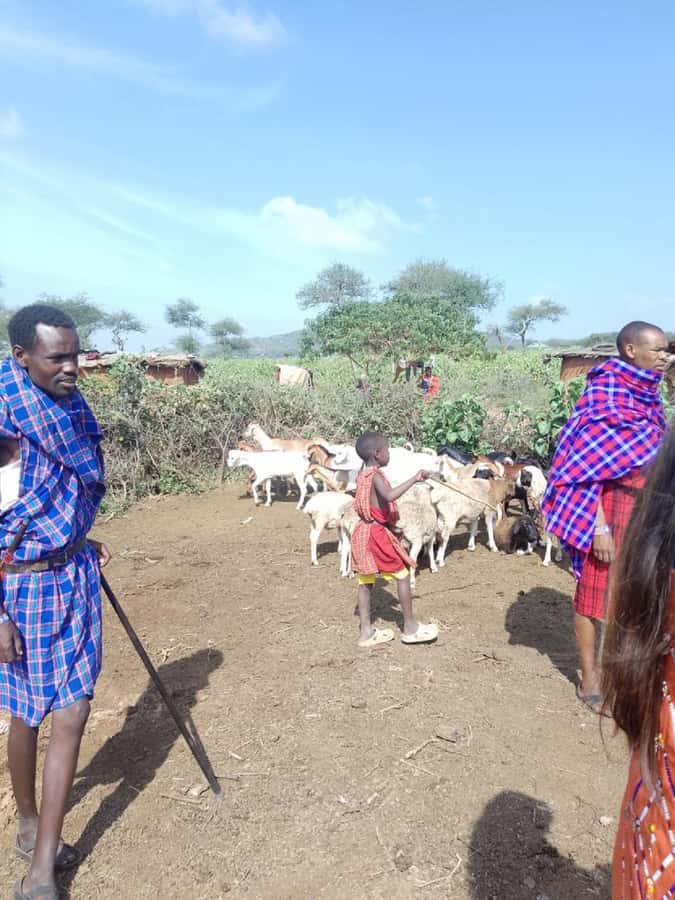
The singing and jumping display is one of the best-known parts of a Maasai cultural visit. Young men and women may sing for you while performing high jumps.
It is worth seeing, but keep your expectations sensible. The description promises the chance to experience the performance, not a guaranteed length or a full ceremony. One account specifically hoped to see the jumping but felt disappointed, which shows why the exact presentation should not be assumed.
The jumping has a connection to Maasai warrior traditions and public displays of strength, stamina, and discipline. Earlier Maasai warriors were known across the region for their role in protecting territory and livestock. The tour’s cultural explanation may touch on this past, but the available information does not promise a detailed warrior demonstration.
You can enjoy the singing and jumping while still remembering that the people performing are presenting part of their culture for visitors. Watch, listen, and avoid treating the moment as a contest or a photo prop. If you want pictures, ask permission first.
What the $52 price really covers
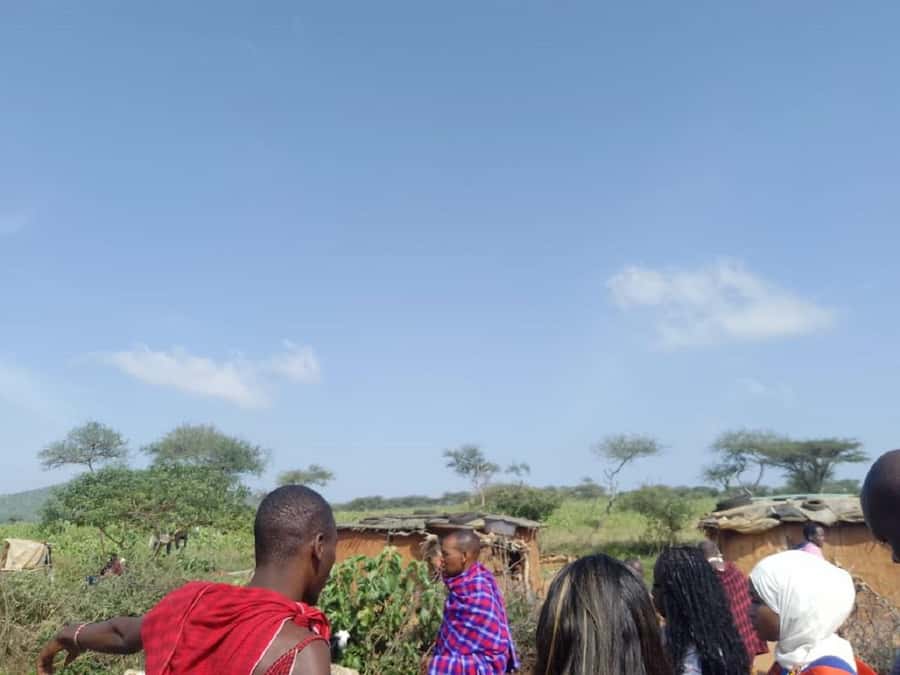
The listed price is $52 per person. That includes hotel pickup and return, an air-conditioned vehicle, a driver-guide, and the village experience.
You must add a $30 admission fee per person. Lunch, drinks, and souvenir photos or handmade accessories cost extra. That puts the known basic cost at $82 per person before food or purchases, assuming the entry fee is indeed $30.
This can be fair value if you want a simple, arranged day from Nairobi and do not want to organize transport yourself. The vehicle and hotel transfers have real value, especially if you are staying in Nairobi and have limited time.
The value is weaker if you expect a full day of continuous village activities. The advertised eight-hour length includes driving and a lunch stop, and the community portion may last only one or two hours. You are paying for the whole outing, not just the time spent inside the village.
The admission-fee confusion is the biggest practical concern. One person was told $30 after seeing a $20 figure in the booking information and was unsure where the money went. The current details supplied for this experience list $30, so you should confirm the amount and ask for a clear explanation of how it is paid before leaving Nairobi.
How to make the visit more rewarding
I would prepare a few questions in advance. A short visit passes quickly, and having questions ready helps you get beyond the first layer of familiar facts.
Good subjects include:
- How cattle and goats fit into family life
- How women learn beadwork
- What foods are prepared for ordinary meals
- How children and young adults take part in community work
- Which older customs remain important today
- How Maasai families adapt to modern life
You should also bring your passport or ID card, as required. Carry money for the entry fee, lunch, drinks, and optional beadwork. Wear practical clothing suitable for a village visit, though the supplied information does not state a specific dress code.
Do not assume that the phrase souvenir photos means a photographer will take pictures of you. In at least one case, that wording was understood to mean photos for sale, but the actual extra items were accessories made by the women. Ask what is available before you set aside money for photography.
The trip is also flexible to book: you can reserve now and pay later, and cancellation is allowed up to 24 hours in advance for a full refund. Those terms are useful if your Nairobi plans may change.
Who should choose this Maasai village visit
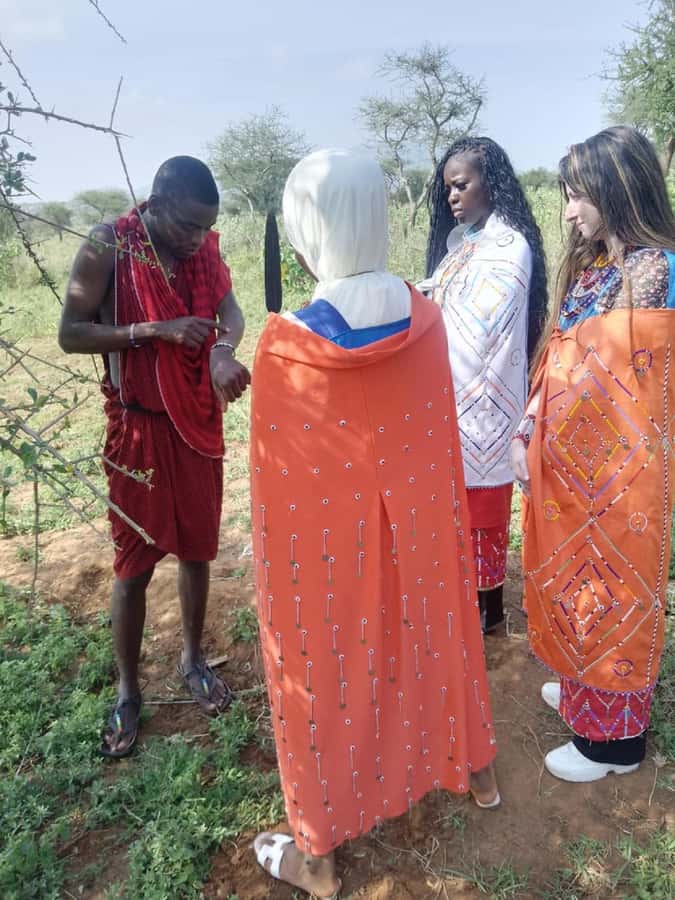
I would recommend it to you if you want a first introduction to Maasai culture without arranging a longer safari or rural stay. Families, curious first-time visitors, and people interested in handmade crafts may especially enjoy the mix of food, livestock, beadwork, stories, singing, and dancing.
It also suits you if you value convenience. Hotel transfers and an air-conditioned vehicle remove much of the planning work, and the available languages include English, Swahili, and French.
I would hesitate if your main goal is a long, quiet conversation with community members or an extended workshop. I would also think twice if you expect the performance seen in promotional images to occupy much of the day. The cultural contact can be memorable, but the visit may feel basic when compared with those expectations.
Your experience will depend heavily on the driver-guide. A friendly guide who introduces the route and explains what you are seeing can turn a short stop into a useful cultural lesson. A quiet driver can leave the road portion feeling empty. Ask for an introduction and a clear schedule at pickup.
Should you book this experience?
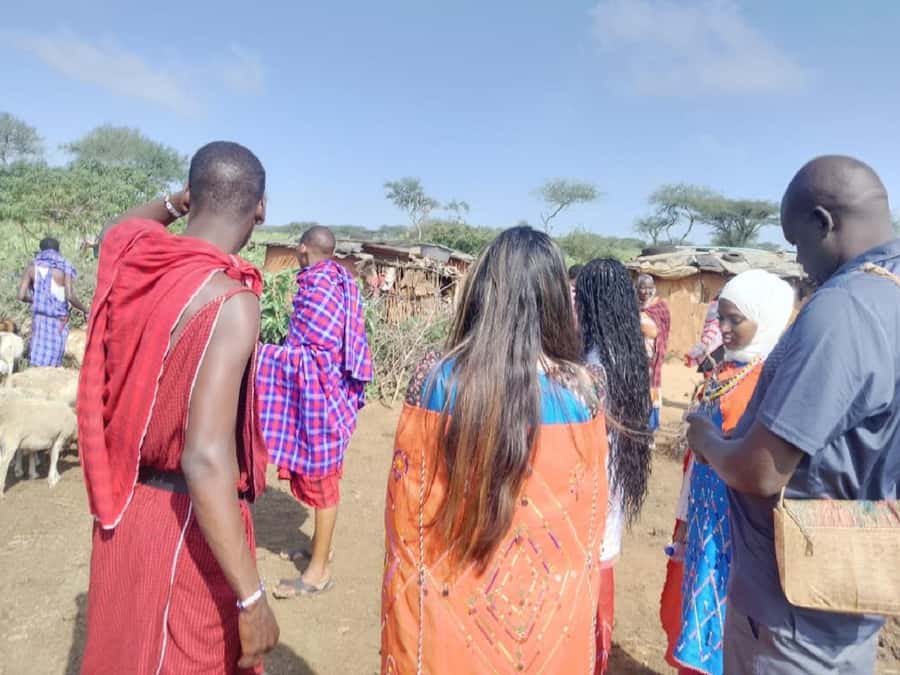
Book it if you want an easy Nairobi day trip with real contact, simple hands-on activities, and a chance to buy beadwork directly from Maasai women. Go in knowing that the visit may last only one or two hours, that the $30 entry fee is extra, and that the guide’s communication may vary.
At $52, the trip is reasonable for transport plus a village visit, but it is not a bargain once admission and lunch are added. I would book it for a practical first look at Maasai daily life, not as a full cultural immersion or a substitute for a longer stay in Maasai country.
FAQ
Where does the Maasai village visit take place?
The experience takes place in central Kenya and begins with pickup from your Nairobi hotel.
How much does the experience cost?
The listed price is $52 per person. A separate village entry fee of $30 per person is also listed.
What is included in the price?
Hotel pickup and drop-off, a driver-guide, transport in an air-conditioned vehicle, and the Maasai village experience are included.
Is lunch included?
No. There is time for lunch, but food and drinks are at your own expense.
What can I learn in the village?
You can learn about daily Maasai life, food preparation, cooking, beadwork, livestock care, and community customs. The activities include weaving necklaces and wristbands and learning to milk goats.
Will I see Maasai singing and jumping?
The experience includes the opportunity to see young Maasai men and women sing and perform a jumping display. The exact performance length is not specified.
Which languages are available?
The listed languages are English, Swahili, and French.
What should I bring?
Bring your passport or ID card. You should also bring money for the entry fee, lunch, drinks, and optional souvenirs.
Are souvenirs available?
Yes. Maasai women may offer handmade necklaces and wristbands for purchase. Souvenir photos are also listed as available for an extra charge, though the exact photo service is not specified.
Can I cancel the booking?
You can cancel up to 24 hours in advance for a full refund. You can also reserve the experience and pay later.
Just added around Nairobi
- Visit kibera Slum the chocolate city★ 4.8 · 3 reviews
- 4 Days Safari to Lake Nakuru N/P and Maasai Mara N/R★ 5.0 · 18 reviews
- Maasai Mara Day Trip★ 5.0 · 15 reviews
- 4 Days Tour Landcruiser in Masai Mara and Lake Nakuru★ 5.0 · 10 reviews
- 3 days maasai mara migration safari★ 4.5 · 7 reviews
- Kibera Slum Tour with a Local★ 5.0 · 15 reviews
- Wildebeest Migration in Masai Mara and Sightseeing 4 Days Tour★ 4.5 · 6 reviews
- Day Tour to Nairobi national park, Elephants, and Giraffe Center★ 3.5 · 8 reviews
Nairobi Tours, compared.
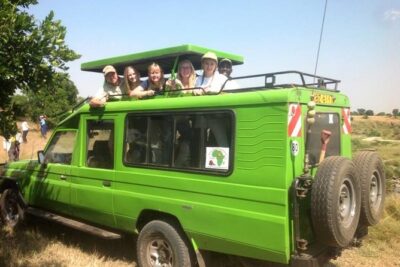
Nairobi National Park Half-Day Tour; Free Wi-Fi connection
Read our review →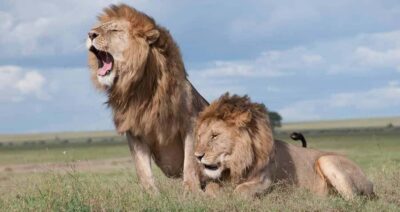
National Park & Optional Elephants & Giraffe Center
Read our review →
NAI NAMI: Nairobi Storytelling Tour with Street Children
Read our review →