
Reviewed · FOOD
Mombasa:Street food Experience
Mombasa’s best introduction may come one bite at a time. This Old Town street-food walk takes you from one small food stop to another for mshikaki skewers, seafood, bhajia, sugarcane juice, and Swahili coffee and tea. The food is part of the story, not just fuel between sights.
I like two things here: the food is included, so you can sample freely without counting coins at every stop, and the walk connects eating with local culture and daily life. Guides such as Joan and Nicole have been praised for warm conversation and useful insight. The main caution is that the experience depends heavily on your individual guide, and one guest had a poor experience with the guide’s manner.
Key points to know before booking
- Seven distinct tastes: Try mshikaki, sugarcane juice, Swahili coffee, tea, potatoes, seafood, and cassava chips.
- Old Town on foot: The stops are close together, with only short walks between them.
- A full tasting session: At $37, the price includes all food and drinks, so arrive hungry.
- Flexible dietary choices: Vegetarian, vegan, and pescatarian options are available when arranged in advance.
- Two working languages: The tour is offered in English and Swahili.
- Guide quality matters: Joan and Nicole are named as guides who offer cultural conversation, but your experience can vary by host.
Starting at Treasury Square Roundabout
The meeting point is Treasury Square Roundabout, where you begin with a short walk into Mombasa. The opening safety briefing takes about five minutes, giving you a chance to understand how the outing will work before the tasting begins.
This is not a vehicle tour that sweeps you past the city. You move on foot from one food area to another, all within Old Town. That simple format matters. You get a closer look at ordinary streets and local food stalls, and you have time to ask questions while walking.
The total duration is listed as 150 minutes, or two and a half hours. The longer itinerary description refers to about three hours, so allow roughly two and a half to three hours in your plans. The walking is described as short-distance and manageable, but you should still wear comfortable shoes and expect to spend much of the time standing near food stops.
A few more Mombasa days to weigh up
- Walking Tour Through Old Town Mombasa and Fort Jesus
★ 5.0 · 393 reviews - Mombasa: Kisite Park Private Cruise with Breakfast and Lunch
★ 4.7 · 181 reviews - Mombasa City Tour
★ 5.0 · 170 reviews
Mshikaki brings the first serious appetite
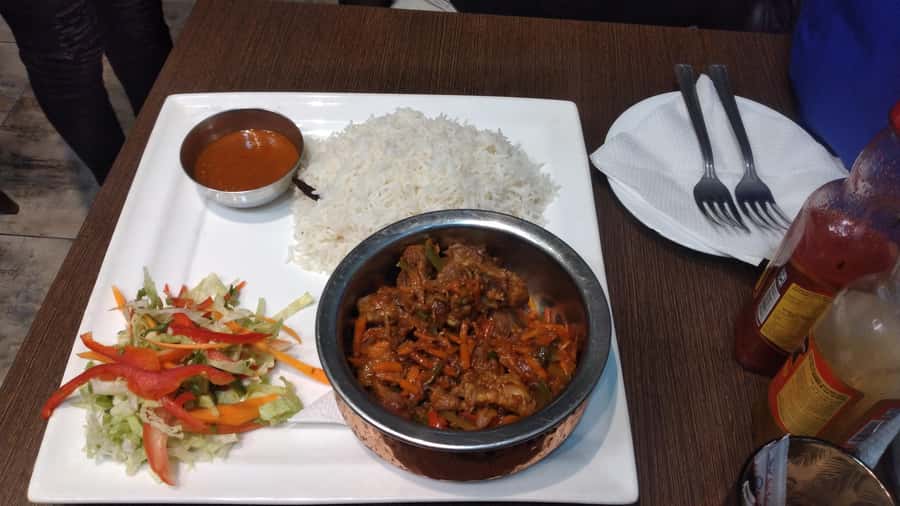
Mshikaki is grilled beef or chicken served on skewers. It is the kind of food that makes a street-food tour feel practical rather than polished. You get to taste meat prepared for quick eating, often while standing or moving between stops.
The guide can explain how the food is prepared, which gives this stop more value than simply receiving a skewer. If you enjoy grilled meat, this is likely to be one of the more familiar tastes on the route. If you do not eat meat, the tour offers alternatives, but you should tell the guide about your diet before arrival.
I would not treat the food list as a fixed seven-course menu with equal portions of everything. The experience is built around sampling, and your guide may adjust the amount to suit your appetite and food preferences. The description specifically asks you not to eat a lot before coming, a sensible tip since the combined tastings can fill you up.
Sugarcane juice and Swahili drinks
Fresh sugarcane juice, called juice ya miwa, gives the tasting a change of pace. Instead of grilled or fried food, you get a sweet drink made from sugarcane. It is one of the more distinctive parts of the menu because it links the tour to ingredients and preparation methods you may not meet at a standard restaurant.
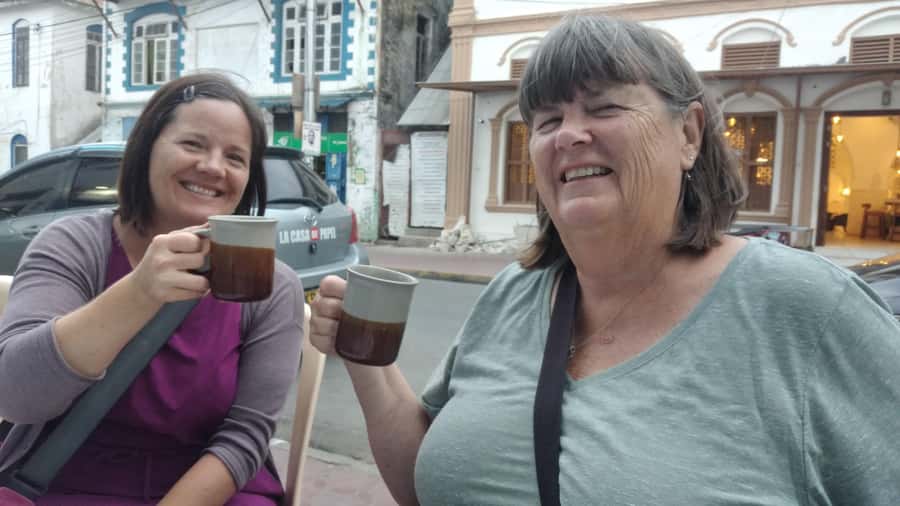
The drink stops also include kahawa, or Swahili sweet coffee, and chai, Swahili tea. These are useful cultural markers as well as refreshments. The guide can explain how each drink fits into local habits and how it is prepared, making the tasting more informative for anyone interested in trying the recipes back home.
You may prefer one drink to another, and the sweetness may not suit every taste. That is part of the point of a food walk. You are not ordering a carefully adjusted café drink. You are sampling local styles as they are presented, then deciding what you would seek out again.
Potatoes, bhajia, and cassava chips
Viazi karai and bhajia bring fried potatoes into the lineup. The names may be used for related potato preparations, and the tour gives you a chance to taste the local approach rather than relying on a familiar fast-food version.
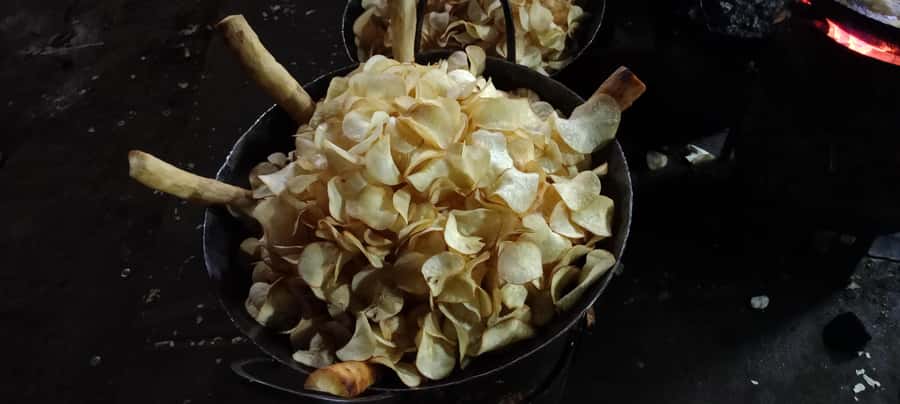
Kachiri, made from cassava, adds another useful comparison. Cassava chips or crisps have a different base from potato snacks, and this stop broadens the meal beyond meat and seafood. For me, this is where the tour becomes a good lesson in everyday staples. You are trying foods that can form part of a normal local snack, not just special dishes made for visitors.
Fried foods can become filling quickly, especially when combined with skewers and seafood. Pace yourself from the beginning. Small bites are the smart approach, and you can tell the guide if you need less of a particular item.
Same departure point, a completely different day out:
- Mombasa: Tusks, Fort Jesus, Old Town, Beach and City Tour
★ 4.7 · 137 reviews - Half-Day Scenic Bike Tour
★ 5.0 · 75 reviews - 2 Days Tsavo East National Park Tour From Mombasa/Diani (1 Night)
★ 5.0 · 50 reviews - Mombasa: Guided Nature Walk Amongst Giraffes
★ 4.8 · 48 reviews
Seafood reflects Mombasa’s coastal setting
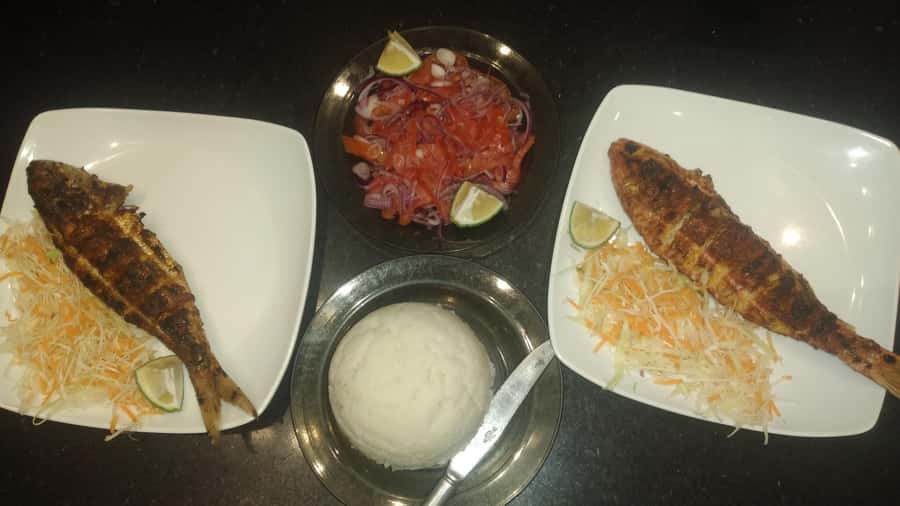
The seafood selection may include octopus, prawns, or fish. The exact choice is not guaranteed, so you should think of this as a seafood tasting rather than a promise of one specific dish.
This part may be the highlight for anyone who enjoys coastal cooking. It also gives pescatarians a strong reason to consider the experience, since pescatarian options are available. Vegetarians and vegans are included too, though you should share your needs in advance so the guide can plan suitable samples.
I would ask about ingredients at the start if you have allergies. The provider specifically requests advance notice and says the guide can work out the best samples. That is helpful, but it does not remove the need for you to explain your allergy clearly before the tour begins.
Old Town stories between the food stops
The walking sections are short, yet they carry much of the tour’s cultural value. As you move through Old Town, the guide talks about local people, culture, food, and daily life. You are not just being taken to a sequence of stalls. You are given context for what you are eating and how it fits into the city.
The experience also touches on Mombasa’s mix of cultures. The food provides an easy way into that subject because a dish, drink, or cooking method can lead to questions about family habits, trade, language, and community life. The available guide languages are English and Swahili, so you can choose the language that lets you ask the most questions.
Several guides have specific strengths noted in their descriptions. Joan is presented as relaxed, easy to talk to, and good at connecting food with cultural information. Nicole is described as creating the feel of eating with a friend while discussing local life. Another guide named Joan is said to have selected enough food to leave the group full.
That said, I would keep expectations sensible. Guide-led experiences are personal, and the quality of the conversation depends on how well your guide handles questions. One recorded account describes a guide who laughed at questions and made the guest uncomfortable. That is a real consideration, especially if you book this for a special occasion or care more about conversation than the food itself.
What $37 buys you
The price is $37 per person. All food and drinks are included, which makes the cost easier to judge than a tour where every snack is an extra purchase.
You are paying for two things at once: the tasting and the guide’s time. A self-guided walk would cost less if you already knew where to go and felt comfortable choosing unfamiliar food on your own. This tour adds a route, explanations, language support, and the chance to sample several items without guessing what to order.
The value is strongest if you arrive hungry and enjoy trying many small portions. It is weaker if you eat very little, dislike seafood or fried food, or prefer a sit-down meal with more control over ingredients. Since there is no drop-off, you also need to arrange your own transport after the walk.
For a first visit to Mombasa, I think the included drinks help justify the price. Sugarcane juice, sweet coffee, and Swahili tea can add up alongside several food tastings. You also avoid the uncertainty of buying a full serving of something you may not enjoy.
How to prepare for the walk
Do not have a large meal before meeting at Treasury Square Roundabout. The provider’s advice to come with an empty stomach is practical, though you should not arrive dehydrated or unwell.
Tell the guide about allergies before the experience, not only when a dish is placed in front of you. Vegetarian, vegan, and pescatarian options are available, but advance notice gives the guide a better chance to plan the tasting.
Wear comfortable footwear. The route is described as a short-distance walk through Old Town, and the walking should not be exhausting, but you will still move between several food areas. Bring a relaxed attitude toward eating outdoors and trying food in small, informal settings.
The tour includes a safety briefing at the start. Listen to it, stay with the group, and ask questions if you are unsure about a stop or ingredient. The activity is built around streets and food areas rather than a formal restaurant setting.
Who will enjoy this Mombasa experience
I would recommend this tour to someone visiting Mombasa for the first time who wants a quick introduction to coastal food and local life. It works especially well for curious eaters who like to ask how dishes are made and why certain foods matter.
It is also a good match for people who prefer a small-scale walking experience to a long sightseeing program. The route stays in Old Town, and the stops are close together. You get food, conversation, and a modest amount of sightseeing without giving up a whole day.
Pescatarians have good reason to consider it because octopus, prawns, and fish may be included. Vegetarians and vegans can also take part, but advance planning is important. If you have serious allergies, ask detailed questions before booking and again at the meeting point.
I would be more cautious if you want a quiet, formal meal, dislike eating in street settings, or need a guaranteed menu. The food selection can vary, and the social side of the tour may not suit someone who would rather explore privately.
The guide can make or break the experience
The strongest accounts describe guides who are friendly, relaxed, and easy to talk to. Joan is associated with useful cultural commentary and a generous selection of food. Nicole is associated with a friendly, informal style and conversations about cultural life.
Those qualities are important because the food itself is only half the experience. A skewer or cup of tea tells you very little unless someone helps explain the preparation, setting, and place it holds in local life.
Still, I would not ignore the negative account. A guide who dismisses questions can undermine the whole outing, especially since you spend two and a half hours together. The mixed guide feedback does not mean you should avoid the tour, but it does mean you should judge the experience as guide-dependent rather than fully standardized.
A good approach is to introduce yourself, mention your interests, and ask early about the food and route. That can set a friendly tone and help you find out how willing the guide is to explain things.
Booking details worth knowing
The experience is offered in English and Swahili. It includes food and drinks but not drop-off, so plan your onward transport separately.
You can cancel up to 24 hours before the start for a full refund. A reserve-now, pay-later option is also available, which may help if your Mombasa schedule is still changing.
The activity begins at Treasury Square Roundabout and finishes in Mombasa. The exact starting time depends on availability, so check the selected date before making other plans.
The published rating is 4.7 from 14 ratings, with many strong comments about food choice, cultural information, and guide warmth. I would treat that as encouraging rather than a guarantee, since one detailed account raises a serious concern about guide conduct.
Should you book the Mombasa street-food experience?
Book it if you want a compact, food-led introduction to Old Town and like trying several small portions in informal settings. The included food and drinks make $37 reasonable for a two and a half hour guided walk, particularly if you arrive hungry and value cultural explanation.
Think twice if you need a fixed menu, a formal restaurant, or a guaranteed guide style. Share allergies and dietary needs in advance, wear comfortable shoes, and keep your schedule flexible because the experience may run closer to three hours. For most curious eaters, it offers a tasty way to meet Mombasa through its everyday foods, with the guide’s personality as the key variable.
FAQ
Where does the Mombasa street-food experience start?
The tour starts at Treasury Square Roundabout in Mombasa.
Where does the experience finish?
The experience finishes in Mombasa. Drop-off is not included.
How long does the food walk last?
The stated duration is 150 minutes. The detailed program describes about three hours, so allow roughly two and a half to three hours.
What food and drinks are included?
The tasting may include beef or chicken mshikaki skewers, fresh sugarcane juice, Swahili sweet coffee, Swahili tea, viazi karai or bhajia potatoes, seafood such as octopus, prawns, or fish, and cassava chips or crisps.
Are food and drinks included in the price?
Yes. All food and drinks are included in the $37 per-person price.
Are vegetarian, vegan, and pescatarian options available?
Yes. Vegetarian, vegan, and pescatarian options are available. Tell the guide about your requirements in advance.
Can I join if I have a food allergy?
Yes, but you should notify the provider about your allergy in advance so suitable samples can be arranged.
What languages does the guide speak?
The live guide can conduct the experience in English or Swahili.
Should I eat before the tour?
You should not eat a lot before arriving. The experience includes many food and drink samples, so coming with plenty of room is recommended.
More Food in Mombasa
- Mombasa Private City Tour & Haller park Sanctuary with sea food luch
★ 3.5 · 12 reviews - Nairobi Food Tour – Street Food Experience Lunch
★ 4.5 · 9 reviews - Nairobi: 1 Hour Gastronomic and Street Food tour of Nairobi
★ 5.0 · 6 reviews - Diani: Market and Street Food Walking Tour
★ 4.2 · 6 reviews
More Food & Drink in Mombasa
- Watamu Marine Park & Sudi Island Mangrove Forest Canoe Ride.With sea food lunch
★ 4.5 · 31 reviews - Swahili Street Food Tour
★ 5.0 · 7 reviews - Coffee farm tour, coffee roasting and tasting experience
★ 5.0 · 20 reviews - Purple Tea Farm Tour from Nairobi City – Specialty Tea Tasting
★ 4.5 · 12 reviews
Just added around Mombasa
- Tsavo East National Park: 2-Day Tour from Mombasa★ 3.9 · 5 reviews
- 1-Day Tsavo East Safari From Mombasa★ 5.0 · 3 reviews
- 4-Day Tsavo East West and Amboseli National Park from Mombasa★ 4.0 · 5 reviews
- Fort Jesus Sound and Light show Mombasa★ 4.0 · 17 reviews
- 4 Days Mount Kenya Trekking★ 5.0 · 6 reviews
- 4×4 Safari in Tsavo East National Park★ 5.0 · 4 reviews
- 2 Days Salt Lick Safari Tour★ 4.5 · 3 reviews
- Swahili Street Food Tour★ 5.0 · 7 reviews
Food, compared.

Watamu Marine Park & Sudi Island Mangrove Forest Canoe Ride.With sea food lunch
Read our review →
Mombasa Private City Tour & Haller park Sanctuary with sea food luch
Read our review →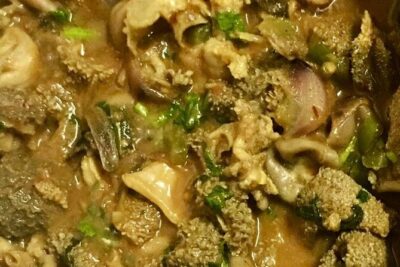
Nairobi Food Tour – Street Food Experience Lunch
Read our review →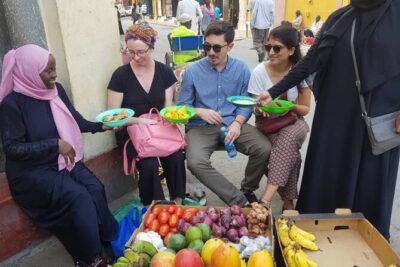
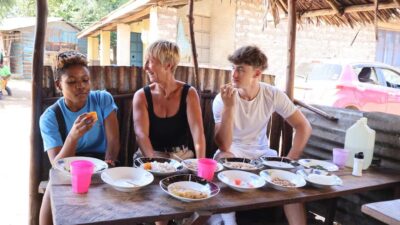
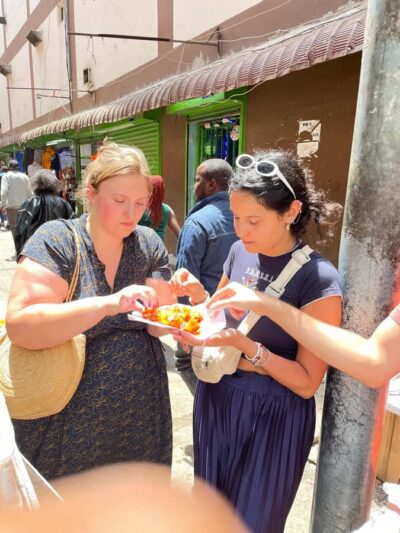
1 Hour Gastronomic and Street Food tour of Nairobi
Read our review →Browse the lists this tour appears in