
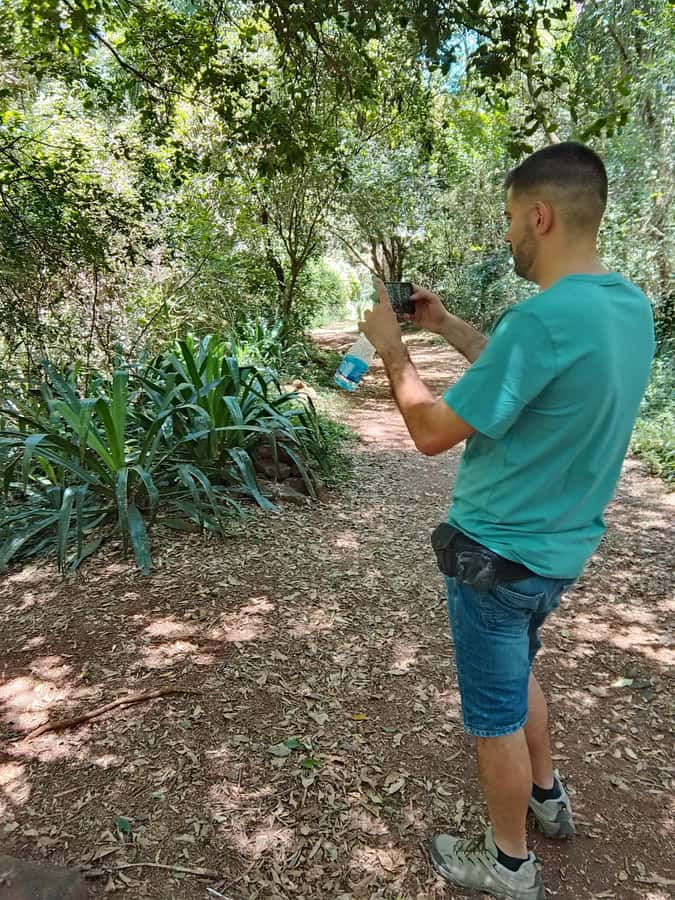
Reviewed · KARURA FOREST TOURS
Nairobi: Karura Forest Guided Walking Tour
Karura Forest keeps a powerful secret: it is not only Nairobi’s leafy escape, but also a place where waterfalls, caves, and resistance history meet. This private walk takes you beyond a quick city-park stroll, linking forest paths with the Mau Mau caves, Freedom Corner, indigenous tree stories, and quiet moments beside running water.
I like the story-led guiding and the slow pace. Joel, also called Joe in one account, is flexible about timing and may adjust the start to suit you. I also like that transport and entry fees are included, which makes the $51 price easier to judge. The main consideration is simple: this is a walking-only experience, and rain can make forest paths wet.
Key details that shape the experience
- Mau Mau caves and Freedom Corner: Learn about the places connected with Kenya’s freedom struggle.
- A private three-hour walk: You get a personal guide rather than a large group moving at one fixed pace.
- Waterfall, streams, and rustic bridges: The route mixes forest scenery with small natural features and photo stops.
- Kikuyu tree traditions: Indigenous trees are explained through their cultural meaning, not just their names.
- Optional reflection time: Pause for silence or journaling in the forest.
- Transport and entry included: Meet in central Nairobi or at Karura Forest Gate A on Limuru Road.
Why Karura works so well for a Nairobi morning
Karura Forest gives you a change of rhythm without taking you far from the city. From the central meeting point at International House on Mama Ngina Street, the drive to the forest is about 20 minutes according to the tour details and recent experience. That makes this a useful half-day outing, especially if you want time left for Nairobi’s other sights.
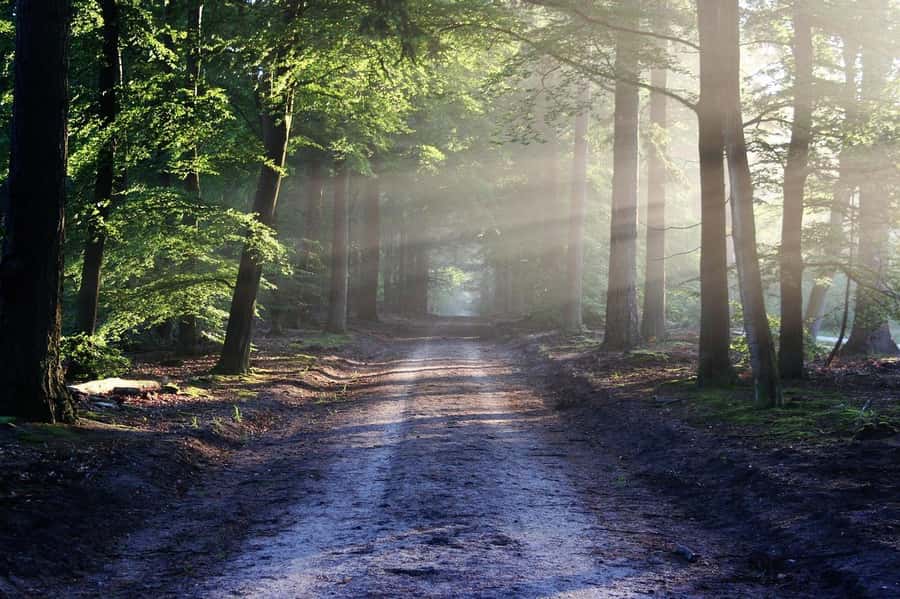
The forest is the real subject here. You will walk beneath trees, follow winding streams, cross rustic bridges, and reach quieter corners away from the most common tracks. The route is designed around pauses, not just distance. Your guide may stop to point out an indigenous tree, explain its place in Kikuyu culture, or let the forest go quiet for a moment.
That slower style matters. A standard walk can turn into a checklist of waterfall, cave, photo, and return. This one tries to connect those stops. You are asked to notice the sound of water, the shade of the trees, and the meaning attached to particular places. If you like nature with a human story attached, this approach should suit you.
More Walking Tours in Nairobi
- Nairobi: Historic and Modern Highlights Walking Tour
★ 4.8 · 703 reviews - Nairobi Historical Walking City Tour
★ 5.0 · 258 reviews - Nairobi Downtown Walking Tour
★ 4.7 · 208 reviews
Meeting Joel and setting the pace
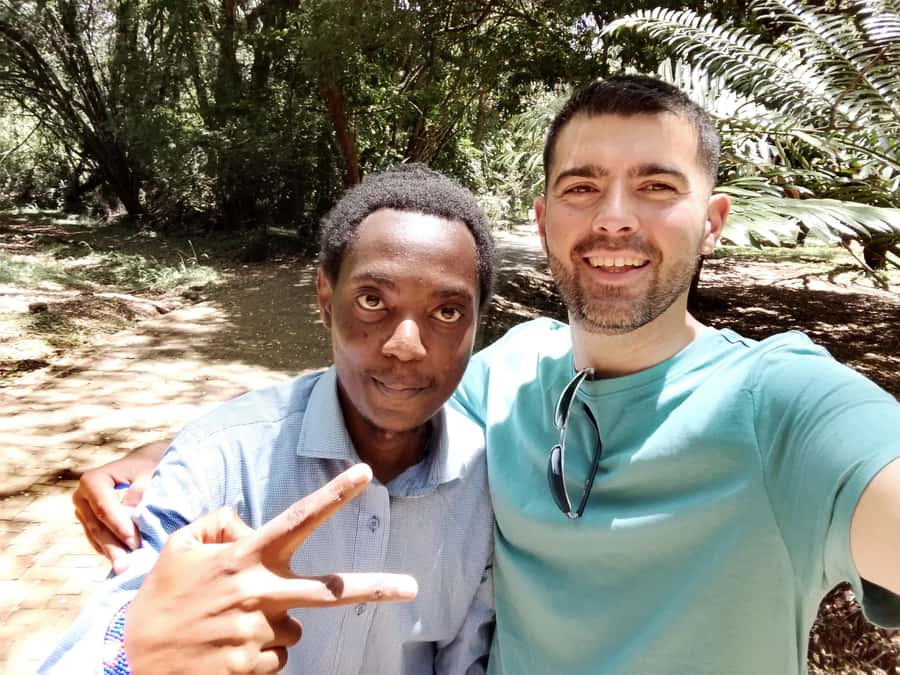
The experience is private, with an English-speaking guide. That gives you more control than a fixed group tour. You can meet at International House in central Nairobi, or choose to meet at Karura Forest Gate A on Limuru Road. The first option includes transport to and from the forest, while the second is useful if you are already near the park.
Joel is described as friendly, open about how he works, and willing to adjust the schedule. One guest was collected directly from a hotel when she was the only participant, while another was allowed to begin earlier than planned. These details suggest a guide who pays attention to the day in front of him rather than treating the schedule as untouchable.
Still, confirm your exact pickup arrangement when booking. The information gives International House as the main starting point, with Gate A as an alternative. If you expect hotel pickup, ask ahead rather than assuming it is automatic.
The walk lasts about three hours. That is long enough to see several parts of Karura without turning the outing into a full-day commitment. Since the route includes caves, a waterfall, streams, and forest trails, wear shoes you can walk in comfortably and clothes that can handle damp conditions.
From city streets to forest shade
The opening transfer is brief, but it changes the feel of the day. Nairobi’s central streets give way to the forest entrance, where the focus shifts from traffic and buildings to tree cover and footpaths.
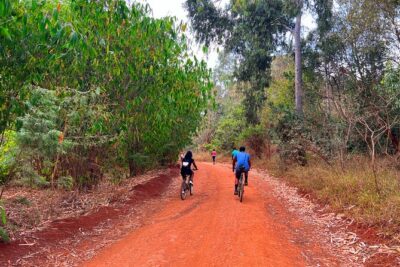
The tour description places the main forest visit at roughly three hours, including the guided walk and scenic stops. You are not signing up for a bike ride. Bike rental is not included, and this is specifically a walking tour. That is a plus if you want time to look around, listen, and ask questions without keeping pace with cyclists.
The route may include more common paths as well as lesser-known corners. The private format is useful here. If you are especially interested in trees, local meaning, political history, waterfalls, or photography, you can tell your guide what matters most. A larger group would be less likely to pause whenever curiosity strikes.
The forest can feel especially different after rain. One account describes a rainy day when the trees and paths felt more alive, while the usual photo spots were nearly empty. Rain is not guaranteed to improve your day, of course, and wet ground can be inconvenient. But if you bring suitable shoes and a light rain layer, you may see Karura at its freshest.
Indigenous trees and Kikuyu meaning

One of the more distinctive parts of the walk is the attention given to indigenous African trees. Your guide explains their Kikuyu cultural meaning, so the trees become part of a living story rather than background scenery.
This is valuable because it changes how you look at the forest. You are not simply passing a large trunk or a patch of shade. You are hearing why certain trees matter and how nature can carry memory and belief. The supplied information does not name each tree or give a fixed list, so the exact stories will depend on your guide and the route that day.
I would treat this part as a reason to ask questions. Ask which trees have sacred meaning, how local communities relate to them, and how the forest’s natural spaces connect with its human past. The tour is built around storytelling, and your questions can help make that storytelling more personal.
The quiet pauses also fit well here. A short period of silence or optional journaling is included. You do not have to write or meditate if that is not your style. You can simply sit, breathe, and notice the forest. That may sound small, but it is a useful contrast to a busy Nairobi itinerary.
More Karura Forest walks and waterfalls:
- Nairobi: From Nairobi-Karura Forest Guided Walking Tour
★ 5.0 · 21 reviews - Karura Forest: Walking tour with Nature and Waterfalls.
★ 5.0 · 12 reviews - Nairobi: Karura Forest Horseback Riding Tour
★ 4.8 · 11 reviews - Karura Forest Nature Trail
★ 4.5 · 10 reviews
The Mau Mau caves and Freedom Corner
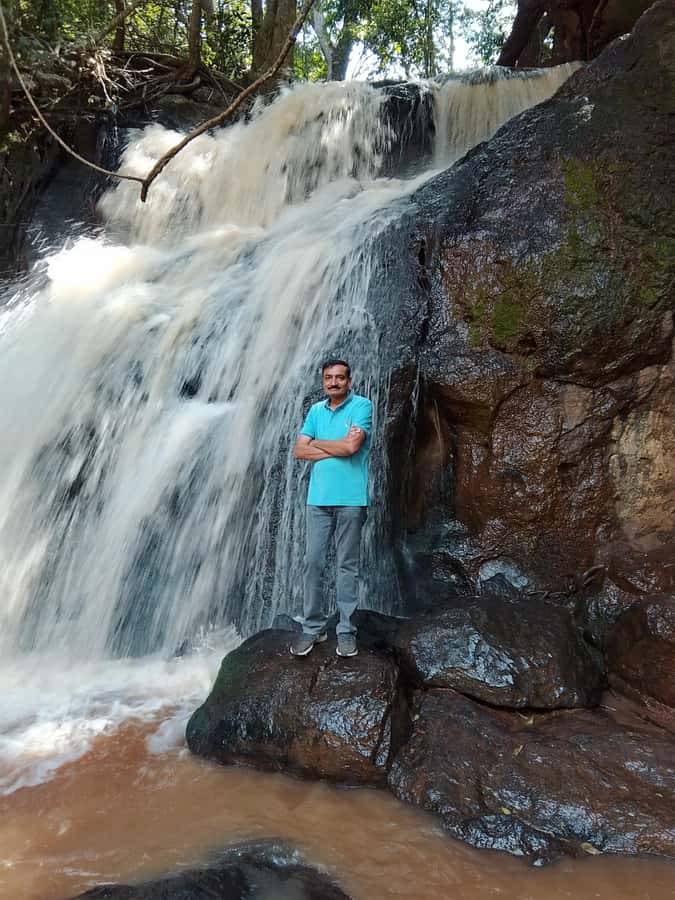
The political side of Karura gives the walk its strongest sense of purpose. You will visit the Mau Mau caves, places associated with freedom fighters who hid in the forest, and stop at Freedom Corner.
The tour connects these locations with Kenya’s struggle for independence without turning the outing into a formal museum visit. The setting does much of the work. A cave in the forest feels different from a paragraph in a guidebook, and standing at a named place can make the story more immediate.
Your guide’s role is important here. The experience promises a story-driven explanation of how Karura moved from political resistance toward peace. You should expect interpretation and conversation rather than a long academic lecture. If you want detailed historical dates or a full political timeline, this may not be the right single activity. If you want a thoughtful introduction to the forest’s role in resistance, it offers a useful connection.
The cave stop may also feel less polished than a conventional attraction. That is part of its character, but it means you should come prepared for a natural forest setting rather than paved museum access. Comfortable shoes are essential, and the private guide can help you move at a sensible pace.
Waterfalls, pine trails, and winding streams
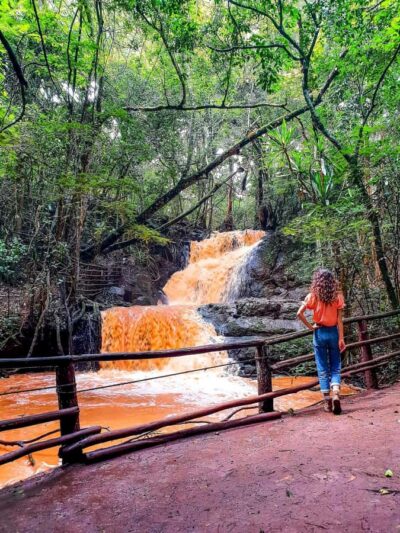
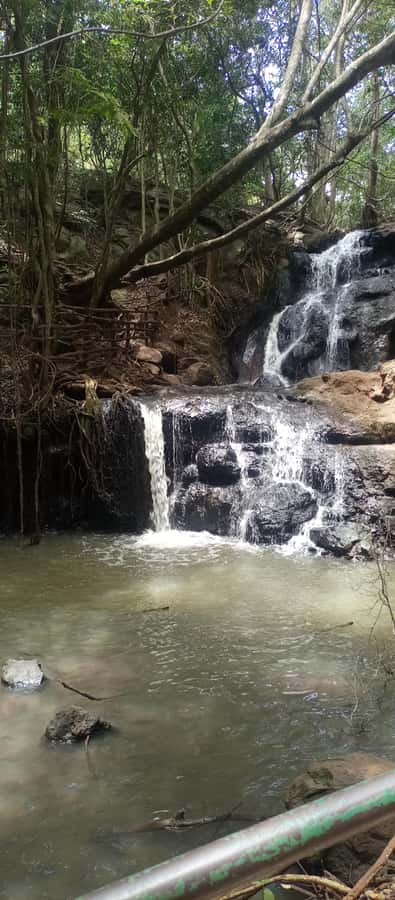
The natural stops give the tour its visual appeal. You will make a guide-led stop at a waterfall, follow pine trails, and cross rustic bridges over winding streams. These are good places to slow down for photographs, but the tour asks you to do more than collect pictures.
The waterfall is a sensory stop. You may feel spray in the air, hear the water before seeing it, and notice how the forest changes around the flow. The description promises mist from a natural waterfall, so a little dampness is part of the experience, especially after rain.
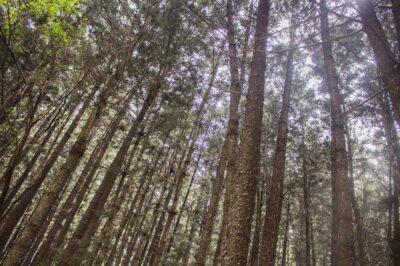
Pine trails add a different texture to the walk, while the streams and bridges break up the route. These details help the three hours feel varied. You are not walking the same type of path all morning.
Keep expectations sensible. The activity gives no waterfall size, trail difficulty, or exact route, so do not book it expecting a major trek or a dramatic national-park spectacle. Its appeal is the combination of modest natural features, forest quiet, and the stories attached to the places between them.
What the $51 price includes
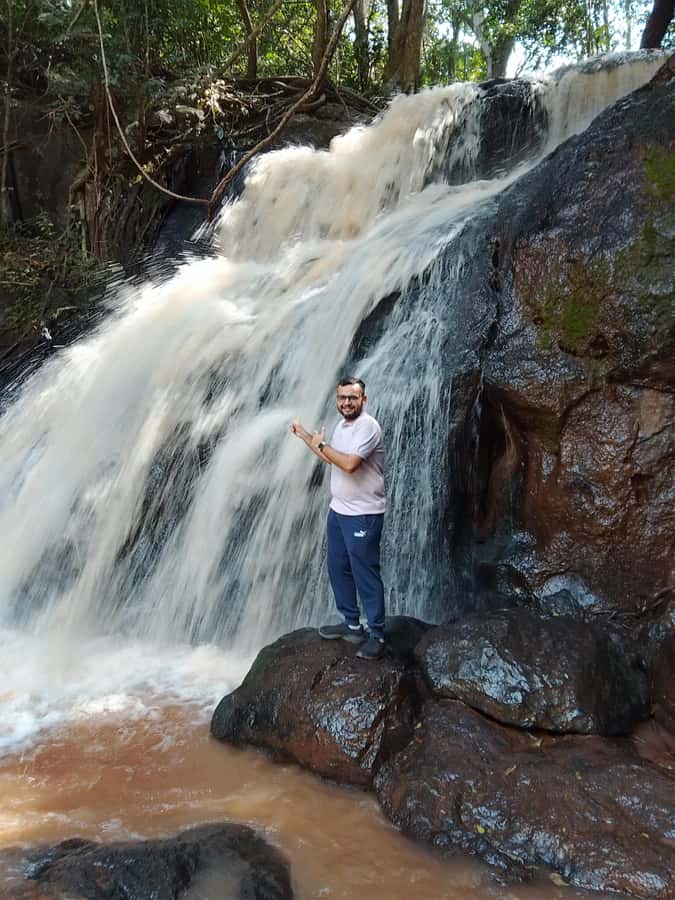
At $51 per person, this is not the cheapest way to enter a city forest, but you are paying for more than admission. The price includes a private guide, forest entry fees, transport to and from the central meeting point, the waterfall and pine-trail stops, visits to the Mau Mau caves and Freedom Corner, tree storytelling, and an optional reflection pause.
That package has real value if you are staying in central Nairobi and would otherwise need to arrange transport and park access yourself. A private guide also changes the experience. You can ask questions, adjust the pace, and focus on the parts that interest you most.
The value is weaker if you only want an unstructured walk or a quick nature break. You could prefer to visit the forest independently if you are comfortable managing your own entry and transport. You are also paying for the guide’s interpretation, so the tour makes most sense when the cultural and political stories matter to you.
Meals and snacks are not included. Bring your own water and food if you need them, since nothing in the provided details promises refreshments. The tour is three hours, so you may not need a meal during the walk, but a small snack before or after can be sensible.
Weather, clothing, and practical comfort

Wear comfortable walking shoes and comfortable clothes. That advice is basic but important here, since the route includes forest paths, caves, streams, bridges, and a waterfall area. Rain can make the ground wet, and one rainy outing shows that the tour still operates in damp conditions.
A light rain layer is a practical addition, even though it is not specifically listed among the required items. It follows directly from the forest setting and the report of an all-day rain. You may also want a small bag for personal items, but keep it manageable for walking.
Alcohol and drugs are not allowed. The activity is not suitable for babies under one year or people over 95. No other accessibility details are provided, so if you have specific mobility or health needs, ask the provider about the route before booking.
The tour is offered in English. Since it is a private group experience, it suits couples, solo visitors, families with older children, or friends who want a flexible outing. The data does not give a minimum age beyond the restriction on babies, so ask if you are booking for young children.
What the guide’s flexibility adds
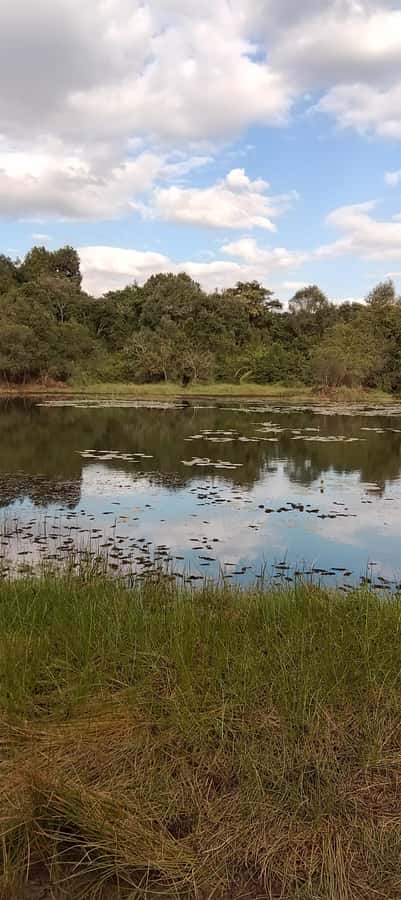
Flexibility is one of the strongest practical benefits here. Joel has adjusted an early start and made useful suggestions beyond the original request. That can be handy in Nairobi, where your day may shift around traffic, flights, weather, or another booking.
A private guide also makes the quiet parts feel less awkward. If the itinerary calls for silence or journaling, you can choose how much of that you want. You can talk with your guide about the forest, or simply enjoy a break without having to keep up with strangers.
The experience is still best for someone who welcomes a reflective pace. If you want constant action, a fast hike, or a packed list of sights, the pauses may feel too slow. The tour openly presents itself as a mindful forest experience, so its tone is clear.
Should you book the Karura Forest walk?
Book it if you want Karura Forest to mean more than trees and photographs. The combination of Mau Mau caves, Freedom Corner, indigenous tree stories, and a private English-speaking guide gives the forest a strong sense of place.
I would especially recommend it for a solo visitor, a couple, or a small private group staying in central Nairobi. The included transport, entry fees, and flexible guide make the $51 cost reasonable when you want an easy half-day plan with cultural depth.
Think twice if you want a strenuous hike, bike ride, meal, or highly formal historical tour. This is a slow walking experience with reflection built into the route. Bring comfortable shoes, allow for rain, and ask about pickup details. If those conditions suit you, Karura offers a calm and meaningful break from Nairobi’s city traffic.
FAQ
How long does the Karura Forest guided walk last?
The experience lasts three hours, including the guided visit to Karura Forest and its scenic stops.
Where do I meet the guide?
The main meeting point is International House on Mama Ngina Street in Nairobi. You can also choose to meet at Karura Forest Gate A on Limuru Road.
Is transport included?
Yes. Transport to and from the forest is included when using the central meeting arrangement. Confirm the exact pickup details when booking.
What places will I visit in Karura Forest?
The experience includes the Mau Mau caves, Freedom Corner, a natural waterfall, pine trails, winding streams, rustic bridges, and quieter forest paths.
Is this a private tour?
Yes. The experience is for a private group and includes a live English-speaking guide.
What should I bring?
Bring comfortable shoes and comfortable clothes. Meals and snacks are not included, and bike rental is not part of the activity.
More Guided Walks
- Nairobi City Walking Tour with Traditional Kenyan Lunch
★ 5.0 · 106 reviews - Nairobi Walking Tour: Downtown & City Tour
★ 4.8 · 32 reviews - Day tour to Hells Gate, Lake Naivasha and Crescent Island Walk
★ 5.0 · 26 reviews - Nairobi: Hidden Gems and Local Secret Guided Walking Tour
★ 4.9 · 20 reviews
Just added around Nairobi
- Visit kibera Slum the chocolate city★ 4.8 · 3 reviews
- 4 Days Safari to Lake Nakuru N/P and Maasai Mara N/R★ 5.0 · 18 reviews
- Maasai Mara Day Trip★ 5.0 · 15 reviews
- 4 Days Tour Landcruiser in Masai Mara and Lake Nakuru★ 5.0 · 10 reviews
- 3 days maasai mara migration safari★ 4.5 · 7 reviews
- Kibera Slum Tour with a Local★ 5.0 · 15 reviews
- Wildebeest Migration in Masai Mara and Sightseeing 4 Days Tour★ 4.5 · 6 reviews
- Day Tour to Nairobi national park, Elephants, and Giraffe Center★ 3.5 · 8 reviews
Karura Forest Tours, compared.

Karura Forest: Walking tour with Nature and Waterfalls.
Read our review →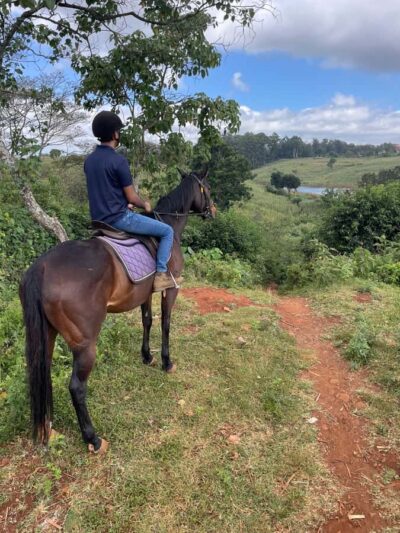
Karura forest: A walking tour into Nairobi’s Nature Oasis
Read our review →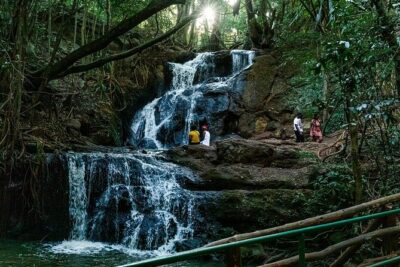
Browse the lists this tour appears in