
Reviewed · CANOES & KAYAKS
Watamu: Sunset Mangrove Canoe Tour with Coconut Drink
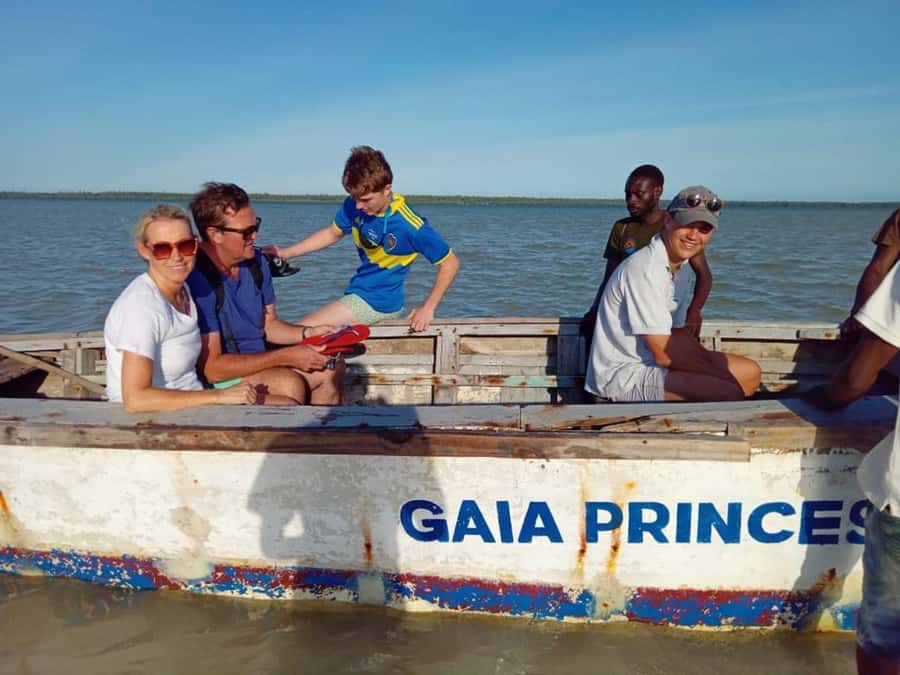
Mida Creek’s best show comes at the quietest hour: a traditional canoe sliding through mangrove channels while the setting sun paints the water soft pink and gold. I like the chance to see mudskippers and oysters on mangrove roots, then finish with a coconut picked in a Giriama village. Guides Harrison and John have also been praised for their warm local explanations.
I especially like that this is a small-scale, village-based outing rather than a polished resort activity. The $20 price is excellent for three and a half hours, and the choice between low and high tide lets you shape the experience. The main caution is access: low tide means a long, muddy walk, transport from Watamu costs extra, and the boardwalk is temporarily closed from February 2026.
Key points at a glance
- The tide changes the whole outing: Low tide brings mudflats, crabs, and a longer walk. High tide allows you to board closer to the meeting point.
- A traditional dugout canoe: You ride as local fishermen do, with the canoe pushed along by a guide using a pole.
- Wildlife comes close: Look for up to 65 bird species, mudskippers, frogfish, and oysters fixed to mangrove roots.
- Sunset behind Green Island: The tour is timed for the sun to drop behind the island while you are on the lagoon.
- A village finish: Return to Giriama country for a fresh coconut or a glass of palm wine.
- Plan your transfer carefully: Transport is not included, and the ride from Watamu may cost more than the activity itself.
Why this canoe trip feels different
This is not a fast boat ride built around ticking off wildlife sightings. The pace is slow, and that is the point. A guide poles the canoe through narrow mangrove channels, giving you time to watch the water and roots rather than simply passing them at speed.
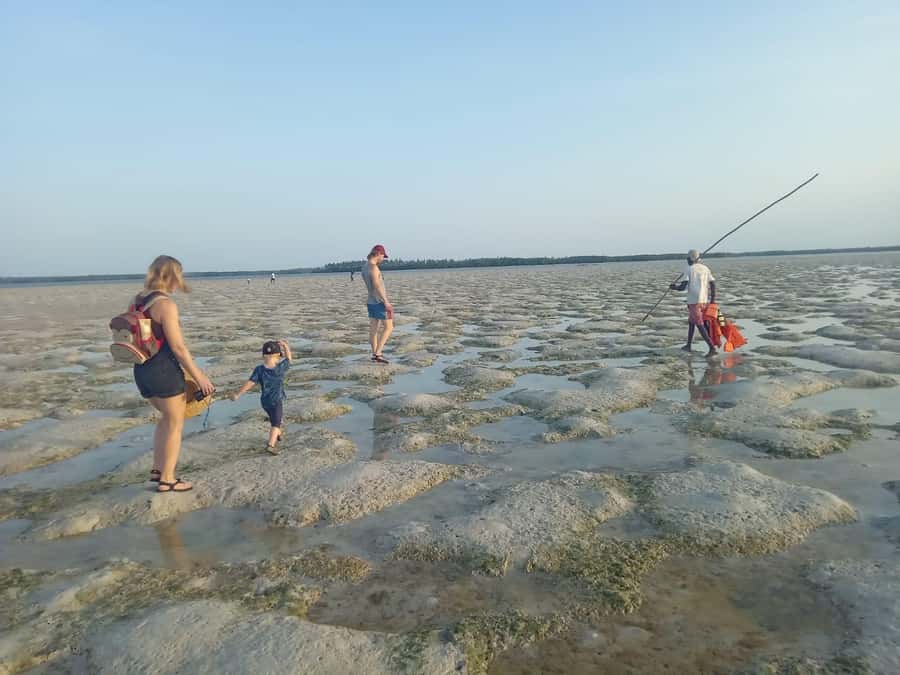
You begin on foot, depending on the tide. At low tide, the route crosses mudflats where small crabs scatter under your steps. It can feel like a walk across a strange, open natural setting before the canoe section begins. At high tide, the walking is shorter and you enter the canoe nearer the meeting point.
That tide choice matters more than it may seem. Low tide offers more contact with the creek floor and its small creatures, but the mud can be tiring and messy. High tide is the easier choice if you want the canoe ride and sunset without a long crossing.
The setting is Mida Creek, a broad tidal waterway near Watamu with mangrove forest along its edges. Mangroves protect shorelines, provide nursery areas for fish, and support birds, shellfish, and small animals. The guide’s explanation helps you see the forest as a living system, not just a group of trees growing in shallow water.
More days out around Watamu:
- Watamu Marine Park & Sudi Island Mangrove Forest Canoe Ride.With sea food lunch
★ 4.5 · 31 reviews - WATAMU: MALINDI: SARDEGNA ISLAND & MALINDI MARINE PARK
★ 4.5 · 9 reviews - From Mombasa: Watamu Marine Park & Sudi Island Excursion
★ 4.8 · 8 reviews
Walking the mudflats at low tide
If you choose low tide, expect the walking section to be a real part of the outing, not a short stroll. You cross exposed mudflats as the water pulls away, following the route toward the canoe.
The little crabs are one of the first details to watch for. Thousands may scramble away from your feet, making the otherwise quiet mud seem full of motion. Bring shoes that can handle wet, soft ground and clothing you do not mind getting dirty.
At low tide, the open mudflat has a stark, almost moonlike feel. There is little shade, so sunscreen, water, and a hat are sensible additions even though only sunscreen and water are specifically listed among the suggested items. Insect repellent is also useful for the mangrove section.
This option suits you if you enjoy nature walks and do not mind a bit of mud. It is less suitable if you have difficulty walking, balancing, or managing uneven ground. The activity is not suitable for people with mobility impairments.
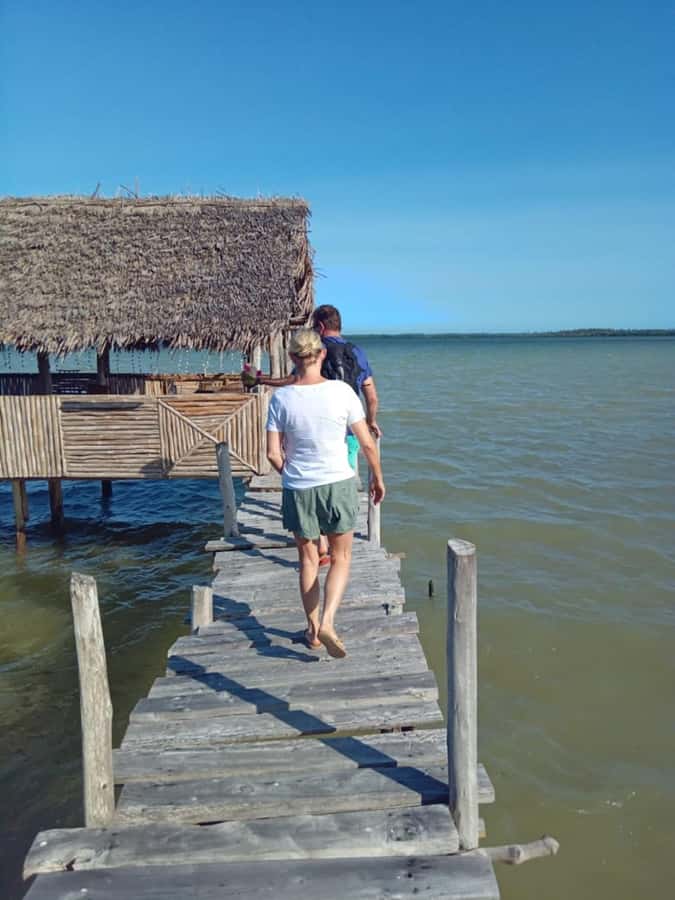
For the February 2026 period onward, note that the boardwalk is under maintenance and temporarily inaccessible. The advertised boardwalk walk may therefore not be available. Check the current arrangement before booking, especially if that raised walkway is important to you.
Entering the traditional dugout canoe
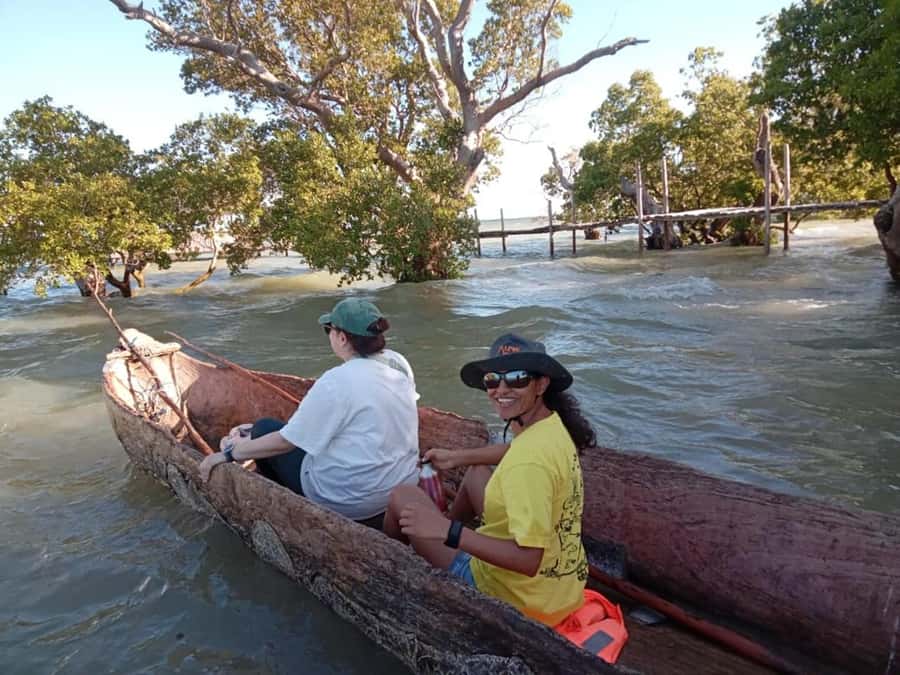
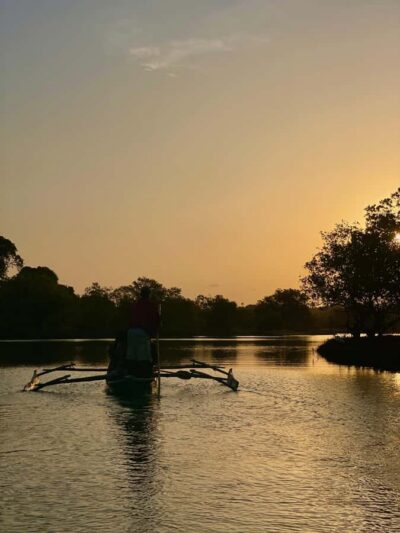
Once you reach the water, you board a traditional dugout canoe. This is a simple, local craft, not a large motorboat with a raised viewing deck. The guide moves the canoe with a pole, as local fishermen do, which keeps the ride quiet.
That quiet makes a real difference. You hear the water, birds, and occasional village sounds instead of an engine. The canoe’s low position also puts you close to the mangrove roots, though it means you should take care when getting in and out.
The ride lasts long enough to make the canoe more than a short photo stop. You move through the creek and into the mangrove forest, with the route shaped by water levels and local conditions. The experience is simple, but its value comes from the setting and the way it connects you with ordinary fishing methods.
Do not expect a guaranteed wildlife parade. The area is home to about 65 bird species, but sightings depend on tide, timing, weather, and luck. The strongest reason to book is the whole setting, with wildlife as an important bonus rather than a promise of a particular bird.
Looking for mudskippers and oysters
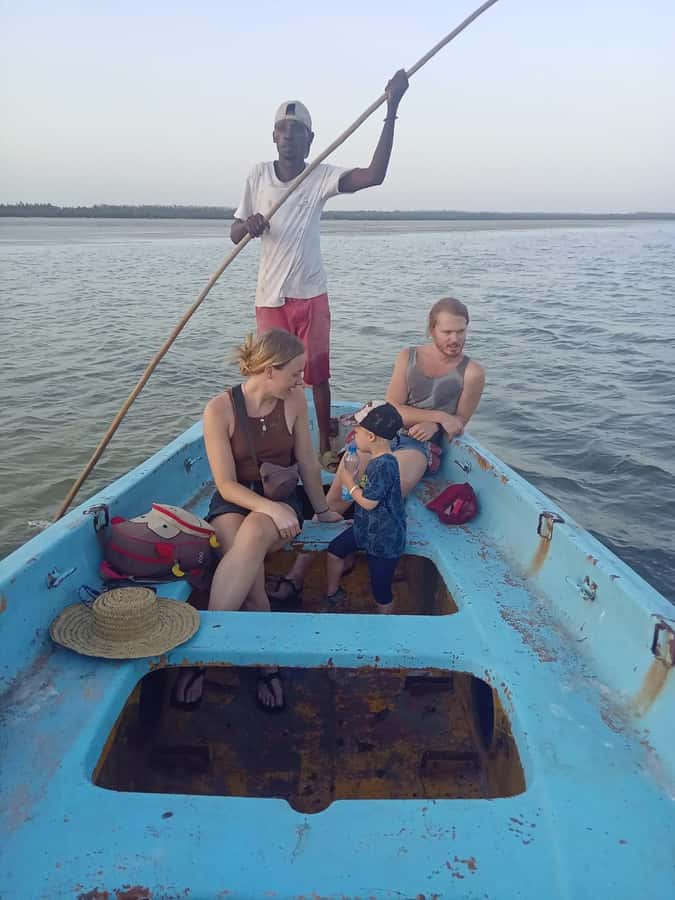
The most unusual wildlife here may be the animals that make the mangrove edge their home. Mudskippers, sometimes described as amphibious fish, can move across wet mud and survive for periods outside the water. Frogfish are also listed among the creatures you might see.
These small animals are easy to miss if you are rushing. Keep your camera ready, but spend some time simply scanning the mud and exposed roots. Binoculars are useful for birds, while a camera is worth bringing for the changing light and close details.
Oysters grow on the mangrove roots. Your guide can point out how the roots create a place for shellfish and other small life to attach and shelter. This is one of the better parts of the outing for anyone who wants more than a sunset photograph.
The word wildlife here means small, close-to-the-water life. You may see birds, fish, crabs, and shellfish, but this is not a large-animal safari. Go for the texture and variety of the creek, not for a checklist.
A few more Kenya days to weigh up
- Diani: Sunset Canoe Tour along the River with Mangroves
★ 4.8 · 65 reviews - Diani Beach: Kongo River Sunset Experience in a canoe
★ 4.4 · 31 reviews - Diani: Sunset Cruise along Kongo River on Wooden Canoe boat
★ 4.6 · 20 reviews - Sunset Canoe Tour on a River within the Mangroves
★ 4.5 · 12 reviews
The birdlife of Mida Creek
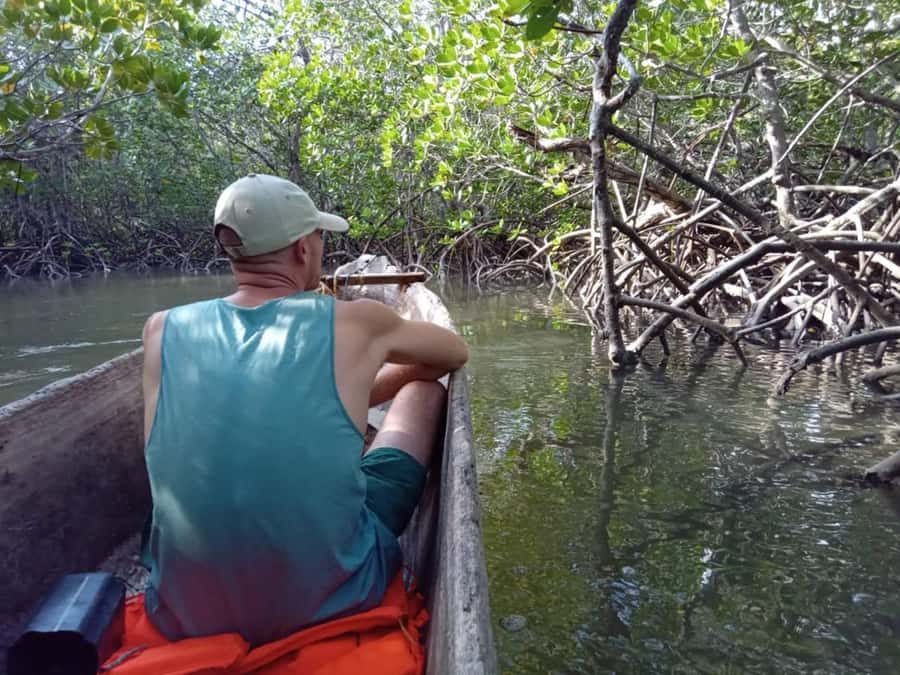
The creek supports 65 different bird species, giving you plenty to watch during the canoe ride. Some sightings may be close to the canoe, while others may require binoculars and patience.
One recent outing included a flock of flamingos only a few meters from the canoe. That kind of encounter is not guaranteed, but it shows why the low, quiet boat can work well for bird watching.
The sunset timing helps. As the afternoon cools and the light softens, you can watch birds around the water while the sky changes color. The tour is arranged around a roughly 4:00 PM start if no tide preference is given, allowing time for the sunset over the lagoon.
If bird watching is your priority, bring binoculars and keep your expectations sensible. A guide can identify places to look, but nature sets the schedule. The trip gives you a good chance to observe, not a fixed list of sightings.
Pastel skies behind Green Island
The final canoe section is timed for sunset behind Green Island. The water catches the last light, and each ripple can turn pale pink, orange, or gold as the sun drops.
This is where the slow pace pays off. You are not being rushed from one stop to another, and the canoe gives you a broad view across the lagoon. The sunset is likely to be the most immediately impressive part of the experience, but it works best because the mangrove ride has already quieted the afternoon.
Cloud cover can change the colors, of course. No sunset is guaranteed to look the same, but the timing gives you a fair chance to see the sky at its best. Keep your camera accessible rather than packed away in a bag at the bottom of the canoe.
The sunset also helps explain the 210-minute duration. This is not a one-hour boat loop. Much of the value comes from the unhurried transition from mudflat to mangrove channel to open water at dusk.
Coconut, palm wine, and Giriama village life
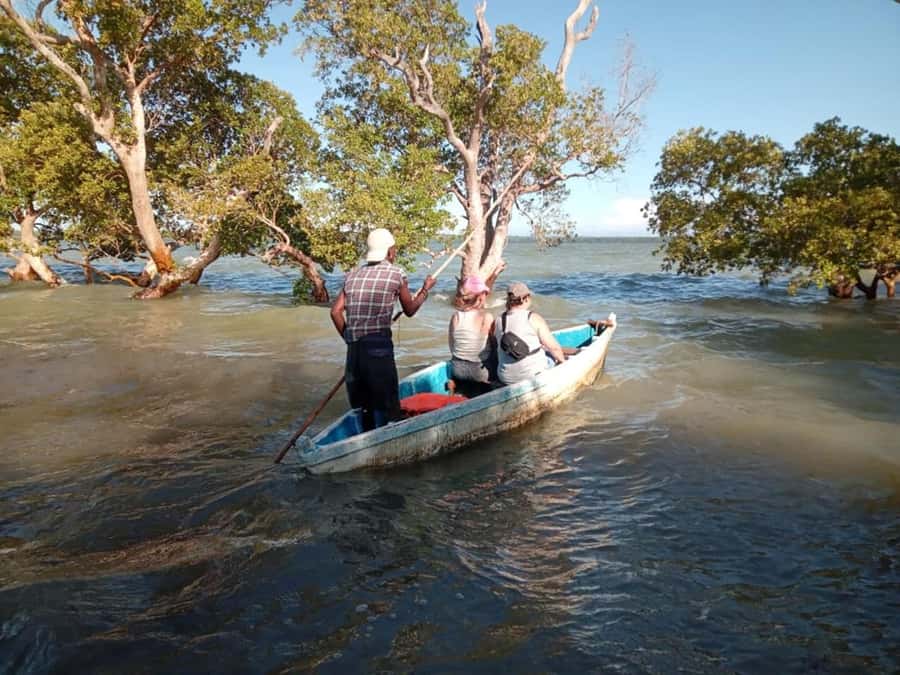
After the canoe ride, you return to a Giriama village for a drink. You can have a coconut picked from a palm or a glass of palm wine.
The coconut is the easy choice if you want a cool, familiar refreshment. Palm wine offers a more local drink experience, but you should choose according to your own comfort and preference. A meal is not included, though an optional local lunch has been available on some outings.
The village visit gives the tour its strongest connection to daily life. You are not only looking at mangroves from the water. You also have a chance to hear about local customs, village work, and the importance of the creek.
Some outings include discussion of efforts to repopulate the area with younger mangroves. That conservation angle adds useful context: the forest is not just scenery, but part of the local environment and economy.
The village setting is modest. Do not expect a staged cultural performance or a formal restaurant. You get a drink, conversation, and a glimpse of local life. For me, that simplicity is part of the appeal, as long as you arrive ready for an informal experience.
What the $20 price really buys
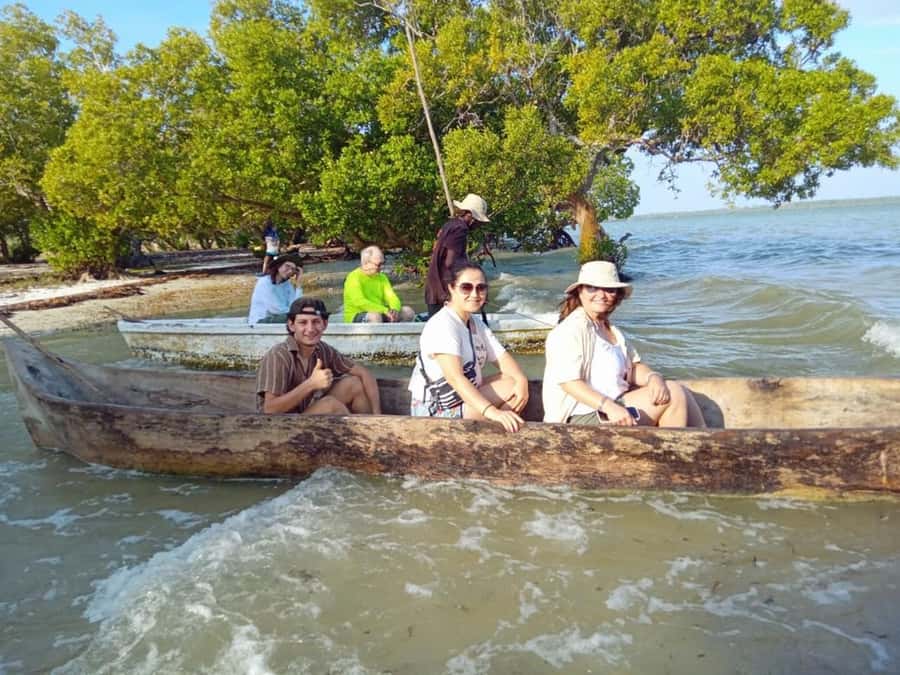
At $20 per person, this is a strong-value outing if you receive the full walk, canoe ride, sunset, and village drink. Three and a half hours is a generous amount of time for the price, especially compared with a short boat trip that only covers the lagoon.
The value is less certain if the activity is shortened. One poor experience involved about an hour on the water, a few flamingos, and a return to the hotel. That is far less than the planned 210 minutes.
Transport is the biggest financial catch. Getting to the starting village is not included, and pickup can be arranged for an extra fee by car, tuk-tuk, or motorcycle. The exact charge depends on distance. From Watamu, the transfer may cost more than the tour itself, so ask for the full transport price before confirming.
There was also one report of confusion over payment after the return to the hotel. To avoid trouble, agree clearly on the pickup price and any other charges before setting out. Keep the activity fee and transport fee distinct.
The tour offers free cancellation up to 24 hours in advance and a reserve-now, pay-later option. Those terms help if your plans are still moving, but they do not remove the need to confirm the meeting point and transfer arrangement.
Choosing low tide or high tide
You should state your tide preference when booking. If you do not, the outing is generally set around 4:00 PM to catch the sunset, regardless of the tide.
Choose low tide if you want:
- A longer walk across the mudflats
- Crabs and other small mudflat life
- A more unusual route before boarding
- A stronger sense of the creek’s tidal rhythm
Choose high tide if you want:
- Less walking
- A canoe entry point closer to the meeting area
- An easier outing with less mud
- More time focused on the canoe and sunset
Neither choice is automatically better. Low tide adds atmosphere and wildlife on foot, but it takes more effort. High tide is more convenient, though you lose some of the exposed-mudflat experience.
I would choose low tide for an able-bodied visitor who enjoys nature walks, and high tide for anyone who wants a gentler outing. In both cases, wear comfortable clothing and shoes suited to walking and canoeing.
Who will enjoy this most
This activity fits you if you like local guides, quiet water, simple boats, and nature observed at a slow pace. It is especially good for people who want to pair a sunset with a look at village life rather than spend the whole evening at a resort.
It also suits photographers and bird watchers who can wait patiently. Bring a camera, sunscreen, water, insect repellent, and binoculars. The light changes quickly near sunset, so keep your camera protected but easy to reach.
Families with young children should consider the mud, canoe boarding, and limited information about boat conditions before booking. The activity is specifically not suitable for people with mobility impairments.
English and Swahili are available. Guides such as Harrison and John have been praised for explaining the village and mangrove project, but guide assignment can vary. If you want a particular guide, ask when arranging the tour rather than assuming.
Practical concerns before you book
The meeting point is at a small village at the far end of the bay, not the Shark Crab Restaurant starting point used by another Mida Creek activity. This distinction matters because choosing the wrong departure point can lead to a long, expensive detour.
Confirm three things in writing:
- The exact meeting point
- The cost and type of transport from Watamu
- Whether the boardwalk is open on your date
The supplied information says the boardwalk is temporarily inaccessible from February 2026 because of maintenance. Since the walking route may change, ask what replaces it and how much walking remains.
The activity lasts 210 minutes, but one low-rated outing was much shorter. Ask the operator to confirm the expected start and finish time, particularly if you have dinner plans or another evening booking.
Bring water even though a coconut drink comes later. The walk and warm afternoon can leave you thirsty, and the village refreshment is part of the finish, not a substitute for your own water supply.
Should you book the Watamu mangrove sunset canoe tour?
Book it if you want an affordable, low-key outing with a real local connection. The best version combines a mudflat walk, a quiet dugout canoe ride, small wildlife, a sunset behind Green Island, and a village drink. The strongest praise has focused on the friendly guides, the lack of large tourist crowds, the food and coconut water offered on some visits, and the chance to learn how the mangroves are being restored.
Think twice if you want guaranteed flamingos, a polished boat operation, or door-to-door transport included in the price. The transfer can be costly, the tide can make the walk muddy, and the boardwalk closure may affect the route.
For the best chance of getting what you expect, choose your tide, confirm the village meeting point, settle the transfer price in advance, and ask about the February 2026 boardwalk closure. With those details clear, the $20 canoe trip offers a memorable sunset and a useful glimpse of Watamu’s creek life at a very fair price.
FAQ
Where does the canoe tour take place?
The activity takes place in the mangroves of Mida Creek in Kenya’s Coast Province, with the village portion based in a Giriama village.
How long does the experience last?
The stated duration is 210 minutes, or three and a half hours.
How much does the activity cost?
The listed price is $20 per person.
Is transportation from Watamu included?
No. Transport to the starting point is not included. Pickup can be arranged for an added cost based on distance, using a car, tuk-tuk, or motorcycle.
What languages are available?
The live guide service is available in English and Swahili.
Can I choose low tide or high tide?
Yes. You should communicate your preference when booking. Low tide means more walking across the mudflats, while high tide allows you to reach the canoe closer to the meeting point.
What happens if I do not choose a tide?
The experience is generally scheduled around 4:00 PM so you can see the sunset over the lagoon.
What drink is included at the village?
You can have a coconut picked from a palm or a glass of palm wine.
Is the boardwalk open?
The boardwalk is temporarily inaccessible because of maintenance from February 2026. Ask for the current route before booking.
What should I bring?
Bring a camera, sunscreen, water, insect repellent, and binoculars. Wear comfortable clothing and shoes suitable for walking and canoeing.
More Evening Experiences in Kenya
- 2 Days Tsavo East National Park Tour From Mombasa/Diani (1 Night)
★ 5.0 · 50 reviews - 2 Days and 1 Night Amboseli Safari from Nairobi
★ 4.0 · 29 reviews - 2 days 1 night saltlick safari from Diani/Mombasa
★ 4.8 · 28 reviews - 2 Days 1 Night Private Tour to Amboseli National park 4*4 Vehicle
★ 5.0 · 12 reviews
Just added around Kenya
- Tsavo East and Tsavo West Sanctuary Safari★ 5.0 · 3 reviews
- Tsavo East National Park: 2-Day Tour from Mombasa★ 3.9 · 5 reviews
- Visit kibera Slum the chocolate city★ 4.8 · 3 reviews
- Agro-Tourism Tea Workshop in Nandi Hills★ 5.0 · 3 reviews
- Lake Nakuru NP Half-Day Safari★ 4.0 · 4 reviews
- 3 days Maasai Mara safari from Nairobi★ 5.0 · 3 reviews
- Lake Nakuru Day Trip Safari – & Optional Lake Naivasha Boat★ 5.0 · 5 reviews
- Kilimanjaro Wanderlust Day Hike★ 5.0 · 8 reviews
Canoes & Kayaks, compared.
Sunset Canoe Tour along the River with Mangroves
Read our review →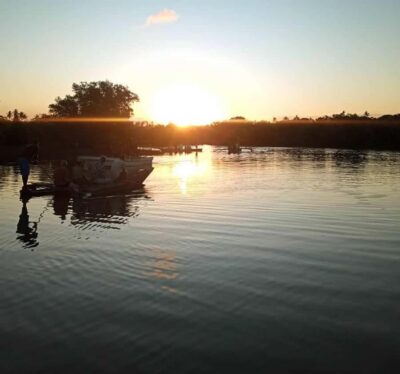
Watamu Marine Park & Sudi Island Mangrove Forest Canoe Ride.With sea food lunch
Read our review →
Sunset Cruise along Kongo River on Wooden Canoe boat
Read our review →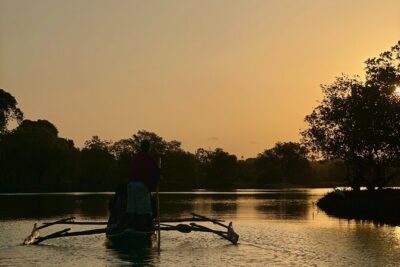
Sunset Canoe Tour on a River within the Mangroves
Read our review →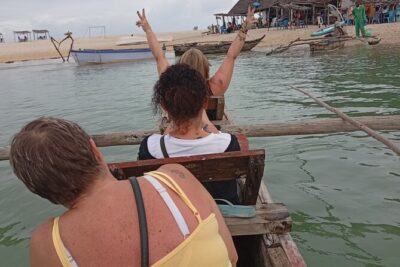
Browse the lists this tour appears in