
Reviewed · MAASAI MARA SAFARIS
12 Days wildebeest migration Masai Mara Nakuru Uganda gorilla trekking safari
The great promise here is variety: the Maasai Mara’s wildlife followed by a mountain gorilla trek in Uganda. In twelve days, you may watch lions and elephants on open savannah, see rhinos near Lake Nakuru, test the heat of volcanic springs at Lake Bogoria, and sit near gorillas in a misty forest.
I like the guaranteed window seat in the 4×4 Toyota Hiace, plus the strong practical support: bottled water during game drives, park fees, gorilla fees, meals, airport pickup, and a first-aid kit are all covered. Guides such as David can make a real difference, especially on the long Uganda drives and the demanding trek.
The tradeoff is distance. This is an ambitious route, and some driving days are very long. One trip includes a transfer from Nairobi toward the Uganda border, while the Jinja and gorilla sections require more road time than the simple itinerary headings suggest. You need stamina, patience, and comfortable walking shoes.
Key points to know before booking
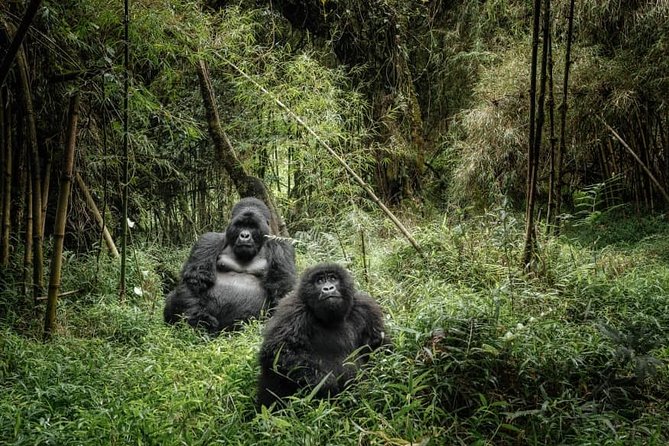
- Gorilla trekking is the emotional centerpiece: You receive about one hour with the gorillas once the group locates them, under Uganda Wildlife Authority rules.
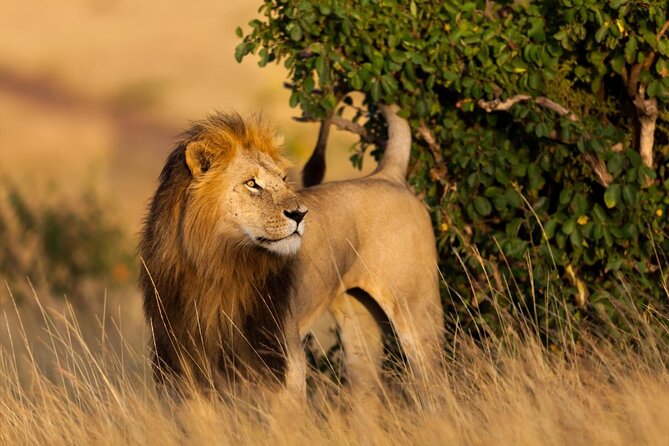
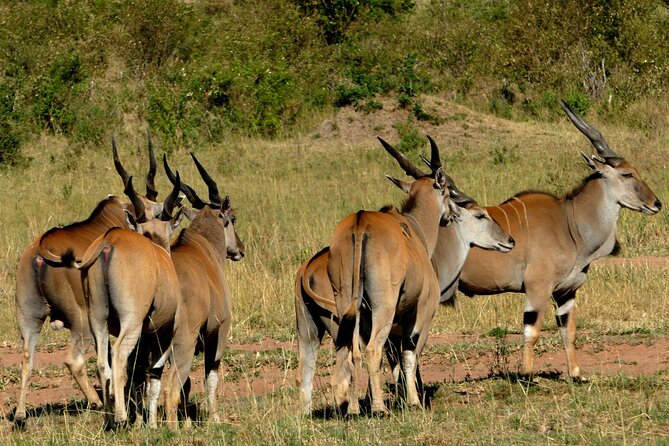
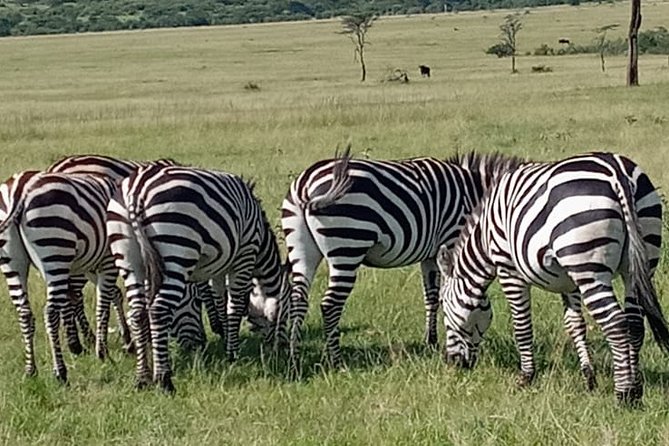
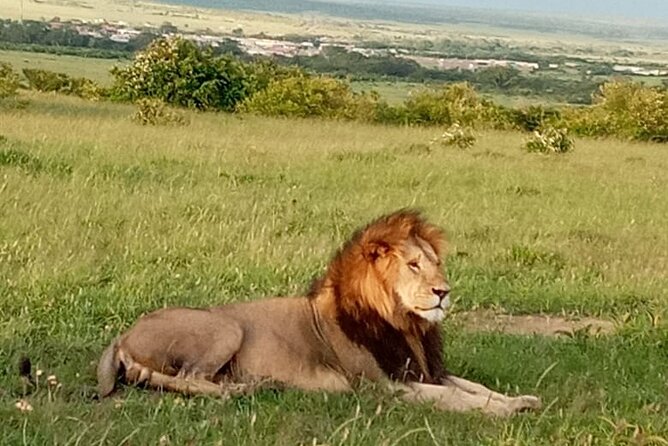
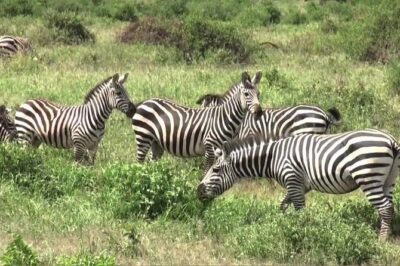
- The Maasai Mara gets two wildlife days: Morning and afternoon drives give you the best chance of finding lions, elephants, buffalo, leopards, rhinos, cheetahs, zebras, and wildebeest.
- Every passenger gets a window seat: The Toyota Hiace also carries a first-aid kit, ice chest, fire extinguisher, and bottled water for game drives.
- Lake Bogoria adds something different: Hot springs, geysers, volcanic activity, and a picnic lunch break up the usual safari routine.
- Uganda brings long road transfers: Jinja, Lake Bunyonyi, Mgahinga, and the Kenya return route create a full cross-border circuit.
- Optional extras cost more: A balloon ride is listed at $470 per person, a village visit at $20, and a boat ride at $30.
Why this safari is built around contrast
At $4,150 per person, this is not a budget safari. The price makes more sense when you look at what it combines: Kenya’s major wildlife areas, Uganda’s gorilla permit, transport across two countries, park entrance fees, meals, airport transfers, a private group arrangement, and a driver-guide.
The gorilla fee alone is a major part of any Uganda itinerary, and it is included here. That matters because gorilla permits are not a small add-on you casually arrange at the last minute. This trip also includes the practical costs that can quietly build up on safari, such as park fees, government charges, and regular bottled water.
Still, value depends on your priorities. If your main goal is a relaxed Kenya safari, this route moves too quickly and covers too much ground. If you want one big trip that combines classic wildlife with gorillas, the price buys an unusually broad range of experiences.
The tour is private, meaning only your group participates. That gives you more room to settle into the vehicle than a large shared departure, though the provided information does not state the maximum group size. The guaranteed window seat is a useful promise. On safari, sitting by the glass matters when a lion appears on one side of the road and a giraffe appears on the other.
More ways into the Maasai Mara:
- 3 Days Masai Mara Group Joining
★ 5.0 · 486 reviews - From Nairobi: 3 Days, 2 Nights Maasai Mara Group Safari
★ 4.5 · 394 reviews - 5 Days Masai Mara, Lake Nakuru & Naivasha Budget Joining Safari
★ 5.0 · 229 reviews
Day 1: A soft landing near Nairobi airport
You are collected at the airport and taken to the 67 Airport Hotel for a tour briefing and overnight stay. Accommodation is on a bed-and-breakfast basis.
This first night is simple but useful. You can recover from your flight, meet the team, and hear how the route will work before the long road days begin. The listed meeting time is 12:00 pm, but airport pickup is also offered, so confirm the exact pickup plan when booking.
Do not expect a sightseeing day in Nairobi. This is a practical arrival night, designed to get you ready for the road.
Days 2 and 3: The Maasai Mara and the Big Five
After an early breakfast, you drive through the Great Rift Valley toward the Maasai Mara. The route passes Mount Long’onot, an extinct volcano, before reaching camp for check-in and lunch.
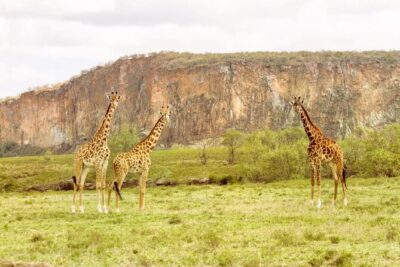
The afternoon game drive is your first proper taste of the safari. The Mara is known for open grassland and large concentrations of animals. Your guide will look for giraffes, elephants, monkeys, leopards, lions, gazelles, and birds, with sightings changing from day to day.
The second day is devoted to morning and afternoon drives. This two-drive pattern is one of the strongest parts of the program. Early hours can offer cooler conditions and active animals, while the afternoon gives you another chance after a midday break.
The stated targets include all five classic big game animals: lion, elephant, rhino, buffalo, and leopard. Nothing in wildlife viewing is guaranteed, but two full days give you a fair amount of time to search. You may also encounter wildebeest, zebras, cheetahs, and gazelles.
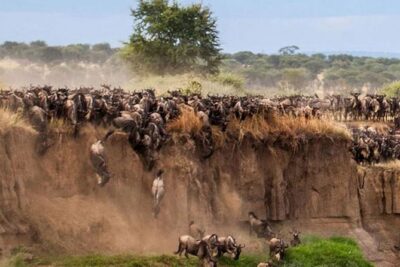
The title highlights the wildebeest migration, but timing is crucial. The supplied details do not state your travel month, and the migration is seasonal. Ask for the expected migration position before you pay if the herds are your main reason for choosing this trip. The Mara remains worthwhile outside migration season, but the experience is different.
Accommodation is described as a camp, without a named property for these nights. That is one point I would clarify in advance, especially after a poor accommodation experience in the Mara was reported. The wildlife portion can be excellent while camp quality still affects sleep, meals, and morale.
Day 4: Rhinos and birds at Lake Nakuru
After breakfast, you leave the Mara for Lake Nakuru National Park, arriving for lunch and check-in. The afternoon drive heads toward the lake, where you may see flamingos and pelicans.
Lake Nakuru adds a different setting to the safari. Along with birdlife, the park is noted for white and black rhinos, Rothschild giraffes, waterbucks, and other animals. The forest around the lake also attracts many bird species.
I like this stop because it widens the animal list beyond the usual savannah stars. Rhinos are a major draw, and the chance to see both black and white rhinos gives the day added importance. Birdwatchers should keep binoculars ready, since the lake and forest habitats bring a different mix of life.
Your visit is one afternoon rather than a full day. That makes it a useful stopover, but not a complete exploration of the park.
More hikes near Kenya:
- Private Hiking Day Trip to Mt. Longonot from Nairobi
★ 5.0 · 58 reviews - NAIROBI:Ngong Hills Day Hike,Group Tour
★ 4.9 · 26 reviews - Shimba Hills Day Safari & Sheldrick Falls Hike Private Tour
★ 4.5 · 21 reviews - Private Half Day Hike to Ngong Hills from Nairobi
★ 5.0 · 20 reviews
Day 5: Volcanic heat at Lake Bogoria
An early breakfast leads to Lake Bogoria, a six-hour visit that includes a picnic lunch. The lake is known for hot, warm, and cold springs, as well as geysers created by underground volcanic activity.
This is one of the trip’s more unusual stops. Instead of simply looking for animals from a vehicle, you get to see a geological feature up close. The practical egg test, using an egg at the hot geysers, gives the visit a playful hands-on moment. It is the sort of small detail that helps a long safari feel less repetitive.
The picnic lunch is included, and the lake entry is listed as included. Since this is an outdoor stop around hot water, follow your guide closely and do not treat the springs as harmless curiosities. The itinerary does not give a formal walking distance, so ask how much walking is expected if you have mobility concerns.
Day 6: Crossing into Uganda and reaching Jinja
After breakfast, you transfer toward the Malaba border and continue to Jinja, the town associated with the source of the Nile. The day is listed at about twelve hours, so this is a transit day first and a sightseeing day second.
At the Nile source, you have time to look around the craft markets and meet local people. Optional activities include white-water rafting and kayaking, but these are not included in the base price.
This stop offers cultural and geographic variety after several wildlife days. You are not only looking through a vehicle window. You get a chance to browse local crafts and spend time in a town known for adventure activities.
The drawback is clear: twelve hours on the road is tiring. Keep your expectations realistic, carry anything you need for the day within easy reach, and treat the Nile stop as a welcome break rather than a full Jinja program.
Day 7: Lake Bunyonyi before the forest trek
After breakfast, you drive to Lake Bunyonyi through Uganda’s southwestern highlands. The route brings lush scenery and reaches a town described as Uganda’s highest, at about 2,000 meters.
You camp at Lake Bunyonyi, described as Africa’s deepest crater lake at 900 meters. Its name means place of the little birds, and birdlife is an important part of the setting. The evening is intended for rest before the gorilla trek.
This is a smart pause in the route. Gorilla trekking can be physically demanding, and a quiet lakeside night gives you a chance to prepare. The information does not specify the exact camp facilities, so ask about bedding, bathrooms, and power if those details matter to you.
Day 8: Batwa culture, canoeing, or a slower day
You have an optional guided community walk, with a choice to visit Batwa people or go canoeing on Lake Bunyonyi. After lunch, you can visit a children’s orphanage in the local village or spend the evening at leisure.
The optional nature of this day lets you adjust the pace. If you want more cultural contact, the Batwa visit may be the most meaningful choice. If you prefer a quiet day before trekking, canoeing or simply resting may suit you better.
The Batwa visit is not included and is listed at $20 per person. A boat ride is listed at $30. Since the tour includes a cross-border trip and a demanding forest walk, I would not feel obliged to fill every hour here. Rest is a valid activity.
Day 9: Mountain gorillas in Mgahinga
The drive to Mgahinga Gorilla National Park crosses mountain country and brings you to the trip’s main event. The park is home to mountain gorillas and golden monkeys, and the gorillas are the central reason for its protection.
The trek may last much of the day and can be difficult. Good walking shoes or boots and a water bottle are specifically recommended. You will follow experienced local guides through thick mountain forest, searching for a gorilla group.
Once the gorillas are found, your viewing time is about one hour. That limit is governed by the Uganda Wildlife Authority, so the encounter is focused and carefully controlled. You may be close enough to notice the animals’ expressions and movements, but you must follow the guide’s instructions and respect the time limit.
This is not a casual wildlife drive. You are walking in mountain forest, and the exact effort varies. One person found the trek harder than expected but still worth it. That is the right way to plan: expect a demanding walk, not a guaranteed easy path.
Driver-guide David is especially worth requesting if he is available. He was praised for keeping the journey fun and safe, and for handling the Uganda portion well. The gorilla trek itself is led by local forest guides, while your safari driver supports the wider trip.
Day 10: Returning to Jinja
After breakfast, you drive back toward Jinja, stopping for lunch. Once there, you have another chance to explore the Nile source and consider white-water rafting, bungee jumping, or kayaking.
The repeated Jinja stop may feel odd at first. It appears to divide the Uganda journey and gives you another chance to use the town as an activity base. But it also adds more road time, so you should confirm the exact route and overnight arrangements before booking.
If you are keen on adventure sports, this is the place to ask about the optional choices. If you are tired after the gorilla trek, you may prefer to keep this day quiet.
Day 11: Lake Naivasha and the final night
After breakfast, you drive to Lake Naivasha, stopping for lunch along the way. On arrival, you can relax at your room or pay for an afternoon boat ride before dinner at Fisherman’s Camp, Kasuku Cottage.
The boat ride is optional and listed at $30 per person. It gives you a calmer final afternoon after the long Uganda section. If you choose not to go, resting is sensible. This itinerary asks a lot from you, and Lake Naivasha works best as a pause before Nairobi.
The accommodation is named here, unlike several earlier camps. Ask whether the room arrangement and facilities match your needs, since comfort can vary greatly during a multi-country safari.
Day 12: Return to Nairobi
Breakfast is scheduled for 8:00 am, with pickup by your driver-guide at 8:30 am. You drive to Nairobi, have lunch en route, and finish there.
The end point is Nairobi, not the airport. If you are flying out the same day, leave a wide time cushion. The trip information does not provide a final arrival time, and road conditions can affect the transfer.
What is included, and what you still pay
The package includes breakfast each day, ten dinners, and eleven lunches, along with park fees and game drives listed in the schedule. Gorilla entrance fees are also included, which is one of the tour’s most important financial advantages.
You also receive airport pickup and drop-off transfers, government taxes, a guaranteed window seat, unlimited bottled mineral water during game drives, and a private 4×4 Toyota Hiace minivan equipped with safety supplies.
Budget separately for:
- International flights and departure taxes
- Tips for your driver-guide
- Alcoholic and non-alcoholic drinks
- Laundry
- Optional activities
- A $470 per-person balloon ride
- A $20 village visit
- A $30 boat ride
The wording says water is provided in the minivan during game drives. Bring your own preferred drinks for long transfers unless the operator confirms otherwise.
Who should book this 12-day route
I would recommend this safari to you if gorillas are a top goal and you also want a strong Kenya wildlife program. It suits someone who enjoys variety, accepts long road journeys, and prefers a private group rather than a large scheduled departure.
It is less suitable if you want slow mornings, luxury lodges, or a tightly focused migration trip. The route covers Kenya and Uganda, so you spend meaningful time in the vehicle. It also includes optional cultural and adventure activities rather than building every cost into the base price.
The cancellation terms are strict close to departure: six or more full days before the start gives a full refund, two to six days gives 50 percent, and cancellation within two days is nonrefundable. Poor weather can lead to a different date or a full refund.
Final verdict: book it for gorillas, not for a leisurely safari
This is a bold, high-mileage safari with a powerful payoff. The Maasai Mara offers two full wildlife days, Lake Nakuru adds rhinos and birds, Lake Bogoria brings volcanic springs, and Uganda provides the mountain gorilla encounter that can justify the whole trip.
I would book it if the gorilla trek is your priority and you are prepared for long drives. I would first ask for the travel dates, expected migration conditions, camp names, group size, and the precise Uganda driving plan. If the answers are clear, the included gorilla fee, park costs, meals, transfers, and private vehicle make the $4,150 price easier to defend.
FAQ
How long is the safari?
The safari lasts approximately twelve days, beginning with airport pickup and ending in Nairobi.
Where does the tour begin?
You are picked up at the airport on arrival and taken to the 67 Airport Hotel for a briefing and overnight stay.
Where does the tour end?
The tour ends in Nairobi after breakfast, an 8:30 am pickup, and lunch during the drive.
Is gorilla trekking included?
Yes. Gorilla park entrance fees are included in the tour price. The trek takes place in Mgahinga Gorilla National Park.
How long can you watch the gorillas?
Once the gorillas are located, viewing time is about one hour under Uganda Wildlife Authority rules.
Is the gorilla trek difficult?
The trek can be demanding and may last much of the day. Good walking shoes or boots and a water bottle are recommended.
Are meals included?
Breakfast, dinner, and lunch are included according to the schedule. Alcoholic and non-alcoholic beverages are not included.
What optional activities cost extra?
The listed optional costs are $470 per person for a balloon ride, $20 per person for a village visit, and $30 per person for a boat ride. White-water rafting, kayaking, and bungee jumping are also optional, but no prices are provided.
Is the tour private?
Yes. Only your group participates. Every passenger is guaranteed a window seat in the 4×4 Toyota Hiace minivan.
More Safari in Kenya
- Safari Tour; Nairobi National Park
★ 4.5 · 594 reviews - Half-Day Nairobi National Park Safari from Nairobi with Free Pickup
★ 4.5 · 264 reviews - 3 Days Gamedrive Safari In Masai Mara From Nairobi
★ 5.0 · 207 reviews - From Nairobi: 3 – Days Maasai Mara Group Safari by 4WD
★ 4.6 · 205 reviews
Just added around Kenya
- Watamu: Sunset Mangrove Canoe Tour with Coconut Drink★ 3.6 · 8 reviews
- Tsavo East and Tsavo West Sanctuary Safari★ 5.0 · 3 reviews
- Tsavo East National Park: 2-Day Tour from Mombasa★ 3.9 · 5 reviews
- Visit kibera Slum the chocolate city★ 4.8 · 3 reviews
- Agro-Tourism Tea Workshop in Nandi Hills★ 5.0 · 3 reviews
- Lake Nakuru NP Half-Day Safari★ 4.0 · 4 reviews
- 3 days Maasai Mara safari from Nairobi★ 5.0 · 3 reviews
- Lake Nakuru Day Trip Safari – & Optional Lake Naivasha Boat★ 5.0 · 5 reviews
Maasai Mara Safaris, compared.
5 Days Masai Mara, Lake Nakuru & Naivasha Budget Joining Safari
Read our review →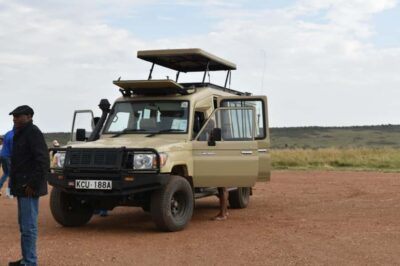
3 days group joining safari to Maasai Mara with a Land Cruiser Jeep
Read our review →
4 Days Safari Lake Nakuru NP Naivasha and Masai Mara
Read our review →Browse the lists this tour appears in