
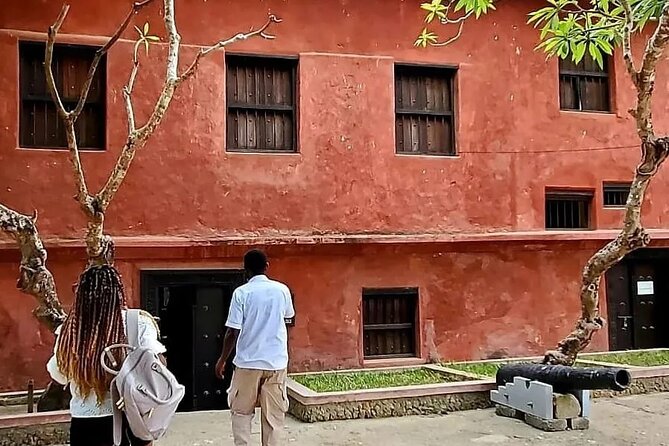
Reviewed · CITY TOURS
Mombasa City Tour
Mombasa’s past comes alive in its streets, not just behind museum walls. This private tour links Fort Jesus, Old Town, ethnic neighborhoods, and the spice market while your guide explains the Arab, Portuguese, and Swahili forces that shaped the coast.
I like the choice of focus: you can lean toward history, culture, or food. I also like the small private format, plus useful local advice on where to eat and drink. The main caution is to confirm your language, pickup, and transport details in advance. One French-language booking led to confusion, including a request for the guest to pay for a tuk-tuk ride.
Key points to know
- Fort Jesus anchors the tour: Visit the famous coastal fort and learn how Arab and Portuguese powers competed for control of East African trade routes.
- Old Town is explored on foot: Expect Swahili and Arab cultural details in the streets, neighborhoods, and daily life around the fort.
- The spice market is a sensory stop: Talk with stallholders, smell the spices, and see a working market rather than only a polished attraction.
- Private touring gives you flexibility: Your group alone takes part, with cultural, historical, or food-based interests possible.
- The start is set for 9 a.m.: Morning timing helps avoid the strongest heat, though Mombasa can still feel hot during a four-hour walk.
- Local advice adds value: Your guide can point you toward places to eat and drink after the tour.
Why Mombasa makes sense on foot
Mombasa is best understood as a meeting place. Arab traders, Portuguese forces, Swahili communities, and later colonial powers all left marks on the city. You see that mixture in the buildings, food, markets, language, and street life.
A walking tour works well here because the main sights are tied closely to one another. Fort Jesus gives you the political and military story. Old Town gives you the human side, with narrow streets, local businesses, and cultural traditions. The market adds taste and scent to what could otherwise become a dry history lesson.
I like this approach for a first day in Mombasa. You get a basic map of the city and learn how different parts connect. You also have a chance to ask the guide practical questions that a museum label cannot answer, such as where to eat, what foods to try, and how modern life fits into the city’s older traditions.
The tour lasts about two to four hours, with the half-day version listed at four hours. That is enough time to see the main stops without giving up an entire day at the coast. Still, the pace depends on your guide, walking speed, market conversations, and how much time you spend inside Fort Jesus.
More City Tours in Mombasa
- Mombasa City Tour
★ 5.0 · 170 reviews - Mombasa: Tusks, Fort Jesus, Old Town, Beach and City Tour
★ 4.7 · 137 reviews - Mombasa: Private City Tour with Fort Jesus & Haller Park
★ 4.6 · 24 reviews
Starting at 9 a.m. before the heat builds
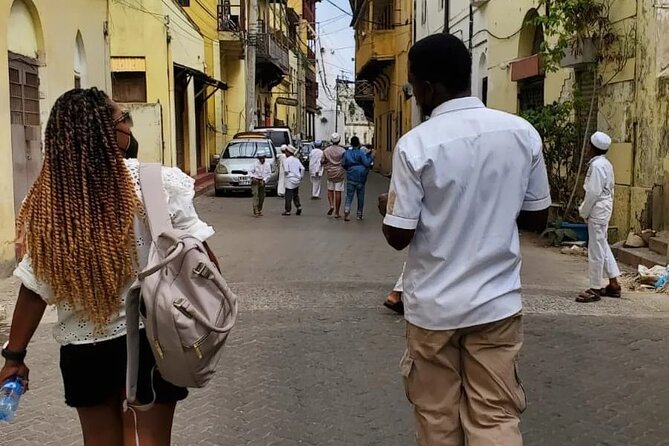
The tour begins at 9 a.m. in Mombasa. An early start is sensible, since much of the experience takes place outside and the city can become uncomfortable during the middle of the day.
Pickup is offered, and private transportation is included. The stated end point is Waterfront Stadium near the ferry and port area. Because the meeting and ending details involve different parts of the city, I would confirm the exact pickup location before setting out, especially if you are staying outside central Mombasa.
This matters even more if you have booked a particular language. One French-language booking resulted in a late arrival and difficulty locating a French-speaking guide. The guest was also asked to pay for a tuk-tuk from the Muslim quarter to the Avenue of the Tusks. That is not a small detail when the tour price already includes transportation.
You should ask three simple questions before the morning begins: Who is the guide, what language will the tour use, and which transfers are included? Clear answers help prevent the sort of confusion that can sour an otherwise good city walk.
Fort Jesus and the struggle for the coast
Fort Jesus is the main historical stop. Admission is included, so you do not need to budget a separate entrance fee for the museum.
The fort provides a firm starting point for understanding Mombasa. The tour explains the Portuguese and Arab struggle for control of trade routes along the East African coast. That story is not limited to military walls. It connects Mombasa to commerce, shipping, religion, and the wider Indian Ocean world.
I find Fort Jesus most useful when a guide explains what happened around the structure, not only what happened inside it. Look for the way the fort relates to the harbor and the old trading city. Its location helps explain why outside powers wanted control of Mombasa in the first place.
The stop is also a good test of the guide’s style. A strong guide should connect dates and rulers to the people who lived with those changes. The experience promises storytelling about life in Kenya before and after colonial rule, so use the visit to ask how political control affected local communities, trade, and daily customs.
You should allow enough time to look around rather than treating the fort as a quick photo stop. The full tour is only about four hours, so the guide may need to keep the group moving. If military history is your main interest, tell the guide early so the historical portion receives the attention you want.
Old Town’s Swahili and Arab character
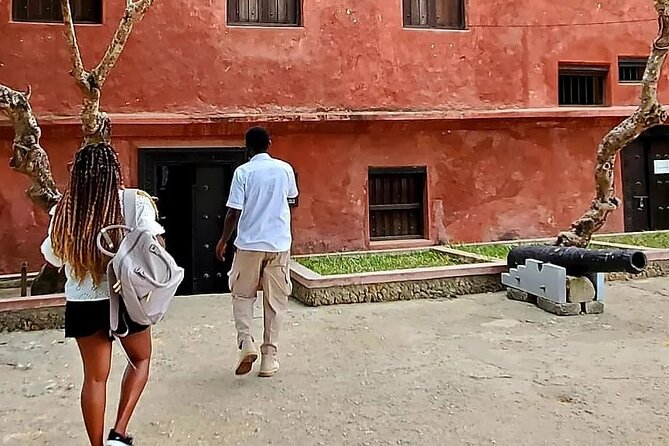
After Fort Jesus, the walk continues through Old Town and nearby neighborhoods. Here the focus shifts from formal history to culture you can see in the streets.
The tour highlights Swahili and Arab influences. You may notice these in the layout of the neighborhood, the buildings, religious connections, food traditions, and the mix of communities that gives Mombasa its character. The guide’s job is to help you read those details without reducing the area to a collection of picturesque façades.
This is where a local guide can add real value. One guide named Eric was specifically praised for explaining the city and the different communities connected with both the old and new towns. That kind of personal interpretation helps you understand why one neighborhood feels different from another.
I like the chance to walk and talk rather than sit in a vehicle while the guide points through a window. Walking lets you pause, notice small details, and ask questions as they arise. It also makes the tour more personal, since the guide can adjust the conversation to your interests.
There is a practical side to this. Old Town streets can be busy, and walking on uneven or crowded routes may take more energy than a sightseeing drive. The information says most people can participate, but anyone with limited stamina should discuss the pace and transport arrangements ahead of time.
A few more Mombasa days to weigh up
- Walking Tour Through Old Town Mombasa and Fort Jesus
★ 5.0 · 393 reviews - Mombasa: Kisite Park Private Cruise with Breakfast and Lunch
★ 4.7 · 181 reviews - Half-Day Scenic Bike Tour
★ 5.0 · 75 reviews - 2 Days Tsavo East National Park Tour From Mombasa/Diani (1 Night)
★ 5.0 · 50 reviews
The spice market as a living classroom
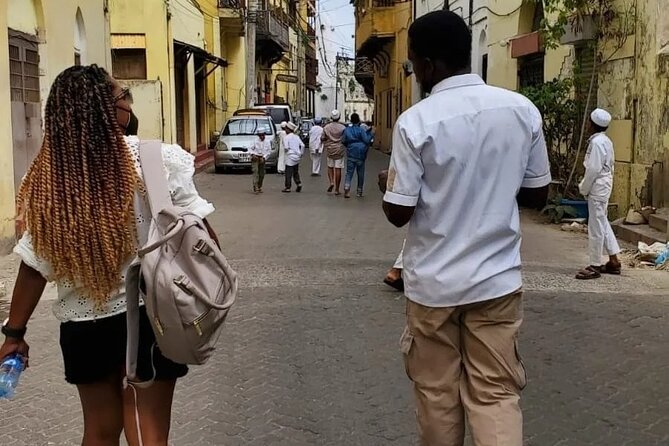
The spice market is the tour’s most sensory stop. You are not simply shown a shelf of packaged souvenirs. You can speak with stallholders, smell the spices, and take in the atmosphere of a working market.
That contact gives the market purpose. Spices are part of Mombasa’s food culture and its long trading connections, so the stop ties together the coastal economy, local cooking, and the city’s links with other regions.
I would use this part of the tour to ask the guide what local foods use the spices you see. You can also ask for suggestions on where to eat afterward. Food advice is one of the stated benefits of the tour, and it may be more useful than a generic restaurant list because it follows a conversation about your budget and tastes.
The market also requires a little common sense. Keep your belongings secure, ask before photographing people or stalls, and treat conversations with sellers as real exchanges rather than staged entertainment. If you buy something, ask about the price clearly before handing over money.
The market may be brief if the group spends longer at Fort Jesus. If food is your chief reason for booking, say so at the start and ask for enough time among the stalls. The route can be adjusted toward a foodie experience, but the exact balance is not fixed.
A private tour that can follow your interests
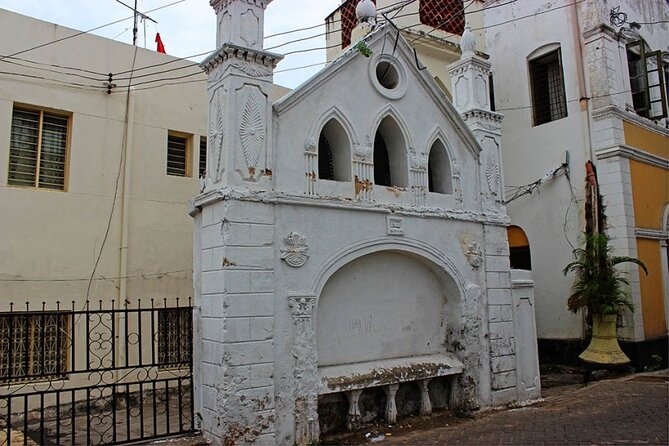
Only your group takes part, which is one of the strongest features here. A private tour costs $130 per person, so the value depends heavily on the size of your group and how much you care about flexibility.
For one person or a couple, the price is a serious expense for four hours. You are paying for a local guide, private transportation, included fees and taxes, and the ability to shape the conversation. It can make sense if you have limited time in Mombasa or want a guide focused on your own questions.
For a larger private group, the cost may feel more reasonable because the guide and transport serve several people. The format is also useful for families or friends who do not want to match the pace of strangers.
The biggest benefit is not speed. It is control. You can request more time for history, more attention to local culture, or more food advice. You can also ask the guide to explain the difference between older districts and newer parts of town, a subject that helped make Eric’s guiding particularly effective.
Lunch and breakfast are not included. Plan to eat before the start or after the tour, and remember that any extra food or drink comes from your own budget. The guide’s dining suggestions can help you decide what to do next, but they do not replace a meal included in the booking.
What the ratings tell you, and what they do not
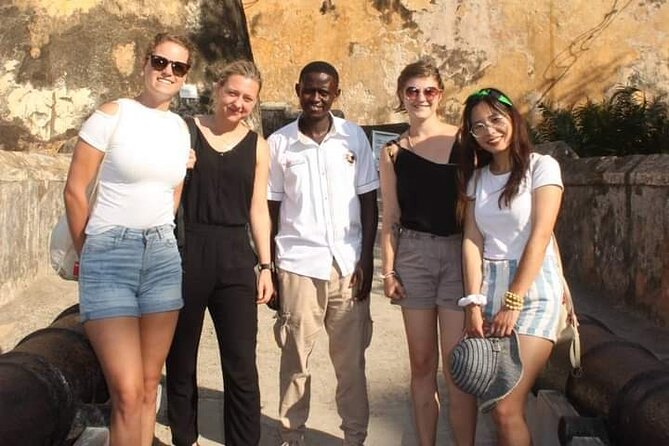
The experience has a 4.8 rating from 14 reviews, with 93 percent recommending it. That is a strong result, and the most specific praise centers on the guide’s ability to explain Mombasa’s communities and make the walk feel informative rather than mechanical.
The positive experience linked to Eric is worth noting because it points to the tour’s real strength: conversation. The best part may be the chance to ask about the people and neighborhoods you pass, not simply to collect photographs of Fort Jesus.
The lower score identifies a practical weakness rather than a complaint about the sights. Language arrangements and transport can become unclear if the guide is late or the wrong guide is waiting. I would not ignore that warning simply because the overall rating is high.
The lesson is easy: confirm the operational details. Ask for the guide’s name, the agreed language, the pickup point, and whether every transfer is covered. If a tuk-tuk or other local ride might be needed, settle that before departure.
The free cancellation policy also gives you some breathing room. You can cancel for a full refund up to 24 hours before the experience starts. Changes or cancellations inside that 24-hour period are not accepted for a refund, and the cutoff uses local Mombasa time.
Who will get the most from this Mombasa walk
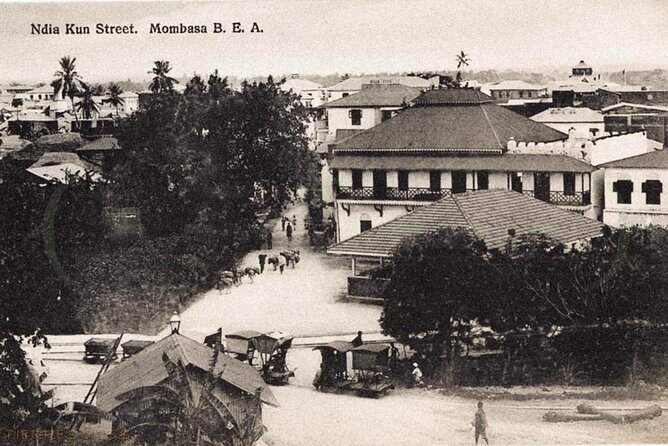
I would choose this tour if you want a compact introduction to the city rather than a full-day excursion. It suits first-time visitors, people with a short stay, and anyone who prefers a guide-led walk to exploring Fort Jesus and Old Town alone.
It is especially useful if you want context. The route brings together Arab, Portuguese, and Swahili influences, then connects those older forces with life in Kenya before and after colonial rule.
Food-minded visitors should also consider it, provided they make that priority clear. The market visit and local tips on eating and drinking can help shape the rest of your stay.
This is less ideal if you dislike walking, want a completely fixed schedule, or expect lunch and shopping costs to be covered. It may also disappoint if you book a specific language without confirming that the right guide is available.
The private format is a good fit for families, couples, and small groups who want to stop for questions. It also lets you avoid a one-size-fits-all route, although flexibility is only useful if you discuss your preferences at the start.
Should you book the Mombasa City Tour?
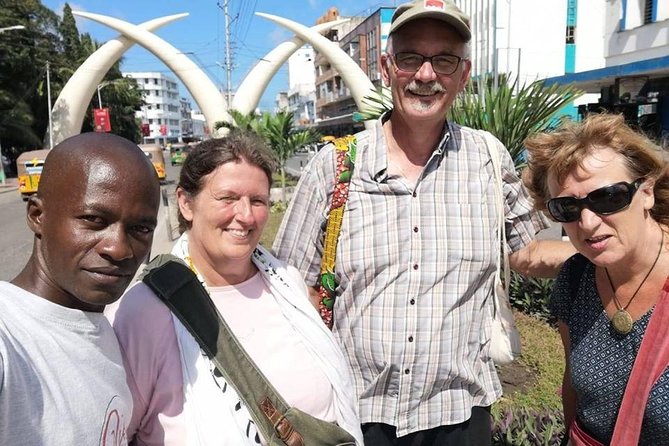
Book it if you want Fort Jesus, Old Town, the spice market, and a local explanation of Mombasa’s cultural mix in one morning. The combination is efficient, and the private format gives you a better chance of shaping the experience around history, culture, or food.
At $130 per person, I see the best value for groups, visitors with limited time, and people who place a high value on a private guide and transport. Solo visitors and couples should compare that cost with other sightseeing options.
Before paying, confirm the guide’s language, exact pickup, and all transport arrangements. If those details are clear, this is a practical way to get your bearings in Mombasa while leaving the afternoon free for your own plans.
FAQ
How long does the Mombasa City Tour last?
The experience lasts about two to four hours. The half-day version is listed as four hours.
What time does the tour start?
The stated start time is 9:00 a.m. The morning schedule is intended to help avoid the highest daytime temperatures.
Is Fort Jesus included?
Yes. The tour visits Fort Jesus Museum, and admission is included.
Is transportation provided?
Private transportation is included, and pickup is offered. The stated end point is Waterfront Stadium near the ferry and port area.
Is this a private tour?
Yes. Only your group takes part in the activity.
Is lunch included?
No. Lunch and breakfast are not included.
Can the tour be adapted to my interests?
Yes. Cultural, historical, and foodie versions can be arranged. You can also ask the guide for suggestions on where to eat and drink in Mombasa.
What is the cancellation policy?
You can cancel up to 24 hours before the start time for a full refund. Cancellations or changes made less than 24 hours before the start are not accepted for a refund.
Just added around Mombasa
- Tsavo East National Park: 2-Day Tour from Mombasa★ 3.9 · 5 reviews
- 1-Day Tsavo East Safari From Mombasa★ 5.0 · 3 reviews
- 4-Day Tsavo East West and Amboseli National Park from Mombasa★ 4.0 · 5 reviews
- Fort Jesus Sound and Light show Mombasa★ 4.0 · 17 reviews
- 4 Days Mount Kenya Trekking★ 5.0 · 6 reviews
- 4×4 Safari in Tsavo East National Park★ 5.0 · 4 reviews
- 2 Days Salt Lick Safari Tour★ 4.5 · 3 reviews
- Swahili Street Food Tour★ 5.0 · 7 reviews
City Tours, compared.
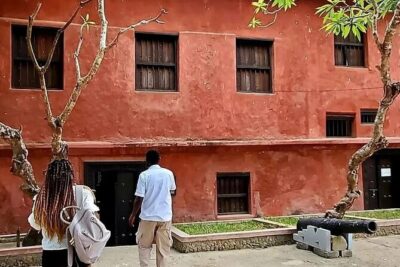
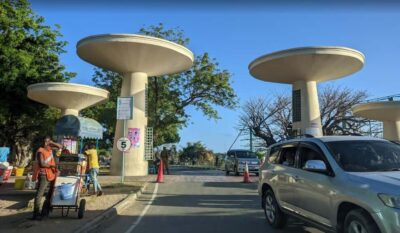
Tusks, Fort Jesus, Old Town, Beach and City Tour
Read our review →
Nairobi City Walking Tour with Traditional Kenyan Lunch
Read our review →
Nairobi Cultural and Historical City Tour with a Local
Read our review →
Private City Tour with Fort Jesus & Haller Park
Read our review →Browse the lists this tour appears in