
Reviewed · MAASAI VILLAGE VISITS
Maasai Village Experience Day Tour
The heart of this day is not a quick roadside photo stop. You spend time with a Maasai family, try beadwork, milk a goat, cook ugali, learn a few words, and join in singing and dancing. On Mondays and Fridays, the nearby livestock market adds a lively look at local trade.
I like the hands-on activities, which give you something to do instead of simply watching. I also like the long drive through Kajiado, where you see herders, goats, donkeys, cows, schools, and everyday town life. Guides Simon, Sharon, and Dennis have earned especially warm praise for their humor, patience, and clear explanations.
The main drawback is the distance. The village is about 2.5 hours from Nairobi each way, and the day can run six to eight hours. There is no bathroom at the village, lunch is not included, and the market is smaller on some days than you might expect.
Key points to know before you go
- Monday or Friday adds a livestock market: See goats, cattle, Maasai beadwork, herbs, and clothing being traded in Bisil.
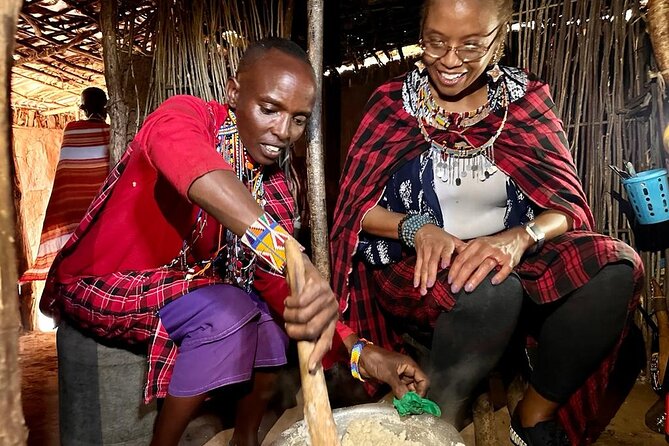
- You take part in village work: Try milking a goat, cooking ugali, making beadwork, preparing a fire, and herding animals.
- The drive is part of the tour: Kajiado’s wide plains and moving herds give you a useful view of life beyond Nairobi.
- Simon, Sharon, and Dennis are praised guides: They help explain customs, teach simple Maasai words, and keep the long drive interesting.
- Pack for a practical day: Wear modest clothing and closed shoes, carry snacks and money, and use the bathroom during the road stops.
- The tour offers hotel and airport pickup: Air conditioning, Wi-Fi, bottled water, and entry fees are included in the $100 price.
Leaving Nairobi for the Kajiado plains

Pickup begins around 8 a.m. from a Nairobi hotel or the airport. The exact pickup details are sent the night before, so keep an eye on your messages and allow a little flexibility in your morning plans.
You travel in an air-conditioned vehicle with bottled water and Wi-Fi on board. Those are small comforts, but they matter on a drive that takes about 2.5 hours each way. The vehicle gives you shade and a place to rest while the view changes from the capital to open country.
The road passes through Kajiado, the first major town outside the Nairobi metropolitan area. Maasai people make up much of the local population, but this is not a preserved set piece. You see ordinary economic activity alongside the traditional scenes: shops, traffic, animals, people moving about, and local businesses.
Look out for goats, donkeys, and cattle along the way. You may also see Maasai herders moving animals in search of pasture, women carrying firewood, and broad stretches of grassland and hills. The scenery helps put the village visit in context. You are not being whisked from an airport straight into a staged cultural display. You are seeing the region where these communities live and work.
Guides such as Simon and Dennis are particularly useful here. The trip gives them time to explain Maasai customs, Kenyan society, and what you will encounter at the village. Simon has been praised for making the drive pass quickly, arranging clean bathroom stops, and explaining what is expected before you meet the family.
More Maasai village visits:
- Nairobi: Day Tour to Amboseli National Park & Maasai Village
★ 4.5 · 310 reviews - Masai village Day Tour Experience
★ 5.0 · 284 reviews - From Nairobi: Maasai Village Experience Day Tour
★ 4.9 · 70 reviews
Bisil livestock market on Monday or Friday
If your trip falls on a Monday or Friday, the first major stop is Bisil’s livestock market. This is the best reason to choose one of those two days if your schedule allows.
The market centers on animals for sale, especially goats and cattle. Maasai beadwork, herbs, clothing, and other goods are also traded. You get a look at buying and selling as part of daily life, not as a performance arranged for visitors.
Bring cash if you want souvenirs, but do not feel pressured to buy. The market is also a good place for photography, although you should be thoughtful and respectful when pointing a camera at people. Professional cameras and commercial photography are not permitted on this tour.
Keep your expectations sensible. The market may not fill a huge town square or offer rows of craft stalls. At times, it can be mainly a livestock market with only a small number of other vendors. That is part of its appeal, but it may disappoint you if you expect a large tourist market.
Allow about an hour here. The setting can feel busy and unfamiliar, so stay aware of your belongings and listen to your guide. The value of this stop is not in buying a perfect souvenir. It is in seeing animals, goods, and local commerce move through a regional town.
Meeting a Maasai family at the village
The village visit lasts about three hours and is the main reason to book the tour. Rather than only hearing a talk about Maasai life, you take part in a series of simple activities with village members.
You may begin by learning a few Maasai words. This is a useful courtesy, and it gives you a respectful way to greet people before the activities begin. Your guide can help with pronunciation and explain the setting, responsibilities, and customs you are seeing.
You also enter a manyatta, a traditional Maasai homestead. The village may be smaller than you imagine, often involving one or two families rather than a large settlement. That scale can make the meeting feel more personal, but it also means this is not a full-day study of every part of Maasai society.
The activities are practical:
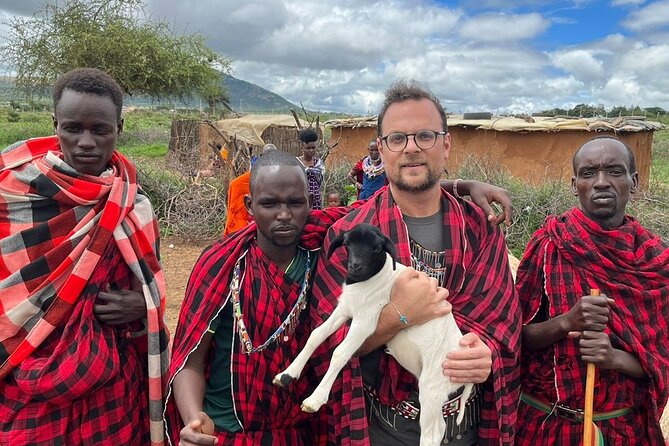
- Milk a goat and handle young goats.
- Help prepare and cook a basic meal, including ugali.
- Learn simple beadwork and make a small piece of jewelry.
- Watch or take part in making a fire.
- Try basic herding activities.
- Dress in traditional clothing and jewelry for part of the visit.
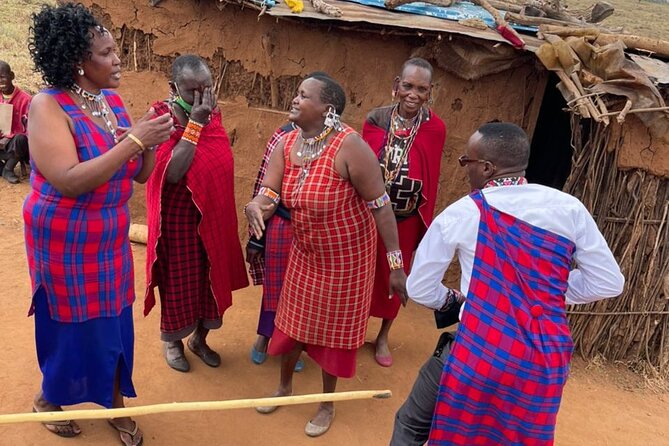
- Sing and dance with members of the village.
The clothing and jewelry are part of the welcome and the activity, not a replacement for conversation. You can ask questions about daily responsibilities, food, work, family life, and the way the community is organized. Keep your questions polite and remember that you are entering someone’s home and workplace.
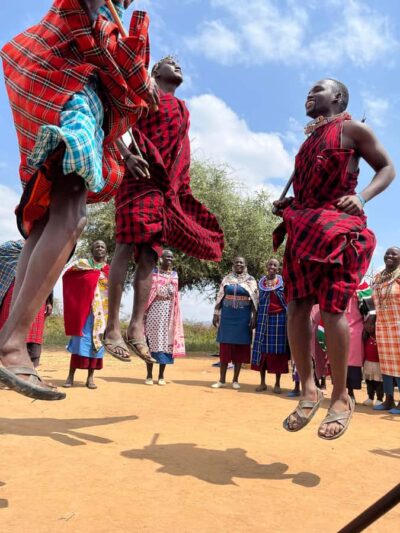
The singing and dancing are often the emotional high point of the day. You are not expected to perform perfectly. Join in, follow the rhythm, and accept that your contribution may be more enthusiastic than graceful. That is part of the fun.
I especially value the cooking and beadwork because they slow the visit down. You are using your hands and learning by doing. A short dance performance can be memorable, but helping prepare food or shape a beadwork item gives you a better sense of how daily tasks are shared.
The village has no bathroom. Use the facilities at the road stops, and do not wait until you arrive if you can avoid it. This is one of the most useful practical details to plan for.
Kitengela stop for a needed break
On the return journey, the vehicle stops at Kitengela Mall for about 20 minutes. You can use the bathroom, buy snacks, tea, coffee, or lunch, or visit an ATM.
Lunch is not included, and the overall schedule may not provide a long formal meal break. I would carry a snack from Nairobi, then use the mall stop to buy anything else you need. The bottled water in the vehicle is included, but extra food and drinks are your responsibility.
This stop also gives you a chance to stretch after the drive. Twenty minutes is enough for a quick break, but not for a leisurely meal. If you are in a group, be ready to return to the vehicle on time.
A few more Nairobi days to weigh up
- Nairobi National Park Half-Day Tour; Free Wi-Fi connection
★ 5.0 · 878 reviews - Nairobi: National Park & Optional Elephants & Giraffe Center
★ 4.8 · 874 reviews - NAI NAMI: Nairobi Storytelling Tour with Street Children
★ 5.0 · 792 reviews - Nairobi National Park Half-Day Game Drive
★ 4.5 · 738 reviews
Ilbisil school visit and donations
The tour passes through a local primary school in Ilbisil for about 20 minutes. You can see school activity and leave donations if you choose.
Suggested donations include clothes, school supplies, children’s toys, teaching aids, food items, cooking oil, maize flour, and dry grains. You should only bring what you can offer comfortably. Carrying a small useful item from home may be easier than trying to buy something at the last minute.
You can also carry money for donations or souvenirs. Since the tour includes a direct visit to a community, think about practical goods rather than novelty items. Ask the guide where and how to hand over anything you bring so the donation reaches the intended people.
The school stop is brief, so it will not provide a detailed look at Kenya’s education system. Its value is more modest: you see another part of local life and have a chance to support a community project.
How much value do you get for $100?

At $100 per person, this is not the cheapest way to spend a day outside Nairobi. The price includes hotel or airport pickup, an air-conditioned vehicle, bottled water, Wi-Fi, admission charges, and a guide. Those inclusions matter because transport is the major practical challenge on this route.
You are also paying for a full day of logistics. The operator handles the long drive, road stops, village access, market timing, and introductions. A cheaper private ride might get you toward Kajiado, but it would not necessarily arrange the family visit or provide the cultural explanation that makes the day worthwhile.
The tour accepts group discounts, and the maximum group size is 50. That upper limit is worth noting. A large group can make activities less personal and may require patience at the village, especially when everyone wants a turn at cooking, beadwork, or photographs.
The experience is strongest for someone who values access and participation more than polished comfort. It is not a luxury outing, and it does not include lunch. If you want a short, highly organized attraction close to Nairobi, the drive may feel too long. If you want to meet a community and try ordinary tasks, the price is reasonable.
Guides make a major difference
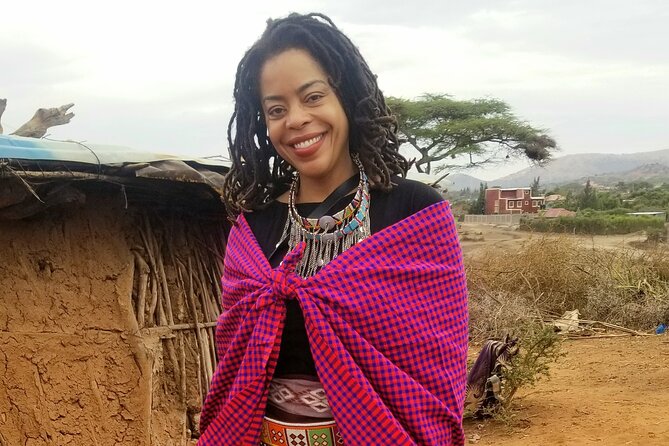
The guide can shape the day, especially during the two long drives and the village introduction. Simon is repeatedly singled out for being lively, patient, clear in English, and helpful with photographs. He has also guided solo women comfortably through the experience and helped explain what to expect at each stage.
Dennis is praised for his humor, friendly manner, and commitment to supporting local villages and Maasai traditions. Sharon has been described as attentive and helpful, including when assisting with photographs and learning the activities.
Specific guides may depend on the date, so do not assume you will receive one particular person. Still, the repeated praise for these guides tells you what to value: clear communication, respect for the host family, help with cultural questions, and practical care during the long road journey.
Photography is allowed for personal use, but professional cameras and commercial photography are not allowed. Guides may help take photographs and videos for you, but ask before photographing people or entering a home. A good picture is never more important than someone’s comfort.
Who will enjoy this day most?
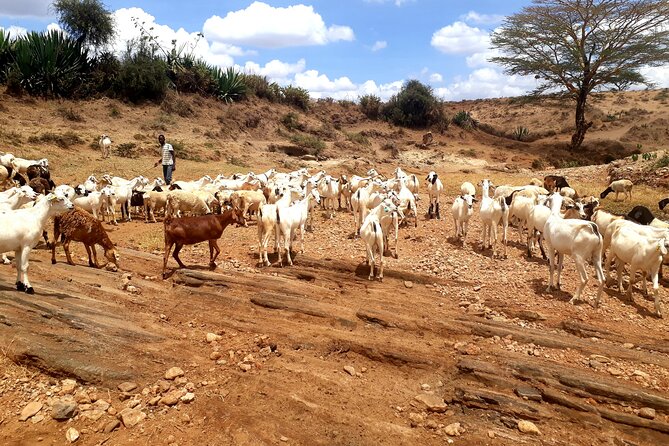
I would choose this tour if you want direct contact, simple activities, and a clearer view of life outside Nairobi. It suits solo visitors, couples, families, and small groups who are comfortable with a long drive and an informal schedule.
It is also a strong choice if you have already seen Maasai dancers at a safari lodge and want more time for conversation and participation. The village visit goes beyond a short welcome show by including food preparation, beadwork, animal care, and time inside a manyatta.
You should think twice if you need a short transfer, a guaranteed large market, a formal lunch, or modern facilities at every stop. The village is basic, the market may be modest, and traffic can delay your return. The operator aims to reach Nairobi before 4 p.m., but bathroom stops, meals, traffic, and group timing can push the schedule later.
Dress modestly, preferably in pants, and cover up for the village visit. Closed shoes are the safest choice for walking around animals and uneven ground. Carry sunscreen, a snack, cash, and only the personal items you need.
The tour is described as safe, and most people can participate. You should still follow the guide’s instructions around animals and during market activity. The experience requires decent weather. If poor weather cancels it, you can accept another date or receive a full refund.
Should you book the Maasai Village Experience?
Book it if you want a hands-on cultural day and can accept five hours of road time. The strongest parts are the welcoming family visit, the chance to help with everyday tasks, and the added livestock market on Monday or Friday.
Skip it if you are looking for a quick attraction, a big craft market, or a polished meal. For everyone else, this offers a useful and memorable way to connect Nairobi with the wider Kajiado region. Choose a Monday or Friday, bring a snack, dress respectfully, and leave room in your schedule for the road.
FAQ
How long does the Maasai Village Experience Day Tour last?
The tour lasts approximately 6 to 8 hours. The drive from Nairobi to the village takes about 2.5 hours each way, and the operator tries to return to Nairobi before 4 p.m.
What time does the tour start?
The tour starts at 8:00 a.m. Pickup is offered from Nairobi hotels or the airport, with exact pickup details provided the night before.
Can I visit the livestock market?
You can visit the Bisil livestock market if you take the tour on a Monday or Friday. The market includes animals for sale, along with some Maasai beadwork, herbs, and clothing.
Is lunch included?
No. Lunch is not included. The tour stops at Kitengela Mall for about 20 minutes, where you can buy snacks, tea, coffee, or lunch. Bringing a snack is a good idea.
Is there a bathroom at the Maasai village?
No. There is no bathroom at the village. The tour makes two bathroom stops during the journey, including a stop at Kitengela Mall.
What happens if I need to cancel?
You can cancel at least 24 hours before the local start time for a full refund. Cancellations or changes made less than 24 hours before the start are not accepted, and poor weather may lead to a different date or a full refund.
Just added around Nairobi
- Visit kibera Slum the chocolate city★ 4.8 · 3 reviews
- 4 Days Safari to Lake Nakuru N/P and Maasai Mara N/R★ 5.0 · 18 reviews
- Maasai Mara Day Trip★ 5.0 · 15 reviews
- 3 days maasai mara migration safari★ 4.5 · 7 reviews
- 4 Days Tour Landcruiser in Masai Mara and Lake Nakuru★ 5.0 · 10 reviews
- Kibera Slum Tour with a Local★ 5.0 · 15 reviews
- Wildebeest Migration in Masai Mara and Sightseeing 4 Days Tour★ 4.5 · 6 reviews
- Day Tour to Nairobi national park, Elephants, and Giraffe Center★ 3.5 · 8 reviews
Maasai Village Visits, compared.

Day Tour to Amboseli National Park & Maasai Village
Read our review →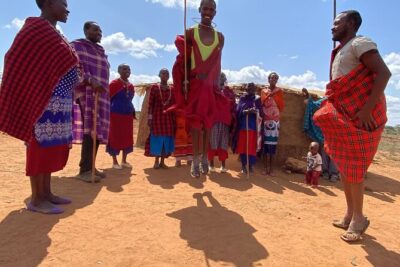

Day Trip: Amboseli National Park & Maasai Village – Nairobi
Read our review →
Day Trip to Maasai Mara Reserve & Maasai village
Read our review →
3days/2nights group joining Masai Mara with Masai Village Visit
Read our review →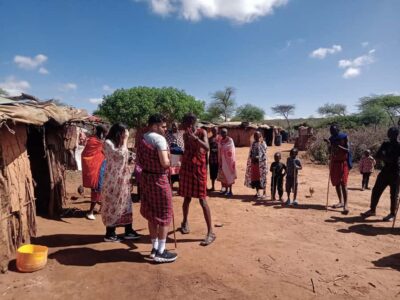
Maasai Village Visit with Traditional Dance Show
Read our review →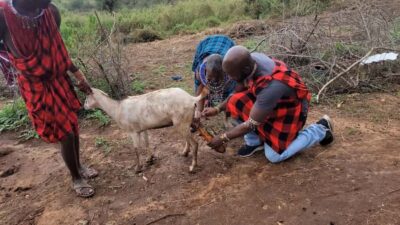
Browse the lists this tour appears in