
Reviewed · WATAMU TOURS
Watamu: Learn Kenyan Cusine with Jonathan
Watamu’s most personal food experience starts with a simple idea: cook the meal yourself, then sit down and eat it together. Jonathan teaches you to prepare ugali, chapati, and samosas, either at his village or at your own house or resort. This is less a restaurant meal than a short visit into everyday Kenyan cooking.
I like the private format, which lets Jonathan adjust the class for your group of up to 10 people. I also like the choice of setting: his village gives you a more local visit, while your accommodation is easier if you have children, mobility needs, or limited time. The main consideration is the short two-hour schedule. You will learn several dishes, but this is an introduction rather than a long culinary course.
Key points to know before booking
- Jonathan leads the class: You cook alongside a professional cook, with English, Italian, and Swahili available.
- Three Kenyan dishes: The class covers ugali, chapati, and samosas, with spinach also served during one reported meal.
- Choose your setting: Go to Jonathan’s village or arrange the class at your house or resort in Watamu.
- Pickup is included: Private transfer is part of the experience, making the village option easier to arrange.
- Private groups only: The class accepts groups of up to 10 people, with no shared tour group listed.
- Good value at $23 per person: The price includes instruction, cooking materials, and private transfer.
Cooking Kenyan food with Jonathan
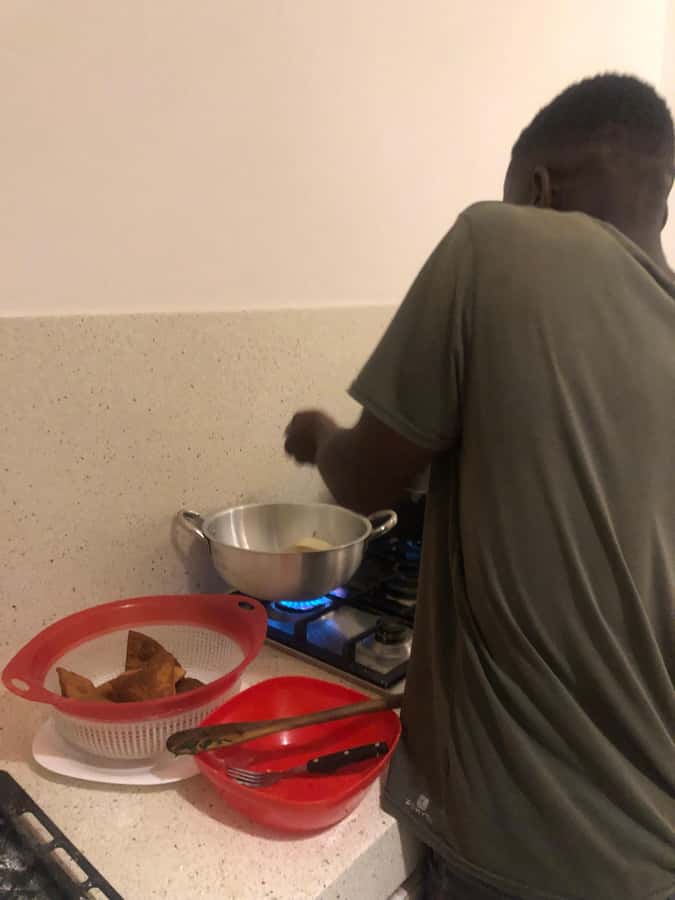
Jonathan’s class focuses on dishes you are likely to remember because you take part in every stage. You do not simply watch food arrive at the table. You help make ugali from scratch, work on chapati, and prepare samosas before eating the finished food together.
That matters because Kenyan cooking is often about method as much as ingredients. Ugali looks plain on the plate, but learning how it is made gives you a better sense of its place in a Kenyan meal. Chapati requires a different set of skills, and samosas add another practical task to the session.
The class is led by Jonathan, described as a professional cook. The available languages are English, Italian, and Swahili, so you can choose the language that makes kitchen instructions easiest for you. For a hands-on class, that is useful. Cooking moves quickly, and clear directions matter more than formal commentary.
You can expect a friendly, social setting rather than a silent demonstration. Several published comments describe Jonathan as kind, funny, and welcoming, with particular praise for the way he teaches and includes his family. One French-speaking participant found that the language difference did not prevent a good experience, though you should still tell Jonathan your preferred language when arranging the class.
More days out around Watamu:
- Watamu Marine Park & Sudi Island Mangrove Forest Canoe Ride.With sea food lunch
★ 4.5 · 31 reviews - WATAMU: MALINDI: SARDEGNA ISLAND & MALINDI MARINE PARK
★ 4.5 · 9 reviews - Watamu: Sunset Mangrove Canoe Tour with Coconut Drink
★ 3.6 · 8 reviews
The village option and what it adds
If you choose the village, Jonathan picks you up and brings you there for the lesson. The village setting gives the class a stronger connection to local life than a cooking lesson held in a resort kitchen. You are not only learning recipes. You are visiting the place where Jonathan lives and cooks.
The available descriptions do not promise a formal village tour, a market visit, or a long cultural talk. I would not book this expecting those extras. The village is the setting for the cooking class, and its value comes from the more direct welcome and shared meal.
The warmest praise centers on this personal side of the experience. People describe being welcomed by Jonathan and his family, laughing together, and feeling included during the meal. That suggests the social exchange is an important part of the visit, not just a pleasant extra.
You should keep your expectations practical. This is a home and village cooking experience, not a polished hotel kitchen. That can mean a more genuine visit, but it also means the setting may be simple. The information provided does not specify the exact cooking equipment, menu quantities, or seating arrangements.
Cooking ugali from scratch
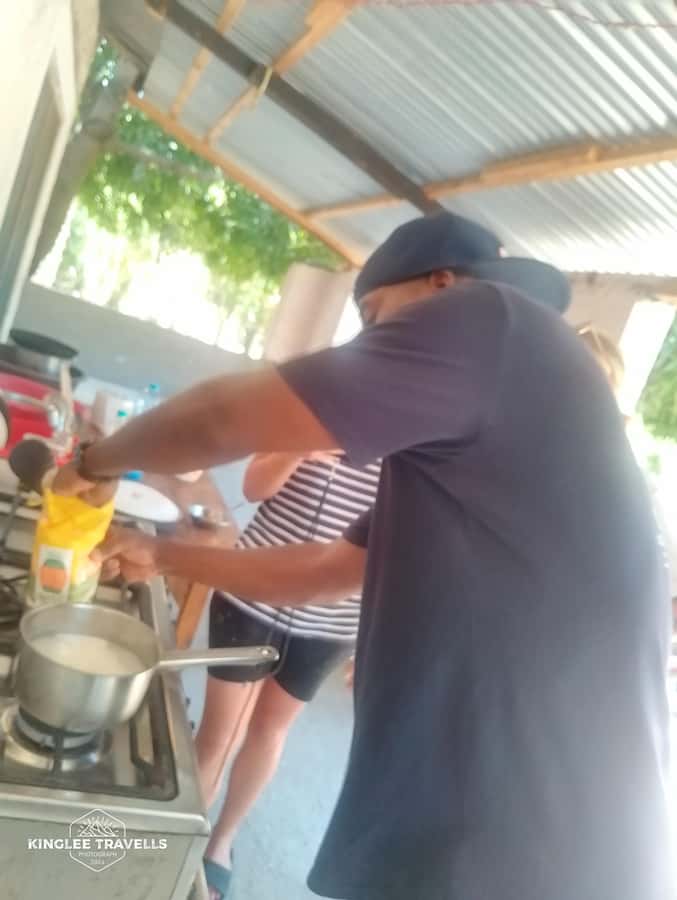
Ugali is one of the clearest reasons to take this class. Jonathan teaches you to make it from scratch rather than presenting it as a finished side dish. You get to see the basic process and learn how this staple becomes part of a shared meal.
The experience description places ugali before chapati in the lesson. That gives you a natural first step into Kenyan cooking. You begin with a central local food, then move to dishes that involve different techniques and textures.
Do not expect a recipe book or a professional certificate. The class lasts two hours and includes several dishes, so the teaching is likely to stay focused on practical preparation. If you want to recreate ugali at home, pay attention to the measurements and cooking cues, and ask Jonathan questions while you are working.
Ugali is also best understood at the table. It is not designed as a showpiece. Eating it with the other food, and with Jonathan and his family if you visit the village, helps explain why the dish matters more than a quick taste in a restaurant would.
Making chapati, samosas, and spinach
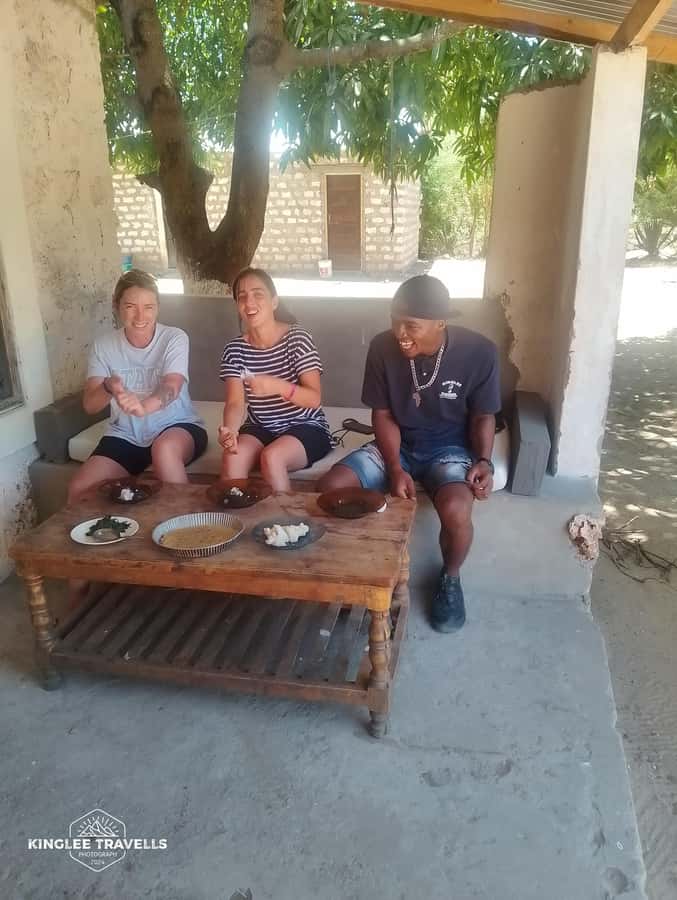
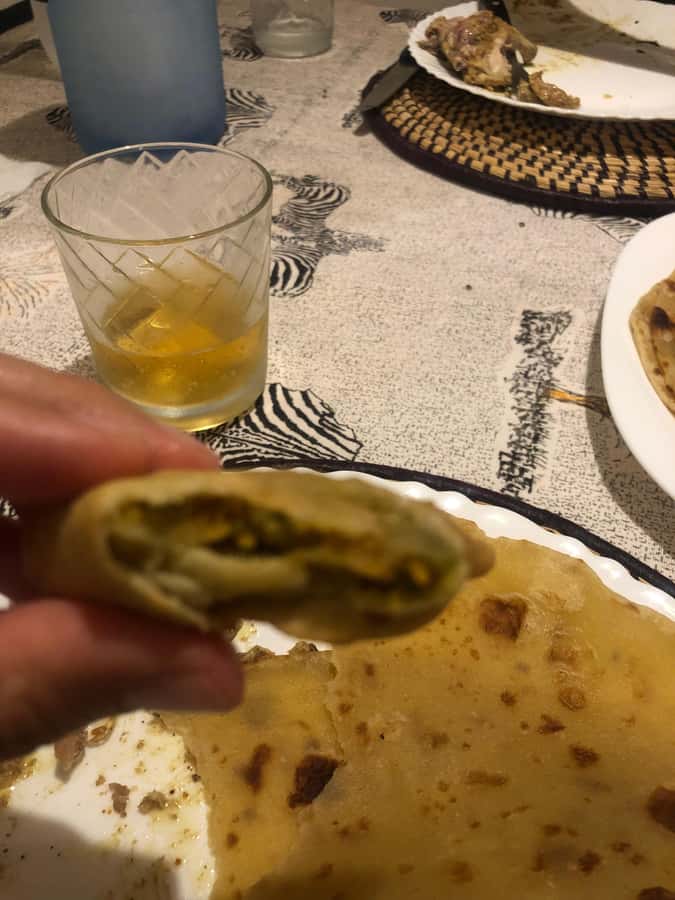
Chapati gives the class a hands-on change of pace. You will work on a familiar flatbread, but the interest comes from making it yourself and then eating it fresh. The available descriptions specifically promise chapati, and several meals also included spinach.
Samosas are included in the cooking program as well. The description does not give a fixed filling or promise a particular recipe, so you should ask Jonathan what ingredients will be used when you arrange the class. That is a useful point to settle in advance if you have allergies, dietary restrictions, or strong food preferences.
The order of the dishes may vary. The stated plan is to make ugali and then chapati, while samosas are also part of the class. Since the session is tailor-made, Jonathan may adjust the timing to suit your group, location, and cooking pace.
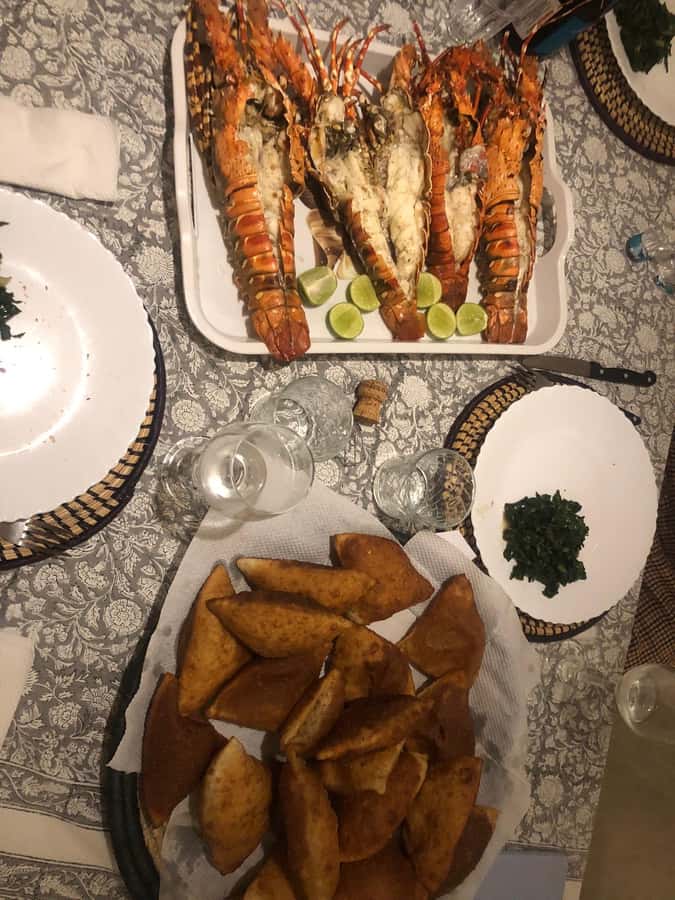
The shared meal is the payoff. Comments describe the cooked food as delicious, with chapati, ugali, and spinach served together. You are not rushing away after the final cooking step. The plan is to eat together, which gives the class a clear social finish.
Same departure point, a completely different day out:
- Nairobi National Park Half-Day Tour; Free Wi-Fi connection
★ 5.0 · 878 reviews - Nairobi: National Park & Optional Elephants & Giraffe Center
★ 4.8 · 874 reviews - NAI NAMI: Nairobi Storytelling Tour with Street Children
★ 5.0 · 792 reviews - Nairobi National Park Half-Day Game Drive
★ 4.5 · 738 reviews
A private class that fits your day
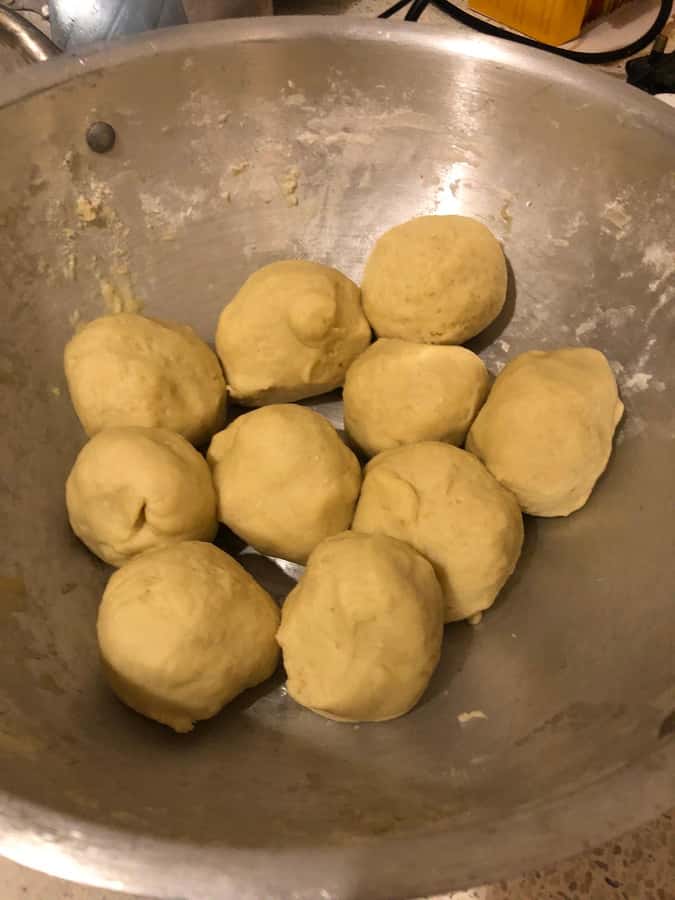
The private setup is one of the strongest practical features. You are booking the class for your own group, with space for up to 10 people. That makes it suitable for a couple, a family, or a small group of friends who want something more personal than a large scheduled tour.
A private class also gives you room to ask questions. You can request help with a technique, slow down for children, or spend more time on the dish that interests you most. The exact flexibility is not fully specified, so you should discuss your priorities with Jonathan through WhatsApp before the class.
The two-hour length is easy to fit into a Watamu stay. It is long enough for several cooking tasks and a meal, but short enough to pair with other plans. I would allow some extra time around the scheduled two hours for pickup, settling in, and eating, especially if you choose the village.
The class is open to all group sizes up to 10, but the price is listed per person. Ask for the total cost for your party when booking, particularly if you are arranging a larger private group.
Your house or resort as an alternative
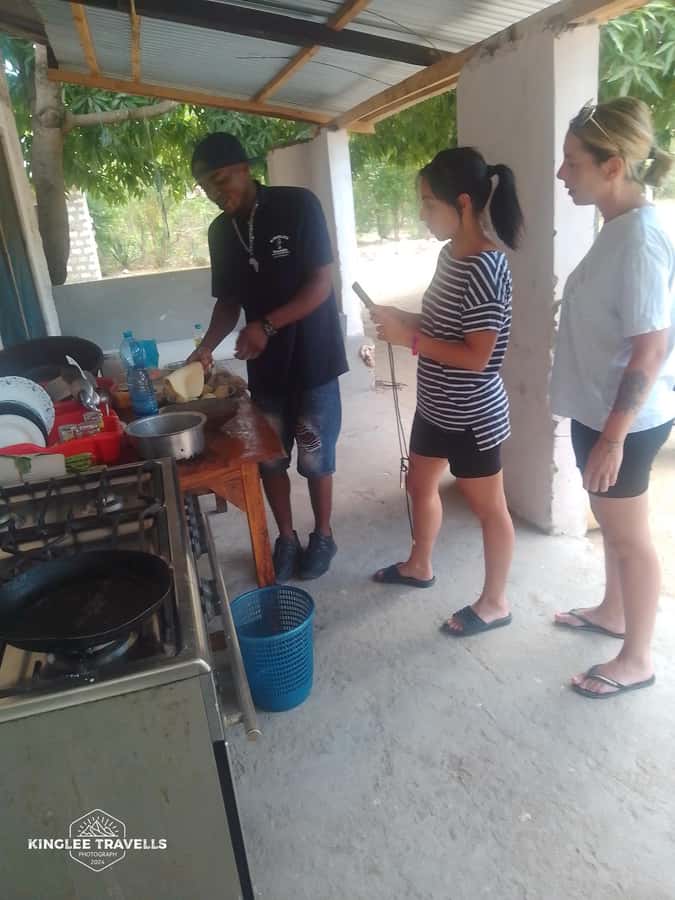
You do not have to go to the village. Jonathan can come directly to your house or resort, which is a smart option if convenience matters most. This choice may also suit families with young children or anyone who wants to avoid a transfer between activities.
A class at your accommodation may feel less connected to Jonathan’s home life. You will still receive the private lesson and cook the same main dishes, but the village option appears to offer more contact with Jonathan’s family and daily setting.
The accommodation option is also worth considering for accessibility. The activity is marked wheelchair accessible, but the exact details of the village route, cooking surface, entrances, and seating are not provided. If you use a wheelchair, contact Jonathan before booking and explain what you need. His ability to come to your accommodation may make the class easier, but the arrangements should be confirmed directly.
You need to tell Jonathan your preferred location through WhatsApp. Do this before the day of the class, rather than assuming the pickup point will be sorted automatically.
What the $23 price includes
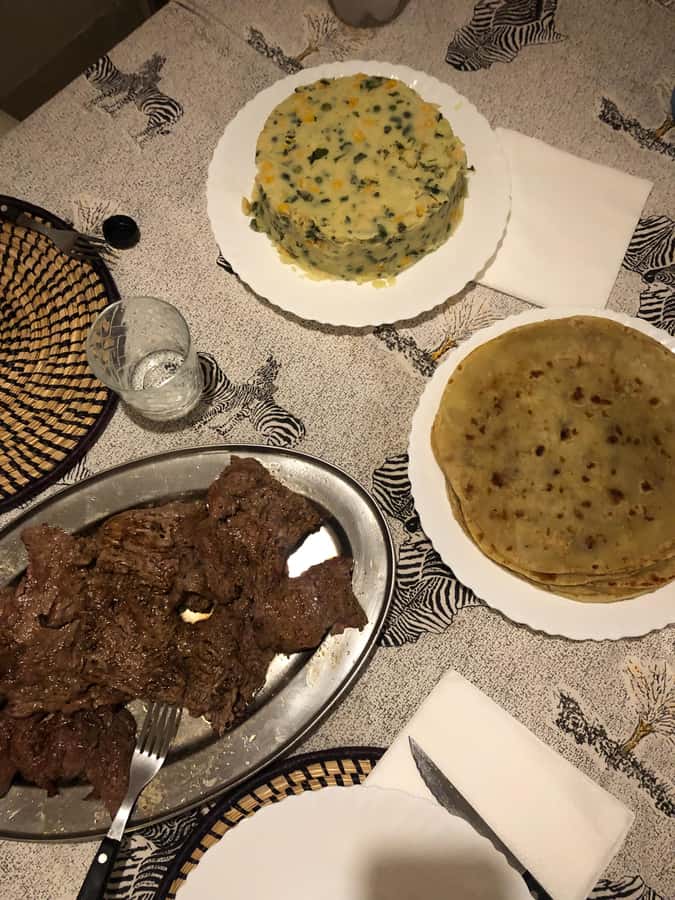
At $23 per person, this class offers good value if you want instruction, a private experience, and a meal in one short activity. The fee includes the private cooking class, cooking materials, and private transfer. Pickup is included for the village option.
The value is strongest for small groups. You are not paying only for a plate of food. You are paying for Jonathan’s time, the ingredients and materials, transport, and the chance to take part in the preparation.
Price comparisons depend on what matters to you. A restaurant meal may cost less, but it will not teach you how to make the food or bring you into a local family setting. A longer cooking course may offer more recipes, but it will likely take more of your day. This class sits in the middle: short, practical, and focused on a few familiar Kenyan dishes.
The description does not state that drinks, extra dishes, recipe cards, or market visits are included. I would not assume those are part of the price. Ask if you want a specific menu or need ingredients changed.
The welcome is a major part of the experience
The strongest praise concerns Jonathan’s manner. He is described as gentle, funny, welcoming, and a good teacher. The repeated approval of the host suggests that the class works best for people who value conversation and personal contact as much as the cooking.
The family welcome is especially important if you choose the village. You may spend time with Jonathan’s relatives during the meal, and the experience can feel more like being received into a home than attending a commercial lesson. That is a meaningful difference in a resort area.
At the same time, personal hospitality is not the same as a tightly scripted tour. The pace may be informal, and the class may change slightly based on your group and the setting. If you prefer exact timings, printed instructions, and a highly polished kitchen setup, this may not be your ideal activity.
I would book it for the human connection and the chance to make everyday food, not for luxury presentation.
Who will enjoy this Watamu activity most
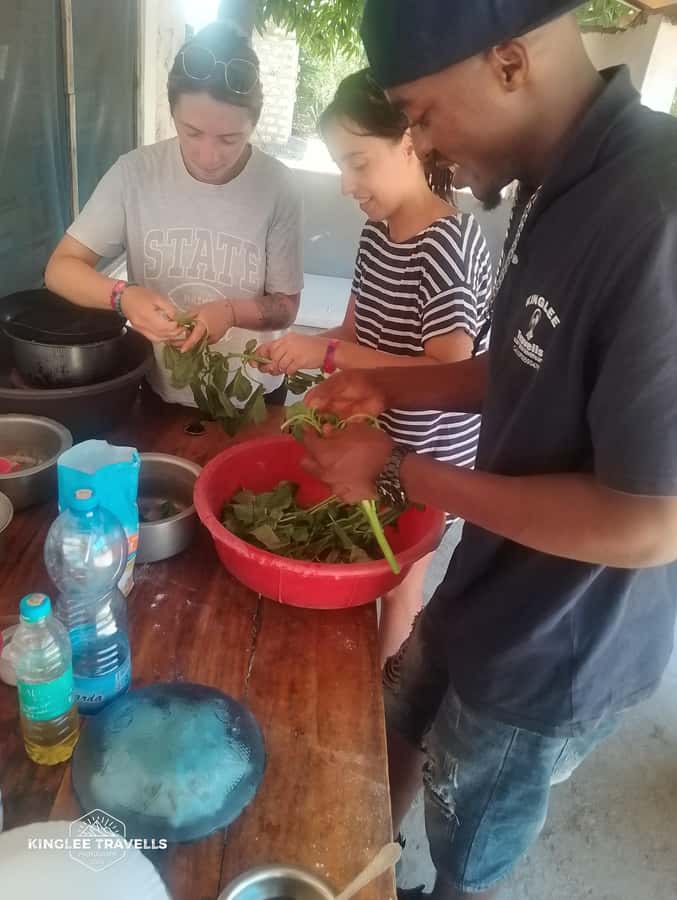
This class is a good match for you if you want a short cultural activity with food at its center. It suits couples, families, friends, and small private groups who enjoy doing rather than simply watching.
It is also useful for anyone who wants a quieter change from standard coastal sightseeing. You can spend two hours learning from a local cook, sharing a meal, and asking questions about the food as you prepare it.
Families may appreciate the private format and the option to hold the class at their accommodation. Children can take part in suitable tasks, though the information provided does not list a minimum age or specific child arrangements. Ask Jonathan before booking if that is important for your group.
The activity may be less suitable if you need a strict dietary menu, a long advanced cooking course, or a detailed culinary tour. The menu is built around ugali, chapati, and samosas, with spinach mentioned in a shared meal. Confirm any substitutions in advance.
Booking details worth confirming
You can cancel up to 24 hours before the class for a full refund. You can also reserve now and pay later, which helps if your Watamu plans are still changing.
The activity lasts two hours, but the available starting times depend on the date you choose. Pickup is included, and you should tell Jonathan if you want to meet at your own house or resort rather than go to the village.
The class is private and accepts up to 10 people. English, Italian, and Swahili are available, and the activity is marked wheelchair accessible. For a smooth visit, confirm the meeting place, preferred language, food requirements, and village or accommodation setting through WhatsApp.
The overall score is 4.1 out of 5 from eight ratings. The strongest praise focuses on Jonathan’s kindness, teaching, food, family welcome, and the sense of a genuine local visit. Those are the parts I would use to judge the experience, rather than expecting a formal cooking school.
Should you book Jonathan’s cooking class?
Book it if you want to make Kenyan food with a local cook and share the result in a private setting. At $23 per person, the combination of instruction, materials, transfer, and food is a fair deal, especially for a small group.
Choose the village if meeting Jonathan’s family and seeing his home setting matters to you. Choose your house or resort if convenience, privacy, or accessibility is more important. Before confirming, ask about the samosa filling, exact meeting point, and any dietary needs.
Skip it if you want a long, technical course with a large recipe list. For most people looking for two relaxed hours of cooking and conversation in Watamu, though, Jonathan’s class offers a personal connection that a restaurant meal cannot match.
FAQ
How much does the cooking class cost?
The price is $23 per person.
How long does the activity last?
The cooking class lasts two hours.
Who teaches the class?
Jonathan, a professional cook, leads the private class.
Which dishes will I learn to cook?
The class includes ugali, chapati, and samosas. Spinach was also served with one reported meal, but the main activity description names the three cooking lessons above.
Where does the cooking class take place?
You can choose to attend at Jonathan’s village or arrange for him to come to your own house or resort in Watamu.
Is pickup included?
Yes. Private transfer and pickup are included, particularly for the village option. You should confirm your preferred meeting location with Jonathan.
How many people can join the class?
The class is private and can accommodate groups of up to 10 people.
Which languages are available?
Jonathan or the host team can provide the experience in English, Italian, or Swahili.
Is the experience wheelchair accessible?
Yes, the activity is listed as wheelchair accessible. Contact Jonathan in advance to discuss the exact setting and access needs.
Can I cancel or pay later?
You can cancel up to 24 hours in advance for a full refund. You can also reserve now and pay later.
Just added around Kenya
- Watamu: Sunset Mangrove Canoe Tour with Coconut Drink★ 3.6 · 8 reviews
- Tsavo East and Tsavo West Sanctuary Safari★ 5.0 · 3 reviews
- Tsavo East National Park: 2-Day Tour from Mombasa★ 3.9 · 5 reviews
- Visit kibera Slum the chocolate city★ 4.8 · 3 reviews
- Agro-Tourism Tea Workshop in Nandi Hills★ 5.0 · 3 reviews
- Lake Nakuru NP Half-Day Safari★ 4.0 · 4 reviews
- 3 days Maasai Mara safari from Nairobi★ 5.0 · 3 reviews
- Lake Nakuru Day Trip Safari – & Optional Lake Naivasha Boat★ 5.0 · 5 reviews
Watamu Tours, compared.

Watamu Marine Park & Sudi Island Mangrove Forest Canoe Ride.With sea food lunch
Read our review →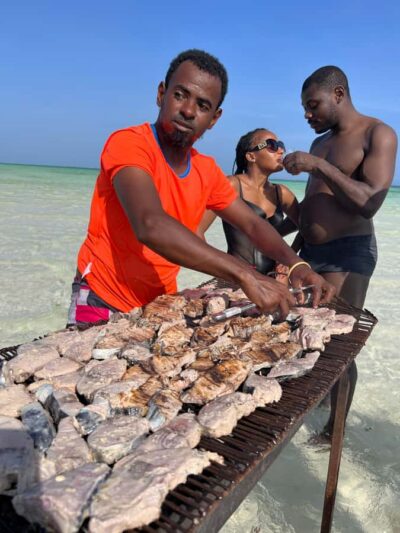
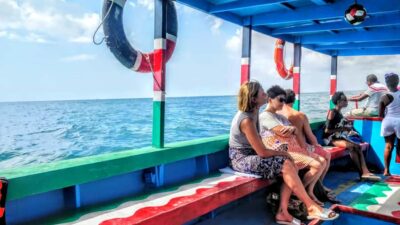


Day tour to Tsavo East National Park from Malindi/ Watamu
Read our review →
Blue Safari: Snorkeling at Watamu Marine Park & Seafood
Read our review →
From Kilifi, Watamu, Malindi: Tsavo East Day Safari
Read our review →
Browse the lists this tour appears in