
Reviewed · MAASAI VILLAGE VISITS
Masai Village Cultural Day Tour from Nairobi
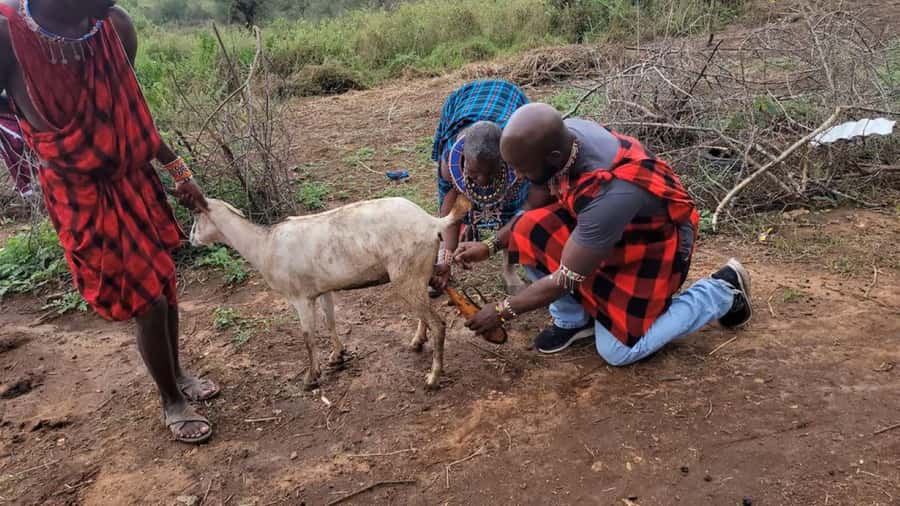
The heart of this day is a direct look at Maasai daily life, not another wildlife outing. You meet community members at their homes, enter a traditional Manyatta, watch songs and dance, and hear how an old way of life is changing. I like the hands-on details, from goat milking and fire-making to weaving necklaces and wristbands. I also like having a private or small-group guide, since Patrick, Juli, and Erik have each helped guests understand more during the long drive from Nairobi.
The main caution is the word village. Community members may be away herding cattle or at school, so the visit may include a smaller group than you expect. The $42 tour price also excludes the village entry fee of $30 for adults, or $20 for children and youth, plus lunch, drinks, crafts, and donations.
Key points to know before you book
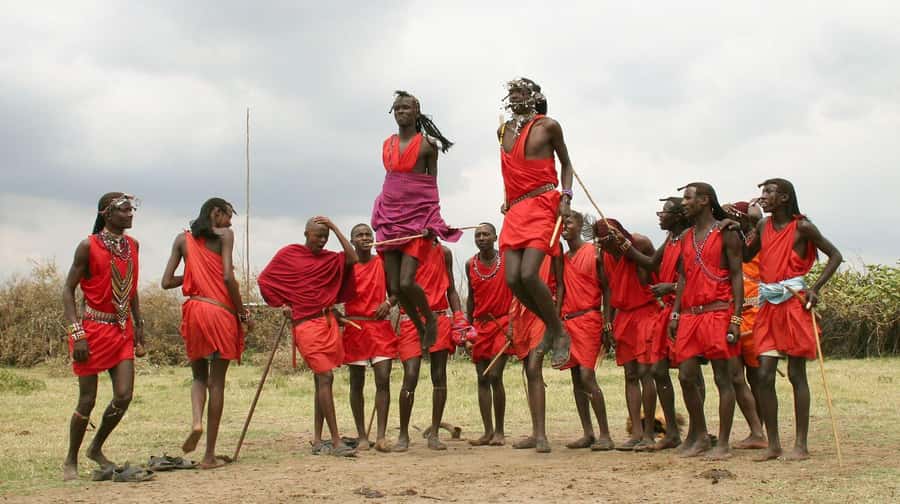
- Maasai welcome: Begin with a traditional greeting by Maasai warriors, followed by music, dance, and cultural demonstrations.
- A working Manyatta: Enter a traditional homestead and learn how people, livestock, men, and women share daily responsibilities.
- Hands-on lessons: See fire-making, food preparation, goat milking, beadwork, traditional clothing, and spear throwing.
- A long Nairobi day: Plan on 7 to 8 hours, including road time, the village visit, a lunch stop, and the return trip.
- Extra cash needed: The village fee is not included, and crafts, food, drinks, and donations cost extra.
- Good guide support: English-speaking guides such as Patrick, Juli, and Erik have provided useful context about Nairobi, Kenya, and Maasai customs.
Why this Maasai visit adds something different to Nairobi
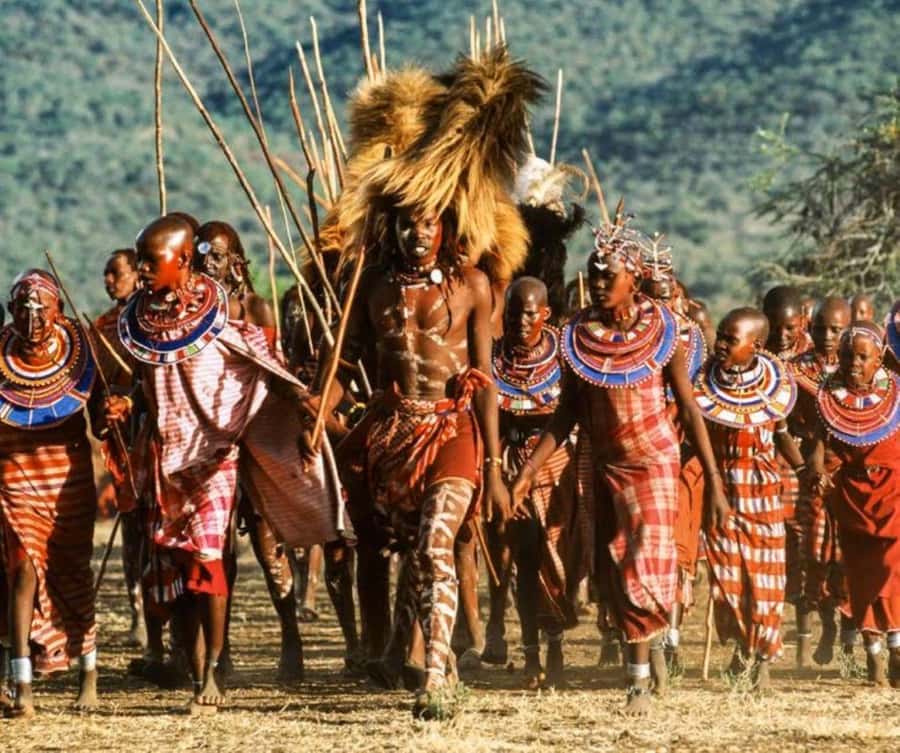
Nairobi is often treated as a starting point for safaris, but Kenya is more than animals and open country. This tour gives you time with people who have preserved distinctive customs while adapting to school, modern roads, tourism, and changing work patterns.
I like that the cultural lessons come through ordinary tasks. You are not only listening to a speech about Maasai life. You may watch women prepare food, cook, weave beadwork, and explain their work. You may see goats being milked, learn how men’s and women’s duties differ, and visit the livestock kept by the community.
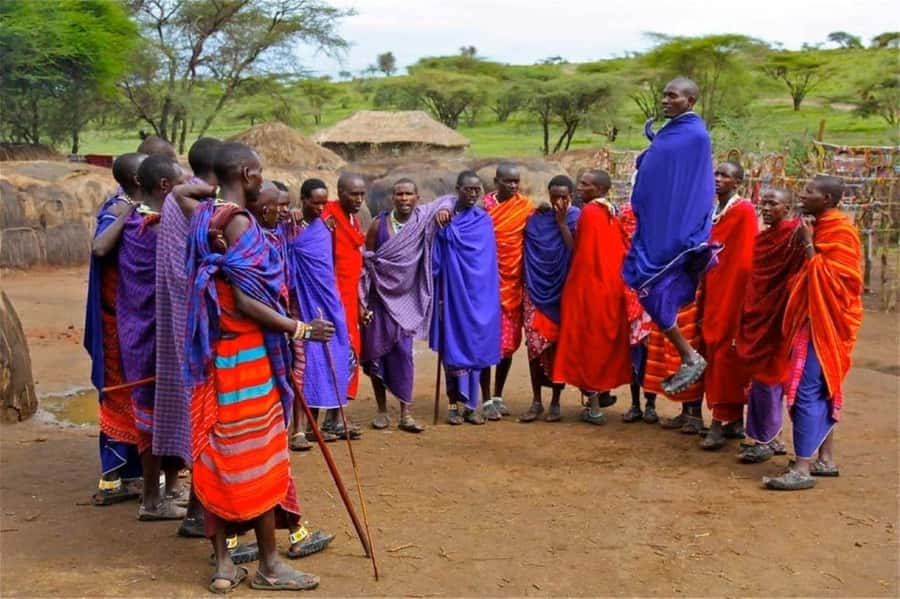
The welcome ceremony helps set the tone. Maasai warriors greet you with traditional song and dance, and the visit may include dressing in Maasai clothing. You can also see demonstrations such as making fire without modern tools and, in some visits, try throwing a traditional spear.
These activities are simple, but they give you something concrete to remember. A description of custom can feel abstract. Seeing the work, tools, clothing, and homestead makes the information easier to understand.
More Maasai village visits:
- Nairobi: Day Tour to Amboseli National Park & Maasai Village
★ 4.5 · 310 reviews - Masai village Day Tour Experience
★ 5.0 · 284 reviews - Maasai Village Experience Day Tour
★ 5.0 · 72 reviews
The drive from Nairobi to Kajiado
Your day begins with pickup at your Nairobi hotel or residence in an air-conditioned vehicle. The trip includes round-trip transport and an English-speaking guide and driver, so you do not need to arrange a separate taxi or navigate the route yourself.
The road time is an important part of the experience. A guide can point out details about Nairobi, Kenya, and Maasai culture as you travel. Patrick, Juli, and Erik have each been praised for explaining the country and filling in useful context before the village visit.
Allow room for traffic. Nairobi roads can be slow, and one early start involved heavy traffic, unpredictable drivers, cows crossing the road, and fallen trees. A calm driver makes a real difference on a day with a fixed schedule, but you should still avoid booking a tightly timed afternoon activity immediately after your return.
One booking that began around 6 a.m. returned after 3 p.m. because of delays and extra drop-offs. That is longer than the planned 7 to 8 hours, but it shows why you should keep your afternoon open. Another serious complaint involved waiting 40 minutes for late passengers and then rushing the visit. If punctuality matters, ask in advance about pickup times, group size, and the order of hotel drop-offs.
Entering the Manyatta
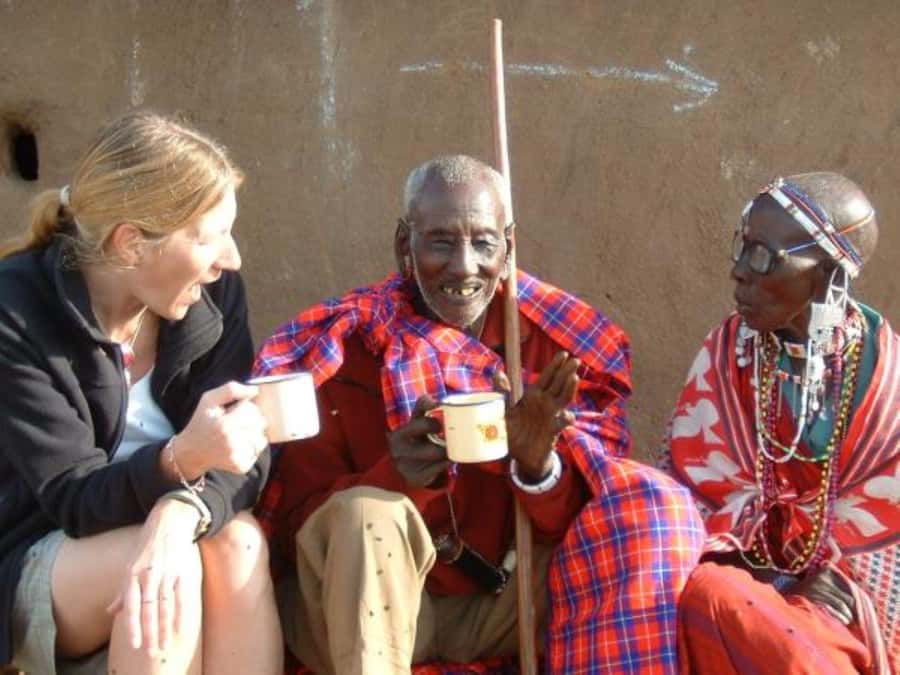
The village visit lasts about three hours and includes a guided walk, a photo stop, free time, cultural demonstrations, a traditional dance performance, scenic views along the way, and the handicraft market.
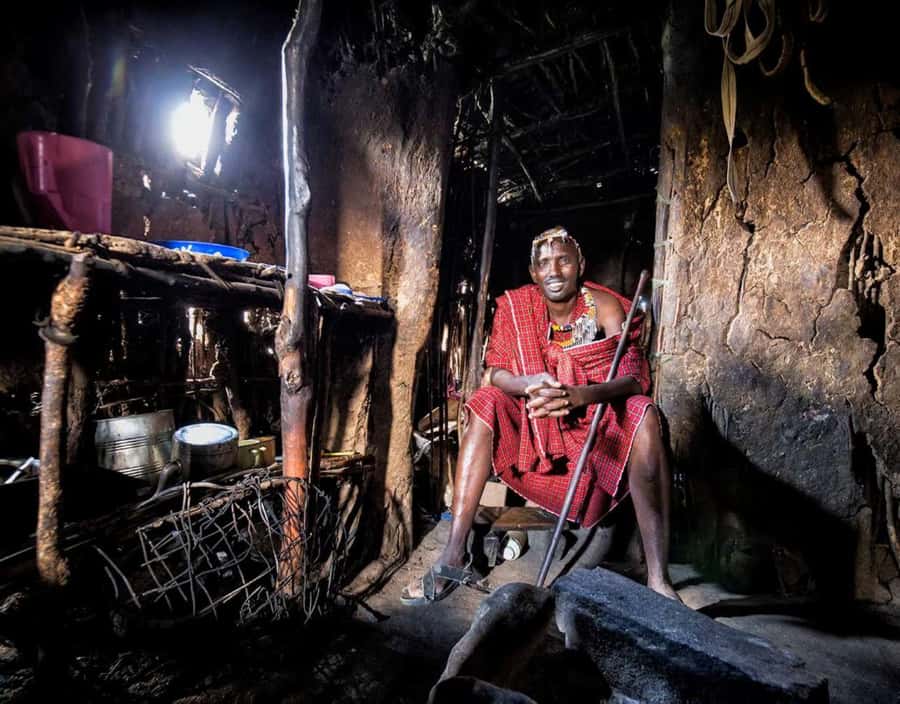
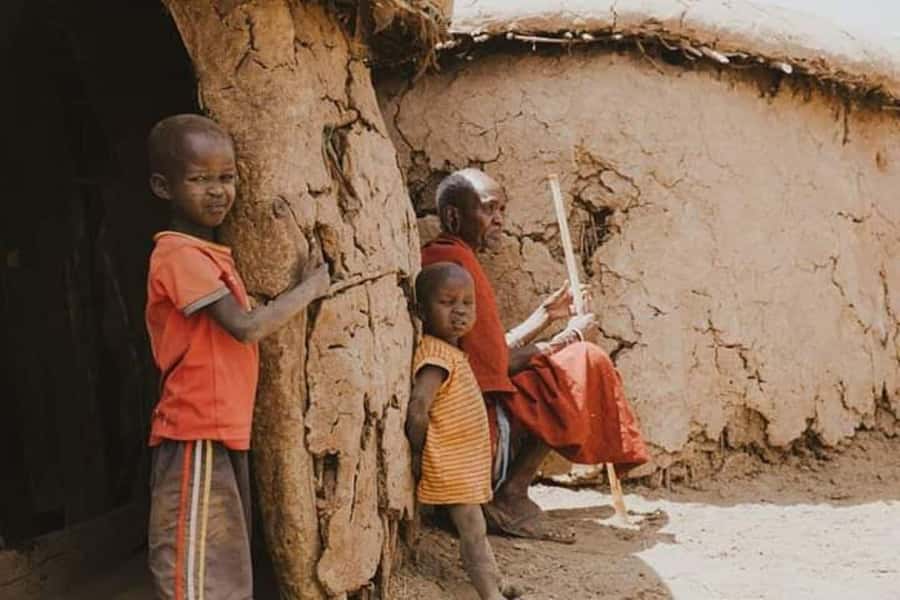
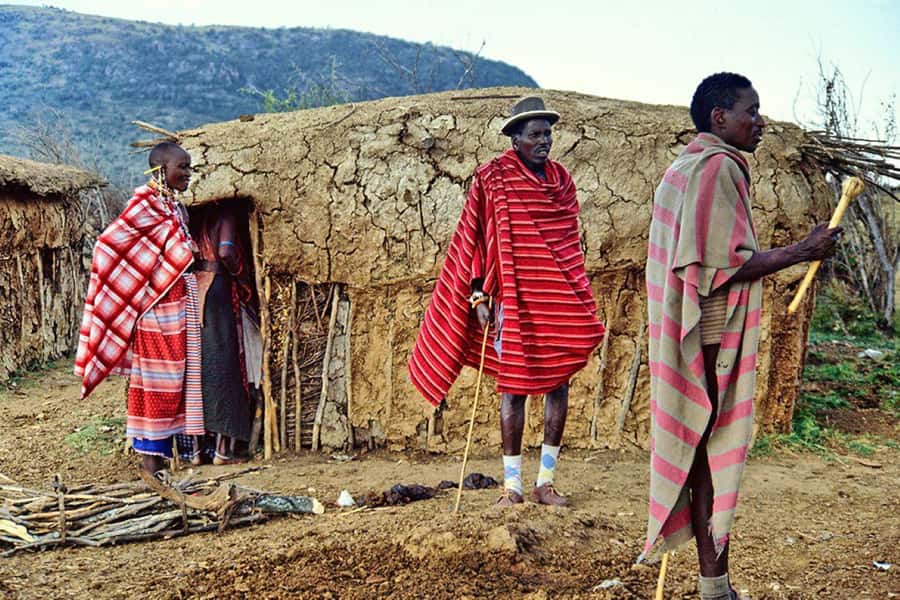
A Manyatta is a traditional Maasai homestead. Here, the visit focuses on how the community is organized and how daily work is divided. You can see homes, livestock, and the setting where families carry out practical tasks. The guide and local community members explain what you are seeing rather than leaving you to guess.
The experience is most useful when you treat it as a conversation. Ask about food, cooking, livestock, beadwork, clothing, schooling, and how work is shared between men and women. The available information does not promise a fixed demonstration list at every visit, so some activities may vary depending on the community and the people present.
The village is not a museum frozen in time. The purpose of the visit is to understand a living community. Some younger Maasai may be herding cattle, while children may be at school. That means you may meet only a few men and several older women rather than every age group in the settlement.
This is an important expectation to set. If you want a broad picture of the community, the guide and elders can still provide valuable insight. If you expect a large staged gathering, you may find the visit smaller and quieter than the word village suggests.
Songs, dance, and traditional demonstrations
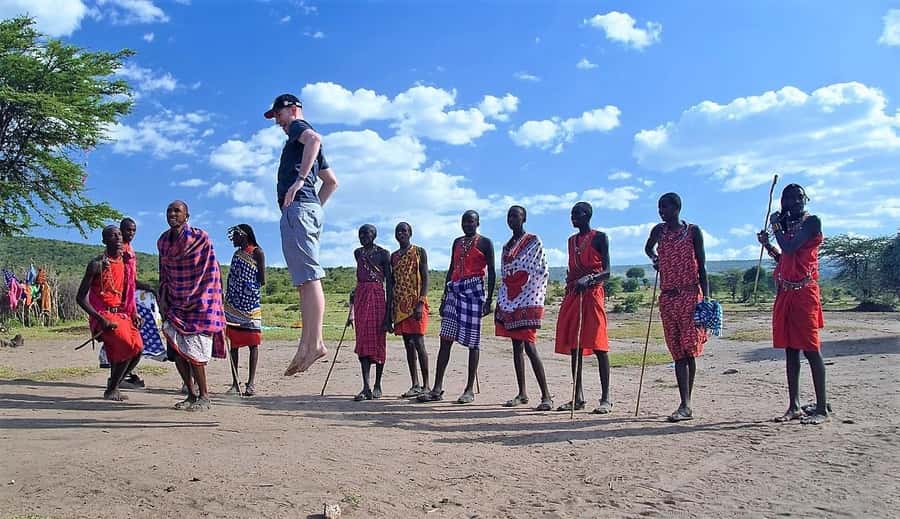
The cultural performance is one of the clearest highlights. Maasai songs and dances give the visit a shared, social quality, and you may be invited to take part. The activity information also includes a safety briefing, which is useful when demonstrations involve movement or traditional equipment.
Dressing in Maasai clothing can make the visit more memorable, especially if you enjoy learning through participation. You are not simply watching a performance from a distance. You may handle traditional items, pose for photographs, or try a skill under local guidance.
Fire-making is another small but telling demonstration. It shows the practical knowledge behind daily life and gives you a better sense of how people worked before modern equipment became common. Goat milking and food preparation offer the same kind of lesson, linking culture to work rather than treating it as decoration.
The dance should be understood as part of a visitor experience, not proof that every part of Maasai life looks the same. The guide can help explain the meaning and place of the performance, while community members offer the most direct insight into their traditions.
A few more Nairobi days to weigh up
- Nairobi National Park Half-Day Tour; Free Wi-Fi connection
★ 5.0 · 878 reviews - Nairobi: National Park & Optional Elephants & Giraffe Center
★ 4.8 · 874 reviews - NAI NAMI: Nairobi Storytelling Tour with Street Children
★ 5.0 · 792 reviews - Nairobi National Park Half-Day Game Drive
★ 4.5 · 738 reviews
The handicraft market and what to budget
The craft market is a natural part of the visit. Women may show necklaces, wristbands, and other handmade items, and you can browse before returning to Nairobi.
I recommend carrying small notes in Kenyan shillings, along with a card or cash for the village fee if your operator gives different payment instructions. The entry charge is separate from the tour: $30 for adults and $20 for children and youth, payable in cash in Kenyan shillings or US dollars.
Souvenirs cost extra, and one booking found the prices high. That does not mean you must buy anything. Look carefully, ask the price before agreeing, and buy only what you genuinely want. A purchase can be a direct way to support local makers, but it should not feel like an obligation.
The same applies to donations. They are not included in the tour price, and you should decide your own budget before arriving. This helps you enjoy the visit without feeling pressured at the end.
Lunch in Kajiado
After the village visit, the schedule allows about 105 minutes in Kajiado for a break, photos, lunch, free time, shopping, and possible hotel or resort activities.
Lunch is not included, so plan to pay separately for your meal and drinks. The stop gives you time to sit down after the walking and demonstrations, but it also adds another moving part to the day. If you have a fixed return time, tell the guide early and confirm how long the stop will be.
The Kajiado pause is useful because the village visit can be full of information and activity. A meal gives you time to sort through what you have seen before the drive back to Nairobi. It is also the practical moment to buy any last small items, though the main handicraft browsing takes place at the community market.
Price, group size, and overall value
At $42 per person, the base price is modest for a private or small-group day with Nairobi pickup, a vehicle, an English-speaking guide, bottled water, a village visit, a performance, and a return transfer.
The real cost is higher once you add the village fee. An adult should budget at least another $30 for admission, then add lunch, drinks, crafts, and any donation. A group of two adults is therefore paying a minimum of $144 before food and shopping if both pay the listed entry charge.
That can still be fair value if you want a guided cultural experience without arranging transport yourself. The vehicle and guide matter because the village is outside Nairobi, and the trip would be harder to manage independently in a single day.
Value depends heavily on your expectations. If you want personal contact, cultural explanation, and practical demonstrations, the price makes sense. If you want a large village gathering with many residents present, the extra fee may feel less worthwhile when people are away at school or herding.
Private and small-group options are especially useful here. A smaller group gives you more chance to ask questions and may make the home visit feel less rushed. A larger group can make the performance more social, but it may reduce personal attention.
What the guides add to the day
The guide is more than a driver on this trip. The road from Nairobi takes time, and a good guide can connect what you see in the city and countryside with the customs explained at the Manyatta.
Patrick has been noted for handling difficult road conditions calmly and for explaining Nairobi, Kenya, and Maasai culture during the journey. Juli has helped make the visit smooth through clear explanations and a friendly manner. Erik has been praised for adding context when the community chief explained Maasai life.
Names are not guaranteed for every departure, so treat these as examples rather than a promise. The important question is whether your assigned guide speaks clear English, knows the route, and can explain what is happening without turning the day into a rushed sequence of photo stops.
The operator, Africa Holidays, offers private or small-group arrangements. Confirm the exact format when booking, since group size affects both the pace and the amount of time you get with local families.
Who will enjoy this experience most
I would choose this tour if you want to understand Kenya beyond wildlife and city sights. It suits first-time visitors who want a straightforward cultural introduction, families interested in practical demonstrations, and anyone who enjoys meeting people through food, music, clothing, and daily work.
It also works well for a short Nairobi stay. You can see a different side of Kenya without committing to a long safari or overnight trip. Hotel pickup and bottled water remove some of the usual planning work.
You may want to skip it if your schedule is tight after the tour. Traffic can be unpredictable, and a late group member or slow return can push the day past the planned finish. I would not book an important flight, business meeting, or timed attraction immediately afterward.
You should also think about what authentic means to you. The visit is arranged for visitors and includes a dance, demonstrations, photographs, and a craft market. That does not make it meaningless, but it does mean you are seeing a community-hosted cultural encounter rather than an unplanned visit to a private home.
Practical advice for a smoother visit
Start with realistic timing. The advertised duration is 7 to 8 hours, but road conditions and drop-offs can affect the return. Keep your schedule flexible, especially in Nairobi traffic.
Bring cash for the entry fee and personal spending. The fee can be paid in Kenyan shillings or US dollars, while lunch, drinks, crafts, donations, and extra activities are not included.
Wear clothing suitable for walking and for a warm outdoor visit. The supplied information does not give a dress code, but respectful, comfortable clothing is a sensible choice for entering homes and meeting elders.
Keep your questions open and polite. Ask what the community wants visitors to understand, how traditions are changing, and which demonstrations reflect daily work. The best parts of the day come when you listen to the people hosting you rather than treating the visit as a quick photo stop.
The tour is wheelchair accessible, though the exact ground conditions at the homestead are not described. If you use a wheelchair, confirm the route and access details with the provider before departure.
You can cancel up to 24 hours before the activity for a full refund, and the reserve-now, pay-later option keeps your plans flexible. Starting times vary, so check availability for your chosen date.
Should you book the Maasai village day tour?
Book it if you want a guided introduction to Maasai customs, local homes, traditional work, music, and community crafts from Nairobi. The strongest parts are the personal explanations, the Manyatta visit, and the chance to see culture through real tasks such as cooking, beadwork, goat milking, and fire-making.
Go in with two clear expectations: the community may be smaller than you imagine, and the final cost is above $42 once the entry fee and lunch are added. Keep your return afternoon open, confirm your pickup plan, and ask whether you have a private or small-group vehicle.
With those details understood, this is a worthwhile choice for seeing a human side of Kenya that a standard wildlife itinerary will not provide.
FAQ
How long does the Maasai village tour from Nairobi last?
The activity is scheduled to last 7 to 8 hours. The village visit takes about three hours, followed by about 105 minutes in Kajiado for lunch, free time, shopping, and related stops.
What is included in the tour price?
The price includes pickup and drop-off at your Nairobi hotel or residence, air-conditioned transport, an English-speaking guide and driver, the guided village visit, a traditional dance performance, interaction with Maasai families and elders, a Manyatta visit, cultural demonstrations, photographs, and bottled water.
Is the village entry fee included?
No. The village entry fee is $30 for adults and $20 for children and youth. It is payable in cash in Kenyan shillings or US dollars.
Are meals included?
No. Meals and drinks not specifically included are extra. Lunch is scheduled during the Kajiado stop.
Is the tour private or shared?
Private and small-group options are available. Confirm the exact group type when booking because group size can affect personal attention and timing.
Can I cancel the booking?
You can cancel up to 24 hours in advance for a full refund. The reserve-now, pay-later option allows you to hold a place without paying immediately.
Just added around Nairobi
- Visit kibera Slum the chocolate city★ 4.8 · 3 reviews
- 4 Days Safari to Lake Nakuru N/P and Maasai Mara N/R★ 5.0 · 18 reviews
- Maasai Mara Day Trip★ 5.0 · 15 reviews
- 4 Days Tour Landcruiser in Masai Mara and Lake Nakuru★ 5.0 · 10 reviews
- 3 days maasai mara migration safari★ 4.5 · 7 reviews
- Kibera Slum Tour with a Local★ 5.0 · 15 reviews
- Wildebeest Migration in Masai Mara and Sightseeing 4 Days Tour★ 4.5 · 6 reviews
- Day Tour to Nairobi national park, Elephants, and Giraffe Center★ 3.5 · 8 reviews
Maasai Village Visits, compared.

Day Tour to Amboseli National Park & Maasai Village
Read our review →


Day Trip: Amboseli National Park & Maasai Village – Nairobi
Read our review →
Day Trip to Maasai Mara Reserve & Maasai village
Read our review →
3days/2nights group joining Masai Mara with Masai Village Visit
Read our review →
Maasai Village Visit with Traditional Dance Show
Read our review →Browse the lists this tour appears in