
Reviewed · CITY TOURS
NAIROBI: MOTHERLAND GASTRONOMIC NAIROBI CITY TOUR
Nairobi reveals itself through its food, and this small-group walking tour takes you from breakfast snacks to a full Kenyan lunch, then into the markets and transport center where daily life comes into sharper view. You will try samosas, mandazi, mitai, kaimati, boiled maize, Smocha, Mayai pasua, and uji power, with fish, meat, chicken, ugali, and kachumbari later in the day.
I like the mix of food and city context. You are not simply seated in restaurants, and you are not left to guess what the snacks mean. I also like the limited group of five, which should make it easier to ask Sharon questions and keep up on foot. The main consideration is the food-cost wording: several tastings and lunch are described as part of the experience, yet extra food and snacks are also listed as not included, so carry cash and confirm what the $55 price covers.
Key points at a glance
- A full Kenyan food sampler: Try breakfast bites, market snacks, fruit, spices, and a substantial lunch of fish, meat, or chicken with ugali and kachumbari.
- A close look at ordinary Nairobi: The City Bus Station adds useful context about commuting and city routines.
- A century-old landmark: Finish at Sarova Stanley, one of Nairobi’s best-known historic hotels.
- A very small group: With no more than five participants, the tour should feel more personal than a large bus outing.
- Sharon is the guide to know: Her warm, attentive style is a major part of the experience, according to the strong feedback provided.
- Bring cash and good shoes: Walking, market purchases, weather changes, and food-price clarification all matter here.
Nairobi on a plate, from samosa to nyama choma
At $55 per person, this 210-minute experience gives you about three and a half hours of guided food tasting and city exploration. The value depends on how much food is included in practice, but the plan covers more than a meal. You are paying for a guide, a compact introduction to Nairobi foodways, market time, and a stop at Sarova Stanley.
The food is the main draw. Breakfast-style street snacks such as samosas and mandazi offer a gentle beginning, especially if you are new to Kenyan cooking. You will also encounter mitai, kaimati, and boiled maize. These small portions matter because they let you sample several flavors without committing to one large dish at the start.
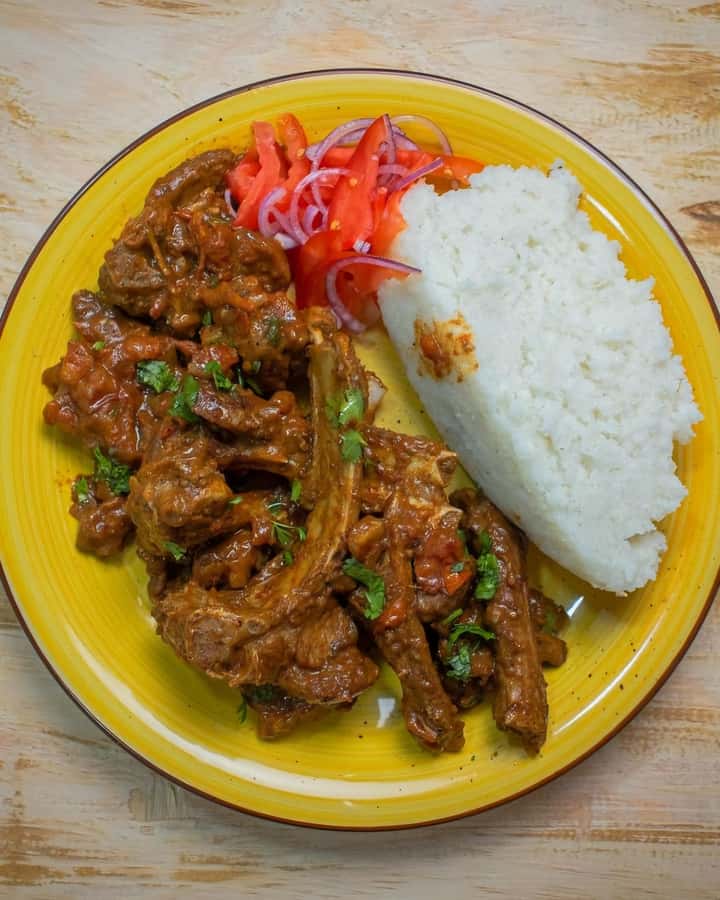
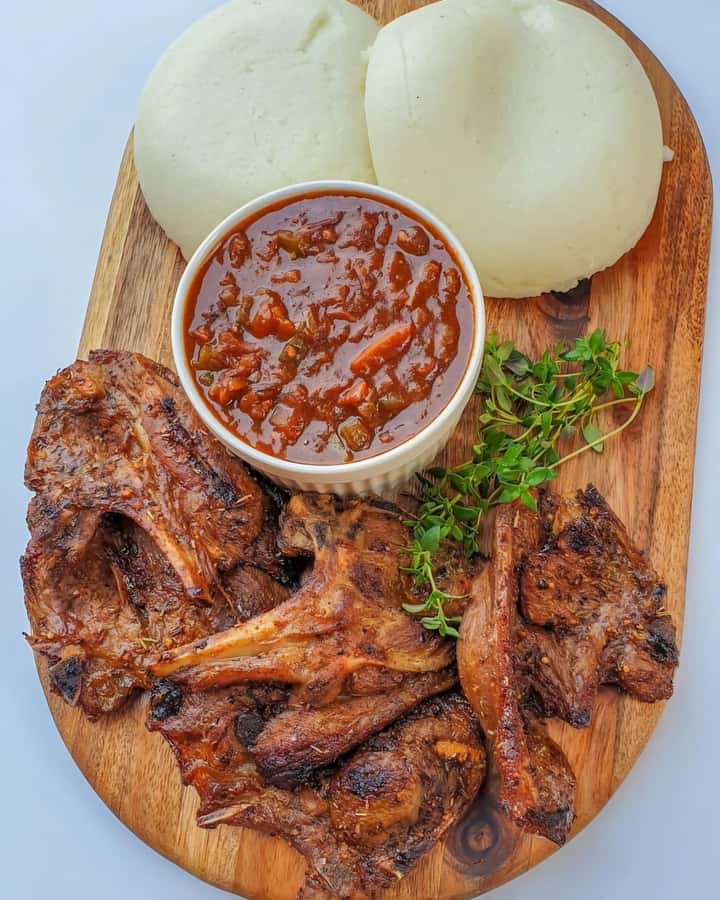
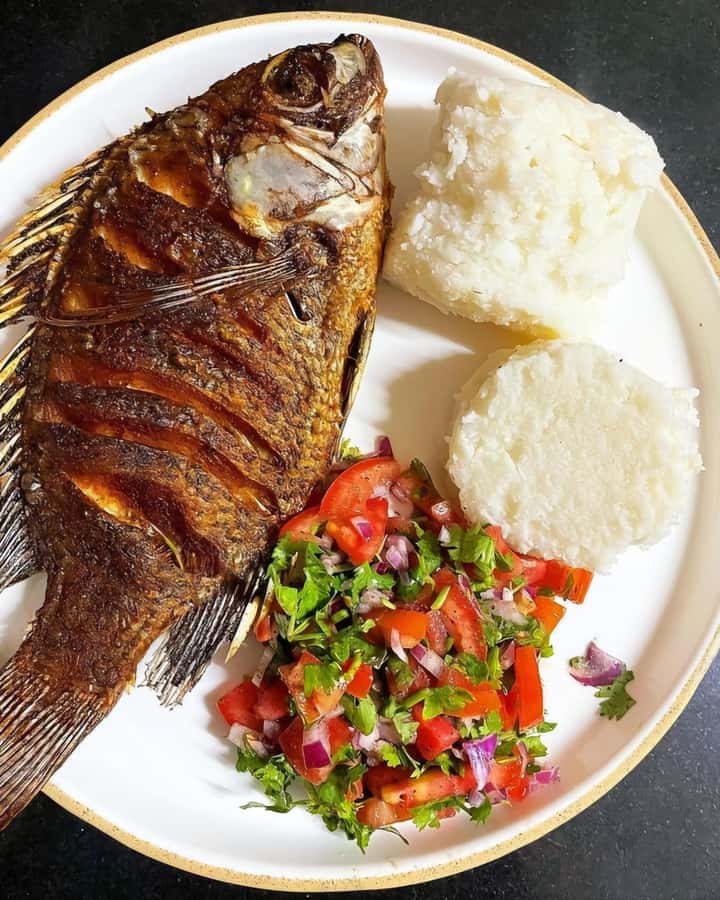
Later, the meal becomes more substantial. Traditionally prepared fish, meat, and chicken are served with kachumbari and ugali. Kachumbari brings a fresh, chopped contrast, while ugali is a firm maize staple that helps make the meal filling. Nyama choma, the grilled meat portion named in the inclusions, is likely to appeal to anyone who wants a hearty Kenyan dish rather than a series of tiny samples.
The experience also includes snacks with names you may not know before arriving. Smocha, Mayai pasua, and uji power are part of the City Bus Station stop. The tour gives you a chance to ask what each item is, how it is eaten, and where it fits into everyday life. That explanation is important. Food is easier to remember when you understand its setting.
More City Tours in Nairobi
- Nairobi Historical Walking City Tour
★ 5.0 · 258 reviews - Nairobi City Walking Tour with Traditional Kenyan Lunch
★ 5.0 · 106 reviews - Nairobi Cultural and Historical City Tour with a Local
★ 5.0 · 67 reviews
Starting at Nation Centre
The meeting point is Nation Centre, described as a tall curved building with pillars at the entrance. Look for Sharon in white trousers. That clothing detail is more useful than it may sound, since a clear visual marker can save time in a busy city center.
The tour is conducted in English and begins and ends at Nation Centre. That central meeting point makes the outing fairly simple to fit around other Nairobi plans, at least on paper. Still, give yourself time to arrive. The activity involves several city stops, and a late start could cut into food or market time.
The schedule describes several guided sections of about 30 minutes each, a 30-minute free period, and a return to Nation Centre. The total duration is listed as 210 minutes. Since the individual sections do not account for every minute, treat the three-and-a-half-hour figure as the useful planning number rather than expecting each stop to run like a timed museum visit.
Breakfast snacks before the main meal
The first food section focuses on small Kenyan favorites. Samosas and mandazi are familiar starting points for many people, but the wider selection gives the opening more character. Mitai, kaimati, and boiled maize add variety in shape, texture, and preparation.
I like this approach because a food tour should let you compare, not simply hand you one plate and call it local cuisine. If you are cautious with unfamiliar dishes, these smaller servings provide a manageable introduction. If you enjoy trying everything, the range gives you a quick tour of common snack styles.
You should wear comfortable clothing and shoes. This is not a sit-down tasting alone, and the food stops are mixed with city walking. Bring a water bottle as well. The practical advice specifically calls for staying hydrated and preparing for changing weather, both sensible habits for an outdoor city outing.
Food allergies and dietary restrictions are not addressed in the supplied details. If that matters to you, ask before booking what can be changed or skipped. The provider describes the food selection, but does not promise vegetarian, vegan, gluten-free, or allergy-friendly alternatives.
Lunch with ugali, kachumbari, and Kenyan cooking
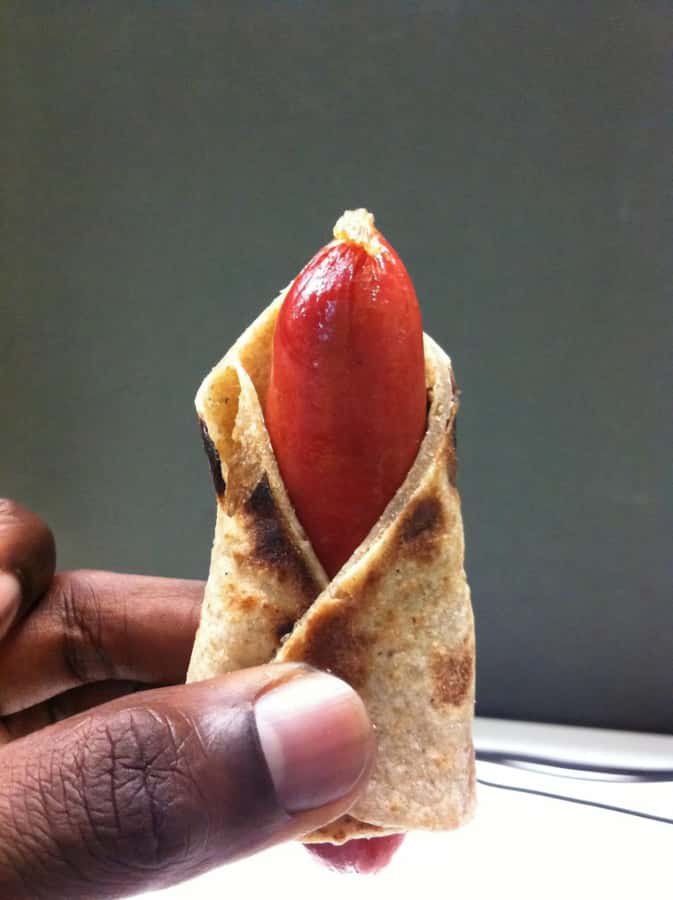
The lunch stop is presented as a local heritage restaurant, where you can eat traditionally prepared fish, meat, and chicken. The meal comes with kachumbari and ugali, and nyama choma is included in the stated tour inclusions.
This is the point where the outing shifts from snack sampling to a proper meal. You get a chance to see how Kenyan food works as a full plate, not just as something bought from a street stall. For many people, this will be the most filling part of the afternoon.
The wording around payment deserves attention. Breakfast street snacks and a nyama choma lunch are listed among the included items, while the general terms also say that food or snacks consumed during the tour are not included. That is not fully clear. I would ask the provider before booking whether the advertised tasting portions and lunch are covered, and which purchases require separate payment.
At the current listed price of $55, the tour can still be a fair buy if the meal and tastings are covered. If most food must be paid for separately, the value rests more heavily on Sharon’s guiding, the small group, and the city visits. Either way, carry cash for small purchases at the market and bus station.
A few more Nairobi days to weigh up
- Nairobi National Park Half-Day Tour; Free Wi-Fi connection
★ 5.0 · 878 reviews - Nairobi: National Park & Optional Elephants & Giraffe Center
★ 4.8 · 874 reviews - NAI NAMI: Nairobi Storytelling Tour with Street Children
★ 5.0 · 792 reviews - Nairobi National Park Half-Day Game Drive
★ 4.5 · 738 reviews
City Market and the taste of Nairobi shopping
Next comes City Market, where the focus moves from prepared meals to fresh fruit, spices, and market snacks. This is one of the stronger parts of the plan for anyone who wants to understand how food reaches the city table.
A market can feel confusing if you walk through it without context. Sharon’s role is to help you engage with vendors and make sense of what you see. You may find fresh produce, unfamiliar seasonings, and snack foods that look different from the dishes served at lunch.
The tour does not promise a shopping allowance or specific products on a given day. Bring cash if you want to make small purchases, but do not assume that every item you see is part of the tour fee. A camera is welcome, though ask before photographing vendors or people. Respect for local customs is specifically requested, and that matters more than getting one extra picture.
City Bus Station, Smocha, and Mayai pasua
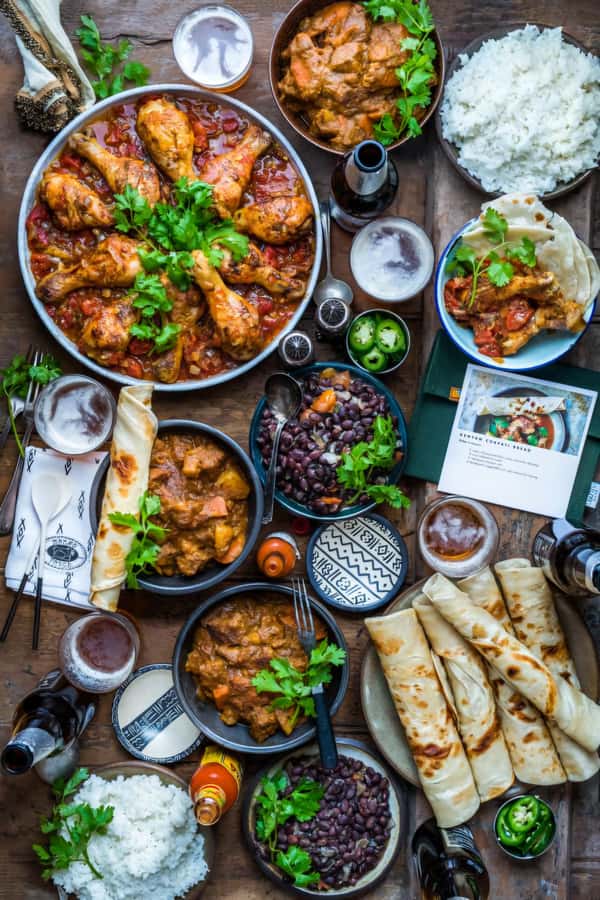
The City Bus Station adds a useful change of pace. Here, the food is tied to commuting and working city life. You will learn about Nairobi’s local commute system and sample snacks such as Smocha, Mayai pasua, and uji power.
This stop is valuable because it connects eating with routine. A snack bought near a transport center is not presented as a special restaurant dish. It belongs to the rhythm of getting across town, meeting the day’s needs, and finding something quick to eat.
The station may feel more active and less polished than a restaurant or hotel. That is part of the point, but it may not suit someone who wants a quiet, carefully arranged tasting. Keep your belongings secure, follow Sharon’s instructions, and stay with the group. The supplied rules also prohibit littering and smoking, and alcohol is not allowed in the vehicle if transport is used during the experience.
The tour is limited to five participants. That size should help Sharon explain foods and answer questions without losing the group in a crowded public place. It also means the experience may have a more social, conversational feel than a formal food lecture.
Sarova Stanley and Nairobi’s hotel story
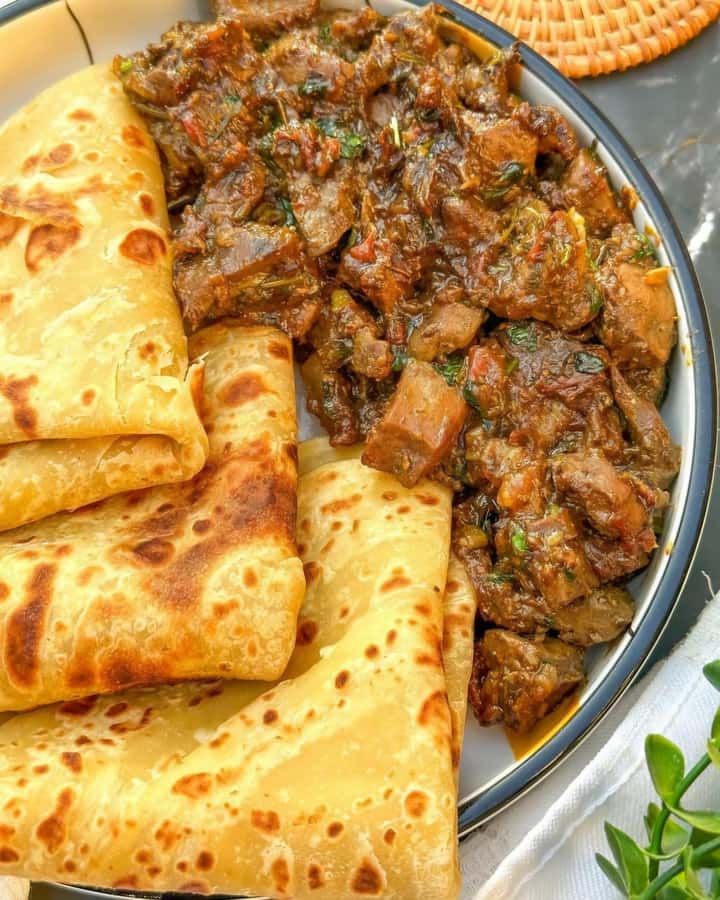
The final major stop is Sarova Stanley, a legacy hotel more than a century old. Here, the focus shifts from food to the development of Nairobi and the city’s hotel industry.
This is a smart closing stop. After seeing snacks at the bus station and produce at City Market, you finish with a place linked to Nairobi’s more formal hospitality tradition. The contrast gives the tour a wider frame. Food in Nairobi is not only street fare and family cooking. It is also part of the city’s hotels, businesses, visitors, and public life.
The visit is described as a chance to learn about Kenya’s history and the hotel industry in Nairobi. It is not advertised as an overnight stay, a full hotel tour, or a meal at the property. Keep your expectations focused on the guided visit and historical context.
If you enjoy architecture and old city institutions, this stop will likely add real value. If you signed up only for eating, it may feel like the tour has changed subjects near the end. I see it as a useful finish, provided you want food and city background in the same outing.
Sharon’s personal approach
Sharon is the named guide, and her manner receives the strongest praise in the supplied feedback. She is described as warm, friendly, attentive, joyful, and easy to spend time with. One person from Vietnam enjoyed the food tour so much that they later met Sharon again for more food, pool, and time together. Another person from Martinique described the experience with Sharon as a very pleasant way to make discoveries in Nairobi.
That tells you something useful about the tour. It is not built around a large staff, a headset, or a fixed script alone. The guide is central to the experience. You should expect conversation, personal attention, and help navigating the food stops.
Of course, a friendly guide cannot remove every uncertainty. The tasting schedule, exact portions, and available foods may vary. Sharon can explain what is being served, but the information provided does not promise a set menu or a particular choice at every stop.
Who should book this Nairobi food tour?
I would recommend it to first-time visitors who want an introduction to Nairobi that feels connected to daily life. It suits people who like trying several foods, asking questions, walking between city stops, and learning how residents commute and shop.
The small group also works well for solo visitors and couples who prefer conversation over a large organized outing. English speakers will have the clearest fit, since English is the stated tour language.
Younger children are not suitable, as the experience is not recommended for anyone under 10. Anyone who dislikes street food, crowded public areas, or uncertain meal timing should think twice. This is also not the best choice if you want a quiet restaurant meal with no walking.
Book with a camera, comfortable shoes, cash, a water bottle, and weather-appropriate clothing. Comfortable clothes will make the three-and-a-half-hour outing easier. You can cancel up to 24 hours ahead for a full refund, and the reserve-now, pay-later option gives you some flexibility when planning.
Should you book Motherland Gastronomic Nairobi City Tour?
Book it if you want food plus city context, not just a list of restaurant stops. The combination of Kenyan snacks, a full nyama choma meal, City Market, the City Bus Station, and Sarova Stanley gives you a broad introduction in a compact afternoon.
The strongest reason to choose it is Sharon. Her warm, attentive guiding style is praised more than any single dish, and the group limit of five should help that personal approach come through. The main reason to pause is the unclear food-payment wording. Confirm what is included before you pay, then carry cash anyway.
For curious eaters who want an approachable first look at Nairobi, this is a good-value option if the core tastings and lunch are covered. For a food-only outing, or for anyone who wants a polished, predictable dining experience, choose something more focused.
FAQ
How long does the Nairobi food tour last?
The tour lasts 210 minutes, or three and a half hours.
What is the price per person?
The listed price is $55 per person.
Where does the tour start and finish?
The tour starts and ends at Nation Centre in Nairobi.
How do I identify the guide at Nation Centre?
The meeting instructions describe Nation Centre as a tall curved building with pillars at the entrance. Sharon will be wearing white trousers.
Who is the guide?
The guide is Sharon, and the tour is conducted in English.
How many people can join the group?
The group is limited to five participants.
What food can I try?
The food selection includes samosas, mandazi, mitai, kaimati, boiled maize, Smocha, Mayai pasua, uji power, fresh fruit, spices, fish, meat, chicken, nyama choma, kachumbari, and ugali.
Is food included in the price?
Breakfast street snacks and a nyama choma lunch are listed as included, but the terms also say that food and snacks consumed during the tour are not included. Confirm the exact payment arrangement with the provider before booking.
Is the tour suitable for children?
The tour is not suitable for children under 10.
Just added around Nairobi
- Visit kibera Slum the chocolate city★ 4.8 · 3 reviews
- 4 Days Safari to Lake Nakuru N/P and Maasai Mara N/R★ 5.0 · 18 reviews
- Maasai Mara Day Trip★ 5.0 · 15 reviews
- 4 Days Tour Landcruiser in Masai Mara and Lake Nakuru★ 5.0 · 10 reviews
- 3 days maasai mara migration safari★ 4.5 · 7 reviews
- Kibera Slum Tour with a Local★ 5.0 · 15 reviews
- Wildebeest Migration in Masai Mara and Sightseeing 4 Days Tour★ 4.5 · 6 reviews
- Day Tour to Nairobi national park, Elephants, and Giraffe Center★ 3.5 · 8 reviews
City Tours, compared.


Tusks, Fort Jesus, Old Town, Beach and City Tour
Read our review →
Nairobi City Walking Tour with Traditional Kenyan Lunch
Read our review →
Nairobi Cultural and Historical City Tour with a Local
Read our review →

Private City Tour with Fort Jesus & Haller Park
Read our review →Browse the lists this tour appears in