
Reviewed · CITY TOURS
Nairobi city walking tour
Nairobi’s story comes into focus on foot, from Jeevanjee Gardens through the central business district to the top of Kenyatta International Conference Centre. You’ll see colonial-era buildings, busy markets, memorials, and modern city landmarks while your guide explains how Nairobi grew into Kenya’s capital.
I like the small private-group format, which gives you room to ask questions and set the pace. I also like the chance to practice a few Swahili words and shop for handmade crafts rather than simply viewing the city through a vehicle window. The main drawback is that the tour is not suitable for wheelchair users, people with visual impairments, or anyone who needs crutches.
Key points
- Three hours on foot: The walk covers Nairobi’s central business district and ends at KICC.
- Michael as your guide: He leads in English or Swahili and explains Kenya’s political and city history.
- Markets with shopping time: City Market and Maasai Market offer souvenirs and handmade goods.
- Colonial-era landmarks: Kipande House and McMillan Memorial Library connect the present city with its earlier chapters.
- A paid KICC entry: The tour price is $17 per person, but entering KICC costs an additional 500 Kenyan shillings.
- Strong safety feedback: Michael was specifically praised for making one visitor feel safe during the walk.
Starting at Jeevanjee Gardens
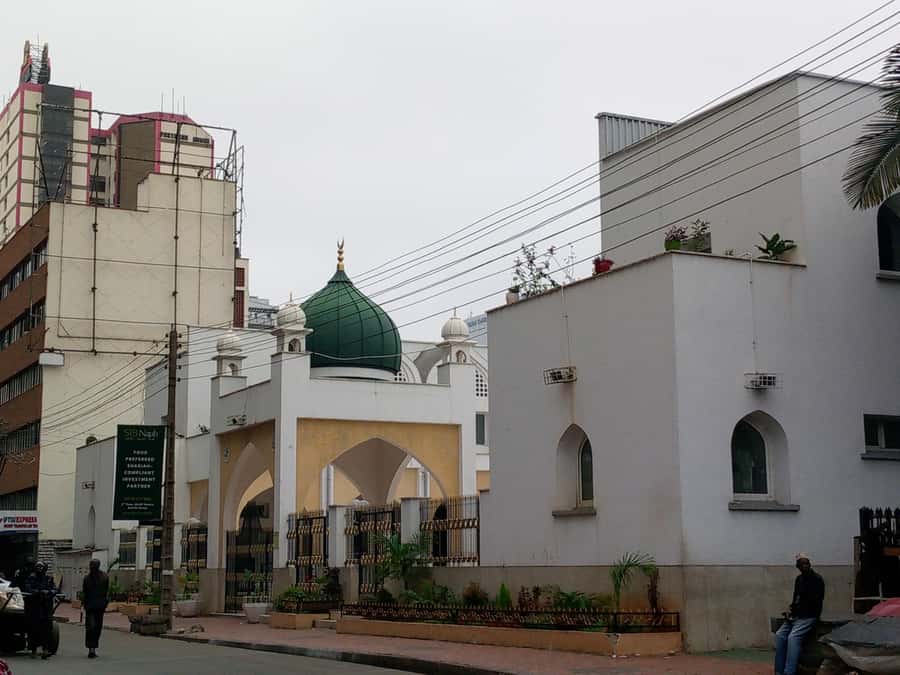
Jeevanjee Gardens is a practical starting point for a central Nairobi walk. You meet your guide here, then begin with the broad story of Kenya and the growth of Nairobi. That opening matters because the buildings and streets make more sense once you know how the city developed into the national capital.
Michael is the named guide for this experience. He speaks English and Swahili, so you can ask questions in English while also picking up a few everyday Swahili words. The tour is a private group, not a large shared outing, which should make it easier to pause at a building, ask about a detail, or spend a little longer at a market stall.
The first part is not built around a single major attraction. Instead, you get your bearings in the city center. I see this as a strength for a first visit to Nairobi, especially if you want a quick introduction before exploring the city on your own.
More City Tours in Nairobi
- Nairobi Historical Walking City Tour
★ 5.0 · 258 reviews - Nairobi City Walking Tour with Traditional Kenyan Lunch
★ 5.0 · 106 reviews - Nairobi Cultural and Historical City Tour with a Local
★ 5.0 · 67 reviews
City Market and the practical side of Nairobi

City Market is one of the tour’s shopping stops. You can look for souvenir goods and handmade artifacts, making this more than a simple photo stop. It is a useful place to compare prices, see what local sellers offer, and decide what kind of small gift you actually want to carry home.
The shopping element is fairly hands-on. You should plan to browse rather than rush through with your camera out. Since the tour lasts only three hours and includes several other sights, your buying time may be limited, so it helps to know what you are looking for.
The tour includes City Market, but your purchases do not form part of the $17 price. Bring money separately, and keep your expectations sensible. This is an introduction to Nairobi shopping, not a dedicated craft-shopping tour with unlimited time at every stall.
Kipande House and the marks of colonial Nairobi
Kipande House is one of the historic buildings included on the route. The guide explains the building’s colonial connection and how such places fit into Nairobi’s past. You also hear how buildings from that period are used by Kenyan people today.
That contrast is one of the most useful parts of a walking tour here. A building is not just an old facade. It can show how Nairobi changed from a colonial administrative center into a modern Kenyan capital, while still carrying visible traces of earlier rule.
You may find the stop most rewarding if you enjoy learning through streets and buildings rather than through a museum display. The information depends heavily on the guide’s explanation, so this is a place to ask questions. Michael’s focus on Kenyan and Nairobi history is a central part of the walk, and previous feedback specifically praised the amount of historical detail he shared.
McMillan Memorial Library and the city’s older institutions
McMillan Memorial Library is included in the tour, adding another historic institution to the route. The stop helps broaden the story beyond government buildings and commercial streets. It points to the civic and educational institutions that have shaped Nairobi’s public life.
The supplied details do not promise an interior visit or a particular exhibition, so you should treat this as a guided sight from the route unless your guide says otherwise. That is worth knowing if you are hoping for a long indoor library visit.
Still, the stop has value because it gives Michael another place to explain how Nairobi’s older structures continue to serve the city. The tour works best when you see these places as pieces of a larger story, rather than as isolated attractions to tick off.
More Walking Tours in Nairobi
- Nairobi: Historic and Modern Highlights Walking Tour
★ 4.8 · 703 reviews - Nairobi Downtown Walking Tour
★ 4.7 · 208 reviews - Nairobi Walking Tour: Downtown & City Tour
★ 4.8 · 32 reviews - Day tour to Hells Gate, Lake Naivasha and Crescent Island Walk
★ 5.0 · 26 reviews
Soldiers of War and the human cost of history
The Soldiers of War memorial is another important pause. Its subject gives the walking tour a more serious turn. Instead of focusing only on architecture, the route asks you to consider the people connected with Kenya’s wartime past.
This stop may not take long, but it adds weight to the day. A city tour that includes memorials can help you understand how national memory appears in public spaces. Listen closely to the explanation, since the supplied tour details identify the site but do not specify the exact memorial story or length of the visit.
The inclusion of Soldiers of War also keeps the tour from becoming only a shopping walk. You get markets, buildings, and a place of remembrance within the same short route.
Kenyatta International Conference Centre from above
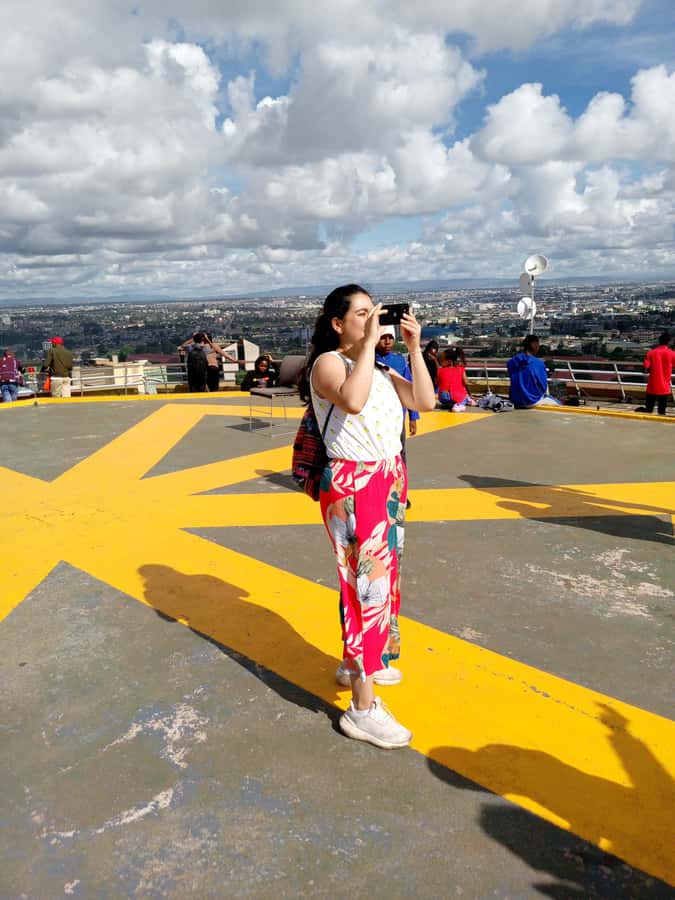
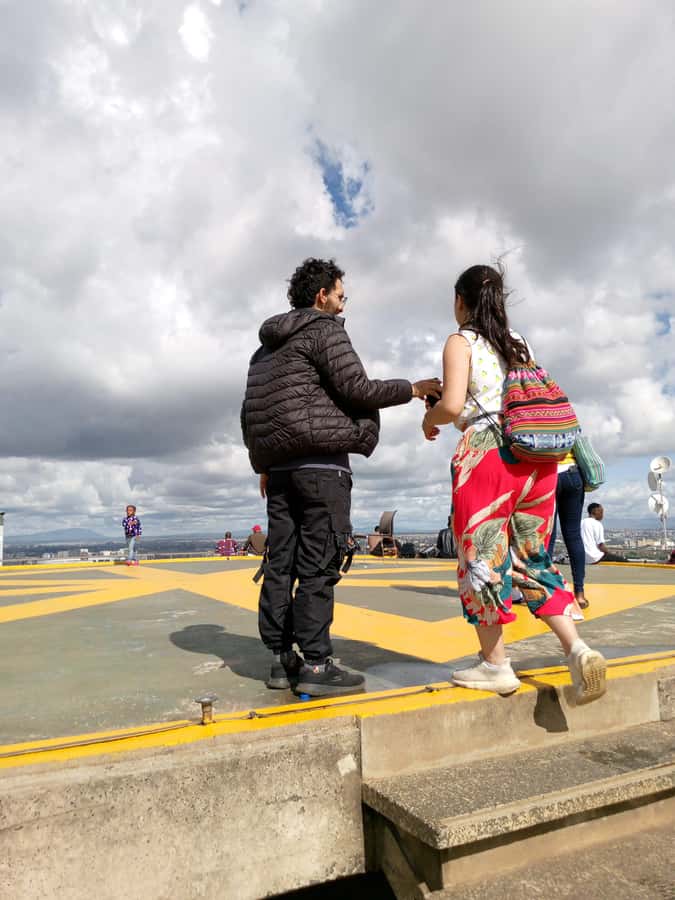
The tour ends at Kenyatta International Conference Centre, usually called KICC. The building is one of Nairobi’s best-known city landmarks, and the route includes time to visit, take photographs, enjoy views, and have a break.
Entry to KICC costs an additional 500 Kenyan shillings. That fee is not included in the tour price, so budget for it if you want to go inside and reach the top. The wording of the schedule indicates that this is the finishing point, with free time and scenic views before the tour wraps up.
This final stop gives the walk a clear finish. After seeing older buildings and memorials at street level, you look across Nairobi from above. The view helps you connect the compact central business district with the wider city.
The timing here is listed as about 30 minutes. That is enough for a pause and photographs, but not a long visit. If you are especially interested in KICC, ask your guide how the entry works at the time of your tour and keep the 500 shillings ready.
Maasai Market and buying handmade goods
Maasai Market is included as a visit, photo stop, guided stop, and shopping opportunity. You might find handmade artifacts, craft goods, and souvenirs associated with Kenya. The schedule allows about 30 minutes, so this part is likely to be focused and practical rather than a slow market expedition.
The market is a good fit if you want something tangible from Nairobi. You can look for a small item, practice polite bargaining if appropriate, and ask your guide about the goods on sale. Your guide’s presence can also help you understand the setting and avoid spending the whole visit guessing what you are looking at.
Do not confuse this with a full-day shopping trip. The tour has several historical stops, and the market time is limited. If shopping is your main reason for booking, you may want extra time in Nairobi after the walk. If you want a balanced introduction, the market adds a welcome local touch.
What the three-hour schedule feels like
Three hours is a good length for a first look at central Nairobi. You cover several sites without committing an entire day, and the walking format lets you notice street-level details that are easy to miss from a car.
The schedule includes a main guided walk through Nairobi County, a KICC visit of around 30 minutes, a Maasai Market stop of around 30 minutes, and shorter visits or photo stops elsewhere. Because the route includes both sightseeing and shopping, you should expect a steady pace.
Wear comfortable shoes and bring water. A bottle of water is not included, and the tour takes place on foot. The information does not give a precise distance, so I would not treat this as a relaxed stroll with little exertion. You need to be comfortable walking around the city center for several hours.
The route begins and returns to Jeevanjee Gardens according to the supplied details, while KICC is described as the tour’s ending point and final major stop. Confirm the exact meeting and return arrangement when booking, especially if you have another appointment afterward.
How much value does $17 offer?

At $17 per person, this is a low-cost way to get a private guided introduction to Nairobi’s central district. The price includes a local guide and access to a route that combines history, landmarks, markets, and city views. For a first day in Nairobi, that mix can save you the trouble of piecing together the center on your own.
The value depends on what you want. You are paying for Michael’s explanations, the private format, and a planned sequence of places, not for extensive entrance tickets or a meal. City Market and Maasai Market are included as stops, but purchases cost extra. KICC entry is also separate at 500 Kenyan shillings.
I consider the price especially fair for someone who wants context. Walking past Kipande House or McMillan Memorial Library without an explanation may take only a minute. With a guide, those buildings become part of the story of Nairobi’s growth, colonial past, and present-day use.
The tour received five-star ratings across four verified bookings, including feedback praising Michael’s safety-conscious approach and his ability to explain Kenya and Nairobi’s past. One review called the tour simply very good, while others highlighted the history and the guide’s strong knowledge of the city. The sample is small, so I would treat it as encouraging rather than proof that every outing will be identical.
Safety, language, and group style
Michael was praised for making one visitor feel safe, which is a useful point for anyone nervous about a first walk through central Nairobi. A guide who explains where you are and keeps the group together can make the city center easier to understand.
The activity is offered in English and Swahili. That makes it suitable for English speakers who want clear explanations, as well as for people who prefer to include Swahili in the experience. The tour also specifically offers a chance to learn some Swahili words.
Because the group is private, the experience should feel more personal than a large city walk. You can ask about the landmarks that interest you most. The tour still has a set route and limited time, so it cannot become a custom history seminar at every stop.
For practical comfort, bring your own water and wear shoes suitable for city walking. Alcohol and drugs are not allowed. Baby strollers and crutches are also not allowed, and the activity is not suitable for wheelchair users or people with visual impairments.
Who will enjoy this Nairobi walk?
I would recommend this tour to first-time visitors who want an introduction to central Nairobi without spending a full day on an organized outing. It also suits you if you like history, architecture, markets, and short stops that build a broad picture of a city.
It is a good choice for a private pair or small party that wants to ask questions. The combination of English or Swahili guiding, craft shopping, and a city-view stop gives the walk more range than a simple building tour.
You may want something else if you dislike walking, need step-free access, or want a long, unhurried market visit. The tour also may feel too brief if your main goal is detailed museum time or a deep study of one historical period. Its strength is variety and explanation within three hours.
Should you book the Nairobi city walking tour?
Book it if you want a compact, affordable introduction to Nairobi led by Michael, with history, markets, memorials, and KICC views in one private outing. The $17 price is attractive, but remember to add 500 Kenyan shillings for KICC and bring money for crafts and your own water.
Skip it if mobility access is essential, if you want a vehicle-based tour, or if shopping is your only priority. For most able walkers making a first visit to central Nairobi, the route offers a useful beginning and leaves you with a better sense of how the city’s past and present meet on the same streets.
FAQ
How long does the Nairobi city walking tour last?
The tour lasts three hours. The KICC visit is listed as about 30 minutes, and the Maasai Market stop is also listed as about 30 minutes.
Where does the tour start?
The tour starts at Jeevanjee Gardens in Nairobi.
Where does the tour finish?
Kenyatta International Conference Centre is described as the final major stop. The supplied details also state that the tour arrives back at Jeevanjee Gardens, so confirm the exact return arrangement with the provider.
Who guides the tour?
Michael is the named guide for the experience. The tour has a live local guide.
Which languages are available?
The tour is offered in English and Swahili.
Is the tour private?
Yes. The group type is listed as a private group.
Is KICC entry included in the price?
No. Entrance to KICC costs an additional 500 Kenyan shillings.
Is water included?
No. You need to bring or buy your own bottle of water.
Is the tour suitable for wheelchair users?
No. The activity is listed as unsuitable for wheelchair users and people with visual impairments. Crutches and baby strollers are not allowed.
Can I cancel the booking?
Yes. You can cancel up to 24 hours in advance for a full refund. The reserve-now-and-pay-later option lets you book without paying immediately.
More Guided Walks
- Nairobi: From Nairobi-Karura Forest Guided Walking Tour
★ 5.0 · 21 reviews - Nairobi: Hidden Gems and Local Secret Guided Walking Tour
★ 4.9 · 20 reviews - Historical City Walk Tour in Nairobi
★ 5.0 · 19 reviews - Nairobi City: Walking tour with Lifestyle and History.
★ 4.9 · 17 reviews
Just added around Nairobi
- Visit kibera Slum the chocolate city★ 4.8 · 3 reviews
- 4 Days Safari to Lake Nakuru N/P and Maasai Mara N/R★ 5.0 · 18 reviews
- Maasai Mara Day Trip★ 5.0 · 15 reviews
- 4 Days Tour Landcruiser in Masai Mara and Lake Nakuru★ 5.0 · 10 reviews
- 3 days maasai mara migration safari★ 4.5 · 7 reviews
- Kibera Slum Tour with a Local★ 5.0 · 15 reviews
- Wildebeest Migration in Masai Mara and Sightseeing 4 Days Tour★ 4.5 · 6 reviews
- Day Tour to Nairobi national park, Elephants, and Giraffe Center★ 3.5 · 8 reviews
City Tours, compared.



Tusks, Fort Jesus, Old Town, Beach and City Tour
Read our review →
Nairobi City Walking Tour with Traditional Kenyan Lunch
Read our review →
Nairobi Cultural and Historical City Tour with a Local
Read our review →


Private City Tour with Fort Jesus & Haller Park
Read our review →Browse the lists this tour appears in