
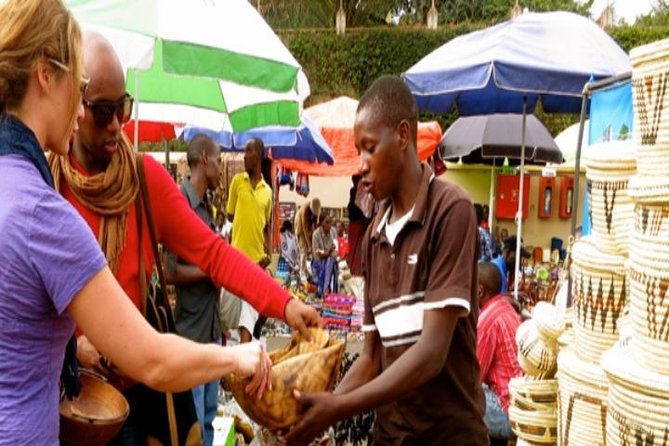
Reviewed · CITY TOURS
City Tour/Feel Like a local for a moment
Nairobi comes into focus when you stop viewing it from a tour vehicle and ride the same matatus locals use. This six-hour outing links the city center with three suburban areas, a food market, a large shopping mall, lunch, and the Maasai Market. It is less about checking off monuments and more about seeing how Nairobi moves.
I like the small group, capped at eight, and I like the time set aside for questions. Guides including Harriet, Daisy, Henrietta, Maxine, and Winnie have been praised for making the day feel safe, friendly, and personal. The possible drawback is that the route uses public transport and city streets, so timing can be less predictable than on a private car tour.
Key points to know before booking
- Ride a matatu between neighborhoods: Public minibuses are part of the experience, not just a way to get around.
- Shop with local help: Your guide accompanies you at Maasai Market and helps you seek prices closer to local rates.
- Keep the group intimate: A maximum of eight people gives you more room to ask questions and keep pace with the guide.
- Lunch and water are included: You do not need to arrange your midday meal or basic bottled water.
- Expect route changes in practice: Some days may include sites such as the National Archives, a museum, or a memorial park in addition to the named stops.
- Pack for city walking: Good shoes are required, and you should carry a passport copy or your original passport.
Why Nairobi feels different from a tour bus
This experience puts daily life at the center. You travel through Nairobi by shared minibus, walk through local commercial areas, look at food shopping, and spend time in places where residents shop and eat. That gives you a better sense of the capital than a quick drive past major buildings.
The matatu ride is a key part of the day. It lets you see transport as a daily necessity rather than a sightseeing prop. You may notice how neighborhoods change as you move between the center and suburbs, though you should allow for ordinary city delays and a little crowding.
The group size matters here. With no more than eight people, you can ask why a market works a certain way, what an official building means, or how people use a particular part of town. A large coach group would make those conversations harder.
The guides are central to the experience. Harriet has been singled out for keeping the day relaxed and helping people feel safe. Daisy has led visits that included the National Archives, a memorial park, and the former United States Embassy Memorial. Henrietta has been described as fun and well informed, while Maxine has been valued for her friendly, caring manner. These details suggest that the quality of your day will depend heavily on which guide leads your group, but the personal style is a clear strength.
More City Tours in Nairobi
- Nairobi Historical Walking City Tour
★ 5.0 · 258 reviews - Nairobi City Walking Tour with Traditional Kenyan Lunch
★ 5.0 · 106 reviews - Nairobi Cultural and Historical City Tour with a Local
★ 5.0 · 67 reviews
Starting at the Kenyatta Monument
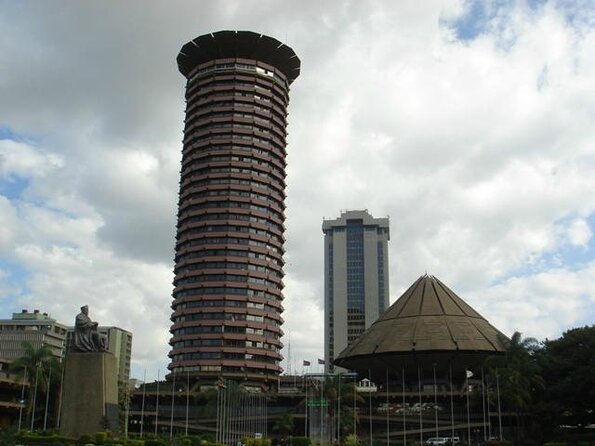
The day begins at 8:00 a.m. at BataWatalii Lane. The first listed stop is the Kenyatta International Conference Center, where you have about 15 minutes to take a picture at the Kenyatta Monument.
This is a short opening stop, not a long architectural visit. It gives you a central reference point and a quick introduction to Nairobi’s civic heart. If you are hoping for an extended visit inside the conference center, that is not what the schedule promises.
The brief timing also tells you something about the whole outing. You will see several parts of the city rather than spend most of the morning at one attraction. I would think of this stop as a photo and orientation break before the day turns toward markets, transport, food, and shopping.
City Market and the food-shopping side of Nairobi
The next listed stop is City Market, with about 15 minutes in the area. The focus is the meat-shopping section, giving you a look at a part of local commerce that many sightseeing routes skip.
This is a practical stop rather than a polished attraction. You may find it visually and culturally interesting, but it can also feel direct and unfiltered. If you are sensitive to strong smells or prefer only formal museums and monuments, this part may not suit you.
The short visit keeps the experience moving. Your guide can explain what you are seeing and answer questions without turning the stop into a long market tour. Some versions of the day have also included food shopping for snacks, according to the experiences described by past participants. That fits the tour’s general aim: showing you where ordinary purchases happen, not only where visitors are taken.
Do not expect a formal tasting menu here. An optional street-food tasting is available, but it is not part of the included package. You should ask your guide about the tasting and any extra cost before ordering.
Two Rivers Mall and a suburban change of scene
The schedule allows 45 minutes at Two Rivers Mall, described as Kenya’s biggest mall. Here, the idea is to shop as a local might in a large modern retail center, a useful contrast to City Market and the matatu ride.
This stop can feel less traditionally touristic, which is precisely why it has value. Nairobi is not only historic buildings and open-air markets. It is also contemporary retail, brands, food outlets, and suburban shopping. Moving between these settings helps you see the city as a working capital with different layers of daily life.
Still, 45 minutes is not much time for a large mall. You are unlikely to explore every section or shop at leisure. Treat it as a chance to observe how shopping changes outside the center, use facilities, and make a purchase if something catches your eye.
The mall also provides a break from the more intense parts of city touring. After walking through a food market and using public transport, an organized shopping center may feel familiar and easy. If your main interest is old Nairobi, museums, or historic landmarks, this stop may be less exciting. If you want a fuller picture of present-day life, it earns its place.
A few more Nairobi days to weigh up
- Nairobi National Park Half-Day Tour; Free Wi-Fi connection
★ 5.0 · 878 reviews - Nairobi: National Park & Optional Elephants & Giraffe Center
★ 4.8 · 874 reviews - NAI NAMI: Nairobi Storytelling Tour with Street Children
★ 5.0 · 792 reviews - Nairobi National Park Half-Day Game Drive
★ 4.5 · 738 reviews
Maasai Market, bargaining, and buying with confidence

The Maasai Market gets about an hour, making it one of the more substantial stops. Shopping is complimentary, and the guide helps you seek the best prices available to local shoppers.
That help can be useful. Bargaining in an unfamiliar market can be awkward, especially when you do not know the normal starting price or how firmly to negotiate. Harriet and Winnie have been praised for haggling on behalf of the people they guided, so you can expect practical assistance rather than being left to manage every transaction alone.
You should still decide what you want to spend before you begin. A guide can help with negotiation, but you remain responsible for checking the item, agreeing on the final price, and keeping track of your purchases. Bring modest spending money if you plan to buy souvenirs, since shopping itself is not listed as included.
The hour is long enough to browse without making the market the entire day. It also gives you a chance to ask about the objects and materials on sale. Keep your valuables out of sight, skip flashy jewelry, and follow the advice to bring only what you need.
Lunch, street food, and the everyday side of the tour

Lunch is included, along with bottled water. A midday meal at a local restaurant has featured in some outings, and the schedule leaves room for food to become part of the conversation rather than a rushed fuel stop.
The exact restaurant and menu are not specified, so you should not book this expecting a fixed culinary program. The optional street-food tasting gives you another way to try Kenyan flavors, but you should treat it as an add-on and confirm details with the guide.
I like that food is built into the day. Eating together creates time to talk, ask questions, and compare what you have seen. It also gives you a more grounded view of the city than stopping only for coffee at a familiar international chain.
If you have allergies or dietary restrictions, raise them when booking or at the start. The available details do not promise special menus or specific dishes, so you should not assume every preference can be accommodated.
Extra city-history stops may vary

The named schedule lists four main stops, but the experiences described by past participants include other places: the National Archives, the National Museum, a memorial park, and the former United States Embassy Memorial.
That suggests the exact route can shift. Your guide may adjust the day based on timing, local conditions, group interests, or what can reasonably fit into six hours. Daisy has led a museum visit with explanations of the collections, while another outing included a memorial site described as interesting and sad. These additions would give the day more historical weight than the basic stop list alone.
You should ask at the beginning what your group will visit. That simple question helps you understand how much time will go to markets, museums, memorials, or suburban shopping. Do not assume every stop mentioned by another participant is guaranteed on your date.
This flexibility is useful for a small group, but it also means the experience is not a rigid sightseeing circuit. If you need a fixed list of attractions and exact timings, choose a more structured tour.
What the $55 price really covers

At $55 per person, the cost includes lunch, bottled water, the guide, and public transport between locations. For a six-hour experience, that is a reasonable package if you want a local-style route rather than a private vehicle and a series of entrance-ticket attractions.
The value comes from access and explanation. You are paying for someone to help you navigate matatus, connect different parts of Nairobi, explain what you see, and assist with bargaining. You also avoid arranging lunch and transport on your own.
There are no listed admission fees for the scheduled stops, so this is not a ticket-heavy tour. That keeps the price straightforward. Extra spending may include souvenirs, alcohol, and optional street food. Tips are not included either.
The tour is especially good value for a first day in Nairobi if you want orientation and social contact. It is less compelling for someone who already knows the city or wants a private car, a luxury meal, or long visits inside major museums.
The practical details that affect your day
Pickup is offered, but the stated starting and ending point is BataWatalii Lane in Nairobi. Confirm the exact pickup arrangement before the morning of the tour. The activity ends back at the meeting point.
Wear good walking shoes. Sandals and high heels are specifically discouraged, which makes sense for a day involving streets, markets, public transport, and several stops. Carry a copy of your passport, including the main page and the page showing your visa stamp, or carry your original passport.
The camera rule is unusual: do not bring a camera because photography in town is not allowed, but phone use is permitted. Follow the guide’s advice about where you can take pictures. Avoid flashy jewelry and do not bring valuables you do not need.
Service animals are allowed, and most people can participate. The activity requires good weather. If poor weather forces a cancellation, you can choose another date or receive a full refund. You can also cancel for a full refund up to 24 hours before the start time. Changes made inside that 24-hour window are not accepted and are not refunded.
The tour is usually booked well ahead, with an average booking time of 59 days before departure. That is worth noting if your Nairobi schedule is tight, especially since the eight-person limit can fill quickly.
Who will enjoy this Nairobi tour most?
I would choose this outing if you want to:
- Learn how Nairobi works through transport, markets, food, and shopping
- Ask plenty of questions in a small group
- Meet a guide who takes an active role in your safety and comfort
- See both central Nairobi and suburban areas
- Shop at Maasai Market with help negotiating
- Get a first orientation before a longer Kenya itinerary
I would hesitate if you dislike shared transport, uneven city pacing, open food markets, or flexible schedules. The day is not designed around grand monuments or a polished sightseeing vehicle. It is designed around contact with the city as it is.
It also suits solo visitors particularly well. A small group and a guide can make the city easier to approach, while the included lunch creates a natural chance to talk. Couples and friends will also appreciate the relaxed pace, but the experience works best when you are willing to ask questions and stay open to ordinary details.
Should you book the Feel Like a Local tour?
Book it if your main goal is to understand Nairobi through local movement, shopping, food, and conversation. The matatu ride, small group, included lunch, and guide-assisted Maasai Market visit give you more than a quick photo tour.
Skip it if you want a fixed museum route, private transport, or a luxury experience. The schedule can shift, public transport takes patience, and the market and City Market stops are not dressed up for visitors.
For the right person, $55 is a fair price for six hours of guided orientation. Go with good shoes, a phone instead of a camera, modest valuables, and a willingness to let the day show you more than the postcard version of Nairobi.
FAQ
How long is the Nairobi local-life tour?
The experience lasts approximately six hours. It starts at 8:00 a.m. and ends back at the meeting point in Nairobi.
How many people can join the tour?
The group has a maximum of eight people. This keeps the outing small enough for direct questions and conversation with the guide.
Is lunch included?
Yes. Lunch and bottled water are included in the tour price. Alcoholic drinks are not included.
Does the tour use public transportation?
Yes. Public transportation fees between the different locations are included. The tour uses matatus, or shared minibuses, as part of the local experience.
Do I need to bring my passport?
You should carry a copy of your passport showing the main page and visa stamp, or bring your original passport. You should also avoid carrying flashy jewelry or unnecessary valuables.
Can I cancel for a refund?
You can cancel at least 24 hours before the start time for a full refund. Cancellations or changes made less than 24 hours before the start time are not accepted or refunded. If poor weather cancels the activity, you can choose another date or receive a full refund.
Just added around Nairobi
- Visit kibera Slum the chocolate city★ 4.8 · 3 reviews
- 4 Days Safari to Lake Nakuru N/P and Maasai Mara N/R★ 5.0 · 18 reviews
- Maasai Mara Day Trip★ 5.0 · 15 reviews
- 4 Days Tour Landcruiser in Masai Mara and Lake Nakuru★ 5.0 · 10 reviews
- 3 days maasai mara migration safari★ 4.5 · 7 reviews
- Kibera Slum Tour with a Local★ 5.0 · 15 reviews
- Wildebeest Migration in Masai Mara and Sightseeing 4 Days Tour★ 4.5 · 6 reviews
- Day Tour to Nairobi national park, Elephants, and Giraffe Center★ 3.5 · 8 reviews
City Tours, compared.

Tusks, Fort Jesus, Old Town, Beach and City Tour
Read our review →
Nairobi City Walking Tour with Traditional Kenyan Lunch
Read our review →
Nairobi Cultural and Historical City Tour with a Local
Read our review →

Private City Tour with Fort Jesus & Haller Park
Read our review →Browse the lists this tour appears in