
Reviewed · WASINI ISLAND & KISITE MARINE PARK TOURS
Dhow Adventure to Wasini Island & Kisite Marine Park
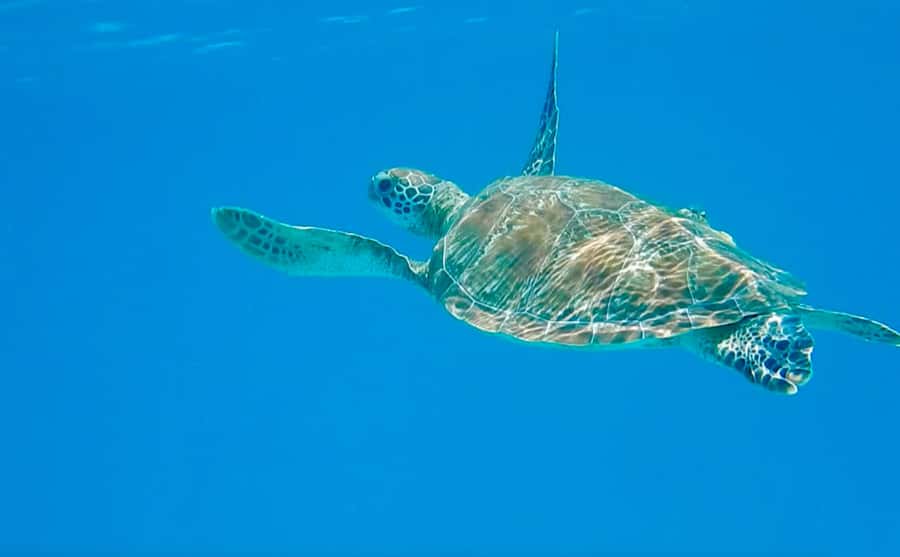
Kisite Marine Park is the star here. From the deck of a traditional dhow, you may spot dolphins before reaching clear water filled with coral, colorful fish, turtles, rays, and perhaps an octopus. The day also includes Wasini Island, a Swahili lunch, and a visit to places connected with the coast’s painful slave-trade past.
I like the small-group feel, especially when the crew can give close help in open water. I also like the free GoPro photos and videos, since you can concentrate on swimming instead of trying to hold a camera. The main drawback is the length: a day advertised as nine hours can take about eleven hours once hotel transfers are included, and rough seas may test anyone prone to seasickness.
Key points to know before you book
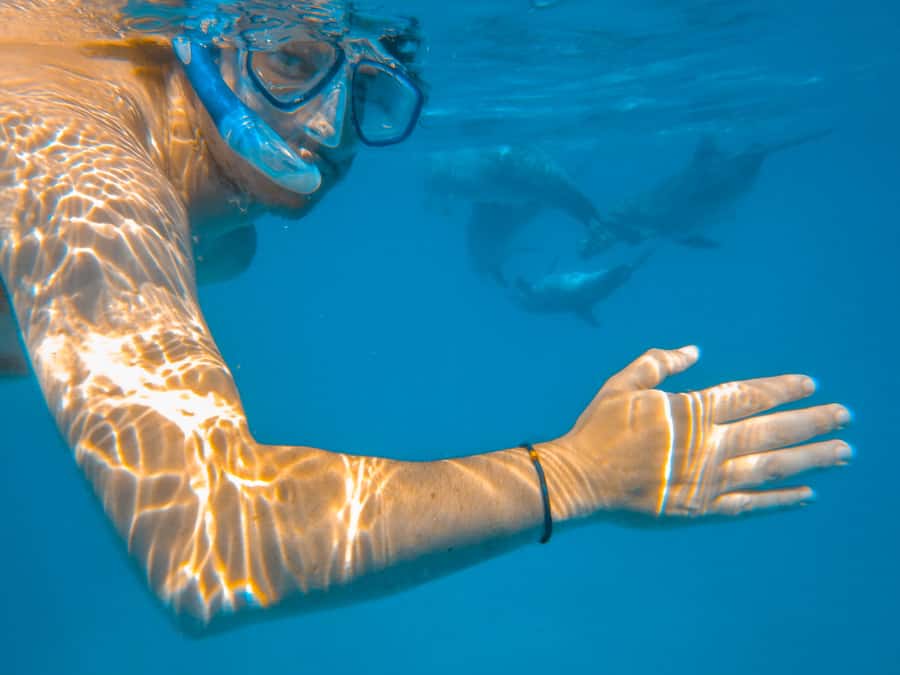
- Dolphins are a lucky encounter, not a promise: The crew looks for them, but wild animals choose where to swim.
- Snorkeling starts from the dhow: You jump into open water rather than walking in from a beach.
- The crew takes safety seriously: Life jackets, flotation support, and close help are available, including for weaker swimmers.
- The boat is built for a long day: Toilets, shade, music, drinks, breakfast, and snacks make the ride easier.
- Wasini adds food and culture: Expect seafood, a village walk, coral gardens, and possibly the slave caves or museum.
- Bring sun protection and cash: Long sleeves, reef-safe habits, and a little money for tips or donations will serve you well.
From Diani to the dhow before breakfast
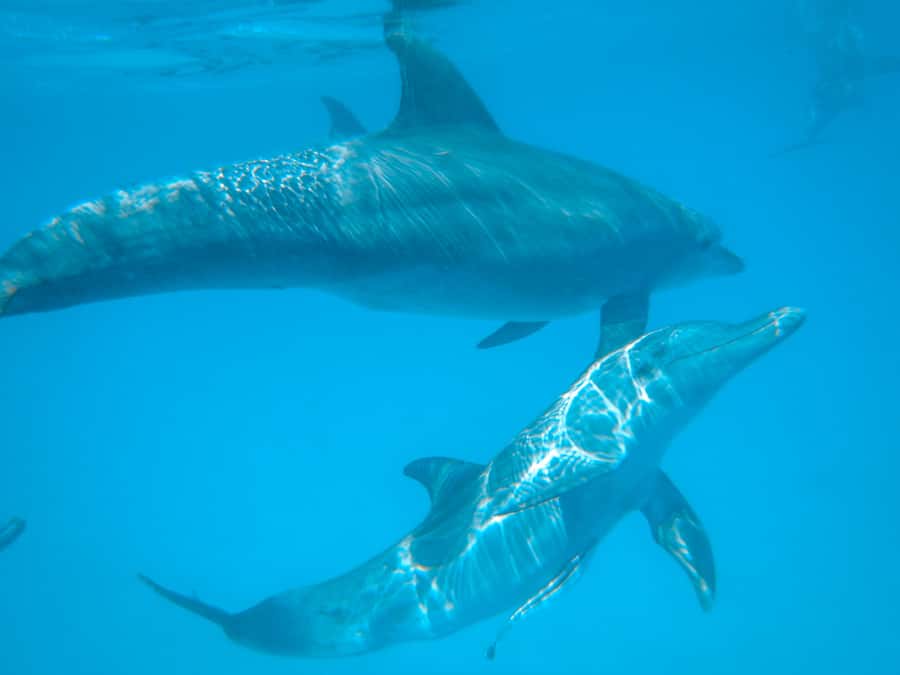
The day begins early, usually with pickup from a Diani or Galu accommodation. The air-conditioned car is a useful touch, since the trip starts around 6:30 or 6:40 in the morning and the return can be close to 5 p.m. Give the operator your exact accommodation details when booking. Pickup from Tiwi or Mombasa can be arranged for an extra charge.
After the coastal transfer, you board the dhow. The boat is described as the biggest and most comfortable dhow in Kenya, and the practical details matter more than the slogan. You have toilets onboard, room to sit, shade, music, and a crew that keeps watch during the open-water sections.
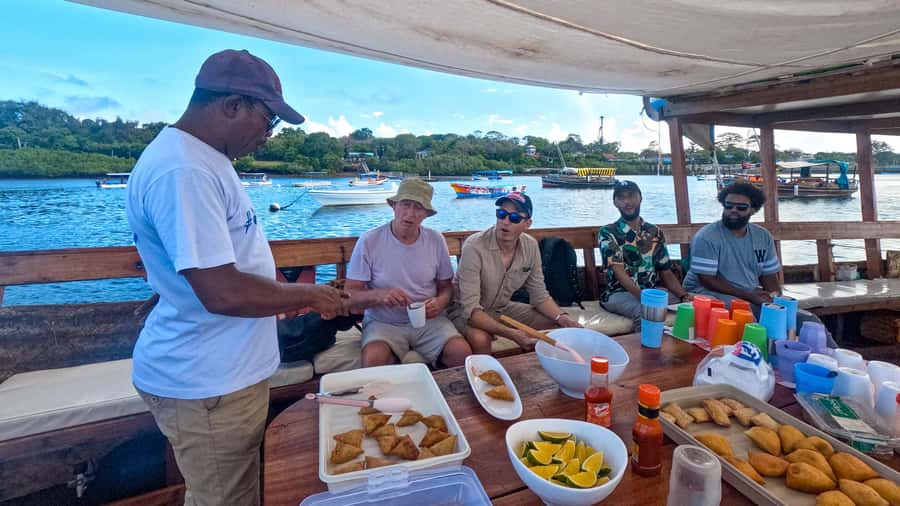
Breakfast comes early on the boat: tea, coffee, fruit, pastries, or other light Swahili-style snacks. It is not a full hotel breakfast, so eat something before leaving if you need a substantial meal. Water and soft drinks are provided throughout the day, along with two beers or two glasses of wine.
The ride itself is part of the experience. You are not simply being ferried to a snorkeling site. You are sailing across the Indian Ocean on a wooden coastal boat, with time to watch the water and feel the wind. Some days are calm and smooth. In rainy or windy weather, the sea can become choppy, so anyone who gets seasick should think twice or bring whatever medication they normally use.
More Wasini Island and Kisite snorkelling days:
- PILLI PIPA DHOW, the genuine product, snorkeling tour to Kisite Marine Park
★ 4.5 · 217 reviews - Full-Day Special Wasini Island Tour with Snorkeling and Lunch
★ 4.5 · 184 reviews - Mombasa: Kisite Park Private Cruise with Breakfast and Lunch
★ 4.7 · 181 reviews
Watching for dolphins in open water
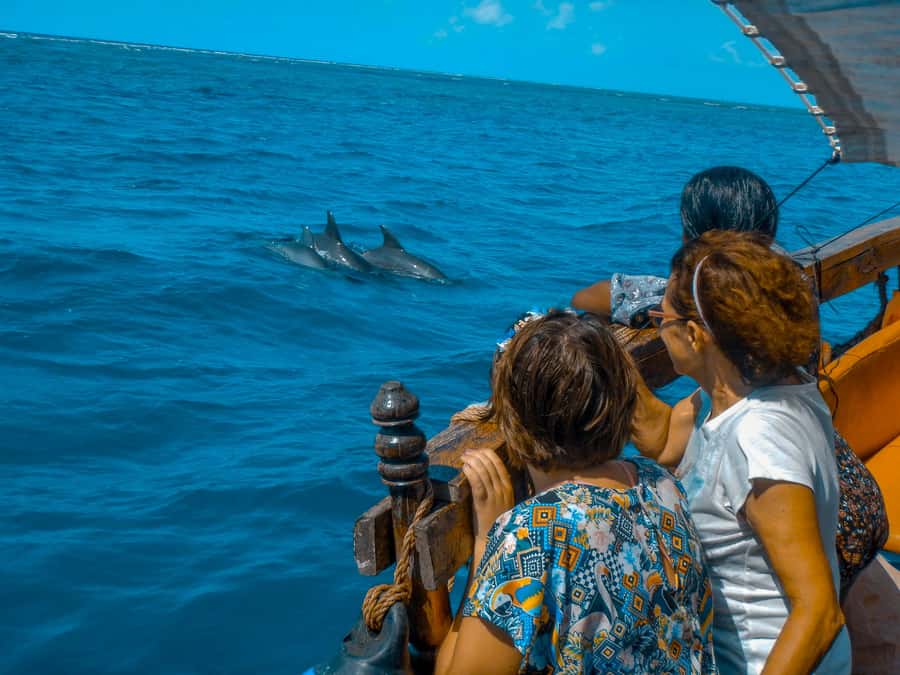
The crew keeps an eye out for dolphins during the journey. This is one of the most exciting parts of the day, but it is important to set your expectations properly. Dolphins are wild, and nobody can guarantee that they will appear, swim near your dhow, or allow you to enter the water with them.
Several kinds of encounters are possible. You may see dolphins jumping beside the boat, watch a pod moving across the surface, or find them nearby while you are snorkeling. On especially fortunate days, they may swim beneath or around you. The crew’s best practice is to let the animals approach rather than chase them.
That distinction matters. The marine park can become crowded with boats when dolphins are spotted, and aggressive boat handling can frighten them away. A respectful operator gives you a better chance of a calm encounter and treats the animals as wildlife, not as a guaranteed performance.
The viewing can be brief. You might spend time scanning the horizon before the crew spots anything. If you are hoping specifically to swim with dolphins, think of that as a wonderful bonus rather than the reason to measure the tour’s success.
Snorkeling at Kisite Marine Park
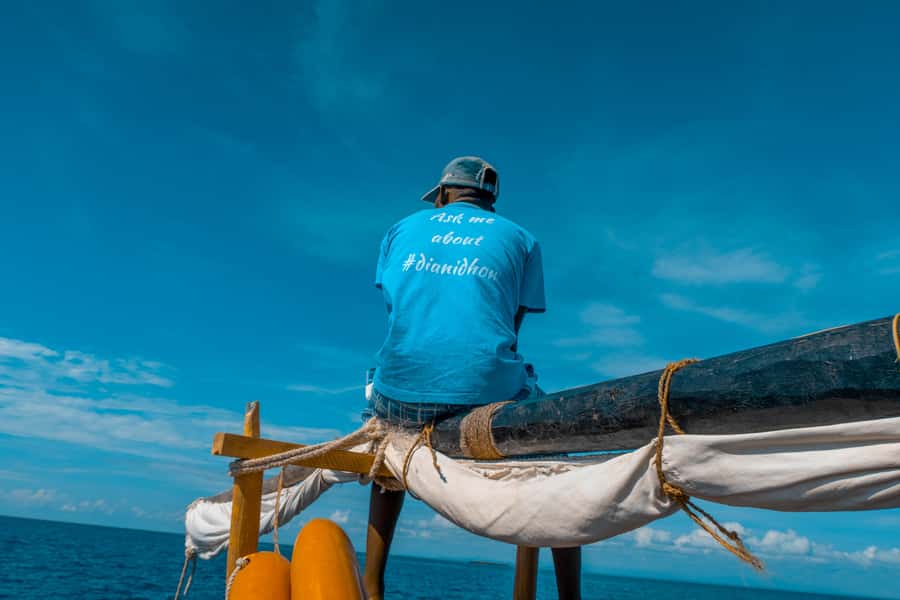
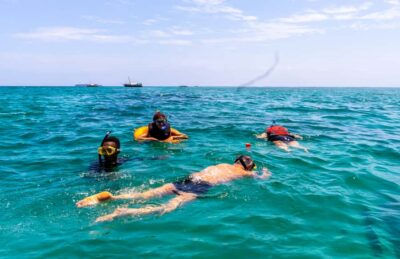
The main water stop is Kisite-Mpunguti Marine Park, a protected area known for coral and sea life. The snorkeling usually takes place in open water, with the dhow dropping you near the reef and later collecting you from the water.
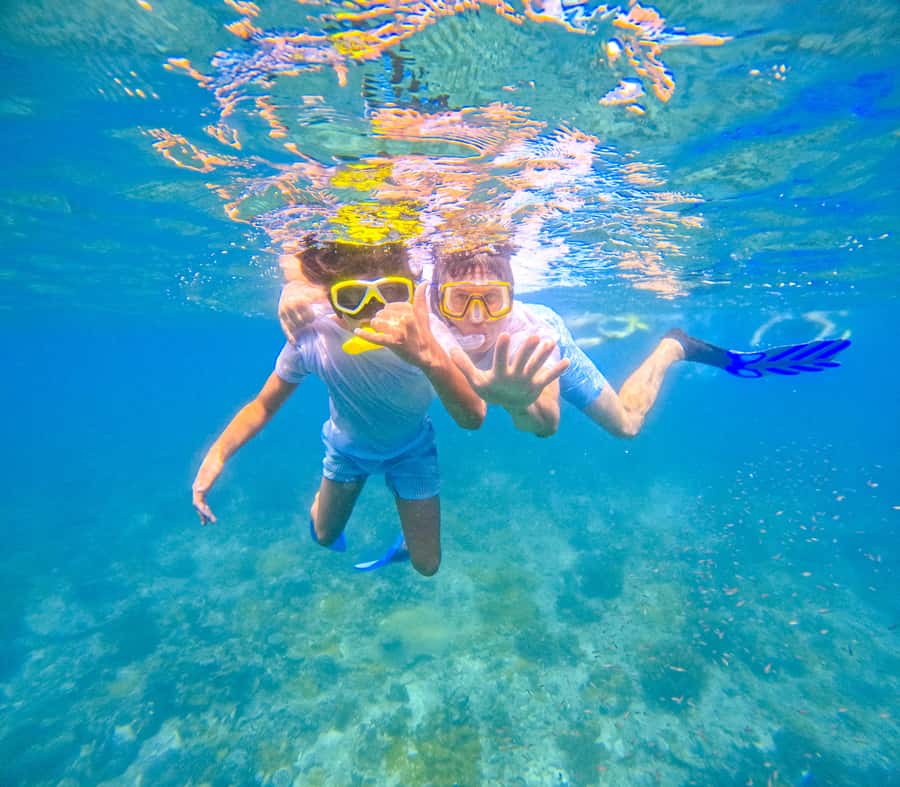
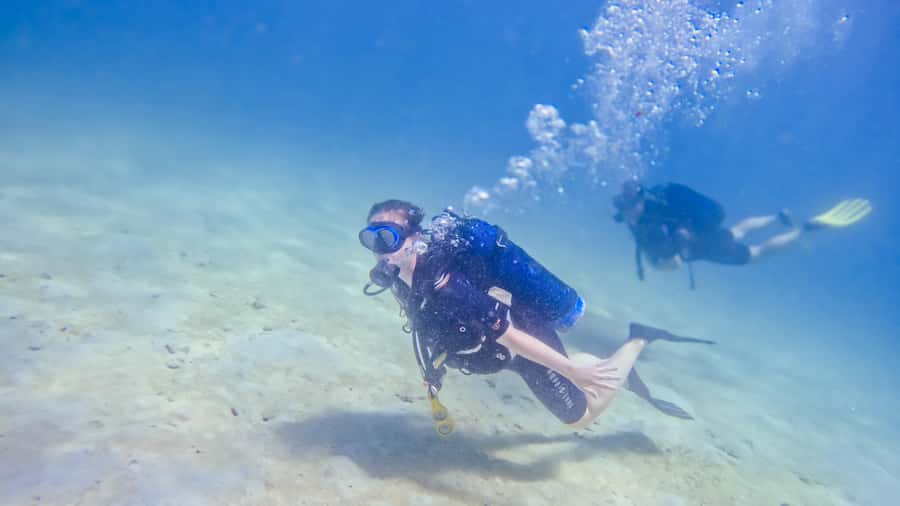
You can expect two snorkeling sessions, often around an hour each, although the exact timing depends on conditions and tides. The clear water may reveal schools of fish, coral formations, starfish, pufferfish, giant clams, octopuses, stingrays, turtles, and other reef life. A smaller shark has also been spotted, though you should not count on seeing one.
The crew makes this accessible to people who are not strong swimmers. Flippers, masks, and life vests are supplied, and reading-strength masks may be available on request. One visitor with a prescription of minus 2.5 reported receiving a suitable mask, but you should still ask in advance if clear vision is important to you.
The guides stay in the water and help people float. Each instructor may carry a flotation aid, and the crew keeps close watch rather than leaving you to manage alone. This support is particularly valuable for first-time snorkelers, though you still need to be comfortable entering the sea from a boat. Children are welcome, but they should know how to swim for snorkeling. Ask first about children under four.
You should bring swimwear, a towel, sunscreen, a hat, water shoes or flip-flops, and a T-shirt. A rash guard or long-sleeved top is a smart choice. The sun can burn your back and legs while you are looking down, and one person found that even SPF 50 was not enough.
The supplied waterproof camera is a real advantage. Crew members take underwater photos and video during the snorkeling stops, then send the footage afterward, often the same day or the following day. It is a useful included extra, not a small souvenir charge added at the end.
The sandbank depends on the tide
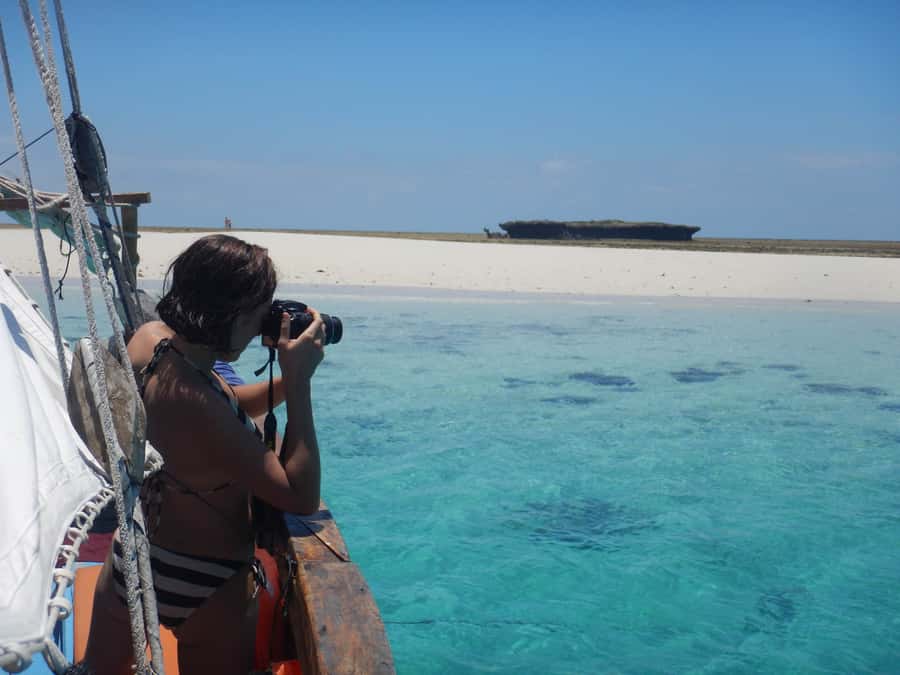
Depending on the tide, the dhow may stop at a sandbank. This can be one of the prettiest moments of the trip: pale sand, shallow water, and a wide view across the Indian Ocean. You can swim, sit in the water, and enjoy a change from the reef.
Do not treat the sandbank as guaranteed. At high tide, it may be covered or too small for the planned stop. Weather and sea conditions can also change the timing. If this is the sight you most want to see, ask about the tide on your chosen date.
The sandbank also adds to the length of the day. Some people love having several water stops, while others would prefer a shorter trip that goes directly to the reef. If you want the most snorkeling time and the least sitting around, tell the operator when booking and ask how the day is likely to be arranged.
Same departure point, a completely different day out:
- Nairobi National Park Half-Day Tour; Free Wi-Fi connection
★ 5.0 · 878 reviews - Nairobi: National Park & Optional Elephants & Giraffe Center
★ 4.8 · 874 reviews - NAI NAMI: Nairobi Storytelling Tour with Street Children
★ 5.0 · 792 reviews - Nairobi National Park Half-Day Game Drive
★ 4.5 · 738 reviews
Wasini Island lunch and village walk
Wasini Island gives the day a different rhythm. After the open sea, you eat a freshly prepared Swahili-style lunch in a local setting, usually with catch-of-the-day seafood, chapati, and flavorful sides. Chicken and vegetarian meals are available.
The food is part of the value, though expectations should be realistic. The setting and fresh local cooking are often more memorable than restaurant polish. Seafood is included, but crab and lobster cost extra. If you want either of those, carry enough cash and confirm the price before ordering.
After lunch, the short island walk may include the coral garden, a school, local children, or other community stops depending on the day’s arrangement. You may see how people live on an island with limited resources, including limited access to running water and electricity. That can make the visit meaningful, but it can also feel uncomfortable when donations are expected.
I recommend carrying small, useful school supplies only if you genuinely want to give them, such as pencils or notebooks. Do not feel pressured to hand out sweets or money. One part of the visit has drawn criticism when children approached visitors persistently for candy, while another school visit felt warm and worthwhile. Keep your boundaries polite and remember that a community visit should not become a shopping list.
The coral garden is a free inclusion, and it gives you a look at coral outside the water. Depending on the itinerary, you may also visit the slave caves or museum on the island. The exact order can change with the tide and the day’s timing.
The slave caves and the coast’s difficult past
The historical stop may be at the Shimoni slave caves or a related museum site. This is not a light sightseeing stop. The caves are linked to the forced movement and imprisonment of enslaved people before shipment toward Zanzibar and other parts of the Indian Ocean world.
The visit can be emotionally heavy, but it adds context that a pure beach-and-snorkeling excursion would miss. A guide explains the site and the local connection to the slave trade. Entrance to the slave cave or museum is included, normally worth about four euros per person, and money from the cave ticket supports the local community.
Some itineraries visit the caves after returning toward the mainland rather than during the Wasini Island portion. Treat this as a possible part of the day and allow enough time. If you are interested in the history, ask the operator where the stop will take place on your date.
How the $128 price holds up
At $128 per person, this is not the cheapest boat outing around Diani. It can still be good value if you use most of what is included.
The price covers pickup and return from South Coast accommodation, the dhow, breakfast, lunch, drinking water, soft drinks, two alcoholic drinks, snorkeling equipment, life jackets, marine activities, the coral garden, the slave cave or museum, and underwater photos and videos. A private car transfer from Diani also saves you the trouble of arranging transport to the harbor.
The strongest value comes from the combination. You are paying for a full day with transport, two substantial water sessions, food, cultural stops, and a crew that provides water support. If you only want one quick snorkeling session, this tour may feel too long and expensive. If you want a full coastal day with several elements, the price is easier to justify.
Remember the possible extras. Crab and lobster are not included, transport from Tiwi or Mombasa costs more, and you may want cash for tips or voluntary community donations. No single-use plastic bottles are allowed in the marine park, so bring a reusable bottle.
Who will enjoy this day most
This excursion suits you if you want more than a beach afternoon. It combines wildlife, reef snorkeling, sailing, local food, island scenery, and difficult history in one long outing.
It is particularly good for first-time snorkelers who want hands-on help. The crew has earned strong praise for staying close in the water, fitting equipment, and making nervous swimmers feel secure. It also suits families with older children who can swim and couples or friends looking for a full day at sea.
You should reconsider it if you are prone to seasickness, have severe back pain, have major mobility limitations, or feel anxious about open water. You must enter the sea from the dhow, and the day includes boat transfers, walking, and time in the sun.
The group size matters. The operator says numbers are limited, and the dhow is designed to avoid an overcrowded feel. Even so, dolphin sightings can attract other boats, and the marine park is not a private patch of ocean.
The available guide languages are English, German, Faeroese, and French. If you need another language, confirm it before paying. Selecting a language on a booking form does not necessarily mean that a guide in that language will be onboard.
Practical tips for a better day
Arrive ready to leave early. Wear your swimsuit under loose clothing, pack a towel, and keep sunscreen, a hat, and a T-shirt in an easy-to-reach bag. Long sleeves in the water will help protect you from the sun.
Bring a small amount of cash. You may want to tip the crew, buy an extra seafood dish, or make a voluntary donation during a school or community stop. Keep donations on your terms, and avoid bringing large amounts of candy for children.
Ask about tides and the day’s order before setting out. The sandbank may disappear at high tide, and the caves may be visited at a different point than expected. Weather can also alter the schedule.
Do not expect every dolphin sighting to become a swim. Enjoy watching them from the dhow, and let the crew decide how to approach the animals safely and respectfully. This mindset will make the day better and reduces pressure on wildlife.
The cancellation terms are practical: you can cancel up to 24 hours ahead for a full refund, and you can reserve now and pay later. The published duration is nine hours, but plan on roughly nine to ten hours for the activity itself and about eleven hours including transport.
Should you book the Wasini dhow trip?
I would book this if you have a full day in Diani and want the area’s signature sea experience with strong safety support. The best parts are the Kisite snorkeling, the chance of dolphins and turtles, the comfortable dhow, and the free underwater footage.
I would not book it if you want a short, direct reef trip, dislike open water, or are likely to feel uncomfortable during a village visit where donation requests may occur. The lunch is pleasant and local, but the reef and the crew are the main reasons to choose this outing.
For most people who are comfortable at sea, the $128 cost is fair because it covers far more than a boat ride. Go for the marine park first, the dolphins second, and the island and history as valuable additions.
FAQ
How long does the Dhow Adventure to Wasini Island take?
The activity lasts about nine hours, though the full day may run nine to ten hours. With hotel pickup and return from Diani, the total time can be about eleven hours.
Where does hotel pickup take place?
Pickup and drop-off are included from accommodations in Diani and Galu. Transport from Tiwi and Mombasa can be arranged for an additional cost.
Are dolphins guaranteed?
No. The crew looks for dolphins, but sightings and swimming encounters depend on luck and the animals’ behavior. You may see them from the boat or in the water.
Do I need to know how to swim?
Children should know how to swim for snorkeling. Adults who are not strong swimmers can receive life jackets and help from the snorkeling instructors, but you still enter open water from the dhow.
Is snorkeling equipment provided?
Yes. Flippers, masks, life vests, and snorkeling equipment are provided. Reading-strength masks can be requested.
What food and drinks are included?
Breakfast with tea, coffee, and fruit is included. Lunch includes seafood, chicken, or a vegetarian meal. Water and soft drinks are available, along with two beers or two glasses of wine.
Is the sandbank always part of the trip?
No. The sandbank depends on tides and weather. It may not be visible at high tide, and the schedule can change.
Are the slave caves and coral garden included?
Entrance to the Coral Garden is included. Entrance to the Slave Cave or Museum is also included, normally listed at about four euros per person. The exact stop and order may depend on the day’s itinerary.
What should I bring?
Bring swimwear, a towel, sunscreen, a hat, a T-shirt, and flip-flops or water shoes. A reusable water bottle is encouraged because single-use plastic bottles are not allowed in the marine park.
Just added around Kenya
- Watamu: Sunset Mangrove Canoe Tour with Coconut Drink★ 3.6 · 8 reviews
- Tsavo East and Tsavo West Sanctuary Safari★ 5.0 · 3 reviews
- Tsavo East National Park: 2-Day Tour from Mombasa★ 3.9 · 5 reviews
- Visit kibera Slum the chocolate city★ 4.8 · 3 reviews
- Agro-Tourism Tea Workshop in Nandi Hills★ 5.0 · 3 reviews
- Lake Nakuru NP Half-Day Safari★ 4.0 · 4 reviews
- Kilimanjaro Wanderlust Day Hike★ 5.0 · 8 reviews
- 3 days Maasai Mara safari from Nairobi★ 5.0 · 3 reviews
Wasini Island & Kisite Marine Park Tours, compared.
PILLI PIPA DHOW, the genuine product, snorkeling tour to Kisite Marine Park
Read our review →
Full-Day Special Wasini Island Tour with Snorkeling and Lunch
Read our review →
Kisite Park Private Cruise with Breakfast and Lunch
Read our review →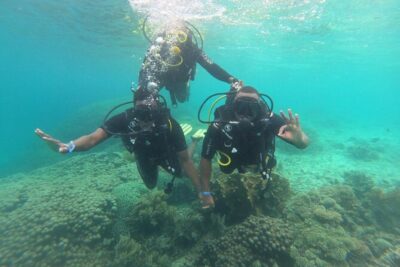
Full Day Dolphin Watching with Snorkeling in Wasini
Read our review →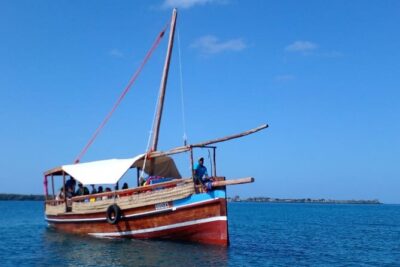
Wasini Island: Dolphin Spotting & Snorkel at Kisite Mpunguti
Read our review →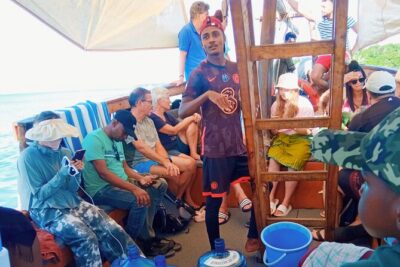
Kisite Mpunguti Day Trip. A day of Oceanic Wonders
Read our review →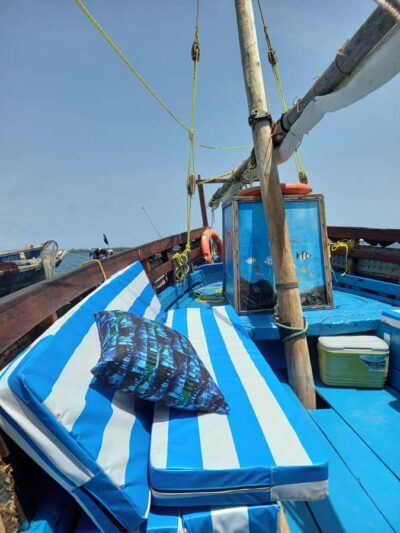
Browse the lists this tour appears in