
Reviewed · FORT JESUS TOURS
Fort Jesus Museum Walking Tour in Mombasa
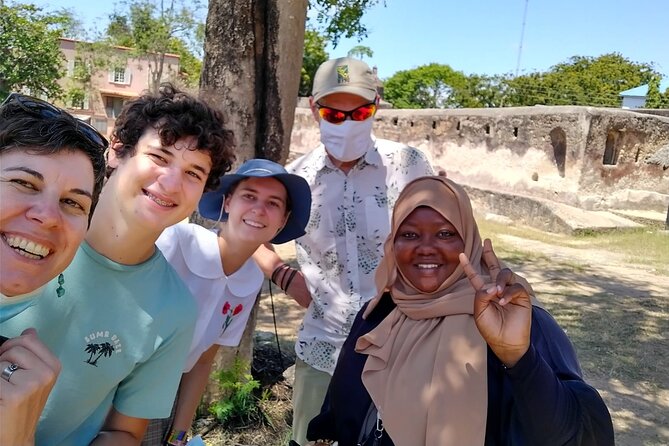
Mombasa’s past comes alive on foot, from the thick walls of Fort Jesus to Old Town’s carved doors and narrow lanes. A licensed guide, usually Bishamba Hamisi Juma and sometimes Antony, connects Portuguese, Arab, Swahili, and British chapters that can feel scattered when explored alone.
I like the easy mix of major sights and ordinary city life. You get Fort Jesus, local markets, spice stalls, curio shops, and street scenes in one half-day outing. I also like the guide’s personal touch: Bishamba has helped visitors try local street food and pointed out trees and fruits along the way.
The main drawback is that admission is extra, and the market portion may feel less worthwhile if you want a museum-heavy tour rather than shopping and people-watching. The walk also takes place in active city streets, so comfortable shoes and a flexible attitude matter.
Key points to know before you book
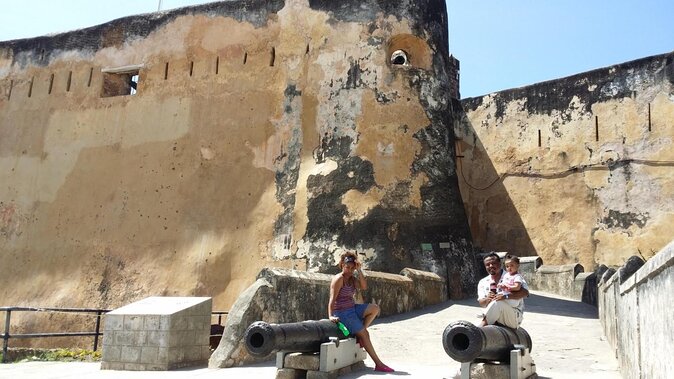
- Fort Jesus anchors the tour: Begin with Mombasa’s major historical site and its Portuguese, Arab, and British connections.
- Bishamba leads with warmth: She is praised for punctual communication, humor, local knowledge, and making solo visitors feel at ease.
- Antony may guide the walk: If Bishamba is unavailable, Antony has led the four-hour route and answered detailed historical and geopolitical questions.
- Old Town is best seen slowly: Look for carved wooden doors, balconies, Swahili details, and the changing rhythm of the narrow streets.
- Mackinnon Market is a sensory stop: Spices, local people, and street food give the tour a daily-life focus, though the market may not suit every visitor.
- The group stays manageable: A maximum of 15 people keeps the walk more personal than a large city tour.
Starting at Fort Jesus in Mombasa
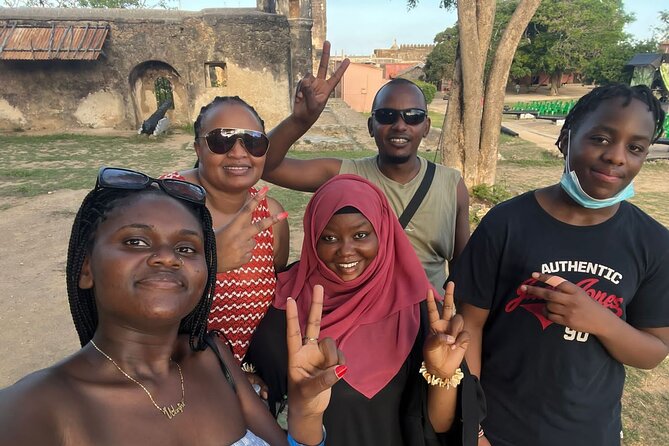
The tour begins at Fort Jesus Museum, where you meet your guide at the fort gate. The experience lasts about four hours and ends back at the same meeting point, which keeps the arrangement simple if you are staying in or returning to central Mombasa.
Fort Jesus is the right place to start. Its walls give you a physical sense of the power struggles that shaped the coast from the 15th century onward. The fort recalls Portuguese rule, Arab influence, and the later British period, linking Mombasa to the wider trade and political world of the Indian Ocean.
Your guide handles the historical explanation while you take in the site itself. One useful detail from the tour experience is that Bishamba has helped visitors complete the admission form at the entrance. That small bit of assistance can be helpful if you are arriving alone or are unsure about the entry process.
The fort is not just a backdrop for a few photographs. It gives the rest of the walk a useful frame. After seeing a major monument tied to outside powers, you move into streets where Swahili and Arab influences appear in everyday architecture, shopfronts, food, and conversation.
Fort Jesus admission is not included in the $35 tour price. Non-resident adults, youths, and seniors pay $12, while non-resident children pay $6. Resident adults, youths, and seniors pay $4, and resident children pay $2. That means an international adult should budget $47 in total before any shopping or food.
More Fort Jesus and Old Town walks:
- Walking Tour Through Old Town Mombasa and Fort Jesus
★ 5.0 · 393 reviews - Mombasa: Tusks, Fort Jesus, Old Town, Beach and City Tour
★ 4.7 · 137 reviews - Visit to Fort Jesus and the Old Town of Mombasa
★ 5.0 · 47 reviews
What Fort Jesus adds to the four-hour walk
A guide makes a difference here because the fort’s importance is not always obvious from its stone walls alone. The experience is designed to explain how Portuguese, Arab, and British periods fit together, rather than leaving you with a collection of dates and disconnected names.
Bishamba has been praised for keeping the pace comfortable and for explaining the fort clearly. That matters on a walking tour. You have enough time to look around, ask questions, and absorb the setting without being pushed from one point to the next.
You may also find small shops within Fort Jesus. They are useful if you want an early look at local crafts, though you should not confuse these with the main purpose of the stop. The fort is the historical core of the experience, while the shopping comes later and is more prominent around Old Town.
If you want a full museum visit with every display studied in detail, four hours shared between several areas may feel short. If you want a strong introduction to Mombasa’s past followed by a walk through the living city, the balance works well.
Walking through Mombasa Old Town
From Fort Jesus, the route moves into Mombasa Old Town. This is where the tour shifts from formal history to street-level detail.
Look up as you walk. The old buildings feature carved wooden doors and balconies associated with Arab architectural influence from the 16th century. These details are easy to miss when you are focused on traffic, shop signs, or finding your way through narrow streets. A guide can point them out and explain how the built environment reflects the coast’s long exchange of cultures.
The Old Town portion also brings in Swahili culture. You are not simply walking past old buildings. You are seeing a working neighborhood, with people moving through lanes, shops opening onto the street, and artisans making or selling goods.
One of the strongest features of this route is its human scale. You can ask questions as they occur to you, including questions about local customs, plants, food, and the city’s past. Bishamba has been singled out for her knowledge of trees and fruits, a detail that adds something unexpected to a tour usually marketed around forts and markets.
The streets can be visually rewarding, but they are not presented as a polished open-air museum. The appeal is precisely that Old Town feels lived in. That also means you should expect a more active setting, with the ordinary distractions and movement of a city neighborhood.
Mackinnon Market and Mombasa’s spice trade
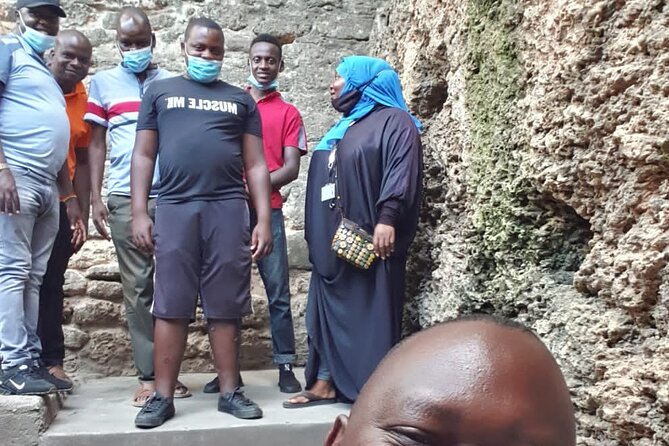
The narrow streets lead toward Mackinnon Market, known for natural spices. This stop gives you a close look at a part of Mombasa that a fort visit alone cannot provide.
Spices make the market memorable because they connect the city to cooking, trade, and daily life. You can see and smell products rather than merely hearing about the coast’s trading past inside a museum. The market is also a good place to observe local interactions and ask your guide about what you are seeing.
The market’s history is more complicated than a simple shopping stop. It was built by the British in 1914 and is associated with the slave trade. That is an important part of the site’s context, and it deserves a serious explanation rather than a quick glance at spice displays.
This is also the part of the tour that may divide opinions. If you enjoy markets, local food, and direct contact with everyday city life, Mackinnon Market may be the highlight. If you are not interested in shopping or prefer monuments and museums, the stop may feel less useful for the time it takes.
The guide can help you get more from it by explaining the products and introducing you to local people. Bishamba has also helped visitors try street food, which adds a practical food experience to the walk. The supplied details do not promise a specific dish, so you should treat this as an opportunity rather than a fixed tasting menu.
A few more Mombasa days to weigh up
- Mombasa: Kisite Park Private Cruise with Breakfast and Lunch
★ 4.7 · 181 reviews - Mombasa City Tour
★ 5.0 · 170 reviews - Half-Day Scenic Bike Tour
★ 5.0 · 75 reviews - 2 Days Tsavo East National Park Tour From Mombasa/Diani (1 Night)
★ 5.0 · 50 reviews
Curio shops, crafts, and the famous elephant tusks
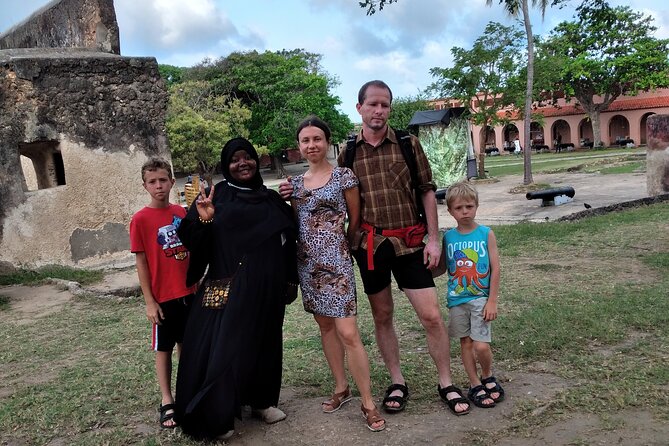
Old Town includes many curio and gift shops. These are places to browse for souvenirs, gifts, and locally made items. You may see artisans at work, which makes the shopping more interesting than simply passing rows of finished products.
A guide is useful here because you can ask about prices, materials, and what makes an item locally meaningful. Still, the tour does not include purchases, and you should keep your budget separate from the $35 booking price.
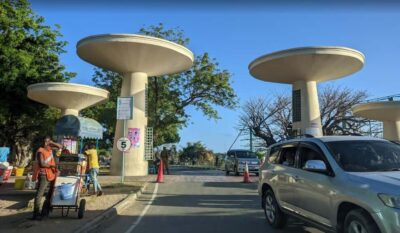
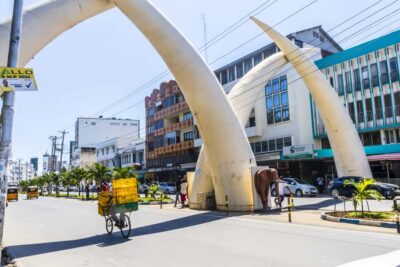
The route also takes in Mombasa’s famous elephant tusks. They are one of the city’s recognizable landmarks and provide a memorable contrast with the old lanes and fort walls. Since the walk combines several kinds of sights, the tusks work as a quick city reference point rather than a long formal stop.
Do not expect every part of the walk to have the same historical weight. Fort Jesus carries the most concentrated museum value. Old Town supplies architecture and daily life. Mackinnon Market brings spices and local commerce. The tusks and shops round out the city orientation.
That variety is the point, but it also means you should choose this experience for range rather than depth at one single site.
The guide makes the difference
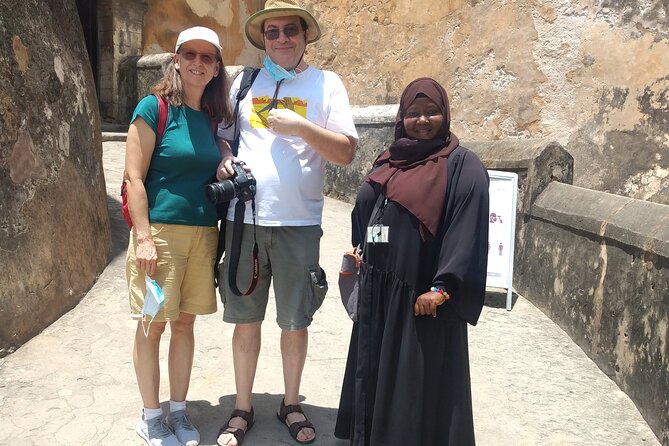
The strongest reason to consider this tour is the guide. Bishamba Hamisi Juma is the named provider, and her approach appears particularly suited to visitors who want conversation as well as information.
She has been praised for being punctual and communicating before the tour. Those are basic details, but they matter when you are meeting at a busy city landmark. She has also been described as friendly, funny, and easy to approach, which can make a large difference when you are exploring alone or asking sensitive questions about history and local life.
Her style seems to extend beyond memorized facts. She has helped with the Fort Jesus admission form, guided visitors toward street food, discussed trees and fruits, and introduced people to artisans and markets. That gives the tour a more personal feel than a simple route from one monument to another.
Antony may lead the experience if Bishamba is unwell or unavailable. His strengths are different but equally useful. He has guided the four-hour historical center route, including Fort Jesus and the spice market, and has answered detailed questions about history and geopolitics. You may want to confirm who will guide you if having a particular guide matters.
The maximum group size is 15. That is not a private tour, but it is small enough for questions to be practical. The walk is also listed as suitable for most people and close to public transportation.
Is $35 a fair price?
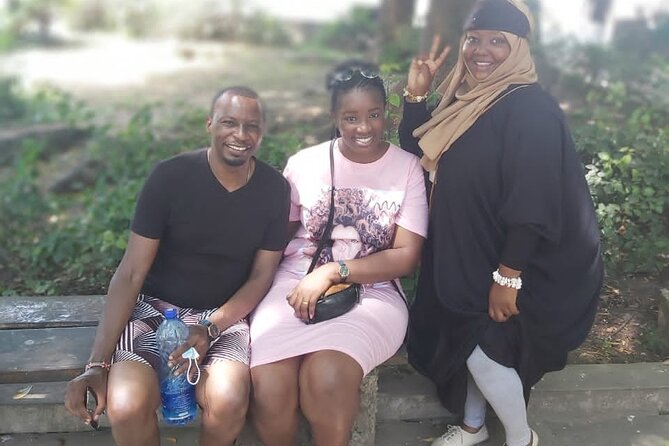
At $35 per person, the tour offers four hours with a licensed guide. The price does not include Fort Jesus admission, so an international adult should add $12. The total is still reasonable if you value a guide who can explain the history and help you navigate Old Town and the market.
The value comes from the combination. You are not paying only to enter Fort Jesus. You are also paying for a guided walk through Old Town, interpretation of the carved doors and balconies, a visit to Mackinnon Market, time around curio shops, and a look at the elephant tusks.
The price is less compelling if you mainly want independent access to the fort. In that case, you could prefer to pay the entrance fee and explore on your own. The tour earns its cost through local context, pacing, and the chance to ask questions while moving through several parts of Mombasa.
Bring extra money only if you plan to shop or try food. Neither is included. The tour itself is best seen as a city orientation with historical depth, not as an all-inclusive package.
Who will enjoy this Mombasa walk?
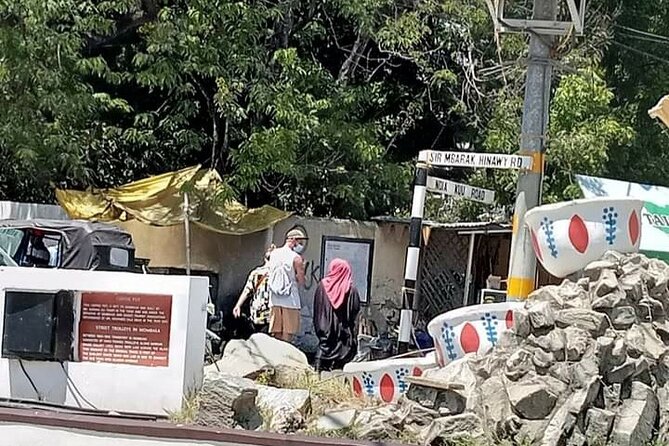
I would recommend it to first-time visitors who want a clear introduction to Mombasa in half a day. The route gives you the city’s major historical reference point, its old streets, a spice market, and a few recognizable landmarks without requiring separate planning.
It also suits solo visitors and small groups who prefer a guide they can talk with. The personal attention, friendly tone, and reported help with practical details are valuable when you are still finding your bearings.
History-minded visitors will appreciate the links among Portuguese, Arab, and British rule. Food-curious visitors may enjoy the chance to try local street food. Shoppers can browse curio stores and market stalls, though buying souvenirs is optional.
I would be more cautious about booking it if you dislike markets, shopping stops, or active urban streets. The market is a meaningful part of the route, but it may feel unnecessary if your only goal is Fort Jesus.
The four-hour length is a good middle ground. It is long enough to cover several areas but short enough to fit into a larger Mombasa schedule. The tour starts and ends at Fort Jesus, and the activity is confirmed at booking. Free cancellation is available up to 24 hours before the start time, but changes or cancellations within 24 hours are not accepted for a refund.
Should you book the Fort Jesus Museum Walking Tour?
Book this tour if you want Mombasa explained by a local guide rather than simply photographed. Its best moments come from the links among the fort, Old Town architecture, spice stalls, artisans, and everyday streets.
The strongest choice is for a first visit, especially if you want history mixed with local culture. Budget the extra Fort Jesus fee, expect the market to be part of the experience, and ask who will guide you if Bishamba or Antony is important to your plans.
Skip it if you want a quiet, museum-only visit or a private shopping-free walk. For most visitors seeking a friendly four-hour introduction to Mombasa, though, the mix offers solid value and a useful sense of how the city’s past still shapes its streets.
FAQ
How long does the Fort Jesus Museum Walking Tour last?
The tour lasts approximately four hours.
Where does the tour begin?
It begins at Fort Jesus Museum in Mombasa, at the listed meeting point near the fort gate.
Where does the tour end?
The activity ends back at the Fort Jesus meeting point.
Is Fort Jesus admission included in the tour price?
No. Admission is separate. Non-resident adults, youths, and seniors pay $12, while non-resident children pay $6. Resident adults, youths, and seniors pay $4, and resident children pay $2.
Who guides the tour?
The experience provider is Bishamba Hamisi Juma. Bishamba may guide the walk, while Antony has also led the tour when she was unavailable.
What places are included in the walking route?
The route includes Fort Jesus Museum, Mombasa Old Town, Mackinnon Market, curio shops, and the famous elephant tusks.
Can I cancel for a full refund?
Yes. You can cancel at least 24 hours before the experience start time for a full refund. Cancellations and changes made less than 24 hours before the start time are not accepted for a refund.
More Guided Walks
- Mombasa: Guided Nature Walk Amongst Giraffes
★ 4.8 · 48 reviews - Mombasa walking tour
★ 4.9 · 28 reviews - Nature Walk with Giraffes in Mombasa
★ 5.0 · 18 reviews - Mombasa Old Town Walking Tour
★ 4.8 · 4 reviews
More Museums in Mombasa
- Mombasa City Tour: Fort Jesus Museum, Old Town & Haller Park
★ 4.4 · 9 reviews - Day tour to Giraffe Center and Karen Blixen Museum
★ 4.5 · 168 reviews - Nairobi National Park,Giraffe Centre, Karen Blixen Museum.
★ 5.0 · 127 reviews - Giraffe Center and Karen Blixen Museum Tour from Nairobi
★ 4.6 · 43 reviews
Just added around Mombasa
- Tsavo East National Park: 2-Day Tour from Mombasa★ 3.9 · 5 reviews
- 4-Day Tsavo East West and Amboseli National Park from Mombasa★ 4.0 · 5 reviews
- 1-Day Tsavo East Safari From Mombasa★ 5.0 · 3 reviews
- Fort Jesus Sound and Light show Mombasa★ 4.0 · 17 reviews
- 4 Days Mount Kenya Trekking★ 5.0 · 6 reviews
- 4×4 Safari in Tsavo East National Park★ 5.0 · 4 reviews
- 2 Days Salt Lick Safari Tour★ 4.5 · 3 reviews
- Swahili Street Food Tour★ 5.0 · 7 reviews
Fort Jesus Tours, compared.
Tusks, Fort Jesus, Old Town, Beach and City Tour
Read our review →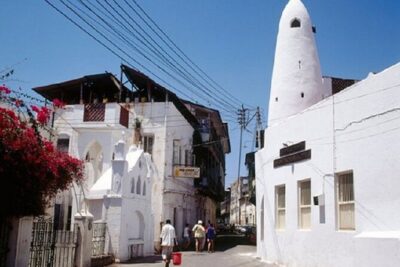
Private City Tour with Fort Jesus & Haller Park
Read our review →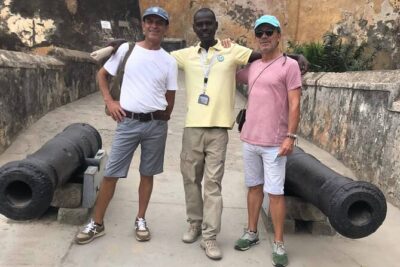
Mombasa Half-Day City Tour with Fort Jesus and Haller Park
Read our review →
Mombasa City Tour: Fort Jesus Museum, Old Town & Haller Park
Read our review →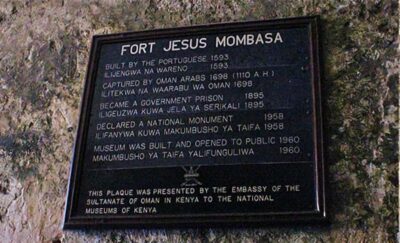
Historical Guided city tour. Old town, Fort Jesus
Read our review →Browse the lists this tour appears in