
Reviewed · MAASAI VILLAGE VISITS
From Nairobi: Maasai village and cultural experience
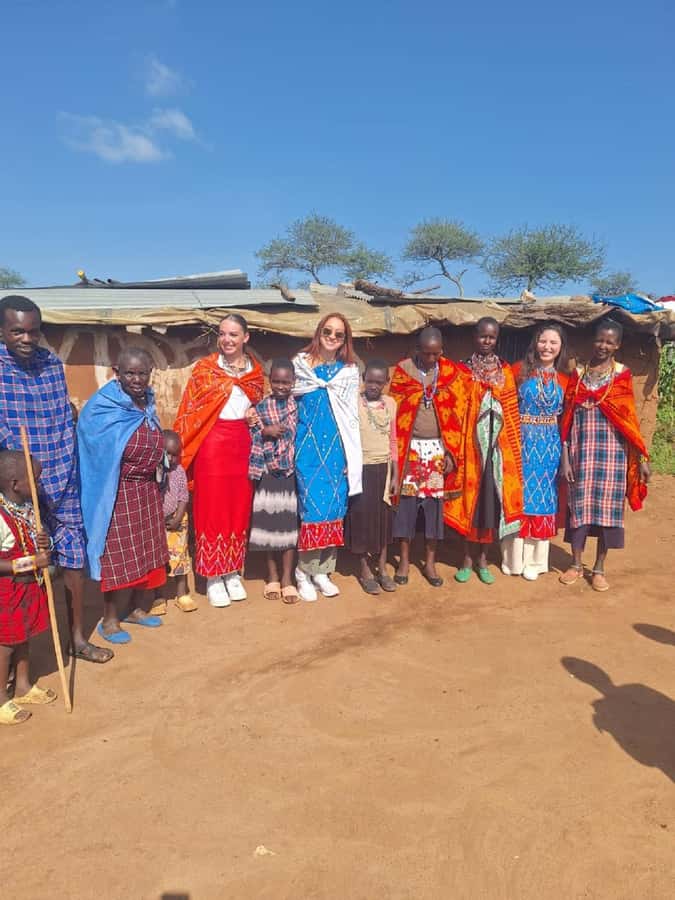
The most memorable part of this half-day trip is the move from Nairobi’s city streets to a living Maasai manyatta, where homes, cattle, songs, beadwork, and community customs come together. You will see the famous adumu jumping dance, walk through the homestead, and watch warriors make fire without modern tools.
I like the direct contact with Maasai culture, especially the house-building demonstration and the chance to speak with Maasai women about their beadwork. I also like that the village chief can explain the customs in clear English. The main consideration is cost: the advertised $50 price does not include the separate $30 entry fee and Maasai guide charge, and food is extra.
Key points to know before you book
- The manyatta visit is the heart of the day: See how mud-thatched homes are built and arranged.
- Adumu gives the welcome real energy: Traditional songs and the famous jumping dance open the cultural visit.
- The fire-making demonstration is practical, not just theatrical: Maasai warriors show an old method and explain its place in daily life.
- Beadwork offers a personal way to connect: Maasai women explain the meaning of colors and sell handmade jewelry.
- Your $50 tour price is not the full cost: Add $30 per person for entry and the Maasai guide, plus any food or drinks.
- The five to six hours work well from Nairobi: You get a cultural visit without committing to a full safari itinerary.
From Nairobi to Bisil by air-conditioned vehicle
Your day begins with pickup from your selected location in Nairobi. Airport pickup is also available, which can be useful if you are fitting this visit around a flight or using Nairobi as a short stop between trips.
A professional driver-guide takes you toward Kajiado and Bisil in an air-conditioned vehicle. Bottled water is included, and the drive itself gives you a gradual change from the capital to the drier rural setting around the Maasai village.
The exact pickup time depends on availability, so check the schedule before paying. The total activity lasts about five to six hours, including transport and the village visit. That makes it a good choice when you want a cultural experience but do not have a full day to spare.
The journey includes scenic views and may include an off-road section. That sounds exciting, but it also means you should wear practical clothing and expect parts of the ride to be less smooth. If you are prone to motion sickness, sit where the ride feels steadiest and carry any medication you normally use.
More Maasai village visits:
- Nairobi: Day Tour to Amboseli National Park & Maasai Village
★ 4.5 · 310 reviews - Masai village Day Tour Experience
★ 5.0 · 284 reviews - Maasai Village Experience Day Tour
★ 5.0 · 72 reviews
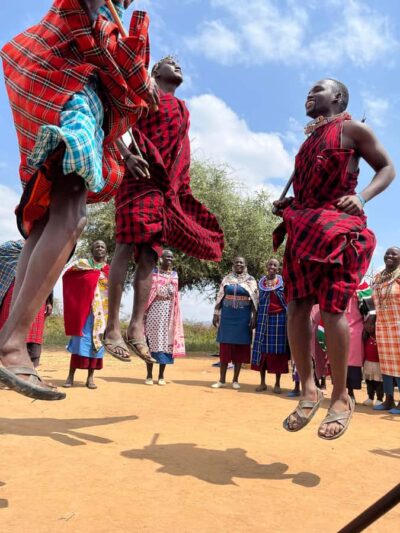
Arriving in Bisil with song and adumu
The welcome at the village begins with traditional songs and dances. The adumu, often called the Maasai jumping dance, is the most familiar part of the performance. Maasai warriors jump in turn while maintaining an upright posture, creating a strong rhythm without needing a stage or elaborate equipment.
You are not simply watching a cultural show in a theater. The welcome takes place as part of a visit to the community, which gives the performance a clearer setting and purpose. Still, it is wise to remember that this is a planned tourism experience. The dance is arranged for your arrival, so the moment combines daily tradition with hospitality for visitors.
That is not a reason to dismiss it. A good cultural visit does not require pretending that tourism is absent. The useful question is whether the encounter gives you a respectful chance to listen, ask questions, and understand more than a few colorful photographs. Here, the songs, dance, homestead walk, and conversations are connected into one visit.
The English-speaking village chief may explain the customs and answer questions. This is one of the most helpful details for you, since a clear explanation turns the welcome from a performance into a lesson about community life.
Walking through a real Maasai manyatta
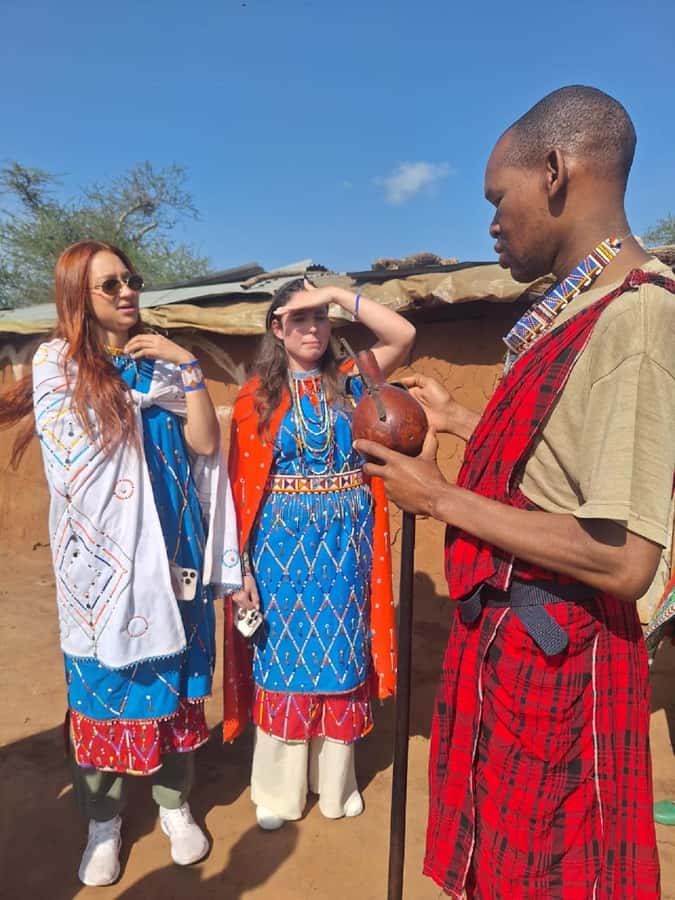
After the welcome, you are guided through the homesteads. The manyatta is the central physical setting of the experience, and the houses are one of the clearest ways to understand how people adapt their homes to local materials and conditions.
You will learn how the mud-thatched houses are built. The description does not promise a chance to construct a house yourself, so expect an explanation and demonstration rather than a hands-on building workshop. Even so, this part often gives more useful context than a quick stop at a craft market.
Look closely at the structure and ask questions about the materials, the work involved, and how the rooms are used. The guide is there to explain the details, and the visit is designed around customs passed down through generations.
The word authentic should be handled with care. This is presented as a real Maasai village rather than a museum display, but it is also arranged for visitors and includes shopping. You can respect both facts at the same time. Be curious, listen before taking photographs, and ask permission when appropriate.
The village walk may be most interesting for people who want to see how cultural practices connect with ordinary needs such as shelter, family life, cattle, and community organization. If you only want a quick photo stop, parts of the visit may feel slower than expected.
Fire-making and the Maasai connection to cattle
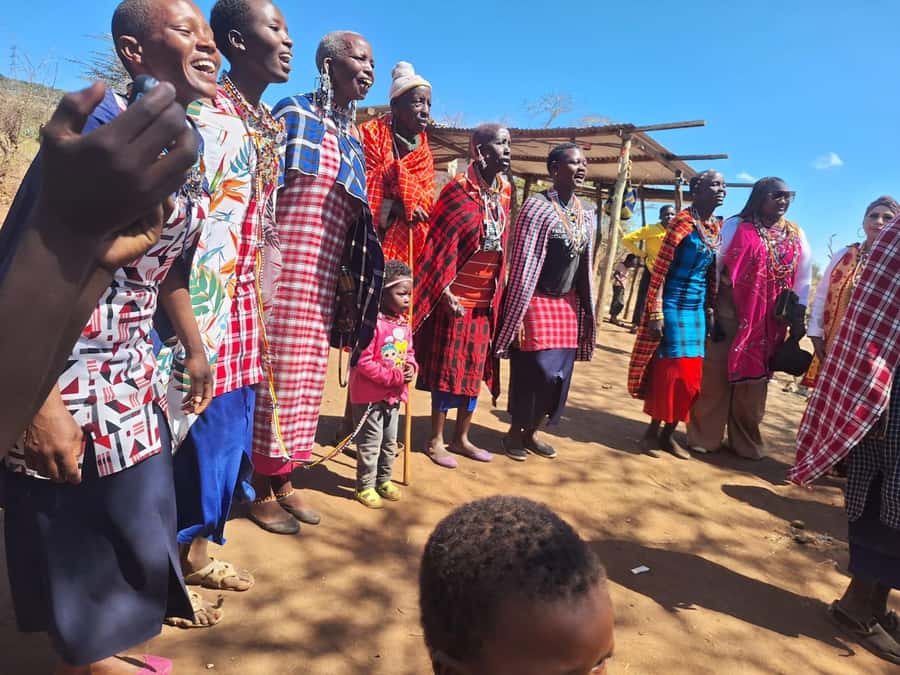
The Maasai warriors demonstrate traditional fire-making methods during the visit. This is a small but useful window into older skills, since the action shows how practical knowledge can be passed from one generation to the next.
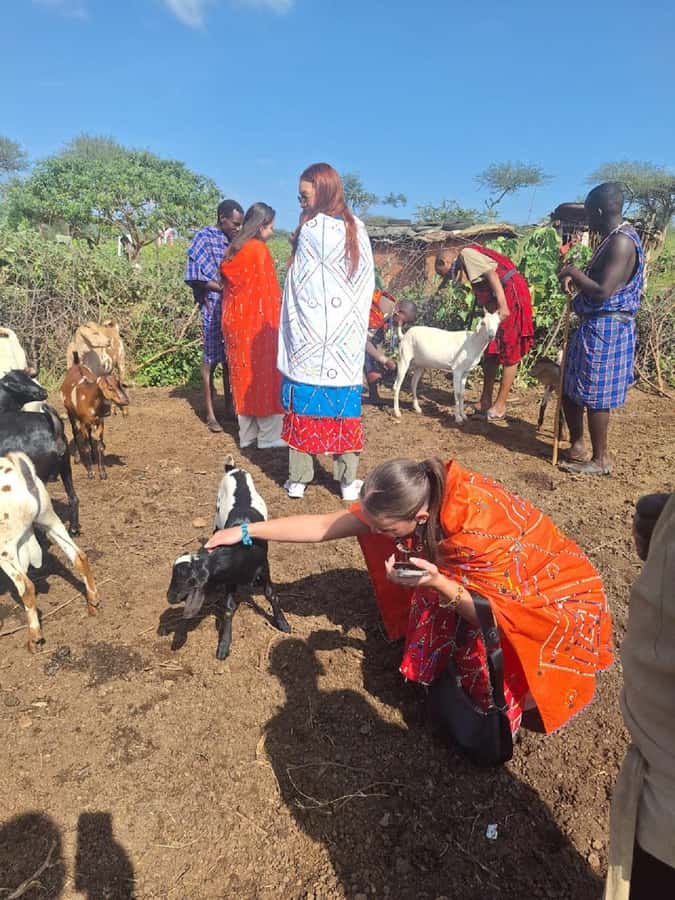
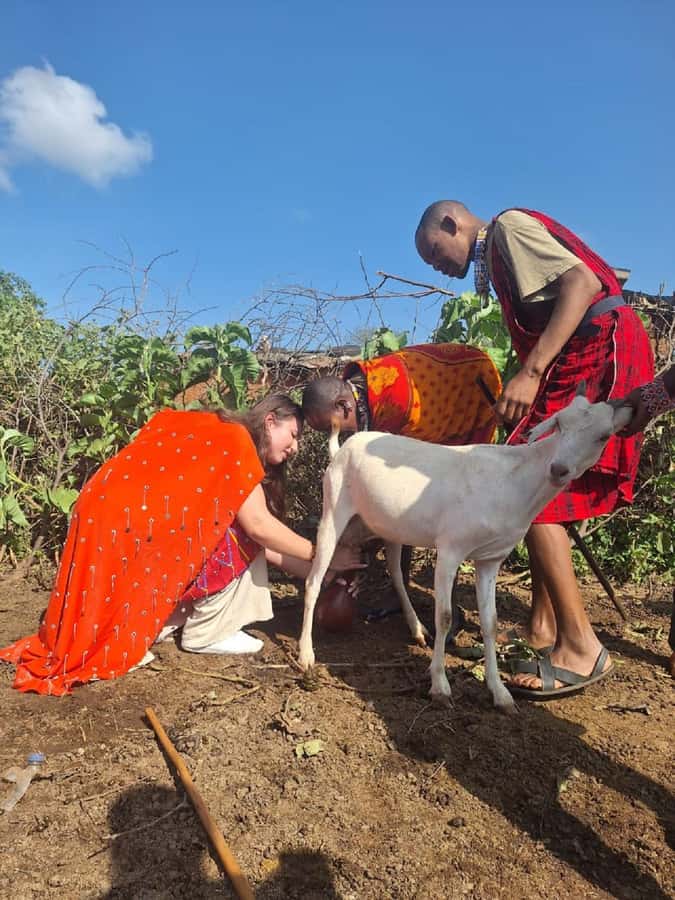
The demonstration also links to the larger explanation of Maasai life. You will hear about the relationship between cattle, nature, and community. The tour does not present these subjects as separate facts. Instead, the warriors use their own customs and skills to explain how the community understands daily life.
I would treat this as a listening opportunity rather than a challenge to copy the technique. The point is not how quickly a flame appears. The value is seeing the method, hearing why it matters, and connecting it with a way of life that relies on shared skills.
Because the experience is guided in English, you can ask for clarification instead of guessing at the meaning of a ceremony or demonstration. The available information does not name the individual guide or warriors, so do not expect a particular person by name. Your main contact will be the driver-guide and the Maasai guide arranged for the visit.
A few more Nairobi days to weigh up
- Nairobi National Park Half-Day Tour; Free Wi-Fi connection
★ 5.0 · 878 reviews - Nairobi: National Park & Optional Elephants & Giraffe Center
★ 4.8 · 874 reviews - NAI NAMI: Nairobi Storytelling Tour with Street Children
★ 5.0 · 792 reviews - Nairobi National Park Half-Day Game Drive
★ 4.5 · 738 reviews
Beadwork, color, and shopping with Maasai women
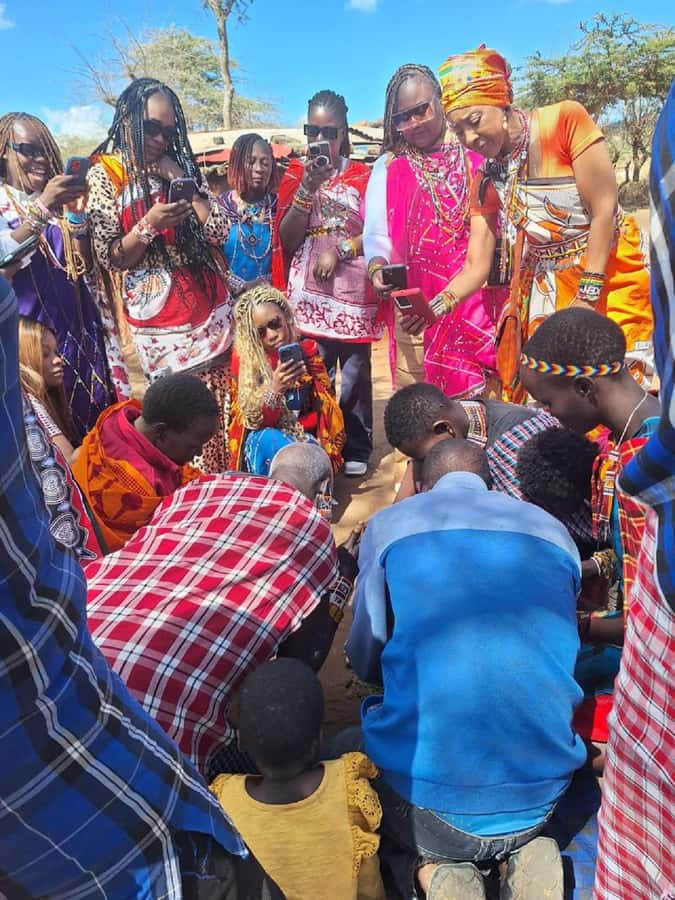
The meeting with Maasai women adds a different voice to the visit. You can see handcrafted beadwork and jewelry, learn that colors carry meaning, and browse pieces made within the community.
This is more than a final shopping stop if you take time to ask about the designs. A necklace or bracelet can become a small reminder of the customs explained during the morning. It also gives you a direct way to support the women presenting their work.
Shopping is part of the planned activity, so bring cash. Cash is specifically listed as something to bring, and it is also useful because food and drinks are not included. The information does not state which payment methods are accepted for jewelry, so cash is the safest choice.
As with any craft purchase, look carefully at what you are buying and ask about the materials and meaning. Prices are not provided, so set your own budget before you start browsing. You do not need to buy something to make the visit worthwhile, but a purchase can be a more personal souvenir than a mass-produced item.
What the $50 price really covers
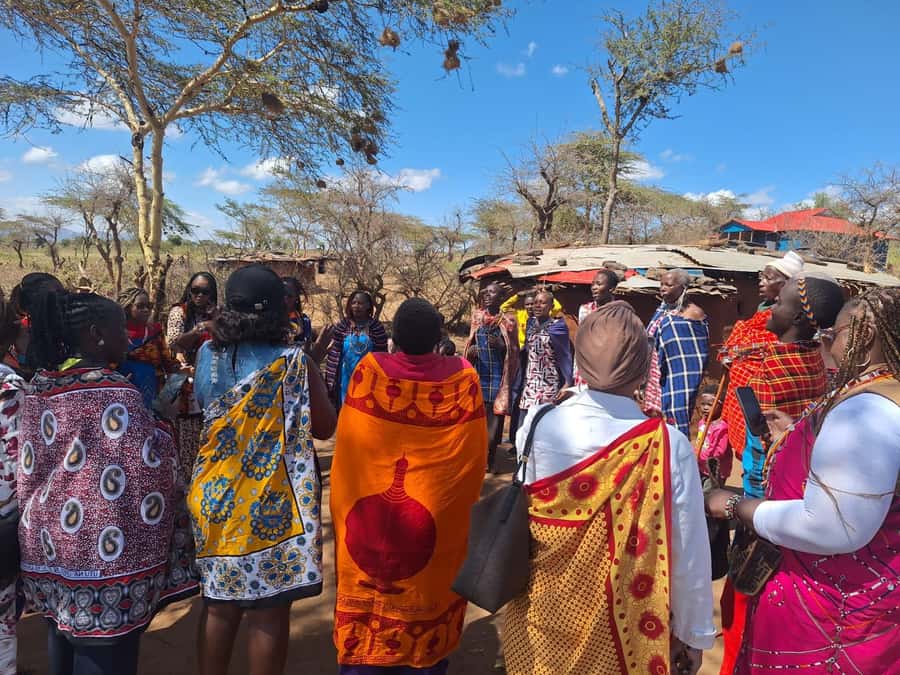
The advertised price is $50 per person, but you should budget beyond that. A separate $30 per person charge covers entry and the Maasai guide. That brings the known activity cost to $80 per person before food, drinks, alcohol, or personal purchases.
For a five to six-hour private or small-group outing, that total can be reasonable if you value direct cultural contact and door-to-door transport. The price includes the driver-guide, air-conditioned vehicle, bottled water, and airport pickup. It does not include a meal, so do not assume lunch is part of the package.
The value depends on what you want from Nairobi. If you are looking for a low-cost city sightseeing trip, this is not the cheapest option once the extra charge is added. If you want a focused introduction to Maasai customs without booking a multi-day safari, the combination of transport, village guide, dance, homestead visit, fire-making, and beadwork gives you several distinct parts in one morning or afternoon.
The $30 extra fee deserves attention when comparing tours. Ask how and when it is paid, since the provided details only identify it as an additional charge. Planning for the full $80 avoids an awkward surprise at the village.
Group size, access, and practical comfort
Private and small-group options are available. A smaller group should make it easier to hear the explanations, ask questions, and move through the homestead without feeling crowded. If you have a choice, compare the price and pickup details for each option before booking.
The activity is wheelchair accessible, which is important information for visitors who need step-free arrangements. The village route itself may include uneven outdoor surfaces, especially with a scenic or off-road drive, so confirm the specific access arrangements for your selected option.
The tour is offered in English with a live guide. The village chief is also described as explaining the visit in clear English, giving you two useful layers of interpretation: the driver-guide for the journey and the Maasai guide or chief for local customs.
Wear comfortable clothes suitable for a rural outdoor visit. Bring cash, use the included bottled water, and plan for food separately. Alcoholic drinks are available to purchase, but they are not included, and they are hardly the reason to choose this experience.
Who will enjoy this Maasai village visit
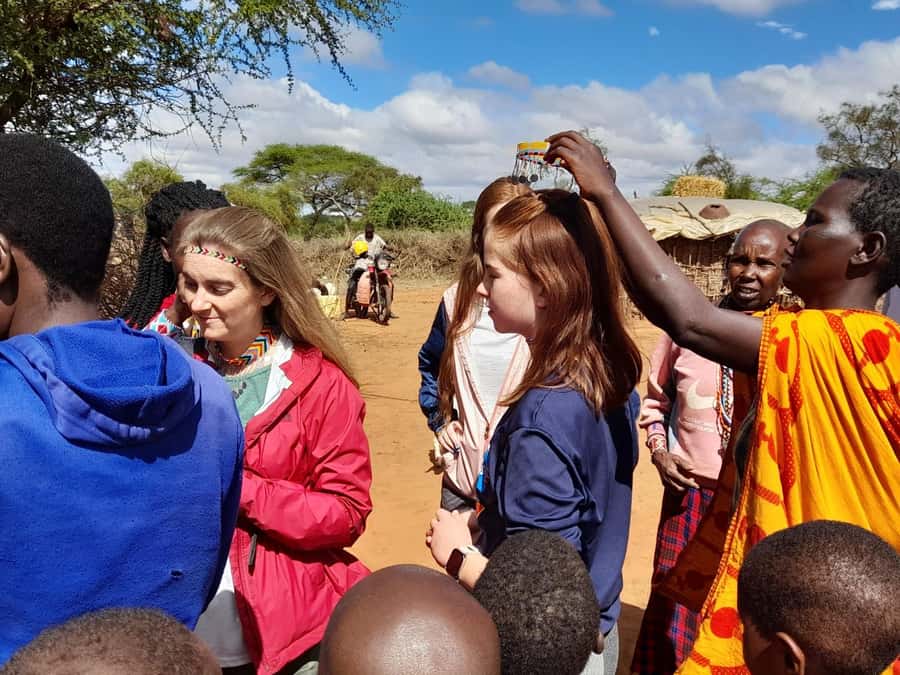
I would recommend it to you if you want a first look at Maasai culture and have only half a day in Nairobi. Families, couples, solo visitors, and small groups can all find something useful here, since the visit mixes performance, conversation, practical demonstrations, architecture, and craft.
It also suits you if you prefer a cultural stop with a clear structure. You know what the day is built around: pickup, the drive to Bisil, the welcome, the village walk, demonstrations, beadwork, and the return to Nairobi.
You may want a different activity if you dislike arranged performances or shopping. The adumu is part of the welcome, and beadwork is part of the visit. Those features are central, not optional extras.
This is also not a replacement for a wildlife safari. The activity focuses on people, customs, homes, and crafts. You should not book it expecting game viewing or a national park visit.
Booking and cancellation details

You can cancel up to 24 hours before the activity for a full refund. Reserve now and pay later is available, which helps if your Nairobi plans are still changing.
Starting times depend on availability and the pickup option you select. Since the drive begins in Nairobi and the total visit lasts five to six hours, check the start time carefully if you have an airport transfer, restaurant booking, or another tour later that day.
Sahara Tours and Safaris provides the experience. The available details do not name the driver-guide, so ask for the guide’s name when confirming pickup if that matters to you.
Is this Maasai cultural experience worth booking?
Book this tour if you want a compact, guided introduction to Maasai life that reaches beyond a dance performance. The manyatta walk, mud-thatched homes, fire-making demonstration, and beadwork discussion give the visit substance, while the village chief’s English explanation can help you understand what you are seeing.
Go in with clear expectations. The real cost is at least $80 per person before food and shopping, and the welcome and craft sales are arranged parts of the experience. For you, the tour is good value if direct cultural contact matters more than a cheap outing or a completely unstructured village visit.
Bring cash, allow the full five to six hours, and confirm the extra fee before departure. If those details work for your budget, this is a practical way to step outside Nairobi and spend several hours learning from Maasai hosts in Bisil.
FAQ
Where does the Maasai village experience take place?
The experience takes you from Nairobi to Bisil, in the Kajiado area of central Kenya, before returning to Nairobi.
How long does the tour last?
The activity lasts approximately five to six hours, including the journey from Nairobi and the village visit.
What is included in the price?
The price includes a driver-guide, airport pickup, bottled water, and transport in an air-conditioned vehicle.
Is the Maasai guide fee included?
No. Entry fees and the Maasai guide cost an additional $30 per person.
Is food included?
No. Food and drinks are not included. Alcoholic drinks are available to purchase.
What language is the tour offered in?
The live tour guide speaks English, and the village chief can explain the experience in English.
Is the tour wheelchair accessible?
Yes, the activity is listed as wheelchair accessible.
What should I bring?
Bring cash. It can be useful for purchases such as handcrafted Maasai jewelry and for expenses not included in the tour price.
Just added around Nairobi
- Visit kibera Slum the chocolate city★ 4.8 · 3 reviews
- 4 Days Safari to Lake Nakuru N/P and Maasai Mara N/R★ 5.0 · 18 reviews
- Maasai Mara Day Trip★ 5.0 · 15 reviews
- 4 Days Tour Landcruiser in Masai Mara and Lake Nakuru★ 5.0 · 10 reviews
- 3 days maasai mara migration safari★ 4.5 · 7 reviews
- Kibera Slum Tour with a Local★ 5.0 · 15 reviews
- Wildebeest Migration in Masai Mara and Sightseeing 4 Days Tour★ 4.5 · 6 reviews
- Day Tour to Nairobi national park, Elephants, and Giraffe Center★ 3.5 · 8 reviews
Maasai Village Visits, compared.

Day Tour to Amboseli National Park & Maasai Village
Read our review →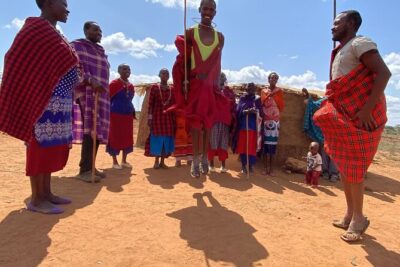


Day Trip: Amboseli National Park & Maasai Village – Nairobi
Read our review →
Day Trip to Maasai Mara Reserve & Maasai village
Read our review →
3days/2nights group joining Masai Mara with Masai Village Visit
Read our review →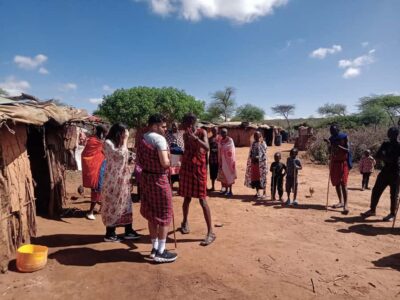
Maasai Village Visit with Traditional Dance Show
Read our review →Browse the lists this tour appears in