
Reviewed · MAASAI VILLAGE VISITS
Maasai Village: Cultural Experience of The Maasai Tradition
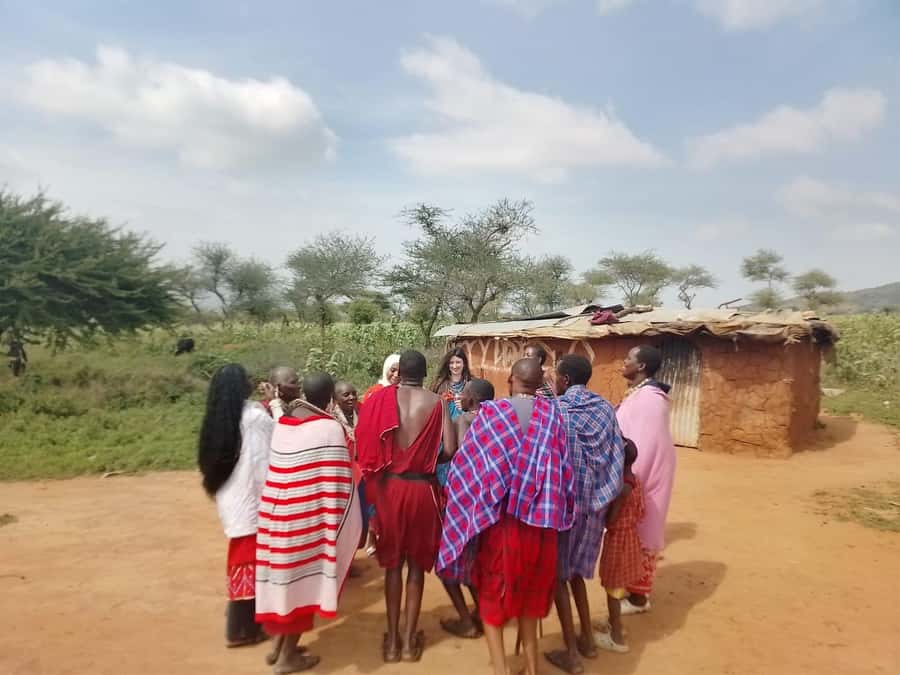
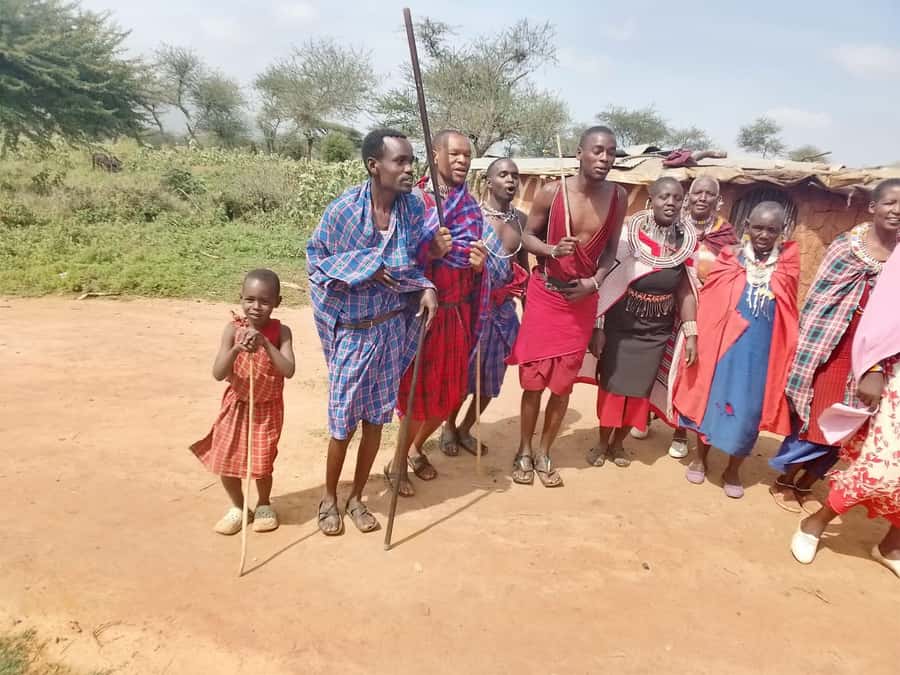
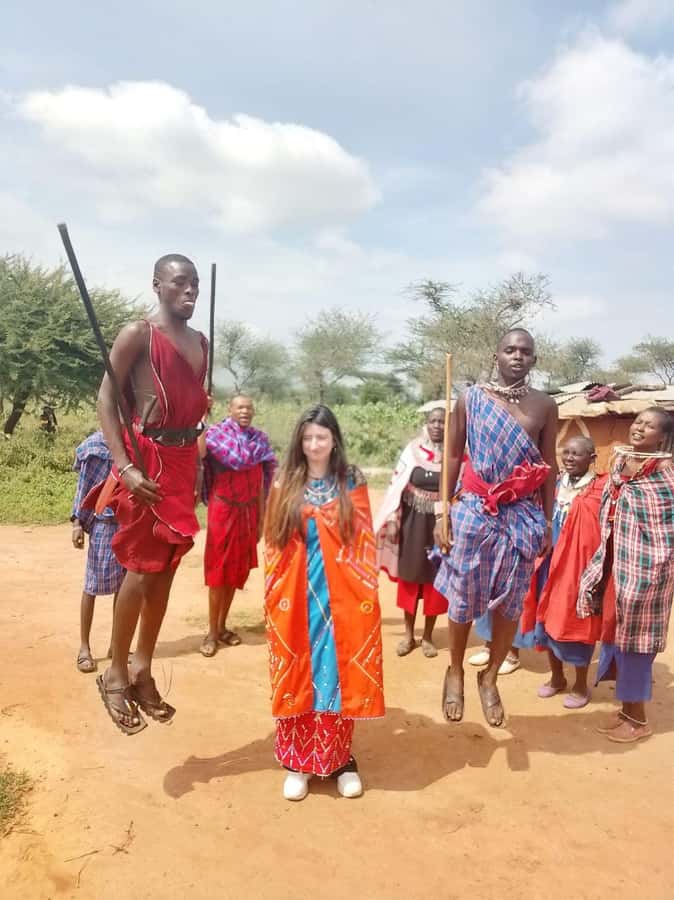
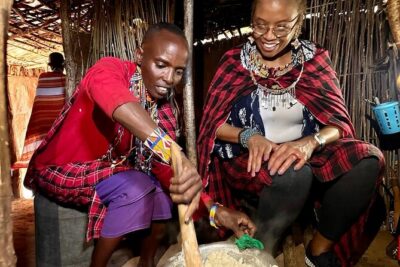
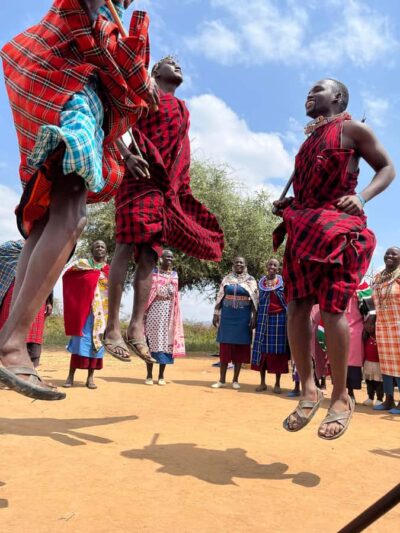
The most memorable part of this six-hour trip is its hands-on look at Maasai life. You can make a fire without matches, cook ugali with local women, shape beadwork, enter a manyatta, and watch warriors and women perform songs and the famous jumping dance. Jen and Ben are among the guides associated with the experience, and their friendly, flexible approach can make the day feel personal.
I like the chance to ask questions directly in the village, rather than simply watch a staged show from a distance. I also like the small-group limit of 10 people, the changing scenery on the drive from Nairobi, and the option to buy handmade jewelry that supports the community. The main caution is scale: this may be a small family settlement with only a few huts, not the large village many people picture, and the added $30 admission fee changes the value calculation.
Key points at a glance
- Make fire the traditional way: Try the Maasai method using natural materials instead of matches.
- Cook ugali with local women: This simple maize dish gives you a practical connection to daily life.
- Enter a real manyatta: See how mud, sticks, and cow dung are used to build a Maasai home.
- Expect songs and jumping dances: The welcome includes energetic performances by warriors and women.
- Travel in a group of up to 10: The smaller vehicle and group make conversation easier.
- Budget for the extra fee: The advertised price is $55 per person, with a $30 village admission charge listed separately.
From Nairobi streets to open savanna
The day begins with pickup anywhere within Nairobi. After booking, you provide your address, then receive a confirmed pickup time and meeting point. That door-to-door service is useful if you are staying in a hotel, apartment, or other Nairobi accommodation and do not want to arrange a separate taxi.
The road out of the city is part of the experience. You move from urban traffic and built-up areas toward broader views and open savanna. The guide provides commentary about Kenya’s different cultures and ecosystems, which helps turn the drive into more than simple transport.
Plan for a substantial amount of time in the vehicle. Reaching the village can take around two hours, depending on the pickup point and road conditions. With six hours for the whole outing, the drive takes up a meaningful part of the day. I would choose this trip when you want a cultural visit outside Nairobi, not when you are looking for a short city activity.
A small group of no more than 10 people is a real advantage here. You are more likely to hear explanations, ask follow-up questions, and take part in the practical tasks without standing behind a crowd. It also gives the guide more room to adjust the pace, though the exact group size may vary up to the stated limit.
Bottled water is included. Bring more water if you are sensitive to heat, since the activities take place outdoors or in simple village structures. Comfortable shoes, a sun hat, sunscreen, and a camera belong in your day bag.
More Maasai village visits:
- Nairobi: Day Tour to Amboseli National Park & Maasai Village
★ 4.5 · 310 reviews - Masai village Day Tour Experience
★ 5.0 · 284 reviews - Maasai Village Experience Day Tour
★ 5.0 · 72 reviews
The welcome dance and the first lesson
At the village, Maasai warriors and women welcome you with songs and an energetic jumping dance. This is a lively opening, but it is also a moment where respectful behavior matters. The day includes photographs and social interaction, so you should be ready to participate rather than only observe.
Ask before photographing individuals or private moments, even though photography is part of the visit. A camera can help you remember the colors, movement, and setting, but putting it down now and then will make conversation easier.
The guide introduces customs and beliefs through stories passed down through generations. The value of this section depends partly on the questions you bring. Ask about the home, family structure, cattle, beadwork, and daily tasks, all of which are included in the cultural presentation.
This is not a museum visit with labels and glass cases. You are being shown parts of a living tradition by people connected to the village. At the same time, a welcome performance for paying visitors is still a performance. It can be meaningful and enjoyable without pretending that the visit is separate from tourism.
Making fire without matches
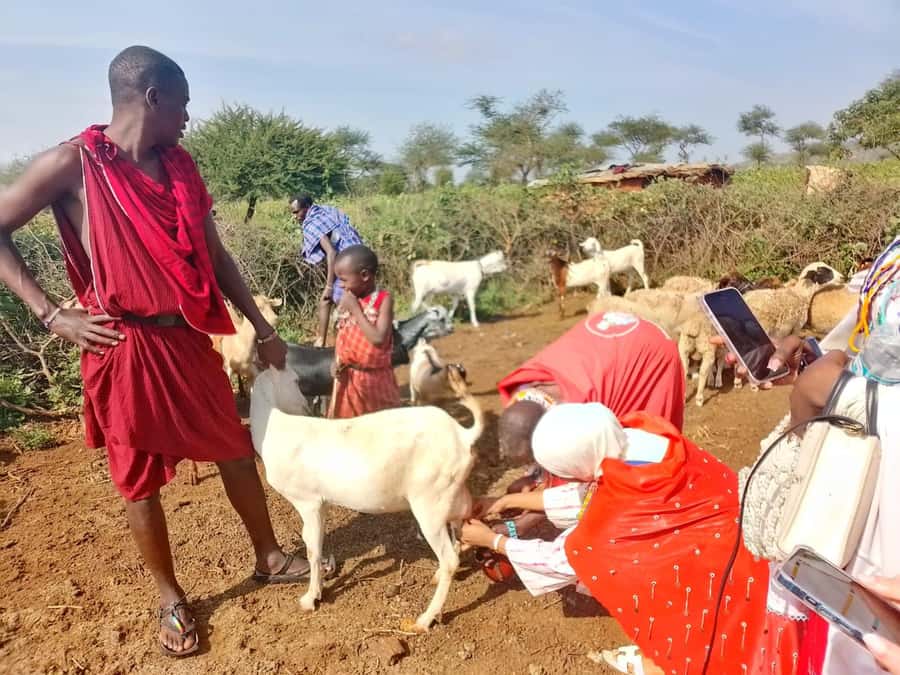
One of the most interesting practical activities is learning how to start a fire using traditional methods. You see the materials and technique, then try it yourself with guidance.
This exercise works well because it turns a broad statement about Maasai traditions into something physical. You feel the effort required to create heat and flame, and you gain a better sense of the skills needed for everyday tasks before modern tools became common.
Do not expect to master the technique instantly. The point is the attempt and the explanation, not proving that you can light a fire in seconds. Wear shoes, keep your feet protected, and follow the guide’s instructions closely. Bare feet are not allowed, and high-heeled shoes are unsuitable for the ground and activities.
The fire-making lesson also offers a useful opening for questions about cooking, fuel, household work, and how responsibilities are divided. Those details are often more revealing than a rehearsed speech about culture.
Cooking ugali with local women
You then have a chance to prepare ugali with local women. Ugali is a staple Kenyan dish, made from maize flour and water, and it is closely tied to everyday meals across Kenya.
Cooking gives you a direct way to take part. You are not only hearing that a food is important, you are handling the process and sharing the task with people who make it as part of normal life. The women guide you through the steps, so this portion suits beginners.
The activity is basic by design. Do not expect a full cooking class with several courses, a printed recipe, or a sit-down meal included in the price. Meals and extra drinks are not included, so you should confirm what you will taste during the activity and carry enough water.
I like this part because food often opens a relaxed conversation. You can ask about ingredients, meals, household routines, and how cooking fits into the day. It is also a good reason to slow down after the more energetic welcome.
A few more Nairobi days to weigh up
- Nairobi National Park Half-Day Tour; Free Wi-Fi connection
★ 5.0 · 878 reviews - Nairobi: National Park & Optional Elephants & Giraffe Center
★ 4.8 · 874 reviews - NAI NAMI: Nairobi Storytelling Tour with Street Children
★ 5.0 · 792 reviews - Nairobi National Park Half-Day Game Drive
★ 4.5 · 738 reviews
Beadwork, identity, and buying directly
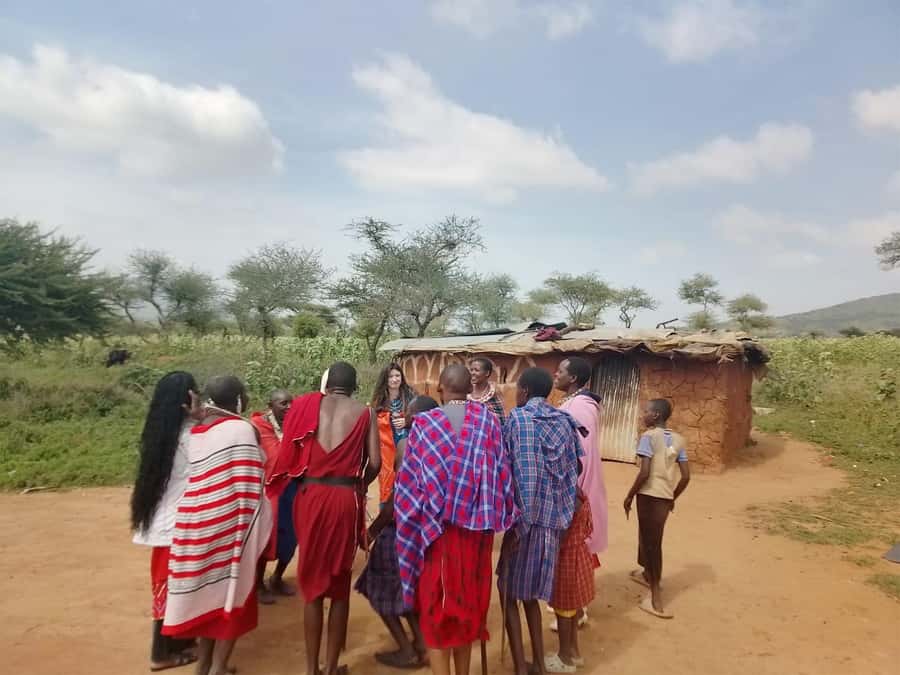
Beadwork is one of the strongest cultural activities on the itinerary. You learn how intricate Maasai beadwork is made and why jewelry forms an important part of Maasai identity.
The activity has both a creative and practical side. You get to try the work yourself, while seeing the patience and detail behind pieces that may look simple at first glance. The colors and patterns are part of a larger tradition, not just decoration for tourists.
Handmade jewelry is available for purchase, with proceeds going directly to the village. Buying something can be a sensible way to support the community, provided you choose an item because you value it rather than feeling pressured.
Keep personal spending in mind. Jewelry is not included, and personal expenses are extra. Carrying some cash may be useful, but the payment method and exact prices are not specified, so ask your guide before relying on a particular option.
The buying element is also where the experience can feel commercial. That does not automatically make the craft or the income less genuine, but it does mean you should keep your expectations clear. This is a community visit that includes commerce, not a visit untouched by the tourist economy.
Inside a manyatta made from local materials
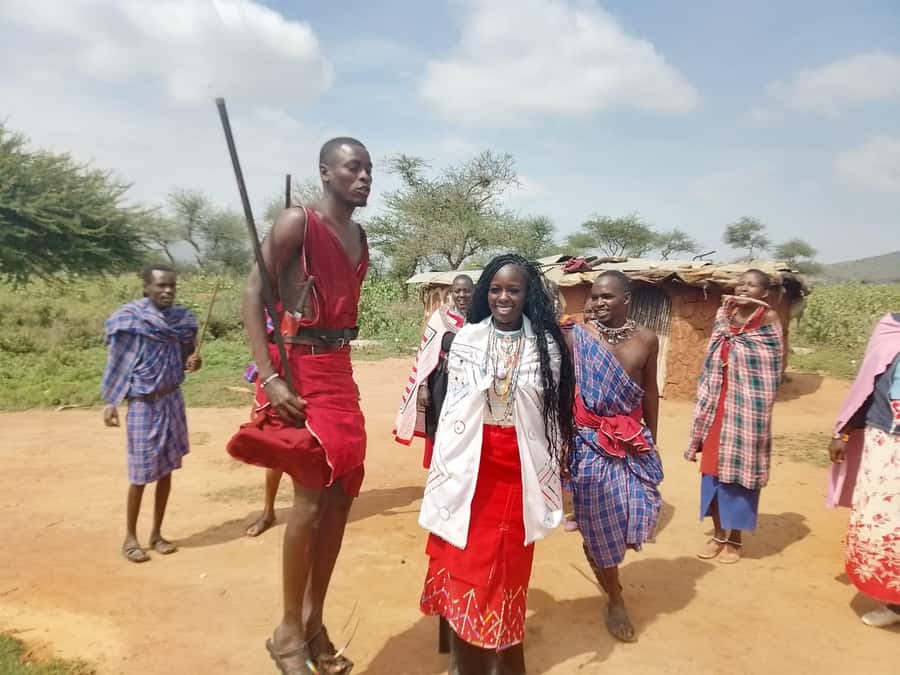
A traditional manyatta is a Maasai hut built from mud, sticks, and cow dung. Stepping inside gives you a more concrete view of home life than looking at a hut from the outside.
You learn how the structure is made, how families are organized, and how daily tasks are handled. The hut is simple, compact, and practical. It also helps explain how local materials can be used to create shelter in a setting where imported construction supplies may not be the first choice.
The manyatta visit is one of the most useful parts of the day for people who want context. It connects the building to family life, work, and the wider role of cattle in Maasai society. Listen closely here, since the small details can tell you more than the larger ceremonial moments.
The settlement itself may be smaller than you expect. The experience is described as a secluded village, but it can look more like a small family compound with a couple of huts rather than a large community. If you need a broad, busy village scene, this may disappoint you. If you prefer a quieter setting for conversation, the smaller scale may work in your favor.
The livestock market on select days

On selected days, the trip may include a visit to one of Kenya’s larger livestock markets. This is not guaranteed every day, so treat it as an occasional addition rather than a promised stop.
When available, the market shows another side of Maasai life. Cattle, goats, and sheep are traded, and the activity reveals the economic and social importance of livestock. It gives you a chance to see commerce and community life beyond the village welcome.
The market can also make the visit feel less like a prepared presentation. You are seeing people engaged in an ongoing part of life and work. Since the timing depends on the day, ask when booking or at pickup if the market stop is scheduled.
Authentic connection or a polished cultural visit?
This experience aims to avoid a heavily packaged visit by taking you to a smaller settlement and putting you in direct contact with local people. The conversations, cooking, beadwork, and hut visit all give you more to do than simply watch a dance.
Still, the day has a clear visitor structure. There is a welcome performance, organized activities, jewelry for sale, and an admission charge. Some people may find that mix honest and useful, while others may feel it is too commercial.
The best approach is to see the visit as a cultural exchange shaped by tourism. You are receiving access, teaching, performances, and time with the community. In return, your fee, purchases, and optional donations help provide income. That arrangement can be worthwhile when it is handled openly and respectfully.
The listed price is $55 per person, but a separate $30 admission fee for each person is not included. That brings the basic cost to $85 per person before personal purchases, meals, or extra drinks. Check the final total carefully when booking, since one account of the trip also described the overall cost as feeling high for the travel time and village visit.
At $85, I would compare this with the value of a small-group cultural activity, not with a free sightseeing stop. Pickup, a guide, bottled water, transport, and several hands-on sessions are included. The trip is less attractive if you only want a quick photo opportunity or expect a large, fully developed village.
Who will enjoy the six-hour outing?
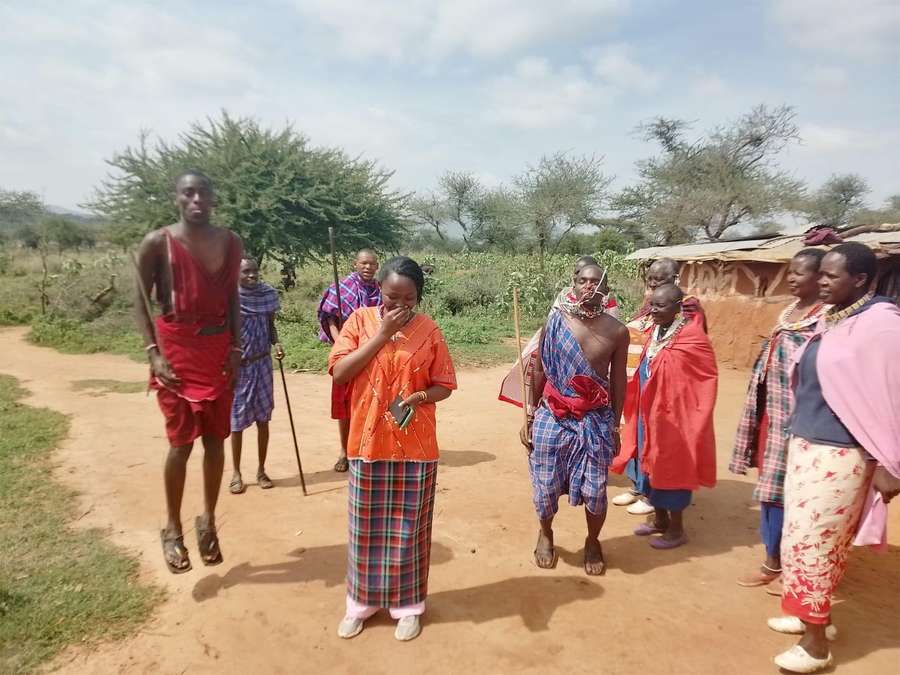
This suits you if you like meeting people, asking questions, trying practical tasks, and accepting a little uncertainty. The experience is social, and photos are part of the day, so it works best for someone comfortable with conversation and participation.
It is also a good fit if you have limited time in Nairobi but want to see more of Kenya than the city. The drive gives you changing scenery, while the village activities provide a focused introduction to Maasai traditions.
Families and curious first-time visitors may appreciate the variety. You are not stuck with one long talk. The day shifts between music, stories, fire-making, cooking, beadwork, architecture, and possibly a livestock market.
This is less suitable if you have mobility difficulties. The information describes the tour as wheelchair accessible in one place, but it also says it is not suitable for people with mobility impairments or wheelchair users. Because the activities involve village ground, huts, and outdoor participation, contact the provider before booking if accessibility is important.
The language listed for the tour is English. Pickup is available from any location within Nairobi, but locations outside Nairobi are not included in the stated service.
Practical ways to make the visit better
Wear sturdy, comfortable shoes. You may walk on uneven ground and take part in fire-making and cooking, so sandals, formal shoes, or high heels are poor choices. Bare feet are not permitted.
Use sunscreen and bring a hat. Carry a camera if you want photographs, but ask permission and give people your attention during conversations. Bottled water is included, though bringing extra water is sensible for a long day outside.
Keep your schedule flexible. The tour lasts six hours, but Nairobi pickup traffic and the long road section can affect how the day feels. Do not place an important appointment immediately after the stated finish time.
Bring money only if you want to buy beadwork or cover personal expenses. Donations or gifts are optional, and the purpose is to support the village without turning every interaction into a sale. A polite question about appropriate ways to give is better than handing out items at random.
The provider offers free cancellation up to 24 hours before departure and a reserve-now, pay-later option. Those terms help if your Nairobi plans are still moving, though you should check the booking conditions at the time you reserve.
Should you book the Maasai village experience?
Book it if you want a personal, activity-based introduction to Maasai traditions and you accept that cultural tourism is part of the setting. The strongest reasons are the small group, the chance to cook ugali and make beadwork, the manyatta visit, and the friendly guiding style associated with Jen and Ben.
Think twice if you expect a large traditional village untouched by tourism. The settlement may be small, the performances are arranged for visitors, and the separate $30 admission fee makes the real cost higher than the headline price.
For the right person, this is a memorable Nairobi day trip because it puts you in conversation with local people rather than leaving you behind a bus window. Go with curiosity, respect, and realistic expectations, and the fire-making, cooking, songs, and hut visit can add real meaning to your time in Kenya.
FAQ
How long does the Maasai village experience last?
The experience lasts six hours, including pickup from Nairobi, the drive, village activities, and return transport.
What is included in the price?
The $55 price includes hotel pickup and drop-off within Nairobi, bottled water, an English-speaking driver and guide, and the listed cultural activities such as cooking, bead-making, and fire-making.
Is the $30 village admission fee included?
No. A $30 admission fee for each person is listed separately from the tour price.
Does the tour include food?
No meal or extra drinks are included. Ugali cooking is part of the hands-on program, but the stated inclusions do not promise a full meal.
How many people can join the group?
The tour is described as a small-group experience with a maximum of 10 participants.
Can I cancel the booking?
You can cancel up to 24 hours in advance for a full refund. A reserve-now, pay-later option is also available.
Just added around Nairobi
- Visit kibera Slum the chocolate city★ 4.8 · 3 reviews
- 4 Days Safari to Lake Nakuru N/P and Maasai Mara N/R★ 5.0 · 18 reviews
- Maasai Mara Day Trip★ 5.0 · 15 reviews
- 4 Days Tour Landcruiser in Masai Mara and Lake Nakuru★ 5.0 · 10 reviews
- 3 days maasai mara migration safari★ 4.5 · 7 reviews
- Kibera Slum Tour with a Local★ 5.0 · 15 reviews
- Wildebeest Migration in Masai Mara and Sightseeing 4 Days Tour★ 4.5 · 6 reviews
- Day Tour to Nairobi national park, Elephants, and Giraffe Center★ 3.5 · 8 reviews
Maasai Village Visits, compared.

Day Tour to Amboseli National Park & Maasai Village
Read our review →

Day Trip: Amboseli National Park & Maasai Village – Nairobi
Read our review →
Day Trip to Maasai Mara Reserve & Maasai village
Read our review →
3days/2nights group joining Masai Mara with Masai Village Visit
Read our review →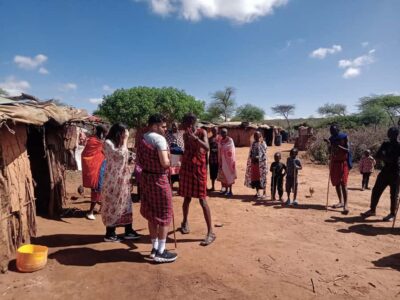
Maasai Village Visit with Traditional Dance Show
Read our review →Browse the lists this tour appears in