
Reviewed · COOKING CLASSES
Malindi : Kenyan Cooking Class with Campfire Meal
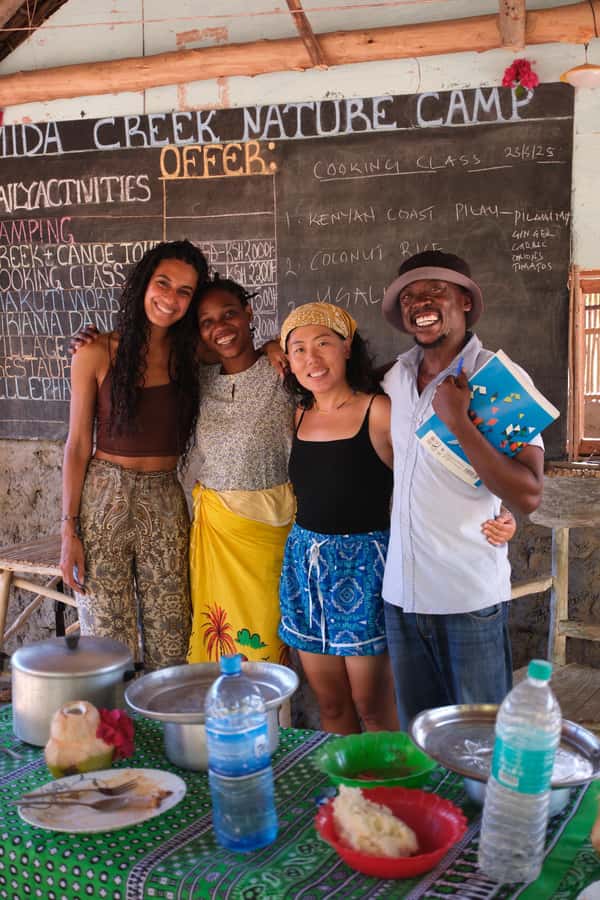
Cooking Kenyan food over a wood fire gives this Malindi-area experience its character. At Mida Creek Nature Camp, Harrison leads a small group through traditional recipes and cooking methods, with local ingredients and simple tools. One class prepared seven dishes in less than two hours, so expect an active session rather than a slow demonstration.
I like the small group of up to 10 and the chance to shape the menu around your interests. I also like that the meal can be shared at camp instead of treated as a quick lesson. The main consideration is that the menu and timing can vary, and people with food allergies are advised against booking.
The camp setting is leafy, sandy, and away from the feel of a standard restaurant kitchen. Contact the provider before arrival about allergies, intolerances, or a special dish you hope to learn.
Key points to know before booking
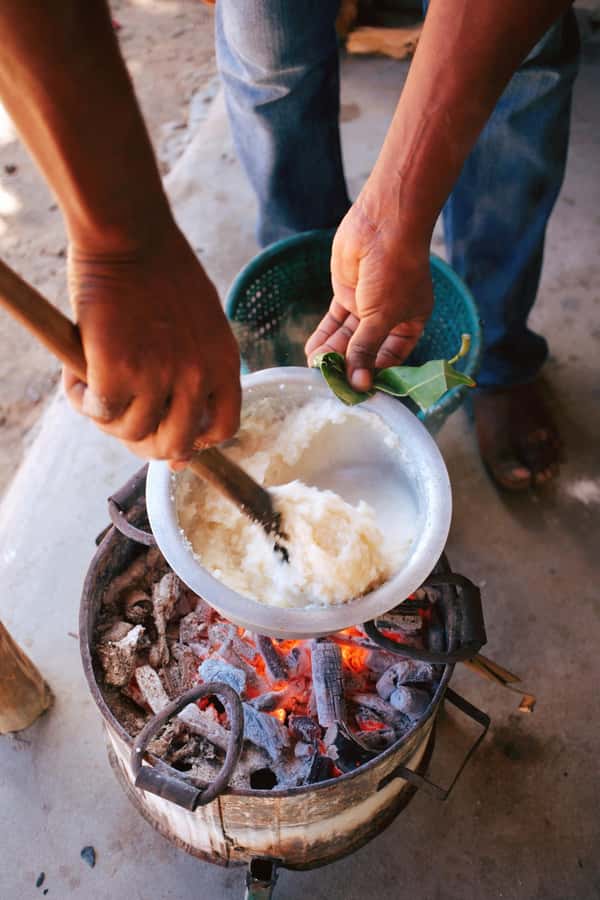
- Campfire cooking: Prepare Kenyan food with traditional techniques and tools at Mida Creek Nature Camp.
- Harrison leads the class: Expect English instruction, careful explanations, and a family-run setting.
- A changing menu: Possible dishes include Kenyan pilau, ugali, githeri, wali wa nazi, nyama choma, mandazi, and grilled maize.
- Lunch or dinner: Choose the session that works best for your day, with starting times based on group preference and availability.
- Small, good-value format: The class lasts two hours, accepts up to 10 people, and costs $25 per person.
- Eat or take away: Share the finished meal with the group, or bring your creations home.
Why this Malindi cooking class feels different
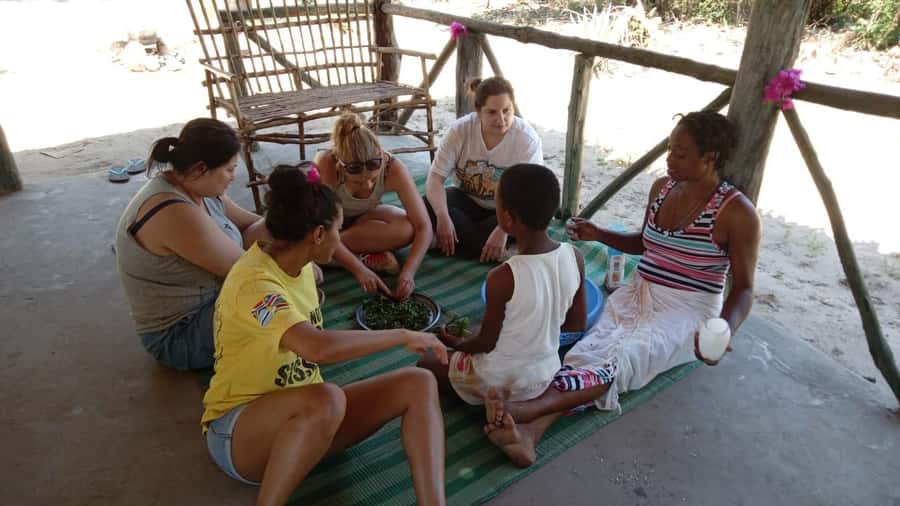
Many cooking classes begin in a polished kitchen with measured ingredients lined up in bowls. This one takes place at Mida Creek Nature Camp, where the fire, outdoor setting, and hand-prepared food are part of the lesson.
That matters because Kenyan cooking is not only about a recipe card. Heat control, timing, chopping, stirring, and the way ingredients come together all shape the final dish. A campfire makes those choices visible. You are not simply watching someone cook on a modern stove while standing safely out of the way.
Harrison leads the class in English and is described as patient, precise, and keen to share his culture. His family is part of the experience too, giving the class a personal feel rather than the polished rhythm of a large commercial activity.
You should expect to take part. The available information does not promise a fixed menu, so the class is best approached as a hands-on introduction to Kenyan home cooking. You may help prepare several dishes, ask questions, and discuss what you would like to try before the session begins.
A few more Malindi days to weigh up
- Safari Kenya with Patrick
★ 4.0 · 45 reviews - Kisite Marine Park Private Boat Snorkeling with breakfast & Lunch
★ 5.0 · 32 reviews - Safari blue
★ 4.5 · 27 reviews
Arriving at Mida Creek Nature Camp
You meet at Mida Creek Nature Camp, with directions available through Google Maps. No pickup service is included in the activity information, so plan to make your own way to the meeting point and allow enough time to arrive ready to cook.
The camp is described as a leafy, sandy place just off the main road. That change of setting is part of the appeal. You leave behind the usual town routine and cook in a nature setting, with the fire and outdoor surroundings shaping the pace.
Wear comfortable clothes. You do not need to bring ingredients, since they are included, and the class provides the cooking lesson and meal. Pets are not allowed.
The timing is flexible in one useful way: you can choose lunch or dinner. The group meets a couple of hours before the chosen meal, depending on the preferred schedule. Because the exact starting time is not fixed in the supplied information, check availability when booking and confirm the timing with the provider.
Preparing Kenyan dishes over the fire
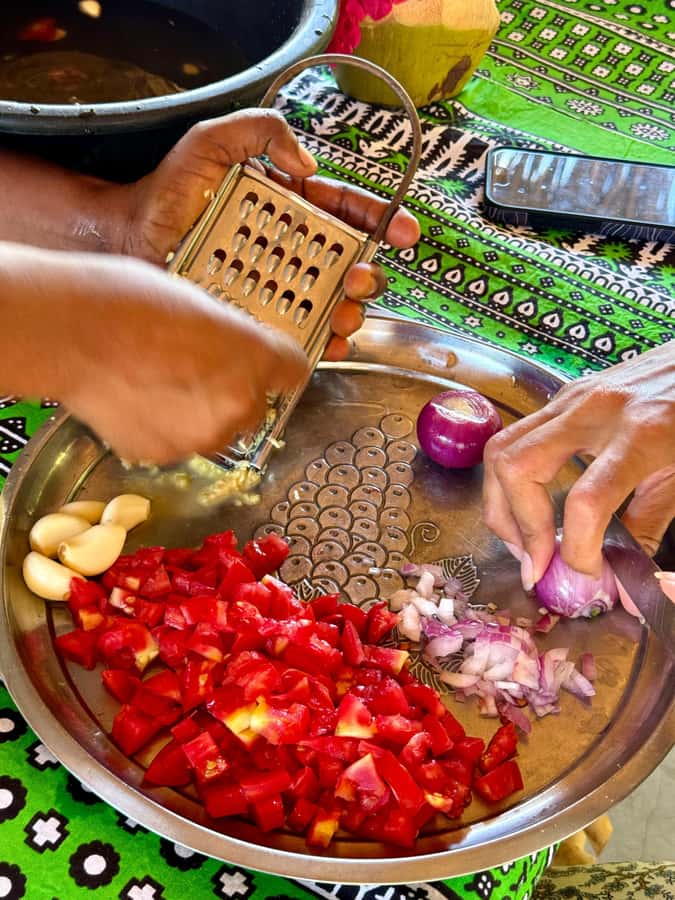
The cooking begins with the group working together on an authentic Kenyan meal. The menu changes from lesson to lesson, and the provider welcomes requests made ahead of time.
Possible dishes include:
- Ugali: A firm maize-based staple often served with vegetables, stew, or meat.
- Githeri: A traditional combination of maize and beans.
- Kenyan pilau: Spiced rice with a strong place in Kenyan coastal cooking.
- Wali wa nazi: Rice prepared with coconut, a natural fit for the Coast Province.
- Sukuma wiki: Cooked greens commonly found in Kenyan meals.
- Mchicha: Another leafy vegetable dish.
- Kenyan stew: A practical, home-style centerpiece for a shared meal.
- Nyama choma: Grilled meat.
- Matoke: A dish made with cooking bananas.
- Mandazi: A sweet fried bread.
- Grilled maize: A simple snack cooked directly over the fire.
This list gives you a useful sense of the range. Some dishes are staples, some are snacks, and some suit a fuller meal. You might work with rice, maize, vegetables, bananas, meat, or dough during the session, depending on the day’s plan.
The cooking method is as important as the food. You use a campfire, traditional tools, and ingredients selected for the meal. The class also tries to use homegrown ingredients, with a small shop at the camp supplying anything missing. That approach keeps the session close to everyday local cooking rather than turning it into a restaurant-style performance.
A two-hour class can move quickly. One recent session prepared seven dishes in less than two hours, which shows how much can fit into the time. You should be ready to chop, stir, shape, watch the fire, and move from one task to the next.
The menu can follow your interests
The changing menu is one of the best reasons to contact Mida Creek Nature Camp before you go. If you are keen to learn pilau, coconut rice, mandazi, or a particular vegetable dish, ask about it in advance rather than waiting until you arrive.
This is also where you should discuss allergies and intolerances. The activity information specifically says to contact the provider beforehand, but it also lists the experience as not suitable for people with food allergies. That is an important distinction. A request may be possible, but you should not assume that the kitchen can guarantee a safe allergen-free meal.
If you have no dietary restrictions, the open menu gives you room to try something you may not otherwise order. I like that the class is not locked into one recipe. Kenyan food varies by household and region, and a changing menu gives you a better sense of that variety.
The recipes named here also make the activity useful for different levels of curiosity. You can focus on familiar ingredients such as rice and vegetables, or choose something less familiar, such as ugali, matoke, or githeri. Ask the provider which dishes are planned for your date and how much input the group can have.
More Kenyan cooking classes in Malindi:
- Traditional Kenyan Cooking Class & Local Market Tour
★ 5.0 · 129 reviews - Authentic Kenyan Cooking Class & Market Tour in Nairobi
★ 5.0 · 12 reviews - Private Traditional Kenyan Cooking Class with Lunch in Nairobi
★ 5.0 · 10 reviews - Market Tour and Traditional Kenyan Cooking Class in Nairobi
★ 4.8 · 6 reviews
Sharing the meal at camp
When the food is ready, you have two choices. You can eat with the group at the camp, or you can take your creations home.
I would choose to eat there if your schedule allows. Sharing the finished meal completes the lesson. You can taste the results while the cooking is still fresh in your mind, compare the different dishes, and enjoy the social side of the class. It also gives you a chance to understand how the food is meant to be served together.
Taking the meal home may suit you better if you have another commitment, are staying nearby, or simply prefer a private meal. The choice is built into the experience, which is a practical touch.
The meal is included in the $25 price, along with the class and ingredients. That keeps the cost easy to understand. You are paying for two hours of instruction, the food, the setting, and a prepared meal, not just a short cooking demonstration.
What the $25 price gets you
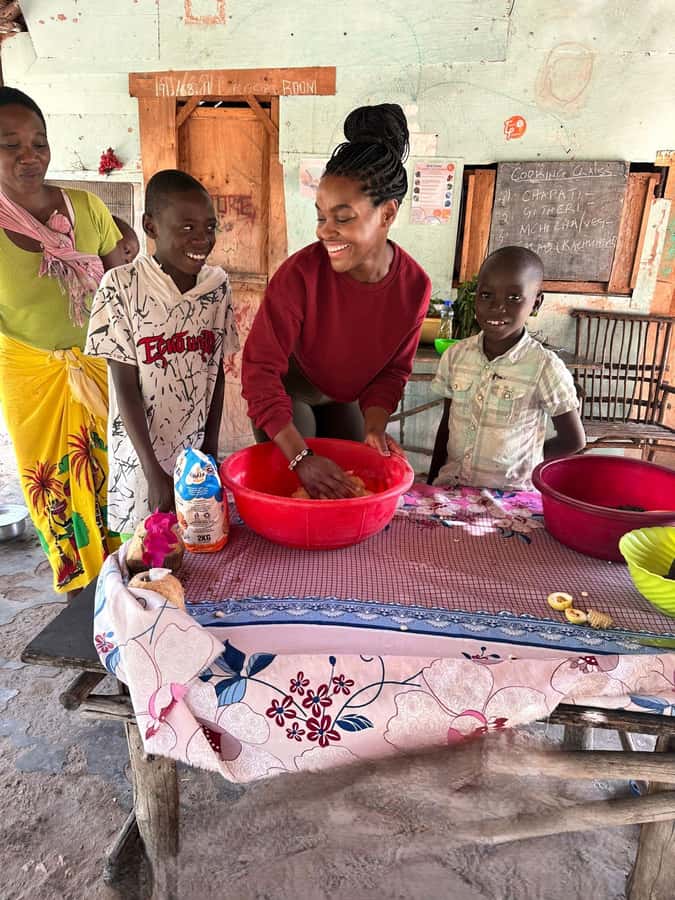
At $25 per person, this is a strong value for anyone who wants more than a standard restaurant meal. The price covers the cooking class, ingredients, and meal, with a group limit of 10 people.
The value improves if the class includes several dishes. A session that prepares seven foods in under two hours gives you a broad introduction to Kenyan cooking for a modest fee. You also get access to a family-run setting and a chance to ask questions directly while the food is being made.
The price does not include transportation to the camp, and the available information does not list extra village or nature activities as part of the two-hour class. Mida Creek Nature Camp may offer other activities separately, including village, mangrove, and workshop experiences, but you should arrange those independently if you want more time there.
One useful tip is to consider staying longer than the basic class if your schedule permits. The cooking itself lasts two hours, but eating together and enjoying the camp can make the visit feel less rushed. Ask the provider about the day’s timing rather than assuming the cooking and meal will fit neatly into a strict two-hour window.
A personal, family-run atmosphere
The class is led by Harrison, who explains the food carefully and speaks with clear enthusiasm about Kenyan culture. His family also helps create the welcoming tone of the camp.
I value this kind of setting because food lessons work best when you can ask ordinary questions. How should the rice look before the next ingredient goes in? How firm should the ugali be? Which greens are cooked first? A small group makes those questions easier to ask and answer.
The group limit is 10 participants, so this is not a private class, but it should still feel more manageable than a large bus tour activity. The quality of the session will depend partly on the mix of people in your group and how many dishes you prepare. If everyone arrives with a few menu ideas, the class may feel more collaborative.
The setting also helps the activity feel connected to local life. You are cooking in nature, with traditional methods and ingredients, rather than being shown an abstract version of Kenyan food in a hotel kitchen.
Lunch or dinner, and how to plan your time
You can book the experience for lunch or dinner, which makes it easy to fit around a day in the Malindi area. A lunch session may work well if you want the rest of the afternoon free. A dinner session gives you a relaxed food-focused end to the day.
Because the group chooses the timing around the preferred meal, confirm the start time before setting up other plans. The class itself is listed as two hours, but eating the food afterward can add useful time if you decide to stay and share the meal.
I would avoid placing a tight appointment immediately after the class. Cooking several dishes over a fire takes attention, and the meal is a meaningful part of the visit rather than an afterthought.
The camp is also connected with other activities and accommodation, including tents and treehouses, according to the available provider information. Those options are not included in this cooking class, so treat them as separate possibilities rather than part of the $25 booking.
Who will enjoy this experience most
I would recommend the class to you if you like food, small groups, and activities where you actually do something. It suits couples, families with an interest in cooking, solo visitors who enjoy meeting people, and anyone looking for a more local-feeling experience than a restaurant meal.
It is especially useful if you want an introduction to several Kenyan foods in one sitting. The menu can include staples such as ugali, githeri, greens, rice dishes, stew, and sweet snacks, giving you plenty of ideas to remember after you leave.
You may prefer another activity if you want a fixed recipe, a highly polished kitchen, or a quiet meal with no group participation. The campfire setting can also mean a more informal pace and less predictable timing than a professional cooking school.
People with food allergies should not book without first discussing their needs with the provider. The activity is listed as unsuitable for people with food allergies, so this is not the right choice if you need strict kitchen controls.
Practical booking advice
Book the lunch or dinner option that leaves you unhurried. Check the starting time, meeting directions, and expected menu before the day of the class.
Contact Mida Creek Nature Camp in advance if you have an intolerance or want to request a dish. Comfortable clothing is all you need to bring, but choose something suitable for outdoor cooking.
The activity is offered in English and is limited to 10 participants. You can reserve now and pay later, and cancellation is free up to 24 hours before the experience for a full refund. Those terms are helpful if your Malindi plans are still changing.
Should you book the Mida Creek cooking class?
Book it if you want a hands-on introduction to Kenyan food in a natural, family-run setting. The combination of campfire cooking, a flexible menu, shared meal, and $25 price makes it particularly appealing for visitors who value local contact over polished presentation.
Go in knowing that the menu changes, the session may move quickly, and the camp is not designed for people with serious food allergies. Contact Harrison and his family before booking with your menu ideas and dietary questions.
If you can spare extra time, plan to eat what you cook and enjoy the camp rather than rushing away when the two-hour lesson ends. That is when the class makes the most sense: not just as a recipe lesson, but as a friendly window into Kenyan food and everyday cooking.
FAQ
Where does the Kenyan cooking class take place?
The class takes place at Mida Creek Nature Camp in Kenya’s Coast Province. Use Google Maps for directions to the meeting point.
How long does the experience last?
The cooking class lasts two hours. You meet a couple of hours before lunch or dinner, depending on the group’s preferred schedule and the available starting time.
What food can I learn to cook?
Possible dishes include ugali, githeri, Kenyan pilau, wali wa nazi, sukuma wiki, mchicha, Kenyan stew, nyama choma, matoke, mandazi, and grilled maize. The menu changes, and you can contact the provider about special dishes you would like to try.
Is the meal included?
Yes. The price includes the cooking class, ingredients, and meal. After cooking, you can eat with the group or take your creations home.
Is the class suitable for people with food allergies?
The experience is listed as not suitable for people with food allergies. You should contact the provider in advance about any allergies or intolerances before booking.
How many people can join, and what language is used?
The class is conducted in English and is limited to 10 participants.
More Workshops in Malindi
- Local Market Tour and Traditional Meal Cooking Class
★ 5.0 · 4 reviews - Agro-Tourism Tea Workshop in Nandi Hills
★ 5.0 · 3 reviews - Private Kenyan Cooking Class in Nairobi with a Local
★ 5.0 · 3 reviews - Beginner Swahili Woodcarving Classes with Woman Woodcarver
★ 5.0 · 3 reviews
Just added around Malindi
- Safari-Tsavo east national park -2 days 1 night★ 5.0 · 8 reviews
- Tour Malindi & Robinson Island & Marafa Hell’s Kitchen★ 5.0 · 11 reviews
- Gede Ruins & Malindi Tour★ 5.0 · 5 reviews
- Airport transfer★ 5.0 · 6 reviews
- MIA – Airport Transfer from Mombasa to Watamu or Malindi★ 4.5 · 3 reviews
- Magical Storytelling Swahili Dinner in the Bushbaby Treehouse★ 5.0 · 3 reviews
- 3 Days Tsavo East & Tsavo West Safari★ 5.0 · 4 reviews
- Tsavo East Amboseli and Tsavo West Safari 4 Days starting Malindi★ 5.0 · 3 reviews
Cooking Classes, compared.
Traditional Kenyan Cooking Class & Local Market Tour
Read our review →
Authentic Kenyan Cooking Class & Market Tour in Nairobi
Read our review →
Private Traditional Kenyan Cooking Class with Lunch in Nairobi
Read our review →
Market Tour and Traditional Kenyan Cooking Class in Nairobi
Read our review →
Local Market Tour and Traditional Meal Cooking Class
Read our review →
Private Kenyan Cooking Class in Nairobi with a Local
Read our review →Browse the lists this tour appears in