
Reviewed · COOKING CLASSES
Authentic Kenyan Cooking Class & Market Tour in Nairobi
The best part of this four-hour experience is the move from Nairobi market to Tabitha’s home kitchen. You do not just eat Kenyan food. You help choose ingredients, cook beside a local host, and sit down for lunch with Tabitha and her family.
I like the market visit, where your food lesson begins with real shopping and conversation. I also like the generous home setting, especially the chance to hear about daily life while food cooks. The main consideration is that the kitchen has limited space, so this suits people who enjoy a personal, hands-on setting more than a polished cooking studio.
Key points to know before booking
- Market first, kitchen second: You shop for fresh ingredients at a local market before cooking.
- Hosted by Tabitha: The experience centers on her home, food knowledge, stories, and warm hospitality.
- A broad Kenyan menu: You may prepare ugali, pilau, chapati, Kachumbari, sukuma wiki, mukimo, githeri, and kuku kienyeji.
- Lunch is included: You eat the food you help prepare, with water, soda, and tea.
- Meeting point matters: Meet at the K-MALL Komarocks parking lot, then proceed to the market.
- Good value at $64: The price covers the host, market transport, cooking lesson, lunch, and nonalcoholic drinks.
Why this Nairobi food experience feels different
Many food classes keep you inside a restaurant or a purpose-built kitchen. This one takes you through a local market and then into Tabitha’s home on the outskirts of Nairobi. That change of setting is the point.
You begin by seeing ingredients in the place where people buy them. Then you carry that experience into a family kitchen, where the food has a clear connection to daily life. I like this order. It helps you understand what is on the plate instead of treating Kenyan cooking as a list of unfamiliar names.
The activity is hosted in English and Swahili. Tabitha, also called Tabby, leads the market visit and cooking session. Her husband may be part of the home conversation, giving the meal a social feel rather than making it only a lesson.
This is not designed as a formal culinary course. You should expect a friendly, practical introduction to home cooking. The kitchen has limited space, but you will have chances to help, taste food as it cooks, and ask questions.
A few more Nairobi days to weigh up
- Nairobi National Park Half-Day Tour; Free Wi-Fi connection
★ 5.0 · 878 reviews - Nairobi: National Park & Optional Elephants & Giraffe Center
★ 4.8 · 874 reviews - NAI NAMI: Nairobi Storytelling Tour with Street Children
★ 5.0 · 792 reviews
Meeting Tabitha at K-MALL Komarocks
The stated meeting point is the K-MALL Komarocks parking lot. From there, you proceed to the local market, and transport to and from the market is included.
Pay attention to this detail when planning your day. The activity is listed as being in Nairobi, but the cooking takes place in a home on the city’s outskirts. You should not assume that the meeting point is your hotel or that a hotel pickup is automatically included.
Transportation can be arranged for convenience, but Uber or other transportation fees are not included. I would confirm the exact pickup plan with the host before booking, especially if you are staying in another part of Nairobi.
The meeting point is also useful for setting expectations. You are not being collected for a sightseeing drive across a series of major attractions. You are meeting at a practical local point and then heading into a food and neighborhood experience.
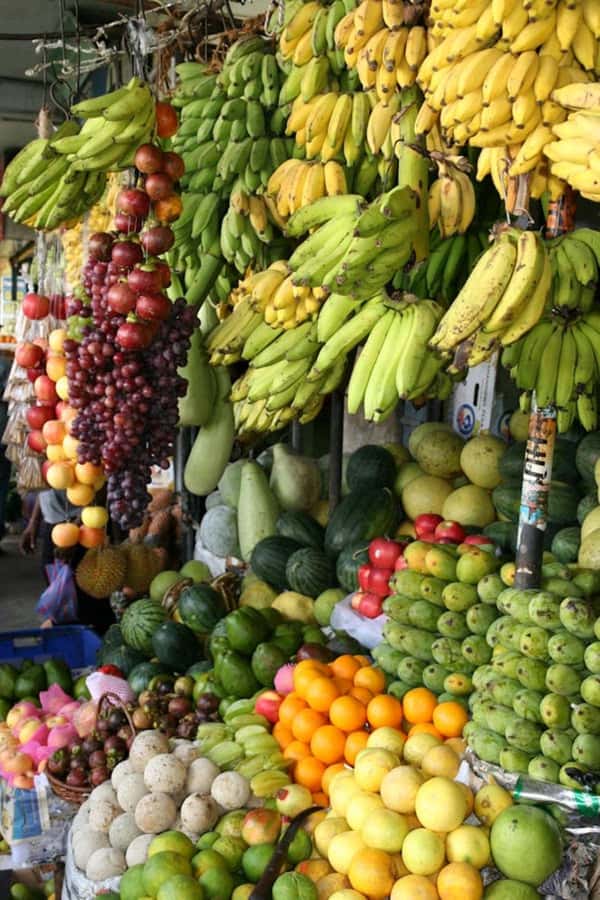
Shopping for lunch in a local market
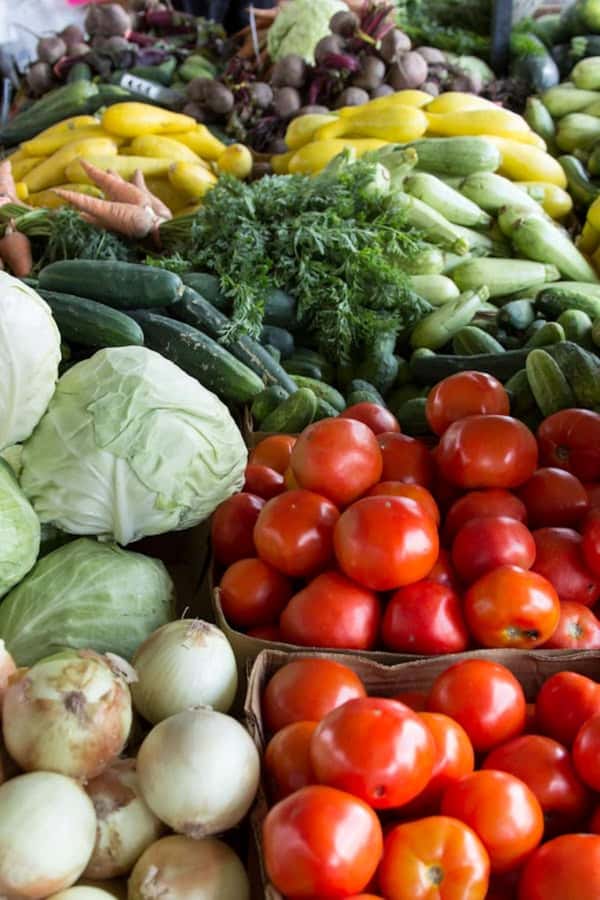
The market visit is more than a quick stop to collect groceries. It gives you a look at how the cooking starts, with ingredients selected in a real local setting.
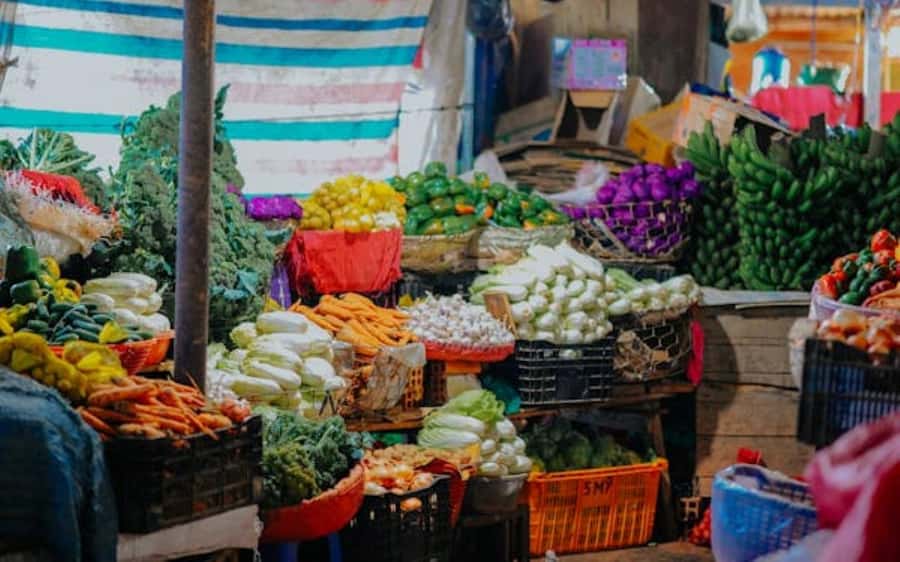
You can expect a lively market atmosphere, direct contact with local people, and the chance to see the produce and other ingredients used in Kenyan meals. The host guides you through the shopping, so you are not left trying to identify everything on your own.
This is where the activity feels most connected to ordinary life. A restaurant can explain that ugali is a staple food. A market visit shows you the buying and choosing that happen before the pot reaches the table.
You should bring cash. The activity information specifically recommends it, and cash may be useful during the market visit or for personal purchases. Your included meal ingredients are part of the arranged experience, but it is still wise to carry some Kenyan currency for anything extra.
The market is likely to be a social setting, and international visitors may attract some friendly attention. That can be part of the fun, but you should be comfortable in a public market and respectful about taking photographs. Ask before photographing people, especially vendors and children.
Wear comfortable shoes and clothes. The market portion involves walking and standing, and you will want clothing that works for both shopping and kitchen work.
Cooking Kenyan staples in a home kitchen
After the market, you head to Tabitha’s home for the hands-on cooking session. The menu focuses on familiar Kenyan dishes, but the exact combination may vary.
The named dishes include:
- Ugali
- Pilau
- Chapati
- Kachumbari salad
- Sukuma wiki
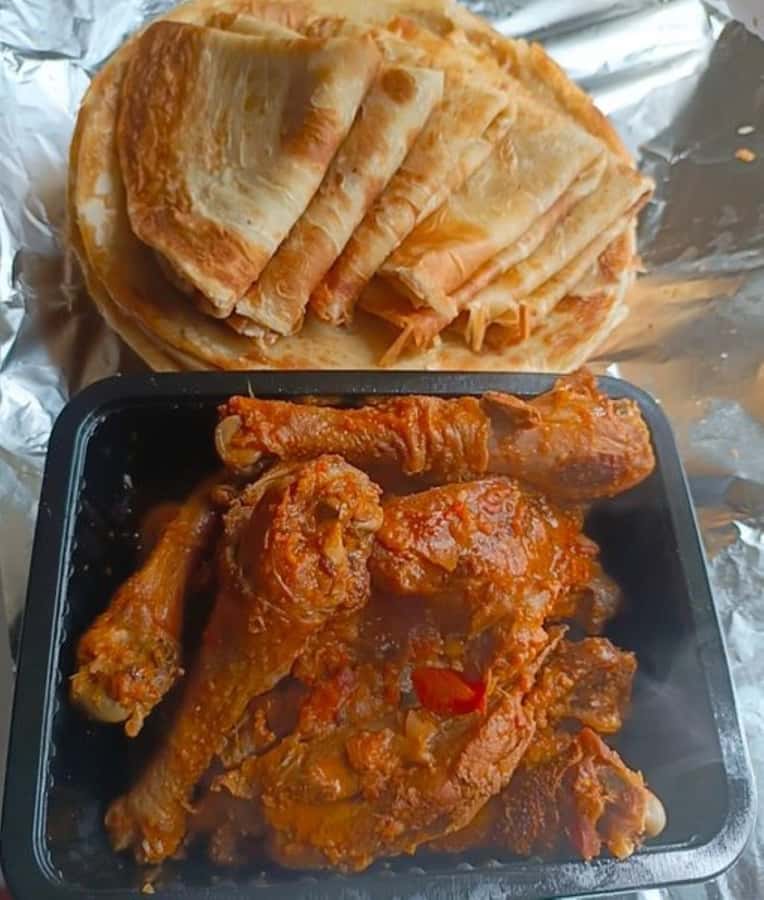
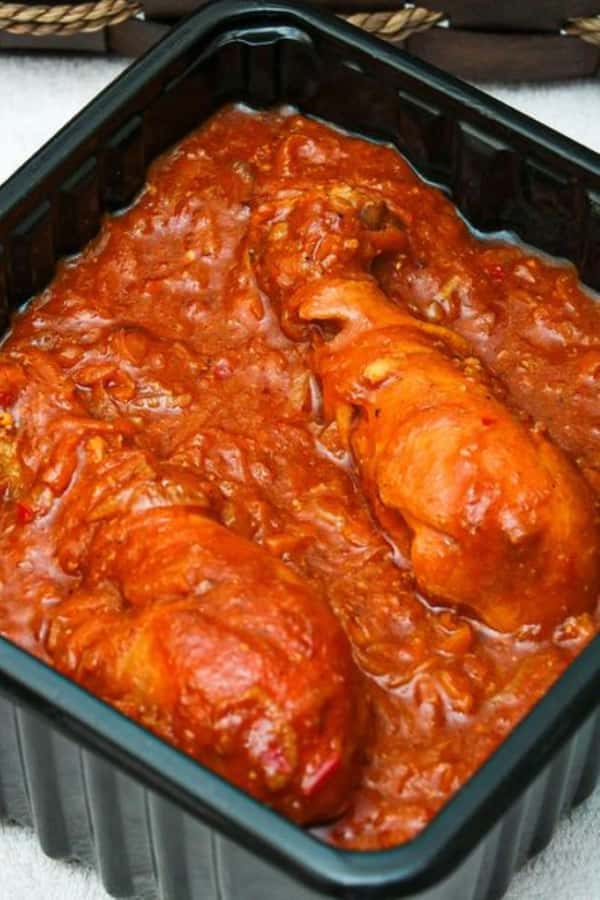
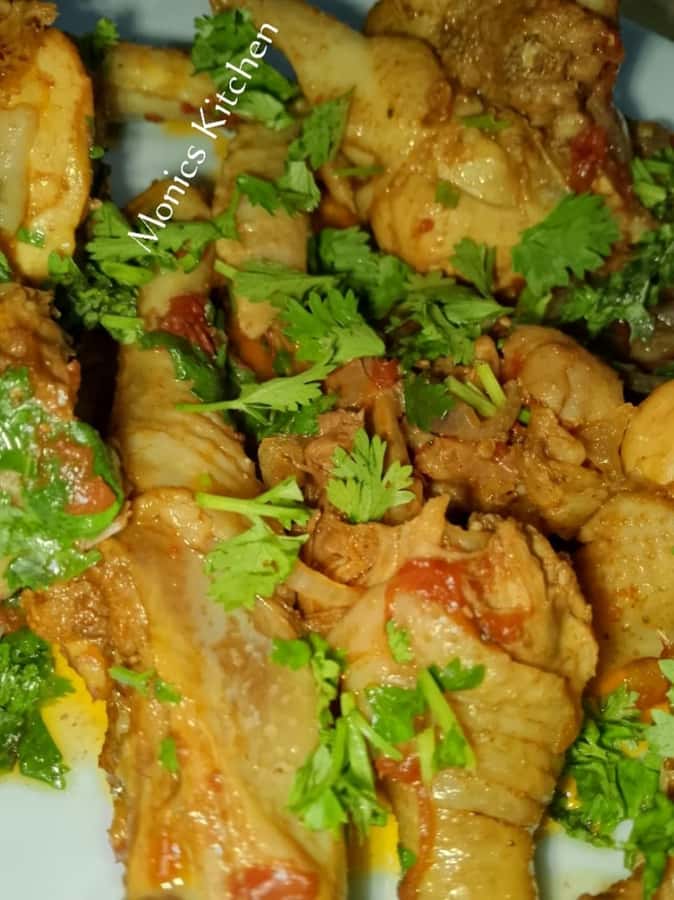
- Kuku kienyeji, or traditional chicken
- Mukimo
- Githeri
That is a wide range for a four-hour experience. You may not prepare every dish at every sitting, so ask Tabitha which recipes are planned for your date. The variety is still useful because it introduces different parts of Kenyan cooking: maize-based staples, vegetables, flatbread, spiced rice, fresh salad, beans, and chicken.
Ugali is one of the key foods to understand. It is made from maize flour and has a firm, filling texture. It is commonly served alongside vegetables, meat, or stew. A cooking class gives you more context than simply ordering it at a restaurant, since you can see how it is stirred and prepared for the table.
Sukuma wiki brings greens to the meal. Its name is often associated with stretching food through the week, which gives the dish a practical place in home cooking. Kachumbari offers a fresh contrast, with a simple salad that helps balance heavier dishes.
Pilau adds spice and aroma, while chapati gives you a chance to work with dough and cooking technique. Kuku kienyeji brings a traditional chicken dish into the meal. Mukimo and githeri add more regional and home-style variety, though you should confirm which of these will be prepared during your visit.
You will not simply watch Tabitha cook. The plan is to help prepare the food, taste along the way, and hear stories about Kenyan food culture. Since the kitchen is small, the experience may work best when you take turns and stay involved rather than expecting a private workstation.
That limited space is worth noting. It may be a drawback for anyone seeking a highly structured class with lots of equipment or room to spread out. For me, the tradeoff is worthwhile because the home kitchen is what gives the activity its personal character.
More Kenyan cooking classes in Nairobi:
- Traditional Kenyan Cooking Class & Local Market Tour
★ 5.0 · 129 reviews - Private Traditional Kenyan Cooking Class with Lunch in Nairobi
★ 5.0 · 10 reviews - Market Tour and Traditional Kenyan Cooking Class in Nairobi
★ 4.8 · 6 reviews - Local Market Tour and Traditional Meal Cooking Class
★ 5.0 · 4 reviews
Sharing lunch at Tabitha’s home
The meal is included, and you eat what you have helped prepare. Water, soda, and tea are also provided. Alcoholic drinks are not included.
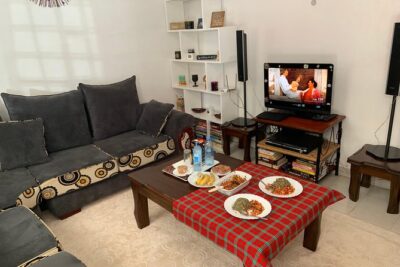
The lunch is the natural finish to the experience. You have seen the ingredients at the market, worked with them in the kitchen, and can now ask questions while eating. This gives the meal a sense of purpose that you do not get from a standard restaurant visit.
The home setting also creates room for conversation. Tabitha has been open about sharing stories of her life, daily challenges, and joys. That kind of exchange can help you understand Kenya through personal experience rather than only through monuments and tour routes.
I would keep your expectations grounded. This is a visit to a local home, not a staged cultural show. The setting may be simple, and the kitchen has limited room. That is exactly why the experience appeals to people who want a direct, human connection, but it may not suit someone who prefers privacy or a highly polished environment.
The neighborhood is described as secure, which adds comfort for an activity based outside the main tourist areas. You should still follow the host’s directions and use normal city awareness, especially when moving through the market and arranging transportation.
What the $64 price includes
At $64 per person, the price is easier to judge when you look at everything bundled into the four hours. You receive:
- Local host services
- Transport to and from the market
- Cooking instruction
- Lunch
- Soda, water, and tea
That is a fair package for a small, host-led cultural experience. You are paying for more than food. The cost also covers the host’s time, market guidance, cooking preparation, the use of a home kitchen, and a shared meal.
I especially like that lunch is included. Cooking classes can feel poor value when you pay for instruction and then need to buy a separate meal afterward. Here, the food you prepare becomes the main meal, so the class and lunch fit together.
There are still extra costs to plan for. Alcoholic drinks are not included, and Uber or other transportation fees are separate. The meeting point at K-MALL Komarocks means you should also budget for getting there unless another arrangement has been confirmed.
The reserve-now, pay-later option can help if your Nairobi plans are still changing. Free cancellation is available up to 24 hours before the activity for a full refund, according to the booking terms.
Who will enjoy this experience most
I would recommend this activity to you if you want food to be your way into Kenyan culture. It works particularly well for people who enjoy conversation, simple home settings, and learning by doing.
It is a good match for:
- First-time visitors who want something beyond standard city sightseeing
- Food lovers curious about Kenyan staples
- Couples and small groups comfortable sharing a home kitchen
- Families with children aged 10 and above
- Anyone who wants to meet a local host in a relaxed setting
- Visitors with enough time in Nairobi for a four-hour activity
Children under 10 receive free entrance, according to the activity information. The class is not suitable for people with food allergies, so you should not book unless you can safely eat the planned dishes or have confirmed suitable arrangements with Tabitha.
It is also listed as unsuitable for people over 95. That is an unusual age limit, but it is part of the stated guidance. If mobility or comfort is a concern, ask about the amount of walking and standing involved before booking.
People who want a market, a home visit, and a shared meal will likely get the most from this. If you want a restaurant-quality kitchen, a fixed professional menu, or a quick tasting session, I would choose something else.
Practical tips for a smoother four hours
Wear shoes that are comfortable for the market and clothes you do not mind cooking in. Bring a camera, but ask before taking close photographs of people.
Carry cash. It is listed as something to bring and may be useful for personal market purchases. Do not bring weapons or sharp objects, which are not allowed.
Arrive at K-MALL Komarocks with enough time to find the parking lot and meet Tabitha. Since the activity moves from the meeting point to the market and then to the home, clear communication about transport is important.
Come hungry, but not so hungry that you are uncomfortable waiting for the meal to cook. You will taste along the way, and the final lunch is part of the experience.
If you have dietary restrictions, discuss them before booking. The activity is not suitable for people with food allergies, and the listed dishes may contain several ingredients that cannot easily be removed from a shared home-cooked menu.
The activity lasts four hours, but the pace may feel full because it includes transport, market shopping, cooking, conversation, and lunch. You will get more from it if you avoid scheduling another tightly timed appointment immediately afterward.
Language, group feel, and comfort
The live guide speaks English and Swahili. That makes the experience accessible to English-speaking visitors while keeping the host connected to the local setting.
The home kitchen has limited space. I would expect a close, social format rather than a large class with everyone working independently. If you enjoy chatting while cooking, that is a plus. If you need lots of personal room, it is something to consider.
The secure neighborhood is another practical advantage. The experience takes you away from the usual central tourist circuit while keeping the setting suitable for a hosted visit.
You should also remember that a home visit depends on good manners from everyone. Follow Tabitha’s lead, treat the household with respect, and ask before wandering into other rooms or photographing private spaces.
The strongest reason to book
The best reason to book is the combination of market, kitchen, and conversation. Each part supports the next.
The market gives you a sense of local food shopping. The cooking lesson shows how the ingredients become recognizable Kenyan dishes. Lunch lets you enjoy the result while talking with Tabitha and her family.
That sequence turns a meal into a cultural exchange. You are not only learning what Kenyan food tastes like. You are seeing how food fits into home life and hearing personal stories that a normal restaurant meal cannot provide.
The experience has received a top overall rating from 12 bookings, and the praise has focused on Tabitha’s hospitality, her food, and the feeling of being welcomed into her home. The most meaningful comments describe the day as a way to see, hear, and taste ordinary life in Nairobi rather than remain in a tourist bubble.
Should you book this Kenyan cooking class?
Book it if you want an honest, home-based food experience and are happy with a small kitchen, a local market, and a flexible menu. At $64, the package offers good value because it combines transport to the market, instruction, lunch, drinks, and time with Tabitha.
Before you commit, confirm the meeting and transport details, ask which dishes are planned, and explain any dietary concerns. If those points work for you, this is one of the better choices in Nairobi for turning a meal into a personal cultural experience.
FAQ
Where does the experience meet?
You meet at the K-MALL Komarocks parking lot before proceeding to the local market.
How long does the activity last?
The experience lasts four hours.
How much does the cooking class and market tour cost?
The listed price is $64 per person.
What food might I prepare?
Possible dishes include Kachumbari salad, sukuma wiki, ugali, chapati, pilau, kuku kienyeji, mukimo, and githeri. Ask Tabitha which dishes are planned for your date.
Is lunch included?
Yes. Lunch is included, along with soda, water, and tea.
Is transportation included?
Transport to and from the market is included. Uber and other transportation fees are not included, and any extra transport arrangement should be confirmed before the activity.
What languages does the guide speak?
The live guide speaks English and Swahili.
Can children join?
Children under 10 years old receive free entrance. The activity information does not give a specific maximum child age or other child restrictions.
What happens if I need to cancel?
You can cancel up to 24 hours in advance for a full refund. You can also reserve now and pay later, according to the booking terms.
More Shopping Tours in Nairobi
- Nairobi souvenir Shopping and Historical Half day Tour
★ 5.0 · 61 reviews - Nairobi Cultural Shopping Experience
★ 5.0 · 21 reviews - Nairobi Guided Cultural Shopping Experience Day Tour
★ 4.0 · 12 reviews - Nairobi cultural souvenir shopping tour with a local
★ 5.0 · 12 reviews
More Markets in Nairobi
- Memorable Daily KIBERA Slums/Toi Market Tour with Locals (2 hours)
★ 5.0 · 29 reviews - Half-Day Nairobi National Park and Maasai Market with Pick up
★ 5.0 · 16 reviews - Nairobi: Hop on Hop off and Maasai market Collections Visit
★ 3.5 · 10 reviews - Explore local Market matatu ride & Make Kenyan Cuisines with a home cook
★ 5.0 · 8 reviews
Just added around Nairobi
- Visit kibera Slum the chocolate city★ 4.8 · 3 reviews
- 4 Days Safari to Lake Nakuru N/P and Maasai Mara N/R★ 5.0 · 18 reviews
- Maasai Mara Day Trip★ 5.0 · 15 reviews
- 4 Days Tour Landcruiser in Masai Mara and Lake Nakuru★ 5.0 · 10 reviews
- 3 days maasai mara migration safari★ 4.5 · 7 reviews
- Day Tour to Nairobi national park, Elephants, and Giraffe Center★ 3.5 · 8 reviews
- Kibera Slum Tour with a Local★ 5.0 · 15 reviews
- Wildebeest Migration in Masai Mara and Sightseeing 4 Days Tour★ 4.5 · 6 reviews
Cooking Classes, compared.
Traditional Kenyan Cooking Class & Local Market Tour
Read our review →
Private Traditional Kenyan Cooking Class with Lunch in Nairobi
Read our review →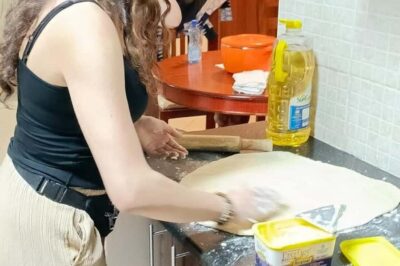
Market Tour and Traditional Kenyan Cooking Class in Nairobi
Read our review →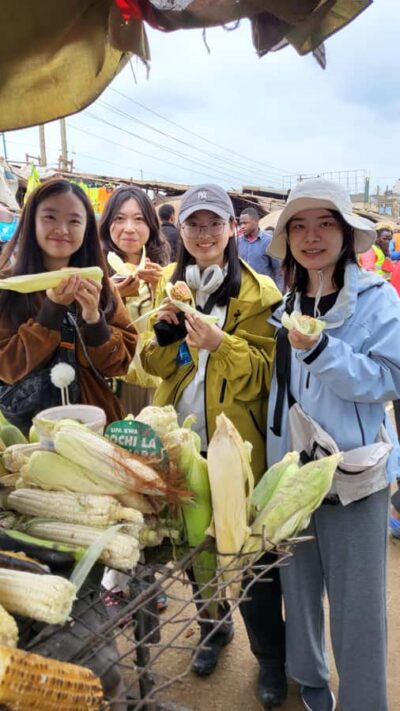
Local Market Tour and Traditional Meal Cooking Class
Read our review →
Private Kenyan Cooking Class in Nairobi with a Local
Read our review →Browse the lists this tour appears in