
Reviewed · HISTORICAL TOURS
Nairobi souvenir Shopping and Historical Half day Tour
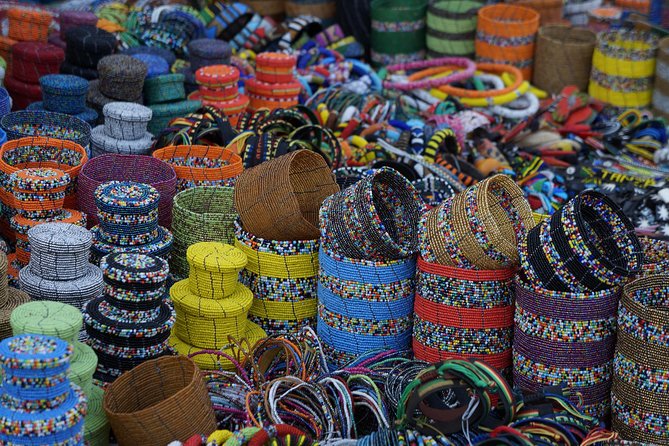
Kazuri Beads is the heart of this outing. You see clay shaped into beads, fired, painted, and turned into jewelry by women from different parts of Kenya. I like that the shopping comes with a look at the work behind the goods, and I like having a private guide who can explain prices and help you avoid poor-quality purchases. The main caution is timing: traffic, late pickups, and the moving Maasai Market can affect how many stops you reach.
I also like the tour’s flexibility. Guides such as Tim, Obed, and Mwose have been praised for clear English, city knowledge, and adjusting the route to match what you want to buy. You may get a useful Nairobi history lesson along the way, but this is still primarily a shopping trip, not a full cultural tour.
Key points to know before you book
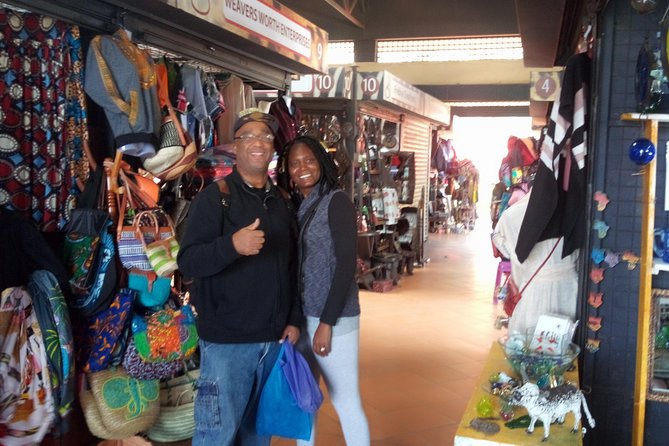
- Kazuri Beads shows the craft from clay to finished jewelry: You get more than a shop visit and can speak with women involved in the work.
- A private vehicle keeps shopping simple: Hotel pickup and drop-off save you from carrying purchases through Nairobi on your own.
- Tim, Obed, and Mwose are names to request if available: These guides have been singled out for being helpful, punctual, flexible, and well informed.
- The Maasai Market changes location by day: Check the day’s stop carefully, since the market moves around Nairobi.
- The route may include several different types of shops: Utamaduni offers a large range of crafts, while Golden Eagle focuses more on wood carving.
- Allow four to six hours, not a rushed half-day: Traffic and bargaining can stretch the schedule, especially if you shop seriously.
Why this Nairobi shopping tour works
Souvenir shopping in Nairobi can be tiring when you do not know the usual prices, cannot easily discuss details with sellers, or have no idea how to ship a large carving home. This private tour deals with those problems in a practical way. Your driver-guide stays with you, translates when needed, helps carry purchases, and can explain how pricing works.
That last point matters. The price on a Kenyan souvenir is often only the beginning of the conversation, especially at a market. A guide can give you a better feel for the process without taking over every purchase. You still decide what to buy and what to pay.
The tour costs $70 per person. That is not the cheapest way to browse Nairobi, but the value improves if you are buying several gifts, have limited time, or want hotel transport included. You are paying for a private vehicle, a local escort, shopping help, and a bit of city orientation. For a couple or small family, that can be easier than arranging separate taxis between four or five stops.
The experience normally lasts about four to six hours. That range is important. Nairobi traffic can be slow, and each store invites a different pace. If you want a quick look and a few small gifts, four hours may do it. If you want to compare woodwork, beadwork, leather, and Maasai items, plan on the longer end.
The tour is private, so only your group takes part. That gives you room to ask questions, change the order of stops, or spend longer at a shop that suits your interests. Several people have had guides adjust the afternoon around their shopping list. That is a real advantage over a fixed bus tour.
A few more Nairobi days to weigh up
- Nairobi National Park Half-Day Tour; Free Wi-Fi connection
★ 5.0 · 878 reviews - Nairobi: National Park & Optional Elephants & Giraffe Center
★ 4.8 · 874 reviews - NAI NAMI: Nairobi Storytelling Tour with Street Children
★ 5.0 · 792 reviews
Kazuri Beads, where the shopping becomes a lesson
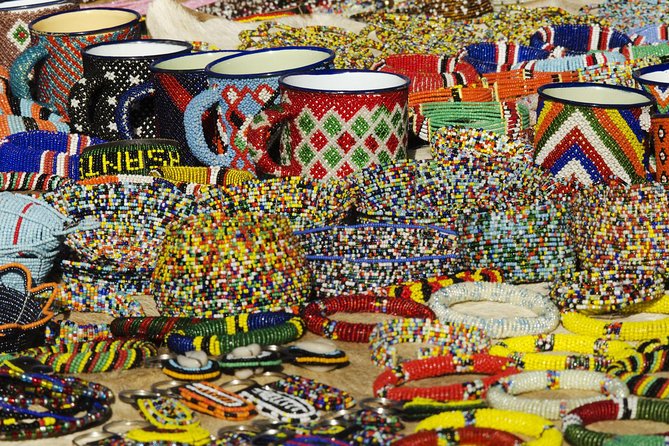
Kazuri Beads is the strongest stop for anyone who wants to understand how a Kenyan souvenir is made. The workshop uses clay to produce beads and pottery, and the process is explained step by step. You can see the material being shaped and turned into finished objects rather than simply walking into a polished retail room.
The project is built around women’s employment and community support. Women from different parts of Kenya benefit from the work, giving the stop a social side as well as a commercial one. The appeal is not just the jewelry. It is the chance to connect a necklace, bowl, or decorative piece with the people and handwork behind it.
Give this stop the full hour if you can. You will want time to watch the demonstration, ask questions, and browse without rushing. The shop can be a good place to buy small, packable gifts early in the day, though you should keep track of your purchases as the tour continues.
I would make Kazuri your priority if your interest is craft rather than bargain hunting. The prices may not be the lowest in Nairobi, but you are getting a more controlled shopping setting and a clearer sense of how the products are made. Your guide can also help with translation and explain what you are seeing.
Utamaduni Craft Centre, a broad and pleasant stop

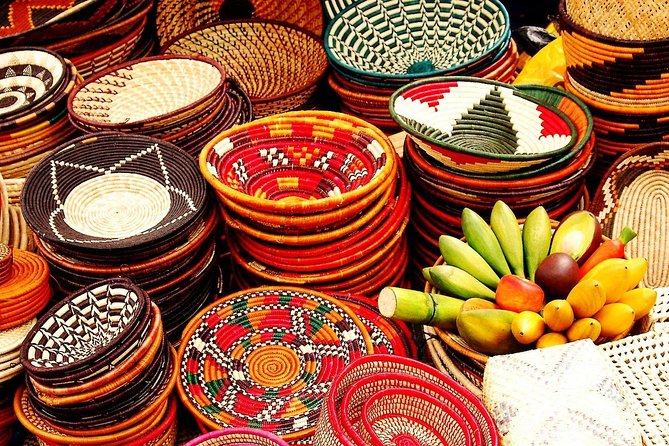
Utamaduni occupies a converted Kikuyu house and contains 18 separate shops. That gives it a different feel from a single-brand factory outlet. You might find African crafts, antiques, artwork, carvings, and other gift items in one visit, with staff available to help pack or ship purchases.
The setting is part of the attraction. After shopping, you can stop at the garden restaurant for refreshments. The garden also attracts many exotic birds, which gives you a welcome pause from browsing and bargaining. Food and drinks are not included in the tour price, so bring extra money if you want to use the restaurant.
This is the stop for comparison. Kazuri has a clear focus on beadwork and pottery, while Utamaduni lets you look across several categories before deciding what fits your budget and suitcase. If you are shopping for a larger group of people, this range can save time.
There is one practical drawback: a large craft center can make it easy to spend more than planned. Decide before you enter whether you are looking for jewelry, wall art, textiles, woodwork, or gifts under a certain price. Your driver-guide can help you focus, but the final choice is yours.
Utamaduni is in the Karen and Langata area, near several well-known Nairobi attractions. The tour description connects it with places such as Karen Blixen’s former home, the giraffe center, and the elephant nursery, but those attractions are not part of this shopping experience. If you want to visit them, arrange a separate tour or confirm the day’s plan before booking.
Golden Eagle Art Gallery and the appeal of wood carving

Golden Eagle Art Gallery adds a more focused craft stop. You can see men working on wood carving and browse a range of carved items. This is useful if you want a Kenyan decoration or sculpture rather than another small piece of jewelry.
Woodwork creates a packing problem. Ask your guide about size, weight, wrapping, and shipping before you buy anything large. The included help with carrying purchases is useful here, but carrying an item to the airport is not the same as getting it safely home.
The stop is listed as about one hour, but the actual time may depend on your interests and the route that day. If you are not looking for wood carvings, tell your guide early. The private format should make it easier to spend less time here and more time at a shop that matches your list.
The mix of stores is one of the better features of this tour. You are not sent to one outlet and told to accept whatever is there. You can compare factory-made beadwork, broad craft collections, wood carving, and open-air market goods.
More market and shopping runs in Nairobi:
- Traditional Kenyan Cooking Class & Local Market Tour
★ 5.0 · 129 reviews - Memorable Daily KIBERA Slums/Toi Market Tour with Locals (2 hours)
★ 5.0 · 29 reviews - Nairobi Cultural Shopping Experience
★ 5.0 · 21 reviews - Half-Day Nairobi National Park and Maasai Market with Pick up
★ 5.0 · 16 reviews
The Maasai Market, useful, lively, and a little unruly
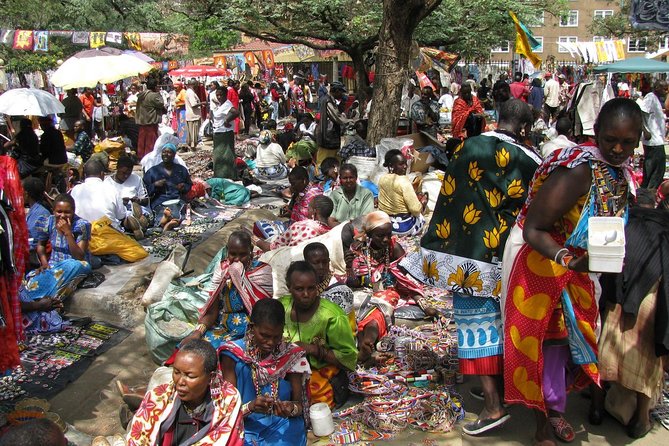
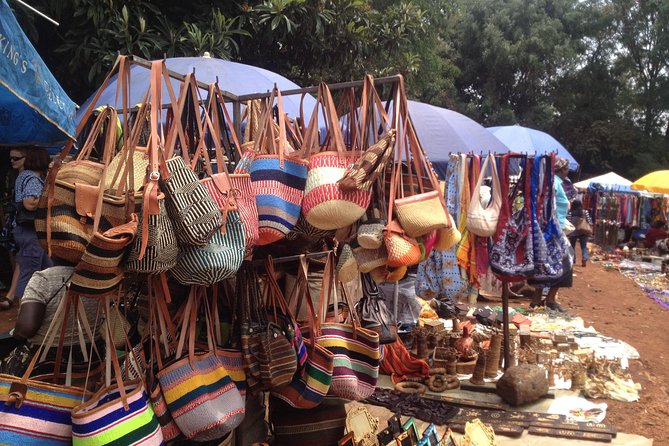
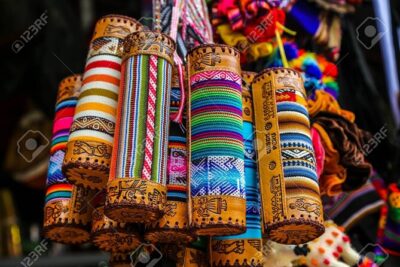
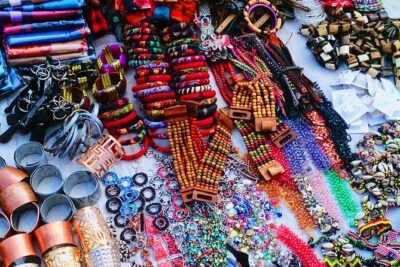
The Maasai Market is the least polished stop and often the most entertaining. It is an open market with crafts, jewelry, fabrics, carvings, and gifts, and it is the place to test your bargaining skills. The market can feel hectic, especially compared with the cleaner, more organized shops.
That contrast is useful. At a fixed-price or formal craft center, you can shop calmly and inspect products. At the Maasai Market, you get a more informal buying experience and may find better deals, but you need patience. Keep your budget in mind, compare similar items, and do not feel obliged to buy from the first stall.
The market moves around Nairobi:
- Tuesday: Westgate Shopping Mall, with the stated location also relocated to Kijabe Street opposite the Norfolk Hotel
- Wednesday: Capital Centre on Mombasa Road near the airport
- Thursday: Nakumatt Junction Shopping Mall on Ngong Road
- Friday: Village Market in Gigiri
- Saturday: High Court parking lot in the city center, behind the Hilton
- Sunday: Yaya Centre in Hurlingham
It generally operates from 8 a.m. to 6 p.m. at each location. The changing schedule is the most important planning detail in the whole tour. Confirm the market location for your day before setting out, since the stop can affect driving time and the order of the route.
Your guide is especially useful here. You may need help discussing prices, checking what kind of material an item uses, or deciding how much weight you want to add to your luggage. One guide also gave a useful introduction to pricing practices in Nairobi, which is exactly the kind of practical context that makes market shopping less awkward.
A short Nairobi history walk and city view
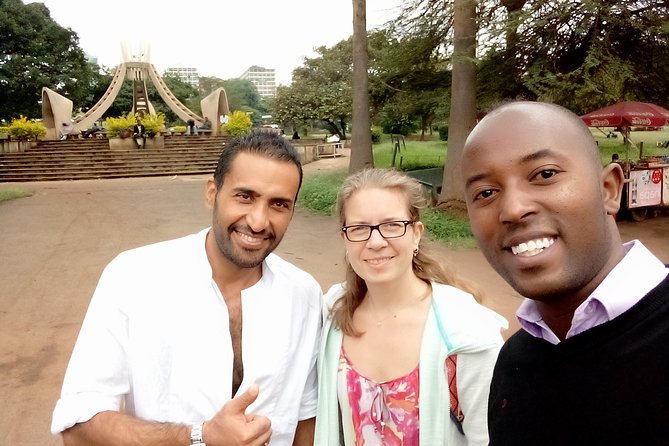
The final city portion is brief, usually about an hour. It may involve a walk and an introduction to Kenyan cultures and Nairobi’s development. Some versions of the experience have included the convention center, where you can get a 360-degree rooftop view of the city.
Confirm this part before booking if the viewpoint matters to you. The supplied schedule names Nairobi as a historical stop, but the rooftop visit is not listed as a guaranteed separate attraction. Routes can be adjusted, and the city portion may depend on time remaining after shopping.
Even a short introduction can help put the shopping in context. Your guide may discuss Kenyan cultural values, the many communities represented in the country, and the way Nairobi combines older city landmarks with modern commercial areas. Still, I would not book this tour expecting a detailed study of Kenya’s past. The history element supports the shopping; it does not replace a dedicated museum or city history tour.
The skyline view is a nice possible extra. It gives you a quick sense of Nairobi’s size and layout after spending the day in individual shops and markets. If you want the best chance of including it, say so at pickup and keep an eye on the clock.
The guides make or break the day
The most praised part of this experience is the driver-guide. Tim has been described as well informed, helpful, and not pushy. Obed is repeatedly singled out for being attentive, pleasant, and able to answer questions. Mwose is noted for punctuality, flexibility, and explaining Nairobi’s pricing customs.
Those details tell you what to look for. A good guide here does more than drive. He asks what you want to buy, suggests stops that match your interests, explains local context, translates during a purchase, and helps you keep the schedule under control.
You may be able to request a particular guide, but availability is not guaranteed. The safest approach is to state your priorities when booking and again at pickup. Tell the guide if you want women-made crafts, wood carvings, low-cost gifts, higher-end pieces, or a market bargaining experience.
There has been at least one serious pickup problem, with a one-hour delay and no early call, as well as another delay caused by confusion between hotels with the same brand name. Most of the feedback is strongly positive, but you should send the exact hotel name and address in advance. On the day, keep your phone available and contact the operator if the vehicle is late.
How to get the best value from $70
The price makes the most sense in certain situations. If you are staying in Nairobi briefly before or after safari, the tour can help you finish your shopping in one organized block. Several people used it to buy gifts before leaving for safari, which is a smart use of time.
It also suits anyone who dislikes bargaining alone. You are still free to negotiate, but a local guide can explain the rhythm of the exchange and help you avoid confusion. Hotel pickup and drop-off are included, so you do not need to budget for several separate rides.
The value is weaker if you only want to browse one shop or already know exactly where you want to go. In that case, a private half-day may be more than you need. It is also not an all-inclusive shopping allowance: food, drinks, and souvenir photos cost extra, and your purchases are your responsibility.
Group discounts are offered, though the exact saving is not stated. Ask about the rate if several people are booking together. Since the tour is private, a small group can often spread the vehicle cost more efficiently than a solo booking.
Free cancellation is available if you cancel at least 24 hours before the local start time. Cancellations or changes made inside that window are not accepted for a refund.
Who should book this experience
I would choose this tour if you want Kenyan crafts but do not want to spend your first day learning Nairobi’s shopping routes by trial and error. It is especially useful for first-time visitors, families, people with limited time, and anyone buying enough gifts to make transport a nuisance.
It also works well for shoppers who want a mix of settings. You get the organized production story at Kazuri, the broad selection at Utamaduni, the woodwork focus at Golden Eagle, and the more chaotic bargaining of the Maasai Market.
I would choose something else if your main goal is a serious cultural tour. The city history portion is short, and the shopping takes most of the day. You should also think twice if you dislike commercial stops or prefer to explore independently.
The tour has a 4.9 rating from 61 ratings, with 98 percent recommending it. That is a strong record, but the late-pickup complaints matter because a half-day schedule leaves little room for a lost hour.
Should you book the Nairobi souvenir tour?
Book it if you want convenient, guided shopping with a real craft component. Kazuri Beads is the clearest reason to go, and the private guide adds value at the Maasai Market and during larger purchases. Ask for Tim, Obed, or Mwose if possible, confirm your hotel details, and check which Maasai Market location operates on your day.
Skip it if you want a full Nairobi history tour, a guaranteed rooftop visit, or a completely independent market experience. For a focused shopping day before safari, though, the combination of transport, translation, price advice, and varied craft stops makes $70 a reasonable buy.
FAQ
How long does the Nairobi souvenir shopping tour last?
The experience lasts approximately four to six hours. The exact length can depend on traffic, shopping time, and the route used that day.
What is included in the tour price?
A private driver-guide, hotel pickup, and hotel drop-off are included.
Is this a private tour?
Yes. Only your group participates in the activity.
Which places are included in the route?
The typical route includes Kazuri Beads Factory, Utamaduni Crafts Centre, the Maasai Market, and Galleria Shopping Mall. The detailed schedule also lists Golden Eagle Art Gallery and a Nairobi historical walk, so confirm the final route when booking.
Does the tour visit Kazuri Beads?
Yes. The Kazuri stop lasts about one hour and includes an explanation of how clay becomes beads, pottery, and finished craft items.
Where is the Maasai Market held?
The market changes location by day. It is listed at different sites including Westgate or Kijabe Street on Tuesday, Capital Centre on Wednesday, Nakumatt Junction on Thursday, Village Market on Friday, the High Court parking lot on Saturday, and Yaya Centre on Sunday.
Are food and drinks included?
No. Food and drinks, including refreshments at the Utamaduni garden restaurant, are not included.
Can children participate?
Yes, but children must be accompanied by an adult. Most people can participate in the activity.
What is the cancellation policy?
You can cancel for a full refund up to 24 hours before the local start time. Cancellations or changes made less than 24 hours in advance are not accepted for a refund.
More Historic Sites near Nairobi
- Nairobi: Historic and Modern Highlights Walking Tour
★ 4.8 · 703 reviews - Nairobi Historical Walking City Tour
★ 5.0 · 258 reviews - Full Day Nairobi Cultural and Historical Tour
★ 5.0 · 153 reviews - Nairobi Cultural and Historical City Tour with a Local
★ 5.0 · 67 reviews
Just added around Nairobi
- Visit kibera Slum the chocolate city★ 4.8 · 3 reviews
- 4 Days Safari to Lake Nakuru N/P and Maasai Mara N/R★ 5.0 · 18 reviews
- Maasai Mara Day Trip★ 5.0 · 15 reviews
- 4 Days Tour Landcruiser in Masai Mara and Lake Nakuru★ 5.0 · 10 reviews
- 3 days maasai mara migration safari★ 4.5 · 7 reviews
- Kibera Slum Tour with a Local★ 5.0 · 15 reviews
- Wildebeest Migration in Masai Mara and Sightseeing 4 Days Tour★ 4.5 · 6 reviews
- Day Tour to Nairobi national park, Elephants, and Giraffe Center★ 3.5 · 8 reviews
Historical Tours, compared.

Nairobi Cultural and Historical City Tour with a Local
Read our review →

Half-Day Cultural Tour to Bomas of Kenya in Nairobi
Read our review →

Nairobi City: Walking tour with Lifestyle and History.
Read our review →Browse the lists this tour appears in