
Reviewed · CITY TOURS
Mombasa City Tour
Mombasa’s story comes alive when you move from the Portuguese walls of Fort Jesus into the narrow lanes of Old Town, then rumble through the city in a tuk tuk. Guide Anthony, also listed as Antony, brings clear explanations, local customs, and useful advice about what to do after the tour.
I like the way this tour joins major sights with ordinary city life, including spice stalls, markets, temples, and busy streets you might skip on your own. I also like the friendly pace: the guide has been praised for waiting during shopping, answering questions, and not rushing Fort Jesus. The main catch is that Fort Jesus admission is extra, and transport to the Akamba wood-carving center is not included.
Key points to know before booking
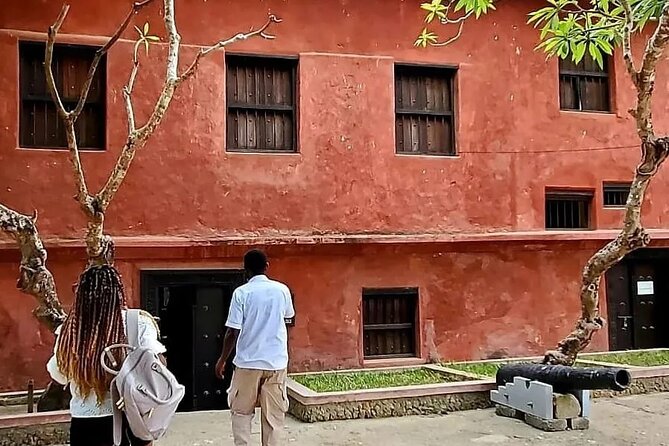
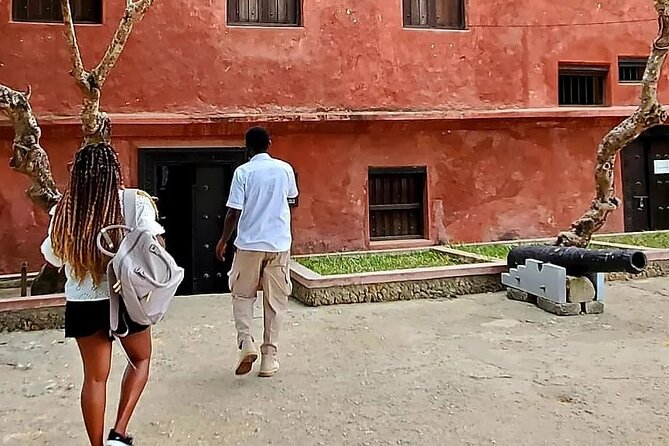
- Fort Jesus gives the tour its historical backbone: Explore a 16th-century Portuguese fort, its museum, battlements, and views toward the Indian Ocean.
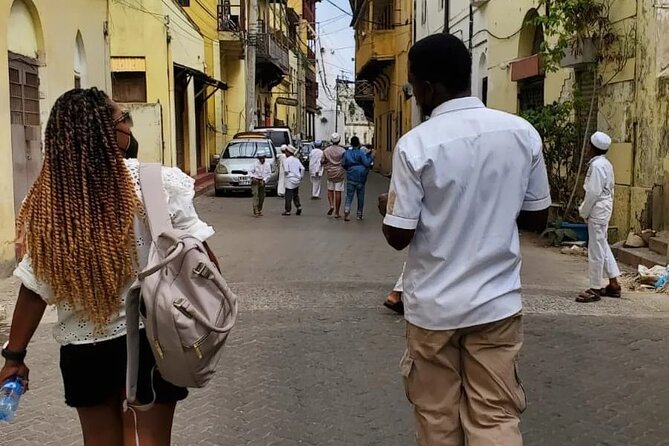
- Old Town is best seen on foot: Narrow streets, Swahili houses, the Old Port, markets, and Arab, Portuguese, and British influences make this the most atmospheric part of the outing.
- Tuk tuk transport is part of the fun: Rides connect several stops and add a close-up view of Mombasa’s streets.
- Anthony or Antony leads many departures: He is praised for clear history talks, patience, local tips, and flexibility with photographs and shopping.
- Budget for two extras: Fort Jesus entrance and the roughly 8.9-kilometer trip to Akamba Handicraft are outside the listed $45 price.
- The tour suits first-time visitors: Pickup within Mombasa is included, and the small-group format is advertised for up to 20 people.
Why Mombasa makes sense with a guide
Mombasa can look easy on a map. Fort Jesus, Old Town, the tusks, markets, and waterfront sights are all within the city. In practice, the value of a guide is not simply getting from one place to another. It is understanding why the city looks and feels the way it does.
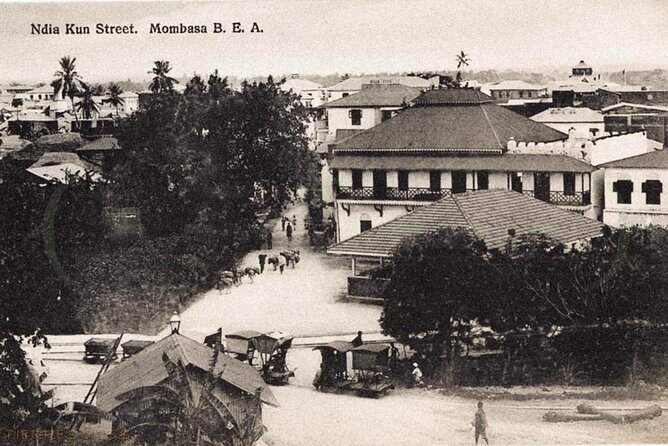
Mombasa grew through Indian Ocean trade and carries Portuguese, Arab, Swahili, British, Indian, and modern Kenyan influences. A guide helps connect those layers instead of leaving you with a set of attractive buildings and isolated facts.
This four-hour tour is a useful introduction if you have just arrived in Mombasa or are staying near the coast and want a quick orientation. It is also a good fit if you prefer seeing a city through local eyes rather than following a printed route.
The advertised price is $45 per person. That is fair for a guided half-day outing with Mombasa pickup, tuk tuk transport within the city, bottled water, and a licensed guide. It is not an all-inclusive price, though. You need to add the Fort Jesus entrance fee, transport to Akamba Handicraft, and any personal shopping costs.
More City Tours in Mombasa
- Mombasa: Tusks, Fort Jesus, Old Town, Beach and City Tour
★ 4.7 · 137 reviews - Mombasa: Private City Tour with Fort Jesus & Haller Park
★ 4.6 · 24 reviews - Mombasa Half-Day City Tour with Fort Jesus and Haller Park
★ 5.0 · 23 reviews
Starting at Fort Jesus
The meeting point is Fort Jesus Museum on Nkurumah Road. If you arrange pickup within Mombasa, that pickup is included, but the official start and end point remains the fort. The meeting point is near public transportation, which helps if you are making your own way there.
Fort Jesus is the natural place to begin. Built by the Portuguese in the 16th century to protect their trade route, it sits above the harbor and gives the tour a strong sense of place from the first stop. Its thick walls and battlements are more than a photo setting. They show how important Mombasa was to competing powers on the Indian Ocean.
Inside, the museum presents artifacts and displays connected with the city’s colonial past. Your guide can explain the fort’s role and place it within the wider story of Mombasa, including the later periods of Arab and British control.
Allow for uneven walking and warm conditions. The tour includes time at the fort, but you should not assume the entrance fee is covered. It is specifically excluded, so check the current charge when you book or arrive.
Fort Jesus also gives you a useful visual reference. From its upper areas, you can look toward the city and the Indian Ocean, then understand how the old port shaped Mombasa’s growth.
Walking through Old Town’s narrow lanes
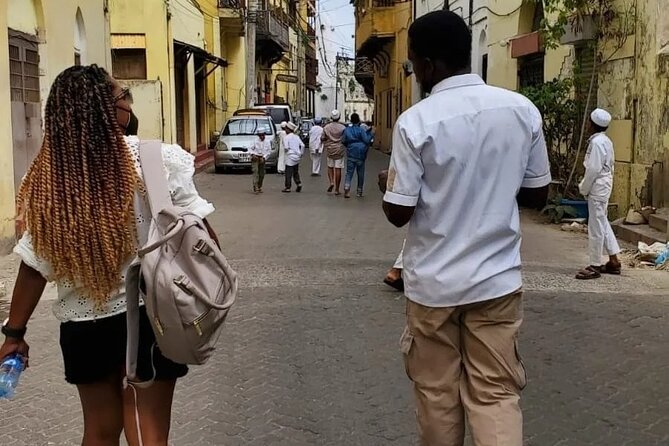
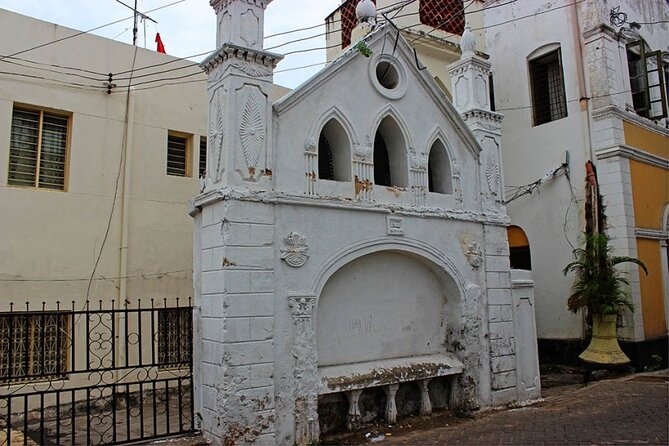
Old Town is where the tour becomes less about monuments and more about details. You move through narrow streets lined with Swahili houses and older buildings shaped by Arab, Portuguese, and British influence.
The area is best explored slowly. Look at carved doors, shaded passages, aging facades, and the way homes and shops fit closely together. A guide can point out features you would likely pass without understanding, especially if this is your first visit to the coast.
The Old Port is another useful stop. It links the city’s architecture to trade and travel across the Indian Ocean. Mombasa is not simply an old quarter preserved for sightseeing. It remains part of the city, with people going about daily business around the historic buildings.
Several people who took this tour especially valued the Old Town walk and the extra explanations provided by the guide. That makes sense. A self-guided stroll can show you the streets, but it may not explain the customs, building styles, and past events that give those streets meaning.
There is a practical point here: Old Town involves walking, while the tuk tuk is used between some stops. Wear comfortable shoes, carry water, and keep your schedule flexible. If you enjoy taking photographs or browsing for souvenirs, tell the guide early. Anthony has been praised for allowing time for pictures and shopping rather than pushing the group onward.
Seeing Mombasa by tuk tuk
The tuk tuk is one of the tour’s most enjoyable features. These small three-wheeled vehicles carry you between city sights and let you experience Mombasa at street level.
You are not sealed inside a large bus. You hear the city, see shops and traffic close by, and get a more immediate sense of how the different parts of Mombasa connect. For short city transfers, this is both practical and memorable.
The tour includes tuk tuk rides within the city. It does not include every transfer connected with the outing, however. Transport to the Akamba Handicraft Cooperative, located about 8.9 kilometers from Mombasa’s central business district, is excluded. If that stop matters to you, ask for the added transport cost before departure.
One detail that comes through strongly is the guide’s willingness to adjust the rhythm. Anthony or Antony has been described as punctual, caring, and patient, with time given for questions and photographs. That matters in a compact tour. Four hours can feel rushed if every stop is timed to the minute, but a guide who listens can make the outing feel more relaxed.
The group is advertised as a maximum of 20 people. That is small enough for questions and conversation, though the actual feel can depend on the day’s booking numbers and how many tuk tuks are used.
A few more Mombasa days to weigh up
- Walking Tour Through Old Town Mombasa and Fort Jesus
★ 5.0 · 393 reviews - Mombasa: Kisite Park Private Cruise with Breakfast and Lunch
★ 4.7 · 181 reviews - Half-Day Scenic Bike Tour
★ 5.0 · 75 reviews - 2 Days Tsavo East National Park Tour From Mombasa/Diani (1 Night)
★ 5.0 · 50 reviews
Mombasa Tusks and the modern city
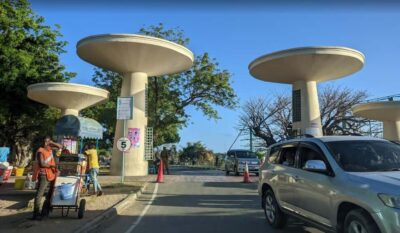
The Mombasa Tusks are a pair of large tusk-shaped structures marking an important city entrance. You drive past them rather than spending a long period at the monument, so treat this as a quick photo and orientation stop.
The tusks represent Mombasa’s identity and are among the city’s most recognizable landmarks. They also provide a contrast to Fort Jesus and Old Town. After seeing the old port district, you get a look at a more modern part of Mombasa.
Some routes also include other central sights, such as Mackinnon Market, the Swaminarayan Temple, and Mama Ngina Waterfront. The precise order and time at each place can vary, so think of this as a city overview rather than a detailed visit to every listed site.
That broad approach is useful if you want to decide how to spend the rest of your stay. Guides have offered suggestions for places to eat, evening activities, haircuts, Haller Park, and snorkeling at Wasini. These recommendations are not separate inclusions, but they can help you turn a short city visit into a better coastal holiday.
Spices, markets, and everyday Mombasa
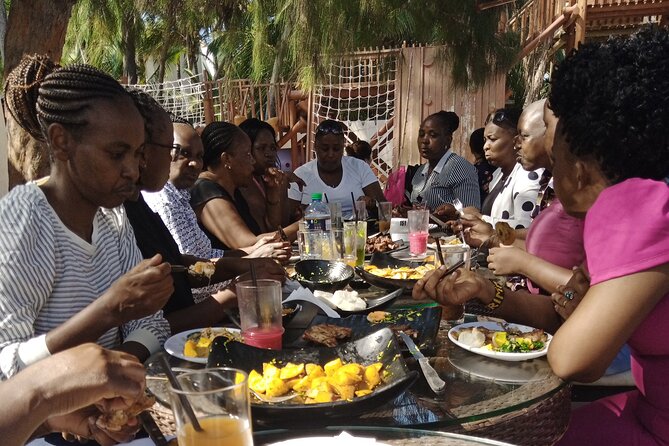
The spice market adds color and scent to the tour. Mombasa’s Swahili cooking tradition relies on aromatic spices, and the market provides a chance to see the ingredients that shape local food.
This stop works best when you pay attention to the explanations, not just the shopping. Ask about how the spices are used and how the market fits into daily life. If you want to buy something, compare prices and remember that shopping is optional and paid separately.
The wider market stops help balance the fort and monuments. Mombasa is a working city, not an open-air museum. Markets show the commercial side of town and help you see how the older districts remain connected to present-day life.
You may also visit or pass a Hindu temple, depending on the route. That detail matters because it reflects the city’s long connections with communities around the Indian Ocean. A good guide can explain those connections without reducing Mombasa to one culture or one period.
Akamba wood carvings and the extra transfer
The Akamba wood carver market is promoted as a place to find souvenirs. The cooperative is known for carved wooden work, making it a natural stop if you want a practical keepsake from Kenya.
The important booking detail is that transport to Akamba is not included. It is approximately 8.9 kilometers from central Mombasa, so you should ask how the transfer will be arranged and what it will cost before you commit to that part of the outing.
This is one area where the $45 headline price needs a closer look. If your main goal is Fort Jesus and Old Town, the listed inclusions provide a straightforward half-day tour. If you also want the carving center, the final price will be higher.
Shopping can also affect the timing. If you want to browse carefully, tell the guide. The tour appears better suited to a flexible shopper than someone who wants to make a fast purchase and move on.
What makes the guides useful
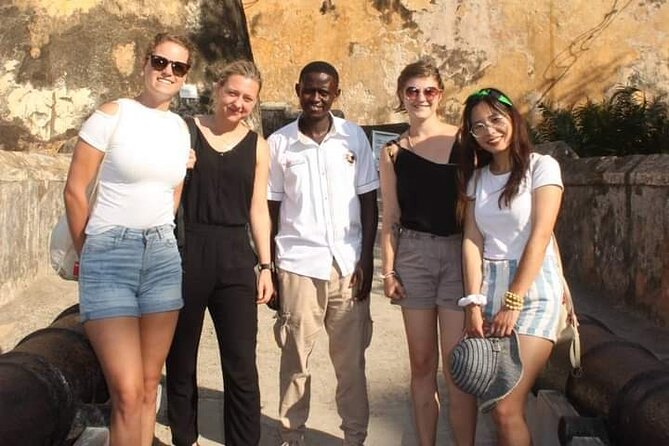
The strongest part of this experience is the guiding. Anthony and Antony are the names most often associated with the tour, while one booking account also identifies Anton. The descriptions of the guiding style are consistent: clear history talks, strong local knowledge, patience, punctuality, and a willingness to answer questions.
The guide’s role is especially important at Fort Jesus. The building can be impressive on its own, but the details about trade, colonization, and the darker side of Mombasa’s past give it weight.
That darker history includes the former slave market. This is not a light sightseeing stop, and it should not be treated as one. The tour addresses the painful side of the city’s past, including the impact of slavery and colonial rule. You should expect serious subject matter alongside the markets, architecture, and tuk tuk rides.
The guide also helps with small practical matters. One guide met a person at Mombasa Terminus, helped with hotel check-in, and then began the city tour. That sort of help is not guaranteed as a formal feature, but it shows why confirming pickup details in advance is sensible.
Timing, comfort, and who should book
Plan on about four hours. That is enough for a useful first look at Mombasa, but not enough for a long museum visit, extended shopping, and leisurely time at every stop. If you want a slow Old Town walk, tell the guide at the beginning so priorities are clear.
Pickup within Mombasa is included at no extra charge. Pickup from Diani costs an additional $20 per person, with the final amount varying by group size. Transport to the Fort Jesus meeting point and entrance to the fort are not included.
Most people can take part, according to the supplied activity information. Still, the route includes walking through Old Town, and the weather can be hot. A bottle of water is provided, but carrying extra water, sun protection, and comfortable footwear is sensible.
The tour requires good weather. If poor weather forces cancellation, you are offered another date or a full refund. You can cancel for a full refund up to 24 hours before the local start time. Cancellations or changes made within 24 hours are not refunded or accepted.
This tour suits you best if you:
- Are visiting Mombasa for the first time
- Want history explained in plain language
- Enjoy a mix of walking, short rides, markets, and monuments
- Prefer a guide who can answer questions and suggest further activities
- Have only half a day for the city
It may not suit you if you want a private, slow-paced museum tour or a package with every admission and transfer paid in advance.
Is the Mombasa City Tour worth $45?
For a first look at Mombasa, I think the price is reasonable. You receive a licensed guide, pickup within Mombasa, city tuk tuk transport, bottled water, and about four hours of structured sightseeing.
The real value is the interpretation. Fort Jesus, Old Town, the spice market, and the tusks are easy to locate. Understanding how they connect to Mombasa’s trade, cultures, colonization, and present-day life is harder without local help.
I would budget beyond $45 for Fort Jesus admission, optional purchases, and the Akamba transfer. Confirm the pickup point if you are arriving from Diani or Mombasa Terminus, since those arrangements affect the day.
Should you book it?
Book this tour if you want a compact, guided introduction to Mombasa with strong attention to history and local culture. The combination of Fort Jesus, Old Town, market stops, and tuk tuk travel gives you a useful first picture of the city without requiring a full day.
Choose it especially if you value a guide who will answer questions, allow time for photographs, and offer ideas for the rest of your visit. Just confirm the extra costs before booking, and do not expect every stop to receive a long visit.
FAQ
How long does the Mombasa City Tour last?
The tour lasts approximately four hours.
Where does the tour start?
It starts at Fort Jesus Museum, Fort Jesus, Nkurumah Road, Mombasa.
Where does the tour end?
The activity ends back at the Fort Jesus meeting point.
Is pickup included?
Pickup within Mombasa is included at no extra cost. Pickup from Diani costs an additional $20 per person, with the amount varying by group size.
Is Fort Jesus entrance included?
No. The Fort Jesus entrance fee is not included in the tour price.
Is transport to Akamba Handicraft included?
No. Transport to Akamba Handicraft is not included. The center is approximately 8.9 kilometers from Mombasa Central Business District.
What transport is included during the city tour?
Tuk tuk transport within the city is included.
What is the maximum group size?
The tour is described as a small-group activity with a maximum of 20 people.
Can I cancel for a refund?
You can cancel up to 24 hours before the local start time for a full refund. Cancellations or changes made less than 24 hours before the start are not accepted or refunded. If poor weather cancels the tour, you are offered another date or a full refund.
Just added around Mombasa
- Tsavo East National Park: 2-Day Tour from Mombasa★ 3.9 · 5 reviews
- 4-Day Tsavo East West and Amboseli National Park from Mombasa★ 4.0 · 5 reviews
- 1-Day Tsavo East Safari From Mombasa★ 5.0 · 3 reviews
- Fort Jesus Sound and Light show Mombasa★ 4.0 · 17 reviews
- 4 Days Mount Kenya Trekking★ 5.0 · 6 reviews
- 4×4 Safari in Tsavo East National Park★ 5.0 · 4 reviews
- 2 Days Salt Lick Safari Tour★ 4.5 · 3 reviews
- Swahili Street Food Tour★ 5.0 · 7 reviews
City Tours, compared.
Tusks, Fort Jesus, Old Town, Beach and City Tour
Read our review →
Nairobi City Walking Tour with Traditional Kenyan Lunch
Read our review →
Nairobi Cultural and Historical City Tour with a Local
Read our review →
Private City Tour with Fort Jesus & Haller Park
Read our review →
Browse the lists this tour appears in