
Reviewed · MARKETS
Diani: Market and Street Food Walking Tour
Diani’s food culture is easiest to understand on foot, one market stall and shared plate at a time. This 90-minute tour takes you from Tsunami Garden Cafe through Ibiza Market, then into a local restaurant and bar for dishes such as coconut beans, ugali, and Viazi Karai.
I like the small group, limited to 10 people, and the chance to meet Tina, a guide praised for clear explanations and a friendly manner. I also like that the tour includes more than food: you can try a Swahili dera, learn how the dress is made, and see how local traders earn a living. The main drawback is the heat and the very local setting, so this is not a polished restaurant crawl or an easy outing for anyone with food allergies.
Key points to know before booking
- Ibiza Market gives the tour its local character: You walk through a working market and learn how people trade.
- The food is a full tasting, not just a snack: Expect Swahili porridge, chapati or coconut rice, beans, ugali, sukumawiki, and Viazi Karai.
- Palm wine is served at a local bar: You can taste it, then buy more at your own expense if you wish.
- Tina may be your guide: She has been praised for friendly explanations and a warm approach.
- The 90-minute route is compact but hot: Comfortable shoes, water, and a sun hat matter.
- The $30 price covers the guide and tastings: Extra food, drinks, shopping, and personal spending cost more.
Walking into Ibiza Market from Tsunami Garden Cafe
Your meeting point is Tsunami Garden Cafe, where a woman will wait outside and greet you by name. This simple arrangement matters in Diani, where a clear meeting spot saves time and prevents the first part of your tour from turning into a search party.
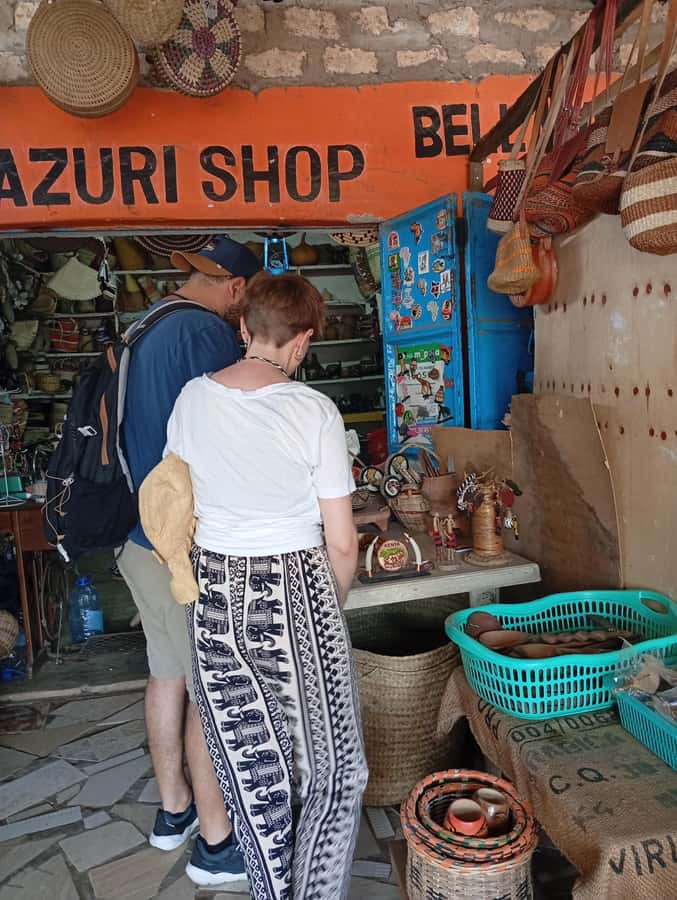
After a short briefing, you walk to Ibiza Market. The market visit takes about 30 minutes, giving you enough time to look around without turning the outing into an all-day wander. Your guide explains how local people trade and gives context to the people working there.
I like this part because the market is not just scenery placed around a food stop. You get to see ordinary commerce at close range and ask questions while the guide is beside you. That makes a difference. A market can be confusing if you walk through it alone, especially when you do not know which foods, clothes, or goods matter locally.
The pace should be manageable for most people who are comfortable walking for half an hour. Still, expect sun and heat. One useful warning from the experience is that the walk can feel hot, so carry water and wear shoes that will not bother you on uneven or dusty surfaces.
The tour is conducted in English. With a maximum of 10 people, you should have a better chance to hear the guide and ask questions than you would in a large bus group. Small groups also make food tasting easier, since the guide can explain dishes without shouting across a crowd.
A few more Diani Beach days to weigh up
- PILLI PIPA DHOW, the genuine product, snorkeling tour to Kisite Marine Park
★ 4.5 · 217 reviews - Full-Day Special Wasini Island Tour with Snorkeling and Lunch
★ 4.5 · 184 reviews - Full Day Dolphin Watching with Snorkeling in Wasini
★ 5.0 · 88 reviews
A tailor, a dera, and the work behind Swahili clothing
Along the route, you pass a souvenir shop and a tailoring shop. The tailoring stop adds a welcome change from the food focus. You can sample a dera, a loose Swahili dress for women, and learn how the garments are made and how the tailoring business began.
This is one of the more distinctive parts of the walk. Many food tours move from one bite to the next and leave the wider culture in the background. Here, clothing becomes a practical way to talk about local life, design, and work.
The dress sampling is not described as a formal shopping appointment, so think of it as an introduction rather than a private fitting. You may have an opportunity to buy souvenirs, but purchases are not included in the $30 price. Keep some money available if you find fabric or a small item worth taking home.
The stop is also a reminder to be respectful. Ask before taking photographs, especially inside shops or around people at work. The tour is built around seeing daily life, not treating the market like a stage set.
The local restaurant tasting: porridge, chapati, and coconut beans
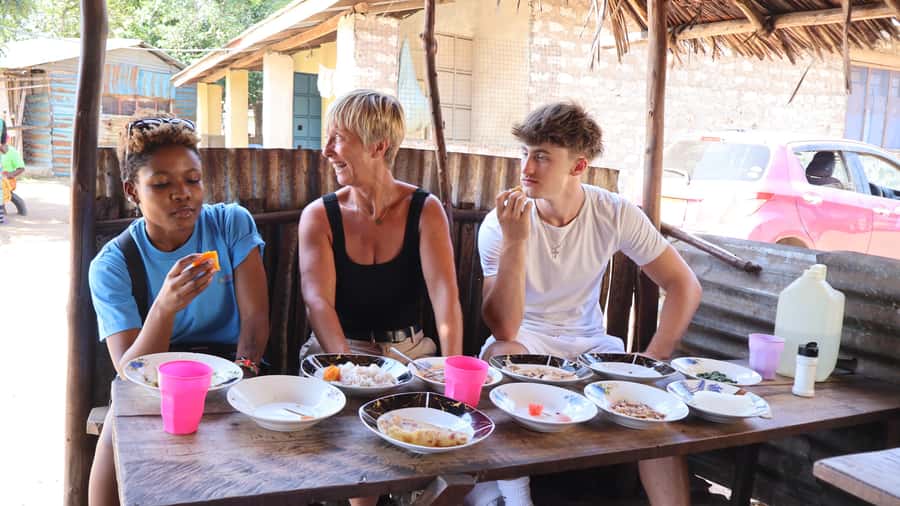
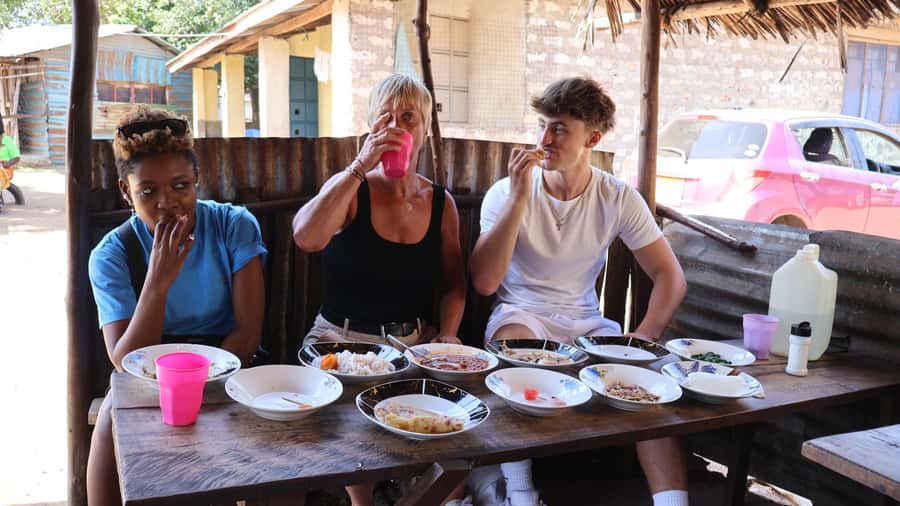
The food portion lasts about 30 minutes and takes place at a local restaurant. The meal begins with Swahili porridge made from wheat, cardamom, and coconut milk.
This is a useful first taste because it introduces several flavors in one small cup. Wheat gives the porridge body, while cardamom adds fragrance and coconut milk brings the familiar coastal flavor. If you normally expect a food tour to begin with fried snacks, this gentler start may surprise you.
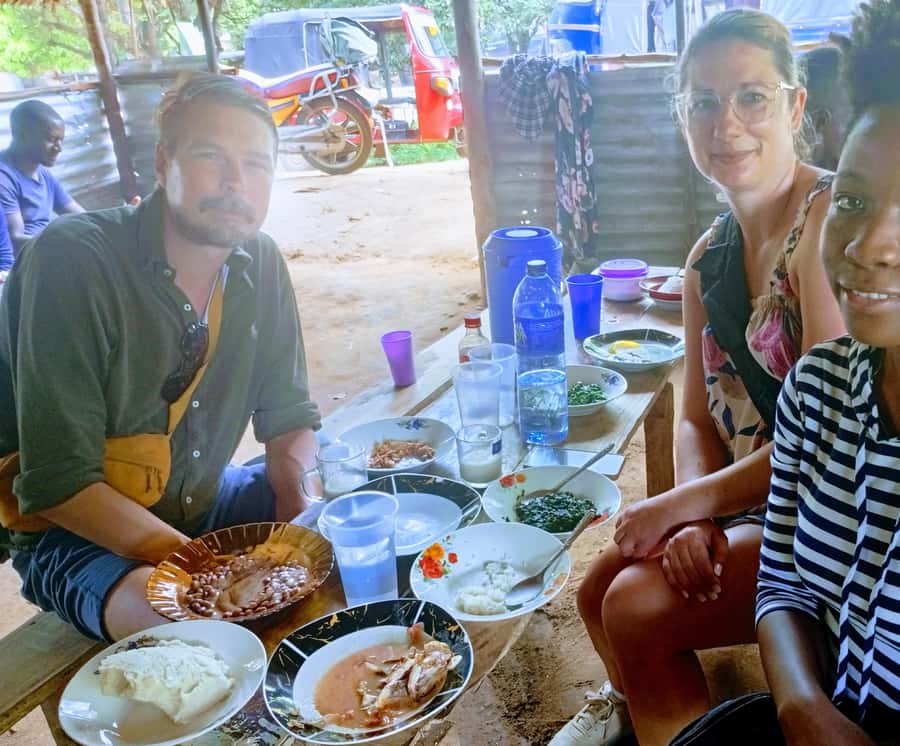
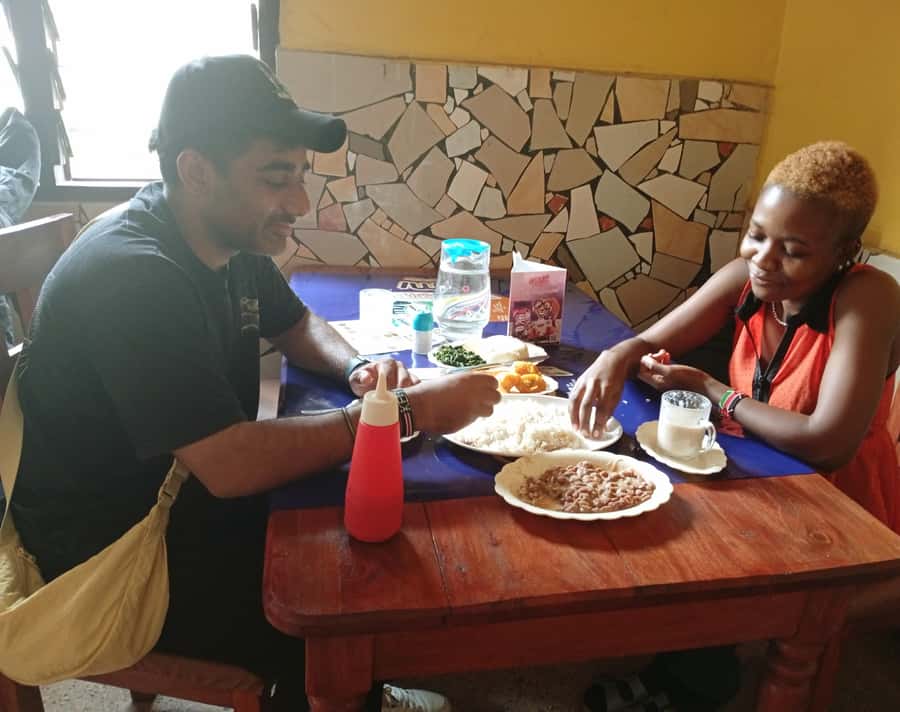
The main tasting includes chapati or coconut rice with coconut beans, followed by ugali with sukumawiki. These are not decorative samples. They are everyday foods, and together they show the range of textures common in Kenyan meals.
Chapati is a flatbread, while coconut rice offers a softer, fragrant base. Coconut beans bring a creamy, filling side. Ugali, made from maize flour, is firm and plain, designed to be eaten with a stew or vegetable dish. Sukumawiki is a cooked leafy green commonly served as a vegetable accompaniment.
I like the way this menu gives you several ways to understand the local table. You are not simply handed one famous dish and sent on your way. You get a starter, staple foods, vegetables, and a snack, so you can compare how each item tastes and feels.
Do not expect a fine-dining presentation. The restaurant is described as local, and one guide to the experience warns you to prepare for lunch in a very local setting. That is part of the point, but it may not suit someone who wants air conditioning, a quiet dining room, or a menu adjusted to special dietary needs.
The tour is specifically not suitable for people with food allergies. That is an important booking issue, not a minor footnote. The tasting includes several prepared dishes, and the supplied information does not promise substitutions or allergy accommodations.
Viazi Karai brings the meal to a crisp finish
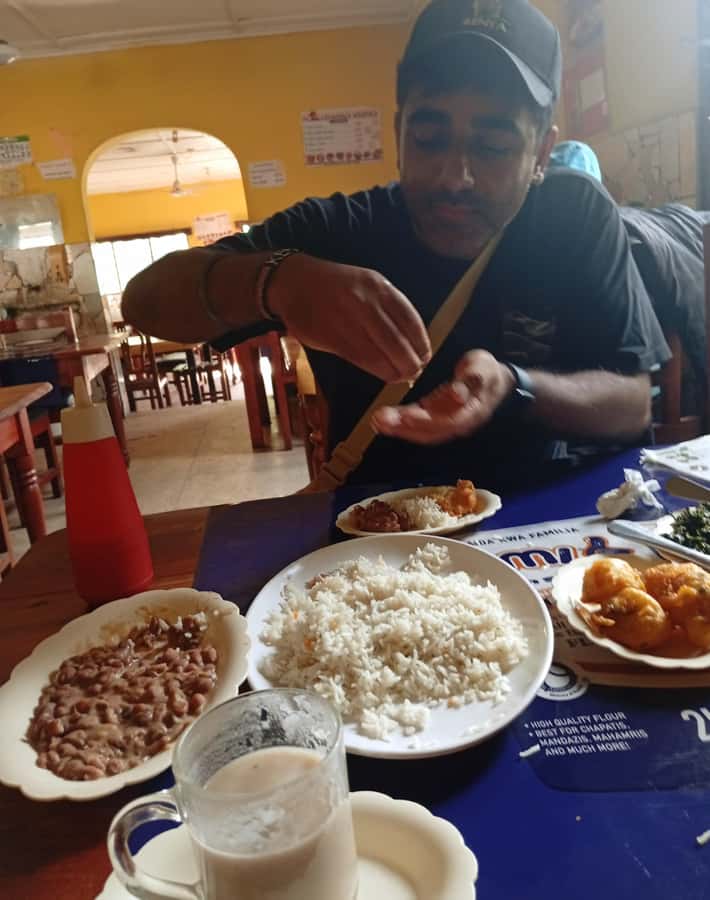
The final food item at the restaurant is Viazi Karai. These are potatoes prepared in a spiced coating and fried, giving the meal a crisp finish after the softer porridge, rice, beans, ugali, and greens.
This small snack helps round out the tasting. It also shows why a food walk works better than a single sit-down meal: each stop and dish adds another texture and use of spices.
Because the entire tasting stop lasts about 30 minutes, the portions are likely intended as samples rather than a long lunch. The supplied details do not give portion sizes, so I would not book this as your only meal of the day if you arrive very hungry. It is best viewed as a guided introduction to local dishes, with the added benefit of learning what you are eating.
The food is included in the tour price, but any additional food or drinks are not. If something catches your attention and you want more, plan to pay separately.
Same departure point, a completely different day out:
- Diani Beach: Glass Boat Cruise to Robinson Island
★ 4.6 · 69 reviews - Diani: Sunset Canoe Tour along the River with Mangroves
★ 4.8 · 65 reviews - Day Trip – Tsavo East National Park ( Man Eater Lions of Tsavo & Other Big Five)
★ 4.5 · 55 reviews - Diani Beach: Private African Pool Map Guided Tour
★ 4.7 · 52 reviews
Palm wine at a local bar in Diani Beach
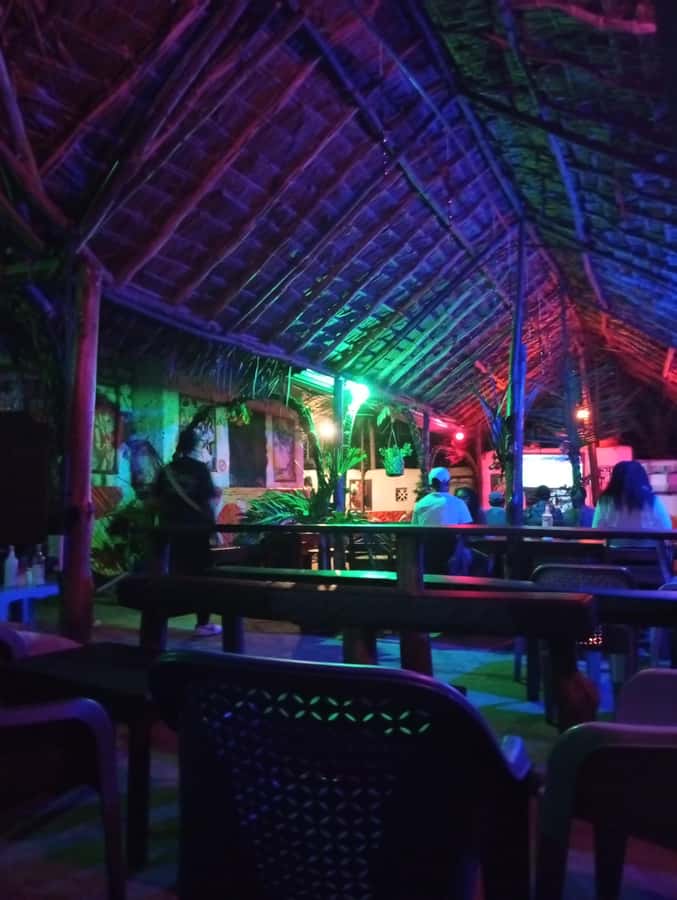
The final 30-minute stop is a palm wine tasting at a local bar. This shifts the mood from market and restaurant to a more social setting, where you can sample a traditional coastal drink.
Palm wine has a gentle cultural value here because it connects the tasting to local drinking customs rather than simply adding another commercial beverage. Your guide can explain what you are trying and how it fits into the local scene.
The bar is described as extremely local, so you should set your expectations accordingly. This is not presented as a resort lounge or a formal tasting room. You may find the setting basic, but that is also what makes the stop different from a hotel bar near the beach.
If you want more palm wine, you can purchase additional servings at your own cost and enjoy yourself. The tasting itself is included, while extra drinks are not.
The information also says smoking, alcohol, and drugs are not allowed. Since the itinerary includes palm wine, this instruction needs careful reading. It may refer to prohibited conduct or bringing substances independently, but the supplied details do not explain the distinction. If this point matters to you, ask the provider before booking.
What $30 gets you, and where the value lies
At $30 per person, this is a reasonably focused way to spend 90 minutes in Diani. The price includes a local English-speaking guide, the market visit, street food tastings, palm wine tasting, and the chance to browse souvenirs.
The value is strongest if you want conversation and context, not just a plate of food. You are paying for someone to lead you through the market, explain local trading, introduce you to a tailor, help you understand the food, and connect the meal to everyday life.
The price is less compelling if your main aim is simply to eat as much as possible. The tasting is spread across a short route, and extra food and drinks cost more. Hotel pickup and drop-off are also not included, so you must reach Tsunami Garden Cafe yourself.
A small group improves the value. With no more than 10 participants, the guide can keep the walk together and answer questions. The tour does not offer private guiding, but the group limit should keep it more personal than a large organized outing.
The booking terms are practical for changing beach plans. You can cancel up to 24 hours before the start for a full refund, and you can reserve now and pay later. Starting times vary, so you need to check availability for your preferred date.
Heat, clothing, and practical comfort
Bring comfortable walking shoes, a sun hat, water, and a camera. The advice about shoes is not filler. You will walk through a market, and this is not the place for fragile sandals or footwear you have not broken in.
The heat is the biggest comfort issue. One account of the walk specifically warns that it can be hot, so schedule your water intake before you feel thirsty. The tour also asks you to be ready for changing weather conditions.
Dress with local customs in mind. The experience includes a Swahili dress and takes you through a market and local businesses, so modest, comfortable clothing is the sensible choice. The information does not prescribe a dress code, but respect for local customs is part of the tour guidance.
The route is not suitable for wheelchair users, babies under 1 year, or children under 3. The food tasting is not suitable for people with food allergies. These restrictions likely matter because of the walking route, market conditions, and fixed menu, but the exact physical details are not provided.
Who will enjoy this Diani food walk
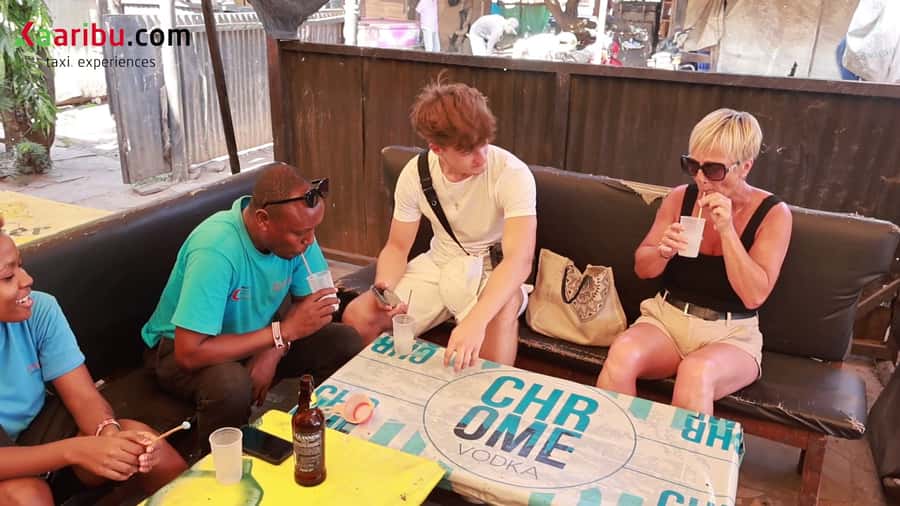
I would choose this tour if you want a short introduction to Diani beyond the resort strip. It suits people who enjoy trying ordinary local dishes, asking questions, and seeing how people work and trade.
It is especially useful early in a beach stay. The market orientation can help you recognize foods later, and the guide gives you a starting point for understanding coastal cooking. The 90-minute length also leaves room for an afternoon at the beach.
The tour should suit solo visitors and couples who prefer a small group. A group of up to 10 people is large enough to feel social but small enough for direct questions.
Families with very young children should choose something else, since children under 3 are not accepted and babies under 1 are not suitable. Anyone with significant food allergies should also skip it unless the provider confirms a safe alternative.
You should also think about your comfort with simple settings. The restaurant and bar are local, not polished resort venues. If that sounds appealing, the setting is part of the reward. If you need controlled dining conditions, this may feel too rough around the edges.
How the guide shapes the experience
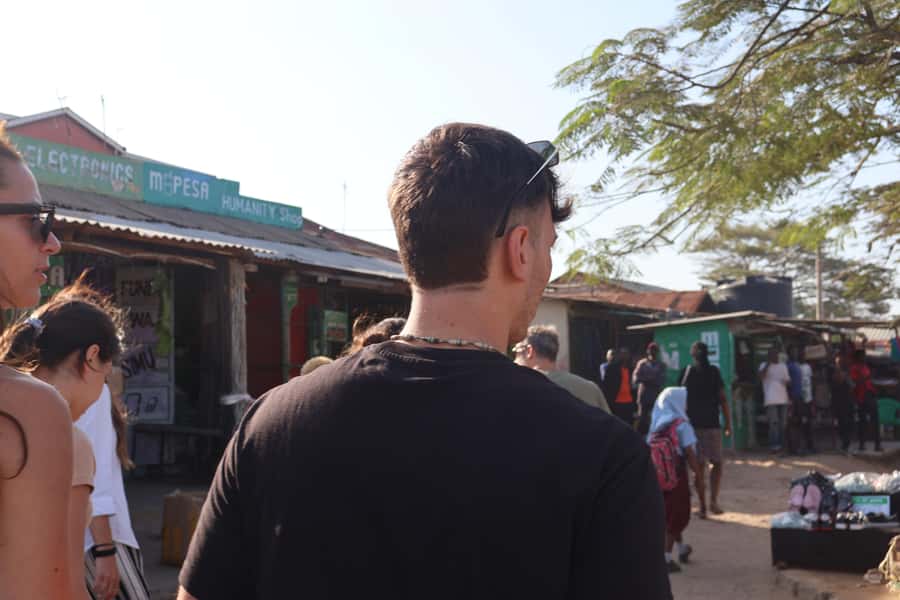
The guide is central to this walk. You are not only being shown where to eat. You are being told how the market works, introduced to local traders, and given background on the tailoring work.
Tina has received especially warm praise for being friendly and explaining things well. Two separate comments describe her as pleasant and helpful, and one says she made the food and market stops easy to understand. Your guide may be Tina, but the booking information does not guarantee a specific guide.
That distinction matters. The experience depends on the person leading it, since the market itself is not a scripted attraction. A good guide can explain unfamiliar dishes, keep the route comfortable, and help you approach local businesses politely.
The meeting arrangement is personal: a woman waits outside Tsunami Garden Cafe and greets you by name. Arrive ready to identify yourself and begin promptly, since the whole tour is only 90 minutes.
Should you book the Diani Market and Street Food Walking Tour?
Book it if you want a compact, social look at local food and daily life, and if you are comfortable walking in the heat and eating in simple settings. The strongest reasons are the small group, the market explanation, the Swahili dress stop, and the range of tastings from porridge to palm wine.
Skip it if you need wheelchair access, have food allergies, dislike unstructured local environments, or want a long, leisurely meal. It is also not a full evening food crawl, since the route lasts only 90 minutes and extra servings cost more.
For $30, I see the best value in the guide’s local access and explanations rather than the quantity of food. Bring water, wear good shoes, keep an open mind about the menu, and leave room in your schedule for the heat. If that sounds like your kind of Diani afternoon, this is a useful way to step beyond the beach without giving up half your day.
FAQ
Where does the Diani market and street food tour begin?
The tour begins at Tsunami Garden Cafe. A woman will wait outside the cafe and greet you by name.
How long does the tour last?
The experience lasts 90 minutes. The market visit, food tasting, and palm wine tasting each take about 30 minutes.
What food will I taste?
The tasting includes Swahili porridge made with wheat, cardamom, and coconut milk, chapati or coconut rice with coconut beans, ugali with sukumawiki, and Viazi Karai.
Is palm wine included?
Yes. Palm wine tasting is included. Additional palm wine or other drinks cost extra.
Is the tour conducted in English?
Yes. The live tour guide speaks English.
How large is the group?
The tour is limited to 10 participants.
Is hotel pickup included?
No. Hotel pickup and drop-off are not included. You must make your own way to Tsunami Garden Cafe.
What should I bring?
Bring comfortable walking shoes, a sun hat, water, and a camera. You should also be ready for changing weather conditions.
Who should not book this tour?
The tour is not suitable for children under 3, babies under 1 year, wheelchair users, or people with food allergies.
More Markets in Diani Beach
- Traditional Kenyan Cooking Class & Local Market Tour
★ 5.0 · 129 reviews - Memorable Daily KIBERA Slums/Toi Market Tour with Locals (2 hours)
★ 5.0 · 29 reviews - Mombasa City Tour,Fortjesus,Oldtown,Tusks and Spice Market.
★ 4.8 · 19 reviews - Half-Day Nairobi National Park and Maasai Market with Pick up
★ 5.0 · 16 reviews
More Food in Diani Beach
- Watamu Marine Park & Sudi Island Mangrove Forest Canoe Ride.With sea food lunch
★ 4.5 · 31 reviews - Mombasa:Street food Experience
★ 4.7 · 14 reviews - Mombasa Private City Tour & Haller park Sanctuary with sea food luch
★ 3.5 · 12 reviews - Nairobi Food Tour – Street Food Experience Lunch
★ 4.5 · 9 reviews
Just added around Diani Beach
- Sunset Canoe Tour on a River within the Mangroves★ 4.5 · 12 reviews
- (2 Days, 1 Night) Day & Night Game Drive Tsavo East National Park★ 5.0 · 3 reviews
- Tsavo East 1 Day Safari, Beach To Beach In 4wd Jeep★ 5.0 · 14 reviews
- Mombasa City Tour – Fort Jesus, Old Town, Spice Town & Craft★ 5.0 · 3 reviews
- Wasini Dolphin Day Trip★ 4.5 · 9 reviews
- Elky Tours 2 Days Tsavo East Tour★ 5.0 · 4 reviews
- Overnight Safari to Tsavo East with Pick Up From Mombasa★ 5.0 · 3 reviews
- Kongo River Sunset Experience in Canoe★ 4.0 · 6 reviews
Markets, compared.
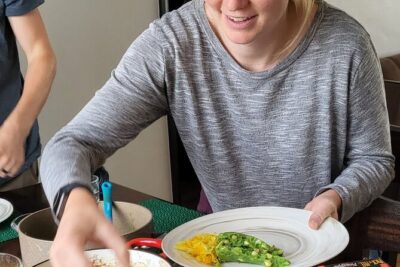
Traditional Kenyan Cooking Class & Local Market Tour
Read our review →
Memorable Daily KIBERA Slums/Toi Market Tour with Locals (2 hours)
Read our review →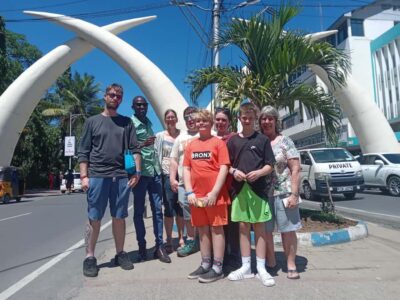
Mombasa City Tour,Fortjesus,Oldtown,Tusks and Spice Market.
Read our review →
Half-Day Nairobi National Park and Maasai Market with Pick up
Read our review →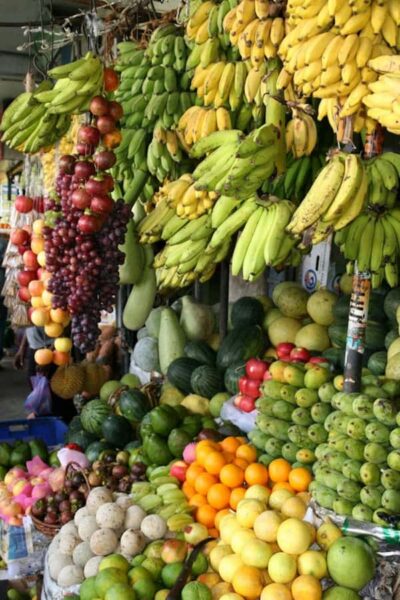
Authentic Kenyan Cooking Class & Market Tour in Nairobi
Read our review →
Hop on Hop off and Maasai market Collections Visit
Read our review →
Explore local Market matatu ride & Make Kenyan Cuisines with a home cook
Read our review →
Market Tour and Traditional Kenyan Cooking Class in Nairobi
Read our review →Browse the lists this tour appears in