

Reviewed · HISTORICAL TOURS
Nairobi City: Walking tour with Lifestyle and History.
Nairobi’s city center makes the most sense on foot, and Allan’s tour puts you right among its old libraries, government buildings, markets, matatu traffic, and everyday street life. You’ll see major landmarks, but the useful part is the conversation between them: Kenyan history, modern city life, family stories, and simple Swahili phrases that help you greet people with confidence.
I like the personal, flexible guiding. Allan adjusts the pace, answers questions, and can offer practical help with MPESA, SIM cards, SGR train tickets, and wider trip planning. I also like the market time, where his Swahili and local advice can make souvenir shopping less awkward.
The main consideration is that this is a walking tour in sunny central Nairobi, with shopping stops and a long coffee break. If you want a tightly scripted sightseeing sprint or a tour focused mainly on museum interiors, this may feel too informal.
Why this Nairobi walk is worth your morning or afternoon

- Allan guides you through central Nairobi, sharing city history, current life, personal observations, and family stories.
- The route covers major landmarks, including Jamia Mosque, Parliament, the Supreme Court, Holy Family Basilica, Kencom, and KICC.
- City Market and the Maasai Market give you time to shop, with translation and bargaining advice available.
- Java House provides a 40-minute break, where you can sample Kenyan coffee, tea, or chai at your own cost.
- The KICC visit includes a high city view, with a separate $3 entry fee paid by card or MPESA.
- The tour is private when bookings allow, and the route can be adapted to your questions and interests.
Starting at CJ’s on Koinange Street
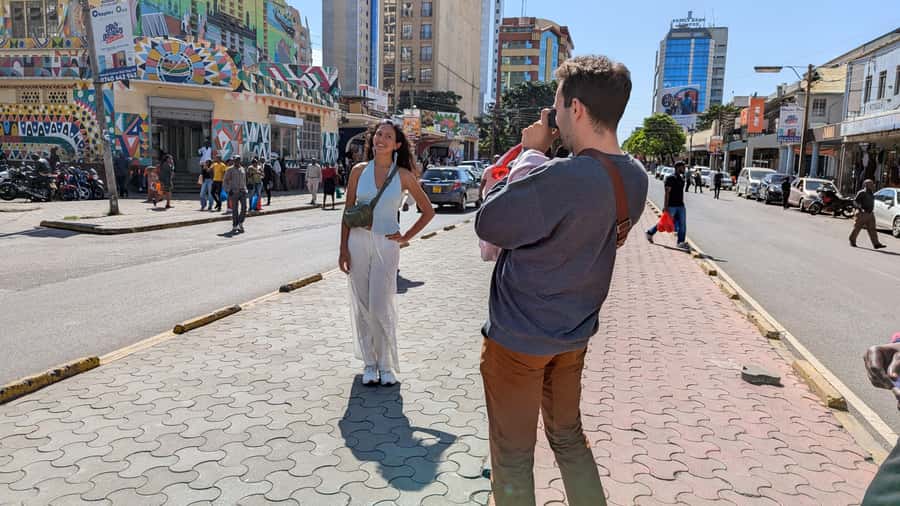
The meeting point is CJ’s restaurant on Koinange Street, a practical choice in the middle of central Nairobi. You can wait outside or sit inside with coffee, food, Wi-Fi, and plenty of seating. The tour also returns here, so you do not need to find a second pickup point in an unfamiliar part of the city.
A five-minute safety briefing comes first. That matters in Nairobi’s CBD, where the walk crosses busy streets, crowded transport areas, and market spaces. Allan can also help if you need directions to the meeting point, and WhatsApp contact is provided before the tour.
The three-hour duration needs one small explanation: the published stop times add up to more than three hours, especially with the 40-minute coffee break and 45-minute return stop at CJ’s. Treat the schedule as a broad plan rather than a stopwatch exercise. Your actual time at each landmark may change with the group’s pace, questions, traffic, and shopping.
More City Tours in Nairobi
- Nairobi Historical Walking City Tour
★ 5.0 · 258 reviews - Nairobi City Walking Tour with Traditional Kenyan Lunch
★ 5.0 · 106 reviews - Nairobi Cultural and Historical City Tour with a Local
★ 5.0 · 67 reviews
Jeevanjee Gardens and the McMillan Library
Jeevanjee Gardens is one of the quieter early stops. You’ll get a guided look at this central green space before continuing to the McMillan Memorial Library, where the focus shifts to Nairobi’s older civic and architectural fabric.
The library is listed as a pass-by stop, so do not expect a full interior visit. Its value is in the setting and the story Allan provides as you walk. This part of the route helps you see Nairobi as more than office towers and traffic. Older public buildings, gardens, religious sites, and government offices sit close together, and the short walk between them gives Allan room to explain how the city developed.
This is also where a private or very small group can be especially useful. You can stop to ask about a building, compare older and newer parts of the city, or request more context about Kenya’s past and present without holding up a large group.
Jamia Mosque and Nairobi’s mixed city life

Jamia Mosque is a photo stop and pass-by visit lasting about ten minutes. Its presence in the city center offers a quick way to consider Nairobi’s religious and cultural mix. The tour does not advertise an interior visit, so dress respectfully and follow Allan’s instructions around the mosque.
You’ll also begin learning some Swahili during the walk. The language lesson is informal rather than classroom-style, which suits the setting. A greeting, a thank-you, or a basic market phrase can make your later conversations feel more natural. Allan speaks English and Swahili and can translate when a vendor does not speak much English.
The best part of a city walk like this is not simply identifying a landmark. It is learning how the place works for people who live there. Allan’s approach includes conversation with local residents and explanations of ordinary city routines, not just dates and architectural labels.
City Market: where the walking becomes practical
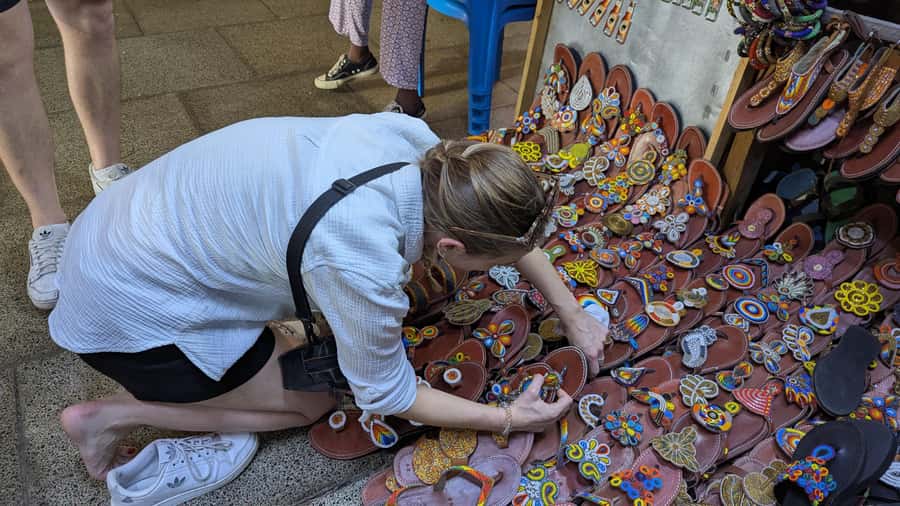
City Market gets around 35 minutes, enough time for a guided look and some shopping. This is one of the tour’s more useful stops if you want gifts but do not know where to begin.
You’ll find Kenyan handicrafts and other possible souvenirs, with Allan available to translate, suggest items, and help you understand the opening price. Keep your own budget in mind. The market is not a fixed-price department store, and bargaining is part of the experience. One practical tip is to carry cash, since some vendors do not accept credit or debit cards. Foreign currency may be accepted, but local cash is simpler for smaller purchases.
Do not feel obliged to buy. You can browse, ask questions, and wait until the Maasai Market before deciding. Allan’s help is most valuable here because he can make the exchange clearer and help you avoid confusion over price or product.
More Walking Tours in Nairobi
- Nairobi: Historic and Modern Highlights Walking Tour
★ 4.8 · 703 reviews - Nairobi Downtown Walking Tour
★ 4.7 · 208 reviews - Nairobi Walking Tour: Downtown & City Tour
★ 4.8 · 32 reviews - Day tour to Hells Gate, Lake Naivasha and Crescent Island Walk
★ 5.0 · 26 reviews
Kencom, the Supreme Court, and the working city
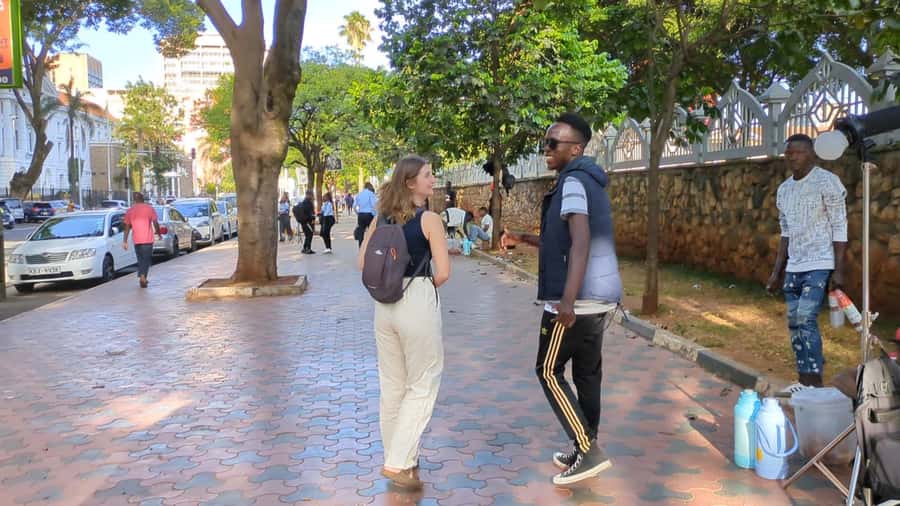
The route continues past Kencom House and the Kencom matatu terminus. This is a useful contrast to the formal monuments earlier in the walk. Kencom is linked to the city’s daily movement, while the nearby government district shows Nairobi’s administrative role.
The Supreme Court building receives about six minutes of guided sightseeing. Parliament and the Senate are also pass-by stops, with around ten minutes for explanation and photographs. These buildings carry political importance, but this is an exterior-focused experience. You should not expect a parliamentary tour or an extended indoor visit.
Allan’s strength here is connecting the buildings to Kenya’s national story and present-day life. The experience is not just a parade of façades. You can ask about how the city has changed, how government areas fit into the CBD, and what you are seeing beyond the camera frame.
Because the route passes through central business and transport areas, wear comfortable shoes and keep your belongings secure. The tour provides a safety briefing, and the strong safety feedback makes it a good option if you want company while getting your first feel for downtown Nairobi.
The Maasai Market and buying handmade gifts
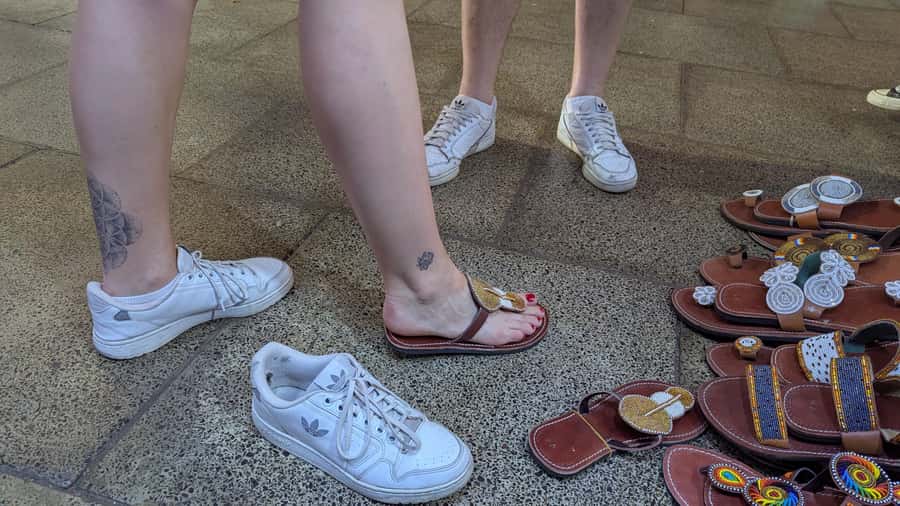
The Maasai Market is allocated about 40 minutes, making it one of the longest stops. This gives you time to browse rather than make a rushed purchase between landmarks.
Expect handmade gifts and souvenirs, with the usual need to compare items and negotiate politely. Allan can help with Swahili and offer recommendations, but you should still do the bargaining yourself. A sensible approach is to look at several stalls before agreeing to a price. You may find similar goods at different prices, and the first offer is rarely the final one.
One useful piece of advice is to negotiate firmly but pleasantly. Do not treat the exchange as a confrontation, and do not promise to buy if you are only browsing. If you have a specific gift in mind, tell Allan early. He can help you focus your time and judge whether an item fits your budget.
This stop also gives you a more direct connection with local commerce than a hotel shop can provide. You are not only looking at souvenirs. You are meeting sellers, practicing a little Swahili, and seeing how handmade goods are presented and priced in the city.
Java House on Mama Ngina Street

The 40-minute break at Java House is a welcome pause. Coffee, tea, and chai are not included, so budget separately for anything you order. You can sample different types of coffee if you wish, but the choice is yours.
The break is more than a rest stop. It gives you time to continue the conversation with Allan, ask about the rest of your Kenya trip, and gather practical advice. He can help with an E-SIM or SIM card, provided you have your passport for registration, and may also assist with booking SGR train tickets to Mombasa.
If you are not interested in coffee, you can use the time to eat or simply sit down. The stop at Java House and the return to CJ’s make the experience less physically demanding than three hours of continuous walking, though you still need to be comfortable on your feet.
Parliament, Holy Family Basilica, and KICC
After the café break, the route returns to the government and civic center. Parliament receives a guided exterior visit, while Holy Family Basilica is among the central landmarks included in the wider route. Exact emphasis can shift depending on the day and your interests, so ask Allan if you want more time for architecture, religion, politics, or photography.
The final major stop is the Kenyatta International Conference Centre. Allow about 45 minutes here for a guided visit, sightseeing, free time, and photographs. The high viewpoint is a major payoff, giving you a broad look across central Nairobi and helping you understand the layout you have just walked.
KICC entry costs $3. You must pay by card or MPESA, and cash is not accepted. Check that you can use one of those payment methods before reaching the building. The fee is modest, but it is an extra cost and should not surprise you.
KICC is also where the tour’s pieces come together. From above, the gardens, streets, government buildings, religious sites, and transport hubs are easier to place. You get the city view, then return to CJ’s for the final break or a meal.
What the $35 price really covers
At $35 per person, the price is reasonable if you value a local guide and want more than a list of photo stops. The fee covers Allan’s guiding, interpretation, history, city orientation, and help in the markets. It does not cover drinks, food, or the $3 KICC entry.
The value improves if you are new to Nairobi and plan to use the city as a base for Kenya. You can ask about SIM cards, MPESA, the SGR to Mombasa, local dishes, and other practical matters in the same conversation. Several bookings have also extended beyond the scheduled walk for food or a visit to Karura Forest, but treat those as separate arrangements, not part of the standard three-hour tour.
The tour can also become good value as a private experience. The group size is not specified, but the route is flexible and may operate privately when no other participants book. Confirm the setup if that matters to you.
Who should book this walking tour
I would choose this for a first afternoon in Nairobi, especially if you have just arrived and want a safe, useful orientation before planning the rest of your stay. It suits curious visitors who enjoy questions, conversation, local stories, and a little shopping.
It is also a good fit for solo visitors. Allan’s role extends beyond pointing out buildings. He can help you move through the city, speak with vendors, and understand practical details that are hard to pick up from a guidebook.
You should be comfortable walking outdoors in sunny weather. Bring sunscreen, sunglasses, comfortable shoes, and light, comfortable clothing. The experience is wheelchair accessible, but the route includes markets, city streets, and walking between stops, so confirm any specific mobility needs before booking.
The tour is not recommended for pregnant women or people with heart problems. Drones, alcohol, and drugs are not allowed.
My call: book it for a human introduction to Nairobi
Book this tour if you want central Nairobi explained by a local person rather than viewed through a vehicle window. Allan’s biggest strengths are his flexibility, personal stories, safety awareness, market assistance, and willingness to discuss your wider Kenya plans.
Skip it if you want long indoor visits, formal lectures, or a fixed schedule with every minute controlled. The route is best understood as a guided conversation through Nairobi, with landmarks, coffee, shopping, and city advice woven together.
For the best experience, start with a clear request. Tell Allan whether you care most about architecture, politics, history, photography, food, markets, or practical travel help. Carry cash for crafts, keep a card or MPESA option ready for KICC, and leave room in your schedule for the walk to run on Nairobi time.
FAQ
Where does the Nairobi walking tour begin and end?
The tour begins and ends at CJ’s restaurant on Koinange Street in central Nairobi. You can wait outside or sit inside the restaurant before the start.
How long does the tour last?
The advertised duration is three hours. It includes walking, sightseeing, market visits, a coffee break, and time at the Kenyatta International Conference Centre.
Which languages does Allan speak?
The tour is offered in English and Swahili. Allan can translate for you at markets when a seller does not speak much English.
Is coffee included in the price?
No. Coffee, tea, and chai at Java House are charged separately. Food and drinks at CJ’s are also not included.
How much does entry to KICC cost?
KICC entry costs $3. Payment must be made by card or MPESA. Cash is not accepted.
What should I bring?
Bring comfortable shoes, comfortable clothing, sunscreen, sunglasses, and cash if you want to shop for crafts. A passport is needed if you ask Allan to help register an E-SIM or SIM card.
More Guided Walks
- Nairobi: From Nairobi-Karura Forest Guided Walking Tour
★ 5.0 · 21 reviews - Nairobi: Hidden Gems and Local Secret Guided Walking Tour
★ 4.9 · 20 reviews - Historical City Walk Tour in Nairobi
★ 5.0 · 19 reviews - Nairobi City Guided Walking Tour
★ 5.0 · 16 reviews
More Historic Sites near Nairobi
- Full Day Nairobi Cultural and Historical Tour
★ 5.0 · 153 reviews - Nairobi souvenir Shopping and Historical Half day Tour
★ 5.0 · 61 reviews - Nairobi History and Modern Culture 3 Hours Tour
★ 4.5 · 31 reviews - Half-Day Cultural Tour to Bomas of Kenya in Nairobi
★ 4.5 · 23 reviews
Just added around Nairobi
- Visit kibera Slum the chocolate city★ 4.8 · 3 reviews
- 4 Days Safari to Lake Nakuru N/P and Maasai Mara N/R★ 5.0 · 18 reviews
- Maasai Mara Day Trip★ 5.0 · 15 reviews
- 4 Days Tour Landcruiser in Masai Mara and Lake Nakuru★ 5.0 · 10 reviews
- 3 days maasai mara migration safari★ 4.5 · 7 reviews
- Day Tour to Nairobi national park, Elephants, and Giraffe Center★ 3.5 · 8 reviews
- Kibera Slum Tour with a Local★ 5.0 · 15 reviews
- Wildebeest Migration in Masai Mara and Sightseeing 4 Days Tour★ 4.5 · 6 reviews
Historical Tours, compared.



Nairobi Cultural and Historical City Tour with a Local
Read our review →
Nairobi souvenir Shopping and Historical Half day Tour
Read our review →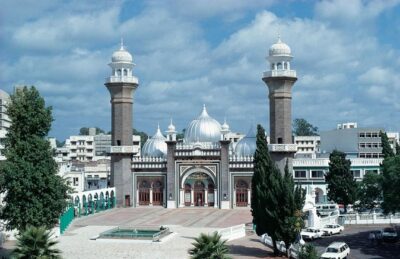

Half-Day Cultural Tour to Bomas of Kenya in Nairobi
Read our review →
Browse the lists this tour appears in