
Reviewed · HISTORICAL TOURS
Nairobi City;Culture and Historical guided tour
Nairobi reveals itself best on foot, where a mosque, memorial, library, basilica, market, and government building can all appear within a short city walk. This 150-minute tour gives you that compact introduction, with stories about Kenyan history, tribal life, city customs, and a few Swahili words along the way.
I like the local guide format, especially when the guide brings the city to life rather than simply naming buildings. I also like the useful finish: your guide helps you work out your onward transport. The main caution is that the experience can vary sharply by guide, and one reported outing involved a long wait, a quiet guide, and uncomfortable pressure to buy at the market.
Key points at a glance
- A short walking route through central Nairobi: Cover major civic, religious, cultural, and memorial sites in about two and a half hours.
- Strong guides can make the difference: William and Brian are specifically praised for friendly conversation, clear explanations, and thoughtful answers.
- A useful introduction to Kenyan culture: Expect discussion of tribes, city life, history, and basic Swahili words.
- Several stops are viewed from outside: KICC, Parliament, and government buildings may be sightseeing or pass-by points rather than full interior visits.
- The Maasai market stop needs a little care: It can be useful for souvenirs and clothing, but shopping pressure has been reported.
- Budget-friendly, with some extras excluded: At $25 per person, the tour is good value if you want orientation and local context, but food, drinks, and entry charges are extra.
A first walk through Nairobi’s city center
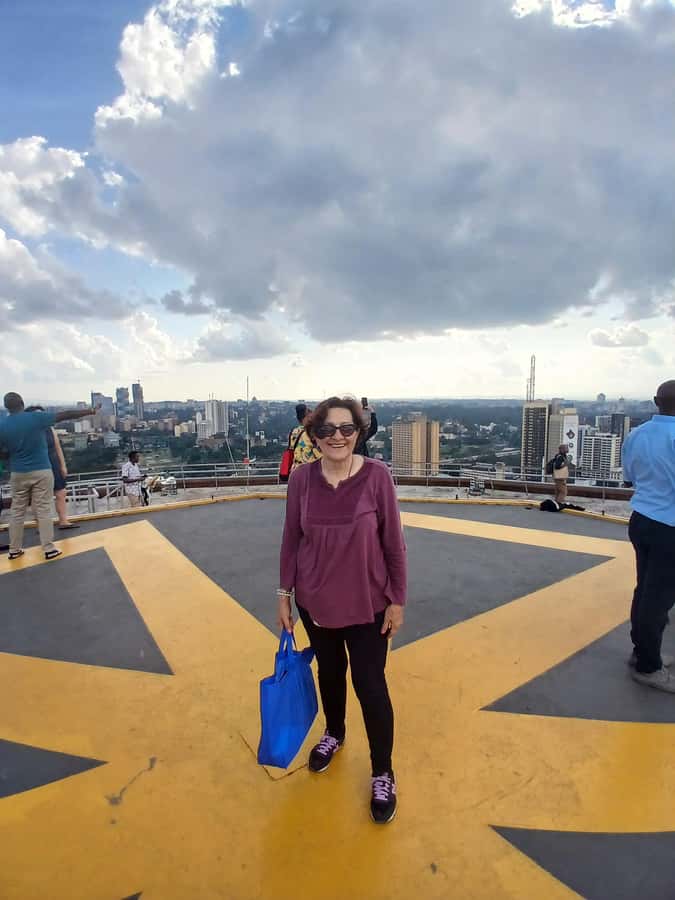
This tour is a practical way to get your bearings in central Nairobi without committing to a full-day outing. You meet your guide outside the City Walk shoe shop, then begin with a 15-minute safety briefing before setting off through the center.
That briefing matters. You are walking through an active urban district, not a museum complex designed for visitors. Streets, traffic, pedestrians, shops, offices, places of worship, and public buildings shape the experience. Listen closely to the guide’s directions and keep your belongings secure.
The tour is designed around conversation. You can ask about Kenya’s communities, local customs, city life, and the country’s past. The guide also teaches some Swahili words, a small touch that makes the walk more personal and gives you a simple way to connect with Nairobi beyond its landmarks.
More City Tours in Nairobi
- Nairobi Historical Walking City Tour
★ 5.0 · 258 reviews - Nairobi City Walking Tour with Traditional Kenyan Lunch
★ 5.0 · 106 reviews - Nairobi Cultural and Historical City Tour with a Local
★ 5.0 · 67 reviews
McMillan Memorial Library and Nairobi’s older civic life
The McMillan Memorial Library is one of the early stops, with about 10 minutes scheduled for the visit. That is not a long time, so expect a quick look and explanation rather than an extended library tour.
The stop works because it gives the walk an older civic layer. Nairobi is not only office towers and traffic. Buildings such as this point to the city’s development as an administrative and cultural center. Your guide can help connect the building to the wider story of Nairobi, which is more useful than viewing it as just another photograph.
If libraries and architecture are your main interest, you may wish for more time here. For a short introductory walk, though, the stop provides a welcome change from the more obvious monuments later in the route.
Jamia Mosque and the city’s religious mix
Jamia Mosque is described as the largest mosque in Nairobi and is included as a sightseeing stop. The tour uses the mosque to introduce another part of the city’s religious and cultural life.
The value here is context. A local guide can explain what you are seeing and help you approach the site respectfully. Since the supplied details do not promise an interior visit, you should treat this as an exterior or sightseeing stop unless your guide tells you otherwise.
Dress and behavior should be respectful around any place of worship. The tour does not list a specific dress code, but modest clothing and a quiet manner are sensible choices.
KICC: Nairobi’s clearest photo stop

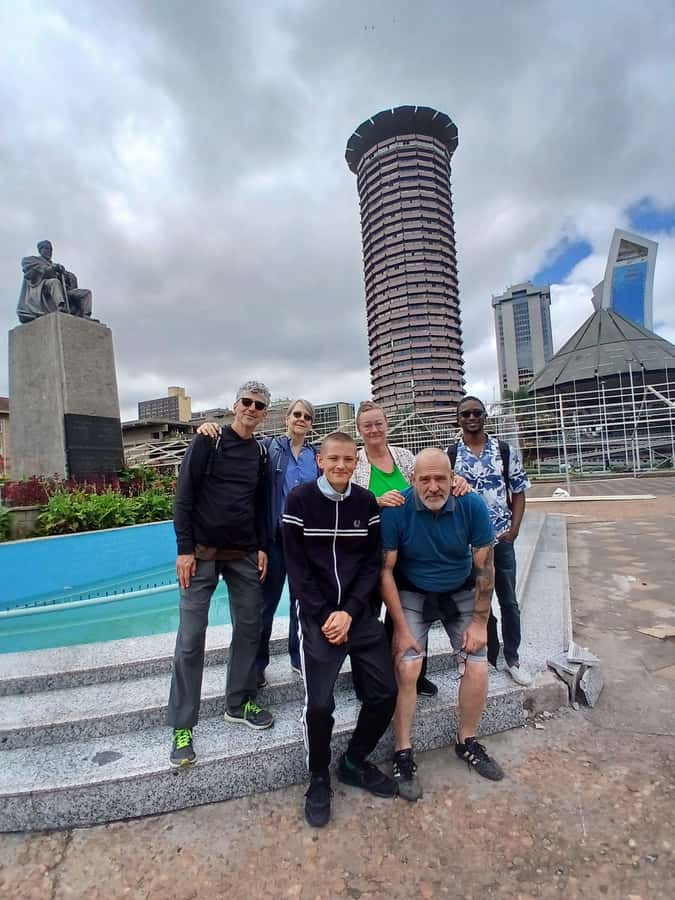
Kenyatta International Conference Centre receives about 20 minutes for a visit, sightseeing, and photographs. It is one of the tour’s more recognizable stops and gives you a strong visual marker for central Nairobi.
The KICC segment is useful for two reasons. First, it gives you time to take photographs rather than rushing past. Second, it helps place the surrounding government and commercial district in relation to one of Nairobi’s best-known modern buildings.
Do not assume the tour includes an ascent or an extended interior visit. The planned activities are photo stop, visit, and sightseeing. If a particular viewpoint matters to you, ask the guide what is possible on the day.
A few more Nairobi days to weigh up
- Nairobi National Park Half-Day Tour; Free Wi-Fi connection
★ 5.0 · 878 reviews - Nairobi: National Park & Optional Elephants & Giraffe Center
★ 4.8 · 874 reviews - NAI NAMI: Nairobi Storytelling Tour with Street Children
★ 5.0 · 792 reviews - Nairobi National Park Half-Day Game Drive
★ 4.5 · 738 reviews
Memorials that connect Nairobi to Kenya’s past
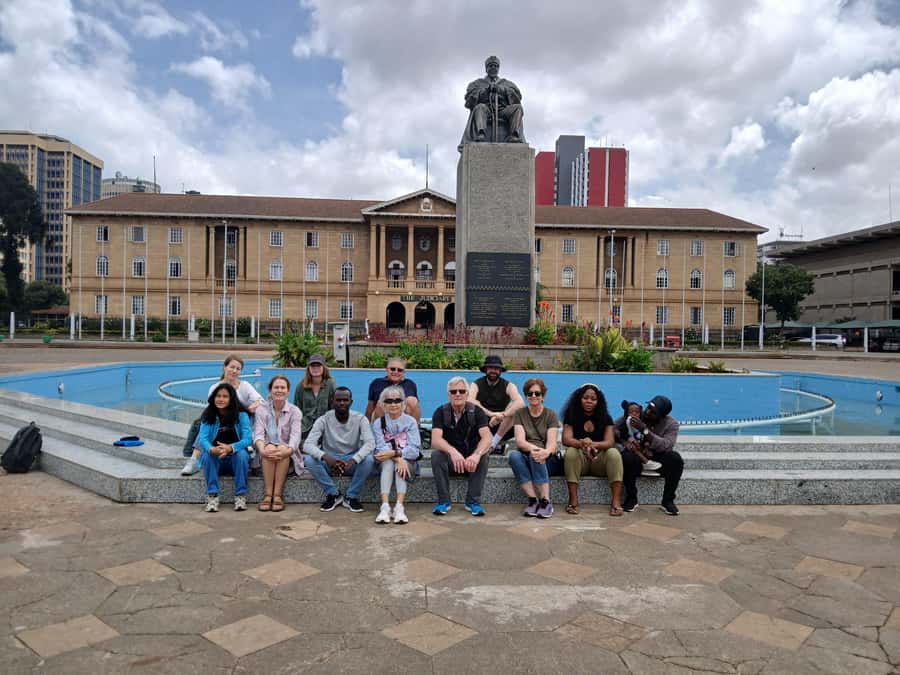
The route includes the Dedan Kimathi statue and the Galton Fenzi memorial, as well as August 7th Memorial Park. These stops give the walk a serious historical thread.
Dedan Kimathi is identified as a freedom fighter. His statue offers a starting point for learning about Kenya’s independence struggle and the people remembered in public spaces. The Galton Fenzi memorial adds another layer to Nairobi’s civic story, while August 7th Memorial Park marks a painful event in the city’s recent past.
The supplied tour details do not specify how long you spend at every memorial, so the depth of the explanation will depend on the route pace and guide. This is where a good guide matters most. William is praised for being attentive, friendly, and well informed about the city. Brian is described as well spoken, affable, and able to offer a good look at Kenyan culture at an easy pace.
Those strengths are worth seeking. A memorial is not especially meaningful if you only receive a name and a date. Ask questions and give the guide room to explain the people and events behind each place.
The Maasai market: souvenirs, clothing, and a clear warning
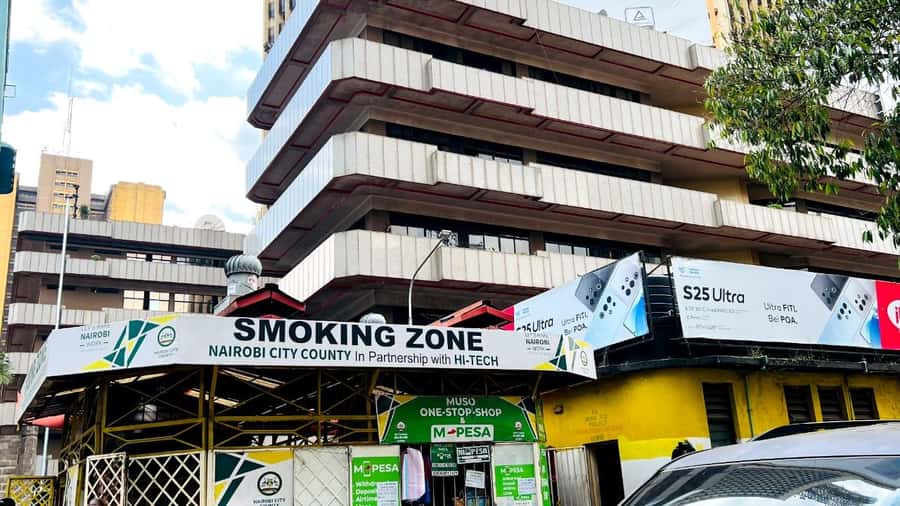
The tour includes a Maasai market stop for souvenirs and attire. You might find jewelry, fabrics, carvings, or other Kenyan-themed goods, but the exact selection can change.
This is also the part of the walk that deserves the most caution. One poor experience involved being taken into a shop presented as the market, followed by pressure to buy and guilt when the visitor tried to leave without making a purchase. That does not mean every outing will unfold this way, but you should know what to expect and decide your budget before entering.
You are not required to buy anything simply because the market is part of the tour. If you want souvenirs, compare items and prices calmly. If you are not shopping, tell the guide clearly. A worthwhile cultural walk should let you look without turning the stop into a sales test.
Holy Family Basilica and a useful rest point
The Cathedral Basilica of the Holy Family includes a break, visit, and sightseeing. After walking through several city blocks, this pause can be welcome.
The basilica adds a Christian landmark to a route that has already included a mosque, memorials, civic buildings, and commercial areas. That mix is one of the tour’s better features. You are not being shown only the city’s official monuments. You are seeing places connected with worship, memory, government, business, and daily movement.
The information provided does not promise a guided interior tour or a specific amount of time inside. Think of it as a stop where you can see the building, pause briefly, and hear the guide’s explanation.
Parliament, the Supreme Court, and the government district
The walk continues past Parliament of Kenya, including the National Assembly and the Senate, along with the Supreme Court of Kenya and the offices of the president and deputy president. These are important civic sites, but the wording indicates sightseeing and passing by rather than guaranteed entry.
That distinction matters. You can expect to learn where these institutions are and why they matter, but you should not book this experience expecting a behind-the-scenes government visit.
The government district gives your guide a natural chance to explain how Kenya is organized and how Nairobi functions as the national capital. It also makes the tour feel like more than a building checklist. You are walking through the working center of the country.
Follow the guide’s instructions carefully around official buildings. The supplied information does not give detailed photography rules, so ask before taking close photographs of security-sensitive locations.
What the guides add, and where the tour can fall short
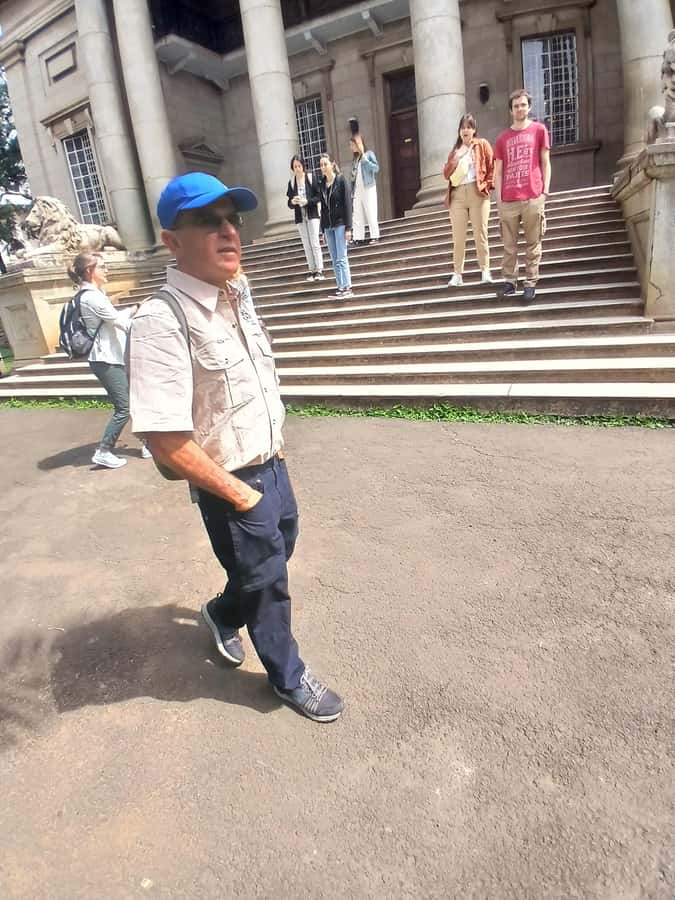
The strongest feature is the human element. William is described as attentive, pleasant, and well versed in the city. Brian receives praise for being friendly, easy to understand, and relaxed in his approach. Another guide was described as very friendly and willing to answer questions.
Those details point to the right way to use this tour: ask questions. Ask about the history of the memorials, the role of different communities in Nairobi, local etiquette, transport, and the meaning of places you pass. The tour’s advertised cultural value depends on conversation, not just movement from one landmark to the next.
There is also a clear warning about inconsistency. One experience involved an hour-long wait for other people delayed by traffic, followed by a departure without them. The guide was described as new, spoke too softly, and mainly identified buildings without adding much explanation. If you have hearing difficulties, this is especially important, since the experience is also listed as unsuitable for people with hearing impairments.
You can reduce the risk by confirming the meeting point and asking the guide at the start about the planned pace and stops. If the group is delayed, ask how long you are expected to wait. The tour is short, so an hour lost at the beginning would take a large bite out of the experience.
Is $25 a fair price for 150 minutes?
At $25 per person, the price is reasonable for a guided introduction to central Nairobi, especially if you value local explanations and want several major sites covered in one outing.
The value is strongest when the guide is engaged and the walk stays close to its intended two-and-a-half-hour schedule. You are paying for orientation, local stories, answers to questions, photography and video recordings, and help figuring out transport at the end. You are not paying for a meal, drinks, or guaranteed interior entry to every site.
The cost is less attractive if you mainly want extensive time inside museums or monuments. This is a city walk, not a museum pass. It also loses value if waiting or shopping takes over the schedule.
You can reserve now and pay later, and cancellation is free up to 24 hours before the start for a full refund. That flexibility is useful if your Nairobi plans are still shifting.
Who will enjoy this Nairobi walk?
I would recommend it most to a first-time visitor who wants a compact introduction to central Nairobi and prefers learning from a local guide rather than walking alone with a map.
It suits you if you enjoy:
- Walking between several different kinds of city sites
- Asking questions about Kenyan culture and local life
- Seeing major landmarks without spending a full day on tour
- Learning a few Swahili words
- Having a guide help with onward transport
- Combining photographs, history, shopping, and city orientation
It may not suit you if you need a wheelchair-accessible route, are pregnant, have altitude sickness, or have a hearing impairment, since the experience is specifically listed as unsuitable for those groups. The tour also prohibits jewelry, alcohol, and drugs.
The language options are English and Spanish. Pickup is optional, depending on the selected option. If you choose a pickup option, look for the supplied registration number of the car.
Should you book the Nairobi City, Culture and Historical Guided Tour?
Book it if you want a short, affordable first look at Nairobi and are willing to take an active role by asking questions. The route covers a useful range of places, from Jamia Mosque and Holy Family Basilica to KICC, Parliament, memorials, and the Maasai market.
I would book with realistic expectations. You may get a warm, helpful guide like William or Brian, or you may encounter a less experienced guide who gives only basic descriptions. Confirm the meeting details, keep the market stop on your own terms, and do not expect guaranteed entry into every building.
For a two-and-a-half-hour orientation at $25, this is a sensible choice for many visitors. It is best viewed as a city introduction, not a polished museum tour or a shopping excursion.
FAQ
How long does the Nairobi city tour last?
The tour lasts 150 minutes, or two and a half hours.
How much does the tour cost?
The price is $25 per person.
Where does the tour begin?
The meeting point is outside the City Walk shoe shop. The selected option may also include pickup.
Where does the tour finish?
The tour finishes at City Walk Kenya LTD, Hilton.
Which languages are available?
Live guiding is available in English and Spanish.
Is food included?
No. Food and drinks are not included.
Are entry charges included?
No. Entry charges are not included.
Which places are included on the route?
The route includes McMillan Memorial Library, Jamia Mosque, KICC, August 7th Memorial Park, the Cathedral Basilica of the Holy Family, Parliament of Kenya, and other central Nairobi sites such as the Dedan Kimathi statue, Galton Fenzi memorial, Maasai markets, the Supreme Court, and government offices.
Can I cancel for a full refund?
Yes. You can cancel up to 24 hours in advance for a full refund.
Can I reserve without paying immediately?
Yes. The reserve now and pay later option lets you hold your plans without paying at the time of booking.
Who should not take this tour?
The experience is listed as unsuitable for pregnant women, wheelchair users, people with altitude sickness, and people with hearing impairments. Jewelry, alcohol, and drugs are not allowed.
More Historic Sites near Nairobi
- Nairobi: Historic and Modern Highlights Walking Tour
★ 4.8 · 703 reviews - Full Day Nairobi Cultural and Historical Tour
★ 5.0 · 153 reviews - Nairobi souvenir Shopping and Historical Half day Tour
★ 5.0 · 61 reviews - Nairobi History and Modern Culture 3 Hours Tour
★ 4.5 · 31 reviews
Just added around Nairobi
- Visit kibera Slum the chocolate city★ 4.8 · 3 reviews
- 4 Days Safari to Lake Nakuru N/P and Maasai Mara N/R★ 5.0 · 18 reviews
- Maasai Mara Day Trip★ 5.0 · 15 reviews
- 4 Days Tour Landcruiser in Masai Mara and Lake Nakuru★ 5.0 · 10 reviews
- 3 days maasai mara migration safari★ 4.5 · 7 reviews
- Kibera Slum Tour with a Local★ 5.0 · 15 reviews
- Wildebeest Migration in Masai Mara and Sightseeing 4 Days Tour★ 4.5 · 6 reviews
- Day Tour to Nairobi national park, Elephants, and Giraffe Center★ 3.5 · 8 reviews
Historical Tours, compared.



Nairobi Cultural and Historical City Tour with a Local
Read our review →
Nairobi souvenir Shopping and Historical Half day Tour
Read our review →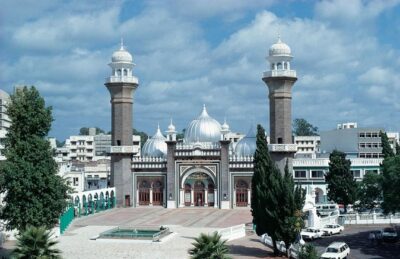

Half-Day Cultural Tour to Bomas of Kenya in Nairobi
Read our review →
Browse the lists this tour appears in