
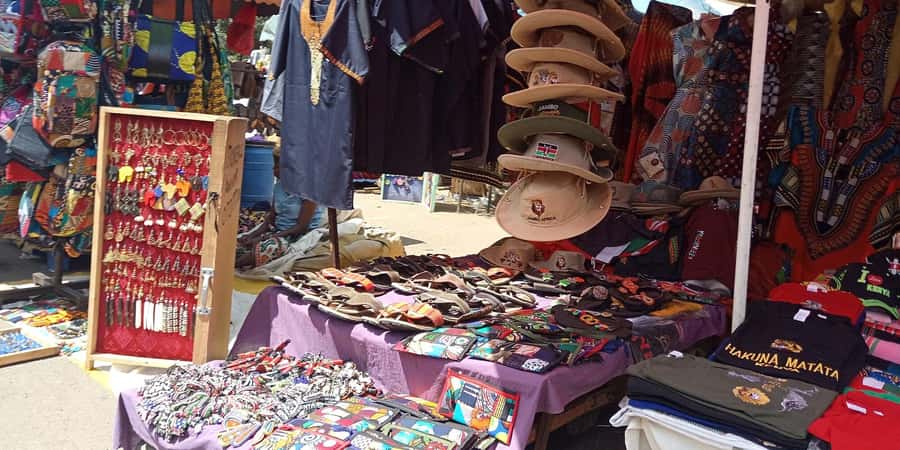
Reviewed · MARKETS
Nairobi: Explore Maasai Market for Unique Souvenirs
Nairobi’s Maasai Market is less a tidy shop and more a moving target. Vendors, crafts, prices, and even the market location can change, so having a local guide beside you makes a real difference. This two-hour walk takes you from city-center gift shops to handmade jewelry, beadwork, carvings, paintings, and textiles, with time to ask who made each piece and why it matters.
I like the direct contact with artisans and the practical help with bargaining and quality checks. The guide can translate, explain cultural details, and help with bulky purchases. The main drawback is that the market can feel persistent and crowded, and the meeting information gives both Hilton Arcade and Bata, so confirm the exact starting point before you go.
Key points at a glance
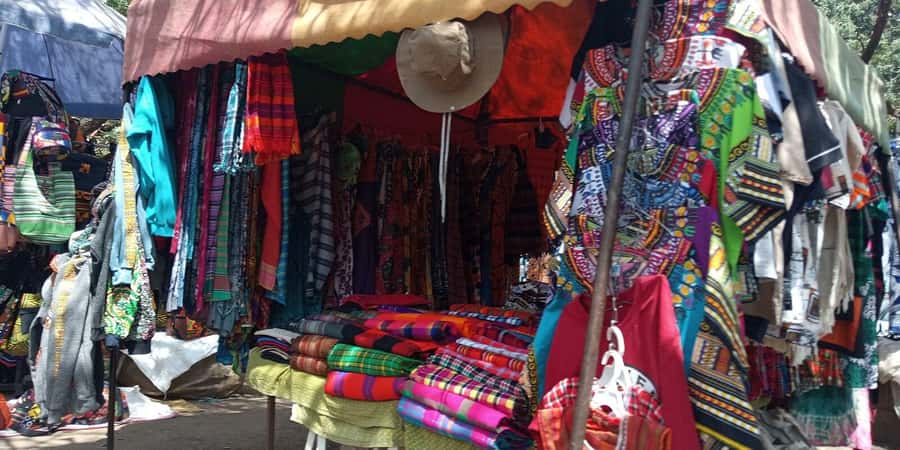
- The market changes location: It reportedly moves each day except on weekends, so local guidance is especially useful.
- Bargaining is part of the visit: You learn how to negotiate politely instead of guessing at every price.
- Artisans and social-impact sellers are included: The route can go beyond the main market to craft shops and production centers.
- The guide can check quality: You get help spotting well-made beadwork, carvings, textiles, paintings, and jewelry.
- The route is flexible: You can focus on gifts, local crafts, city sightseeing, or errands in central Nairobi.
- It costs $10: For two hours of personal shopping help and cultural context, that is a modest price, though purchases are extra.
Why a guide helps at Nairobi’s Maasai Market
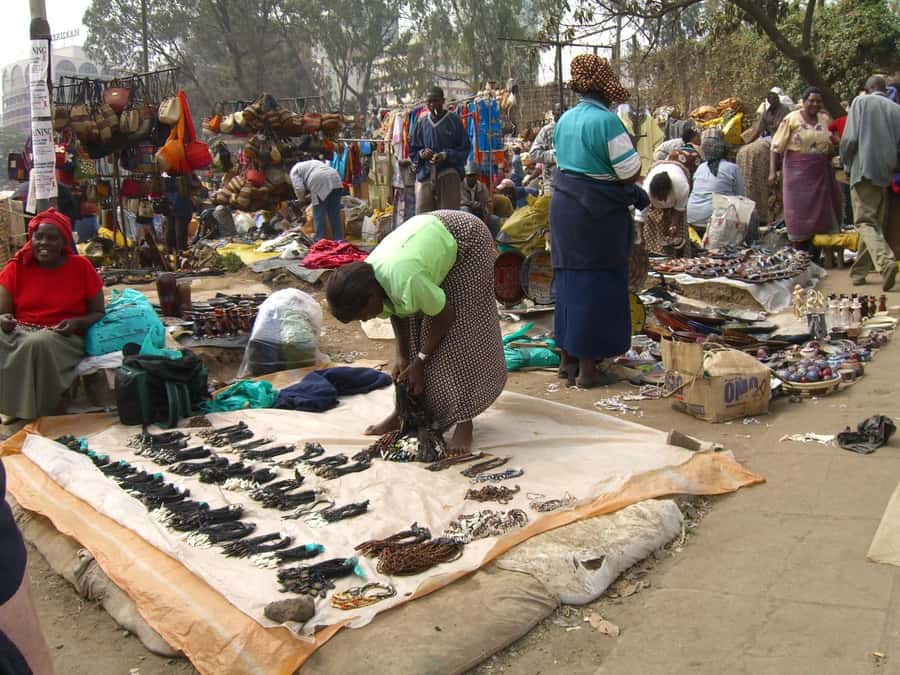
The appeal of this outing is simple: you are not left to face Nairobi’s craft trade alone. A local guide leads you through city-center shops and the Maasai Market, explains what you are seeing, and helps you speak with sellers.
That matters because open-air markets can be confusing at first. You may see similar-looking bracelets, carved animals, painted scenes, woven items, and beaded decorations at very different prices. A guide can help you compare quality, ask about materials, and judge whether a price is reasonable.
The guide also helps with the social side of shopping. Bargaining is expected in many market settings, but tone matters. You want to negotiate without turning the exchange sour. The guide shows you how to make an offer with a smile, when to keep talking, and when to walk away politely.
The English-speaking guide is identified in guest feedback as Eric or Erick. He is described as attentive, reliable, and willing to adjust the route around personal interests. That flexibility is one of the strongest reasons to choose this walk instead of shopping alone.
A few more Nairobi days to weigh up
- Nairobi National Park Half-Day Tour; Free Wi-Fi connection
★ 5.0 · 878 reviews - Nairobi: National Park & Optional Elephants & Giraffe Center
★ 4.8 · 874 reviews - NAI NAMI: Nairobi Storytelling Tour with Street Children
★ 5.0 · 792 reviews
Starting near Mama Ngina Street
The stated meeting point is Hilton Arcade along Mama Ngina Street in central Nairobi. The activity also gives Bata as the starting location, so you should verify the precise meeting place with the operator before setting out.
Once you meet the guide, the tour begins on foot. There is no sightseeing vehicle included, and the walk takes place in the city center. Wear comfortable shoes, since the route combines sidewalks, shops, and market areas.
The first part visits local gift and craft shops. This is useful preparation for the main market. In a shop, you can get a sense of prices and styles before entering the more crowded open-air stalls. You may also find items that are easier to inspect in a quieter setting.
The guide can explain which shops work with local makers and which sellers are social-impact entrepreneurs. That does not mean every purchase is automatically ethical, so ask questions. Find out where an item was made, who made it, and whether the seller works directly with the producer.
Comparing city-center craft shops
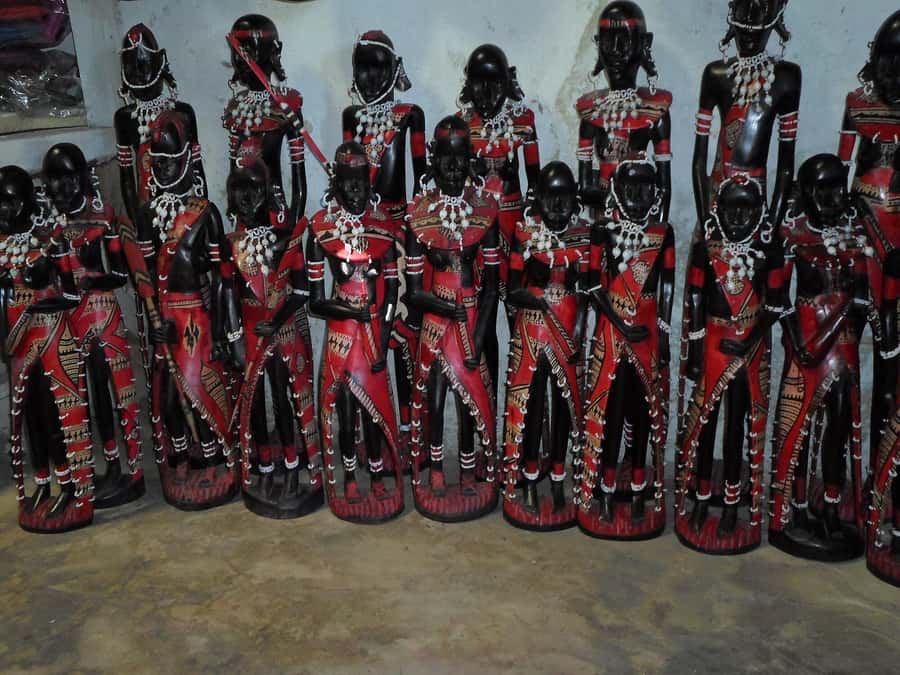
The smaller shops offer a calmer way to begin shopping. You can handle items, compare finishes, and decide what kind of gift you want before the market adds more choices.
The selection may include handmade jewelry, textiles, carved pieces, paintings, and beadwork. The exact stock will vary, but the route is designed around Kenyan crafts rather than standard international souvenirs.
I find this first stop valuable for anyone who is not confident at judging handmade goods. Look closely at stitching, bead placement, carving lines, paintwork, and fastenings. A guide can point out flaws that are easy to miss when you are excited by a colorful display.
This is also a good place to state your budget. Tell the guide if you want small gifts for several people, one special piece, or something light enough to pack. The route can be adjusted, and the guide can help you avoid spending the entire budget on the first stall.
Entering the open-air Maasai Market
The Maasai Market is the center of the outing. It is a large open-air market filled with vendors selling crafts in many styles and price ranges.
The market does not operate like a permanent indoor store. One useful detail is that its location reportedly changes from day to day, while weekends follow a different pattern. That makes independent planning less certain and gives the guide a practical role before you even begin shopping.
Expect sellers to approach you. This is part of the market atmosphere, but it can feel intense if you prefer quiet browsing. Stay polite, keep moving when you are not interested, and let the guide help if several sellers press for your attention.
You will have the chance to examine necklaces, bracelets, beadwork, textiles, carvings, paintings, and other handmade goods. The market is a good place to find gifts with a clear connection to Kenya, but quality will differ. Do not buy the first attractive item unless you already know it is the right one.
Same departure point, a completely different day out:
- Nairobi National Park Half-Day Game Drive
★ 4.5 · 738 reviews - Nairobi: Historic and Modern Highlights Walking Tour
★ 4.8 · 703 reviews - Safari Tour; Nairobi National Park
★ 4.5 · 594 reviews - 3 Days Masai Mara Group Joining
★ 5.0 · 486 reviews
Learning to bargain without losing your patience
For many people, bargaining is the most useful part of this tour. You learn by watching the guide handle prices and by trying the process yourself.
The goal is not to force the lowest possible price. A fair bargain should leave you pleased with the purchase and the maker properly paid. Start with a respectful offer, keep your tone light, and avoid treating the seller as an opponent.
Ask the guide for a sense of price before you commit. This is especially helpful when you are buying several similar gifts. Some sellers may offer a better total price for multiple items, but you should still check the quality of each one.
The guide can also translate questions about materials, production, and origin. That helps you separate a handmade item from a mass-produced piece. You may still encounter imported or factory-made goods, so ask before assuming a craft is locally made.
A good rule is to buy what you genuinely like, not what seems cheap. The lowest price is not always the best value if the item breaks, fades, or has no clear connection to the local craft tradition.
Meeting makers and local entrepreneurs
The tour aims to connect you with artisans and people working in the handmade industry. That is more meaningful than simply passing through rows of merchandise.
You can ask how an item is made, what materials are used, and whether the design has a cultural meaning. The information available for this activity does not promise a formal demonstration, so expect conversation and explanation rather than a scheduled workshop.
The route may include other craft production and selling centers after the main market. This is optional and depends on your interests and available time. If you want to see more, tell the guide early. If you have already found your gifts, you can instead spend time walking through central Nairobi.
There is also mention of a wholesale shop where small local retailers buy stock. It can offer very low prices and a wide range of goods. That may appeal to someone buying many presents, but remember that wholesale pricing can mean less one-on-one contact with the maker.
Supporting direct local trade is one of the tour’s main aims. Still, you should ask clear questions rather than relying on labels. A direct purchase is most valuable when you understand who benefits from the sale.
What to buy, and how to judge quality
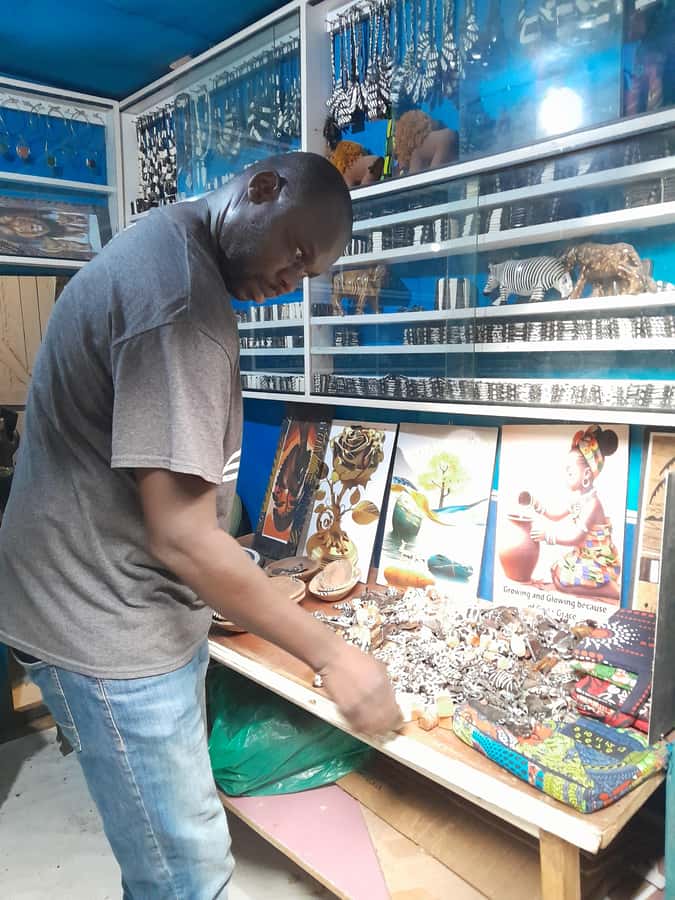
This is a shopping tour, so it helps to arrive with a rough plan. You might look for small jewelry, beadwork, textiles, carved items, or paintings. The guide can help you balance appearance, price, durability, and packing space.
For jewelry, check clasps, wire, thread, and the way beads are secured. For textiles, examine the weave and edges. For carvings, look for smooth finishing and stable construction. For paintings, check the surface, paint coverage, and how you will protect the piece during the rest of your trip.
The guide can help with quality checking, but you remain responsible for deciding what to buy. Ask whether an item is handmade, where it was produced, and how it should be cared for. If the answer is vague, consider another piece.
Bulky shopping can be awkward on a walking tour. The guide can help you carry heavy or large purchases, but you should not assume that packing or shipping is included. If you buy something large, ask what arrangements are available before paying.
Bring Kenyan cash because not every vendor accepts credit cards. Keep your wallet secure and avoid displaying large amounts of money in a crowded market.
A short city-center walk after shopping
After the market, you can add a brief walking tour and sightseeing in central Nairobi. This part is flexible rather than a fixed sightseeing program.
That makes the ending useful for first-time visitors who want a quick orientation. You can ask the guide about nearby streets, local shops, and city-center sights. You can also use the remaining time for an errand if that suits your plans.
Do not expect a full city tour in two hours. The main focus remains shopping and local interaction. The city walk is an added option, not a substitute for a dedicated Nairobi sightseeing tour.
The flexible format works best if you tell the guide what you want before the walk starts. Mention if your priority is gifts, artisan contact, low prices, quality, sightseeing, or errands. The guide can then shape the route around your purpose.
Safety, comfort, and market manners
Wear comfortable shoes. You will be walking for about two hours, and the market surface and crowding may make slow, careful movement necessary.
Nairobi’s weather can change, so a hat and sunscreen are sensible on sunny days. A light jacket can help during cooler weather. The activity is outdoors for much of its shopping time, and no weather-specific gear is provided.
Keep your belongings secure. Crowded markets can attract pickpockets, so use a closed bag and avoid carrying valuables loosely. Stay aware while handling merchandise and making payments.
Respect local customs when speaking with artisans and sellers. Ask before photographing people or their work, and listen when someone explains the meaning of a design. A pleasant exchange is part of the value of the visit.
Smoking, alcohol, food in a vehicle, and littering are not allowed under the activity rules. Since this experience is primarily on foot, the vehicle restrictions may not affect most of your time, but follow the operator’s instructions if transport is used for any part of the route.
Is $10 a good value?
At $10 per person, the tour is inexpensive for a two-hour guided walk in central Nairobi. Your payment covers the guide, translation help, bargaining advice, quality checks, introductions to craft sellers, and a flexible route through shops and the market.
Your purchases are not included, so set a separate spending limit. The tour can save you money by helping you avoid poor-quality items or inflated prices, but there is no guarantee that every purchase will cost less than it would alone.
The value is strongest for first-time market shoppers, solo visitors, and anyone who feels unsure about bargaining. If you already know Nairobi’s markets and enjoy negotiating alone, you may prefer to keep the $10 for purchases.
The small price also makes this a sensible add-on for a short Nairobi stay. It gives you a focused shopping session without taking up half a day. Just remember that the route is a walk, the market may move, and the final selection depends on what sellers have that day.
Who should book this walk?
I would choose this experience if you want meaningful gifts but do not want to spend your Nairobi time guessing at prices or searching for craft shops. It is also a good fit if you want conversation with local makers rather than a quick stop at a souvenir counter.
Solo visitors and pairs may get the most from the personalized format. Two women specifically found the guide reassuring and felt safe with his help, which suggests that attentive guidance is an important part of the experience.
The tour also suits shoppers who need help with translation, quality, or bulky purchases. People buying gifts for several friends may like the wholesale stop, while art buyers can ask to focus on paintings, carvings, or textiles.
You may want to skip it if you dislike bargaining, crowded open-air markets, or walking in the city center. It is not a formal museum visit, cooking class, or long cultural program. Its strength is practical help in a lively shopping setting.
Booking details worth checking
The duration is two hours, and the guide speaks English. Starting times depend on availability. You can cancel up to 24 hours before the activity for a full refund, and reserve now without paying immediately if that option is offered at booking.
Confirm the meeting point because the supplied directions name Hilton Arcade along Mama Ngina Street, while another route reference gives Bata. This is the one detail I would settle before leaving your hotel.
Bring cash, comfortable shoes, sun protection, and a light jacket. Keep your plans flexible if you want to add more craft centers or a short city walk after the main market.
Should you book the Maasai Market experience?
Book it if you want practical shopping help, direct contact with craft sellers, and a better chance of finding well-made Kenyan gifts without handling every negotiation alone. The guide’s reported care, flexibility, and knowledge of local sellers are the strongest reasons to go.
At $10, the cost is easy to justify for a first visit, especially if you are nervous about bargaining or want to support local trade more thoughtfully. Confirm the meeting point, carry cash, and expect a real market rather than a polished shopping mall.
FAQ
How long does the Maasai Market shopping experience last?
The activity lasts two hours. Starting times depend on availability.
What is the price?
The price is $10 per person. Souvenir purchases are extra.
Where do I meet the guide?
The stated meeting point is Hilton Arcade along Mama Ngina Street in central Nairobi. Another route reference names Bata, so confirm the exact location with the operator before the tour.
What language does the guide speak?
The live guide speaks English.
Is bargaining included?
Yes. The guide provides local bargaining tips, translation help, and assistance with price negotiation.
Can the guide help me judge souvenir quality?
Yes. Quality checking and shopping recommendations are included. You can ask for help comparing jewelry, beadwork, textiles, carvings, and paintings.
Should I bring cash?
Yes. Cash is recommended because not all market vendors may accept credit cards.
Can I cancel the activity?
You can cancel up to 24 hours in advance for a full refund. A reserve-now, pay-later option is also available.
More Shopping Tours in Nairobi
- Traditional Kenyan Cooking Class & Local Market Tour
★ 5.0 · 129 reviews - Nairobi souvenir Shopping and Historical Half day Tour
★ 5.0 · 61 reviews - Memorable Daily KIBERA Slums/Toi Market Tour with Locals (2 hours)
★ 5.0 · 29 reviews - Nairobi Cultural Shopping Experience
★ 5.0 · 21 reviews
Just added around Nairobi
- Visit kibera Slum the chocolate city★ 4.8 · 3 reviews
- 4 Days Safari to Lake Nakuru N/P and Maasai Mara N/R★ 5.0 · 18 reviews
- Maasai Mara Day Trip★ 5.0 · 15 reviews
- 4 Days Tour Landcruiser in Masai Mara and Lake Nakuru★ 5.0 · 10 reviews
- 3 days maasai mara migration safari★ 4.5 · 7 reviews
- Wildebeest Migration in Masai Mara and Sightseeing 4 Days Tour★ 4.5 · 6 reviews
- Day Tour to Nairobi national park, Elephants, and Giraffe Center★ 3.5 · 8 reviews
- Kibera Slum Tour with a Local★ 5.0 · 15 reviews
Markets, compared.

Traditional Kenyan Cooking Class & Local Market Tour
Read our review →
Memorable Daily KIBERA Slums/Toi Market Tour with Locals (2 hours)
Read our review →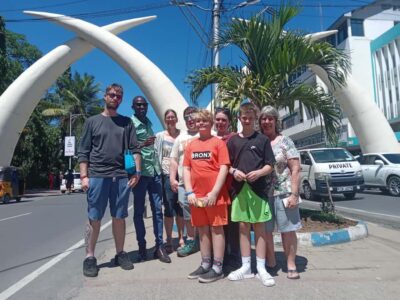
Mombasa City Tour,Fortjesus,Oldtown,Tusks and Spice Market.
Read our review →
Half-Day Nairobi National Park and Maasai Market with Pick up
Read our review →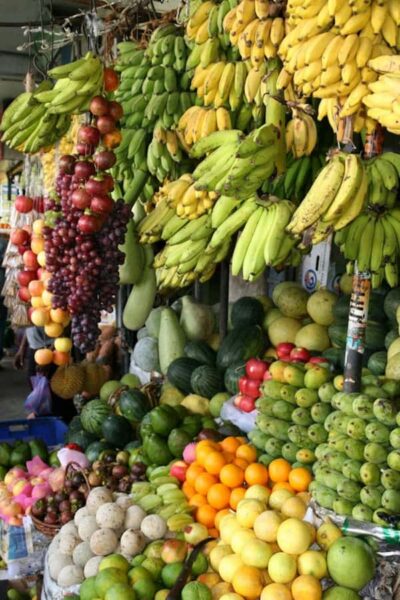
Authentic Kenyan Cooking Class & Market Tour in Nairobi
Read our review →
Hop on Hop off and Maasai market Collections Visit
Read our review →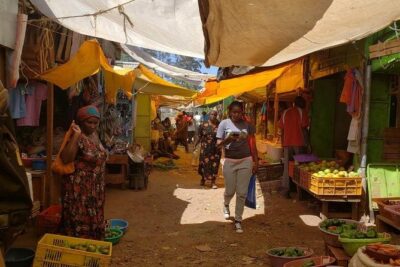
Explore local Market matatu ride & Make Kenyan Cuisines with a home cook
Read our review →
Browse the lists this tour appears in