
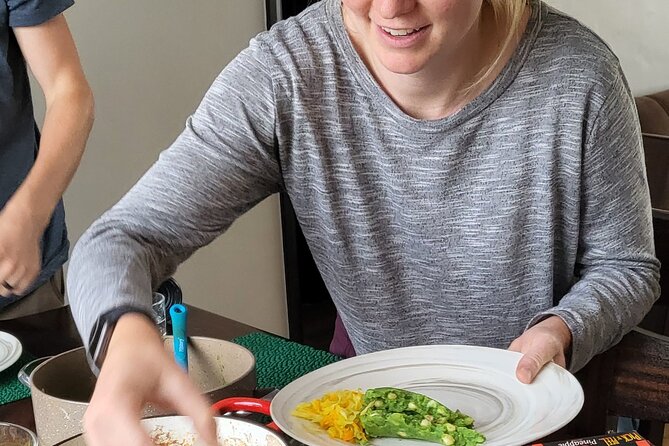
Reviewed · COOKING CLASSES
Traditional Kenyan Cooking Class & Local Market Tour
The best part of this Nairobi outing is that the cooking starts before you reach the kitchen. You shop for fresh produce in a local farmers market, meet the people who sell it, then ride a matatu, Kenya’s lively public transport, to Nimoh’s home for a traditional meal from her community.
I like two things especially: you see how everyday ingredients are bought, and you learn how they become lunch rather than simply eating a finished dish. I also like the relaxed home setting, where cooking comes with stories about food, family, and Kenyan customs.
The main consideration is that this is not a polished demonstration in a restaurant kitchen. You may walk through a busy market, ride public transport, and get your hands messy. You can skip the market, but the full outing suits you best if you want local contact and are comfortable with a little movement and unpredictability.
Key points to know before booking
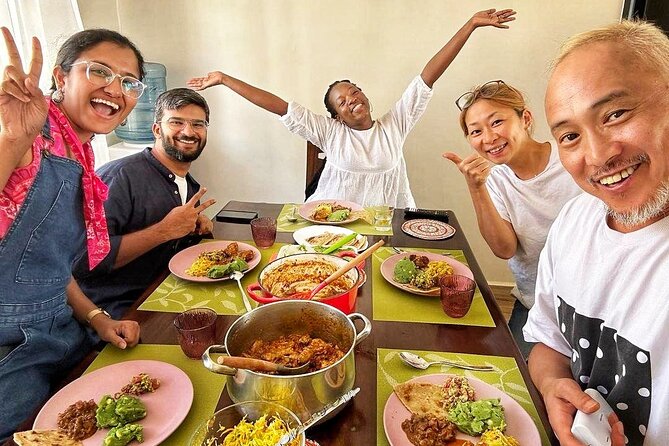
- Three Kenyan experiences in one: The outing combines a farmers market visit, a matatu ride, and a hands-on cooking class.
- Nimoh leads the day: She has worked as a food guide and writer in Kenya for six years, and she hosts the cooking session at her home.
- The market shapes the meal: You help select the ingredients, with guidance on produce, spices, and food choices.
- A real matatu ride: Public transport is part of the cultural experience, not just a way to get from one stop to another.
- A full meal, not a quick lesson: You prepare a main dish, a side dish, and vegetables, then eat together.
- Good value at $50: Grocery shopping, transport as part of the outing, the cooking class, and the meal are included.
Why this is more than a Nairobi cooking class

Many cooking classes begin with neat bowls of prepared ingredients. This one begins in the market, where food is still part of daily life rather than a staged display. You see the produce, compare choices, and learn what matters when buying it.
That difference gives the class useful context. A lesson on Kenyan food makes more sense when you have just seen the vegetables, spices, meats, and street foods available to local shoppers. You are not only learning a recipe. You are seeing the chain from market stall to family table.
Nimoh is the central reason the outing works. She guides you through the practical details, explains the foods and local customs, and keeps an eye on your comfort during the public transport portion. The many five-star ratings and 98 percent recommendation rate reflect a very consistent pattern: visitors value her warmth, her cooking, and her ability to explain Nairobi life without turning it into a lecture.
The cooking portion takes place at her clean, welcoming home. That setting gives the afternoon a personal feel. You are not sitting behind a counter while someone else does the work. You can help prepare the food, watch if you prefer, and sit down with Nimoh afterward for conversation.
A few more Nairobi days to weigh up
- Nairobi National Park Half-Day Tour; Free Wi-Fi connection
★ 5.0 · 878 reviews - Nairobi: National Park & Optional Elephants & Giraffe Center
★ 4.8 · 874 reviews - NAI NAMI: Nairobi Storytelling Tour with Street Children
★ 5.0 · 792 reviews
Meeting at Westlands Square and getting started
The meeting point is Westlands Square on Ring Road Parklands in Nairobi. From there, the group begins the local outing, with the full schedule shared after booking.
The activity lasts about three to three and a half hours. That is enough time for the market, transport, preparation, cooking, and a shared meal, but it is not an all-day food tour. If you have only one free afternoon in Nairobi, the compact format makes sense.
The group can include up to 15 people. That is a reasonable size for a market walk, though the cooking portion may feel more intimate with a smaller group. If you prefer a quiet, private lesson, ask about the group arrangement before booking. The supplied details do not promise a private class.
The market stop is optional. You can meet Nimoh and go directly to the cooking portion if you are tired, pressed for time, or simply want a home meal without the shopping. Still, I would keep the market if you can. It is the part that gives the food lesson its strongest sense of place.
Choosing ingredients at a Nairobi farmers market
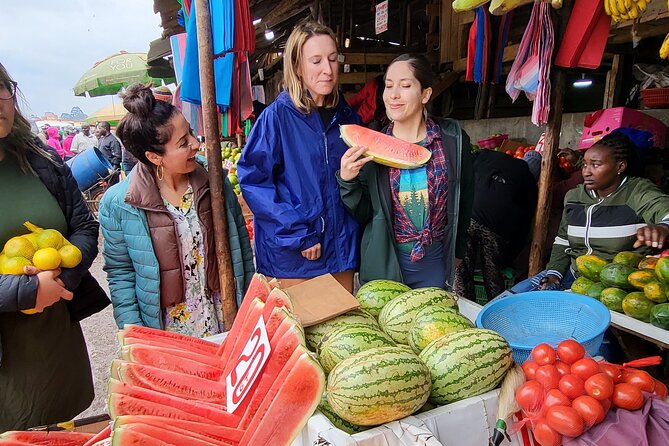
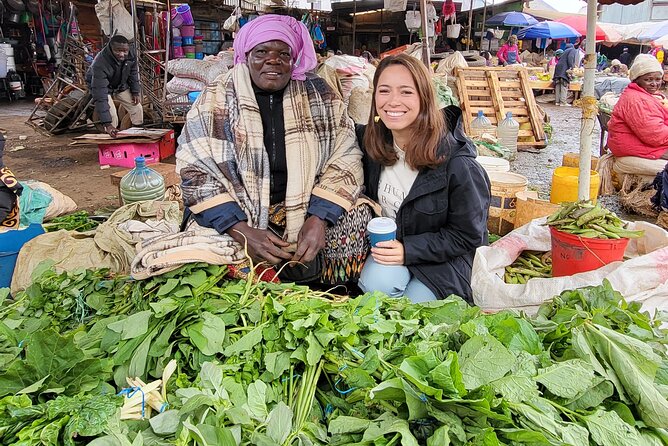
At the market, you help shop for the meal. The grocery cost is included in the $50 price, so you are not paying extra as ingredients are selected.
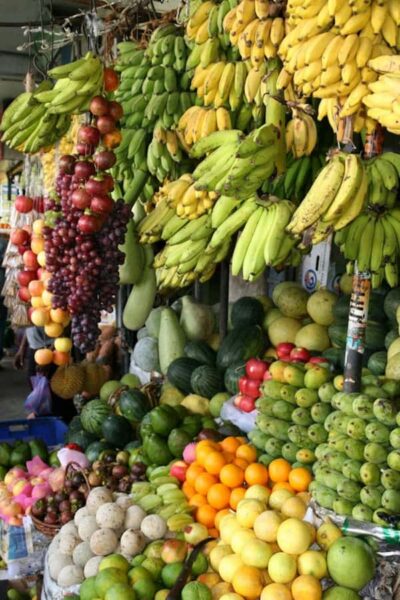
This is a useful chance to see fresh produce as Nairobi residents see it. Nimoh explains what is available and how to choose ingredients for good taste. You may also learn about spices, meats, vegetables, and street food options along the way.
The value here is not only visual. Market shopping teaches you small decisions that a standard food tasting cannot: what looks fresh, what fits the dish, and how food choices connect to Kenyan cooking. You also get direct contact with local sellers and a clearer sense of everyday shopping.
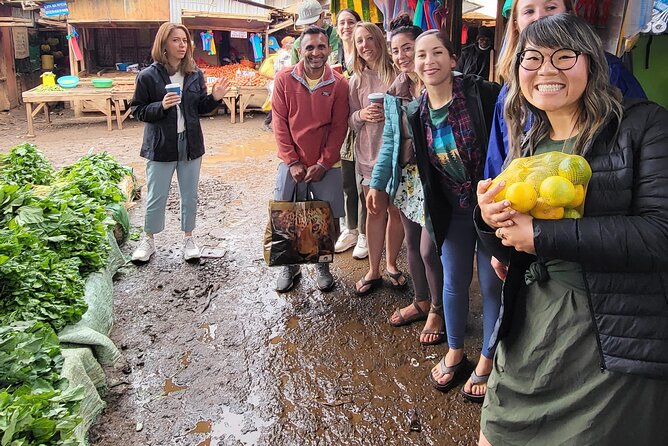
You should expect the market to feel local rather than designed for sightseeing. That is a plus if you want ordinary Nairobi, but it also means the setting may be crowded, noisy, or less predictable than a supermarket. Wear comfortable shoes and keep your belongings secure, as you would in any busy urban market. These are sensible precautions, not reasons to avoid the stop.
If you are not feeling up to the market, skipping it does not cancel the cooking session. You can still join the home-based meal preparation. But if you want the fullest cultural outing, the market is the piece I would not remove.
Taking a matatu through Nairobi
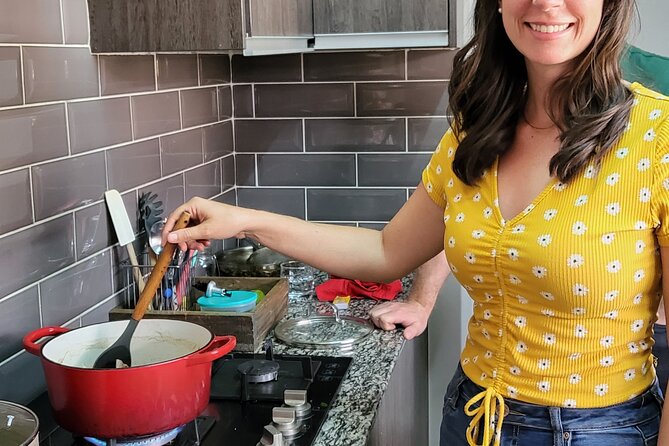
The matatu ride is the most unusual feature of this activity. A matatu is a local public transport vehicle, and riding one gives you a quick look at how Nairobi residents move around the city.
For many visitors, this is their first matatu ride. Nimoh accompanies you, which matters because public transport can feel unfamiliar when you do not know the routes, payment customs, or stops. Her presence turns the ride from a stressful solo experiment into a guided part of the day.
The ride is also the least controlled section. Music may be playing, the vehicle may be lively, and conditions can change with traffic. One person described the music as blasting, which tells you this is not a silent transfer in a private van. If you prefer air-conditioned transport, fixed departure times, and no surprises, this may not be your favorite part.
For me, that is exactly why the matatu belongs here. It adds something a taxi transfer cannot. You are not only moving to the next stop, you are seeing a normal part of Nairobi transport culture. Nimoh also makes safety a priority, and several people found the ride comfortable because she guided them through it.
More Kenyan cooking classes in Nairobi:
- Authentic Kenyan Cooking Class & Market Tour in Nairobi
★ 5.0 · 12 reviews - Private Traditional Kenyan Cooking Class with Lunch in Nairobi
★ 5.0 · 10 reviews - Market Tour and Traditional Kenyan Cooking Class in Nairobi
★ 4.8 · 6 reviews - Local Market Tour and Traditional Meal Cooking Class
★ 5.0 · 4 reviews
Cooking a traditional Kenyan meal from scratch
At Nimoh’s home, the market purchases become a complete Kenyan meal. The class includes a main dish, a side dish, and vegetables, with the exact menu depending on the available ingredients and choices made during the outing.
One especially memorable menu described in the supplied material included chapati, stewed goat, and side dishes. That does not mean every session serves exactly the same food. It does show the kind of substantial, home-style meal you might prepare.
You can participate as much or as little as you want. Nimoh welcomes people who want to chop, stir, shape, and cook, but you can also watch. The promise to get your hands dirty is friendly advice, not a requirement.
This flexible approach works well for mixed groups. An enthusiastic home cook can ask questions and practice techniques, while someone with limited kitchen confidence can observe and still enjoy the meal. The class is less about mastering a formal set of chef skills and more about understanding how Kenyan food comes together in a home kitchen.
Nimoh also shares cooking tips that can be useful beyond this one lunch. You learn how to handle the ingredients you have just selected, rather than following a detached recipe with items you have never seen before. Her food writing background adds another layer, since she can connect the dish to Kenyan culture and daily life.
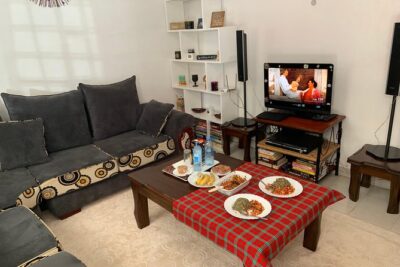
The meal is eaten together over conversation. That shared table is important. It gives you room to ask about traditions, family, local food, and Nairobi, and it keeps the class from feeling like a short cooking transaction.
You may also carry away the food you prepare. That is useful if you are full after eating or want to save part of the meal for later.
What the home setting adds
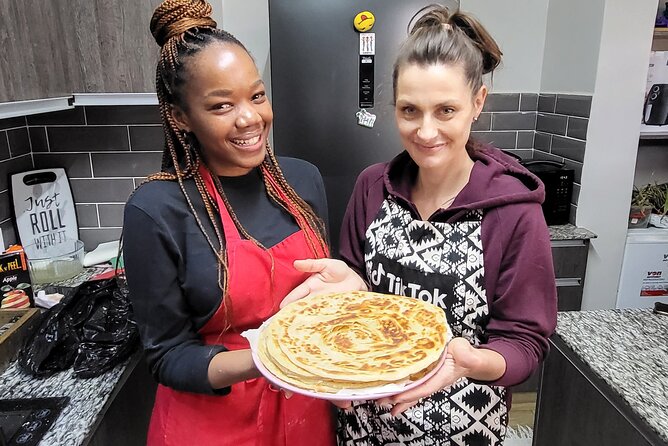
A meal at a local guide’s home can feel more personal than a restaurant class. Here, the setting is described as clean and welcoming, with lifts and wheelchair access in the building. The class location is also accessible for wheelchair users, and service animals are allowed.
The home setting has practical limits, too. This is not a purpose-built cooking school with a large demonstration island or a separate dining room for every group. Space and kitchen tasks may depend on the group size and the flow of the session.
That is a fair trade for the personal contact. You see where the meal is prepared and share food in a normal domestic setting. The result feels closer to being welcomed into someone’s routine than attending a tourist show.
Nimoh’s approach also seems well suited to first-time visitors. She can explain what you are seeing, help you through the matatu ride, and offer suggestions for the rest of your time in Nairobi. If you are arriving early in your trip, the outing can help you get your bearings and understand the city through food.
Dietary needs, comfort, and pace
Vegetarian, pescatarian, and gluten-free options are available if you mention them when booking. Do not wait until you arrive. Advance notice gives Nimoh a fair chance to plan the market purchases and menu.
The activity requires good weather. If poor weather causes cancellation, you are offered another date or a full refund. The same applies if the minimum number of participants is not reached.
You receive confirmation at booking, and the activity ends back at the Westlands Square meeting point. It is near public transport, and the building has lifts. The booking uses a mobile ticket, which is convenient for a city outing where you may not want to carry extra paper.
Cancellation is free up to 24 hours before the start time. Cancel at least 24 hours ahead for a full refund. Within 24 hours, the amount paid is not refunded, and changes are not accepted.
Is $50 a fair price in Nairobi?
At $50 per person, this is good value if you take part in the full three-part outing. The price covers the market shopping, the ingredients, the cooking lesson, the prepared meal, and the guided cultural contact. You also get the matatu portion, which is a meaningful part of the day rather than a hidden transport charge.
A simple cooking class might cost less, but it would not necessarily include a market visit or a public transport ride. A private guide and a meal at a local home could cost more, especially if the outing were arranged just for you.
The value depends on your interests. If you mainly want to eat Kenyan food, you can probably find a less expensive meal. If you want to understand the ingredients, learn preparation methods, meet a local host, and see part of ordinary Nairobi, the $50 price is easier to justify.
The class also includes an intangible benefit: Nimoh’s local guidance. She does not simply hand you a recipe. She explains food choices, talks about Kenyan culture, and helps you navigate an unfamiliar part of the city. That makes the price reasonable for a first visit.
Who will enjoy this outing most?
I would recommend it to you if you want food to be a doorway into local life. It suits curious first-time visitors, couples, solo visitors who like conversation, and small groups that want something more personal than a restaurant meal.
It is also a good fit if you enjoy public transport and do not mind a little noise or spontaneity. The market and matatu sections are not polished sightseeing stops. They are the reason the outing feels different from a standard culinary class.
You may want to choose another activity if you dislike markets, need a completely quiet environment, or want a formal lesson focused on advanced cooking technique. The class is friendly and hands-on, but it is not presented as professional culinary training.
Families and mixed-ability groups should consider the pace and market environment carefully. The home building is accessible, but the supplied details do not describe every part of the market route or vehicle access. Ask for the exact meeting and route information if mobility is a serious concern.
Should you book the Kenyan cooking class?
Yes, if your idea of a good Nairobi afternoon includes fresh food, local conversation, and a bit of public transport adventure. The strongest reason to book is the combination: market shopping gives meaning to the cooking, the matatu ride adds daily city life, and the home meal brings the whole outing together.
Book it early if your schedule is tight. It is commonly reserved about 30 days ahead, and the group is capped at 15 people. Give advance notice for dietary needs, and keep the full market portion if you have the energy.
Skip it if you only want a quick meal or a highly controlled kitchen lesson. For everyone else, $50 buys a generous three-and-a-half-hour introduction to Nairobi through its food, transport, and hospitality.
FAQ
Where does the activity begin?
It begins at Westlands Square, Ring Road Parklands, in Nairobi.
Where does the activity end?
The activity ends back at the meeting point.
How long does the experience last?
It lasts approximately three to three and a half hours.
Is the farmers market visit required?
No. You can skip the market if you are not feeling up to it and still join the home cooking and meal portion.
Is grocery shopping included in the price?
Yes. The $50 price includes the grocery shopping for the meal.
Can I request a special diet?
Yes. Vegetarian, pescatarian, and gluten-free options are available when requested in advance at booking.
Is the cooking class wheelchair accessible?
Yes. The building has lifts and is described as wheelchair accessible.
What is the cancellation policy?
You can cancel at least 24 hours before the start time for a full refund. Cancellations or changes made within 24 hours are not accepted for a refund. If poor weather or an insufficient minimum number causes cancellation, you are offered another date or a full refund.
More Shopping Tours in Nairobi
- Nairobi souvenir Shopping and Historical Half day Tour
★ 5.0 · 61 reviews - Nairobi Cultural Shopping Experience
★ 5.0 · 21 reviews - Nairobi Guided Cultural Shopping Experience Day Tour
★ 4.0 · 12 reviews - Nairobi cultural souvenir shopping tour with a local
★ 5.0 · 12 reviews
More Markets in Nairobi
- Memorable Daily KIBERA Slums/Toi Market Tour with Locals (2 hours)
★ 5.0 · 29 reviews - Half-Day Nairobi National Park and Maasai Market with Pick up
★ 5.0 · 16 reviews - Nairobi: Hop on Hop off and Maasai market Collections Visit
★ 3.5 · 10 reviews - Explore local Market matatu ride & Make Kenyan Cuisines with a home cook
★ 5.0 · 8 reviews
Just added around Nairobi
- Visit kibera Slum the chocolate city★ 4.8 · 3 reviews
- 4 Days Safari to Lake Nakuru N/P and Maasai Mara N/R★ 5.0 · 18 reviews
- Maasai Mara Day Trip★ 5.0 · 15 reviews
- 4 Days Tour Landcruiser in Masai Mara and Lake Nakuru★ 5.0 · 10 reviews
- 3 days maasai mara migration safari★ 4.5 · 7 reviews
- Wildebeest Migration in Masai Mara and Sightseeing 4 Days Tour★ 4.5 · 6 reviews
- Day Tour to Nairobi national park, Elephants, and Giraffe Center★ 3.5 · 8 reviews
- Kibera Slum Tour with a Local★ 5.0 · 15 reviews
Cooking Classes, compared.
Authentic Kenyan Cooking Class & Market Tour in Nairobi
Read our review →
Private Traditional Kenyan Cooking Class with Lunch in Nairobi
Read our review →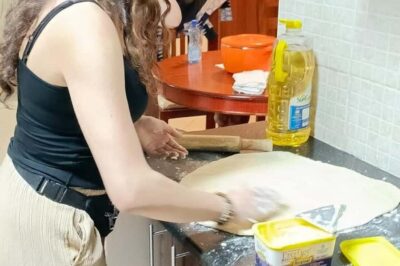
Market Tour and Traditional Kenyan Cooking Class in Nairobi
Read our review →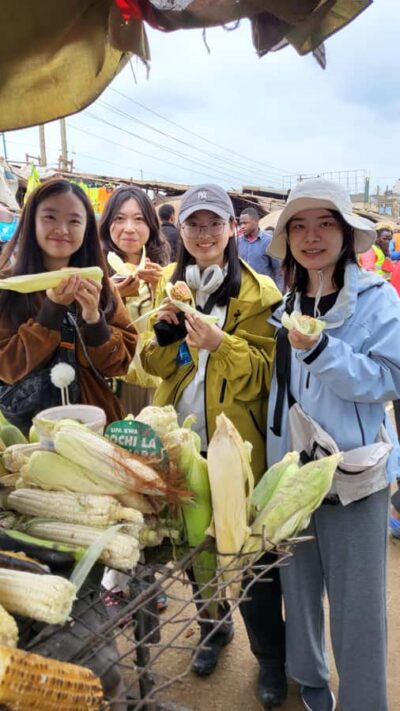
Local Market Tour and Traditional Meal Cooking Class
Read our review →
Private Kenyan Cooking Class in Nairobi with a Local
Read our review →Browse the lists this tour appears in