
Reviewed · COOKING CLASSES
Market Tour and Traditional Kenyan Cooking Class in Nairobi
The best part of this four-hour Nairobi experience is the change of setting: you begin at a local market, then carry your ingredients into a Kenyan home kitchen. I like the market-to-table format and the chance to learn dishes such as ugali, chapati, pilau, and curry. I also like that it is a private session, rather than a crowded class.
There is one practical limitation. The home kitchen is small, so the host does most of the cooking while you help where space allows. That makes this better for cultural insight and shared food than for a hands-on chef course.
Key points
- Start at K Mall Komarock: Meet at the parking lot before heading to the local market.
- Shop for fresh ingredients: Your market visit gives context to the meal, rather than treating cooking as an isolated lesson.
- Learn Kenyan home cooking: The menu can include ugali, chapati, pilau, and Kenyan dishes with Indian influences, including curries.
- Private group setting: You receive more personal attention than in a large class.
- Eat what you help prepare: Food, fruit, soda, and water are included.
- Plan for a small kitchen: You may assist, but the host handles much of the cooking.
From K Mall Komarock to the local market
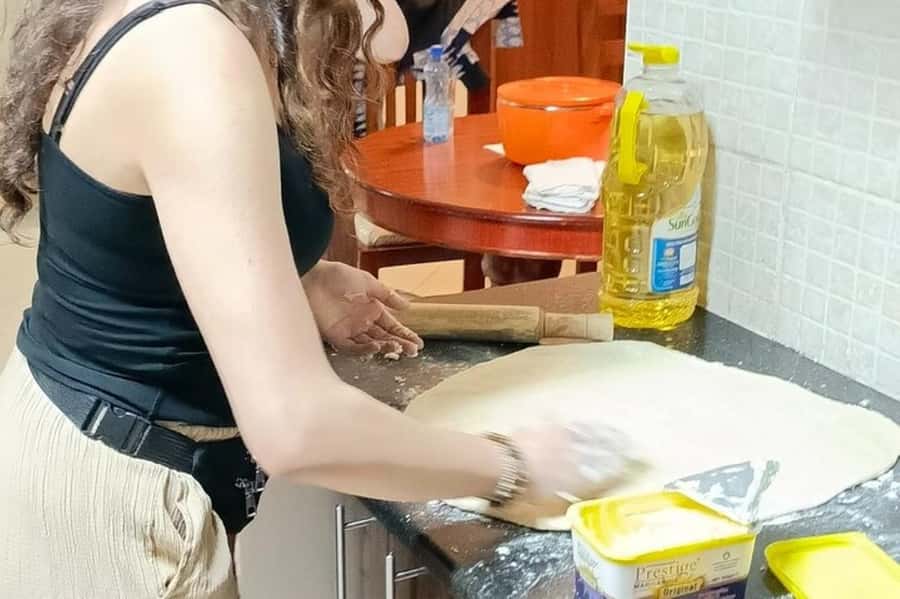
Your meeting point is the K Mall Komarock parking lot. From there, you travel to a local market with the host and begin choosing ingredients for the meal.
This opening matters. You are not simply handed a plate of Kenyan food with a quick explanation. You first see where the meal begins, how ingredients are selected, and how a home cook thinks about the food before it reaches the stove. The market visit also gives you a look at ordinary shopping in Nairobi, which can tell you more about daily life than a polished restaurant can.
The exact market name and shopping list are not specified, so you should expect the selection to depend on the dishes being prepared and what is fresh that day. That is part of the appeal, but it also means the menu is not a fixed restaurant-style promise.
Transport to and from the market is included. Uber fees are not included, so budget separately for any Uber ride you need before meeting the group or after the experience ends. The supplied details do not state that transport is provided from your hotel.
A few more Nairobi days to weigh up
- Nairobi National Park Half-Day Tour; Free Wi-Fi connection
★ 5.0 · 878 reviews - Nairobi: National Park & Optional Elephants & Giraffe Center
★ 4.8 · 874 reviews - NAI NAMI: Nairobi Storytelling Tour with Street Children
★ 5.0 · 792 reviews
Why the market visit improves the cooking class
A cooking class can sometimes feel like a recipe demonstration with a few tourist-friendly stories added on. Here, the market comes first, giving you a useful connection between shopping and cooking.
You can ask about the ingredients as they are selected and see the kinds of supplies used in a Kenyan home meal. The session includes local food and fresh supplies, described as organic in the experience information. Since the host then uses those ingredients at home, the market stop is not just sightseeing. It is part of the meal itself.
I would treat this as a chance to ask simple, practical questions. Which ingredients are common in Kenyan households? Which foods are used for everyday meals? How is a meal planned when several dishes are served together? The guide speaks English and Swahili, so communication is available in both languages.
The market may be busy and informal, and the experience is not designed as a formal food history tour. You will get the most from it if you are interested in seeing how food is bought and prepared in an ordinary setting.
Entering the host’s home kitchen
After shopping, you go to the host’s home and begin preparing the meal from scratch. This is where the experience becomes more personal than a standard restaurant meal or a large cooking school.
Mary Evelyn is named as the cooking host in the experience details, while Evaline Mbugua is listed as the provider. The host welcomes you into a home setting and shares familiar dishes in a small kitchen. The personal scale is important: you are not moving through a production line with a dozen other groups.
The kitchen has limited space, so keep your expectations realistic. The host does most of the cooking, and you help with preparation and selected tasks rather than controlling every step. If you want a professional kitchen, individual work station, and full control of each dish, this is not the right format.
For many people, the small kitchen is also the point. You see how good food can be made with ordinary home equipment and limited room. One booking description specifically praises the host for preparing several dishes in a very small kitchen. That gives you a practical look at home cooking rather than a staged class built around restaurant facilities.
Ugali, chapati, pilau, and curry

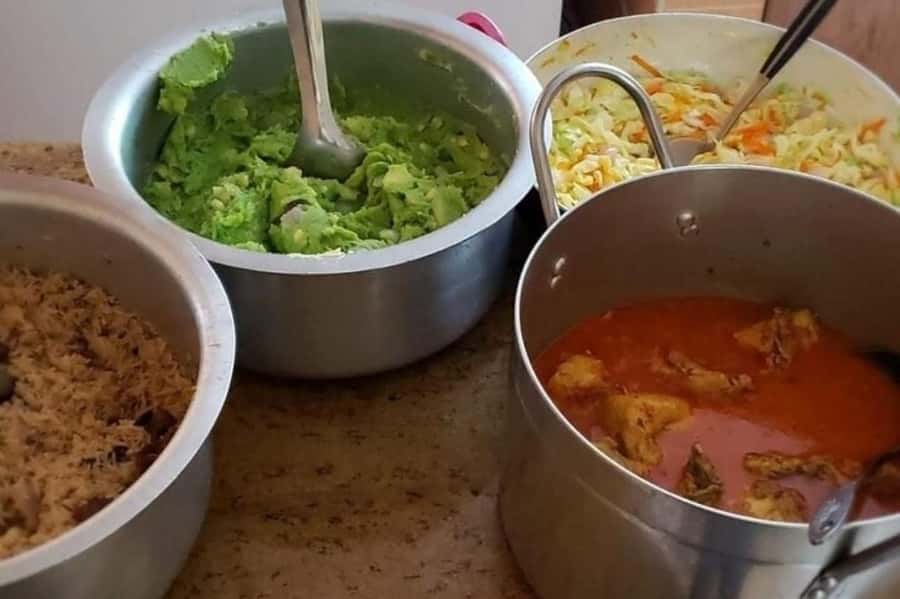
The meal combines Kenyan home cooking with Indian influences. Dishes may include ugali, chapati, pilau, and curries.
Ugali is a firm cornmeal dish and a major part of Kenyan food culture. It is usually served alongside other foods, so learning about it in a home meal gives you more context than seeing it listed on a menu. Chapati is a soft, layered flatbread that the host can teach you to prepare. The bread-making portion is one of the more hands-on parts of the class.
Pilau brings a spiced rice dish into the meal, while curry reflects the Indian influence mentioned in the activity details. The precise recipe is not given, so you should not book this expecting a guaranteed list of every dish. The stated examples provide a good idea of the food style, but the final meal may depend on the market supplies and the host’s plan.
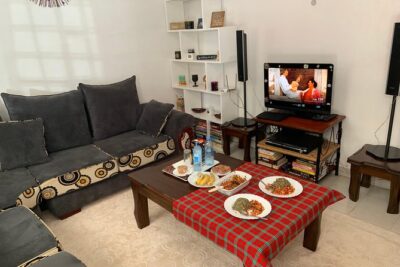
You help prepare the food, then sit down to eat it. Food, fruit, soda, and water are included. That makes the experience feel like a shared meal rather than a demonstration where you leave before the best part.
More Kenyan cooking classes in Nairobi:
- Traditional Kenyan Cooking Class & Local Market Tour
★ 5.0 · 129 reviews - Authentic Kenyan Cooking Class & Market Tour in Nairobi
★ 5.0 · 12 reviews - Private Traditional Kenyan Cooking Class with Lunch in Nairobi
★ 5.0 · 10 reviews - Local Market Tour and Traditional Meal Cooking Class
★ 5.0 · 4 reviews
A private class with a personal pace
The activity is for a private group, which is a major advantage if you want to ask questions or keep the visit relaxed. A private format can also work well for couples, families, or a small group of friends who prefer not to cook beside strangers.
The guide speaks English and Swahili. The supplied details do not specify the maximum number of people, so you should confirm your group size before booking if that affects your decision.
Personal attention is especially useful here because the class is not built around a printed recipe packet or a formal culinary syllabus. You can focus on the food, the host’s methods, and the conversation around daily life in Nairobi. One account describes time spent talking with the host about each other’s lives while preparing food together. That human exchange is a central part of the experience.
Still, private does not mean fully hands-on. The limited kitchen space means you may spend part of the class watching, listening, and helping in turns. I see that as a fair trade for access to a real home environment, but it is worth knowing in advance.
What four hours feels like
Four hours gives the experience room to breathe. You have time to meet at K Mall Komarock, travel to the market, shop for supplies, continue to the home, prepare the food, and eat.
The pace should feel more like a visit than a rushed city stop. The market portion can set the scene, while the meal preparation gives you time to talk and learn. Because the exact starting time is not fixed in the supplied details, check availability when choosing your date.
The length also explains the price. At $55 per person, you are paying for more than a meal. The package includes food and drinks, market transport, a private guide, a market visit, a cooking lesson, and time in a local home. Compared with a simple Nairobi lunch, that is a higher price. Compared with a private cultural activity lasting four hours, it can be good value if you care about conversation and participation.
The value is weaker if you only want to taste Kenyan food quickly. In that case, a restaurant meal costs less and takes less time. This activity earns its price through access, guidance, and the connection between buying ingredients and eating the finished dishes.
The most authentic part is the ordinary setting
The strongest feature is not a famous landmark or a dramatic view. It is the ordinary rhythm of shopping, preparing food, and talking in a home.
That can be more revealing than a polished demonstration. You see how the host works with the available space and how several dishes come together as one meal. You also get a glimpse of market life in Nairobi and the role food plays in welcoming people into a home.
The experience is not a substitute for a broad Nairobi city tour. It does not promise major sights, a full explanation of Kenyan regional cuisine, or a long guided walk through the city. Its focus is narrow and clear: local food, home cooking, and personal contact.
That focus will suit you if you want an activity with a strong cultural angle. It may not suit you if you prefer a tightly scheduled tour with many stops or a class where you prepare every dish yourself.
What to know before booking
Meet at the stated point, K Mall Komarock parking lot. Since Uber fees are excluded, check your transport cost before committing to the booking. The included transport covers the trip to and from the market, not necessarily all movement connected with your day in Nairobi.
Wear something comfortable for a home cooking session, though the supplied information does not specify a dress code or equipment list. You may also want to tell the provider about food restrictions before booking, since the menu includes several dishes and may change with the available ingredients. The provided details do not confirm vegetarian, vegan, halal, allergy, or other dietary arrangements.
Cancellation is flexible up to 24 hours before the activity for a full refund. You can also reserve now and pay later, which is useful when your Nairobi schedule is still changing.
The rating is 4.8 from six reviews, with particularly strong praise for the host’s kindness, the authentic market visit, and the quality of the home-cooked food. I would give those points real weight, while remembering that six ratings represent a small sample.
Who should book this Nairobi food experience?
I would recommend it most to people who value local contact over sightseeing checklists. It is a good match for anyone curious about Kenyan food, home cooking, and market life, especially if you enjoy asking questions and sharing a meal.
It also suits couples and private groups who want a quieter experience. Families may appreciate the simple format, though the small kitchen means not everyone can work at the same time.
Food-focused visitors will get the clearest value. You learn about ingredients at the market, see how dishes are made, and eat the finished meal. The session also works for people who want to meet a local host rather than stay inside a formal cooking studio.
I would hesitate if you need a fully practical cooking course. Because of the space limits, the host handles much of the cooking. I would also hesitate if your schedule is tight or if you are looking for a tour centered on Nairobi’s major sights.
Should you book it?
Book this experience if you want a four-hour window into Nairobi home life, with market shopping, Kenyan dishes, and a private meal at the end. The strongest reasons are the market-to-table structure, the small-group setting, and the chance to learn chapati, ugali, pilau, and curry in a real home kitchen.
At $55 per person, it is worthwhile when you count the food, drinks, market transport, guide, and private format. Just remember that the cooking is partly demonstrational, the kitchen is small, the menu can vary, and Uber costs are extra.
If those limits fit your expectations, this is a warm and personal way to spend part of a Nairobi day. If you want full control of every recipe or a broad city tour, choose another activity.
FAQ
Where does the activity meet?
The meeting point is the K Mall Komarock parking lot.
How long does the experience last?
The activity lasts four hours.
What languages does the guide speak?
The guide speaks English and Swahili.
Is this a private activity?
Yes. The experience is offered for a private group.
What food might I learn to prepare?
The cooking session can include Kenyan and Indian-influenced dishes such as ugali, chapati, pilau, and curries.
Is food included?
Yes. Food, fruit, soda, and water are included.
Is transport included?
Transport to and from the market is included. Uber fees are not included.
Can I cancel for a full refund?
Yes. You can cancel up to 24 hours in advance for a full refund.
More Shopping Tours in Nairobi
- Nairobi souvenir Shopping and Historical Half day Tour
★ 5.0 · 61 reviews - Nairobi Cultural Shopping Experience
★ 5.0 · 21 reviews - Nairobi Guided Cultural Shopping Experience Day Tour
★ 4.0 · 12 reviews - Nairobi cultural souvenir shopping tour with a local
★ 5.0 · 12 reviews
More Markets in Nairobi
- Memorable Daily KIBERA Slums/Toi Market Tour with Locals (2 hours)
★ 5.0 · 29 reviews - Half-Day Nairobi National Park and Maasai Market with Pick up
★ 5.0 · 16 reviews - Nairobi: Hop on Hop off and Maasai market Collections Visit
★ 3.5 · 10 reviews - Explore local Market matatu ride & Make Kenyan Cuisines with a home cook
★ 5.0 · 8 reviews
Just added around Nairobi
- Visit kibera Slum the chocolate city★ 4.8 · 3 reviews
- 4 Days Safari to Lake Nakuru N/P and Maasai Mara N/R★ 5.0 · 18 reviews
- Maasai Mara Day Trip★ 5.0 · 15 reviews
- 4 Days Tour Landcruiser in Masai Mara and Lake Nakuru★ 5.0 · 10 reviews
- 3 days maasai mara migration safari★ 4.5 · 7 reviews
- Kibera Slum Tour with a Local★ 5.0 · 15 reviews
- Wildebeest Migration in Masai Mara and Sightseeing 4 Days Tour★ 4.5 · 6 reviews
- Day Tour to Nairobi national park, Elephants, and Giraffe Center★ 3.5 · 8 reviews
Cooking Classes, compared.
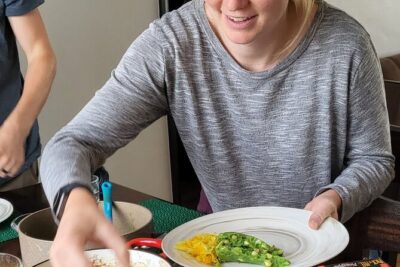
Traditional Kenyan Cooking Class & Local Market Tour
Read our review →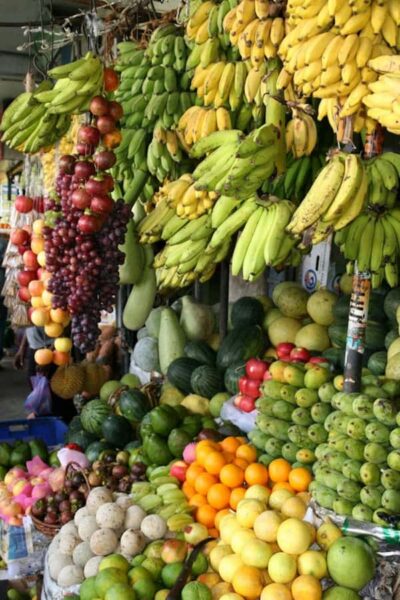
Authentic Kenyan Cooking Class & Market Tour in Nairobi
Read our review →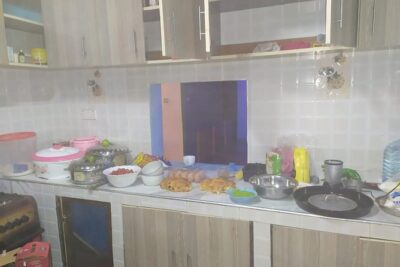
Private Traditional Kenyan Cooking Class with Lunch in Nairobi
Read our review →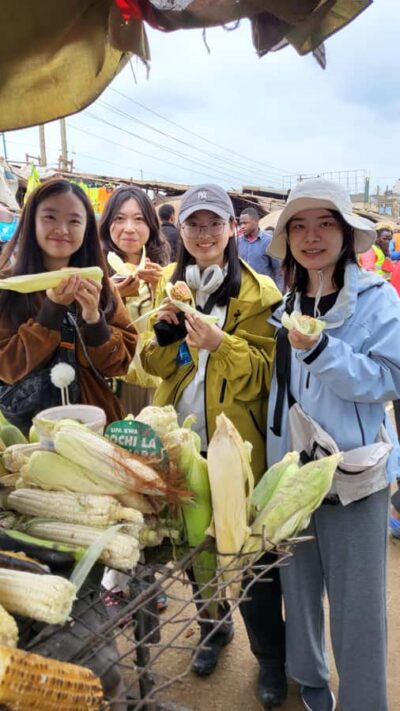
Local Market Tour and Traditional Meal Cooking Class
Read our review →
Private Kenyan Cooking Class in Nairobi with a Local
Read our review →Browse the lists this tour appears in