
Reviewed · WORKSHOPS
Beginner Swahili Woodcarving Classes with Woman Woodcarver
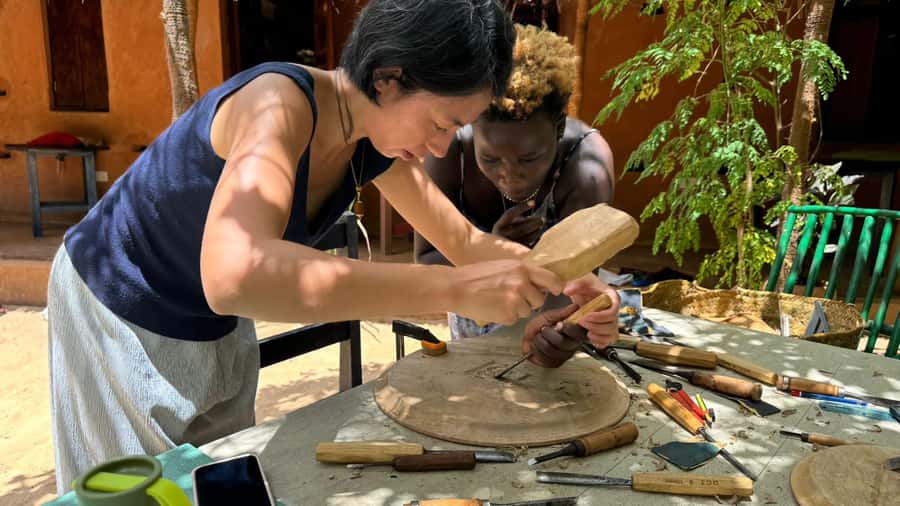
Traditional Swahili woodcarving becomes personal in this three-hour class with Almasi, described as the only woman woodcarving teacher on Lamu Island. You do not just watch a craftsman work. You pick up the tools, learn the basic methods, and leave with a small piece made by your own hands.
I like the calm, patient teaching style and the chance to meet a local woman artist in a private setting. I also like that the class takes place in the peaceful Earth Love Healing Center Garden in Shela, with refreshments included. The main consideration is time: woodcarving is slow work, and three hours may feel long for a young child or anyone hoping for a quick activity.
Key points to know before booking
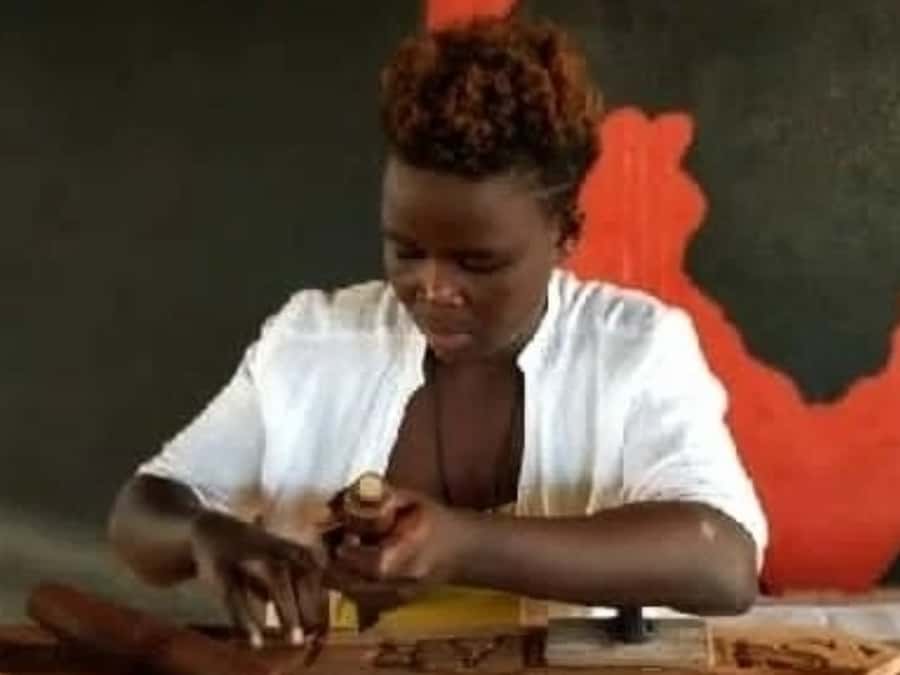
- Learn from Almasi, Lamu’s only woman woodcarving teacher: Her role gives the class a personal angle that you will not get from a standard demonstration.
- Make a souvenir instead of buying one: Your finished piece is a simple reminder of the time, effort, and skill involved in Swahili carving.
- Work in Shela’s Earth Love Healing Center Garden: The setting suits an activity that calls for quiet attention and patience.
- Suitable for beginners aged five and up: Children and adults can take part, though the class is not suitable for anyone under five.
- Private and flexible: The class is for a private group and can take place at the garden, your home, or your hotel by request.
- Bring sun protection and comfortable clothes: You will need a hat, sunscreen, water, and clothes that let you work with ease.
Meeting Almasi in Shela
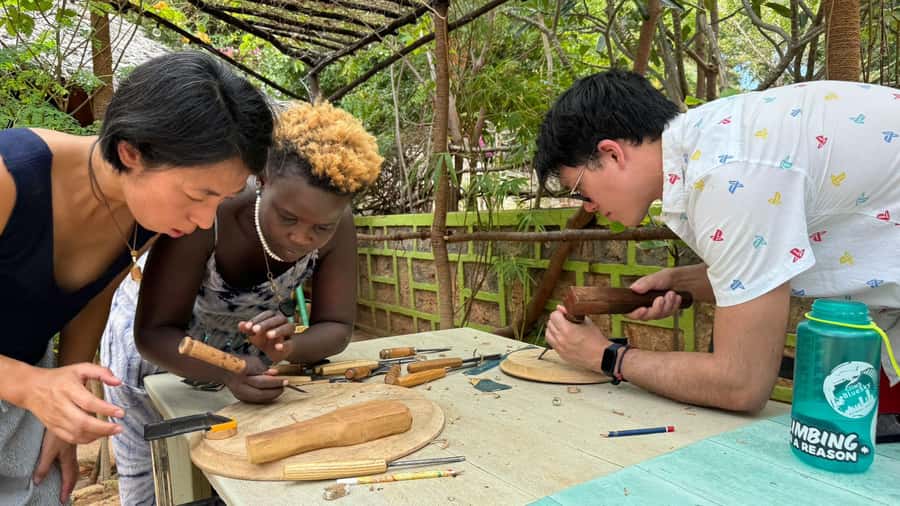
The class begins at Peponi Hotel. Ask at the counter, and the guide will point you toward the meeting arrangement. From there, the class is held at the Earth Love Healing Center Garden in Shela, unless you request a session at your home or hotel.
That meeting point matters because Lamu activities can feel less formal than a coach tour or museum visit. You should arrive with enough time to ask at the counter and get settled. The supplied information does not give a precise walking time from Peponi Hotel to the garden, so confirm the final meeting details when you book.
Almasi teaches in both English and Swahili. That makes the class workable for international visitors, while also keeping the lesson tied to the local language and culture. You can ask questions as you go rather than simply copying a series of movements without knowing why they matter.
The setting is part of the appeal. A garden is a better match for woodcarving than a rushed indoor stop between other activities. You have three hours to sit, listen, handle the tools, and work through the process at a reasonable pace.
A few more Kenya days to weigh up
- Traditional Kenyan Cooking Class & Local Market Tour
★ 5.0 · 129 reviews - Authentic Kenyan Cooking Class & Market Tour in Nairobi
★ 5.0 · 12 reviews - Private Traditional Kenyan Cooking Class with Lunch in Nairobi
★ 5.0 · 10 reviews
Your first lesson with wood and tools
Almasi provides all the materials and tools needed for the class. You do not need to arrive with carving equipment or previous experience. Come in comfortable clothes, with water, sunscreen, and a hat for protection from the sun.
The lesson is designed for beginners, so the early part should focus on safe handling, basic tool use, and the feel of the wood. The exact design is not specified, and you should not expect a fixed catalog of projects unless Almasi explains the choices before you begin.
That flexibility can be useful. A first-time carver needs room to learn rather than a demanding target. You may find that the best part of the class is not producing a perfect object, but learning how much control and patience a simple carved shape requires.
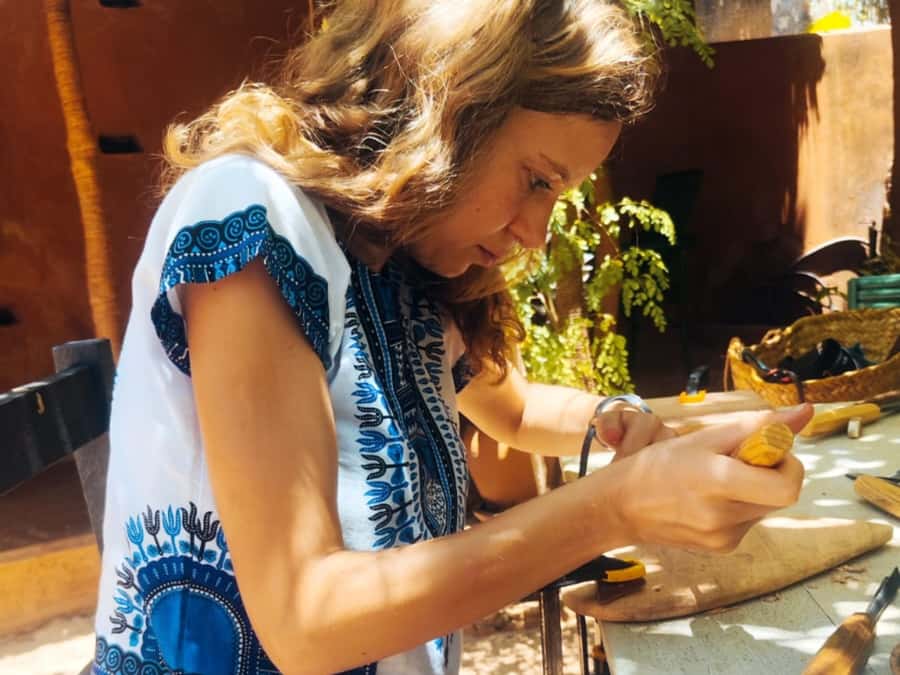
Woodcarving is a hands-on craft. You will need to pay attention to pressure, direction, and small changes in the surface. It is not an activity you can rush while chatting through the whole session. The three-hour length gives you time to make mistakes, receive corrections, and keep working.
The class is also a good reminder that a handmade object has a human pace. A shop souvenir may be easier to buy, but your own piece carries the memory of learning a traditional skill. It may not look like a professional carving, and that is part of the point.
Traditional Swahili techniques in a beginner-friendly format
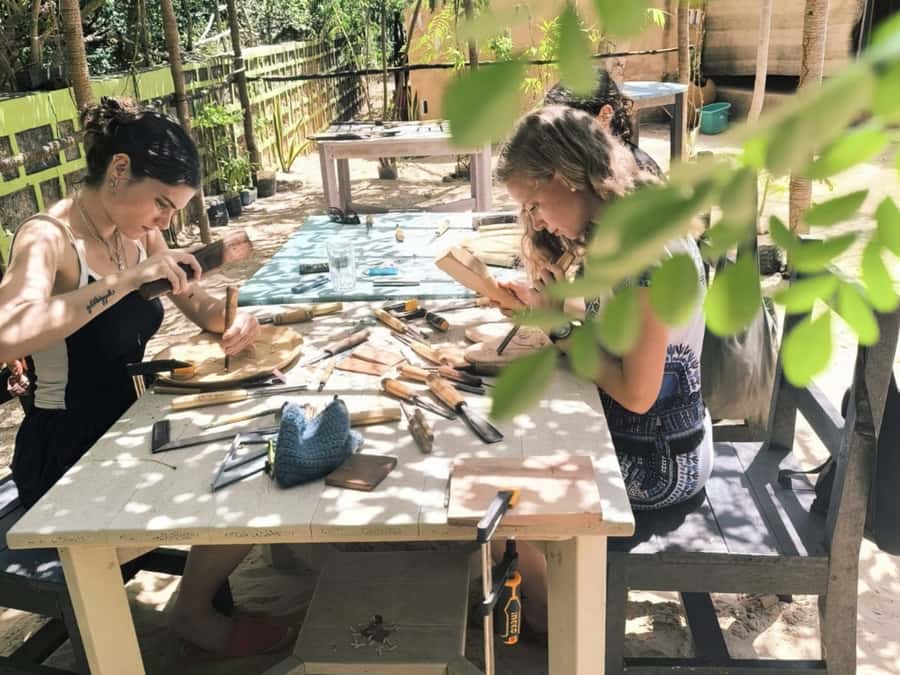
The class introduces techniques passed down through generations. The supplied information does not name a particular carving pattern, wood type, or finished design, so you should treat this as an introductory lesson rather than a specialist workshop focused on one exact style.
That is good news if you are new to carving. You can focus on the basic relationship between tool and wood, while Almasi explains how traditional methods are used. Her teaching is described as patient, attentive, warm, and serious about the work. Those qualities matter when a beginner needs the same motion explained more than once.
The lesson also gives you a closer look at Swahili craft traditions without reducing them to a quick photo stop. You are learning by doing, which makes the cultural context easier to remember. The object you take home becomes a prompt to recall the technique, the setting, and the time spent making it.
I especially like the balance between instruction and participation. You are not asked to sit quietly while someone else demonstrates an admired skill. You are given a chance to try it yourself, with guidance available when the tool or the wood does not behave as expected.
The three-hour pace and what it means for you
Three hours is a substantial block of time for a craft lesson. That length is a benefit if you want a slower cultural activity and enough time to complete your own souvenir. It is less ideal if your Lamu schedule is packed with boat trips, sightseeing, meals, and beach time.
The work itself calls for patience. One of the strongest themes from the class feedback is that carving cannot be hurried. The process is described as humble and grounding, with the wood demanding steady attention. You should book this with the right mood: curious and willing to concentrate, not looking for a quick craft token.
For adults, the pace can be a welcome change from a busy holiday schedule. You get three hours to focus on one task and let the usual sightseeing rhythm drop away. For families, the private format makes it easier to keep the lesson at a comfortable level, though children under five cannot take part.
Older children may enjoy the clear goal of making something to take home. Still, carving tools require attention, and parents should think about their child’s patience and ability to follow instructions. The class is described as suitable for children and adults, but it is not presented as a play session.
Refreshments are provided. They add a thoughtful break to a lesson that requires concentration, though the details of the food and drink are not specified. If you have dietary concerns, ask ahead of time rather than assuming what will be served.
Same departure point, a completely different day out:
- Nairobi National Park Half-Day Tour; Free Wi-Fi connection
★ 5.0 · 878 reviews - Nairobi: National Park & Optional Elephants & Giraffe Center
★ 4.8 · 874 reviews - NAI NAMI: Nairobi Storytelling Tour with Street Children
★ 5.0 · 792 reviews - Nairobi National Park Half-Day Game Drive
★ 4.5 · 738 reviews
Making a souvenir you actually made
The included souvenir is the strongest practical feature of the class. You do not leave with a generic gift selected from a shelf. You leave with an object connected to your own effort.
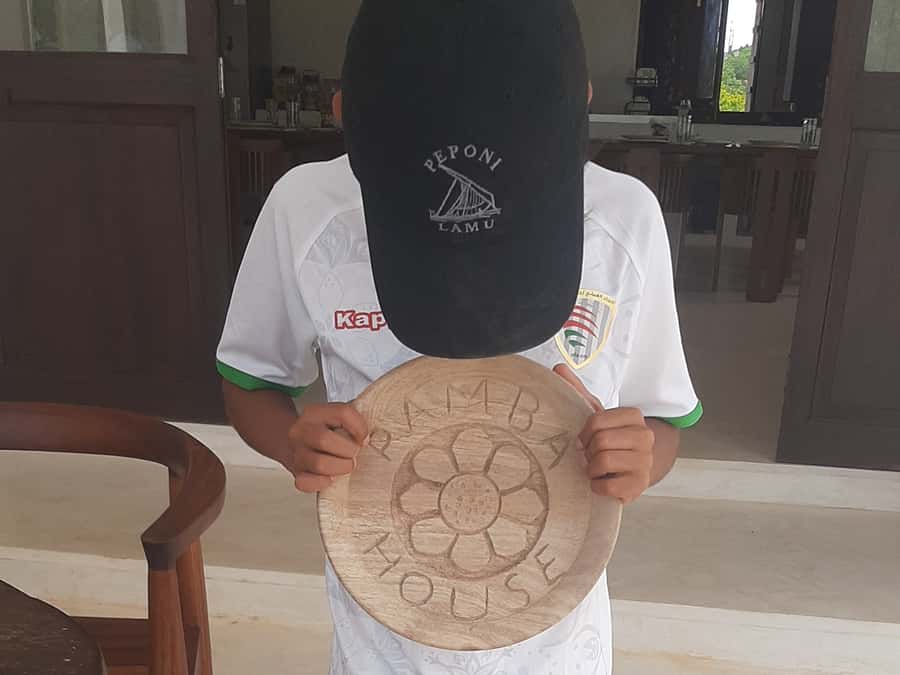
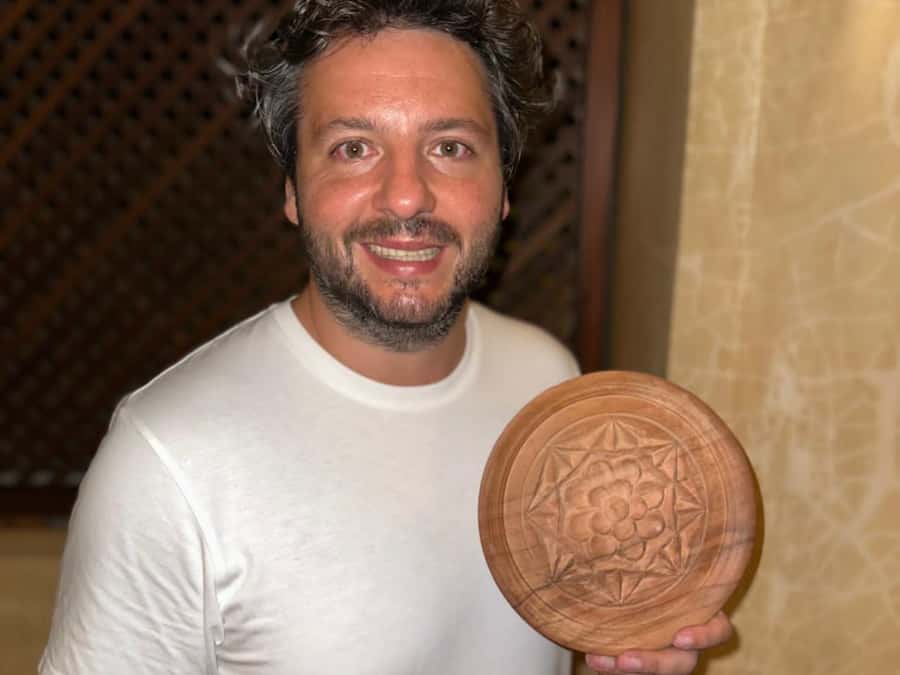
Expect the result to reflect your level of experience. A beginner’s carving may have uneven lines or a less polished finish, and that does not make it a failure. In fact, those marks show where you were learning. Almasi’s guidance helps you make something workable while still allowing the piece to be yours.
This is also where the $75 price becomes easier to judge. You are paying for a three-hour private lesson, instruction from a local artist, all materials and tools, refreshments, and a handmade souvenir. The price is not simply for an item. It covers time, teaching, supplies, and access to a personal cultural activity.
For a solo visitor, $75 is a noticeable spend for one short experience. For a private group, the value depends on how the price is charged and how many people join, since the listed rate is $75 per person. A group of friends or family members can share the setting while each person makes an individual piece.
I would compare it with other activities based on what you want from Lamu. If you only want a low-cost keepsake, buying a carving is cheaper and easier. If you want to understand how such work is made and enjoy a personal lesson, this class offers more lasting value.
Why learning from a woman artist matters
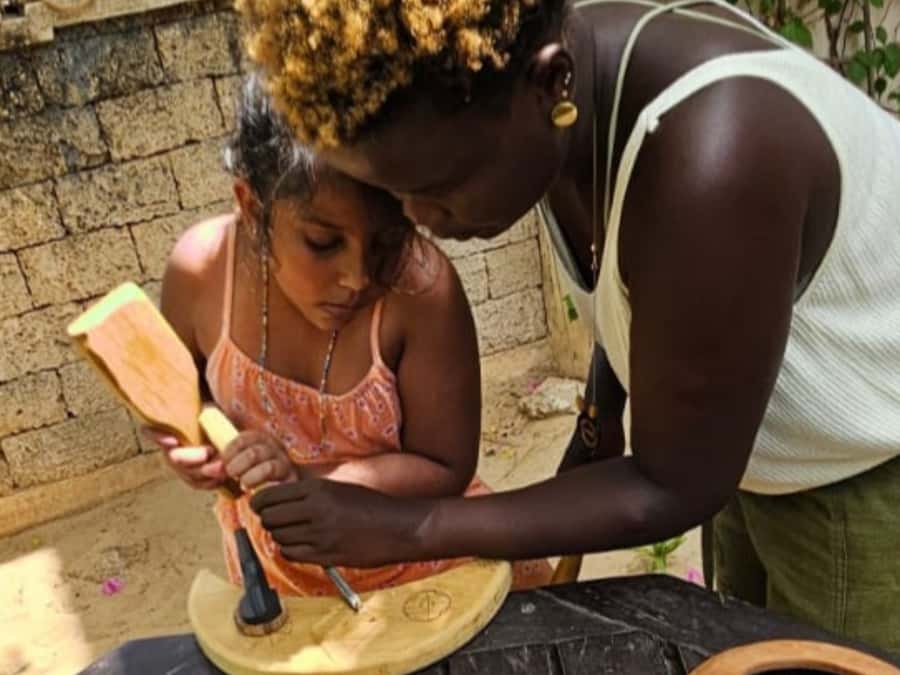
Almasi’s role gives the activity a distinct identity. You are learning from a local woman who works as both an artist and teacher, not from an anonymous craft seller or a large commercial workshop.
That personal connection is central to the class. Her approach is described as calm, supportive, patient, and attentive to detail. These are practical teaching strengths, especially when you are handling tools for the first time and need clear advice without feeling pressured.
You also get a chance to ask about the craft as you work. The supplied details do not promise a formal talk about Lamu’s cultural past, so do not book this expecting a lecture. Instead, expect cultural understanding to come through the tools, the techniques, the setting, and Almasi’s own explanations.
That can feel more natural than a scripted presentation. You learn in small pieces as your hands work. The lesson turns a traditional craft into something you can understand through direct effort.
Private groups, children, and mobility concerns
The class is offered as a private group activity. That is useful if you are traveling with family or friends and want the lesson to suit your own pace. You are not placed into a large mixed group, and you can request that Almasi come to your home or hotel.
The home or hotel option may help if you want to avoid arranging a separate meeting point. Ask about it in advance, since the garden in Shela is the stated class location and the alternate setting is available on request.
The experience is wheelchair accessible according to the activity details, but it is also listed as not suitable for people with mobility impairments. Those statements may depend on the exact setting and the way the class is conducted. If mobility is a concern, contact the provider before booking and explain the support you need.
Children under five cannot join. Children older than five and adults can take part, but the activity rewards patience and careful listening more than high energy. For a family, I would choose it for children who enjoy making things and can stay focused around carving tools.
What to bring for a comfortable session
The packing list is short:
- A hat
- Sunscreen
- Water
- Comfortable clothes
The advice is practical. Even in a garden setting, you should plan for sun and warmth. Comfortable clothes are better than anything delicate or restrictive, since you will be seated and working with your hands for much of the class.
All carving tools and materials are supplied. You do not need to bring a knife, wood, pattern, or protective equipment unless Almasi gives you different instructions after booking. Keep your belongings simple so you can focus on the work.
You should also allow space in your luggage for the finished piece. Its size is not stated, but the class includes a handmade souvenir, so pack it carefully when you leave Lamu.
How the class fits into a Lamu stay
This experience works best when you place it in an open part of your schedule. A three-hour class needs more room than a short stop, and the slow pace is one of its main benefits. Booking it between tightly timed plans could make the lesson feel like an obligation.
Shela is a natural fit for the activity because the class is held there, in the Earth Love Healing Center Garden. The location also gives you a reason to spend time in a quieter part of Lamu rather than treating the island as a checklist of sights.
The activity does not include stated transport, sightseeing, or a meal. Refreshments are provided, but you should plan your own route to Peponi Hotel and confirm how the garden meeting will work. The class can also come to your hotel or home if arranged ahead of time.
Flexible booking terms make planning less risky. You can cancel up to 24 hours before the class for a full refund, and the reserve-now, pay-later option lets you hold a place without paying immediately. Check the available starting times before you settle it into your day.
What the praise gets right
The strongest praise centers on Almasi herself. Her patience, kindness, careful explanations, and professional approach appear again and again in the feedback. That is exactly what you want in a beginner craft class: a teacher who takes the work seriously without making you feel foolish for starting at the beginning.
The personal welcome also matters. Refreshments and a snack offered during the experience add warmth, but they are secondary to the teaching. The real value is having time with an artist who explains how to use the tools and gives you room to build confidence.
The class receives a 5 out of 5 rating from three verified bookings. That is a strong result, though it is still a small number of ratings. I would take it as a clear sign that the teaching style is well received, not as proof that every student will love a three-hour carving session.
Should you book this woodcarving class?
Book it if you want a personal connection to Lamu culture, enjoy making things, and have three unhurried hours available. It is especially well suited to couples, families with older children, and small private groups who would rather create something than simply shop for souvenirs.
I would skip it if you dislike slow handwork, need a fast activity, or want a polished professional carving made for you. The point is to learn and try, so your finished piece may look more like a first effort than a gallery object.
At $75 per person, the class is a fair choice for visitors who value instruction, local contact, and a souvenir with a story behind it. Almasi’s patient teaching and the quiet Shela setting give the experience its main appeal. Bring sun protection, leave your schedule open, and expect the wood to set the pace.
FAQ
Where does the woodcarving class take place?
The class is held at the Earth Love Healing Center Garden in Shela, Lamu Island. The meeting point is Peponi Hotel, where you can ask at the counter to be directed to the guide.
Can the class take place at my hotel or home?
Yes. Almasi can come to your home or hotel upon request. Arrange this before the class so the location is clear.
Is the class suitable for beginners?
Yes. The lesson is designed for beginners and is suitable for both children and adults, provided children are at least five years old.
What does the $75 price include?
The price includes the three-hour class, all necessary materials and tools, your handmade souvenir, and refreshments.
What languages does Almasi speak?
The class is offered in Swahili and English.
What should I bring?
Bring a hat, sunscreen, water, and comfortable clothes. All necessary carving materials and tools are provided.
Can I cancel the booking?
You can cancel up to 24 hours in advance for a full refund. A reserve-now, pay-later option is also available.
Just added around Kenya
- Watamu: Sunset Mangrove Canoe Tour with Coconut Drink★ 3.6 · 8 reviews
- Tsavo East and Tsavo West Sanctuary Safari★ 5.0 · 3 reviews
- Tsavo East National Park: 2-Day Tour from Mombasa★ 3.9 · 5 reviews
- Visit kibera Slum the chocolate city★ 4.8 · 3 reviews
- Agro-Tourism Tea Workshop in Nandi Hills★ 5.0 · 3 reviews
- Lake Nakuru NP Half-Day Safari★ 4.0 · 4 reviews
- 3 days Maasai Mara safari from Nairobi★ 5.0 · 3 reviews
- Lake Nakuru Day Trip Safari – & Optional Lake Naivasha Boat★ 5.0 · 5 reviews
Workshops, compared.

Traditional Kenyan Cooking Class & Local Market Tour
Read our review →
Authentic Kenyan Cooking Class & Market Tour in Nairobi
Read our review →
Private Traditional Kenyan Cooking Class with Lunch in Nairobi
Read our review →
Market Tour and Traditional Kenyan Cooking Class in Nairobi
Read our review →
Local Market Tour and Traditional Meal Cooking Class
Read our review →
Private Kenyan Cooking Class in Nairobi with a Local
Read our review →
Browse the lists this tour appears in