
Reviewed · MARKETS
Nairobi: Maasai Market and Nairobi City Tour
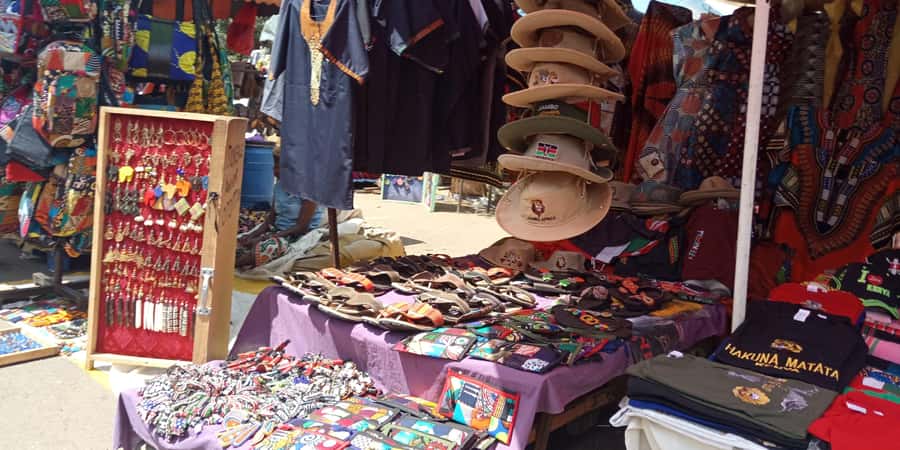
Nairobi’s story comes into focus when you walk from its monuments and civic buildings to the lively Maasai Market, where painted crafts, carved goods, and decorative Maasai designs fill the stalls. This private tour gives you a useful first look at the city rather than keeping you inside a vehicle.
I like the mix of history and everyday city life, especially the stops at the Dedan Kimathi and Tom Mboya monuments. I also like the small local touch: you can try a snack at Nairobi City Market and learn a few Swahili words from your guide. The main consideration is the walking. With several city stops and no wheelchair access, this is best for people comfortable on their feet.
Key points at a glance

- A private city walk with hotel pickup and drop-off: You get an English-speaking guide and do not share the group with strangers.
- Nairobi’s past is told through monuments: Dedan Kimathi, Tom Mboya, Kipande House, the Kenya Archives, and Parliament Buildings each add a different piece.
- The Maasai Market brings craft shopping into the tour: You can look at decorative arts and Maasai designs with a guide nearby.
- Nairobi City Market adds a food stop: Choose a snack at a traditional Nairobi restaurant, though food and drinks cost extra.
- The tour covers old and modern Nairobi: You see civic landmarks, central streets, newer buildings, and the city skyline.
- Guide quality matters here: Paul is specifically praised for clear explanations, a calm manner, and helping visitors feel safe in the city centre.
A four to five-hour introduction to Nairobi
This is a compact Nairobi orientation tour, built around walking, short visits, and explanation rather than a single major attraction. You begin with pickup from your accommodation, then spend about three hours on the guided city portion before visiting Uhuru Gardens and the Maasai Market.
The exact starting point depends on the option you choose. At the end, drop-off is listed at two possible locations in Nairobi, including International House, so check the selected option carefully when booking.
A private group is a real advantage in a city tour like this. You can ask why a monument matters, pause for a closer look, or spend a little more time at a market stall without trying to keep up with a large party. One note from the tour details says your guide may ask if you want to take a local bus into the centre. That gives you a choice between a more local transfer and the vehicle arrangement included with your booking.
You receive 500 millilitres of mineral water. Food and other drinks are not included, so bring some spending money for the snack and for any market purchases.
More City Tours in Nairobi
- Nairobi Historical Walking City Tour
★ 5.0 · 258 reviews - Nairobi City Walking Tour with Traditional Kenyan Lunch
★ 5.0 · 106 reviews - Nairobi Cultural and Historical City Tour with a Local
★ 5.0 · 67 reviews
Starting with Nairobi’s old and new sides
The city section is the heart of the tour. Your guide introduces Nairobi’s history, points out important buildings, and explains how older landmarks fit beside the modern part of the capital. You also get skyline views, which help you understand Nairobi as a working city rather than just a set of isolated monuments.
I find this kind of introduction useful at the start of a Kenya trip. It gives names and context to places you might otherwise pass without noticing. The tour is not only about grand buildings. It also shows how public spaces, memorials, religious buildings, libraries, markets, and government offices sit close together in central Nairobi.
The walking format means you should expect a steady urban outing, not a relaxed drive with only a few stops. The available information does not give an exact walking distance or detailed pavement conditions, so comfortable shoes are a sensible choice. People with mobility impairments may find the pace and surfaces difficult, and the activity is not suitable for wheelchair users.
Uhuru Gardens and the meaning of public space

Uhuru Gardens is scheduled as a 30-minute visit. The stop gives you room to consider Kenya’s national story in a large public setting before returning to the denser city centre.
Your guide’s role is important here. Rather than simply taking a photograph and moving on, you can ask about the garden’s place in Nairobi and its modern relevance. The supplied details do not specify individual displays or monuments inside the gardens, so do not book this expecting a particular exhibit. Think of it as a short, guided pause that adds national context to the city walk.
Thirty minutes is enough for an introduction, though not for an extensive visit. If you prefer long periods at each site, the overall schedule may feel brisk. If you want a broad first look at Nairobi within half a day, the timing makes sense.
Dedan Kimathi and Tom Mboya in the city centre
The Dedan Kimathi Monument and Tom Mboya Monument are among the most useful stops for understanding Kenya through people rather than dates alone. Your guide explains the historical information and present-day importance of each memorial.
The tour details do not provide a full biography of either figure, and I would not treat this as a specialist political history tour. Its strength is the direct connection between a public monument and the city around it. You stand in the places where Nairobi’s daily business continues, then learn why these names remain part of Kenya’s public memory.
The stops also suit curious first-time visitors. You do not need prior knowledge to follow the explanations, and you can ask your guide to clarify names, events, or terms. Paul, one of the named guides associated with this experience, received specific praise for explaining buildings and places clearly. That kind of clear commentary is more useful than a long speech packed with dates.
A few more Nairobi days to weigh up
- Nairobi National Park Half-Day Tour; Free Wi-Fi connection
★ 5.0 · 878 reviews - Nairobi: National Park & Optional Elephants & Giraffe Center
★ 4.8 · 874 reviews - NAI NAMI: Nairobi Storytelling Tour with Street Children
★ 5.0 · 792 reviews - Nairobi National Park Half-Day Game Drive
★ 4.5 · 738 reviews
Nairobi City Market and a local snack
Nairobi City Market brings the tour down from national history to ordinary city life. You can look at food stalls and local trading activity, then choose a snack at a traditional Nairobi restaurant.
The snack is not included in the $35 price, so treat it as an optional extra rather than a hidden part of the package. You choose what you want, which is helpful if you have dietary limits or simply want to sample a small item instead of ordering a full meal. The available information does not name the restaurant, list specific dishes, or confirm dietary options, so ask your guide what is available on the day.
This is one of my favorite parts of the plan because food makes a city easier to understand. A short stop at a market gives you a reason to pause, look around, and ask questions. You are not only hearing about Nairobi. You are also seeing where people shop and eat.
Do not expect a food tour with several tastings. The schedule describes a snack of your choice, not a series of courses. That keeps the cost low, but you should choose a different experience if food is your main reason for booking.
McMillan Library, Kipande House, and the Kenya Archives
The McMillan Memorial Library, Kipande House, and the Kenya Archives add architectural and civic detail to the route. These are the sorts of places that can disappear into the background when you explore alone, especially if you are focused on traffic and directions.
Your guide explains the historical and modern-day relevance of the buildings you pass. That matters because the tour is designed to connect the old and new parts of Nairobi. You are not simply collecting photographs. You are learning why a library, archive, or older public building belongs in the city’s story.
The information provided does not promise entry into each building. Plan on viewing the sites from the outside unless your guide tells you otherwise. This is an important expectation to set. The value comes from the route and the explanation, not from guaranteed interior access.
Kipande House and the Kenya Archives are also good examples of why a guide can improve a short city visit. Without local context, their names may mean little. With a guide, each stop becomes part of a larger account of Kenya’s public life.
Parliament Buildings and All Saints Cathedral
The Parliament Buildings and All Saints Cathedral show another side of central Nairobi. One represents government and national administration. The other brings a religious and architectural landmark into the walk.
Again, this is primarily an exterior and commentary-based visit according to the information supplied. Do not assume that the tour includes a formal parliamentary visit or a cathedral service. You are there to see the sites and understand their place in the city.
I like this pairing because it keeps the route varied. Monuments can begin to blur together on a short city tour. A government complex and a cathedral change the rhythm and give your guide different subjects to explain.
The stop also helps you read Nairobi’s skyline. The route includes time in the modern part of the city, where newer buildings rise around older institutions. That contrast is one of the clearest ways to understand the capital during a first visit.
The Maasai Market and decorative arts
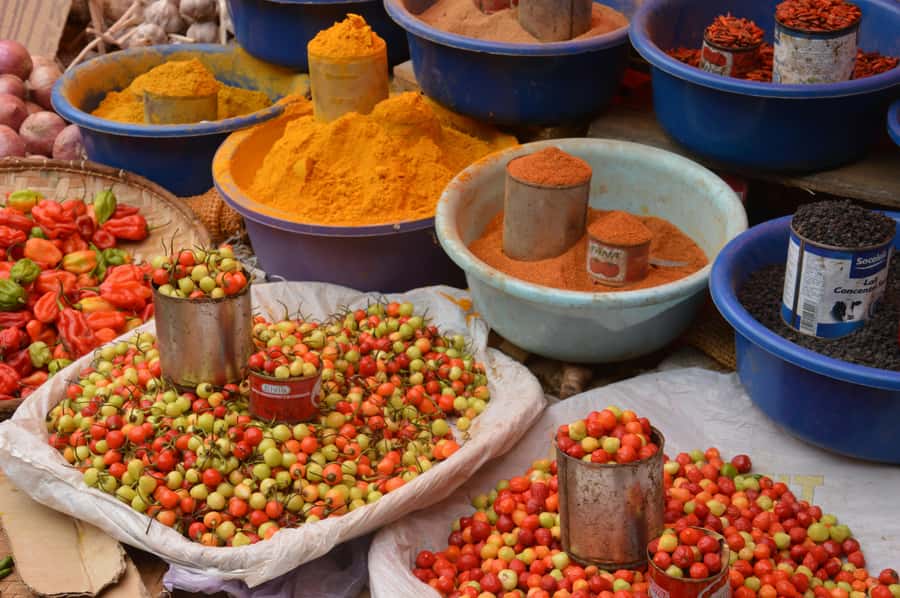
The Maasai Market is the most hands-on part of the experience. You can browse decorative arts associated with Maasai culture and see the colors, patterns, and forms used in crafts sold in Kenya.
The scheduled visit lasts about 30 minutes. That is enough for a first look, but it is not a long shopping session. If you want to compare many stalls or negotiate over several purchases, you may wish you had more free time.
A guide is useful here for two reasons. First, you can ask questions about the objects and their cultural connection. Second, you have someone to help you understand the setting and move through the market with more confidence. The tour description presents the market as a chance to learn about Maasai decorative arts, not as a promise that every item is handmade or directly produced by Maasai artists. Keep that distinction in mind when shopping.
You should also decide in advance how much you want to buy. The $35 price covers the guided experience, not souvenirs. A short market visit can become expensive if you feel pressured to purchase every attractive item. Browse first, ask questions, and buy only what you truly want to carry home.
Learning a few Swahili words
The language lesson is small but worthwhile. Your guide teaches you some Swahili words during the outing, giving you a simple way to greet people and connect with the city beyond the sightseeing points.
This is not a formal language class. The number of words and the time spent on them are not specified. Still, a few local expressions can make a market or food stop feel more personal. You can ask your guide to repeat pronunciation and write down the words if that helps.
I prefer this kind of practical cultural detail to a long lecture. It gives you something to use during the rest of your Kenya trip, even if you only remember a handful of phrases.
What the $35 price really covers
At $35 per person, the tour offers solid value if you want transport, a private guide, and a broad introduction to Nairobi in one half-day. Hotel pickup and drop-off remove the need to arrange a separate transfer, while the English-speaking guide gives structure to a route that would be harder to follow alone.
The value is strongest for first-time visitors, people with a short stay, and anyone who wants a local explanation of central Nairobi. You see many named sites, visit two markets, learn some Swahili, and get a snack opportunity without committing to a full-day excursion.
The price is less compelling if you want extended shopping time, museum interiors, a serious food itinerary, or a slow photographic walk. Food and drinks are extra, and the listed 500-millilitre water bottle is modest for a four to five-hour outing. Carry extra water if allowed and practical, especially if the day is warm.
Because the group is private, the price may also make more sense for two or more people booking together than for a solo visitor. The experience is priced per person, so compare the total against other private city tours before booking.
Advice on timing, comfort, and pace
The activity lasts four to five hours, with starting times based on availability. Since the tour combines pickup, about three hours in Nairobi, a 30-minute visit to Uhuru Gardens, and a 30-minute Maasai Market visit, allow a full half-day rather than trying to squeeze it between two fixed appointments.
Wear comfortable shoes and expect walking through the city. The tour is not suitable for people with mobility impairments or wheelchair users. The details do not specify restroom stops, exact walking distances, or the amount of time spent inside vehicles, so ask before booking if those points affect your plans.
The private format can help with pace, but it does not remove the basic demands of an urban walking tour. You may spend time moving between landmarks, crossing busy streets, and stopping in public areas. Your guide’s calm manner is especially useful here. One account of the tour describes feeling safe around the guide, and Paul is singled out for clear explanations of the city’s places and buildings.
Who should book this Nairobi tour?
I would recommend it to you if this is your first visit to Nairobi and you want a guided orientation before exploring on your own. It suits adults, couples, families with older children, and anyone who enjoys learning from monuments, public buildings, and markets.
It is also a good fit if you have only half a day. The route covers a lot without requiring a full-day commitment. Hotel pickup makes it practical when you are still getting used to Nairobi’s layout.
You should think twice if you dislike walking, want a quiet vehicle-based sightseeing trip, or need guaranteed wheelchair access. You should also choose another activity if your main goal is a long Maasai Market shopping session or a detailed food experience.
Should you book this experience?
Book this tour if you want a friendly, structured first look at Nairobi that combines national history, city landmarks, markets, local food, and a few Swahili words. The strongest reasons are the private format, hotel transport, and guides who explain the city in a calm, clear way.
Skip it if you need long visits inside attractions or have limited mobility. For everyone else, $35 is a fair entry price for a half-day introduction, provided you budget extra for food and purchases and arrive ready to walk.
FAQ
How long does the Nairobi city and Maasai Market tour last?
The activity lasts approximately four to five hours. The guided Nairobi portion is listed as about three hours, followed by visits to Uhuru Gardens and the Maasai Market.
Is hotel pickup included?
Yes. Hotel pickup and drop-off are included, with the exact starting and ending locations depending on the option selected.
What language does the guide speak?
The live tour guide speaks English. The experience also includes learning some Swahili words during the tour.
Is this a private tour?
Yes. The group type is private, so you take the tour with your own group rather than joining a shared group.
Is food included in the price?
No. Food and drinks are not included. You can choose a snack at a traditional Nairobi restaurant, but you pay for it separately.
Is bottled water provided?
Yes. The tour includes one 500-millilitre bottle of mineral water.
Is the activity suitable for wheelchair users?
No. The experience is not suitable for wheelchair users or people with mobility impairments.
Can I cancel the booking?
Yes. You can cancel up to 24 hours in advance for a full refund. The booking option also allows you to reserve now and pay later.
More Shopping Tours in Nairobi
- Nairobi souvenir Shopping and Historical Half day Tour
★ 5.0 · 61 reviews - Nairobi Cultural Shopping Experience
★ 5.0 · 21 reviews - Nairobi Guided Cultural Shopping Experience Day Tour
★ 4.0 · 12 reviews - Nairobi cultural souvenir shopping tour with a local
★ 5.0 · 12 reviews
More Markets in Nairobi
- Traditional Kenyan Cooking Class & Local Market Tour
★ 5.0 · 129 reviews - Memorable Daily KIBERA Slums/Toi Market Tour with Locals (2 hours)
★ 5.0 · 29 reviews - Half-Day Nairobi National Park and Maasai Market with Pick up
★ 5.0 · 16 reviews - Authentic Kenyan Cooking Class & Market Tour in Nairobi
★ 5.0 · 12 reviews
Just added around Nairobi
- Visit kibera Slum the chocolate city★ 4.8 · 3 reviews
- 4 Days Safari to Lake Nakuru N/P and Maasai Mara N/R★ 5.0 · 18 reviews
- Maasai Mara Day Trip★ 5.0 · 15 reviews
- 4 Days Tour Landcruiser in Masai Mara and Lake Nakuru★ 5.0 · 10 reviews
- 3 days maasai mara migration safari★ 4.5 · 7 reviews
- Kibera Slum Tour with a Local★ 5.0 · 15 reviews
- Wildebeest Migration in Masai Mara and Sightseeing 4 Days Tour★ 4.5 · 6 reviews
- Day Tour to Nairobi national park, Elephants, and Giraffe Center★ 3.5 · 8 reviews
Markets, compared.

Traditional Kenyan Cooking Class & Local Market Tour
Read our review →
Memorable Daily KIBERA Slums/Toi Market Tour with Locals (2 hours)
Read our review →
Mombasa City Tour,Fortjesus,Oldtown,Tusks and Spice Market.
Read our review →
Half-Day Nairobi National Park and Maasai Market with Pick up
Read our review →
Authentic Kenyan Cooking Class & Market Tour in Nairobi
Read our review →
Hop on Hop off and Maasai market Collections Visit
Read our review →
Explore local Market matatu ride & Make Kenyan Cuisines with a home cook
Read our review →
Browse the lists this tour appears in