

Reviewed · KIBERA SLUM TOURS
Nairobi: Kibera Slum storytelling tour with a Local
Kibera is not a sightseeing backdrop. It is a working community, and this tour gives you a local guide who can explain it with care. You walk through narrow, unmarked lanes, visit Toi Market and a community school, and hear personal stories from guides such as Elijah, Peter, Effie, and Lucas, several of whom grew up here. The most valuable part is the human context: Kibera is presented through its families, workers, artists, teachers, and young organizers, not just its poverty.
I like the way the tour supports a local school, with 20 percent of ticket proceeds directed toward it, and I like the chance to visit an actual home rather than simply pass through from a vehicle. The guides also point out practical projects, from recycled-material art to women’s work groups and community services. The main consideration is that this is a physically demanding walk through rough, crowded lanes, and the subject matter can be confronting. This is not a polished Nairobi attraction.
Key points to know before you go
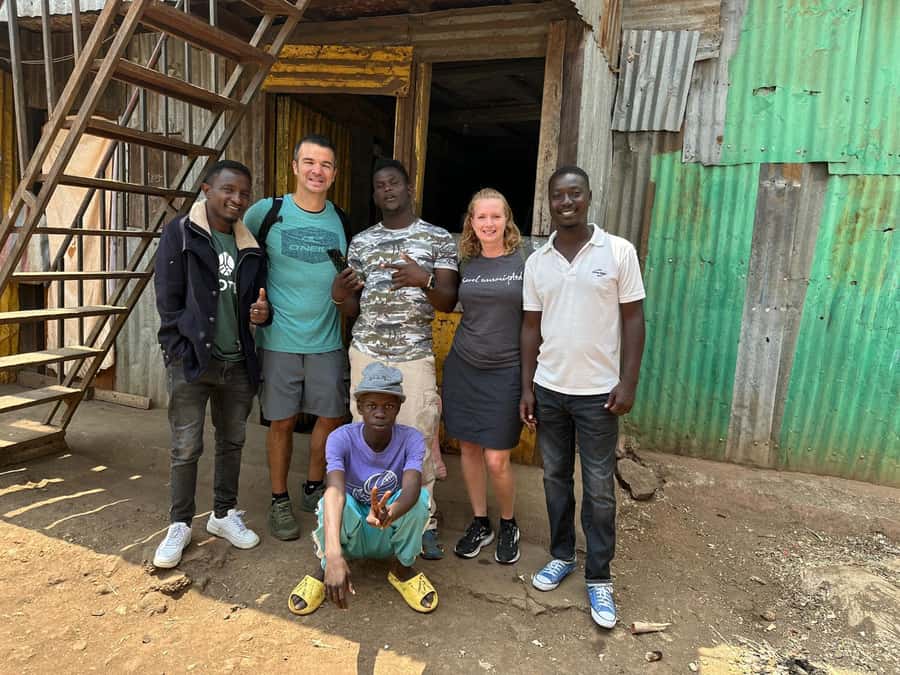
- Local guides lead the walk: Elijah, Peter, Effie, and Lucas have guided many visits, with several guides raised in Kibera and able to explain the area from personal experience.
- A school visit is part of the route: Tour income helps support a local school that provides free education for children in the community.
- Toi Market adds daily-life context: You see one of Kibera’s main commercial centers and have chances to buy local crafts and jewelry.
- You enter a local home: This offers a close look at household life, though you should approach the invitation with humility and ask before taking photographs.
- Safety is a major focus: The tour is private, and the supplied information says safety is provided throughout. Still, stay with your guide and follow local advice.
- Bring practical clothes: Wear shoes and clothing you do not mind getting dusty or dirty, and expect narrow lanes, uneven footing, and a walk of about three hours.
Meeting at Greenhouse Mall in Kilimani
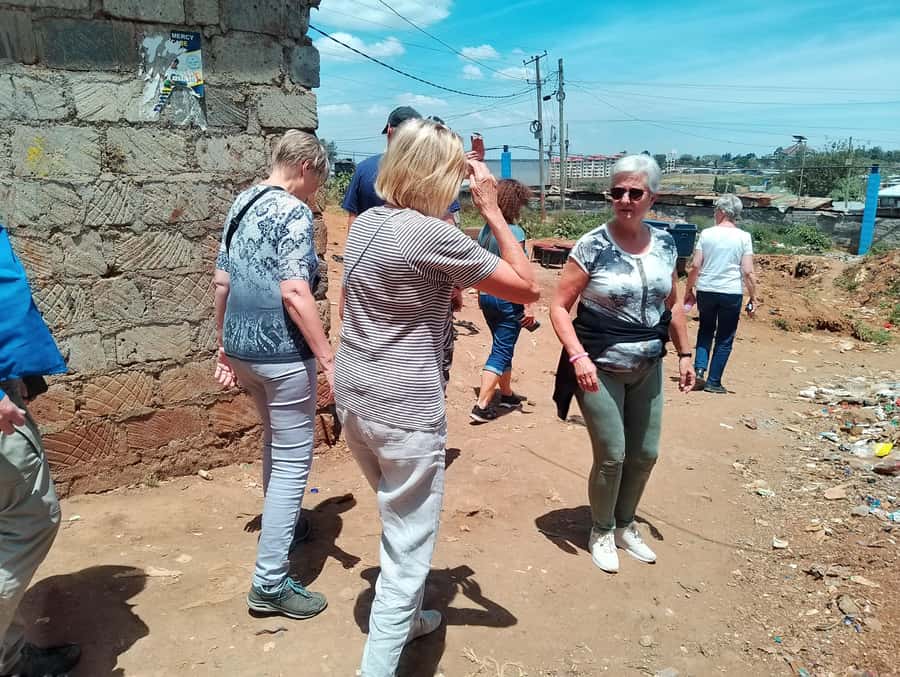
Your meeting point is the entrance of Greenhouse Mall in Kilimani, a straightforward place to meet before heading into Kibera. If you arrive early, there is a bench by the fountain on the ground floor.
This arrangement is useful because you do not need to find your way into Kibera alone. The guide meets you in a familiar public spot, then takes responsibility for the route through streets that are not marked for visitors. That matters here. Kibera is a maze of lanes and alleys, and trying to navigate it independently would work against the purpose of booking a local guide.
The tour is private, so only your group takes part. That gives you room to ask direct questions and adjust the pace within reason. It also makes the visit feel less like a group procession through someone else’s neighborhood. The listed price is $20 per group up to one person, though you should check the booking page carefully if more than one person is joining, since the price wording is unusually specific.
The walk lasts about three hours. Some visits have taken closer to three and a half hours, especially when there is time for conversation, a school visit, shopping, or a home visit. Afternoon departures can bring more activity, with people returning from work and children coming home from school. The tradeoff is that the final part may take place in low light or darkness, so stay close to your guide.
More guided Kibera walks:
- Nairobi: Explore Kibera Slum with Local Guides
★ 4.9 · 365 reviews - Kevins Kibera Slum Tours
★ 5.0 · 213 reviews - Kibera Slum Tour with Lucas
★ 5.0 · 119 reviews
Entering Kibera with a guide who knows the community
The first major strength of this experience is the guide. Elijah, Peter, Effie, and Lucas are not simply directing you from one stop to the next. They explain the community, answer questions, and connect what you see with daily life.
Elijah has shared stories about growing up in Kibera and has guided visitors through the market, local projects, the school, and family homes. Peter is known for taking time with questions and, on some visits, showing his own home and school project. Effie has guided visitors through local initiatives and brings a personal connection as a young woman from the area. Lucas often handles organization and communication, and has guided walks alongside Elijah and Peter.
That personal connection changes the tone. You are not left to form a quick judgment from the outside. Instead, you hear about the ways people work, trade, teach, organize, and support one another. You also get a clearer sense of the limits of the tour. Three hours can show you important parts of Kibera, but it cannot explain every neighborhood or solve the larger issues facing the community.
Your guide also acts as a bridge between you and residents. That is essential. You should not wander into private lanes, homes, schools, or work spaces without an introduction. Follow the guide’s lead, greet people politely, and ask permission before taking photographs.
Toi Market and the working side of Kibera

Toi Market is one of the tour’s most engaging stops. It is described as the largest market in Kibera, and it gives you a look at commerce rather than treating the area only as a place of need.
As you walk through the market, you can expect a dense mix of stalls, shoppers, goods, and narrow paths. The exact route and activity will vary, but the point is clear: people here earn money, buy necessities, and run small businesses. That everyday activity helps correct the one-dimensional image many outsiders have of an informal settlement.
Shopping is part of the experience. Several stops may offer beads, jewelry, clothing, or artwork made by local groups. One particularly striking example is recycled-material art and jewelry. Buying something is not required, but it can be a practical way to support the people and projects you meet. Carry some Kenyan shillings if you want to shop, since the tour price does not include purchases.
Keep your belongings secure in the market and avoid holding your phone out constantly. You will want photographs, but the best moments often come when you look up and listen. Your guide can tell you which pictures are appropriate.
Hope and Shine Kibera Centre and local initiatives

The Hope and Shine Kibera Centre is a community center offering education and support to residents. It adds an important layer to the tour because it shows local responses to local problems.
Other visits may include groups making art and jewelry from recycled materials, women’s organizations supporting HIV-positive women through handmade clothing and jewelry, and youth groups building small enterprises. These are not decorative side trips. They show how people create income, skills, and support networks when formal opportunities are limited.
The range of projects also keeps the tour from becoming a simple poverty walk. You see hardship, but you also see people building something useful with limited resources. I find that balance important. It lets you understand the difficult conditions without reducing the people who live there to symbols of suffering.
Some activities include shopping. Treat these exchanges as commercial and personal encounters, not charity theater. Ask what an item costs, decide for yourself, and buy only what you genuinely want. If you do purchase something, you know the money is going toward a local maker or group.
A few more Nairobi days to weigh up
- Nairobi National Park Half-Day Tour; Free Wi-Fi connection
★ 5.0 · 878 reviews - Nairobi: National Park & Optional Elephants & Giraffe Center
★ 4.8 · 874 reviews - NAI NAMI: Nairobi Storytelling Tour with Street Children
★ 5.0 · 792 reviews - Nairobi National Park Half-Day Game Drive
★ 4.5 · 738 reviews
The school visit and where the money goes
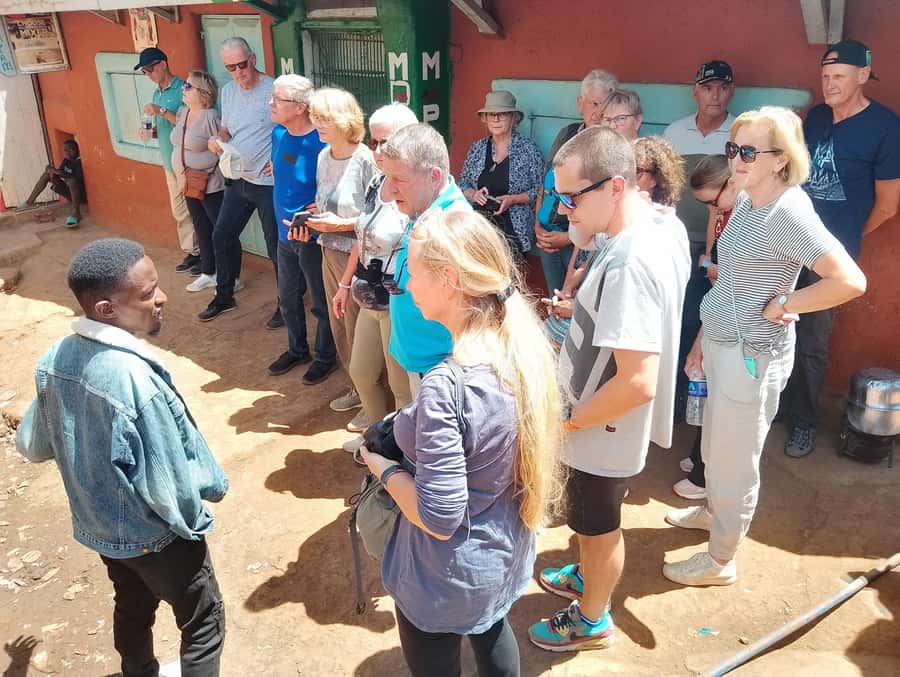
The school is one of the most meaningful stops. The tour includes a visit to a Kibera school, and the school connected with the guiding team provides free education for children in the community.
The project has grown over time, and the guides explain how money from tours helps fund the school and teacher salaries. The stated contribution is 20 percent of ticket proceeds. That gives the $20 booking price a purpose beyond transportation and guiding, although you should view the tour as an educational experience first, not as a donation with a guaranteed personal impact.
You may meet children at the school, see classrooms, and learn how the program serves vulnerable students. Some visits include songs or friendly conversations with the children. This can be warm and moving, but it also calls for good manners. Children are not photo props. Ask before taking pictures, follow the school’s rules, and do not hand out items without checking with the guide or teachers.
Some past visitors brought biscuits or sweets for children. If you wish to do this, ask the organizers first so the gesture fits the school’s needs and does not create an awkward scramble. A direct contribution through the project may be more useful than treats. The important thing is to avoid making the school visit about your own feelings. Listen to the staff and let the children remain students, not an attraction.
Inside a local home

The home visit is the most intimate part of the route. You may be invited inside a local home, sometimes the home of a guide or a guide’s family member. This gives you a chance to see how limited space is used and to talk about ordinary household life.
It is also the part that requires the most tact. You are entering someone’s private space, so accept only if you are comfortable and the host is clearly comfortable too. Ask before photographing rooms, family members, or personal belongings. Keep questions respectful. You can ask about housing, utilities, family life, or daily routines, but do not treat the visit as permission to inspect everything.
The value here is not shock. It is perspective. A home visit can make the broader discussion more concrete, showing how people adapt their surroundings and maintain family life under hard conditions. Some guides have introduced visitors to their mothers or relatives, creating a personal exchange that feels very different from a standard city tour.
Safety, comfort, and the physical effort

Safety is the concern most people have before booking. The tour information promises safety throughout, and the private format means your guide can keep track of your group. Many visits have ended in the evening, with people feeling safe under the guide’s direction.
Still, no walking tour through a dense informal settlement is risk-free. Keep your phone and wallet out of sight when you are not using them, stay with your guide, and listen when you are told not to take a certain turn or photograph a person. The best safety plan is simple: be alert, polite, and easy to manage.
The walk involves unmarked streets, tight alleys, uneven surfaces, market crowds, and possibly mud or dust after rain. The activity is not suitable for people with back or heart problems, according to the supplied information. Good weather is required, and poor weather can lead to a new date or a full refund.
Wear modest, ordinary clothing and sturdy shoes. This is not the place for expensive sneakers or clothes that need to stay spotless. Bring water, but avoid carrying a large bag. Smoking is not allowed.
Is $20 good value for three hours?
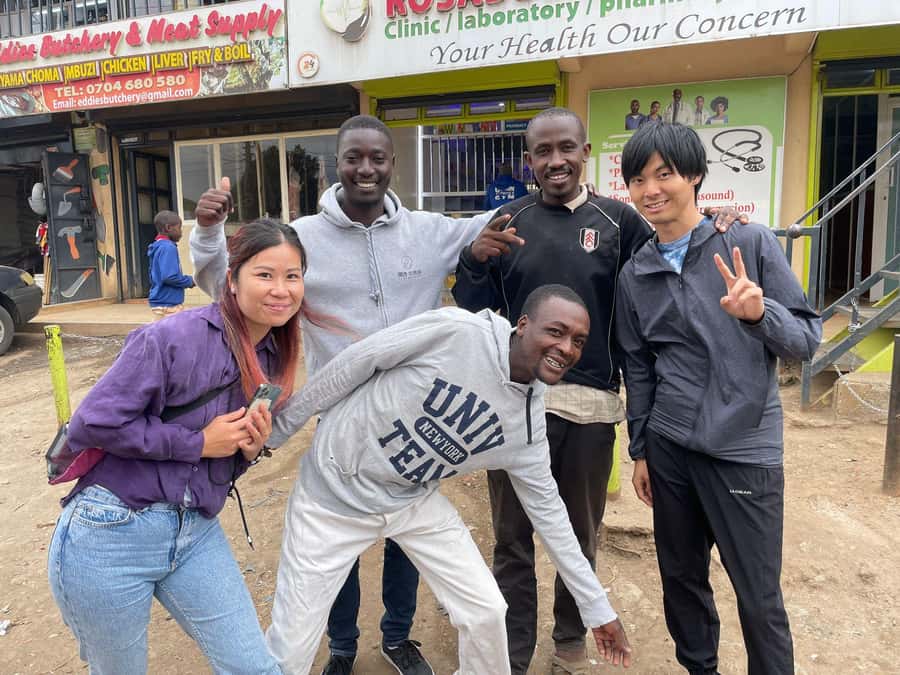
At $20 for a private group of up to one person as listed, the cost is low for a three-hour, locally guided experience. You receive a guide, a planned route, a school visit, access to local community projects, and the chance to visit a home. Fees and taxes are included, and the price also supports the school through the stated 20 percent contribution.
The value is strongest if you want understanding rather than a checklist of sights. You are paying for local access, interpretation, and organization. You are not paying for air conditioning, polished walkways, or a traditional museum-style presentation.
Budget separately for crafts or jewelry at Toi Market and community workshops. Purchases are optional. Also remember that the guide’s job is to introduce you to the community, not to guarantee that every stop will operate in exactly the same way each day. A school may be in session, a group may be working, and weather or local conditions may affect the route.
Free cancellation up to 24 hours before the activity and reserve-now, pay-later booking make the commitment easier. Check the starting time when you book, since availability changes.
Who should book this Kibera tour?
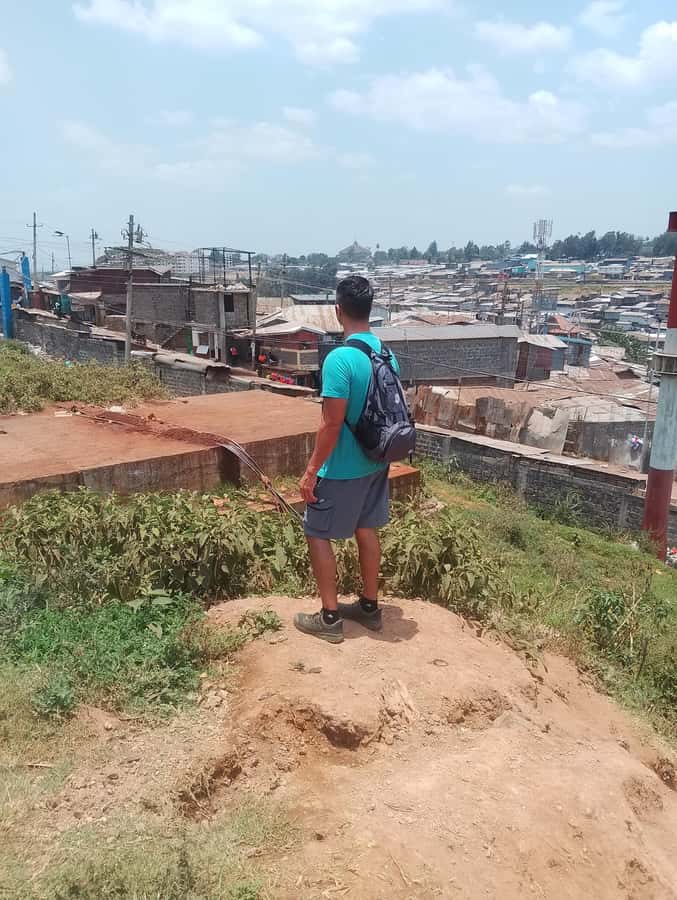
I would choose this tour if you want to understand another side of Nairobi through people who live there. It suits curious adults, older children who can behave respectfully, photographers who understand consent, and anyone who wants a small private group rather than a large organized outing.
It is especially useful early in a Nairobi visit, when you still have time to place the city’s different neighborhoods in context. It also works well for visitors who have already seen the main attractions and want an experience centered on conversation and community work.
I would not choose it if you want a relaxed stroll, a conventional sightseeing route, or a controlled setting. The conditions can be uncomfortable, the subject matter may upset you, and the visit asks you to think about how you look at poverty. If you are unsure, read the itinerary honestly and ask yourself if you can enter someone’s neighborhood without expecting to be entertained at every moment.
Should you book it?
Book this Kibera storytelling tour if you want a direct, carefully guided look at community life in Nairobi and are willing to approach it with humility. The strongest reasons are the local guides, the school project, the home visit, and the clear connection between tourism income and community work.
Choose a daytime or afternoon start if you want more activity and natural light, but remember that afternoon visits may finish after dark. Wear practical shoes, bring a little cash for crafts, ask before taking photographs, and let your guide set the tone.
This tour will not make Kibera simple. That is its value. You leave with a fuller picture: difficult living conditions alongside humor, work, creativity, education, and people trying to improve their own community.
FAQ
Where does the Kibera tour begin?
The tour begins at the entrance of Greenhouse Mall in Kilimani. If you arrive early, you can wait on a bench near the fountain on the ground floor.
How long does the tour last?
The stated duration is three hours. Some visits may run to around three and a half hours when there is extra time for conversations, school visits, shopping, or the home visit.
Is the tour private?
Yes. This is a private activity, so only your group participates.
Which language does the live guide speak?
The live guide speaks English. Audio guide options are listed in French, Spanish, German, and Chinese.
What places are included on the route?
The route includes Kibera’s lanes, Toi Market, Hope and Shine Kibera Centre, a local school, and a local home. You may also see community groups, artists, workshops, and other local initiatives.
Is the tour suitable for people with mobility or heart concerns?
The experience is not suitable for people with back problems or heart problems. It involves about three hours of walking through narrow, uneven streets and alleys.
Just added around Nairobi
- Visit kibera Slum the chocolate city★ 4.8 · 3 reviews
- 4 Days Safari to Lake Nakuru N/P and Maasai Mara N/R★ 5.0 · 18 reviews
- Maasai Mara Day Trip★ 5.0 · 15 reviews
- 4 Days Tour Landcruiser in Masai Mara and Lake Nakuru★ 5.0 · 10 reviews
- 3 days maasai mara migration safari★ 4.5 · 7 reviews
- Kibera Slum Tour with a Local★ 5.0 · 15 reviews
- Wildebeest Migration in Masai Mara and Sightseeing 4 Days Tour★ 4.5 · 6 reviews
- Day Tour to Nairobi national park, Elephants, and Giraffe Center★ 3.5 · 8 reviews
Kibera Slum Tours, compared.




Kibera Slum Tour with Local Social Entrepreneurs
Read our review →



Browse the lists this tour appears in