
Reviewed · KIBERA SLUM TOURS
Nairobi: Kibera Slum Tour with Local Social Entrepreneurs
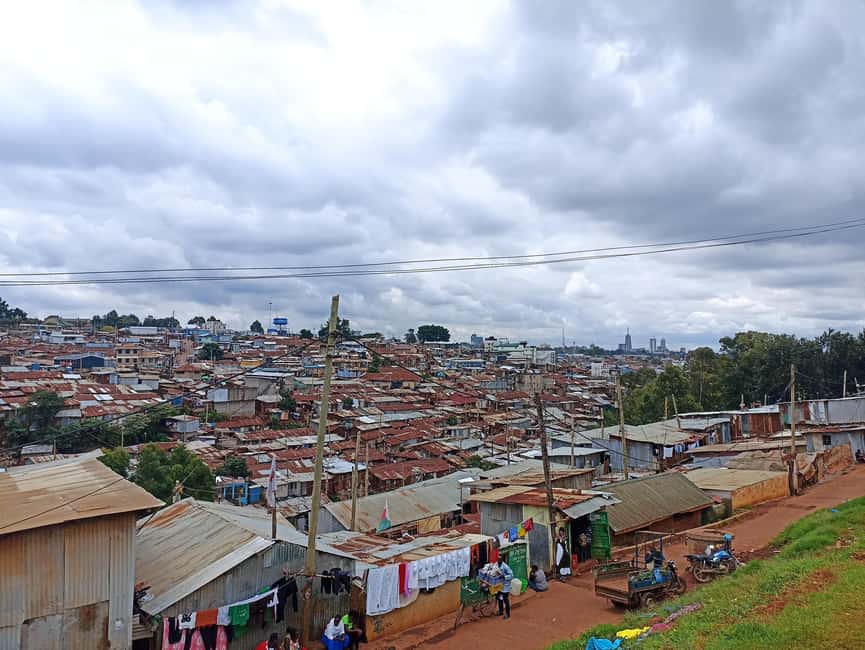
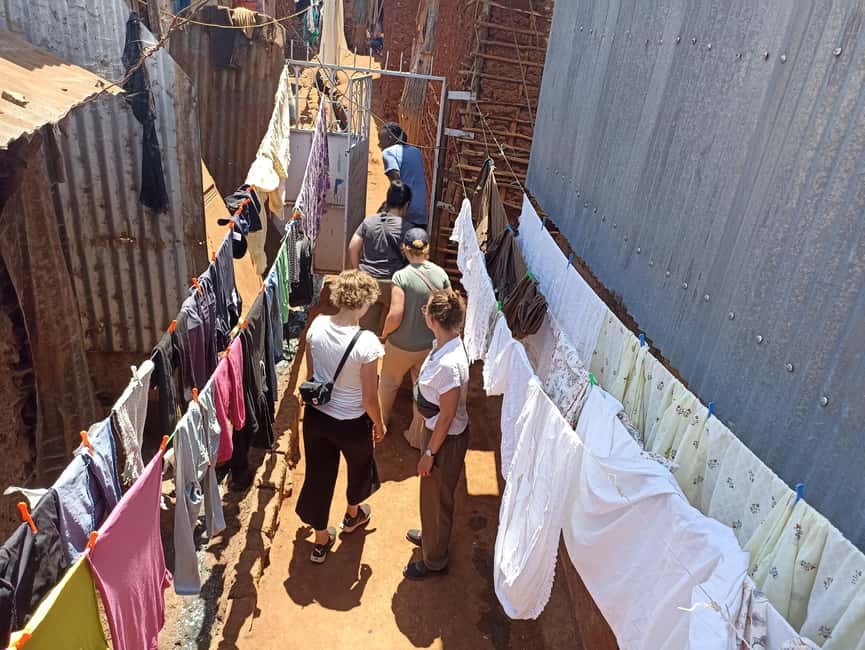
Kibera is not a sightseeing prop. It is a home to more than 300,000 people in roughly three square kilometers, and this three-hour walk gives you a local guide’s view of daily life there. Luke, who grew up in Kibera, leads you through markets, homes, schools, art spaces, and community projects with the help of local friends such as Samuel, Victor, or Clement.
I like two things right away: your money has a clear local purpose, with 30 percent supporting a children’s home and school, and the route lets you meet people in places where they work and live. The small home visit, the bone-recycling workshop, and the chance to meet Luke’s family give the tour a personal shape that a simple street walk cannot provide.
The main consideration is that this is an emotionally demanding experience, not a light city excursion. You will see cramped housing, poverty, waste, limited services, and children in need. Approach with humility, ask before taking photographs, and expect a walking tour with uneven streets and many strong impressions.
Key points before you book
- Luke grew up in Kibera, so the tour comes with personal stories and strong local connections.
- Seven different stops cover the market, children’s home, school, art, housing, views, and recycling.
- Thirty percent of the price supports local children, including school supplies and other needs.
- Toi Market and Victorious Bone Craft show how people earn money through trade, skill, and reuse.
- The tour is flexible, with scheduling arranged directly with the local guide by WhatsApp.
- The route takes up to three hours, and you should wear comfortable shoes and bring an open mind.
What this Kibera walk is really about
Kibera sits about seven kilometers from Nairobi’s city center, close enough to fit into a morning or afternoon in town. Yet it can feel far removed from the polished hotels, offices, and shopping centers that many visitors first see in Nairobi.
I would not book this tour simply to collect dramatic photographs. The value lies in context. You learn how residents manage water, electricity, waste, health, housing, unemployment, and education, while also seeing the work, family ties, art, humor, and enterprise that shape life here.
Luke’s role matters. He is not presenting Kibera from a distance. He grew up in the neighborhood and still has family and friends there. That connection helps you move through the area with someone who knows whom to introduce, where to pause, and how to explain what you are seeing without reducing the community to a headline.
The tour is conducted in English or Swahili. Luke also teaches basic Swahili phrases during the walk, which can make brief exchanges with local people feel more natural.
More guided Kibera walks:
- Nairobi: Explore Kibera Slum with Local Guides
★ 4.9 · 365 reviews - Kevins Kibera Slum Tours
★ 5.0 · 213 reviews - Nairobi: Kibera Slum storytelling tour with a Local
★ 5.0 · 185 reviews
Meeting Luke near Greenhouse Mall
The meeting point is at the entrance of Greenhouse Mall, off Ngong Road at Adams Arcade. You contact the guide on WhatsApp and meet near the security checkpoint after entering the mall.
This is a sensible place to begin. You can buy water or a snack, use the mall as an easy landmark, and withdraw local cash if you want to make a purchase during the walk. Bottled water is included, but the mall gives you a chance to prepare before entering the neighborhood.
Use this first meeting to ask Luke about the route, photography, and any stops you especially want to understand. The guide is described as flexible, and past outings have included extra time for talking with children’s home staff, meeting local residents, or playing football with children instead of visiting a particular workshop.
The usual group size is not specified, so ask when booking if that matters to you. A private or very small group will feel different from a larger party, especially during a home visit or conversations with children.
Toi Market and Kibera’s local economy

Toi Market is the first major stop. It is described as Nairobi’s second-largest open-air market, with a strong focus on second-hand clothing.
The clothing comes from places including Europe, the United Kingdom, the United States, and China. For you, the market offers a practical introduction to how people shop and earn money in this part of Nairobi. It is not just a colorful backdrop. It is a working place where low-cost goods move through the local economy.
You may find the market crowded and lively, with narrow routes and plenty of movement. Keep your valuables secure, stay close to the guide, and ask before photographing sellers or merchandise. If you want to support local businesses, this is one of the places where a small purchase can have a direct purpose.
The guide can also explain how Toi Market serves Kibera residents, particularly those looking for affordable clothing. That makes this stop more useful than a quick pass through a market with no explanation.
Meeting children at a local home
The children’s home is one of the most affecting parts of the route. It supports children who need food, shelter, and education. Some are orphans, while others have been rescued from the streets or come from very difficult situations.
The exact home visited can vary. Names connected with the experience include Mama Paschalia, who cares for about 18 orphans, and Mimi, who has also been described as caring for children. Luke may introduce you to the people running the home and explain how the work is organized.
This is where respectful behavior matters most. The children are not there for your entertainment, and the visit should not become a photo session. Ask permission before taking pictures, listen more than you speak, and do not promise gifts or future help that you cannot provide.
You can bring useful items, such as stationery, or make a food contribution if the home has requested it. One visitor brought maize flour, apples, cookies, and school supplies. Still, ask Luke ahead of time what is actually needed. Unplanned gifts can create awkwardness, while practical support is more useful.
This stop may feel personal and emotional. That is part of its value, but it is also a reason to think carefully before booking. If you prefer a detached city tour, this may not be the right choice.
A few more Nairobi days to weigh up
- Nairobi National Park Half-Day Tour; Free Wi-Fi connection
★ 5.0 · 878 reviews - Nairobi: National Park & Optional Elephants & Giraffe Center
★ 4.8 · 874 reviews - NAI NAMI: Nairobi Storytelling Tour with Street Children
★ 5.0 · 792 reviews - Nairobi National Park Half-Day Game Drive
★ 4.5 · 738 reviews
Uweza Art Gallery and Kibera’s creative side

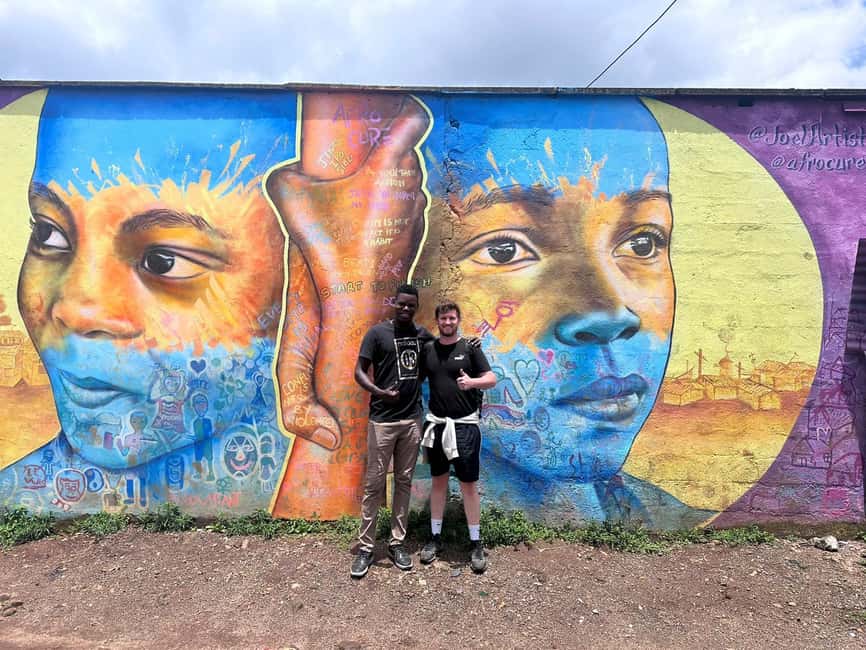
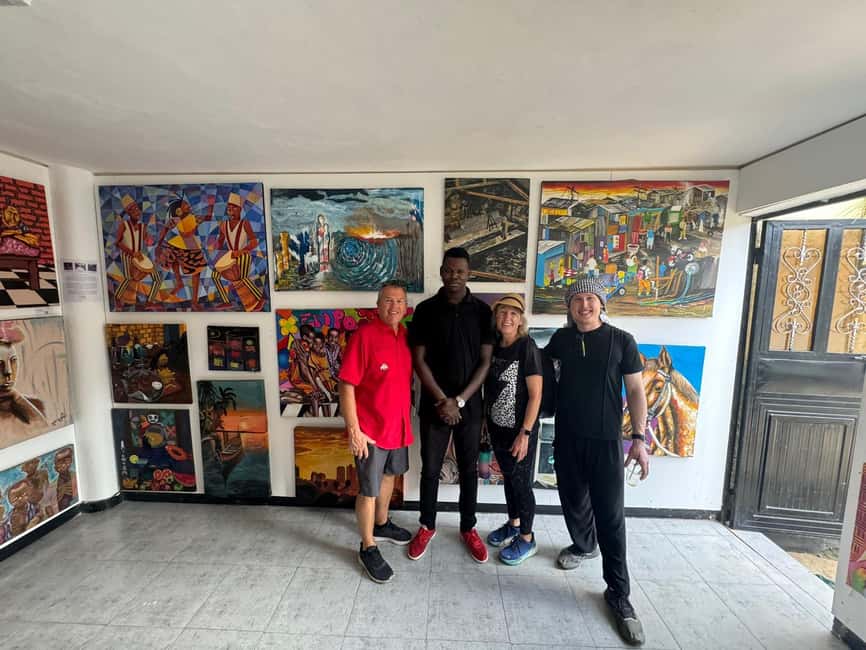
Uweza Art Gallery gives the walk a welcome change of pace. The center provides children and local artists with a place to develop and show their work.
The art offers another way to understand Kibera. Instead of seeing only material hardship, you see ideas, skill, color, and ambition. Luke explains the meaning behind the pieces and the role the gallery plays in giving young people and artists a platform.
You may want to buy a piece, but purchases are not included in the tour price. There is no stated requirement to buy anything, and the experience is stronger when you take time to look and ask questions rather than treating the gallery as a souvenir stop.
I especially like this part of the route because it changes the balance of the visit. Kibera is presented as a community with serious problems, but also as a place where people make, teach, organize, and express themselves.
The Kibera View Point near the railway line
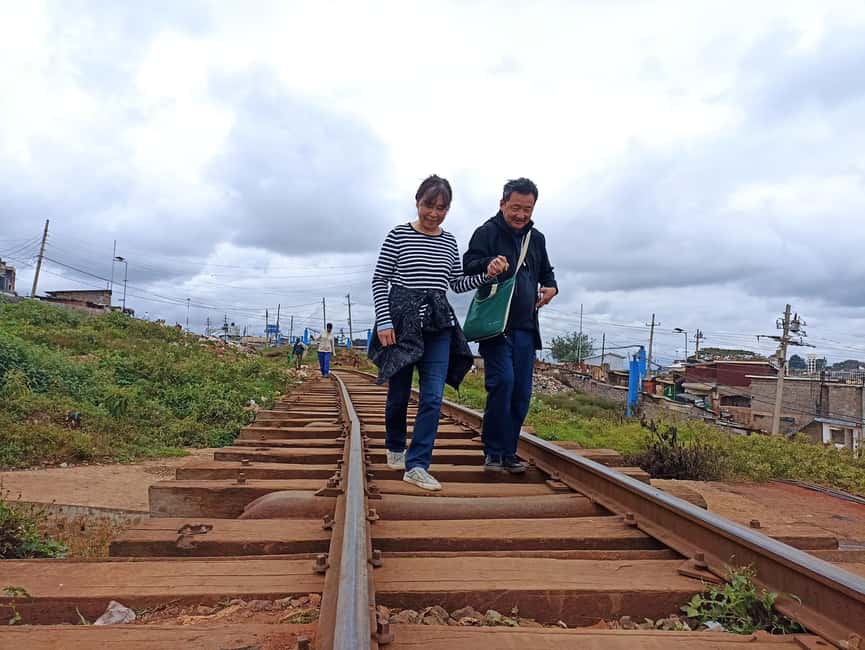
Near Kibera Town Centre, close to the old Kenya-Uganda railway line, the tour pauses for an aerial view of part of the settlement.
From above, you can begin to understand the density of the neighborhood and its compact size. The viewpoint also helps connect Luke’s explanations about housing, sanitation, waste, and transport with something you can see at once.
Do not expect a grand city overlook or a full panorama of Nairobi. The description refers to a view of one section of Kibera, not the entire neighborhood. Its importance is mainly practical: after walking through narrow streets, the wider view helps you grasp how closely homes and businesses fit together.
This is also a good place to ask questions. The tour works best when you treat Luke as a local interpreter rather than waiting for a formal speech at every stop.
A 4-by-4-meter home visit
The local house visit is one of the most unusual parts of the experience. You may enter a home measuring about four meters by four meters and see how the space is arranged for everyday life.
The point is not to inspect someone’s belongings. It is to understand how a family uses a very limited area for sleeping, cooking, storage, and ordinary routines. Luke has sometimes taken visitors to his parents’ home, making the stop more personal than a staged demonstration.
You should be prepared for a close and intimate visit. Ask before entering, keep your questions polite, and remember that this is someone’s private home. The chance to meet a family can make the tour feel human and direct, but it also requires more courtesy than a public attraction.
For many people, this stop gives the clearest sense of the practical challenge of housing in Kibera. A statistic about population density is easy to forget. Seeing the layout of a small home is not.
Fairview Academy and education under pressure

At Fairview Academy, you see children learning despite limited resources and difficult conditions.
The school visit helps explain why the tour’s community contribution matters. Thirty percent of the tour revenue goes toward supporting a children’s home and local school, including stationery and other school items. The money does not transform every problem, but it ties your booking to a specific local effort.
School visits can be sensitive. Lessons may be in progress, and children should not be treated as a display. Follow Luke’s instructions, keep noise down, and ask about photography.
This stop also keeps the conversation from focusing only on poverty. A school is a place of routine and hope, but it is also a reminder of the resources required to keep education going. You see resilience without pretending that resilience makes hardship disappear.
Victorious Bone Craft and useful recycling
Victorious Bone Craft Workshop shows a different kind of local enterprise. Artisans recycle cow bones, cow horns, used brass padlocks, and camel bone into ornaments and other crafts.
The workshop links environmental care with employment. Materials that might otherwise add to local waste become products that can be sold. You get to see the skill behind the finished items, rather than encountering a souvenir without knowing who made it.
Purchases are optional and not included in the $40 tour price. If you buy something, ask about the item and its materials. That simple conversation gives you a better sense of how the workshop operates and what your money supports.
This stop may be replaced or shortened if you have another priority. One flexible itinerary included extra time with children and local volunteers instead of the workshop. Confirm your wishes with Luke before setting out.
Safety, comfort, and respectful conduct
Safety is a major concern for many people considering Kibera, and the guide’s local ties are one of the strongest practical reasons to book this particular walk. Luke and guides who sometimes accompany him, including Samuel, Victor, and Clement, grew up in or around the community and know the streets and local contacts.
Many outings have included solo women, families, and young adults, with the guide helping visitors feel secure. That is reassuring, but no guide can remove every city risk. Keep your phone and wallet out of sight, follow instructions, and do not wander away from the group.
Wear closed, comfortable shoes. The route is on foot and may include uneven streets, crowded sections, and places where you need to watch your step. The tour is not suitable for children under seven, babies under one year, or people over 95.
Dress simply and respectfully. Avoid flashy jewelry and expensive-looking accessories. Ask before photographing people, homes, children, schools, and businesses. A friendly greeting and a few Swahili words can do more for a respectful exchange than a camera ever will.
Timing, transport, and the $40 value
The tour lasts a maximum of three hours. That makes it easy to fit before a Nairobi afternoon activity, after breakfast, or alongside other city plans.
At $40 per person, the price is fair if you want more than a guided street walk. It includes the guide, bottled water, Toi Market, the children’s home, a local house, Uweza Art Gallery, Victorious Bone Craft, Fairview Academy, and the Kibera View Point.
The strongest value is the guide’s access and personal background. You are paying for explanations, introductions, and local judgment about how to move through the area. The 30 percent community contribution adds another reason to choose this tour over an experience with no stated local benefit.
You still pay for anything you buy. Food is not listed as included, and some visitors chose to eat at a small local restaurant after the walk. Plan for your own onward transport as well.
There is a small point to clarify before booking: the route description lists Olympic Estate as the final stop, where you can order an Uber or Bolt, while the meeting information says the activity ends back at Greenhouse Mall. Confirm the exact end point and transport plan with Luke when you arrange your time.
You can reserve and pay later, and cancellation is allowed up to 24 hours before the tour for a full refund. Scheduling is flexible, so use WhatsApp to confirm the start time and any changes you want to discuss.
Who should book this experience
I would recommend this tour to you if you want to understand Nairobi beyond its central streets and safari circuit. It suits adults, older children over seven, students of development or African studies, photographers who work carefully with consent, and anyone interested in local enterprise and community work.
It is particularly useful if you want personal contact rather than a bus window view. Meeting Luke’s family, speaking with residents, and visiting active projects gives the walk a more direct feel.
I would not choose it if you want a relaxed outing with no emotional weight, easy pavement, or a fixed sightseeing script. The route can raise hard questions about poverty, charity, housing, and the ethics of visiting disadvantaged communities.
The best attitude is curiosity without judgment. Listen to the people you meet, buy only what you want, offer help through agreed channels, and remember that Kibera is a neighborhood first, not a tourist attraction.
Should you book the Kibera walk?
Yes, if you are prepared to see both hardship and ordinary life. The tour is strongest because Luke brings his own experience, family connections, and local contacts, while the route covers more than a single viewpoint or market.
Book it for the school, children’s home, art center, family home, and recycling workshop, not just for the title of Africa’s largest slum. At $40, the combination of a three-hour local guide, several community stops, and a stated contribution to children’s services offers solid value.
Contact Luke before arrival to confirm the guide assigned, final meeting and end points, photography expectations, and which stops you most want to visit. If you approach Kibera with respect and patience, this can become one of the most meaningful ways to understand Nairobi.
FAQ
How long does the Kibera tour last?
The tour is scheduled for a maximum of three hours.
How much does the tour cost?
The listed price is $40 per person.
Where does the tour start?
You meet at the entrance of Greenhouse Mall, off Ngong Road at Adams Arcade, near the security checkpoint after entering the mall.
Which languages are available?
The tour is offered in English and Swahili.
What places are included in the tour?
The route includes Toi Market, a local children’s home, Uweza Art Gallery, a Kibera View Point, a local house, Fairview Academy, and Victorious Bone Craft Workshop.
Does any tour revenue support the local community?
Yes. Thirty percent of the tour revenue supports a children’s home and local school, including stationery and other school supplies.
Is the tour suitable for young children?
It is not suitable for children under seven or babies under one year.
Can I cancel the booking?
You can cancel up to 24 hours in advance for a full refund.
Just added around Nairobi
- Visit kibera Slum the chocolate city★ 4.8 · 3 reviews
- 4 Days Safari to Lake Nakuru N/P and Maasai Mara N/R★ 5.0 · 18 reviews
- Maasai Mara Day Trip★ 5.0 · 15 reviews
- 4 Days Tour Landcruiser in Masai Mara and Lake Nakuru★ 5.0 · 10 reviews
- 3 days maasai mara migration safari★ 4.5 · 7 reviews
- Kibera Slum Tour with a Local★ 5.0 · 15 reviews
- Wildebeest Migration in Masai Mara and Sightseeing 4 Days Tour★ 4.5 · 6 reviews
- Day Tour to Nairobi national park, Elephants, and Giraffe Center★ 3.5 · 8 reviews
Kibera Slum Tours, compared.








Browse the lists this tour appears in