
Reviewed · KIBERA SLUM TOURS
Private Tour in Kibera the Largest Slum
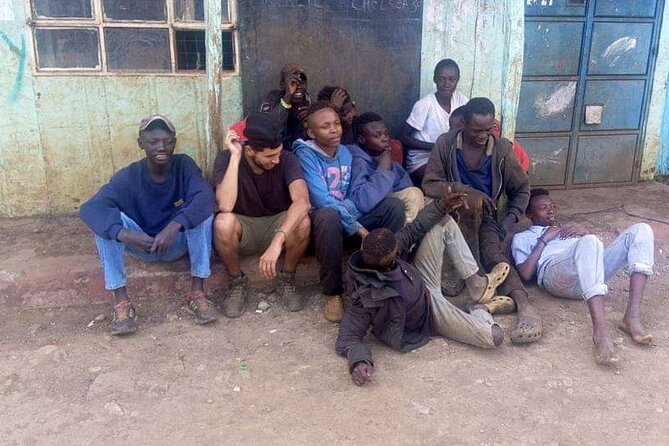
Kibera is not presented here as a poverty show. The tour takes you into homes, a school, a small recycling business, and community spaces where people work, study, play football, and share several cultures. Guide Rally, who grew up in Kibera and became a teacher, gives the visit a personal connection.
I like the private format, which gives you room to ask questions and adjust the pickup point with the guide. I also like the school connection, Agape Hope for Kibera, and the chance to see community effort rather than only hardship. The main consideration is that this is a close look at real homes and difficult living conditions, so you need to approach it with respect and a willingness to listen.
Key points at a glance
- Local guide Rally: Rally grew up in Kibera, became a teacher, and helps run a school for children with challenges.
- A look inside daily life: You may enter a local home and see the materials used by families in the community.
- More than poverty tourism: The route includes a school, football, traditional dance, recycling work, transport, and a public market.
- Private four-hour visit: Only your group participates, with a flexible pickup point agreed with the guide.
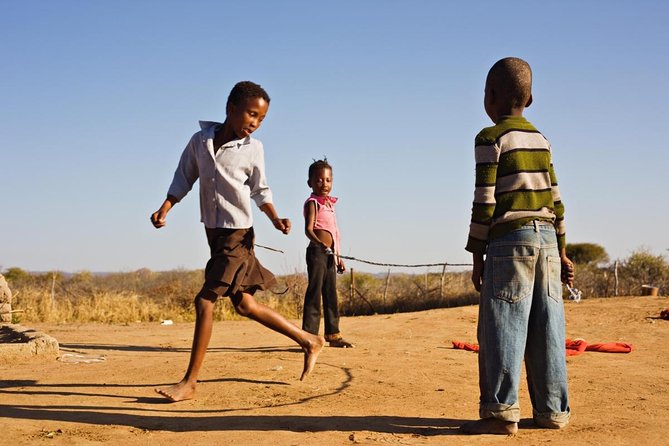
- Hands-on moments: You can play football with a local team, ride a matatu, and take part in traditional dancing.
- Low price, serious subject: At $15 per person, the cost is modest, but the experience calls for thoughtful behavior and cultural respect.
What this Kibera tour is really about
Kibera is often reduced to a single image: poverty. This experience tries to correct that narrow view. You see hardship, but you also see work, schooling, art, sport, transport, family life, and people from different cultures living together.
That balance matters. A tour of a poor community can easily become uncomfortable if the focus is on photographing difficult conditions. Here, the stated purpose is to show resilience and support Agape Hope for Kibera, a school connected with the guide’s community work.
I would approach the tour as a conversation, not a spectacle. Ask questions about work, education, transport, and daily routines. Listen before taking photographs, especially near homes and children. The tour’s value depends as much on your attitude as on the route itself.
The experience lasts about four hours. That is enough time for several stops without turning the visit into a quick walk-by. Since it is private, you can ask for explanations when something catches your attention, and the guide can work with you on the pickup point.
More guided Kibera walks:
- Nairobi: Explore Kibera Slum with Local Guides
★ 4.9 · 365 reviews - Kevins Kibera Slum Tours
★ 5.0 · 213 reviews - Nairobi: Kibera Slum storytelling tour with a Local
★ 5.0 · 185 reviews
Starting beside the old railway
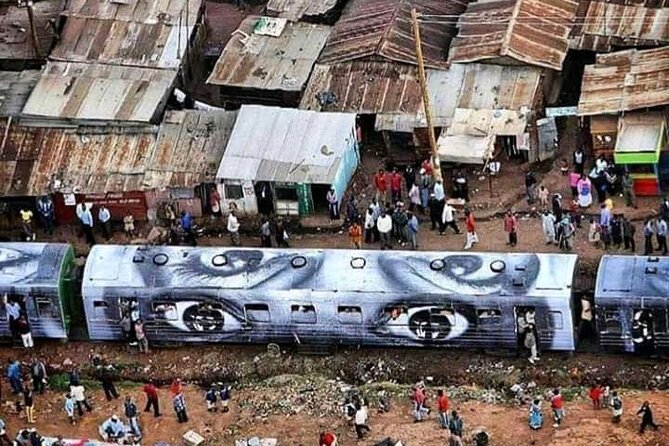
The tour begins at Olympic Primary School and moves toward the old railway. The railway is described as dating to the period of British construction in 1805, and it offers a useful starting point for thinking about how Nairobi grew and how transport shaped the area.
Do not expect a formal railway museum. This is a community walk with historical context along the way. The value comes from seeing an old piece of transport infrastructure in the same setting as present-day homes, businesses, schools, and streets.
Starting here also helps you get your bearings before the route moves into more personal parts of Kibera. You can ask Rally how the railway fits into local life and how the area has changed over time.
Entering a real home in Kibera

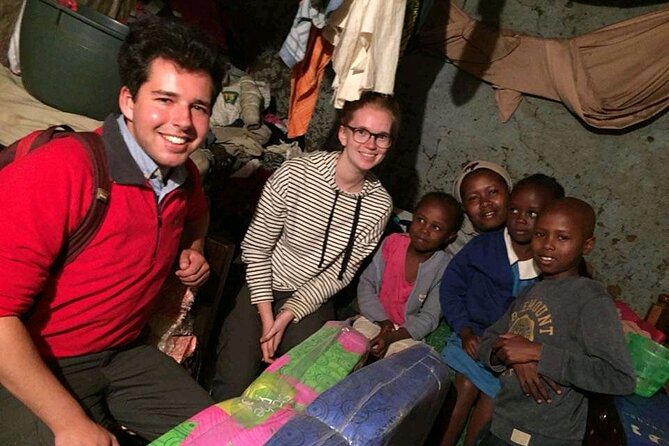
One of the most personal stops is a homestead visit. You can interact with local residents in their house and learn about the materials used there. This gives you a view of domestic life that you cannot get from a roadside walk.
A home visit also requires the most care. Keep your questions polite, avoid treating the space like a display, and ask before taking pictures. If you are not comfortable entering a private home, say so clearly to the guide.
I find this part valuable because it shifts the focus from general statements about slums to the choices and routines of a particular household. You get a better sense of how people make a home with the resources available to them.
The tour description does not promise a fixed household or guarantee that every planned stop will be available on every date. Conditions in a living community can change, so treat the home visit as an important part of the plan, not a staged attraction.
Seeing bones turned into ornaments
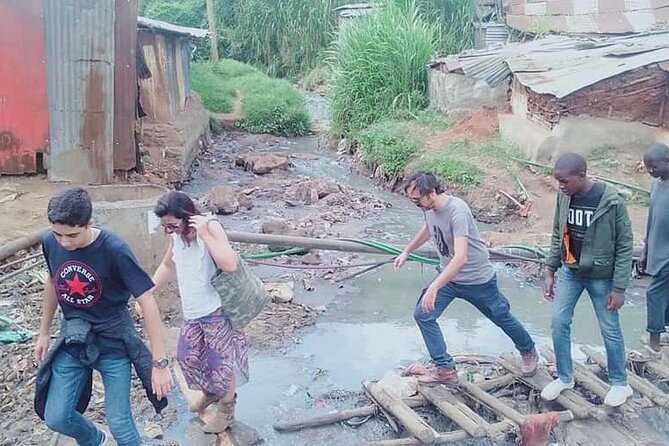
The bone-recycling stop gives the tour an economic angle. You can see how bones are reused to make ornaments and how that work creates employment.
This is a small but telling detail. Recycling here is not only an environmental idea. It is also a way to turn discarded material into useful products and income. The stop helps you see the skill and labor behind an item that might otherwise look like a simple souvenir.
The information provided does not specify exactly what ornaments are made or how purchases work, so you should ask Rally about the process if you want to buy something. Keep the focus on the people doing the work, not only on the finished object.
For me, this is one of the stops that makes the tour feel broader than a walk through poor housing. It shows enterprise and creativity within a difficult economic setting.
A few more Nairobi days to weigh up
- Nairobi National Park Half-Day Tour; Free Wi-Fi connection
★ 5.0 · 878 reviews - Nairobi: National Park & Optional Elephants & Giraffe Center
★ 4.8 · 874 reviews - NAI NAMI: Nairobi Storytelling Tour with Street Children
★ 5.0 · 792 reviews - Nairobi National Park Half-Day Game Drive
★ 4.5 · 738 reviews
Meeting children at a school

The itinerary includes a school for orphans, and the wider community project is connected with Agape Hope for Kibera. You can meet children while they are at school and learn about the work being done there.
Several important cautions apply. Children should not be treated as photo subjects without permission, and the presence of a school means you should follow the guide’s instructions closely. The information does not state that donations, classroom participation, or gift giving are included, so do not arrive expecting to hand out items.
The school is central to the tour’s purpose. It gives you a chance to see an effort aimed at creating hope and opportunity rather than simply observing need. Rally’s background as someone who grew up in Kibera, became a teacher, and now helps with children’s education adds weight to this part of the visit.
If education is one of your main interests, this is a strong reason to book. If you prefer a tour focused only on architecture, transport, or markets, the school and community focus may feel more personal than expected.
Playing football with a local team
The football stop is the most active part of the route. You can play with a local football team, which gives the visit a natural way to connect with residents rather than standing at the edge of the community.
The description does not provide a match schedule, playing standard, equipment details, or a guarantee that a full team will be available at a particular time. I would see it as an opportunity to join in if conditions allow, not as a formal sporting event.
This stop can also make the tour more comfortable for families and younger participants. Children aged five and above are allowed, and football offers a simple shared activity even when language or cultural differences make conversation harder.
You should still let the guide set the tone. Join in if invited, but do not assume that everyone wants to be photographed or interrupted during play.
Riding a matatu through Nairobi

Matatus are a familiar form of public transport in Kenya, and the tour includes the chance to use one. This is a practical detail with real value: instead of only discussing how local people move around, you experience one part of that transport system.
The inclusion also adds variety to a four-hour route. You are not simply walking from one stop to the next. You move through the community using a means of transport that residents rely on.
The supplied information does not state the exact fare, route, or length of the ride, so those details should be confirmed with Rally. The meeting point is at Olympic Primary School, while the tour ends at Toi Main Market, and the matatu section may help connect those parts of the experience.
If you have mobility concerns, ask about the transport and walking arrangements before booking. Most people can participate, but the information does not give a detailed accessibility statement.
Traditional dance with a school connection
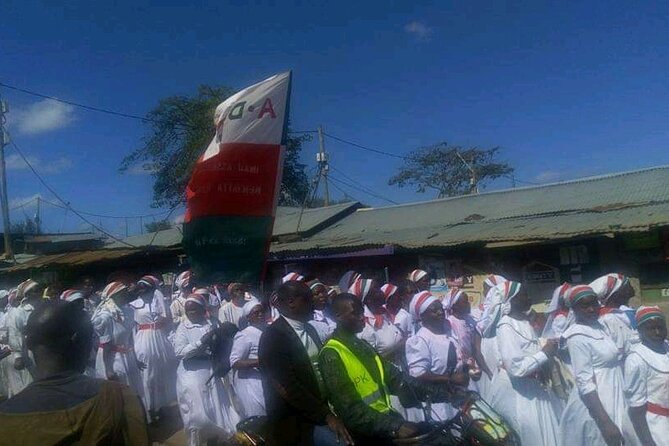
The tour includes traditional dancing performed through the school, with an invitation for you to watch and take part. This is the most clearly planned cultural performance on the route.
The best way to enjoy it is to join with good humor and respect. You do not need to be an expert dancer. The point is participation and exchange, not a polished theater show.
This section may be especially appealing if you want a direct cultural activity rather than only sightseeing. It also links back to the school, keeping the focus on local people and community work.
The tour does not identify the exact ethnic traditions or the length of the performance. Ask the guide for context instead of assuming that one dance represents everyone in Kibera. The area is home to people from different cultures, and that mixture is part of what the tour aims to show.
Ending at Toi Main Market
The experience ends at Toi Main Market. This gives you a final look at goods sold within the community and lets you see a market as a place of local trade, not just a stop for photographs.
You can use the ending point to continue exploring independently, but the tour itself finishes there. The listed opening hours are 7:00 AM to 8:00 PM from Monday through Sunday, so the market is available across a wide part of the day.
The tour price does not include coffee or tea, but bottled water is included. If you want refreshments, market access may give you a chance to find something, though the tour details do not specify particular vendors or food arrangements.
Toi Market is a sensible finish because it brings the route back to ordinary economic life. After homes, school, sport, and cultural activity, you see buying and selling within the community.
Why the $15 price offers good value
At $15 per person, this is one of the least expensive organized ways to visit Kibera with a local guide. The price includes admission and bottled water, while pickup is offered and the starting point can be arranged flexibly with the guide.
The value is not based on luxury. You are paying for time, local interpretation, coordination, and access to parts of the community you would not sensibly visit on your own. The private format makes the price even more appealing for a small group, though the total cost depends on how many people are in your party.
There are limits. Coffee and tea are not included, and no meal, souvenir, donation, or transport fare is listed as part of the price. You should also remember that a low fee does not make the setting casual. The tour involves real homes, children, and families, so respectful conduct is essential.
The experience is commonly booked about 17 days ahead. That is useful planning information, especially if your Nairobi schedule is tight. Confirmation arrives at booking, and free cancellation is available up to 24 hours before the start time. Poor weather can lead to a new date or a full refund.
Who will get the most from this visit
I would recommend this tour to you if you want direct contact with local life and are ready for a serious, personal experience. It suits people who like community-based tours, social history, schools, local transport, and conversations with residents.
It is also a good match for families with children aged five and older, provided the adults prepare them to behave respectfully around homes and schools. The football and dancing give younger participants something active to do.
You may want a different Nairobi activity if you are looking for a polished sightseeing route, a quiet museum visit, or a highly predictable schedule. The tour takes place in a working community, and some parts may depend on what is happening that day.
I would also think carefully about photography. The tour offers access, but access is not the same as permission. Put people first, ask before taking pictures, and accept a no without argument.
Practical details before you book
The listed meeting point is Olympic Primary School in Nairobi, with the final stop at Toi Main Market. Pickup is offered, and the exact pickup point is flexible for both sides, so confirm the arrangement clearly before the day of the tour.
The activity lasts approximately four hours and is private, meaning only your group takes part. Mobile tickets are accepted, and confirmation is provided at the time of booking.
Most people can participate, and the minimum child age is five. The information does not give specific advice for wheelchair users or people who cannot manage uneven streets, so ask the provider directly if that affects your plans.
Bring practical clothing and shoes suitable for walking. Bottled water is included, but coffee and tea are not. Since the experience requires good weather, keep some flexibility in your Nairobi schedule.
Should you book the Kibera tour?
Book it if you want a low-cost, locally led look at Kibera that includes education, work, sport, transport, culture, and daily life. Guide Rally’s personal link to the area and the school project give the experience a clear purpose beyond sightseeing.
Do not book it expecting a comfortable or carefully staged attraction. You will be close to real homes and real hardship, and the quality of the visit depends on your respect, curiosity, and willingness to follow local guidance.
For $15, a private four-hour tour with bottled water and several community stops is strong value. I would choose it for a first visit to Kibera, especially if meeting residents and supporting a school matter more to you than checking off famous Nairobi sights.
FAQ
How long is the Kibera tour?
The tour lasts approximately four hours.
Where does the tour begin?
It begins at Olympic Primary School in Nairobi, Kenya.
Where does the tour end?
The tour ends at Toi Main Market in Nairobi, where you can see goods sold within the community.
Is hotel pickup available?
Pickup is offered, and the pickup point is flexible for both the guest and the provider. Confirm the exact location with the guide before the tour.
Is this a private activity?
Yes. Only your group participates in the activity.
What is included in the price?
Bottled water and the admission ticket are included. Coffee and tea are not included.
Can children join the tour?
Yes. Children can participate from age five.
Just added around Nairobi
- Visit kibera Slum the chocolate city★ 4.8 · 3 reviews
- 4 Days Safari to Lake Nakuru N/P and Maasai Mara N/R★ 5.0 · 18 reviews
- Maasai Mara Day Trip★ 5.0 · 15 reviews
- 4 Days Tour Landcruiser in Masai Mara and Lake Nakuru★ 5.0 · 10 reviews
- 3 days maasai mara migration safari★ 4.5 · 7 reviews
- Kibera Slum Tour with a Local★ 5.0 · 15 reviews
- Wildebeest Migration in Masai Mara and Sightseeing 4 Days Tour★ 4.5 · 6 reviews
- Day Tour to Nairobi national park, Elephants, and Giraffe Center★ 3.5 · 8 reviews
Kibera Slum Tours, compared.





Kibera Slum Tour with Local Social Entrepreneurs
Read our review →


Browse the lists this tour appears in