

Reviewed · KIBERA SLUM TOURS
Afternoon Kibera Slum Tour
Kibera is at its most active in the afternoon, when markets are open, small enterprises are working, and community life is easy to see. This walking tour takes you beyond Nairobi’s main sights and into one of the city’s most complex neighborhoods.
I like the direct contact with local projects, especially the Victorious Bone Craft group and Power Women Group. I also like that Lucas and Elijah are named guides, with the tour built around conversation and questions rather than a quick drive-by view.
The main drawback is simple: you will walk a lot. The tour can last four to six hours, so comfortable shoes, patience, and a willingness to encounter difficult subjects are essential.
Key points to know before you go

- Afternoon timing: You see Kibera during its busiest working hours, not as a quiet morning stop.
- Toi Market visit: The market is a major source of income for the area and gives useful context for Kibera’s local economy.
- Community-led stops: The route includes Kibera Pride Orphanage, Victorious Bone Craft, and Power Women Group.
- Named local guides: Lucas and Elijah are associated with the tour and are praised for a professional, personal approach.
- Private format: Only your group takes part, which gives you more room to ask questions and set the pace.
- Long walking route: The experience lasts about four to six hours, with admission and taxes included in the $60 price.
Why an afternoon in Kibera feels different
Many city tours show you Nairobi from a distance. This one asks you to walk through a neighborhood where homes, workshops, markets, social groups, and small businesses sit close together.
The timing matters. The tour is designed for the afternoon, when Kibera is at peak operational hours. That means you are seeing the area as a working community, with the market and local projects playing their daily roles.
Kibera is often described only through poverty. That is too narrow. The tour presents it as a place where peace, unity, social work, and artistic enterprise have taken root outside a formal settlement system. You will still encounter serious hardship, but the focus is not on turning hardship into a spectacle.
That distinction matters. You are not simply looking at living conditions. You are learning how people organize, earn money, support vulnerable children, recycle materials, and build community groups.
The tour is led by an accredited guide who meets you at Greenhouse Mall along Ngong Road. Lucas and Elijah are the named guides connected with the experience. The strongest praise for the guiding centers on their professional manner, personal touch, and ability to answer questions clearly.
That makes a real difference here. Kibera is not a place where you want a guide who simply points at things and recites figures. You need someone who can explain what you are seeing and help you approach residents and community projects with respect.
More guided Kibera walks:
- Nairobi: Explore Kibera Slum with Local Guides
★ 4.9 · 365 reviews - Kevins Kibera Slum Tours
★ 5.0 · 213 reviews - Nairobi: Kibera Slum storytelling tour with a Local
★ 5.0 · 185 reviews
Meeting at Greenhouse Mall on Ngong Road

The stated meeting point is Greenhouse Mall along Ngong Road. Pickup is offered, but the available information does not spell out the exact pickup area, timing, or hotel coverage, so confirm those details when you book.
The location is near public transportation, which is useful if you are arranging your own way there. The tour also supplies a mobile ticket, and confirmation arrives at the time of booking.
Plan your arrival with a little spare time. This is a walking experience, and starting in a calm frame of mind is better than rushing in from another Nairobi activity.
The tour is private, meaning only your own group takes part. That is a worthwhile feature for a subject that can feel sensitive. You can ask questions without worrying about holding up a large group, and the guide can adjust explanations to your interests.
The private format does not turn the experience into a luxury outing. You are still entering a busy urban neighborhood on foot. It simply gives you a more focused setting for learning.
Toi Market and Kibera’s working economy
Toi Market is one of the first major stops and is described as the second-largest open-air market in Nairobi. It also serves as a backbone of Kibera’s economy.
This is one of the most useful parts of the route because it gives you a concrete way to understand local commerce. Rather than hearing only broad statements about poverty or aid, you see a market that supports buying, selling, and daily work.
The afternoon schedule is especially useful here. The market is included during the part of the day when the tour aims to show Kibera at full operating strength.
Expect this section to be active and demanding on foot. You will be walking through a market rather than viewing it from a vehicle, so you need to pay attention to the guide and your surroundings.
The market also provides a natural transition into the larger story of Kibera. The neighborhood is not only a residential area. It has a working economy, local groups, and enterprises that create value from available materials and skills.
I like this stop because it gives the tour a practical center. It helps you understand the neighborhood through what people do, not only through where they live.
Kibera Pride Orphanage and a difficult subject
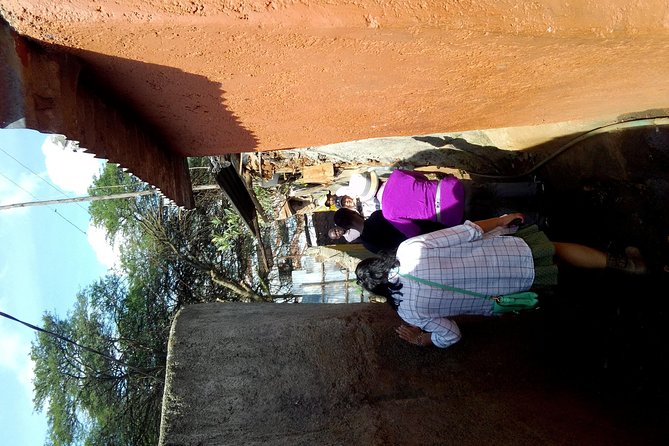
The route includes Kibera Pride Orphanage, which houses more than 25 vulnerable children from the slum.
This stop brings the social needs of the area into sharper focus. It can also be the most emotionally difficult part of the tour. An orphanage is not a light sightseeing stop, and you should approach it with care.
The supplied details do not promise a particular activity at the orphanage, so do not book expecting a fixed performance, donation ceremony, or extended visit with children. The clear purpose is to learn about the facility and the children it houses.
This is also a good place to think about the ethics of community tourism. A responsible visit should keep dignity first. Listen to the guide, follow local expectations, and avoid treating vulnerable children as photo subjects.
The tour’s emphasis on education and opportunity comes through strongly in the feedback associated with the experience. One Japanese-language response described leaving with a renewed sense of the importance of education. That insight fits this stop well: the value is not in feeling sorry for children for an hour, but in understanding why education and support matter over time.
If you prefer easygoing sightseeing, this part may feel heavy. If you want a more honest picture of community life and the work being done to support children, it adds important weight to the afternoon.
A few more Nairobi days to weigh up
- Nairobi National Park Half-Day Tour; Free Wi-Fi connection
★ 5.0 · 878 reviews - Nairobi: National Park & Optional Elephants & Giraffe Center
★ 4.8 · 874 reviews - NAI NAMI: Nairobi Storytelling Tour with Street Children
★ 5.0 · 792 reviews - Nairobi National Park Half-Day Game Drive
★ 4.5 · 738 reviews
Victorious Bone Craft and recycling with a purpose

Victorious Bone Craft is a group that recycles domestic animal bones into jewelry.
This is the tour’s most unusual enterprise. The craft group shows how discarded material can become a source of income and artistic expression. It also challenges the idea that social enterprise must look like a formal office or a polished visitor center.
You will hear about the group’s work and see how recycling connects with local creativity. The available details do not specify a demonstration or a guaranteed chance to buy jewelry, so treat any purchase or hands-on activity as possible rather than promised.
This stop is valuable because it links three ideas in one place: environmental reuse, skilled work, and small-business activity. It gives you something specific to remember after the tour, rather than leaving you with only general impressions.
I also like the way this stop changes the mood. After the serious subject of the orphanage, bone craft offers a look at initiative and creativity. Kibera is presented not only as a place needing help, but as a place where people make, organize, and solve problems.
Power Women Group and personal stories
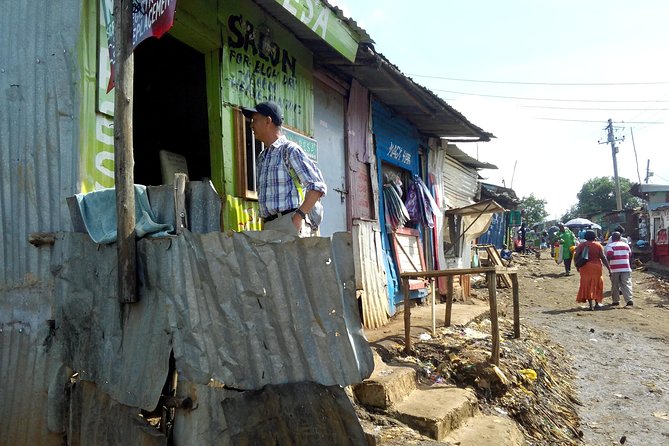
The Power Women Group is another key stop. It is a women’s group made up of people who are victims of HIV/AIDS.
The tour gives you the chance to hear their stories and learn how the group operates. This may be one of the most personal moments of the afternoon, so come ready to listen rather than expecting a staged presentation.
The information provided does not describe the group’s exact services, products, or meeting program. What is clear is that the stop centers on the women’s experiences and the group’s role in the community.
That direct human element is one of the tour’s strongest features. Statistics can tell you that a place faces health and economic challenges. Personal stories show how those challenges affect people and how organized support can help.
The subject may be uncomfortable, and that is not a reason to avoid it. It is a reason to approach it thoughtfully. You should be prepared for discussions of HIV/AIDS, vulnerability, and difficult life circumstances.
A good guide matters here. Lucas and Elijah are praised for being professional while keeping a personal touch, and that balance is important when a tour includes sensitive stories.
What makes the guiding important
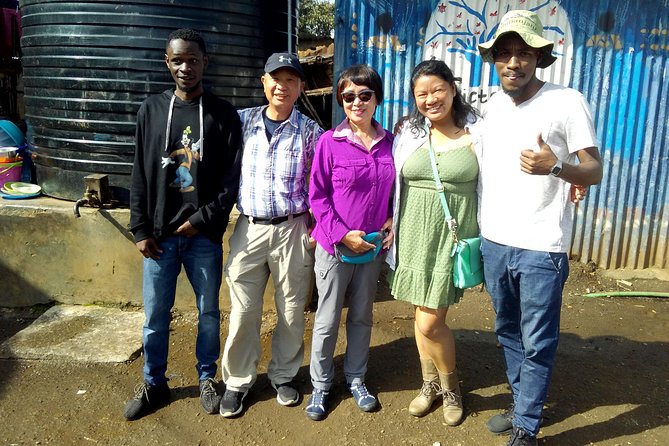
The guide is the difference between a respectful learning experience and a shallow walk through an unfamiliar neighborhood.
Lucas and Elijah are described as able to answer questions and explain Kibera in a personal way. The experience also identifies the guide as accredited, which gives you some reassurance that the walk is organized around local knowledge rather than casual observation.
You should still take responsibility for your conduct. Ask questions politely. Follow instructions. Do not assume that every person you see wants to be photographed or interviewed. The tour may help you understand the neighborhood, but you are still entering someone else’s home area.
The strongest feedback about this experience focuses on the guides’ professionalism, warmth, and ability to make the route feel personal. That is exactly what you want in Kibera. A guide should help you see both the problems and the energy of the community without reducing either one.
The private setting helps. If you want to ask about education, local business, health programs, housing, or daily life, you have space to do so.
Walking demands, duration, and practical comfort

This is a walking tour, and one person specifically enjoyed the amount of walking while warning that others should know about it before booking.
Take that advice seriously. The experience lasts approximately four to six hours, although the listed route itself is described as four hours. The longer estimate may reflect the pace, the meeting process, or the amount of time spent at the stops.
Wear comfortable shoes. You should also expect the walking to be more important than transport between sights. Pickup is offered, but the core experience inside Kibera is on foot.
Most people can participate, according to the supplied information. Still, that general statement does not provide details about pavement, steps, seating, rest breaks, or wheelchair access. If you have mobility concerns, ask the provider before booking.
The afternoon can also be tiring simply because the tour is long and the subject matter requires attention. Give yourself enough time afterward. This is not the best activity to squeeze between several other major Nairobi plans.
Alcoholic beverages are not included. All fees and taxes are included, so the $60 price is easier to assess without guessing about standard tour charges.
Is $60 a fair price?
At $60 per person, this is not Nairobi’s cheapest short walk. The value depends on what you want from the afternoon.
You are paying for an accredited guide, a private group, a four to six-hour experience, and access to several community-focused stops. The price also includes all fees and taxes, which keeps the basic cost clear.
I think the price is reasonable for someone who wants a substantial, guided visit rather than a quick photo stop. The private format adds value because you can ask questions and spend time on topics that matter to you.
The calculation is less favorable if you want a brief introduction, dislike walking, or expect a polished attraction with a fixed show. The tour is a serious neighborhood visit. Its value comes from context, conversation, and the range of local groups included.
The community stops also give the tour more substance than a simple look at homes or streets. Toi Market explains the economy. Kibera Pride Orphanage explains one area of social need. Victorious Bone Craft shows recycling and enterprise. Power Women Group brings forward health, gender, and personal experience.
That is a good spread for one afternoon, though the exact amount of time at each place is not provided.
Who should book this Kibera walk
I would recommend it to you if you want to understand Nairobi through local work and community organizations, not only through museums and major sights.
It suits curious adults, small private groups, and people who are comfortable asking respectful questions about difficult subjects. It is also a good choice if you value a local guide who can explain the setting and respond to what you see.
You should think twice if you want a relaxed, low-effort outing. The route involves substantial walking and may include emotionally serious stories. It is not designed as a carefree afternoon of sightseeing.
Families should consider the age and sensitivity of everyone in the group. The orphanage and Power Women Group may raise topics that require mature discussion, and the experience does not provide age guidance in the available information.
The tour also suits people interested in social enterprise. The bone craft group and market stop show how income and creativity can develop outside a formal commercial center.
Booking, cancellation, and weather notes
The experience is often reserved about 27 days ahead, so leaving it until the last moment may not be wise if your Nairobi dates are fixed.
You can cancel for a full refund up to 24 hours before the start time. Cancellations made within 24 hours are not refunded, and late changes are not accepted.
The activity requires good weather. If poor weather causes cancellation, you will be offered another date or a full refund. Since the main route is outdoors and on foot, checking the forecast before the cancellation deadline is sensible.
Confirmation is provided at booking, and the ticket is mobile. Pickup is offered, while the stated meeting point is Greenhouse Mall along Ngong Road.
FAQ
How long does the Afternoon Kibera Slum Tour last?
The experience takes approximately four to six hours. The route description also gives a four-hour duration, so allow the longer window when planning your day.
Where does the tour meet?
The accredited guide meets you at Greenhouse Mall along Ngong Road in Nairobi. Pickup is offered, but you should confirm the exact pickup details when booking.
What is included in the $60 price?
All fees and taxes are included. Alcoholic beverages are not included.
Is this a private tour?
Yes. Only your group takes part in the activity.
Can I cancel for a full refund?
Yes, if you cancel at least 24 hours before the experience start time. Cancellations within 24 hours are not refunded, and late changes are not accepted.
What happens if bad weather cancels the tour?
The experience requires good weather. If it is canceled because of poor weather, you will be offered a different date or a full refund.
Should you book it?
Book this tour if you want a long, thoughtful walk through Kibera led by a local guide, with time devoted to work, social support, recycling, and personal stories.
The strongest reasons to go are the afternoon timing, the private format, and the mix of stops. Toi Market gives you an economic anchor, Victorious Bone Craft shows creative reuse, and the orphanage and Power Women Group bring serious community issues into view.
Skip it if you want minimal walking or a light sightseeing stop. For everyone else, the $60 price buys a focused way to see Nairobi beyond its usual visitor route, provided you arrive ready to listen, walk, and treat the neighborhood with respect.
Just added around Nairobi
- Visit kibera Slum the chocolate city★ 4.8 · 3 reviews
- 4 Days Safari to Lake Nakuru N/P and Maasai Mara N/R★ 5.0 · 18 reviews
- Maasai Mara Day Trip★ 5.0 · 15 reviews
- 4 Days Tour Landcruiser in Masai Mara and Lake Nakuru★ 5.0 · 10 reviews
- 3 days maasai mara migration safari★ 4.5 · 7 reviews
- Kibera Slum Tour with a Local★ 5.0 · 15 reviews
- Wildebeest Migration in Masai Mara and Sightseeing 4 Days Tour★ 4.5 · 6 reviews
- Day Tour to Nairobi national park, Elephants, and Giraffe Center★ 3.5 · 8 reviews
Kibera Slum Tours, compared.





Kibera Slum Tour with Local Social Entrepreneurs
Read our review →


Browse the lists this tour appears in