

Reviewed · KIBERA SLUM TOURS
Full Day Kibera Slum Tour
Kibera is not a sightseeing backdrop. It is a working neighborhood where people trade, teach, recycle, travel, and organize. This private Nairobi tour takes you through Toi Market, a community center, a bead shop, and local groups while explaining the issues residents face and the work they are doing themselves.
I like two things here: you can set the pace with your own group, and the route includes direct contact with community projects rather than only a walk past homes. The chance to meet a women’s group and see Hope and Shine Kibera Center gives the day more meaning than a simple street tour.
The main consideration is that this is not a light tourist outing. Conditions may feel confronting, and one account noted communication problems with a guide, although the provider apologized. Confirm the day’s schedule and guide details before setting out.
Key Points to Know Before You Go
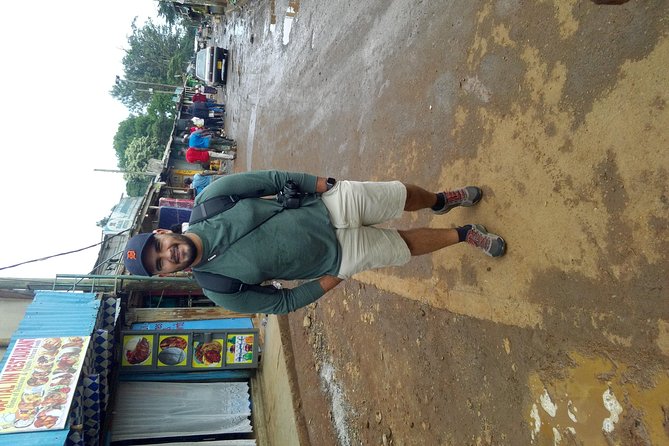
- Toi Market offers the clearest look at daily trade: See the market’s different sections and learn how sellers earn a living.
- Hope and Shine Kibera Center adds a community focus: Meet children and a teacher, join a co-curricular activity, and learn about the center’s work.
- The tour includes several personal encounters: Speak with a women’s group and a youth group rather than only observing from the road.
- Private transport keeps the pace flexible: Your group participates alone, with pickup from your hotel and transport included.
- A matatu ride is part of the experience: You get a brief taste of one of Nairobi’s familiar forms of public transport.
- Bring extra money for shopping and lunch: Bead purchases and food are not covered by the $65 price.
What This Kibera Tour Is Really About

The best way to approach Kibera is with respect and curiosity. You are not entering a museum or a staged village. You are visiting a large urban community where daily life includes shops, schools, transport, informal work, community groups, and serious economic pressure.
That distinction matters. A good visit should help you understand how people live and solve problems, not reduce the area to poverty viewed from a passing vehicle. This route tries to keep the focus on local activity and local leadership through Hope and Shine, women’s and youth groups, traders, and a bead shop.
The experience is private, so only your group takes part. That gives you more room to ask questions and pause when something interests you. It also means the quality of the day depends heavily on the guide’s communication and judgment. One guide named Lucas received especially warm praise for being pleasant and thoughtful, while another account raised concerns about unclear information. I would confirm who is guiding your group and what the day will include.
The price is $65 per person. For a private tour with hotel pickup, private transport, several organized stops, and local community contact, that can be fair value. It is less attractive if you want a quick two-hour photo stop or a tightly timed sightseeing circuit. Much of the value comes from the conversations and explanations, not from entrance tickets or grand monuments.
More guided Kibera walks:
- Nairobi: Explore Kibera Slum with Local Guides
★ 4.9 · 365 reviews - Kevins Kibera Slum Tours
★ 5.0 · 213 reviews - Nairobi: Kibera Slum storytelling tour with a Local
★ 5.0 · 185 reviews
Starting at Greenhouse Mall and Entering Kibera
Pickup is offered from your hotel, followed by a briefing at Greenhouse Mall or the stated starting point. This short introduction is useful because Kibera is a large, active area, and the day involves several different types of stops.
The briefing should help you understand the route, the order of activities, and how to behave respectfully. Use this moment to ask practical questions about photography, shopping, the matatu ride, and how long you will spend at the community center. Since the advertised duration varies between approximately four to six hours and a seven-hour route description, ask for the expected finish time before departure.
The opening section is not designed to give you a polished first impression. You will see an active neighborhood with traders, people moving to work, and everyday business taking place. Keep your attention on the guide’s explanation rather than trying to record everything with your phone.
This is also where a private tour helps. You can ask what you are seeing without worrying about holding up a large group. If you need a short pause, your guide can adjust the pace more easily.
Toi Market: Trade, Sections, and Everyday Work
Toi Market is one of the main stops, and it gives the tour its strongest look at local commerce. You will see an extensive section of the market, identify its different areas, and learn how traders organize their work and sell their goods.
The point is not simply to walk through rows of merchandise. Your guide should explain what the sellers offer, how the market functions, and what the trade means to people who depend on it. That context turns a busy market visit into a lesson about income, supply, and daily survival.
You may have the chance to shop, though the listed shopping stop is specifically a bead shop later in the route. If you want to buy something at Toi Market, ask your guide how to do so politely and fairly. Bargaining may be part of local commerce, but it should not become a performance for the group.
Market conditions can be crowded and uneven underfoot. Wear practical shoes and keep your belongings secure. The tour is private, but privacy does not remove the need for awareness in a busy trading area.
I like this part because it places Kibera in economic context. The neighborhood is not only defined by hardship. It is also a place where people sell, buy, teach, organize, and find ways to earn money.
Hope and Shine Kibera Center

The Hope and Shine community development program is the heart of the visit. At Hope and Shine Kibera Center, you can learn about the children, meet a teacher, and take part in a co-curricular activity.
This is a more personal stop than the market. You are not just looking at the area from outside. You are invited to spend time in a setting focused on children and education, and one account described singing, learning, and sharing a meal with children in a class.
That detail also points to an important limit. Lunch is not included in the tour price, so do not assume that any meal mentioned during the day is part of your paid package. Ask ahead if food will be available, and budget separately for lunch.
Your role at the center should remain respectful and modest. You are visiting a working program, not attending a show. Follow the teacher’s and guide’s instructions, avoid treating children as photo subjects, and take part only in activities that the center welcomes.
For me, this stop helps explain why community programs matter. A visit that only shows difficult living conditions can leave you with sympathy but little understanding. Meeting people involved in teaching and local development gives you a clearer view of effort, organization, and hope.
A few more Nairobi days to weigh up
- Nairobi National Park Half-Day Tour; Free Wi-Fi connection
★ 5.0 · 878 reviews - Nairobi: National Park & Optional Elephants & Giraffe Center
★ 4.8 · 874 reviews - NAI NAMI: Nairobi Storytelling Tour with Street Children
★ 5.0 · 792 reviews - Nairobi National Park Half-Day Game Drive
★ 4.5 · 738 reviews
Two Views Over Nairobi

The route includes two aerial views of what is described as the city of Hope. These viewpoints offer a chance to pause and see the area from above.
The value here is perspective. From ground level, you notice paths, stalls, classrooms, and passing vehicles. From above, you can better understand the size and layout of the neighborhood and how closely its homes, businesses, and public spaces fit together.
Do not expect a formal observation deck or a grand attraction. The appeal comes from seeing the community as a whole and connecting the view with what you have already learned on foot. Your guide’s explanation will make these stops more useful than the view alone.
This may also be one of the quieter parts of the day. Use it to ask questions about housing, services, work, and the local challenges residents are addressing. The supplied information does not specify the exact viewpoints, so the guide will be the best source for what you are seeing.
Bead Shopping and Local Craft

The bead shop gives you a clear chance to support a small local business. You can look at handmade beadwork and purchase something if you find an item you like.
Shopping here works best when you treat it as a genuine exchange rather than a required donation. Ask about prices and the work involved. If you buy, choose something because you want it, not because you feel pressured by the setting.
The stop also offers a useful change of pace. After the market and the community center, a small craft business shows another form of local income. It gives you something tangible to take home while directing money to a local seller.
Bring Kenyan shillings if possible, though the supplied details do not state which payment methods the shop accepts. Ask before the tour if you want certainty about payment or expected prices.
Meeting a Women’s Group and a Youth Group

The tour includes meetings with one women’s group and one youth group. These are among the most valuable stops for anyone who wants to understand local life through people’s own work and goals.
The women’s group can explain what members do each day and how they support one another. The youth group adds another view, focused on younger residents and their activities. The information provided does not specify the groups’ exact projects, so treat the meetings as conversations rather than a fixed presentation with a guaranteed subject list.
Ask open questions. What does the group work on? How does it help members? What does it hope to change? A private setting makes these questions easier, but let the group guide the conversation.
These encounters also require good manners. Listen more than you speak, do not force personal questions, and ask before taking photographs. The tour’s strongest moments are likely to come from human contact, but that contact has to be handled with care.
Riding a Matatu in Nairobi
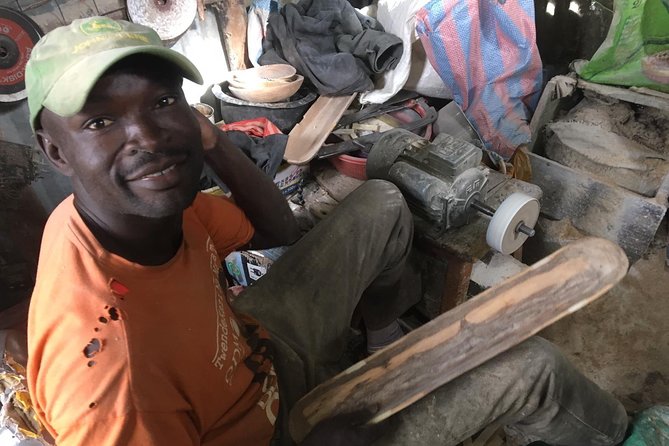
A matatu ride is included as part of the route. Matatus are a familiar form of local public transport, so this gives you a brief experience of how many people move around Nairobi.
It is a practical addition, not a luxury transfer. You are getting a small taste of ordinary transportation rather than traveling in private comfort for every minute of the day. If you prefer a fully private vehicle throughout, clarify how much of the route uses the matatu.
The ride also helps connect the tour to everyday life outside the walking sections. It shows that Kibera is linked to the wider city through regular movement, not cut off from Nairobi.
Because the exact timing is not stated, ask your guide whether the matatu ride is short or a larger part of the transport plan. Keep your belongings close and follow the guide’s directions.
Timing, Transport, and Physical Comfort
The experience is described as lasting about four to six hours, while the detailed route lists seven hours. That is a meaningful difference. If you have an evening flight, restaurant booking, or another Nairobi activity, allow extra time and confirm the actual plan.
Hotel pickup is offered, and private transportation is included. The experience is near public transportation, but you do not need to arrange public transport for the main pickup if you use the offered hotel service.
The route includes walking through a market, visiting a community center, viewing the area from above, and making several group visits. Most people can participate, according to the provided information, but this is not presented as a fully accessible route with detailed mobility specifications.
Wear comfortable shoes and clothing suitable for walking. Keep the day flexible. The point of a private tour is to allow conversation and adjustment, and rushing from one stop to the next would weaken the experience.
Who Will Get the Most From This Visit
I would recommend this tour to you if you want to understand Nairobi beyond hotels, museums, and standard city sights. It suits people who are willing to listen, ask thoughtful questions, and accept that some moments may feel uncomfortable.
It is particularly useful for:
- First-time visitors who want context about urban life in Nairobi
- People interested in community education and local development
- Visitors who prefer private tours and a flexible pace
- Anyone who wants to support local craft and community activity through responsible spending
I would be more cautious about booking it if you want a polished, entertainment-focused excursion. The day may be emotionally demanding, and the schedule may not be as exact as a conventional sightseeing tour. The mixed duration information makes advance confirmation worthwhile.
The 95 percent recommendation rate and 4.9 rating from 20 recorded reviews suggest strong overall satisfaction, but the small number of ratings means you should still pay attention to the practical limits. The account that gave three stars praised the classroom visit, singing, shared learning, and conversations with local people, but criticized the guide’s communication. The provider apologized and said it would improve. That is a reminder to speak up early if the plan is unclear.
Is the $65 Price Fair?
At $65 per person, the tour offers hotel pickup, private transportation, a private group, and access to several community-based stops. There are no extra admission fees listed, and all fees and taxes are included.
The price makes the most sense when you value the guide’s time and the structure of the visit. You are paying for introductions, local explanation, transport, and a route that would be difficult to arrange responsibly on your own.
The value drops if you skip the conversations and treat the day as a quick photo stop. This is a people-centered experience, so its quality depends on your participation and the guide’s ability to explain what you see.
Budget separately for lunch and any beadwork or other purchases. Although one account described sharing a meal at the classroom, food is not included in the stated price.
Should You Book the Full Day Kibera Tour?
Book it if you want a serious, local-focused look at Kibera that includes Toi Market, education work, women’s and youth groups, craft shopping, viewpoints, and a matatu ride. The private format is a real advantage, especially if you want to ask questions or adjust the pace.
Before paying, confirm the guide’s name, pickup details, expected duration, lunch arrangements, and the photography policy at Hope and Shine. Those questions will help prevent the communication problem noted in one account.
I would choose this tour for its community connections, not for a checklist of sights. If you approach Kibera with respect and patience, the day can add a human and practical side to your understanding of Nairobi.
FAQ
Where does the Full Day Kibera Slum Tour take place?
The tour takes place in Kibera, Nairobi, Kenya. The route includes Toi Market, Hope and Shine Kibera Center, a bead shop, viewpoints, a women’s group, a youth group, and a matatu experience.
How long does the tour last?
The experience is described as approximately four to six hours, while the detailed route lists seven hours. Confirm the expected duration when booking.
Is hotel pickup available?
Yes. Pickup is offered from your hotel or place of residence.
Is transportation included?
Yes. Private transportation and all fees and taxes are included. A matatu ride is also part of the experience.
Is this a private tour?
Yes. Only your group participates in the activity.
Is lunch included?
No. Lunch is not included in the tour price.
What is the price?
The listed price is $65 per person.
Can I cancel for a full refund?
Yes. You can cancel at least 24 hours before the experience start time for a full refund. Cancellations within 24 hours are not refunded.
Can most people participate?
Yes. The provided information states that most people can participate. It does not provide detailed accessibility information for every part of the route.
More Full-Day in Nairobi
- Full Day Nairobi Cultural and Historical Tour
★ 5.0 · 153 reviews - Full Day Lake Nakuru Park and optional boat ride on Lake Naivasha
★ 4.5 · 95 reviews - Amboseli National Park: Guided Full Day Tour
★ 4.5 · 42 reviews - Full-Day Lake Nakuru National Park Private Tour With 4*4 Vehicle
★ 5.0 · 16 reviews
Just added around Nairobi
- Visit kibera Slum the chocolate city★ 4.8 · 3 reviews
- 4 Days Safari to Lake Nakuru N/P and Maasai Mara N/R★ 5.0 · 18 reviews
- Maasai Mara Day Trip★ 5.0 · 15 reviews
- 4 Days Tour Landcruiser in Masai Mara and Lake Nakuru★ 5.0 · 10 reviews
- 3 days maasai mara migration safari★ 4.5 · 7 reviews
- Kibera Slum Tour with a Local★ 5.0 · 15 reviews
- Wildebeest Migration in Masai Mara and Sightseeing 4 Days Tour★ 4.5 · 6 reviews
- Day Tour to Nairobi national park, Elephants, and Giraffe Center★ 3.5 · 8 reviews
Kibera Slum Tours, compared.





Kibera Slum Tour with Local Social Entrepreneurs
Read our review →


Browse the lists this tour appears in