

Reviewed · KIBERA SLUM TOURS
Nairobi: Visit Kibera Slum with a Social Entrepreneur
Kibera is not a sightseeing backdrop. It is a lived-in Nairobi community, and this three-hour visit lets you see it with people who were born, raised, and still live there. Guides Erick, Samuel, Benta, and Jack explain daily life, from water and electricity to the small homes many families share.
I like the direct local connection and the fact that 50 percent of the booking fee helps pay school fees for orphans and vulnerable children. I also like the useful stops: a home visit, a children’s centre, and a craft shop with fixed prices. The main drawback is that this is an intense visit to a place facing serious hardship, so it requires respect, attention, and comfortable walking shoes.
Key points at a glance

- Meet local guides who live in Kibera: Erick, Samuel, Benta, and Jack offer first-hand insight into the community.
- Support children through your booking: Half of the fee helps pay school costs and fund other local projects.
- Step inside a local home: Learn how residents manage water, electricity, bathrooms, and limited space.
- Visit KCOOP Children’s Centre: See a project serving orphans and vulnerable children.
- Shop without haggling: OAC Kenya Crafts uses marked, fixed prices for locally made souvenirs.
- Plan for a serious, active visit: The tour lasts about three hours and is not suitable for wheelchair users or people with mobility impairments.
What this Kibera visit is really about

Kibera lies about 6.6 kilometres, or 4.1 miles, from Nairobi’s city centre. The community is widely described as Africa’s largest slum and one of the largest in the world. Those labels offer scale, but they do not explain much about ordinary life there.
This visit tries to move past the headline. You meet people who live in Kibera and hear about the community from their own point of view. That matters because a short walk through a low-income area can easily become a one-sided look at poverty. Here, the visit includes homes, local enterprise, education work, and everyday systems that are easy to overlook.
The social purpose is central, not a small extra. OAC Kenya Tours uses its income to help pay school fees for orphans and vulnerable children and to support other community projects. The organization also runs KCOOP Organization, a non-profit founded and registered in 2022.
KCOOP works in Kibera and rural parts of Kenya. Its programs include after-school activities, education support, help with child hunger, arts and sports programs, and community outreach. Your booking does not solve these problems, but it gives you a way to learn while contributing to work already being done locally.
More guided Kibera walks:
- Nairobi: Explore Kibera Slum with Local Guides
★ 4.9 · 365 reviews - Kevins Kibera Slum Tours
★ 5.0 · 213 reviews - Nairobi: Kibera Slum storytelling tour with a Local
★ 5.0 · 185 reviews
Meeting at Prestige Plaza on Ngong Road
The tour begins inside Prestige Plaza Shopping Mall on Ngong Road. Look for Java House and meet in front of it. This is a sensible meeting point because it is clear and easy to identify, and you can contact the team by WhatsApp or phone at 0711419529 if needed.
After introductions, you take a taxi to the team’s office in Kibera. The taxi ride is part of the connection between Nairobi’s more familiar commercial setting and the community you are about to visit. The taxi is not included in the stated price, so clarify the transport arrangement and fare with the team when you meet.
The full visit takes about three hours, though the guides can make it shorter or longer depending on your interest. That flexibility is useful. You may want more time for questions at the children’s centre or the home visit, while another person may prefer a shorter walk.
Wear shoes that handle uneven walking and bring water, sunscreen, and hand sanitizer or tissues. The tour is not suitable for wheelchair users or people with mobility impairments, so consider that before booking.
The office briefing gives you context first

The first stop is the OAC Kenya Tours office. The team welcomes you there, makes introductions, and explains how the visit will work. Free Wi-Fi is available at the office, though the real value of this stop is the briefing.
A short introduction helps set the right tone. You can ask about Kibera’s history, the work of OAC Kenya Tours, and the projects supported by the income. It is also the right time to ask how the home visit will work and what is appropriate when taking photographs.
The four guides, Erick, Samuel, Benta, and Jack, all grew up in Kibera and still live there. That gives the tour a clear advantage: you are not being shown around by an outsider repeating a script. The precise guide depends on the day, but the team’s local connection is the foundation of the visit.
The office also gives you a chance to settle in before walking through residential areas. This is useful if you feel uncertain about how to behave. Listen carefully, ask before taking photographs, and remember that people’s homes and routines are not displays arranged for visitors.
A local home explains daily life better than statistics

The home visit is the central stop. You are welcomed into a residential house and shown practical details of daily life, including how residents obtain water, use electricity, manage bathrooms, and live within the typical size of a Kibera home.
This part can be more useful than a long explanation of poverty because it deals with ordinary systems. Water, power, sanitation, and space are not abstract subjects when you see how they shape a household’s day.
The visit also gives you a chance to ask questions in a respectful setting. You might ask how water is collected, how families organize a small living area, or what challenges residents face. Let your guide lead the conversation and avoid turning the home into a photo opportunity.
The emotional effect can be strong. You may see friendliness and resilience alongside serious hardship. The right response is not pity performed for the camera. It is attention, courtesy, and a willingness to listen.
Because this is a working neighborhood, conditions can change from one area to another. The supplied information does not promise a particular type of house or a specific family story, so expect an honest introduction to local life rather than a staged presentation.
A few more Nairobi days to weigh up
- Nairobi National Park Half-Day Tour; Free Wi-Fi connection
★ 5.0 · 878 reviews - Nairobi: National Park & Optional Elephants & Giraffe Center
★ 4.8 · 874 reviews - NAI NAMI: Nairobi Storytelling Tour with Street Children
★ 5.0 · 792 reviews - Nairobi National Park Half-Day Game Drive
★ 4.5 · 738 reviews
Recycled crafts show local skill and enterprise
At the handicrafts centre, you see local makers recycle materials into jewelry and other handmade goods. This stop adds an important economic side to the visit. Kibera is not only a place where people need help. It is also a place where residents create, sell, and build income from practical skills.
You can watch how discarded or ordinary materials become useful objects. The details of the items available may vary, but the basic idea is clear: craft work can support local livelihoods and give visitors something made in the community.
This is a good point to ask about the materials, the making process, and how the income reaches artisans. If you want to buy something, the later curio shop provides a more formal place to do so.
KCOOP Children’s Centre puts the social mission on view

The fourth stop is KCOOP Children’s Centre, which the team runs for orphans and vulnerable children. It gives the tour a direct link to the school-fee support mentioned in the booking details.
The centre’s programs connect with KCOOP Organization’s wider work: after-school activities, education, food support, arts, sports, and community outreach. The visit helps you understand where the social-enterprise model is trying to direct money.
You may bring optional gifts for the children. Suggested items include candies, biscuits, snacks, school supplies, used clothes, sports supplies, art materials, indoor games, rice, or sugar. This is not required, and you should not feel pressured to bring anything.
If you do bring supplies, practical items are usually easier for an organization to manage than random gifts. Ask the team what is currently most useful. Also remember that children should be treated with the same respect as anyone else. Ask before photographing them, and do not hand out items in a way that creates a scramble.
The centre is likely to be one of the most moving parts of the visit, but it is worth keeping your expectations grounded. This is a community project, not a large museum or a polished attraction. Its value lies in meeting the work being done and learning how education support fits into local needs.
OAC Kenya Crafts keeps souvenir shopping simple

The final stop is OAC Kenya Crafts, a local curio shop and social enterprise. It sells handmade African crafts and souvenirs, with prices clearly marked on each item.
The fixed-price system is a real convenience. You do not need to bargain, worry about inflated starting prices, or guess what a fair amount might be. The shop presents regular, transparent prices, and income helps create opportunities for local artisans while also supporting needy children in Kibera.
Bring cash if you think you might buy something. Purchases are optional, and you can preview some products and prices through the shop’s Instagram account, @oac.kenya.crafts.
This stop gives your spending a clearer purpose than a generic souvenir purchase. Still, buy because you want the item, not because you feel guilty. A small, useful object made by a local artisan is a better keepsake than a purchase made under pressure.
The strongest part is the local point of view
The most praised feature of this visit is the guides’ personal connection to Kibera. Erick, Samuel, Benta, and Jack were born and raised in the community, and that changes the kind of information you receive.
You can expect explanations based on lived experience rather than a distant overview. One guide may focus on the practical details of home life, while another may spend more time discussing the children’s programs or local crafts. The available guide can vary, but the team is built around residents of Kibera.
The visit is also carefully organized around five stops. That structure gives you a clear path through the community:
- The office, for introductions and briefing
- A local home, for daily-life details
- The handicrafts centre, for recycling and artisan work
- KCOOP Children’s Centre, for education and child support
- OAC Kenya Crafts, for transparent-price shopping
The organization helps the visit feel purposeful. You are not simply walking around and looking. Each stop explains a different part of life and work in the community.
Safety, comfort, and respectful conduct
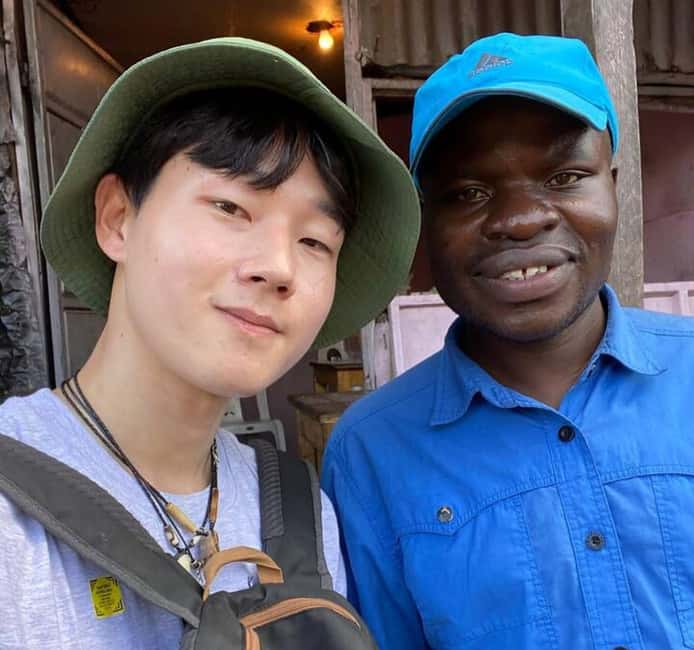
Safety is a natural concern when visiting an unfamiliar urban area. The tour’s structure and local guides help you move through the community with someone who knows the setting. The available feedback also describes the guides as friendly and reassuring, with specific praise for Benta, Eric, Zack, and Jack.
The tour is still not a passive outing. You should stay with your guide, follow instructions, and keep your belongings secure as you would anywhere in Nairobi. The supplied details do not promise private transport throughout the tour, so ask the team about the taxi transfer from Prestige Plaza.
Comfort matters. Bring water, wear sensible shoes, and use sunscreen. Hand sanitizer or tissues are also recommended. The walking conditions and access to facilities may not suit everyone, particularly people with mobility limitations.
Cultural manners matter just as much as physical preparation. Ask before photographing people or homes. Do not assume children want sweets, photos, or attention. Avoid describing residents only through hardship, since this tour also shows work, enterprise, education, and community effort.
Who will get the most from this visit
I would recommend this experience to you if you want a direct, community-led look at Nairobi and are ready for a serious subject. It suits people who prefer meeting local organizers and learning about social projects rather than simply checking off landmarks.
It is especially useful for anyone interested in education, community development, artisan work, or ethical tourism. The combination of a home visit, children’s centre, and local craft business gives you more range than a short walk focused only on living conditions.
Families should think carefully about the children’s ages and the tone of the visit. The subject matter can be emotional, and the organizers’ optional gift list may be useful if children are prepared to behave respectfully.
You should reconsider if you need a polished attraction, dislike walking, or feel uncomfortable visiting residential areas. This is also not a good choice for wheelchair users or people with mobility impairments.
Is $16 good value?
The listed price is $16 per group up to one person, with an expert guide included. Meals and drinks are not included. Since the activity lasts about three hours and includes several stops, the price is low for a guided Nairobi experience.
The strongest value comes from the combination of access and social purpose. You receive local guidance, a structured visit, a home introduction, a look at a children’s centre, and the chance to buy directly from a social enterprise. Half of the booking fee goes back to the community for school fees and other projects.
That does not mean every minute will feel comfortable or entertaining. The value is educational and human, not based on grand sights. You are paying for context, access, and the work of local guides, while also contributing to a stated community program.
You will need to budget separately for the taxi from Prestige Plaza, drinks, meals, and any craft purchases. Those costs are optional or outside the tour price, but it is best to arrive prepared.
Booking details that matter
The tour is conducted in English. You meet at Java House inside Prestige Plaza Shopping Mall on Ngong Road, then return to the same meeting point at the end.
You can reserve now and pay later, which keeps your plans flexible. Cancellation is allowed up to 24 hours in advance for a full refund.
The price is listed for a group of up to one person, so check the booking screen carefully if you are arranging a larger party. The team can adjust the three-hour length according to your interests, but confirm any timing changes before you begin.
If you want to donate supplies, contact the organizers first and ask what is needed. If you want souvenirs, bring cash and visit OAC Kenya Crafts, where prices are fixed and marked.
Should you book the Kibera social-impact tour?
Book this visit if you want to understand Kibera through local voices and support a clearly stated education effort. The home visit and KCOOP Children’s Centre give the tour substance, while the craft stops show that community life includes enterprise and creativity as well as hardship.
I would not book it as a casual photo stop or a quick way to collect an unusual Nairobi story. Go with patience, respect, and a willingness to listen. For the modest $16 price, the experience offers unusually direct contact with local guides and a practical way to put part of your tourism spending toward children’s school fees.
FAQ
Where does the Kibera tour begin?
The meeting point is in front of Java House inside Prestige Plaza Shopping Mall on Ngong Road, Nairobi.
How do I contact the tour team?
You can call or text the team on WhatsApp at 0711419529.
How long does the experience last?
The tour takes about three hours, but the team can make it shorter or longer depending on your interests.
What happens after meeting at Prestige Plaza?
After meeting the team, you take a taxi to the OAC Kenya Tours office in Kibera.
What stops are included?
The five stops are the OAC Kenya Tours office, a local home, a handicrafts centre, KCOOP Children’s Centre, and OAC Kenya Crafts.
Who leads the tour?
The local guide team includes Erick, Samuel, Benta, and Jack. They were born, raised, and still live in Kibera.
Does the booking support the community?
Yes. Fifty percent of the booking fee goes back to the community to help pay school fees for orphans and vulnerable children and support other projects.
Are meals and drinks included?
No. Meals and drinks are not included.
Can I bring gifts for the children?
Yes, but this is optional. Suggested items include school supplies, snacks, sports supplies, art materials, used clothes, indoor games, rice, and sugar.
Is the tour suitable for wheelchair users?
No. The activity is not suitable for wheelchair users or people with mobility impairments.
Just added around Nairobi
- Visit kibera Slum the chocolate city★ 4.8 · 3 reviews
- 4 Days Safari to Lake Nakuru N/P and Maasai Mara N/R★ 5.0 · 18 reviews
- Maasai Mara Day Trip★ 5.0 · 15 reviews
- 4 Days Tour Landcruiser in Masai Mara and Lake Nakuru★ 5.0 · 10 reviews
- 3 days maasai mara migration safari★ 4.5 · 7 reviews
- Kibera Slum Tour with a Local★ 5.0 · 15 reviews
- Wildebeest Migration in Masai Mara and Sightseeing 4 Days Tour★ 4.5 · 6 reviews
- Day Tour to Nairobi national park, Elephants, and Giraffe Center★ 3.5 · 8 reviews
Kibera Slum Tours, compared.





Kibera Slum Tour with Local Social Entrepreneurs
Read our review →


Browse the lists this tour appears in