

Reviewed · KIBERA SLUM TOURS
Nairobi: Volunteer at KCOOP Children’s Centre in Kibera Slum
KCOOP Children’s Centre gives you a close look at community-led care in Kibera, while your day is spent doing useful work with children who need food, learning, and a safe place to play. You might serve snacks, read a book, help with basic math, or lead a drawing and singing session. The connection is the point, not a polished tourist show.
I like two things here: local leadership and flexible involvement. KCOOP was founded and registered in Kibera in 2022, so this is a grassroots project shaped by people from the community. I also like that you can visit for about three hours or stay involved for several weeks. The main consideration is that this is a working children’s centre, not a sightseeing attraction, so you should arrive ready to listen, adapt, and help without expecting a fixed entertainment program.
Key points to know before you go
- KCOOP is a community-led centre providing food, education, care, and play for orphans and vulnerable children.
- Your work can match your skills, from serving food and tutoring to storytelling, drawing, singing, and organizing activities.
- The schedule is flexible, with options from three hours to several weeks.
- An orientation comes first, with a welcome at the KCOOP Organization office and an introduction to the team.
- The $35 price supports a personal service experience, but confirm exactly what your booking includes, since meals and accommodation are listed for long-term volunteers.
- Bring water and comfortable shoes, and note that the experience is not suitable for wheelchair users, people with mobility impairments, or children under three.
A useful day at KCOOP Children’s Centre

A visit to KCOOP is less about checking off sights and more about giving your time where it can be used. The centre provides a safe place for children in Kibera to learn, play, eat, and receive care. Your role is practical, simple, and shaped around what the staff need that day.
That flexibility matters. A three-hour visitor may help with a feeding session and spend time reading or playing. Someone staying longer might assist with repeated educational sessions, fundraising, grant writing, or other support. You are not expected to arrive as a trained teacher. You need patience, respect, and a willingness to take direction.
I would treat this as a service visit with cultural exchange, not as a way to observe hardship from the sidelines. The best contribution is often modest: sitting with a child during reading time, helping organize a creative activity, or serving food carefully and calmly.
More guided Kibera walks:
- Nairobi: Explore Kibera Slum with Local Guides
★ 4.9 · 365 reviews - Kevins Kibera Slum Tours
★ 5.0 · 213 reviews - Nairobi: Kibera Slum storytelling tour with a Local
★ 5.0 · 185 reviews
Starting at the KCOOP Organization office
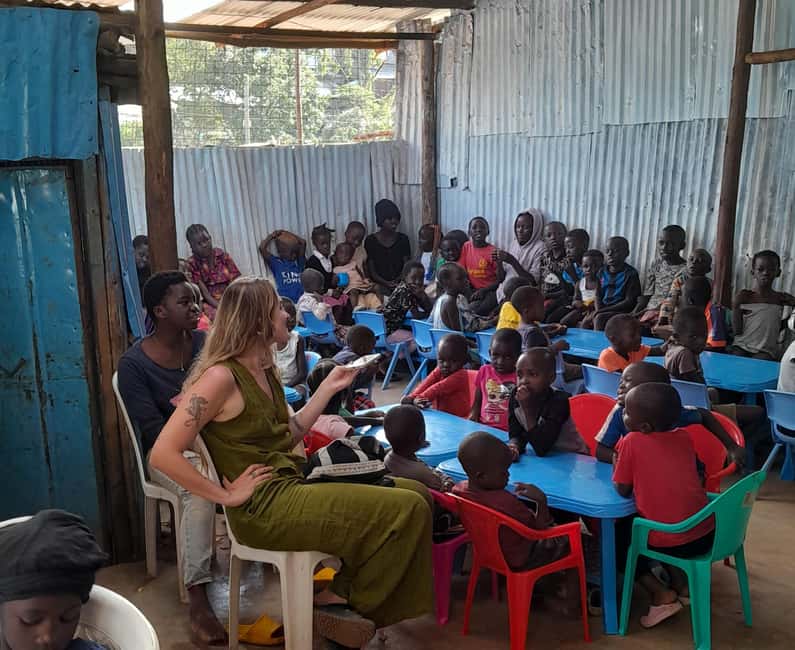
Your day begins with a welcome and orientation at the KCOOP Organization office. The meeting details are handled by WhatsApp, so call or text before setting out and make sure you have the correct arrival instructions.
The orientation is an important part of the experience. It gives you a chance to meet KCOOP team members, understand the centre’s work, and discuss how you can help. Since volunteers can customize their time around personal interests and skills, this is when you should explain what you are comfortable doing.
If you have experience in literacy, math, art, music, childcare, administration, fundraising, or grant writing, say so. If you have no formal experience, say that too. You can still help with play, conversation, food service, or simple creative sessions.
The supplied information does not name individual guides, so your main points of contact will be the KCOOP team and the staff who welcome you. That is worth remembering when you book. This is a locally run project, and the people coordinating your visit are central to how the day unfolds.
Meeting children through food, play, and learning
The children’s centre offers several ways to get involved. During the feeding program, you may help serve food or snacks. Food service sounds basic, but it is one of the clearest ways to support the centre’s daily work. Follow staff instructions, keep the process orderly, and let the team lead any decisions about portions, timing, and children’s needs.
You can also join activities such as drawing, storytelling, and singing. These are good choices if you want a less formal way to connect with children. You do not need a complicated lesson plan. A simple story, a picture to draw, or a song that invites participation can give children a welcome break and encourage confidence.
Reading and basic tutoring are available for people who feel comfortable helping with literacy or math. I would keep your approach relaxed and patient. The aim is not to perform as a professional teacher. It is to give children attention, practice, and encouragement while working within the centre’s methods.
You may also assist staff with educational or creative sessions. This could mean preparing materials, helping children take part, or organizing the activity space. The exact task depends on the day and your skills, so do not arrive expecting a guaranteed role.
Learning about life in Kibera from local people
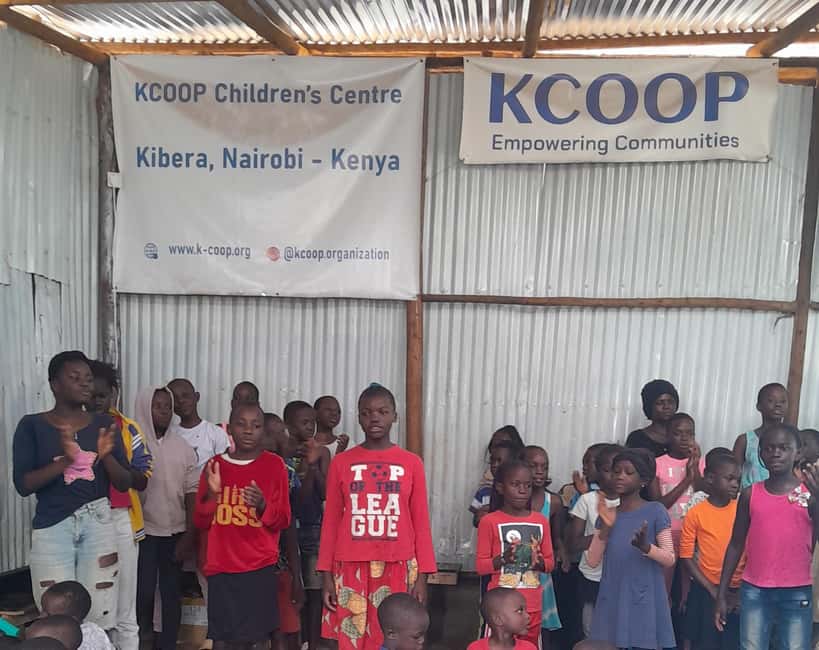
KCOOP’s setting gives the experience its wider meaning. You are visiting a centre in Kibera, where children and families face serious challenges, yet the project also focuses on care, education, play, and resilience. The centre is a place to meet people through shared activity rather than simply looking at a difficult situation.
That distinction matters. A responsible visit should protect children’s dignity and allow the local team to decide what is useful. Listen when staff explain the work. Ask respectful questions. Avoid treating poverty as a backdrop for photographs or dramatic stories.
The description promises a chance to learn about daily life in Kibera from people who live there. I would see that as an opportunity for conversation, not a guarantee of a full neighborhood tour or a scripted lesson. The cultural exchange comes through your interaction with the KCOOP team and children, along with the context they choose to share.
You may leave with a better sense of how a small nonprofit responds to local needs. KCOOP, short for Kibera Community Outreach Project, was founded and registered in 2022. Its centre is designed as a safe space where needy children can learn, play, and receive care. That relatively recent start also helps explain why the organization is seeking partnerships with other nonprofits and social enterprises.
A few more Nairobi days to weigh up
- Nairobi National Park Half-Day Tour; Free Wi-Fi connection
★ 5.0 · 878 reviews - Nairobi: National Park & Optional Elephants & Giraffe Center
★ 4.8 · 874 reviews - NAI NAMI: Nairobi Storytelling Tour with Street Children
★ 5.0 · 792 reviews - Nairobi National Park Half-Day Game Drive
★ 4.5 · 738 reviews
What the $35 price means
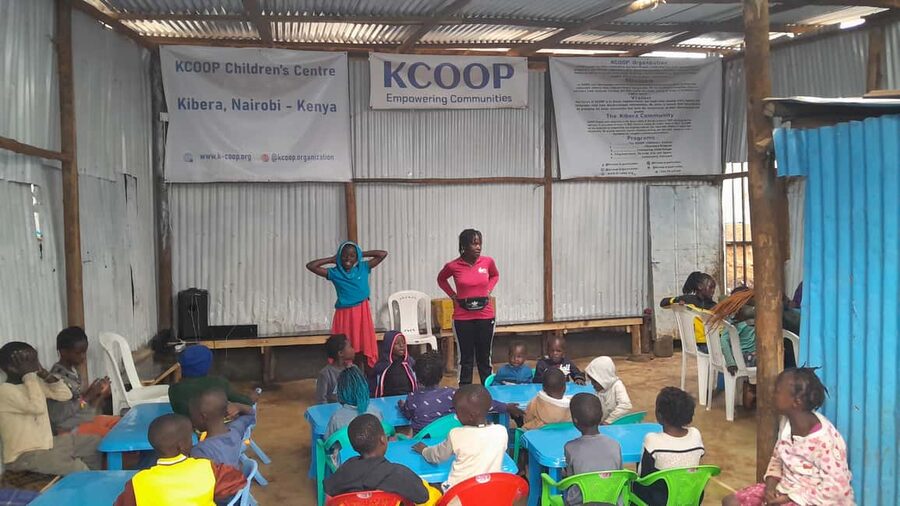
The listed price is $35 per person. For a short volunteer visit, that can be reasonable if the booking gives you orientation, staff access, and a well-organized chance to help at the centre. You are paying for coordination as well as your time on site, not simply buying admission to a place.
Still, check the details before you commit. Meals and accommodation are included for long-term volunteers, but the information does not say that these benefits apply to a short visit. Personal expenses are not included. Ask what is covered for your chosen length of stay, especially if you are planning more than one day.
The value is strongest for someone who wants a direct, structured way to support a local project. It is less suitable for someone looking for a standard sightseeing outing with a fixed route, many attractions, or a guaranteed schedule.
I also appreciate the reserve and pay later option. It lets you hold a place without paying immediately, which is useful when your Nairobi plans are still changing. Cancellation is available up to 24 hours before the activity for a full refund.
Choosing three hours or several weeks
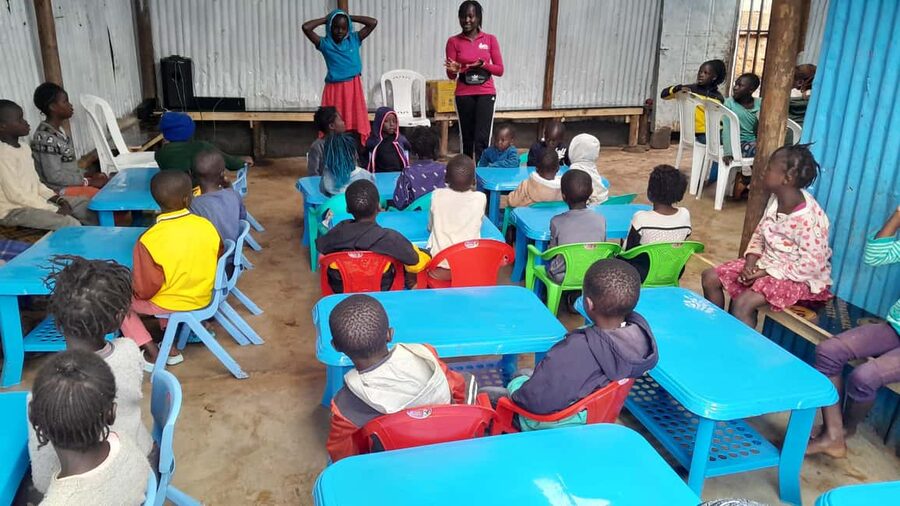
The flexible duration is one of KCOOP’s biggest practical advantages. A three-hour visit works well if you have limited time in Nairobi and want to add service to your trip without giving up an entire week. You can receive the welcome, join one or more centre activities, and return to the meeting point when the session ends.
A longer stay gives you more continuity. You may learn the centre’s routines, support more educational sessions, and build stronger working relationships with staff. Long-term volunteers receive meals and accommodation, according to the provided details, but you should confirm the arrangements before booking.
The best length depends on what you hope to do. If you want a meaningful introduction to the project, choose the short format. If you have teaching, nonprofit, fundraising, or grant-writing skills and can commit real time, a longer placement may allow those skills to be more useful.
Virtual volunteering is also available in fundraising or grant writing. That option may suit you if you cannot visit Kibera in person but still want to support KCOOP’s efforts to reach more vulnerable children.
Packing for a hands-on visit
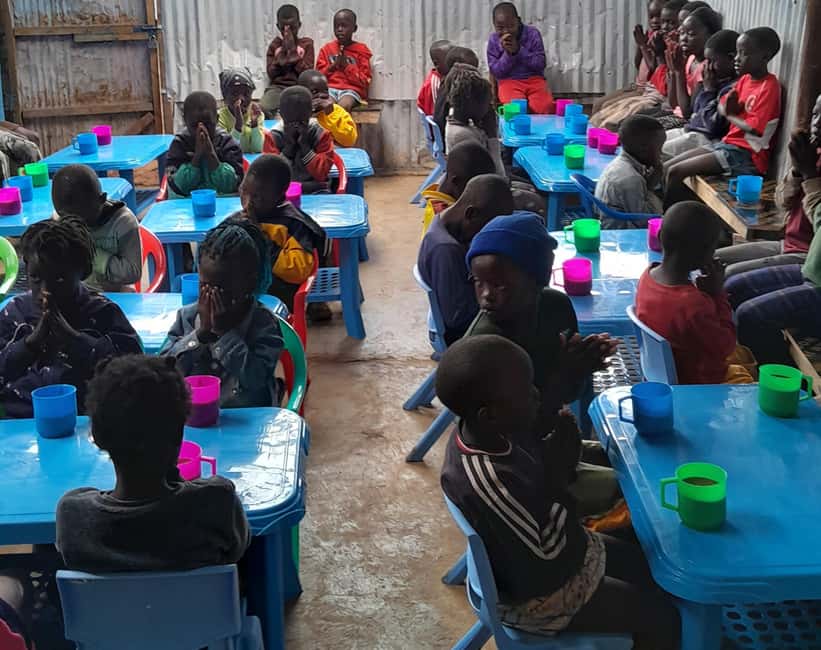
Keep your clothing comfortable and practical. Bring comfortable shoes, sunscreen, water, and clothes you can move around in while sitting, playing, organizing materials, or helping with food service.
I would pack lightly and avoid bringing valuables you do not need. The centre’s work should remain the focus, and simple clothing is more practical than anything formal or delicate.
English is the listed language for the experience. If you are comfortable communicating in English, you should be able to take part in the orientation and activities. No prior training or experience is required, but you still need to follow the staff’s lead.
The experience is not suitable for children under three, people with mobility impairments, or wheelchair users. That information is important because the day involves participation at a community children’s centre, and the provider does not present it as an accessible activity.
What makes the connection meaningful
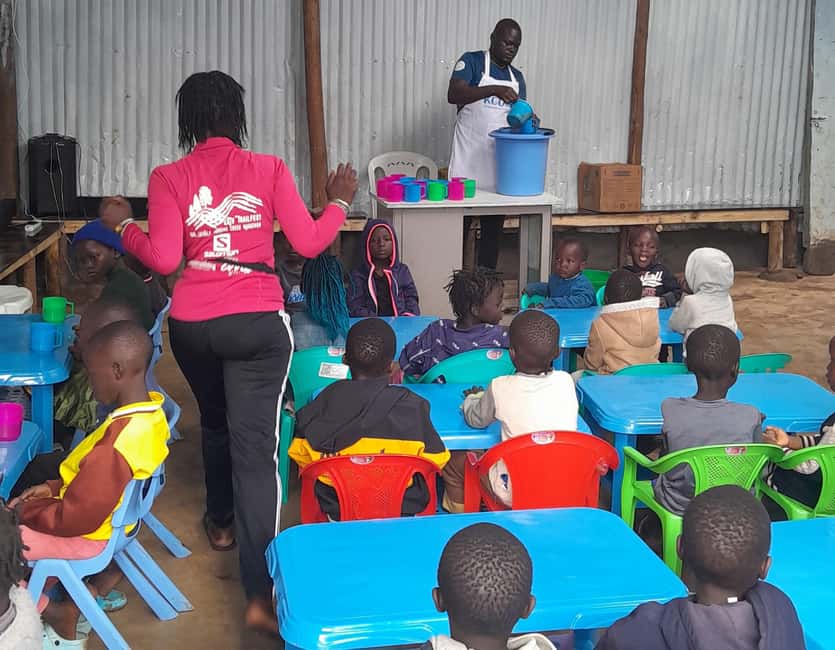
The strongest part of KCOOP is the chance to help through ordinary acts. Feeding a child, reading together, singing, or helping with a creative session may not feel dramatic, but those moments are the work.
One review describes the staff as phenomenal and the children as lively, with a welcoming community. Another person found the visit worth the detour after spending time with the children and team. Those comments point to the experience’s main appeal: the warmth comes from the people and the shared activity, not from a large production or a long list of sights.
You should also keep expectations realistic. A short visit cannot solve the centre’s larger needs. It can give staff an extra pair of hands, offer children focused attention, and help you understand the project better. The most respectful approach is to measure success by whether you supported the day’s work, not by how dramatic your personal experience felt.
I would also avoid promising children more than you can deliver. Let staff guide conversations and activities. Ask before taking photographs or sharing images. The supplied information does not set out a photography policy, so seek permission directly from the team.
Who will get the most from this experience
This activity suits compassionate visitors who want to give time rather than simply donate money. It is also a natural fit for gap year students, families with older children and teens, and anyone curious about community work in Nairobi.
Families should think carefully about the age and temperament of each child. The experience is not suitable for children under three, and younger participants may need an adult to explain why the visit is about helping, not entertainment.
Students and people considering nonprofit work may find the flexible roles useful. You can test your interest in tutoring, food programs, educational activities, fundraising, or grant writing without needing prior certification.
It is not the best choice for someone who dislikes uncertainty. The exact duties may change, and there is no promise of a fixed timetable or a particular lesson. You need to be comfortable with a local project that responds to its needs as the day develops.
A few respectful ways to prepare
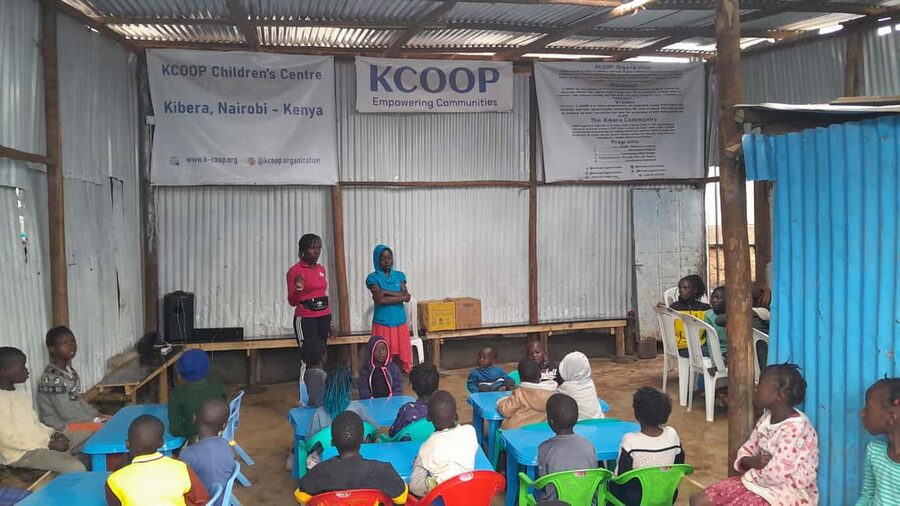
Before arriving, think about what you can offer in a simple and reliable way. A short story, a basic reading exercise, a drawing activity, or a song can be enough. You do not need to bring a grand project.
Come ready to listen. Ask the KCOOP team what would help most that day, and accept a different assignment if the centre’s needs change. Food service may be more useful than tutoring on one day. Organizing materials may matter more than leading an activity on another.
You can also learn more about KCOOP before your visit through its website, k-coop.org, and its social media accounts on Instagram, Facebook, and YouTube under @kcoop.organization. Use those channels to understand the organization’s current work and confirm any details that are not clear when you book.
Should you book KCOOP Children’s Centre?
Book this experience if you want a flexible, locally led service visit in Nairobi and you are willing to participate with humility. The strongest reasons are the direct contact with KCOOP staff, the chance to support meals and education, and the option to shape your role around your skills.
Skip it if you want a sightseeing tour, a guaranteed itinerary, or a fully accessible activity. At $35, the value depends on what you want from the day: it is a fair price for organized community involvement, but you should confirm what applies to a short visit versus a long placement.
For the right person, KCOOP offers a useful way to spend a few hours or several weeks helping children learn, eat, play, and feel cared for. Come prepared to do small jobs well, and you are more likely to have the kind of meaningful exchange this project is built to provide.
FAQ
How long can I volunteer at KCOOP Children’s Centre?
You can customize the duration from about three hours to several weeks.
What activities can I help with?
You can serve food or snacks, lead drawing, storytelling, or singing, read with children, tutor basic literacy or math, and assist staff with educational or creative sessions.
Do I need previous training or experience?
No. Prior training or experience is not required. You should bring an open attitude and be ready to follow the KCOOP team’s guidance.
Are meals and accommodation included?
Meals and accommodation are included for long-term volunteers. Personal expenses are not included, and you should confirm what applies to your chosen visit length.
How do I arrange the meeting point?
You can call or text the provider on WhatsApp for the meeting details. The activity ends back at the meeting point.
Is the experience suitable for everyone?
It is not suitable for children under three, people with mobility impairments, or wheelchair users. The listed language is English.
Just added around Nairobi
- Visit kibera Slum the chocolate city★ 4.8 · 3 reviews
- 4 Days Safari to Lake Nakuru N/P and Maasai Mara N/R★ 5.0 · 18 reviews
- Maasai Mara Day Trip★ 5.0 · 15 reviews
- 4 Days Tour Landcruiser in Masai Mara and Lake Nakuru★ 5.0 · 10 reviews
- 3 days maasai mara migration safari★ 4.5 · 7 reviews
- Kibera Slum Tour with a Local★ 5.0 · 15 reviews
- Wildebeest Migration in Masai Mara and Sightseeing 4 Days Tour★ 4.5 · 6 reviews
- Day Tour to Nairobi national park, Elephants, and Giraffe Center★ 3.5 · 8 reviews
Kibera Slum Tours, compared.





Kibera Slum Tour with Local Social Entrepreneurs
Read our review →


Browse the lists this tour appears in