

Reviewed · KIBERA SLUM TOURS
Nairobi: Kibera Slum Half-Day Guided Tour With Pick-up
Kibera is best understood on foot, with a local guide who can explain the streets, businesses, and community projects you pass. This three to four-hour private tour brings you close to everyday life without reducing the neighborhood to a photo stop.
I like the chance to meet residents and visit projects run for youth, women, and schools. I also like the simple value: $24 includes a guide, transport, water, and portable Wi-Fi. The main consideration is that Kibera is a working community, not a polished attraction, so you should expect crowded streets, basic conditions, and a tour that asks for respect and attention.
Key points to know before you go

- A local walking tour: Spend about three hours on foot in Kibera, with explanations of its past and present.
- Community projects are central: Visit initiatives connected with schools, youth programs, and women’s empowerment.
- Small businesses reveal daily life: See artisan workshops, food sellers, local shops, and other neighborhood enterprises.
- Private group format: Your party receives a live guide in English, French, or Swahili.
- Useful inclusions: Hotel pickup and drop-off, bottled water, and portable Wi-Fi are included.
- Good value at $24: Airport pickup is available for an added $25 fee, while the regular meeting point is at Prestige Plaza Shopping Mall.
Why Kibera is worth seeing with a guide
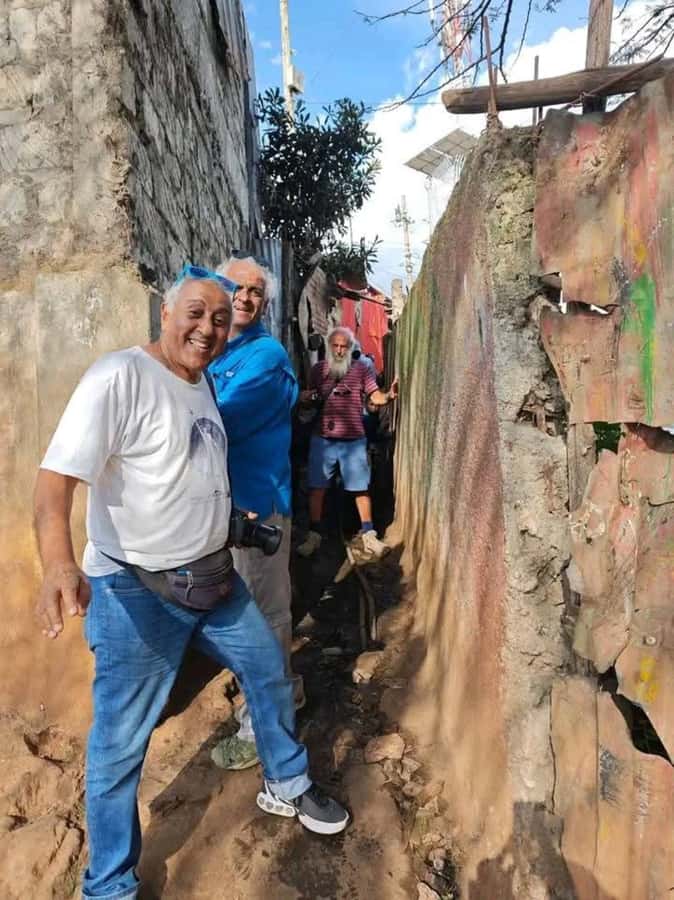
Kibera is one of Nairobi’s largest informal settlements, and it is also home to families, shops, workshops, schools, artists, and local groups working to improve life in the area. A short walk can show you far more than a distant viewpoint or a quick drive past the neighborhood.
The point of this tour is not to treat hardship as a spectacle. A good guide helps you understand how people work, organize, raise families, and build opportunities in a place with limited resources. You hear the background, meet people involved in local projects, and see how ordinary business keeps the community moving.
That context matters. Without it, a visit can feel uncomfortable or shallow. With a respectful guide and a clear purpose, you can leave with a better sense of Nairobi’s social and economic contrasts, along with a greater appreciation for the work being done inside Kibera.
The experience is described as a private group tour, which is useful here. A smaller party makes it easier to ask questions and easier for your guide to manage introductions. It also reduces the risk of turning a community visit into a loud group procession.
More guided Kibera walks:
- Nairobi: Explore Kibera Slum with Local Guides
★ 4.9 · 365 reviews - Kevins Kibera Slum Tours
★ 5.0 · 213 reviews - Nairobi: Kibera Slum storytelling tour with a Local
★ 5.0 · 185 reviews
Starting at Prestige Plaza on Ngong Road
The standard meeting point is just outside Java House inside Prestige Plaza Shopping Mall on Ngong Road. If you are arranging your own way there, this gives you a clear indoor landmark rather than an uncertain roadside meeting spot.
Hotel pickup and drop-off are included, though the starting point depends on the option you select. Airport pickup is also available for an additional $25 fee, specifically for the airport or the area around it. Check the selected option carefully before booking so you know if your transport is included or if that extra charge applies.
Once you meet your guide, expect a safety briefing and an introduction to Kibera’s history and present-day challenges. The guide’s role is important from the first few minutes. You need someone who can explain where you are going, introduce you properly, and help you understand which parts of daily life are appropriate to observe or photograph.
The available guide languages are English, French, and Swahili. One named guide connected with the experience is David, who received a strong mention from a verified booking. Since the tour is private, you can confirm the language and pickup details before setting out.
Walking through Kibera for about three hours

Most of the visit takes place on foot and lasts roughly three hours. This is where the tour earns its value. You are not simply shown a general view of Kibera. You move through its streets, stop at local points of interest, and have time to hear how residents manage work, family life, and community activities.
The pace includes sightseeing, passing through local streets, and stopping for explanations. The exact order can change, but the visit is designed around direct contact with the area rather than a fixed museum-style display.
You may see small businesses operating close to homes and walkways. These can include shops, food sellers, workshops, and other forms of local trade. Such stops help explain how people create income and serve their neighbors in a setting where resources are limited.
I would treat the walking portion as an educational visit, not a normal city stroll. The surface may be uneven, and the streets can be crowded. Wear practical shoes and keep your attention on your guide and surroundings. The supplied details do not promise a specific level of physical difficulty, so ask the operator if you have mobility concerns.
Meeting residents and hearing personal stories

A central part of the visit is meeting local people and hearing stories of resilience. The conversations may help put a human face on subjects that are often reduced to statistics, including housing, education, employment, and access to services.
Some versions of the experience include visits to local homes. This is a particularly sensitive part of the tour. If a home visit is offered, enter only with clear permission, listen more than you speak, and follow your guide’s instructions about photographs and personal questions.
The tour description stresses respectful engagement. That is not a minor detail. A visit to Kibera should be based on consent and attention, not on collecting dramatic images. Your guide can help you understand how to participate without making residents feel like exhibits.
You may also meet people working in community groups. These projects can include schools, youth programs, and women’s empowerment initiatives. Seeing them gives you a more useful picture of Kibera than a simple walk through its streets because it shows residents organizing solutions themselves.
A few more Nairobi days to weigh up
- Nairobi National Park Half-Day Tour; Free Wi-Fi connection
★ 5.0 · 878 reviews - Nairobi: National Park & Optional Elephants & Giraffe Center
★ 4.8 · 874 reviews - NAI NAMI: Nairobi Storytelling Tour with Street Children
★ 5.0 · 792 reviews - Nairobi National Park Half-Day Game Drive
★ 4.5 · 738 reviews
Community projects that give the tour its purpose
The community stops are likely to be the most meaningful part of the experience. You may learn how local programs support children, young people, women, or other residents. The exact projects are not listed by name, so you should not expect a guaranteed visit to one particular school or organization.
What you can expect is an explanation of community-led efforts and the people behind them. This turns the tour from a sightseeing outing into a chance to understand how local action responds to daily problems.
Part of the proceeds supports local initiatives. At $24 per person, that makes the price easier to justify, especially when you add hotel transport, a live private guide, water, and portable Wi-Fi. Still, I would view the donation element as a useful part of the tour rather than its only reason to book. The main value remains the guide’s interpretation and the chance to meet people respectfully.
If supporting a particular project matters to you, ask before departure where the proceeds go and which activities are operating on the day of your visit. The information provided confirms community support, but it does not name a specific percentage or project.
Artisan workshops, markets, and local food
The route includes artisan workshops, an arts and crafts market, food market visits, street food, local snacks, and food tasting. These stops add texture to the walk and show the creative and commercial side of the neighborhood.
An artisan workshop can help you see how residents turn skill into income. The arts and crafts market may also provide an opportunity to buy something directly from local makers. If you purchase, ask the price clearly and decide at your own pace. Personal expenses are not included in the tour price.
Food is another way to understand a place, but the tour does not include meals or drinks. It does include opportunities for local snacks and food tasting, so the exact amount of food should not be treated as a substitute for lunch.
If you have allergies, dietary restrictions, or strong concerns about street food, ask your guide what is available before tasting anything. The supplied information does not identify the foods served, the vendors, or any particular hygiene arrangements.
The market portions can also be busy and sensory. Keep your belongings secure and stay with your group. Your guide should provide the safety briefing, but ordinary city awareness still applies.
What the private format changes

A private group is useful for this kind of visit because it allows more flexibility in conversation. You can ask about a school, a shop, a social program, or something you have just seen instead of following a large group from one stop to the next.
It also gives you a better chance to set the tone. If you want more time for community projects and less time at the craft market, ask your guide. The advertised route includes both, but the details may vary with local conditions and the chosen option.
The private format does not mean the tour is luxurious. The setting remains basic, and the walking is through an active residential and commercial area. Think of privacy as a way to improve communication and respect, not as a promise of comfort.
Portable Wi-Fi is included. That can be handy for arranging your next transfer, checking a map, or staying connected during the outing. Bottled water is also included, though you may still want to bring any additional drink you need for a three-hour walk.
Transport, timing, and practical value
The tour lasts three to four hours, with about three hours assigned to the Kibera visit itself. Starting times depend on availability. The stated drop-off locations are Nairobi and Brides & Maids, so confirm the final return point when booking if you need to reach a specific hotel or neighborhood.
At $24 per person, this is a low-cost way to add a guided community visit to a Nairobi itinerary. The price covers the guide, hotel transport, water, and Wi-Fi, and part of the proceeds supports local projects. That combination makes it stronger value than a basic sightseeing transfer.
The airport option changes the calculation. Airport pickup or pickup from the area around the airport costs an added $25, so check the total price if you are arriving or departing. For a hotel-based Nairobi stay, the included pickup and drop-off make the base price more appealing.
Free cancellation is available up to 24 hours before the start time, and you can reserve now and pay later. Those terms help if your Nairobi schedule is still shifting, but always check the selected option and starting time before confirming.
Who will get the most from this visit

I would recommend this tour to you if you want a guided look at Nairobi beyond the usual wildlife parks, shopping centers, and city monuments. It suits people who want social context, direct conversation, and a clearer idea of how residents build businesses and community programs.
It is also a good choice for visitors with only half a day available. Three to four hours is long enough to go beyond a quick introduction but short enough to fit around other Nairobi plans.
You should be ready for a serious subject. The tour includes poverty, limited resources, and the realities of informal settlement life. It is not designed as light entertainment, and that is precisely why the guide’s approach matters.
I would be cautious about booking if you want a polished attraction, a fixed list of famous sights, or guaranteed access to a named school, home, or project. Those details are not promised. The experience depends on the day’s route, local activity, and the quality of the guide’s introductions.
Small details that can improve the experience
Wear comfortable walking shoes and modest, practical clothing. The provided information does not set a dress code, but a respectful appearance is sensible when visiting homes, community projects, and places of worship or education if they happen to be part of the route.
Carry only what you need and keep your phone and wallet secure. Kibera is an active neighborhood, and the tour includes markets and food areas where it is wise to pay attention.
Ask before taking photographs, especially of people, homes, schools, and community projects. A good picture is never more important than someone’s privacy.
Bring questions. You might ask how a project is funded, how young people are supported, or how local businesses operate. The private format gives you room for those conversations, and your questions can make the visit more useful.
Should you book the Kibera tour?
Book it if you want a guided, people-focused look at Nairobi and are willing to meet Kibera with respect rather than treat it as a spectacle. The price is attractive, the private format is practical, and the mix of community projects, workshops, markets, and local stories gives the half-day real substance.
Skip it if you prefer conventional sightseeing or need a tightly predictable schedule of named attractions. The strongest part of the experience is the local guide, and David is one guide specifically associated with positive feedback, so confirm who will lead your group and what language you need.
For the right visitor, this is a useful way to understand Nairobi through its residents, enterprises, and community work. It asks you to look closely, listen carefully, and leave the camera in your pocket when appropriate.
FAQ
How long does the Kibera tour last?
The tour lasts approximately three to four hours. The Kibera visit itself is scheduled for about three hours.
How much does the tour cost?
The listed price is $24 per person. Airport pickup or pickup from the area around the airport costs an additional $25.
Is hotel pickup included?
Yes. Hotel pickup and drop-off are included, although the starting location depends on the option selected.
Where is the regular meeting point?
The meeting point is outside Java House inside Prestige Plaza Shopping Mall on Ngong Road.
Which languages are available?
The live tour guide is available in English, French, and Swahili.
Is this a private tour?
Yes. The experience is offered for a private group.
What is included in the price?
The tour includes a guide, hotel pickup and drop-off, bottled water, and portable Wi-Fi.
Are meals and drinks included?
No. Meals and drinks are not included, although the experience can include local snacks, street food, and food tasting.
Can I cancel the booking?
Yes. You can cancel up to 24 hours in advance for a full refund. You can also reserve now and pay later.
More Half-Day in Nairobi
- Half-Day Nairobi National Park Safari from Nairobi with Free Pickup
★ 4.5 · 264 reviews - Nairobi National Park Full or Half-Day Tour with Guide
★ 4.7 · 217 reviews - Nairobi National Park half-Day Tour; Free wifi Connection
★ 5.0 · 72 reviews - David Sheldrick Elephant Orphanage Half-Day Tour in Nairobi
★ 4.5 · 55 reviews
Just added around Nairobi
- Visit kibera Slum the chocolate city★ 4.8 · 3 reviews
- 4 Days Safari to Lake Nakuru N/P and Maasai Mara N/R★ 5.0 · 18 reviews
- Maasai Mara Day Trip★ 5.0 · 15 reviews
- 4 Days Tour Landcruiser in Masai Mara and Lake Nakuru★ 5.0 · 10 reviews
- 3 days maasai mara migration safari★ 4.5 · 7 reviews
- Kibera Slum Tour with a Local★ 5.0 · 15 reviews
- Wildebeest Migration in Masai Mara and Sightseeing 4 Days Tour★ 4.5 · 6 reviews
- Day Tour to Nairobi national park, Elephants, and Giraffe Center★ 3.5 · 8 reviews
Kibera Slum Tours, compared.





Kibera Slum Tour with Local Social Entrepreneurs
Read our review →


Browse the lists this tour appears in