

Reviewed · KIBERA SLUM TOURS
Nairobi: Kibera Street Art Tour with Local Artists
Kibera’s strongest stories are painted on its walls, and this tour lets local artists explain them in person. Saviour, Anthony, and other members of Sun Valley Art Collective guide you through murals, studios, galleries, and the streets where they grew up.
I like the direct connection with the artists, and I like that your money supports their work rather than only paying for a standard sightseeing circuit. The chance to sample local snacks and buy a painting from its maker adds a useful, human touch.
The tradeoff is simple: this is a walking tour through a working community, not a polished attraction. You need comfortable closed-toe shoes, a respectful attitude about photos, and enough mobility for uneven streets.
Key points to know before you book
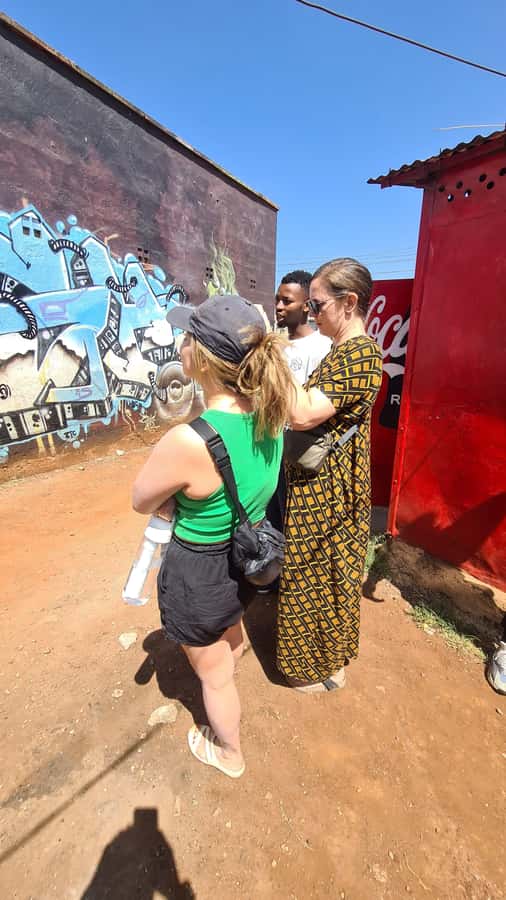
- Local guides lead the walk: Meet artists from Sun Valley Art Collective, including Saviour and Anthony, who explain their work and daily life in Kibera.
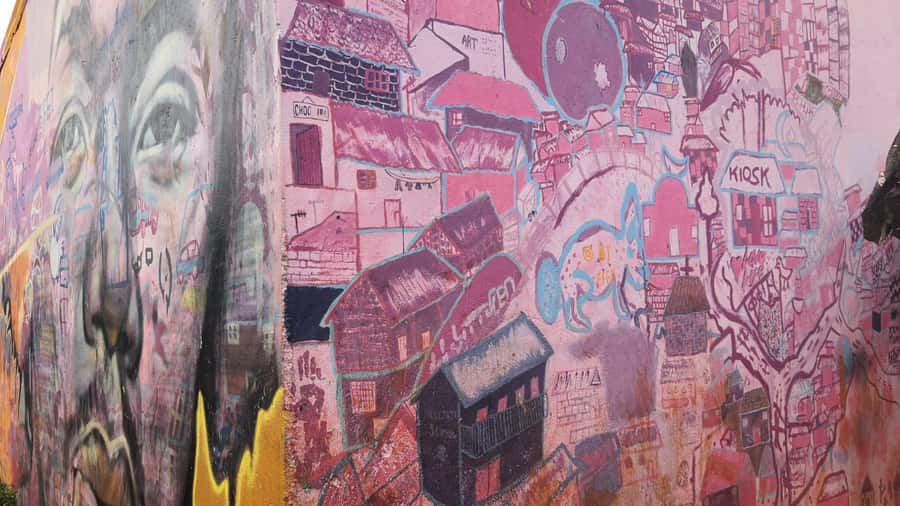
- Murals carry a message: The art covers education, social issues, community life, and the artists’ own hopes for change.
- The route includes working studios: Visit artists’ houses, collectives, galleries, and the Sun Valley studio rather than only viewing walls from a distance.
- Food is part of the outing: Street-food samples are available on request, with stops at vendors chosen by the guides.
- Art can go home with you: Buy paintings, recycled-metal objects, or other local work directly from the artists.
- Plan for a real walk: The tour lasts about 150 minutes and is not suitable for wheelchair users or people with mobility impairments.
Seeing Kibera through the artists’ eyes

Kibera is often reduced to a single word and a single image. This tour works against that shortcut by letting young artists explain their own neighborhood, their community projects, and the role of art in everyday life.
Sun Valley Art Collective includes about 15 artists who grew up in Kibera. Their work is not limited to decoration. The murals serve as public lessons and statements, while the collective gives young people a place to make paintings, metal objects, and other forms of art.
That distinction matters. You are not simply being shown a poor area as a spectacle. You are meeting people who use creativity to talk about education, health care, sports, politics, and opportunity. The tour still takes you through parts of an informal settlement, but the focus is on the people shaping its story.
I especially value the chance to hear the artists explain the ideas behind their work. A mural can look impressive from a few feet away, but its meaning becomes clearer when the person who helped make it explains the setting, the motivation, and the social point behind it.
More guided Kibera walks:
- Nairobi: Explore Kibera Slum with Local Guides
★ 4.9 · 365 reviews - Kevins Kibera Slum Tours
★ 5.0 · 213 reviews - Nairobi: Kibera Slum storytelling tour with a Local
★ 5.0 · 185 reviews
Starting outside Gateway Supermarket
The meeting point is outside Gateway Supermarket on Kibera Station Road. The tour information describes the location as safe, but there is no parking, so you should plan to arrive by Uber or taxi.
This is a practical start rather than a scenic one. Give yourself enough time to find the supermarket and meet the guides without rushing. The exact map location can be provided, which is useful in Nairobi, where a named building may be easier to find than a street address.
The walk begins after the group gathers. One guide is provided for every two guests, according to the tour details. That is an unusually personal ratio and should make it easier to ask questions, keep the pace comfortable, and hear explanations in a busy setting.
English and Swahili are available. The guides who have led recent walks include Saviour and Anthony, also referred to as Tony in the tour information. If you have a special request, the organizers say they are flexible, so it is worth asking before the tour begins.
Two hours among murals, homes, and studios

The main walking portion lasts about two hours. You pass murals spread through Kibera, visit artist workspaces, and meet members of art collectives along the way.
The route is valuable because it places the art in its setting. You see collaborative murals on community walls, then hear about the people involved in making them. You may also visit artists’ houses and studios, where the work feels more personal and less like public decoration.
The guides explain their own long connection with art and their efforts to use that interest to improve life in the community. This gives you a better sense of art as a practical tool. It can provide a voice, a meeting place, and a hopeful path for young people.
The route is not presented as a fixed museum sequence. It moves through a place where people are working, walking, selling, studying, and going about daily life. That means the experience can feel immediate, but it also requires manners. Ask before taking photographs, especially when people appear in the frame. The guides will tell you when photography is appropriate.
You should also expect the streets to be uneven or crowded in places. The operator specifically says the tour is not suitable for people with mobility impairments or wheelchair users. Comfortable closed-toe shoes are essential. A hat, water, and a camera are sensible additions.
Why the street food stop matters

Street food is included on request, not automatically for every guest. During the walk, the guides stop at vendors they like and offer samples of local snacks.
This is a small part of the experience, but it helps make the tour feel less staged. Instead of treating Kibera as a place to observe from outside, you share a simple part of local daily life with the people showing you around.
Tell the organizers in advance if you want to try the food. You should also bring water and snacks of your own, since the activity notes recommend both. The available information does not list the exact dishes, so do not book this as a food tour. Think of the snacks as a short, optional part of a much broader art and community walk.
Be careful with litter. Leaving rubbish behind is specifically not allowed, and that rule is especially important during a walking tour through a lived-in neighborhood.
A few more Nairobi days to weigh up
- Nairobi National Park Half-Day Tour; Free Wi-Fi connection
★ 5.0 · 878 reviews - Nairobi: National Park & Optional Elephants & Giraffe Center
★ 4.8 · 874 reviews - NAI NAMI: Nairobi Storytelling Tour with Street Children
★ 5.0 · 792 reviews - Nairobi National Park Half-Day Game Drive
★ 4.5 · 738 reviews
Meeting artists beyond the main murals
One of the best features is the variety of creative work you may encounter. The walk can introduce you to artists beyond Sun Valley Art Collective, including a welder who makes animals from recycled metal.
You may also visit an exhibition of paintings by another local artist and a gallery displaying work by several makers. The gallery has included blown-glass pieces made from recycled glass, along with other works for sale.
These stops broaden your view of Kibera’s art scene. You are not seeing one project repeated from wall to wall. You are meeting people who work in different materials and who use discarded items, paint, and found resources in inventive ways.
The route also includes the premises of the Sun Valley collective. This is where you can see paintings and recycled-metal objects for sale, meet the artists in a more focused setting, and ask about the work before deciding if you want to buy something.
Buying art directly from the makers
Artwork is not included in the $45 price, but purchases are one of the clearest ways to support the people you meet. You may find paintings, objects made from recycled metal, blown glass, and other local pieces.
Buying directly gives the purchase more meaning than picking up a generic souvenir. You know who made the piece and can connect it with the story you heard during the walk. One guest bought a painting by Saviour and took it home as a lasting reminder of the visit.
Do not feel pressured to buy. The tour should still make sense if you only want to look, listen, and learn. If you do plan to purchase something, carry enough room in your bag and ask about safe packing or transport before you leave the studio.
The available details do not state the artwork prices or payment methods, so ask the artist directly. Keep your budget flexible if you want to shop.
What you get for $45

At $45 per person, this is not the cheapest way to spend two and a half hours in Nairobi. Its value comes from the small guide-to-guest ratio, the time spent with working artists, and the direct community connection.
A standard city walk might give you facts about Nairobi. This outing gives you access to people who grew up in Kibera and who can explain the murals from personal experience. You also visit several types of creative spaces instead of stopping at one landmark.
The price includes the guided walk and street-food samples on request. It does not include artwork, transport to the meeting point, or a guaranteed meal. If you want a full lunch, bring your own plans for before or after the tour.
For me, the price makes the most sense if you care about meeting local makers and supporting a community-led art project. It is less convincing if you want a fast photo stop, a comfortable vehicle tour, or a broad survey of Nairobi’s main sights.
Timing, pace, and practical comfort
The listed duration is 150 minutes, with the tour described elsewhere as lasting two to three hours. Allow at least that much time, and avoid scheduling a tight airport transfer or another fixed appointment immediately afterward.
The finish is near Olympic Stage. From there, you can call an Uber or taxi, or take a matatu to your next destination. Because traffic and the walking pace can vary, leave a buffer before anything important.
Wear shoes that can handle a real neighborhood walk. Closed toes are required in the practical guidance, and a hat and water will help in the sun. Bring a camera only if you are ready to use it carefully and follow the guides’ advice about photographing people.
The tour is not suitable for wheelchair users or people with mobility impairments. The operator says special requests can be discussed, but that does not change the basic need to walk through Kibera.
Who will get the most from this experience

This tour suits you if you want to meet local artists, hear first-person stories, and understand how public art can support education and community work. It is also a good choice if you prefer buying a meaningful handmade item from its maker instead of shopping in a tourist market.
It suits photographers only if they are patient and respectful. You may see striking murals, but this is not a free-for-all photo walk. People live and work along the route, and the guides decide when pictures are appropriate.
Families with older children may find the art and social themes engaging, but the tour details do not specify a minimum age. Ask the provider before booking for young children.
You should choose another activity if you want a relaxed, fully accessible route or if you are uncomfortable walking through a working informal settlement. The tour asks you to pay attention to the setting and to treat the community as a home, not a backdrop.
A thoughtful alternative to stereotype-driven sightseeing
The guides’ greatest contribution is context. They can show you murals about community issues, then explain how local people organize education, health care, sports groups, and creative programs.
That does not make Kibera trouble-free, and the tour should not be treated as a feel-good shortcut. It does give you a fuller picture than a distant viewpoint or a brief drive past the settlement. You see hardship, talent, enterprise, and community effort in the same place.
The strongest visits are likely to be the conversations. Saviour and Anthony have been praised for explaining both the art and their own lives as young artists. Their role is not only to point out paintings, but to act as ambassadors for the place where they grew up.
Should you book the Kibera street art tour?
Book it if you want a personal, community-led walk built around art, conversation, and local perspective. The small guide ratio, direct access to artists, optional street food, and chance to buy work from the makers make the $45 feel fair for the right kind of visitor.
Skip it if you need smooth pavement, wheelchair access, a predictable food itinerary, or a short list of Nairobi landmarks. This is a serious walking experience in a living neighborhood, with all the rewards and limits that brings.
Bring water, wear closed shoes, allow extra time, and ask before taking photographs. If you approach Kibera with curiosity rather than assumptions, Sun Valley Art Collective offers one of Nairobi’s most personal ways to meet the people behind the art.
FAQ
Where does the tour begin?
Meet outside Gateway Supermarket on Kibera Station Road. A map location can be provided.
How long does the tour last?
The scheduled duration is 150 minutes. The activity information also describes it as lasting about two to three hours.
Where does the tour finish?
The walk finishes at HOF Gallery Kibera, near Olympic Stage.
How can I reach the meeting point?
There is no parking at the meeting point, so Uber or a taxi is recommended.
Which languages are available?
The live tour guide can speak English and Swahili.
Is street food included?
Street-food samples are available on request. The activity is not described as a full food tour.
Can I buy artwork during the tour?
Yes. You can buy artwork directly from local artists, but the cost of the artwork is not included in the tour price.
What should I bring?
Bring comfortable closed-toe shoes, a hat, water, snacks, and a camera if you want to take photographs when the guides say it is appropriate.
Is the tour suitable for wheelchair users?
No. The tour is not suitable for wheelchair users or people with mobility impairments.
What happens if I need to cancel?
You can cancel up to 24 hours before the activity for a full refund. You can also reserve now and pay later.
Just added around Nairobi
- Visit kibera Slum the chocolate city★ 4.8 · 3 reviews
- 4 Days Safari to Lake Nakuru N/P and Maasai Mara N/R★ 5.0 · 18 reviews
- Maasai Mara Day Trip★ 5.0 · 15 reviews
- 4 Days Tour Landcruiser in Masai Mara and Lake Nakuru★ 5.0 · 10 reviews
- 3 days maasai mara migration safari★ 4.5 · 7 reviews
- Kibera Slum Tour with a Local★ 5.0 · 15 reviews
- Wildebeest Migration in Masai Mara and Sightseeing 4 Days Tour★ 4.5 · 6 reviews
- Day Tour to Nairobi national park, Elephants, and Giraffe Center★ 3.5 · 8 reviews
Kibera Slum Tours, compared.





Kibera Slum Tour with Local Social Entrepreneurs
Read our review →


Browse the lists this tour appears in