

Reviewed · KIBERA SLUM TOURS
A Visit To KIBERA The Chocolate City.
Kibera is not a museum or a staged village. It is a living Nairobi neighborhood, and this three-hour walk takes you through it with a local guide who can explain what you are seeing. You begin at Olympic Primary School, walk through narrow paths, visit Chocolate City, and hear about daily life from someone tied closely to the community.
I like two things here. First, the guide-led format gives you context instead of leaving you to stare at unfamiliar surroundings. Second, the tour uses public transport and includes local snacks and a food-market visit, giving the outing a more ordinary, grounded feel. The main drawback is that the walking can be demanding, and the tour is not suitable for wheelchair users, visually impaired people, babies, or children under five.
Key points to know before you book
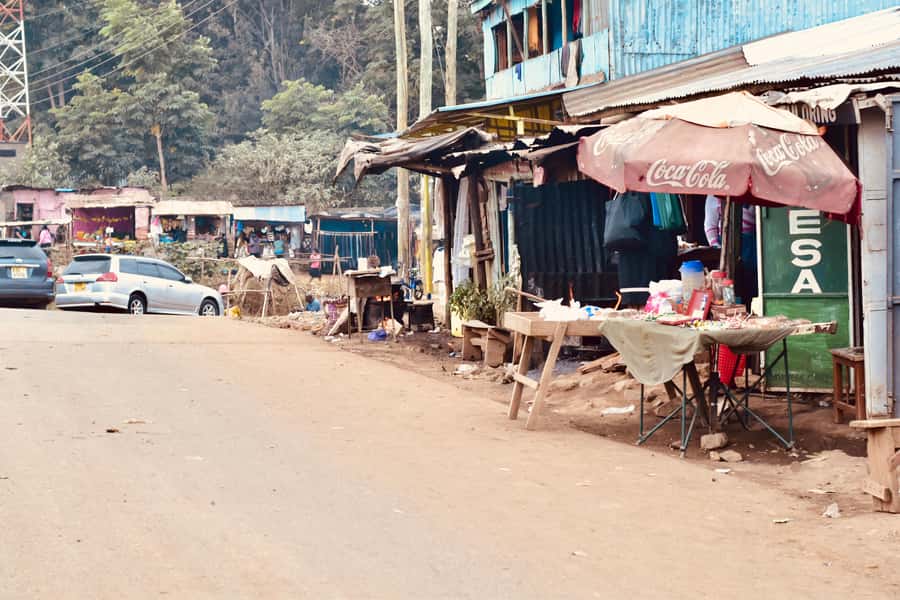
- The guide is the heart of the visit: Musa and Moses are named in the feedback, and both are praised for explaining Kibera clearly and personally.
- You start at Olympic Primary School: Meet your guide at the school’s main gate, not at a hotel or a large tourist office.
- Chocolate City is part of the walk: The tour includes a visit to this local area, along with sightseeing and stops connected to everyday community life.
- Public transport is included: You do not simply arrive by private vehicle and leave again. Local transport forms part of the experience.
- The route is personal and social: Depending on the day, you may visit a house, pub, factory, food market, or other local sites.
- The price is modest for a private-feeling introduction: At $20 per person for about three hours, the value lies in access, explanation, and local perspective rather than polished attractions.
Meeting Kibera at Olympic Primary School

The visit begins at the main gate of Olympic Primary School in Nairobi. This clear landmark matters, since the tour does not use a conventional hotel pickup or a formal visitor center. You will need to make your own way to the school and meet the guide there.
From the start, you should think of this as a walking visit through a working neighborhood. There is no entry ticket for Kibera, no turnstile, and no single attraction that explains the area. The guide supplies the missing connection between what you see and what it means.
That personal link is the strongest part of the experience. Musa and Moses are specifically praised for their friendly manner and ability to explain Kibera in detail. One guide has taken visitors through parts of his own community, family setting, and nearby areas. That can turn a difficult subject into a human conversation rather than a quick look from the outside.
You should still arrive with the right attitude. Kibera is home to many people. Keep your voice low, ask before taking photographs, and follow the guide’s directions about where to walk and when to stop. The tour provides a safety briefing, and one important practical lesson is simple: listen to the person who lives and works there.
More City Tours in Nairobi
- Nairobi Historical Walking City Tour
★ 5.0 · 258 reviews - Nairobi City Walking Tour with Traditional Kenyan Lunch
★ 5.0 · 106 reviews - Nairobi Cultural and Historical City Tour with a Local
★ 5.0 · 67 reviews
Public transport makes the arrival part of the lesson
Public transport is used as part of the tour to Kibera. The supplied details do not specify the exact vehicle or route, so you should not expect a fixed transport plan described in advance. The point is that you travel in a way connected to ordinary Nairobi life, rather than arriving only in a private sightseeing vehicle.
I like this choice because transport can show you how a city fits together before the main walk even begins. You are not just dropped at an entrance, shown a few paths, and returned to a hotel. The movement between places helps frame Kibera as part of Nairobi, not as an isolated curiosity.
It also means you should wear comfortable shoes and allow some flexibility. The total duration is about three hours, with roughly two and a half hours set aside for the main Nairobi visit, including walking, guided sightseeing, food stops, a safety briefing, and a break. The remaining time covers the start and finish of the outing.
The route ends at Olympic Estate in Nairobi. This is useful to know if you have another appointment afterward. You are not returning to the school gate as part of the stated plan, so allow time to continue from Olympic Estate.
Walking through the real Kibera

The tour’s central activity is a guided walk through Kibera. You follow narrow pathways and visit parts of the settlement while the guide explains the setting, local routines, and the pressures faced by residents.
The word slum can flatten a place into a single image. A good guide helps you see more than poor infrastructure. You may notice limited resources, homes and businesses close together, local trade, and the practical ways people make daily life work. The purpose is not to pretend the problems are small. It is to show the people, skills, and plans that exist alongside those problems.
The visit also touches on efforts to improve infrastructure and living conditions. These efforts involve local initiatives and government agencies. The tour does not present Kibera as frozen in time, which is important. You hear about its past, see its present conditions, and consider what may change in the future.
The route is not described as a gentle, paved sightseeing stroll. Narrow paths and uneven conditions are likely, and the activity specifically excludes wheelchair users and visually impaired people. Babies under one year and children under five are also not accepted. People over 95 are excluded as well. If you have limited mobility, ask for clarification before booking rather than assuming a short duration means an easy walk.
Chocolate City and the places around it
A visit to Chocolate City is one of the named highlights. The available details do not explain the origin of the name or list a fixed set of attractions there, so the guide’s explanation will be especially important. Expect this stop to be part of the neighborhood walk, not a separate theme park or ticketed attraction.
That is a useful distinction. You are seeing a local place in context, with the guide pointing out what matters to residents. The value comes from understanding the area and meeting it respectfully, not from collecting a photograph at a famous landmark.
The route can include several types of local stop. Visitors have described going into a house, seeing a pub, visiting a factory, and passing through different parts of the settlement. These stops may vary according to the day and the guide, but they show how people live, work, sell goods, and spend time in the neighborhood.
Do not expect a polished sequence of exhibits. You might find the most memorable parts are small conversations or ordinary workspaces. That is also why you should remain flexible. The experience is shaped by the community and the guide rather than by a rigid attraction schedule.
More guided Kibera walks:
- Nairobi: Explore Kibera Slum with Local Guides
★ 4.9 · 365 reviews - Kevins Kibera Slum Tours
★ 5.0 · 213 reviews - Nairobi: Kibera Slum storytelling tour with a Local
★ 5.0 · 185 reviews - Kibera Slum Tour with Lucas
★ 5.0 · 119 reviews
Food markets and a taste of local routine

Local snacks and a food-market visit are included in the walk. This adds a welcome sensory element, but you should treat it as a small part of the tour rather than a full meal. The details do not name the snacks or promise a particular menu.
A market stop can help you understand how food moves through a neighborhood and how people shop close to home. It also gives you a natural reason to pause during the walk. If you want to buy something, ask the guide what is appropriate and how much it costs before ordering.
Food safety is personal. If you have allergies, dietary restrictions, or a sensitive stomach, tell the guide before eating. Since no menu is provided, bring your own backup snack if needed. That is sensible planning, not a criticism of the tour.
Personal stories are what set this walk apart
The strongest praise centers on the guides. Musa is described as friendly and clear, while Moses is praised for explaining Kibera and showing visitors parts of his community. Another particularly personal account describes a guide sharing details about his home and family.
You should not read this as a promise that every departure follows the exact same path. Guide availability can affect the feel and content of the walk. It does show what makes this experience worthwhile when the connection works: you gain a local explanation of the place from someone who knows it firsthand.
That matters because Kibera can be easy to misunderstand from a passing vehicle or a distant viewpoint. A guide can explain why people use certain paths, how local areas differ, and what improvement efforts mean in daily terms. You get a fuller view of Nairobi, including lives that are often invisible to visitors staying in hotels and visiting major sights.
The guide also helps keep the experience respectful. This is not a setting where you should wander off, photograph people without permission, or treat homes and workplaces as props. Follow instructions, ask questions without making assumptions, and remember that curiosity is not a license to intrude.
Safety, comfort, and the ethics of the visit

A safety briefing is part of the program. One important practical point is to stay with the guide and follow directions. The tour is presented as safe when you do so, but no urban walking experience is risk-free, and you should remain alert.
Wear closed, comfortable shoes. Keep valuables secure and carry only what you need. The supplied information does not give a precise packing list, so these are basic precautions for any busy city walk, not special claims about the route.
The ethical question is just as important as the practical one. A visit to a low-income neighborhood can become uncomfortable if it treats residents as scenery. This tour is better suited to people who want to listen, learn about community life, and support a local guide than to anyone seeking dramatic photographs.
The inclusion of public transport, food-market time, and personal stories helps move the outing away from a quick look at hardship. Still, your own behavior makes a difference. Ask before entering a home or workplace, accept a refusal without argument, and avoid photographing children unless a parent or guardian clearly agrees.
Is $20 a fair price?

The cost is $20 per person for three hours. That is a reasonable price if you value a local guide, public transport as part of the outing, and the chance to visit places that would be difficult to understand on your own.
You are not paying for an expensive attraction with a long list of included tickets. There is no entry fee for Kibera, and the value comes from the guide’s time, interpretation, route planning, and community connection. If the guide is as personal and clear as Musa and Moses are described, the price is easy to justify.
The value is less certain for someone who wants a tightly timed sightseeing program. The route can include different local sites, and the details do not promise a fixed list of stops on every departure. You should book this for the human contact and context, not for a guaranteed checklist of buildings.
The experience has a 4.9 rating from 12 reviews, with praise focused mainly on the guides, personal access, clear explanations, and the feeling of seeing more of everyday Kenya. That is a strong signal, though the sample is small. I would treat it as encouragement, not proof that every outing will be identical.
Who will appreciate this experience most?

I would recommend the tour to adults and older children who are comfortable walking, listening, and asking thoughtful questions. It suits you if you want to see a side of Nairobi that major sights do not show and if you prefer local conversation to a polished presentation.
It is also a good match for visitors interested in urban development, community initiatives, social issues, and ordinary working life. The guide’s explanations about past conditions, current challenges, and improvement efforts give the walk more substance than sightseeing alone.
This is not the right choice if you need step-free access, use a wheelchair, have a severe visual impairment, or are bringing a baby under one year. Children under five are not suitable, and the stated age limit excludes people over 95. If you dislike uneven walking, close quarters, or discussing poverty directly, choose a different Nairobi activity.
The tour is conducted in English. If you need another language, this experience is unlikely to meet that need based on the information provided.
Booking details that affect your decision
You can cancel up to 24 hours before the start for a full refund. You can also reserve now and pay later, which helps if your Nairobi plans are still shifting.
Check the available starting times before booking, since the tour lasts three hours and does not list one fixed departure time. Confirm the meeting point carefully: the guide meets you at the main gate of Olympic Primary School.
The walk finishes at Olympic Estate. Plan your onward transport from there rather than expecting a return to the starting point. Since the tour includes public transport and walking, leave a little room around the scheduled end if you have a flight, timed visit, or business appointment.
Should you book the Kibera Chocolate City walk?
Book it if you want a direct, locally guided look at Nairobi and understand that the value lies in people, explanation, and everyday places. The strongest reason to go is the chance to hear from guides such as Musa or Moses, who can connect the streets to homes, work, family, and community change.
Skip it if you want a conventional attraction, a guaranteed set of photo stops, or an easy route. For the right person, $20 buys a thoughtful introduction to Kibera and a more honest picture of Nairobi than a standard city tour can provide. Go with respect, follow the guide, and give the neighborhood your attention.
FAQ
Where does the tour begin?
Meet the guide at the main gate of Olympic Primary School in Nairobi.
Where does the tour finish?
The tour finishes at Olympic Estate in Nairobi, Kenya.
How long does the experience last?
The tour lasts three hours. About two and a half hours are set aside for the guided Nairobi walk, sightseeing, food stops, transport, and a break.
How much does the tour cost?
The price is $20 per person.
Is public transport included?
Yes. Public transport to Kibera is used as part of the tour.
Is an entry ticket required for Kibera?
No. You do not need an entry ticket to access the settlement.
What language is the tour conducted in?
The live tour guide speaks English.
Who is the tour not suitable for?
The tour is not suitable for children under five, babies under one year, wheelchair users, visually impaired people, or people over 95 years old.
More Dessert Tours in Nairobi
- Nairobi: Chocolate City Kibera Slum Walking Tour
★ 4.9 · 13 reviews - Kibera Chocolate City Tour
★ 5.0 · 13 reviews - Nairobi: Kibera Slum (The Chocolate city)Guided Walking Tour
★ 5.0 · 5 reviews - Visit kibera Slum the chocolate city
★ 4.8 · 3 reviews
Just added around Nairobi
- Visit kibera Slum the chocolate city★ 4.8 · 3 reviews
- 4 Days Safari to Lake Nakuru N/P and Maasai Mara N/R★ 5.0 · 18 reviews
- Maasai Mara Day Trip★ 5.0 · 15 reviews
- 4 Days Tour Landcruiser in Masai Mara and Lake Nakuru★ 5.0 · 10 reviews
- 3 days maasai mara migration safari★ 4.5 · 7 reviews
- Kibera Slum Tour with a Local★ 5.0 · 15 reviews
- Wildebeest Migration in Masai Mara and Sightseeing 4 Days Tour★ 4.5 · 6 reviews
- Day Tour to Nairobi national park, Elephants, and Giraffe Center★ 3.5 · 8 reviews
Kibera Slum Tours, compared.





Kibera Slum Tour with Local Social Entrepreneurs
Read our review →


Browse the lists this tour appears in